Until the legal battle works itself out and OpenAI’s broader hardware ambitions materialize, the most the startup has to offer is Micro — a funky little keypad clearly engineered to delight the tech industry’s code monkeys.
OpenAI sent TechCrunch a Micro test unit. The first big thing you notice when initially handling the keypad is that it’s a sturdy little device — enough so that if the AI accessory thing doesn’t end up working out, it could easily double as a paperweight. The other thing you might notice (and I am not the only one to point this out), is that the packaging — an immaculate white box with a sleek, clean aesthetic — is pretty Apple-coded. Make of that what you will.
The keypad’s layout involves six frosted “agent” keys at the top of the pad, which can be customized to carry out specific tasks within ChatGPT or its agentic coding tool Codex. Below them are six command keys, which can be used to control those programs. You can pair your Micro with your computer either through a Bluetooth connection or a USB cable.
Image Credits:Lucas Ropek/TechCrunch
Perhaps the most convenient thing Micro offers is a button for voice dictation — meaning you simply tell the app what you want done and it will get busy working on your behalf. Just hold down the dictation button and start talking. When you’re done, tap the “send” button next to it to submit your request.
You can customize your Micro keypad within ChatGPT itself, where a Micro tab allows you to adjust everything from the brightness of the light from the keys to the specific commands and projects you want tied to those keys.
Hard-core coders — the device’s actual target audience — haven’t exactly embraced it. Reviews by Redditors have largely negative, with one Reddit user calling it “a prank and not a real product,” and others saying serious coders won’t touch it. A review by the smaller independent outlet Aftermath was even harsher, calling the $230 price tag hard to justify next to cheaper DIY and off-the-shelf alternatives. (The title of that review: “OpenAI’s expensive macropad feels engineered to piss me off specifically.”)
It’s definitely the case that new users may need some time to figure out how Micro works and what to do with it.
Once I figured out how to program the keypad to my liking, I found it was actually pretty fun. You can assign various ChatGPT sessions to specific keys, which then allows you to easily toggle back and forth between all of your various projects. When you combine that with the dictation button, it makes the whole experience considerably more efficient and enjoyable.
But there’s still a learning curve. Micro’s buttons are color-coded. White means an agent is idle, blue means its thinking, green means a task is complete, and red means there’s been an error. You’ll need to memorize that, along with memorizing which specific projects are coded to each key.
The big question is whether the Micro keypad is functionally easier to use than just continuing to work on your laptop. In short: Why would I spend a week learning how to program and operate this thing when I already know how to use my computer’s mouse and keyboard?
Ultimately, your experience with the Micro will depend heavily on how much you use ChatGPT. Since I don’t use AI much day to day, I’m probably not the target audience for it.
That said, if you’re a ChatGPT power user, have $230 to spare, and like vintage-looking hardware with clicky buttons, Micro probably isn’t the worst purchase you could make — it might even brighten your day a little.
When you purchase through links in our articles, we may earn a small commission. This doesn’t affect our editorial independence.
Until the legal battle works itself out and OpenAI’s broader hardware ambitions materialize, the most the startup has to offer is Micro — a funky little keypad clearly engineered to delight the tech industry’s code monkeys.
OpenAI sent TechCrunch a Micro test unit. The first big thing you notice when initially handling the keypad is that it’s a sturdy little device — enough so that if the AI accessory thing doesn’t end up working out, it could easily double as a paperweight. The other thing you might notice (and I am not the only one to point this out), is that the packaging — an immaculate white box with a sleek, clean aesthetic — is pretty Apple-coded. Make of that what you will.
The keypad’s layout involves six frosted “agent” keys at the top of the pad, which can be customized to carry out specific tasks within ChatGPT or its agentic coding tool Codex. Below them are six command keys, which can be used to control those programs. You can pair your Micro with your computer either through a Bluetooth connection or a USB cable.
Image Credits:Lucas Ropek/TechCrunch
Perhaps the most convenient thing Micro offers is a button for voice dictation — meaning you simply tell the app what you want done and it will get busy working on your behalf. Just hold down the dictation button and start talking. When you’re done, tap the “send” button next to it to submit your request.
You can customize your Micro keypad within ChatGPT itself, where a Micro tab allows you to adjust everything from the brightness of the light from the keys to the specific commands and projects you want tied to those keys.
Hard-core coders — the device’s actual target audience — haven’t exactly embraced it. Reviews by Redditors have largely negative, with one Reddit user calling it “a prank and not a real product,” and others saying serious coders won’t touch it. A review by the smaller independent outlet Aftermath was even harsher, calling the $230 price tag hard to justify next to cheaper DIY and off-the-shelf alternatives. (The title of that review: “OpenAI’s expensive macropad feels engineered to piss me off specifically.”)
It’s definitely the case that new users may need some time to figure out how Micro works and what to do with it.
Once I figured out how to program the keypad to my liking, I found it was actually pretty fun. You can assign various ChatGPT sessions to specific keys, which then allows you to easily toggle back and forth between all of your various projects. When you combine that with the dictation button, it makes the whole experience considerably more efficient and enjoyable.
But there’s still a learning curve. Micro’s buttons are color-coded. White means an agent is idle, blue means its thinking, green means a task is complete, and red means there’s been an error. You’ll need to memorize that, along with memorizing which specific projects are coded to each key.
The big question is whether the Micro keypad is functionally easier to use than just continuing to work on your laptop. In short: Why would I spend a week learning how to program and operate this thing when I already know how to use my computer’s mouse and keyboard?
Ultimately, your experience with the Micro will depend heavily on how much you use ChatGPT. Since I don’t use AI much day to day, I’m probably not the target audience for it.
That said, if you’re a ChatGPT power user, have $230 to spare, and like vintage-looking hardware with clicky buttons, Micro probably isn’t the worst purchase you could make — it might even brighten your day a little.
When you purchase through links in our articles, we may earn a small commission. This doesn’t affect our editorial independence.
#OpenAIs #keypad #fun #coders #slightly #mystifying #TechCrunchAI,ChatGPT,codex,micro,OpenAI">I tried out OpenAI’s new AI keypad — which will be fun for some coders and slightly mystifying to everyone else | TechCrunch
OpenAI launched its first piece of hardware last week — a fancy little keypad built to pair with ChatGPT. Micro, which was developed in collaboration with specialty keyboard designer Work Louder, is essentially an artisanal workplace novelty that many tech enthusiasts will love and that may leave everyone else a little puzzled.
OpenAI’s entrance into the hardware market hasn’t arrived without drama. Several weeks ago, Apple sued the AI lab and accused it of trade theft — kicking off what’s certain to be a long-simmering legal battle. Meanwhile, news of another smart home product in development at OpenAI has also raised eyebrows, as the supposed device — which is being built to pair with ChatGPT — was reportedly developed by former Apple engineers.
Until the legal battle works itself out and OpenAI’s broader hardware ambitions materialize, the most the startup has to offer is Micro — a funky little keypad clearly engineered to delight the tech industry’s code monkeys.
OpenAI sent TechCrunch a Micro test unit. The first big thing you notice when initially handling the keypad is that it’s a sturdy little device — enough so that if the AI accessory thing doesn’t end up working out, it could easily double as a paperweight. The other thing you might notice (and I am not the only one to point this out), is that the packaging — an immaculate white box with a sleek, clean aesthetic — is pretty Apple-coded. Make of that what you will.
The keypad’s layout involves six frosted “agent” keys at the top of the pad, which can be customized to carry out specific tasks within ChatGPT or its agentic coding tool Codex. Below them are six command keys, which can be used to control those programs. You can pair your Micro with your computer either through a Bluetooth connection or a USB cable.
Image Credits:Lucas Ropek/TechCrunch
Perhaps the most convenient thing Micro offers is a button for voice dictation — meaning you simply tell the app what you want done and it will get busy working on your behalf. Just hold down the dictation button and start talking. When you’re done, tap the “send” button next to it to submit your request.
You can customize your Micro keypad within ChatGPT itself, where a Micro tab allows you to adjust everything from the brightness of the light from the keys to the specific commands and projects you want tied to those keys.
Hard-core coders — the device’s actual target audience — haven’t exactly embraced it. Reviews by Redditors have largely negative, with one Reddit user calling it “a prank and not a real product,” and others saying serious coders won’t touch it. A review by the smaller independent outlet Aftermath was even harsher, calling the $230 price tag hard to justify next to cheaper DIY and off-the-shelf alternatives. (The title of that review: “OpenAI’s expensive macropad feels engineered to piss me off specifically.”)
It’s definitely the case that new users may need some time to figure out how Micro works and what to do with it.
Once I figured out how to program the keypad to my liking, I found it was actually pretty fun. You can assign various ChatGPT sessions to specific keys, which then allows you to easily toggle back and forth between all of your various projects. When you combine that with the dictation button, it makes the whole experience considerably more efficient and enjoyable.
But there’s still a learning curve. Micro’s buttons are color-coded. White means an agent is idle, blue means its thinking, green means a task is complete, and red means there’s been an error. You’ll need to memorize that, along with memorizing which specific projects are coded to each key.
The big question is whether the Micro keypad is functionally easier to use than just continuing to work on your laptop. In short: Why would I spend a week learning how to program and operate this thing when I already know how to use my computer’s mouse and keyboard?
Ultimately, your experience with the Micro will depend heavily on how much you use ChatGPT. Since I don’t use AI much day to day, I’m probably not the target audience for it.
That said, if you’re a ChatGPT power user, have $230 to spare, and like vintage-looking hardware with clicky buttons, Micro probably isn’t the worst purchase you could make — it might even brighten your day a little.
When you purchase through links in our articles, we may earn a small commission. This doesn’t affect our editorial independence.
OpenAI launched its first piece of hardware last week — a fancy little keypad built…
launch of five new devices at its Galaxy Unpacked 2026 event in London. Three foldable handsets were unveiled, along with the Galaxy Watch 9 and Galaxy Watch Ultra 2, in addition to the Galaxy Z Fold 8 and Galaxy Z Fold 8 Ultra. The newest additions feature improved technology, slimmer form factors, Galaxy AI, and health monitoring capabilities. Preorders for the new products have already been opened in various markets, and they will be available starting from early August.
Samsung Galaxy Z Fold 8
The new Samsung Galaxy Z Fold 8 is built with people who prefer a larger foldable device in mind. For that reason, it comes with a passport-like design, which makes the device relatively shorter but gives a wider cover screen. This type of device enables easy completion of daily activities without unfolding it. The device has a 5.5-inch cover screen and a 7.6-inch foldable OLED screen. Both displays support an adaptive refresh rate from 1Hz to 120Hz.
The company uses a new Flex Titanium display structure to strengthen the folding screen. Samsung has redesigned the hinge for better performance and a less noticeable crease. It is powered by the Snapdragon 8 Elite Gen 5 chip. The device features up to 16 GB of RAM and 1 TB of internal memory. It includes a 50 MP primary sensor, a 50 MP ultra-wide lens, and a pair of 10 MP selfie shooters.
A 4,800mAh silicon-carbon battery keeps the phone running and supports 45W fast charging. The Galaxy Z Fold 8 ships with Android 17 and One UI 9. It also includes Galaxy AI tools such as Now Nudge, Gemini Intelligence, and Gemini Notebook. Buyers also get six months of Google AI Pro at no extra cost. The phone starts at $1,899.99 and is available in Lavender, Cream, Graphite, and an online-only Pistachio finish.
Samsung Galaxy Z Fold 8 Ultra
The latest addition to the line-up of the company’s top-selling foldable model is the Galaxy Z Fold 8 Ultra. The new smartphone replaces the Galaxy Z Fold 7 and offers a slimmer form factor. Its thickness measures 4.1 mm when unfolded, and 8.9 mm when folded. Samsung has also introduced a toughened Flex Titanium frame along with the improved hinge, which increases the strength of the display and minimizes the crease effect. The Fold 8 Ultra has a 6.5-inch outer screen and an 8-inch folding screen with a 120Hz adaptive refresh rate.
The Galaxy Z Fold 8 Ultra runs on the Snapdragon 8 Elite Gen 5 processor. It comes with up to 16GB of RAM and up to 1TB of storage. Samsung also upgrades the camera system. The phone includes a 200MP main camera, a 50MP ultra-wide camera, and a 10MP telephoto camera. It also has two 10MP selfie cameras, one on each display.
The Fold 8 Ultra includes a 5,000mAh silicon-carbon battery with 45W wired charging support. It runs Android 17 with One UI 9 and includes Galaxy AI features like Now Nudge, Gemini Intelligence, and Gemini Notebook. Samsung offers the phone in Violet Shadow, Cream, Graphite, and an online-only Green Shadow color. The device starts at $2,099.99, while preorder buyers can take advantage of Samsung credit and trade-in deals.
Samsung Galaxy Z Flip 8
The Galaxy Z Flip 8 is the latest folding clamshell from Samsung. The company retains its classic design, but now makes the device slimmer and even more advanced. The features of the new Galaxy Z Flip 8 include the 6.9-inch foldable display and the 4.1-inch FlexWindow cover display.
Galaxy Z Flip 8 comes with the Snapdragon 8 Elite Gen 5 processor in America. Overseas versions have the Samsung Exynos 2600 chipset. This model features 12GB RAM along with up to 512GB of internal memory. It has a camera system that comprises 50MP main, 12MP ultra-wide, and 10MP selfie cameras.
The phone runs Android 17 with One UI 9. Samsung includes Galaxy AI features that work directly on the FlexWindow display. Personalized Now Brief updates and Gemini Intelligence help users complete tasks more quickly. The Galaxy Z Flip 8 also packs a 4,300mAh battery with 25W wired charging. It is available in Pink, Cream, Graphite, and an online-only Mint finish. It starts at $1,199.99, and preorder buyers can take advantage of Samsung credit and trade-in deals.
Samsung Galaxy Watch Ultra 2
The Galaxy Watch Ultra 2 is Samsung’s newest premium smartwatch. The watch features LTE connectivity as standard across all models. Samsung also redesigned the titanium body to make it thinner than before. The wearable includes a 47mm display with a peak brightness of 5,000 nits. It is powered by the Snapdragon Wear Elite platform and includes 2GB RAM and 64GB storage. Samsung equips the watch with a larger 800mAh battery. The company says it can deliver up to 60 hours of battery life with the Always-On Display enabled.
Samsung adds several new health and fitness features to the watch. These include Heart Health Score, Daily Cardio Load, Trail Run mode, and Nutrition Alert. The watch also provides hydration guidance during workouts. Samsung plans to release a Diving app later this year. The Galaxy Watch Ultra 2 has an IP69K rating and comes in Titanium Gray and Titanium Silver. It starts at $699.99, while preorder buyers can receive Samsung credit and trade-in savings.
Samsung Galaxy Watch 9
Samsung has launched the Galaxy Watch 9 as its more affordable smartwatch. The watch comes in 40mm and 44mm sizes. Buyers can choose between Bluetooth and LTE models. The 40mm version is available in Cream and Graphite, and the 44mm model comes in Silver and Graphite. Samsung powers the watch with the Snapdragon Wear Elite processor. It includes 2GB RAM and 32GB storage. The display offers up to 3,000 nits of peak brightness. The 40mm model packs a 390mAh battery, while the 44mm version includes a 445mAh battery. Samsung claims up to 30 hours of battery life with the Always-On Display turned on.
The Galaxy Watch 9 introduces new health and fitness features. Users get Heart Health Score, Daily Cardio Load, Sleep Apnea detection, and Vitals tracking during sleep. The watch also warns users about unsafe environmental noise levels. Samsung gives the smartwatch MIL-STD-810H and IP68 ratings for durability. Pricing starts at $379.99, with LTE models priced $50 higher. Samsung also offers a 60-day Strava trial and a two-month iFIT membership for new buyers.
launch of five new devices at its Galaxy Unpacked 2026 event in London. Three foldable handsets were unveiled, along with the Galaxy Watch 9 and Galaxy Watch Ultra 2, in addition to the Galaxy Z Fold 8 and Galaxy Z Fold 8 Ultra. The newest additions feature improved technology, slimmer form factors, Galaxy AI, and health monitoring capabilities. Preorders for the new products have already been opened in various markets, and they will be available starting from early August.
Samsung Galaxy Z Fold 8
The new Samsung Galaxy Z Fold 8 is built with people who prefer a larger foldable device in mind. For that reason, it comes with a passport-like design, which makes the device relatively shorter but gives a wider cover screen. This type of device enables easy completion of daily activities without unfolding it. The device has a 5.5-inch cover screen and a 7.6-inch foldable OLED screen. Both displays support an adaptive refresh rate from 1Hz to 120Hz.
The company uses a new Flex Titanium display structure to strengthen the folding screen. Samsung has redesigned the hinge for better performance and a less noticeable crease. It is powered by the Snapdragon 8 Elite Gen 5 chip. The device features up to 16 GB of RAM and 1 TB of internal memory. It includes a 50 MP primary sensor, a 50 MP ultra-wide lens, and a pair of 10 MP selfie shooters.
A 4,800mAh silicon-carbon battery keeps the phone running and supports 45W fast charging. The Galaxy Z Fold 8 ships with Android 17 and One UI 9. It also includes Galaxy AI tools such as Now Nudge, Gemini Intelligence, and Gemini Notebook. Buyers also get six months of Google AI Pro at no extra cost. The phone starts at $1,899.99 and is available in Lavender, Cream, Graphite, and an online-only Pistachio finish.
Samsung Galaxy Z Fold 8 Ultra
The latest addition to the line-up of the company’s top-selling foldable model is the Galaxy Z Fold 8 Ultra. The new smartphone replaces the Galaxy Z Fold 7 and offers a slimmer form factor. Its thickness measures 4.1 mm when unfolded, and 8.9 mm when folded. Samsung has also introduced a toughened Flex Titanium frame along with the improved hinge, which increases the strength of the display and minimizes the crease effect. The Fold 8 Ultra has a 6.5-inch outer screen and an 8-inch folding screen with a 120Hz adaptive refresh rate.
The Galaxy Z Fold 8 Ultra runs on the Snapdragon 8 Elite Gen 5 processor. It comes with up to 16GB of RAM and up to 1TB of storage. Samsung also upgrades the camera system. The phone includes a 200MP main camera, a 50MP ultra-wide camera, and a 10MP telephoto camera. It also has two 10MP selfie cameras, one on each display.
The Fold 8 Ultra includes a 5,000mAh silicon-carbon battery with 45W wired charging support. It runs Android 17 with One UI 9 and includes Galaxy AI features like Now Nudge, Gemini Intelligence, and Gemini Notebook. Samsung offers the phone in Violet Shadow, Cream, Graphite, and an online-only Green Shadow color. The device starts at $2,099.99, while preorder buyers can take advantage of Samsung credit and trade-in deals.
Samsung Galaxy Z Flip 8
The Galaxy Z Flip 8 is the latest folding clamshell from Samsung. The company retains its classic design, but now makes the device slimmer and even more advanced. The features of the new Galaxy Z Flip 8 include the 6.9-inch foldable display and the 4.1-inch FlexWindow cover display.
Galaxy Z Flip 8 comes with the Snapdragon 8 Elite Gen 5 processor in America. Overseas versions have the Samsung Exynos 2600 chipset. This model features 12GB RAM along with up to 512GB of internal memory. It has a camera system that comprises 50MP main, 12MP ultra-wide, and 10MP selfie cameras.
The phone runs Android 17 with One UI 9. Samsung includes Galaxy AI features that work directly on the FlexWindow display. Personalized Now Brief updates and Gemini Intelligence help users complete tasks more quickly. The Galaxy Z Flip 8 also packs a 4,300mAh battery with 25W wired charging. It is available in Pink, Cream, Graphite, and an online-only Mint finish. It starts at $1,199.99, and preorder buyers can take advantage of Samsung credit and trade-in deals.
Samsung Galaxy Watch Ultra 2
The Galaxy Watch Ultra 2 is Samsung’s newest premium smartwatch. The watch features LTE connectivity as standard across all models. Samsung also redesigned the titanium body to make it thinner than before. The wearable includes a 47mm display with a peak brightness of 5,000 nits. It is powered by the Snapdragon Wear Elite platform and includes 2GB RAM and 64GB storage. Samsung equips the watch with a larger 800mAh battery. The company says it can deliver up to 60 hours of battery life with the Always-On Display enabled.
Samsung adds several new health and fitness features to the watch. These include Heart Health Score, Daily Cardio Load, Trail Run mode, and Nutrition Alert. The watch also provides hydration guidance during workouts. Samsung plans to release a Diving app later this year. The Galaxy Watch Ultra 2 has an IP69K rating and comes in Titanium Gray and Titanium Silver. It starts at $699.99, while preorder buyers can receive Samsung credit and trade-in savings.
Samsung Galaxy Watch 9
Samsung has launched the Galaxy Watch 9 as its more affordable smartwatch. The watch comes in 40mm and 44mm sizes. Buyers can choose between Bluetooth and LTE models. The 40mm version is available in Cream and Graphite, and the 44mm model comes in Silver and Graphite. Samsung powers the watch with the Snapdragon Wear Elite processor. It includes 2GB RAM and 32GB storage. The display offers up to 3,000 nits of peak brightness. The 40mm model packs a 390mAh battery, while the 44mm version includes a 445mAh battery. Samsung claims up to 30 hours of battery life with the Always-On Display turned on.
The Galaxy Watch 9 introduces new health and fitness features. Users get Heart Health Score, Daily Cardio Load, Sleep Apnea detection, and Vitals tracking during sleep. The watch also warns users about unsafe environmental noise levels. Samsung gives the smartwatch MIL-STD-810H and IP68 ratings for durability. Pricing starts at $379.99, with LTE models priced $50 higher. Samsung also offers a 60-day Strava trial and a two-month iFIT membership for new buyers.
#Biggest #Samsung #Launches #Galaxy #Unpacked #JulySamsung">5 Biggest Samsung Launches from Galaxy Unpacked July 2026
Samsung has expanded its Galaxy lineup with the launch of five new devices at its Galaxy Unpacked 2026 event in London. Three foldable handsets were unveiled, along with the Galaxy Watch 9 and Galaxy Watch Ultra 2, in addition to the Galaxy Z Fold 8 and Galaxy Z Fold 8 Ultra. The newest additions feature improved technology, slimmer form factors, Galaxy AI, and health monitoring capabilities. Preorders for the new products have already been opened in various markets, and they will be available starting from early August.
Samsung Galaxy Z Fold 8
The new Samsung Galaxy Z Fold 8 is built with people who prefer a larger foldable device in mind. For that reason, it comes with a passport-like design, which makes the device relatively shorter but gives a wider cover screen. This type of device enables easy completion of daily activities without unfolding it. The device has a 5.5-inch cover screen and a 7.6-inch foldable OLED screen. Both displays support an adaptive refresh rate from 1Hz to 120Hz.
The company uses a new Flex Titanium display structure to strengthen the folding screen. Samsung has redesigned the hinge for better performance and a less noticeable crease. It is powered by the Snapdragon 8 Elite Gen 5 chip. The device features up to 16 GB of RAM and 1 TB of internal memory. It includes a 50 MP primary sensor, a 50 MP ultra-wide lens, and a pair of 10 MP selfie shooters.
A 4,800mAh silicon-carbon battery keeps the phone running and supports 45W fast charging. The Galaxy Z Fold 8 ships with Android 17 and One UI 9. It also includes Galaxy AI tools such as Now Nudge, Gemini Intelligence, and Gemini Notebook. Buyers also get six months of Google AI Pro at no extra cost. The phone starts at $1,899.99 and is available in Lavender, Cream, Graphite, and an online-only Pistachio finish.
Samsung Galaxy Z Fold 8 Ultra
The latest addition to the line-up of the company’s top-selling foldable model is the Galaxy Z Fold 8 Ultra. The new smartphone replaces the Galaxy Z Fold 7 and offers a slimmer form factor. Its thickness measures 4.1 mm when unfolded, and 8.9 mm when folded. Samsung has also introduced a toughened Flex Titanium frame along with the improved hinge, which increases the strength of the display and minimizes the crease effect. The Fold 8 Ultra has a 6.5-inch outer screen and an 8-inch folding screen with a 120Hz adaptive refresh rate.
The Galaxy Z Fold 8 Ultra runs on the Snapdragon 8 Elite Gen 5 processor. It comes with up to 16GB of RAM and up to 1TB of storage. Samsung also upgrades the camera system. The phone includes a 200MP main camera, a 50MP ultra-wide camera, and a 10MP telephoto camera. It also has two 10MP selfie cameras, one on each display.
The Fold 8 Ultra includes a 5,000mAh silicon-carbon battery with 45W wired charging support. It runs Android 17 with One UI 9 and includes Galaxy AI features like Now Nudge, Gemini Intelligence, and Gemini Notebook. Samsung offers the phone in Violet Shadow, Cream, Graphite, and an online-only Green Shadow color. The device starts at $2,099.99, while preorder buyers can take advantage of Samsung credit and trade-in deals.
Samsung Galaxy Z Flip 8
The Galaxy Z Flip 8 is the latest folding clamshell from Samsung. The company retains its classic design, but now makes the device slimmer and even more advanced. The features of the new Galaxy Z Flip 8 include the 6.9-inch foldable display and the 4.1-inch FlexWindow cover display.
Galaxy Z Flip 8 comes with the Snapdragon 8 Elite Gen 5 processor in America. Overseas versions have the Samsung Exynos 2600 chipset. This model features 12GB RAM along with up to 512GB of internal memory. It has a camera system that comprises 50MP main, 12MP ultra-wide, and 10MP selfie cameras.
The phone runs Android 17 with One UI 9. Samsung includes Galaxy AI features that work directly on the FlexWindow display. Personalized Now Brief updates and Gemini Intelligence help users complete tasks more quickly. The Galaxy Z Flip 8 also packs a 4,300mAh battery with 25W wired charging. It is available in Pink, Cream, Graphite, and an online-only Mint finish. It starts at $1,199.99, and preorder buyers can take advantage of Samsung credit and trade-in deals.
Samsung Galaxy Watch Ultra 2
The Galaxy Watch Ultra 2 is Samsung’s newest premium smartwatch. The watch features LTE connectivity as standard across all models. Samsung also redesigned the titanium body to make it thinner than before. The wearable includes a 47mm display with a peak brightness of 5,000 nits. It is powered by the Snapdragon Wear Elite platform and includes 2GB RAM and 64GB storage. Samsung equips the watch with a larger 800mAh battery. The company says it can deliver up to 60 hours of battery life with the Always-On Display enabled.
Samsung adds several new health and fitness features to the watch. These include Heart Health Score, Daily Cardio Load, Trail Run mode, and Nutrition Alert. The watch also provides hydration guidance during workouts. Samsung plans to release a Diving app later this year. The Galaxy Watch Ultra 2 has an IP69K rating and comes in Titanium Gray and Titanium Silver. It starts at $699.99, while preorder buyers can receive Samsung credit and trade-in savings.
Samsung Galaxy Watch 9
Samsung has launched the Galaxy Watch 9 as its more affordable smartwatch. The watch comes in 40mm and 44mm sizes. Buyers can choose between Bluetooth and LTE models. The 40mm version is available in Cream and Graphite, and the 44mm model comes in Silver and Graphite. Samsung powers the watch with the Snapdragon Wear Elite processor. It includes 2GB RAM and 32GB storage. The display offers up to 3,000 nits of peak brightness. The 40mm model packs a 390mAh battery, while the 44mm version includes a 445mAh battery. Samsung claims up to 30 hours of battery life with the Always-On Display turned on.
The Galaxy Watch 9 introduces new health and fitness features. Users get Heart Health Score, Daily Cardio Load, Sleep Apnea detection, and Vitals tracking during sleep. The watch also warns users about unsafe environmental noise levels. Samsung gives the smartwatch MIL-STD-810H and IP68 ratings for durability. Pricing starts at $379.99, with LTE models priced $50 higher. Samsung also offers a 60-day Strava trial and a two-month iFIT membership for new buyers.
Samsung has expanded its Galaxy lineup with the launch of five new devices at its…
The Pixel Watch 4 proved Google could make a truly great Android smartwatch, so for this year’s Pixel Watch 5, the company apparently doesn’t plan to change much. According to a Google Play Console listing spotted by 9to5Google, the Pixel Watch 5 may end up using the exact same Qualcomm chip as the Pixel Watch 4, just with a smidge more RAM.
The listing specifically names a device called “google godric_btwifi” using a “Qualcomm SW5100” with a 4x ARM Cortex-A53 CPU and a Qualcomm Adreno 702. That suggests Google is using a chip in the same Snapdragon W5 family as it did on its smartwatches starting with the Pixel Watch 2. It may even be the exact same Snapdragon W5 Gen 2 chip as the Pixel Watch 4 if the yet-to-be-listed co-processor hasn’t been changed. That’s a notable difference from early leaks that suggested Google might introduce its own Tensor chip for the Pixel Watch 5.
One place the smartwatch could be different is memory: the listing shows the Pixel Watch 5 as having 3GB of RAM, a 1GB increase over the Pixel Watch 4. This might not change the day-to-day experience of using the smartwatch, but it could enable new Gemini Intelligence features Google has planned.
Combined with leaked renders of the Pixel Watch 5, which show the wearable as looking more or less like the Pixel Watch that came before it, Google’s new smartwatch seems like not much of an upgrade. It’ll reportedly be available in new “Dark Anthracite” (dark gray) and “Pyrite” (green) colors, and Google will likely introduce new bands, but nothing about what’s leaked so far suggests the watch will do anything different than it did before.
Google could still wow in the software department—for example, the company patented technology for measuring arterial stiffness that could show up on a future watch—but it’ll still have an uphill battle selling the smartwatch. Dealabs reported earlier this month that the Pixel Watch 5 will likely start at $400, $50 more than the Pixel Watch 4. That price might be harder to swallow if the watch also looks nearly identical to last year’s model.
Increasingly, it seems like the Pixel Watch story Google will be telling at its upcoming Made by Google event will be focused on software. That’s one of the company’s strengths, but it remains to be seen whether the Pixel Watch 5 will be worth the upgrade.
The Pixel Watch 4 proved Google could make a truly great Android smartwatch, so for this year’s Pixel Watch 5, the company apparently doesn’t plan to change much. According to a Google Play Console listing spotted by 9to5Google, the Pixel Watch 5 may end up using the exact same Qualcomm chip as the Pixel Watch 4, just with a smidge more RAM.
The listing specifically names a device called “google godric_btwifi” using a “Qualcomm SW5100” with a 4x ARM Cortex-A53 CPU and a Qualcomm Adreno 702. That suggests Google is using a chip in the same Snapdragon W5 family as it did on its smartwatches starting with the Pixel Watch 2. It may even be the exact same Snapdragon W5 Gen 2 chip as the Pixel Watch 4 if the yet-to-be-listed co-processor hasn’t been changed. That’s a notable difference from early leaks that suggested Google might introduce its own Tensor chip for the Pixel Watch 5.
One place the smartwatch could be different is memory: the listing shows the Pixel Watch 5 as having 3GB of RAM, a 1GB increase over the Pixel Watch 4. This might not change the day-to-day experience of using the smartwatch, but it could enable new Gemini Intelligence features Google has planned.
Combined with leaked renders of the Pixel Watch 5, which show the wearable as looking more or less like the Pixel Watch that came before it, Google’s new smartwatch seems like not much of an upgrade. It’ll reportedly be available in new “Dark Anthracite” (dark gray) and “Pyrite” (green) colors, and Google will likely introduce new bands, but nothing about what’s leaked so far suggests the watch will do anything different than it did before.
Google could still wow in the software department—for example, the company patented technology for measuring arterial stiffness that could show up on a future watch—but it’ll still have an uphill battle selling the smartwatch. Dealabs reported earlier this month that the Pixel Watch 5 will likely start at $400, $50 more than the Pixel Watch 4. That price might be harder to swallow if the watch also looks nearly identical to last year’s model.
Increasingly, it seems like the Pixel Watch story Google will be telling at its upcoming Made by Google event will be focused on software. That’s one of the company’s strengths, but it remains to be seen whether the Pixel Watch 5 will be worth the upgrade.
#Temper #Excitement #Pixel #WatchGoogle,Google Pixel,smart watch,Wearables">You Might Want to Temper Your Excitement for the Pixel Watch 5
The Pixel Watch 4 proved Google could make a truly great Android smartwatch, so for this year’s Pixel Watch 5, the company apparently doesn’t plan to change much. According to a Google Play Console listing spotted by 9to5Google, the Pixel Watch 5 may end up using the exact same Qualcomm chip as the Pixel Watch 4, just with a smidge more RAM.
The listing specifically names a device called “google godric_btwifi” using a “Qualcomm SW5100” with a 4x ARM Cortex-A53 CPU and a Qualcomm Adreno 702. That suggests Google is using a chip in the same Snapdragon W5 family as it did on its smartwatches starting with the Pixel Watch 2. It may even be the exact same Snapdragon W5 Gen 2 chip as the Pixel Watch 4 if the yet-to-be-listed co-processor hasn’t been changed. That’s a notable difference from early leaks that suggested Google might introduce its own Tensor chip for the Pixel Watch 5.
One place the smartwatch could be different is memory: the listing shows the Pixel Watch 5 as having 3GB of RAM, a 1GB increase over the Pixel Watch 4. This might not change the day-to-day experience of using the smartwatch, but it could enable new Gemini Intelligence features Google has planned.
Combined with leaked renders of the Pixel Watch 5, which show the wearable as looking more or less like the Pixel Watch that came before it, Google’s new smartwatch seems like not much of an upgrade. It’ll reportedly be available in new “Dark Anthracite” (dark gray) and “Pyrite” (green) colors, and Google will likely introduce new bands, but nothing about what’s leaked so far suggests the watch will do anything different than it did before.
Google could still wow in the software department—for example, the company patented technology for measuring arterial stiffness that could show up on a future watch—but it’ll still have an uphill battle selling the smartwatch. Dealabs reported earlier this month that the Pixel Watch 5 will likely start at $400, $50 more than the Pixel Watch 4. That price might be harder to swallow if the watch also looks nearly identical to last year’s model.
Increasingly, it seems like the Pixel Watch story Google will be telling at its upcoming Made by Google event will be focused on software. That’s one of the company’s strengths, but it remains to be seen whether the Pixel Watch 5 will be worth the upgrade.
The Pixel Watch 4 proved Google could make a truly great Android smartwatch, so for…
The world could face the strongest El Niño since recordkeeping began, increasing the likelihood of extreme weather events and significant, long-term economic impacts globally.
A new analysis by Berkeley Earth climate scientist Zeke Hausfather paints a worrying picture of the climate phenomenon developing in the Pacific Ocean. Models have consistently forecast that this year’s El Niño—characterized by hotter than normal waters in the eastern tropical Pacific—could be among the strongest on records. Hausfather’s analysis using the El Niño forecast based on 14 climate models through July indicates that “this year’s El Niño is not only very likely to be the strongest event since reliable records began—it may end up the strongest by a truly mind-blowing margin.”
Climate researchers measure the strength of El Niño by looking at the temperatures in a region of the Pacific known as Niño 3.4, which covers the eastern and central part of the ocean basin. The new analysis relies on 667 simulations and compares them with historical records of the most intense El Niño events since 1877. It also disentangles El Niño’s intensity from the background warming driven by fossil fuels, making it easier to draw comparisons between super El Niños.
The model average shows that heat in the Niño 3.4 region could peak at 3.6 degrees Celsius (6.5 degrees Fahrenheit) above normal levels. This figure would exceed the previous record—set during the 2015-2016 El Niño episode—by approximately 0.8 degrees Celsius. It’s rare for records to fall by such a wide spread.
“For context, the gap between the strongest and the fifth strongest El Niño of the past 150 years is only about 0.5C. The models are forecasting something outside the envelope of anything we have ever observed,” Hausfather writes.
Of course, what happens in the tropical Pacific doesn’t stay in the tropical Pacific. El Niño rearranges the atmosphere, changing weather patterns around the world. The more intense the El Niño, the more intense the impacts (usually).
Record-breaking ocean heat in the Pacific combined with warming driven by carbon emissions could send the global temperature to new highs. But it takes a while for the extra heat released by El Niño to work its way through the vast climate system, meaning that next year is when we’ll see the full impact of this year’s Pacific heat wave on the global average temperature. According to his projections, global temperatures in 2027 could reach up to 1.7 degrees Celsius above the preindustrial average, well above the 1.5 degrees Celsius threshold that’s been dubbed a relatively safe level of global warming.
But the world won’t have to wait until 2027 to feel the heat of El Niño. A separate analysis by Carbon Brief shows that the odds are increasing for 2026 to set an annual heat record, with the likelihood up from 19 percent in April to 35 percent as of July. And the forecasters are expecting extreme weather associated with El Niño to impact various parts of the globe in the coming months. In fact, some impacts are already here: Fisheries in the eastern Pacific are seeing lower catches, with the Peruvian government setting up a ban for catching anchovies this spring.
Hausfather’s analysis also revealed that the phenomenon is developing faster than usual. According to the comparison, this year’s El Niño is intensifying more rapidly than the 1997-1998 event, another super El Niño. It also differs significantly from the 2015 event, which began when the ocean was already showing signs of prior warming—in other words, it had a running start. That’s particularly striking because this year began with La Niña, the cooler-than-normal cousin of El Niño, so it had a bit of work to do before it even got going.
The world could face the strongest El Niño since recordkeeping began, increasing the likelihood of extreme weather events and significant, long-term economic impacts globally.
A new analysis by Berkeley Earth climate scientist Zeke Hausfather paints a worrying picture of the climate phenomenon developing in the Pacific Ocean. Models have consistently forecast that this year’s El Niño—characterized by hotter than normal waters in the eastern tropical Pacific—could be among the strongest on records. Hausfather’s analysis using the El Niño forecast based on 14 climate models through July indicates that “this year’s El Niño is not only very likely to be the strongest event since reliable records began—it may end up the strongest by a truly mind-blowing margin.”
Climate researchers measure the strength of El Niño by looking at the temperatures in a region of the Pacific known as Niño 3.4, which covers the eastern and central part of the ocean basin. The new analysis relies on 667 simulations and compares them with historical records of the most intense El Niño events since 1877. It also disentangles El Niño’s intensity from the background warming driven by fossil fuels, making it easier to draw comparisons between super El Niños.
The model average shows that heat in the Niño 3.4 region could peak at 3.6 degrees Celsius (6.5 degrees Fahrenheit) above normal levels. This figure would exceed the previous record—set during the 2015-2016 El Niño episode—by approximately 0.8 degrees Celsius. It’s rare for records to fall by such a wide spread.
“For context, the gap between the strongest and the fifth strongest El Niño of the past 150 years is only about 0.5C. The models are forecasting something outside the envelope of anything we have ever observed,” Hausfather writes.
Of course, what happens in the tropical Pacific doesn’t stay in the tropical Pacific. El Niño rearranges the atmosphere, changing weather patterns around the world. The more intense the El Niño, the more intense the impacts (usually).
Record-breaking ocean heat in the Pacific combined with warming driven by carbon emissions could send the global temperature to new highs. But it takes a while for the extra heat released by El Niño to work its way through the vast climate system, meaning that next year is when we’ll see the full impact of this year’s Pacific heat wave on the global average temperature. According to his projections, global temperatures in 2027 could reach up to 1.7 degrees Celsius above the preindustrial average, well above the 1.5 degrees Celsius threshold that’s been dubbed a relatively safe level of global warming.
But the world won’t have to wait until 2027 to feel the heat of El Niño. A separate analysis by Carbon Brief shows that the odds are increasing for 2026 to set an annual heat record, with the likelihood up from 19 percent in April to 35 percent as of July. And the forecasters are expecting extreme weather associated with El Niño to impact various parts of the globe in the coming months. In fact, some impacts are already here: Fisheries in the eastern Pacific are seeing lower catches, with the Peruvian government setting up a ban for catching anchovies this spring.
Hausfather’s analysis also revealed that the phenomenon is developing faster than usual. According to the comparison, this year’s El Niño is intensifying more rapidly than the 1997-1998 event, another super El Niño. It also differs significantly from the 2015 event, which began when the ocean was already showing signs of prior warming—in other words, it had a running start. That’s particularly striking because this year began with La Niña, the cooler-than-normal cousin of El Niño, so it had a bit of work to do before it even got going.
#Niño #Track #Strongest #Recordclimate,environment,weather,el nino">The 2026 El Niño Is on Track to Be the Strongest on Record
The world could face the strongest El Niño since recordkeeping began, increasing the likelihood of extreme weather events and significant, long-term economic impacts globally.
A new analysis by Berkeley Earth climate scientist Zeke Hausfather paints a worrying picture of the climate phenomenon developing in the Pacific Ocean. Models have consistently forecast that this year’s El Niño—characterized by hotter than normal waters in the eastern tropical Pacific—could be among the strongest on records. Hausfather’s analysis using the El Niño forecast based on 14 climate models through July indicates that “this year’s El Niño is not only very likely to be the strongest event since reliable records began—it may end up the strongest by a truly mind-blowing margin.”
Climate researchers measure the strength of El Niño by looking at the temperatures in a region of the Pacific known as Niño 3.4, which covers the eastern and central part of the ocean basin. The new analysis relies on 667 simulations and compares them with historical records of the most intense El Niño events since 1877. It also disentangles El Niño’s intensity from the background warming driven by fossil fuels, making it easier to draw comparisons between super El Niños.
The model average shows that heat in the Niño 3.4 region could peak at 3.6 degrees Celsius (6.5 degrees Fahrenheit) above normal levels. This figure would exceed the previous record—set during the 2015-2016 El Niño episode—by approximately 0.8 degrees Celsius. It’s rare for records to fall by such a wide spread.
“For context, the gap between the strongest and the fifth strongest El Niño of the past 150 years is only about 0.5C. The models are forecasting something outside the envelope of anything we have ever observed,” Hausfather writes.
Of course, what happens in the tropical Pacific doesn’t stay in the tropical Pacific. El Niño rearranges the atmosphere, changing weather patterns around the world. The more intense the El Niño, the more intense the impacts (usually).
Record-breaking ocean heat in the Pacific combined with warming driven by carbon emissions could send the global temperature to new highs. But it takes a while for the extra heat released by El Niño to work its way through the vast climate system, meaning that next year is when we’ll see the full impact of this year’s Pacific heat wave on the global average temperature. According to his projections, global temperatures in 2027 could reach up to 1.7 degrees Celsius above the preindustrial average, well above the 1.5 degrees Celsius threshold that’s been dubbed a relatively safe level of global warming.
But the world won’t have to wait until 2027 to feel the heat of El Niño. A separate analysis by Carbon Brief shows that the odds are increasing for 2026 to set an annual heat record, with the likelihood up from 19 percent in April to 35 percent as of July. And the forecasters are expecting extreme weather associated with El Niño to impact various parts of the globe in the coming months. In fact, some impacts are already here: Fisheries in the eastern Pacific are seeing lower catches, with the Peruvian government setting up a ban for catching anchovies this spring.
Hausfather’s analysis also revealed that the phenomenon is developing faster than usual. According to the comparison, this year’s El Niño is intensifying more rapidly than the 1997-1998 event, another super El Niño. It also differs significantly from the 2015 event, which began when the ocean was already showing signs of prior warming—in other words, it had a running start. That’s particularly striking because this year began with La Niña, the cooler-than-normal cousin of El Niño, so it had a bit of work to do before it even got going.
The new app, aptly named Seller, launched on Friday and provides Facebook Marketplace sellers with tools to list their wares and manage their current listings.
Like Facebook Marketplace itself, the Seller app is free for users. Meta monetizes Facebook Marketplace with ads and does not take any percentage of its users’ sales. Users will be able to download the app and login with their Facebook account starting today.
Mashable Light Speed
Credit: Facebook
Seller provides a tool to post new listings, a dashboard to manage their existing ones, an in-app inbox to reply to prospective buyers, and analytics for all of their old listings.
Seller also introduces a few new tools for sellers as well. According to Facebook, Seller users will be able to scan their products with their smartphone, and AI will fill-out the listing details automatically.
In an interview with the New York Times, Facebook head Tom Allison said that the app would be the Marketplace seller equivalent of a video editing tool for content creators. Allison also explained how Meta is experimenting with more standalone products for Facebook’s power users, which include Marketplace Sellers and Facebook Groups administrators.
As social media users move to competing platforms like TikTok and Meta’s own Instagram, Facebook has found new life within specific, once-niche features on the platform. In May, Facebook launched a standalone app called Forum for its Facebook Groups power users. Now, the company is doing the same for Facebook Marketplace sellers.
Meta says that one-third of young adults who use Facebook also use Marketplace. And, every month, more than 420 million items are listed on the Marketplace platform.
The new app, aptly named Seller, launched on Friday and provides Facebook Marketplace sellers with tools to list their wares and manage their current listings.
Like Facebook Marketplace itself, the Seller app is free for users. Meta monetizes Facebook Marketplace with ads and does not take any percentage of its users’ sales. Users will be able to download the app and login with their Facebook account starting today.
Mashable Light Speed
Credit: Facebook
Seller provides a tool to post new listings, a dashboard to manage their existing ones, an in-app inbox to reply to prospective buyers, and analytics for all of their old listings.
Seller also introduces a few new tools for sellers as well. According to Facebook, Seller users will be able to scan their products with their smartphone, and AI will fill-out the listing details automatically.
In an interview with the New York Times, Facebook head Tom Allison said that the app would be the Marketplace seller equivalent of a video editing tool for content creators. Allison also explained how Meta is experimenting with more standalone products for Facebook’s power users, which include Marketplace Sellers and Facebook Groups administrators.
As social media users move to competing platforms like TikTok and Meta’s own Instagram, Facebook has found new life within specific, once-niche features on the platform. In May, Facebook launched a standalone app called Forum for its Facebook Groups power users. Now, the company is doing the same for Facebook Marketplace sellers.
Meta says that one-third of young adults who use Facebook also use Marketplace. And, every month, more than 420 million items are listed on the Marketplace platform.
#Meta #launches #Seller #standalone #app #Facebook #Marketplace #sellers">Meta launches Seller, a standalone app for Facebook Marketplace sellers
For some social media users, Facebook may feel like an app left behind in an online era of the past. However, for others, Facebook has reinvented itself as the modern-day Craigslist with Facebook Marketplace.
Meta seems to have taken notice and is now releasing a standalone app for the Facebook Marketplace power users who keep the platform going: It’s sellers.
The new app, aptly named Seller, launched on Friday and provides Facebook Marketplace sellers with tools to list their wares and manage their current listings.
Like Facebook Marketplace itself, the Seller app is free for users. Meta monetizes Facebook Marketplace with ads and does not take any percentage of its users’ sales. Users will be able to download the app and login with their Facebook account starting today.
Mashable Light Speed
Credit: Facebook
Seller provides a tool to post new listings, a dashboard to manage their existing ones, an in-app inbox to reply to prospective buyers, and analytics for all of their old listings.
Seller also introduces a few new tools for sellers as well. According to Facebook, Seller users will be able to scan their products with their smartphone, and AI will fill-out the listing details automatically.
In an interview with the New York Times, Facebook head Tom Allison said that the app would be the Marketplace seller equivalent of a video editing tool for content creators. Allison also explained how Meta is experimenting with more standalone products for Facebook’s power users, which include Marketplace Sellers and Facebook Groups administrators.
As social media users move to competing platforms like TikTok and Meta’s own Instagram, Facebook has found new life within specific, once-niche features on the platform. In May, Facebook launched a standalone app called Forum for its Facebook Groups power users. Now, the company is doing the same for Facebook Marketplace sellers.
Meta says that one-third of young adults who use Facebook also use Marketplace. And, every month, more than 420 million items are listed on the Marketplace platform.
In June, the U.S. government slapped export control restrictions on Anthropic’s much-hyped AI models Mythos and Fable. The move was prompted at least in part by a report that claimed it was possible to bypass the models’ guardrails designed to prevent users from using them to build and execute malicious cyberattacks.
Regardless of whether the incident was really motivated by fears of a jailbreak, the fact is that Anthropic has repeatedly marketed Mythos as some kind of doomsday cybermachine that can only be given to carefully vetted users, and even then with strict guardrails in place. (The export controls on Fable 5 and Mythos 5 have since been lifted. Fable 5 returned to general access on July 1; Mythos 5 has been reintroduced only to vetted U.S. organizations as part of the government’s review process.)
That kind of gatekeeping isn’t unique to Mythos. Both Anthropic, with its other models, and OpenAI offer cybersecurity researchers programs they can apply to get vetted and — if approved — access models with fewer cybersecurity restrictions: OpenAI’s Trusted Access for Cyber program and Anthropic’s Cyber Verification Program.
These guardrails have been widely criticized, particularly by researchers whose job is to find unknown vulnerabilities in systems and devise ways to exploit them before criminals do.
During a recent appearance on a cybersecurity podcast, Mark Dowd, a well-known security researcher, said that, “it’s not really comfortable to me that these random large companies are making arbitrary decisions about what is safe in security and what’s not.”
Dowd has spent decades finding and selling “zero-days” — previously unknown software flaws and the exploits that take advantage of them — to Western governments, rather than reporting them to the software makers so they get patched. Governments pay a premium for vulnerabilities precisely because they stay open, which is useful for intelligence operations.
Dowd admitted his work may make him biased, but he isn’t alone. Several people who work in offensive cybersecurity — they proactively probe systems for weaknesses — described to TechCrunch how they use AI tools and deal with their guardrails.
Chris Anley, the chief scientist at security consulting giant NCC Group, said that asking an AI model to try to exploit a bug is a key step in confirming it’s a real vulnerability worth fixing. But if a guardrail prompts the model to refuse to answer the question outright, the guardrail hurts defenders, he said.
“This is where the whole offensive versus defensive and guardrails part comes in, because ‘fix this code’ as a prompt is both an essential mechanism for defense but also a roadmap for finding critical vulnerabilities in the code base,” said Anley. “So at the same time, the same tool is both an offensive tool and a defensive tool, and the two can’t really be unpicked.”
It’s “like a hammer,” he continued. “You can’t build a house without a hammer. It’s definitely a tool but it’s also irreducibly a weapon as well.”
When he and his colleagues run into such a roadblock, they sometimes fall back on open source AI models that come with no guardrails at all.
Paolo Stagno, the chief technology officer at Crowdfense, a well-known company that develops, acquires, and sells unknown vulnerabilities to government agencies, agreed with Dowd, saying AI companies “essentially treat customers like children who need babysitting” with their vetted programs and guardrails.
Stagno said he and his colleagues do use frontier models — but only for reverse engineering. They avoid using AI to help find vulnerabilities or build exploits, he said, because feeding that work into a cloud-based model risks leaking sensitive vulnerability data or having it absorbed into future training runs. For that step, he said, they use open source models run locally, as they do not rely on sharing data outside of the model.
Giuseppe Cali, a security researcher who finds zero-days and develops exploits, said guardrails are not impeding his work. That’s because he doesn’t use AI for offensive work; instead, he uses it for initial reverse engineering, to understand the code he’s analyzing, and to build supporting tools. For that, he said, AI tools can speed up the process and allow him to focus on discovering vulnerabilities.
“I still want to own the actual bug discovery and weaponization myself and that wouldn’t change if all guardrails were lifted tomorrow,” said Cali. “I am jealous of my bugs, and I like this game too much to let models play it for me.”
One researcher at a smartphone-component manufacturer, who spoke on condition of anonymity because he isn’t authorized to talk to the press, said his employer isn’t part of Anthropic’s CVP program and as a result, its tools are barely useful for finding vulnerabilities because the guardrails are too strict.
“If it catches wind we’re doing anything security related, it just stops and isn’t usable,” the person said.
Chris Thompson — chief executive of cybersecurity firm RemoteThreat and founder of Offensive AI Con, an offensive security and AI-focused event — said that in his experience using the frontier AI models, the guardrails can be inconsistent and work differently every day. That’s true even inside the looser boundaries of Anthropic’s and OpenAI’s vetted programs.
“I think the practical impact is you spend a lot of time negotiating with the model instead of working on the core security program,” said Thompson. “Instead of analyzing a vulnerability and reasoning through the exploitability, you’re trying to find why you’re getting inconsistent results or why are models over-sanitizing the output.”
Consequently, researchers rely on or get pushed toward Chinese open source models like GLM — freely downloadable models that can be run locally with no vetting or usage restrictions — said Thompson.
“You have these responsible researchers that are being pushed away from U.S.-governed systems to foreign-owned systems,” he said. “I think it’s more harmful than good to have these guardrails in place.”
Rather than tightening restrictions further, Thompson called for the AI frontier labs to open up their programs, provide responsible access, and hold those who abuse their tools accountable. Otherwise, he argued, defenders will lose the AI race.
“There’s this big storm coming. There’s this big wave of attacks that are going to happen at speed and scale like never before,” said Thompson. “But the same security consulting firms and legit researchers that are trying to make a difference are being stifled right now.”
When you purchase through links in our articles, we may earn a small commission. This doesn’t affect our editorial independence.
In June, the U.S. government slapped export control restrictions on Anthropic’s much-hyped AI models Mythos and Fable. The move was prompted at least in part by a report that claimed it was possible to bypass the models’ guardrails designed to prevent users from using them to build and execute malicious cyberattacks.
Regardless of whether the incident was really motivated by fears of a jailbreak, the fact is that Anthropic has repeatedly marketed Mythos as some kind of doomsday cybermachine that can only be given to carefully vetted users, and even then with strict guardrails in place. (The export controls on Fable 5 and Mythos 5 have since been lifted. Fable 5 returned to general access on July 1; Mythos 5 has been reintroduced only to vetted U.S. organizations as part of the government’s review process.)
That kind of gatekeeping isn’t unique to Mythos. Both Anthropic, with its other models, and OpenAI offer cybersecurity researchers programs they can apply to get vetted and — if approved — access models with fewer cybersecurity restrictions: OpenAI’s Trusted Access for Cyber program and Anthropic’s Cyber Verification Program.
These guardrails have been widely criticized, particularly by researchers whose job is to find unknown vulnerabilities in systems and devise ways to exploit them before criminals do.
During a recent appearance on a cybersecurity podcast, Mark Dowd, a well-known security researcher, said that, “it’s not really comfortable to me that these random large companies are making arbitrary decisions about what is safe in security and what’s not.”
Dowd has spent decades finding and selling “zero-days” — previously unknown software flaws and the exploits that take advantage of them — to Western governments, rather than reporting them to the software makers so they get patched. Governments pay a premium for vulnerabilities precisely because they stay open, which is useful for intelligence operations.
Dowd admitted his work may make him biased, but he isn’t alone. Several people who work in offensive cybersecurity — they proactively probe systems for weaknesses — described to TechCrunch how they use AI tools and deal with their guardrails.
Chris Anley, the chief scientist at security consulting giant NCC Group, said that asking an AI model to try to exploit a bug is a key step in confirming it’s a real vulnerability worth fixing. But if a guardrail prompts the model to refuse to answer the question outright, the guardrail hurts defenders, he said.
“This is where the whole offensive versus defensive and guardrails part comes in, because ‘fix this code’ as a prompt is both an essential mechanism for defense but also a roadmap for finding critical vulnerabilities in the code base,” said Anley. “So at the same time, the same tool is both an offensive tool and a defensive tool, and the two can’t really be unpicked.”
It’s “like a hammer,” he continued. “You can’t build a house without a hammer. It’s definitely a tool but it’s also irreducibly a weapon as well.”
When he and his colleagues run into such a roadblock, they sometimes fall back on open source AI models that come with no guardrails at all.
Paolo Stagno, the chief technology officer at Crowdfense, a well-known company that develops, acquires, and sells unknown vulnerabilities to government agencies, agreed with Dowd, saying AI companies “essentially treat customers like children who need babysitting” with their vetted programs and guardrails.
Stagno said he and his colleagues do use frontier models — but only for reverse engineering. They avoid using AI to help find vulnerabilities or build exploits, he said, because feeding that work into a cloud-based model risks leaking sensitive vulnerability data or having it absorbed into future training runs. For that step, he said, they use open source models run locally, as they do not rely on sharing data outside of the model.
Giuseppe Cali, a security researcher who finds zero-days and develops exploits, said guardrails are not impeding his work. That’s because he doesn’t use AI for offensive work; instead, he uses it for initial reverse engineering, to understand the code he’s analyzing, and to build supporting tools. For that, he said, AI tools can speed up the process and allow him to focus on discovering vulnerabilities.
“I still want to own the actual bug discovery and weaponization myself and that wouldn’t change if all guardrails were lifted tomorrow,” said Cali. “I am jealous of my bugs, and I like this game too much to let models play it for me.”
One researcher at a smartphone-component manufacturer, who spoke on condition of anonymity because he isn’t authorized to talk to the press, said his employer isn’t part of Anthropic’s CVP program and as a result, its tools are barely useful for finding vulnerabilities because the guardrails are too strict.
“If it catches wind we’re doing anything security related, it just stops and isn’t usable,” the person said.
Chris Thompson — chief executive of cybersecurity firm RemoteThreat and founder of Offensive AI Con, an offensive security and AI-focused event — said that in his experience using the frontier AI models, the guardrails can be inconsistent and work differently every day. That’s true even inside the looser boundaries of Anthropic’s and OpenAI’s vetted programs.
“I think the practical impact is you spend a lot of time negotiating with the model instead of working on the core security program,” said Thompson. “Instead of analyzing a vulnerability and reasoning through the exploitability, you’re trying to find why you’re getting inconsistent results or why are models over-sanitizing the output.”
Consequently, researchers rely on or get pushed toward Chinese open source models like GLM — freely downloadable models that can be run locally with no vetting or usage restrictions — said Thompson.
“You have these responsible researchers that are being pushed away from U.S.-governed systems to foreign-owned systems,” he said. “I think it’s more harmful than good to have these guardrails in place.”
Rather than tightening restrictions further, Thompson called for the AI frontier labs to open up their programs, provide responsible access, and hold those who abuse their tools accountable. Otherwise, he argued, defenders will lose the AI race.
“There’s this big storm coming. There’s this big wave of attacks that are going to happen at speed and scale like never before,” said Thompson. “But the same security consulting firms and legit researchers that are trying to make a difference are being stifled right now.”
When you purchase through links in our articles, we may earn a small commission. This doesn’t affect our editorial independence.
#guardrails #impeding #work #offensive #cybersecurity #researchers #TechCrunchcybersecurity,Zero-days">How AI guardrails are impeding the work of offensive cybersecurity researchers | TechCrunch
For months, AI giants have devised special vetted programs and strict guardrails to limit the use of their models by malicious hackers. But these limits are now hindering the work of legitimate network defenders, as well as that of offensive cybersecurity researchers.
In June, the U.S. government slapped export control restrictions on Anthropic’s much-hyped AI models Mythos and Fable. The move was prompted at least in part by a report that claimed it was possible to bypass the models’ guardrails designed to prevent users from using them to build and execute malicious cyberattacks.
Regardless of whether the incident was really motivated by fears of a jailbreak, the fact is that Anthropic has repeatedly marketed Mythos as some kind of doomsday cybermachine that can only be given to carefully vetted users, and even then with strict guardrails in place. (The export controls on Fable 5 and Mythos 5 have since been lifted. Fable 5 returned to general access on July 1; Mythos 5 has been reintroduced only to vetted U.S. organizations as part of the government’s review process.)
That kind of gatekeeping isn’t unique to Mythos. Both Anthropic, with its other models, and OpenAI offer cybersecurity researchers programs they can apply to get vetted and — if approved — access models with fewer cybersecurity restrictions: OpenAI’s Trusted Access for Cyber program and Anthropic’s Cyber Verification Program.
These guardrails have been widely criticized, particularly by researchers whose job is to find unknown vulnerabilities in systems and devise ways to exploit them before criminals do.
During a recent appearance on a cybersecurity podcast, Mark Dowd, a well-known security researcher, said that, “it’s not really comfortable to me that these random large companies are making arbitrary decisions about what is safe in security and what’s not.”
Dowd has spent decades finding and selling “zero-days” — previously unknown software flaws and the exploits that take advantage of them — to Western governments, rather than reporting them to the software makers so they get patched. Governments pay a premium for vulnerabilities precisely because they stay open, which is useful for intelligence operations.
Dowd admitted his work may make him biased, but he isn’t alone. Several people who work in offensive cybersecurity — they proactively probe systems for weaknesses — described to TechCrunch how they use AI tools and deal with their guardrails.
Chris Anley, the chief scientist at security consulting giant NCC Group, said that asking an AI model to try to exploit a bug is a key step in confirming it’s a real vulnerability worth fixing. But if a guardrail prompts the model to refuse to answer the question outright, the guardrail hurts defenders, he said.
“This is where the whole offensive versus defensive and guardrails part comes in, because ‘fix this code’ as a prompt is both an essential mechanism for defense but also a roadmap for finding critical vulnerabilities in the code base,” said Anley. “So at the same time, the same tool is both an offensive tool and a defensive tool, and the two can’t really be unpicked.”
It’s “like a hammer,” he continued. “You can’t build a house without a hammer. It’s definitely a tool but it’s also irreducibly a weapon as well.”
When he and his colleagues run into such a roadblock, they sometimes fall back on open source AI models that come with no guardrails at all.
Paolo Stagno, the chief technology officer at Crowdfense, a well-known company that develops, acquires, and sells unknown vulnerabilities to government agencies, agreed with Dowd, saying AI companies “essentially treat customers like children who need babysitting” with their vetted programs and guardrails.
Stagno said he and his colleagues do use frontier models — but only for reverse engineering. They avoid using AI to help find vulnerabilities or build exploits, he said, because feeding that work into a cloud-based model risks leaking sensitive vulnerability data or having it absorbed into future training runs. For that step, he said, they use open source models run locally, as they do not rely on sharing data outside of the model.
Giuseppe Cali, a security researcher who finds zero-days and develops exploits, said guardrails are not impeding his work. That’s because he doesn’t use AI for offensive work; instead, he uses it for initial reverse engineering, to understand the code he’s analyzing, and to build supporting tools. For that, he said, AI tools can speed up the process and allow him to focus on discovering vulnerabilities.
“I still want to own the actual bug discovery and weaponization myself and that wouldn’t change if all guardrails were lifted tomorrow,” said Cali. “I am jealous of my bugs, and I like this game too much to let models play it for me.”
One researcher at a smartphone-component manufacturer, who spoke on condition of anonymity because he isn’t authorized to talk to the press, said his employer isn’t part of Anthropic’s CVP program and as a result, its tools are barely useful for finding vulnerabilities because the guardrails are too strict.
“If it catches wind we’re doing anything security related, it just stops and isn’t usable,” the person said.
Chris Thompson — chief executive of cybersecurity firm RemoteThreat and founder of Offensive AI Con, an offensive security and AI-focused event — said that in his experience using the frontier AI models, the guardrails can be inconsistent and work differently every day. That’s true even inside the looser boundaries of Anthropic’s and OpenAI’s vetted programs.
“I think the practical impact is you spend a lot of time negotiating with the model instead of working on the core security program,” said Thompson. “Instead of analyzing a vulnerability and reasoning through the exploitability, you’re trying to find why you’re getting inconsistent results or why are models over-sanitizing the output.”
Consequently, researchers rely on or get pushed toward Chinese open source models like GLM — freely downloadable models that can be run locally with no vetting or usage restrictions — said Thompson.
“You have these responsible researchers that are being pushed away from U.S.-governed systems to foreign-owned systems,” he said. “I think it’s more harmful than good to have these guardrails in place.”
Rather than tightening restrictions further, Thompson called for the AI frontier labs to open up their programs, provide responsible access, and hold those who abuse their tools accountable. Otherwise, he argued, defenders will lose the AI race.
“There’s this big storm coming. There’s this big wave of attacks that are going to happen at speed and scale like never before,” said Thompson. “But the same security consulting firms and legit researchers that are trying to make a difference are being stifled right now.”
When you purchase through links in our articles, we may earn a small commission. This doesn’t affect our editorial independence.
For months, AI giants have devised special vetted programs and strict guardrails to limit the…
BGMI Pro Series (BMPS) 2026 a month back, KRAFTON India has revealed what’s next for the country’s competitive BGMI scene. There will be two major tournaments for the second half of the year: the return of the BGMI International Cup (BMIC) and an all-new BGMI Showdown (BMSD).
While BMIC will once again pit India’s best teams against top squads from across Asia, the newly introduced BGMI Showdown is an invite-only championship reserved for the country’s highest-performing teams. Both tournaments will feature a ₹1 crore prize pool.
BGMI International Cup Returns This October
The second edition of the BGMI International Cup (BMIC) is scheduled to take place from October 30 to November 1 at the Dome, SVP Indoor Stadium in Mumbai. The tournament will feature 16 teams, including six from India, five from South Korea, and five from Japan. They’ll compete for a ₹1 crore prize pool, with the event bringing some of Asia’s strongest BGMI teams to India for the first time. For Indian fans, BMIC will be one of the rare opportunities to watch domestic teams take on international opponents on home soil in front of a live audience.
Alongside BMIC, KRAFTON has also announced the BGMI Showdown (BMSD), a brand-new tournament focused entirely on India’s top-performing teams. Unlike BGIS or BMPS, there won’t be any open qualifiers. Instead, the tournament will feature 48 invited teams, selected based on their performances across the KIE Leaderboard, BGIS, and BMPS. The competition begins on September 22 and will progress through Promotion & Relegation rounds, Survival stages, Semi-Finals, and a Last Chance stage before culminating in the LAN Grand Finals.
BGMI Showdown Schedule:
Week 1 (Promotion & Relegation): September 22–24
Week 2 (Promotion & Relegation): September 25–27
Week 3 (Promotion & Relegation): September 28–30
Upper Bracket Survival: October 1–3
Lower Bracket Survival: October 4–6
Semi Finals: October 8–11
Last Chance: October 12–13
LAN Grand Finals: October 16–18
Speaking about the announcement, Karan Pathak, Associate Director:
Every season should feel bigger than the last- not just in scale, but in the quality of competition it delivers. That’s what we’ve set out to achieve with this year’s H2 calendar. The BGMI International Cup brings some of Asia’s strongest teams to Mumbai, while the BGMI Showdown rewards the teams that have consistently proved themselves across the season.
BGMI Pro Series (BMPS) 2026 a month back, KRAFTON India has revealed what’s next for the country’s competitive BGMI scene. There will be two major tournaments for the second half of the year: the return of the BGMI International Cup (BMIC) and an all-new BGMI Showdown (BMSD).
While BMIC will once again pit India’s best teams against top squads from across Asia, the newly introduced BGMI Showdown is an invite-only championship reserved for the country’s highest-performing teams. Both tournaments will feature a ₹1 crore prize pool.
BGMI International Cup Returns This October
The second edition of the BGMI International Cup (BMIC) is scheduled to take place from October 30 to November 1 at the Dome, SVP Indoor Stadium in Mumbai. The tournament will feature 16 teams, including six from India, five from South Korea, and five from Japan. They’ll compete for a ₹1 crore prize pool, with the event bringing some of Asia’s strongest BGMI teams to India for the first time. For Indian fans, BMIC will be one of the rare opportunities to watch domestic teams take on international opponents on home soil in front of a live audience.
Alongside BMIC, KRAFTON has also announced the BGMI Showdown (BMSD), a brand-new tournament focused entirely on India’s top-performing teams. Unlike BGIS or BMPS, there won’t be any open qualifiers. Instead, the tournament will feature 48 invited teams, selected based on their performances across the KIE Leaderboard, BGIS, and BMPS. The competition begins on September 22 and will progress through Promotion & Relegation rounds, Survival stages, Semi-Finals, and a Last Chance stage before culminating in the LAN Grand Finals.
BGMI Showdown Schedule:
Week 1 (Promotion & Relegation): September 22–24
Week 2 (Promotion & Relegation): September 25–27
Week 3 (Promotion & Relegation): September 28–30
Upper Bracket Survival: October 1–3
Lower Bracket Survival: October 4–6
Semi Finals: October 8–11
Last Chance: October 12–13
LAN Grand Finals: October 16–18
Speaking about the announcement, Karan Pathak, Associate Director:
Every season should feel bigger than the last- not just in scale, but in the quality of competition it delivers. That’s what we’ve set out to achieve with this year’s H2 calendar. The BGMI International Cup brings some of Asia’s strongest teams to Mumbai, while the BGMI Showdown rewards the teams that have consistently proved themselves across the season.
#BGMI #International #Cup #Returns #Mumbai #KRAFTON #Announces #BMSD #Tournament #IndiaBGMI">BGMI International Cup Returns To Mumbai & KRAFTON Announces New BMSD Tournament for India
After wrapping up the super exciting BGMI Pro Series (BMPS) 2026 a month back, KRAFTON India has revealed what’s next for the country’s competitive BGMI scene. There will be two major tournaments for the second half of the year: the return of the BGMI International Cup (BMIC) and an all-new BGMI Showdown (BMSD).
While BMIC will once again pit India’s best teams against top squads from across Asia, the newly introduced BGMI Showdown is an invite-only championship reserved for the country’s highest-performing teams. Both tournaments will feature a ₹1 crore prize pool.
BGMI International Cup Returns This October
The second edition of the BGMI International Cup (BMIC) is scheduled to take place from October 30 to November 1 at the Dome, SVP Indoor Stadium in Mumbai. The tournament will feature 16 teams, including six from India, five from South Korea, and five from Japan. They’ll compete for a ₹1 crore prize pool, with the event bringing some of Asia’s strongest BGMI teams to India for the first time. For Indian fans, BMIC will be one of the rare opportunities to watch domestic teams take on international opponents on home soil in front of a live audience.
Alongside BMIC, KRAFTON has also announced the BGMI Showdown (BMSD), a brand-new tournament focused entirely on India’s top-performing teams. Unlike BGIS or BMPS, there won’t be any open qualifiers. Instead, the tournament will feature 48 invited teams, selected based on their performances across the KIE Leaderboard, BGIS, and BMPS. The competition begins on September 22 and will progress through Promotion & Relegation rounds, Survival stages, Semi-Finals, and a Last Chance stage before culminating in the LAN Grand Finals.
BGMI Showdown Schedule:
Week 1 (Promotion & Relegation): September 22–24
Week 2 (Promotion & Relegation): September 25–27
Week 3 (Promotion & Relegation): September 28–30
Upper Bracket Survival: October 1–3
Lower Bracket Survival: October 4–6
Semi Finals: October 8–11
Last Chance: October 12–13
LAN Grand Finals: October 16–18
Speaking about the announcement, Karan Pathak, Associate Director:
Every season should feel bigger than the last- not just in scale, but in the quality of competition it delivers. That’s what we’ve set out to achieve with this year’s H2 calendar. The BGMI International Cup brings some of Asia’s strongest teams to Mumbai, while the BGMI Showdown rewards the teams that have consistently proved themselves across the season.
After wrapping up the super exciting BGMI Pro Series (BMPS) 2026 a month back, KRAFTON…
Guillermo del Toro once compared watching a movie for the first time to going on a blind date. The first date is flirtatious with promise; the second go-around is the proper date. By the time you rewatch a movie three or four more times, you’ve graduated to marriage. In all my years watching anime for work and leisure, there’s no film I’ve felt married to as much as I do toward Satoshi Kon’s finest film, Millennium Actress.
Unlike Kon’s showier film, which pushes animation to the forefront with adult themes by front-loading its opening moments with dreamlike imagery that provokes you into unease and awe-struck wonder, Millennium Actress‘ brand of phantasmal imagery doesn’t flourish in magical realism, horror, or yuletide merriment. Millennium Actress blossoms in the hazy-bright subjectivity and romanticization of memory. Namely, the memory of former showbiz actress Chiyoko Fujiwara (JP: Fumiko Orikasa, Mami Koyama; EN: Abby Trott, Erin Yvette, Cindy Robinson). When a reporter and his cameraman make a pilgrimage to Chiyoko’s home for an interview recounting her career, they wind up traveling through her memories and films.
Chiyoko regales her guests, reminiscing about being a child during World War II, the mysterious man she helped flee from police officers, the promise they made to each other, and how his sudden disappearance led her to pursue stardom in cinema. Her hope was that she’d be so successful they’d have no choice but to reunite someday by the sheer gravitational force of her star power—if he’s even still alive. With her storied career behind her, Chiyoko’s life is spent longing forever and a day for a reunion that may never come.
While the surface-level intrigue of a journalist interviewing a subject isn’t lost on me, given my vocation, the 2001 film feels like my personal cinematic Amigara fault; what perpetually strikes me about Kon’s film is how it takes its otherwise pleasantly banal story on the page and breathes vibrant life into it through artistry the likes of which the anime industry may never see again. Kon’s blocking and camera work have already been praised to death, and rightfully so, as the stuff film students study to understand scene setting, and Studio Madhouse’s creative efforts with Millennium Actress are no exception. What gets me invigorated about Millennium Actress whenever the film crosses my mind in my day-to-day is how it plays with memory as an active, living tapestry over the static, absolute depictions of it I’ve encountered in other media.
As Chiyoko recounts the chapters of her life—her humble beginnings in film, the trials and tribulations she faced to become a household name for a time—her audience in both viewers and the journalists who’re guests in her home are struck with the poignant sense that her life is one of pyrrhic victories. No matter how big she got, the goalpost was to be big enough that her assumed paramour would find her from her own clout, and they’d reunite in the most saccharine way imaginable; it never manifests as the reward at the end of her hard-earned journey—a journey that rivals the millennia her visage graces immortalized in celluloid. It’s Sisyphean, and the pain of being trapped recounting her trek up to this point feels less like a trip down memory lane and more like a prison behind the guardrails of her all-encompassing dissatisfactions.
In the way memory isn’t us replaying events exactly as they occurred but reconstructing them from our own fallibly human recountenances, Chiyoko breaks free from the script of her own memory, transforming it into a lucid dream where her agency is superimposed over the roles she played, giving her the power to pursue the man she spent years waiting for. This, in turn, transports both the journalists and audiences into the fabric of the fantastical roles she’s played, referencing a pastiche of real-life cinema, including Akira Kurosawa’s Throne of Blood, Ishirō Honda’s Godzilla, and Stanley Kubrick’s 2001: A Space Odyssey, as Chiyoko flips the script on the very fabric of her life’s narrative to arrive at her truth.
Along that journey, Kon weaves a stirring, imaginative, sobering tale integrating the universal pang of life, life’s regrets, and what we make of what’s left when we approach our final curtain calls, looking back on the journey we faced to get to our final destination. And the answer Chiyoko arrives at as the film bookends itself, as she’s sat in the cockpit of a space rocket set for the stars, is etched in my soul forever.
I treasure Millennium Actress so much that I nearly went into orbit myself when I interviewed Lady Snowblood actress Meiko Kaji during a Japan Society retrospective event earlier this year celebrating her 60-year career. It took nearly every fiber of my being to maintain my cool as my prepped questions for our Zoom interview made me realize I was put smack dab in the same scenario as Millennium Actress‘ journalists. Like them, I was interviewing and guffawing at the answers I received, which landed beyond the scope of what I could’ve ever hoped for from an actress whom I had the awesome responsibility to encapsulate a career that doubled my own lifetime. Like Chiyoko, Meiko never intended to be an actress at all. But through stubborn determination woven within the woman behind the character actress, she made a way out of no way. That shit means something to me, man.
Whether it’s Wong Kar-wai, Studio Ghibli, or the late-great dreamscape auteur, Satoshi Kon, everyone’s got their favorites from an eclectic creative’s body of work. Sometimes those favorites coincide with their indelible effects on both pop culture and their status as poster children for their visual ethos—your In the Mood for Love,Spirited Away, and Perfect Blue.
But my favorites of the bunch tend to be those with middle-child syndrome in their remarkable films. I’m enamored of how Kar-wai reverse-engineered the quantum Zeno effect of doomed romance and yearning in Happy Together; how Studio Ghibli told a timeless tale of environmentalism against industry and love caught in the crossfire in Princess Mononoke.
But most of all, I’m moved by Kon’s beautiful tale of an actress reminiscing over her years spent hounding after an unattainable goal not to reach it, but for the thrill of the chase.
Guillermo del Toro once compared watching a movie for the first time to going on a blind date. The first date is flirtatious with promise; the second go-around is the proper date. By the time you rewatch a movie three or four more times, you’ve graduated to marriage. In all my years watching anime for work and leisure, there’s no film I’ve felt married to as much as I do toward Satoshi Kon’s finest film, Millennium Actress.
Unlike Kon’s showier film, which pushes animation to the forefront with adult themes by front-loading its opening moments with dreamlike imagery that provokes you into unease and awe-struck wonder, Millennium Actress‘ brand of phantasmal imagery doesn’t flourish in magical realism, horror, or yuletide merriment. Millennium Actress blossoms in the hazy-bright subjectivity and romanticization of memory. Namely, the memory of former showbiz actress Chiyoko Fujiwara (JP: Fumiko Orikasa, Mami Koyama; EN: Abby Trott, Erin Yvette, Cindy Robinson). When a reporter and his cameraman make a pilgrimage to Chiyoko’s home for an interview recounting her career, they wind up traveling through her memories and films.
Chiyoko regales her guests, reminiscing about being a child during World War II, the mysterious man she helped flee from police officers, the promise they made to each other, and how his sudden disappearance led her to pursue stardom in cinema. Her hope was that she’d be so successful they’d have no choice but to reunite someday by the sheer gravitational force of her star power—if he’s even still alive. With her storied career behind her, Chiyoko’s life is spent longing forever and a day for a reunion that may never come.
While the surface-level intrigue of a journalist interviewing a subject isn’t lost on me, given my vocation, the 2001 film feels like my personal cinematic Amigara fault; what perpetually strikes me about Kon’s film is how it takes its otherwise pleasantly banal story on the page and breathes vibrant life into it through artistry the likes of which the anime industry may never see again. Kon’s blocking and camera work have already been praised to death, and rightfully so, as the stuff film students study to understand scene setting, and Studio Madhouse’s creative efforts with Millennium Actress are no exception. What gets me invigorated about Millennium Actress whenever the film crosses my mind in my day-to-day is how it plays with memory as an active, living tapestry over the static, absolute depictions of it I’ve encountered in other media.
As Chiyoko recounts the chapters of her life—her humble beginnings in film, the trials and tribulations she faced to become a household name for a time—her audience in both viewers and the journalists who’re guests in her home are struck with the poignant sense that her life is one of pyrrhic victories. No matter how big she got, the goalpost was to be big enough that her assumed paramour would find her from her own clout, and they’d reunite in the most saccharine way imaginable; it never manifests as the reward at the end of her hard-earned journey—a journey that rivals the millennia her visage graces immortalized in celluloid. It’s Sisyphean, and the pain of being trapped recounting her trek up to this point feels less like a trip down memory lane and more like a prison behind the guardrails of her all-encompassing dissatisfactions.
In the way memory isn’t us replaying events exactly as they occurred but reconstructing them from our own fallibly human recountenances, Chiyoko breaks free from the script of her own memory, transforming it into a lucid dream where her agency is superimposed over the roles she played, giving her the power to pursue the man she spent years waiting for. This, in turn, transports both the journalists and audiences into the fabric of the fantastical roles she’s played, referencing a pastiche of real-life cinema, including Akira Kurosawa’s Throne of Blood, Ishirō Honda’s Godzilla, and Stanley Kubrick’s 2001: A Space Odyssey, as Chiyoko flips the script on the very fabric of her life’s narrative to arrive at her truth.
Along that journey, Kon weaves a stirring, imaginative, sobering tale integrating the universal pang of life, life’s regrets, and what we make of what’s left when we approach our final curtain calls, looking back on the journey we faced to get to our final destination. And the answer Chiyoko arrives at as the film bookends itself, as she’s sat in the cockpit of a space rocket set for the stars, is etched in my soul forever.
I treasure Millennium Actress so much that I nearly went into orbit myself when I interviewed Lady Snowblood actress Meiko Kaji during a Japan Society retrospective event earlier this year celebrating her 60-year career. It took nearly every fiber of my being to maintain my cool as my prepped questions for our Zoom interview made me realize I was put smack dab in the same scenario as Millennium Actress‘ journalists. Like them, I was interviewing and guffawing at the answers I received, which landed beyond the scope of what I could’ve ever hoped for from an actress whom I had the awesome responsibility to encapsulate a career that doubled my own lifetime. Like Chiyoko, Meiko never intended to be an actress at all. But through stubborn determination woven within the woman behind the character actress, she made a way out of no way. That shit means something to me, man.
Whether it’s Wong Kar-wai, Studio Ghibli, or the late-great dreamscape auteur, Satoshi Kon, everyone’s got their favorites from an eclectic creative’s body of work. Sometimes those favorites coincide with their indelible effects on both pop culture and their status as poster children for their visual ethos—your In the Mood for Love,Spirited Away, and Perfect Blue.
But my favorites of the bunch tend to be those with middle-child syndrome in their remarkable films. I’m enamored of how Kar-wai reverse-engineered the quantum Zeno effect of doomed romance and yearning in Happy Together; how Studio Ghibli told a timeless tale of environmentalism against industry and love caught in the crossfire in Princess Mononoke.
But most of all, I’m moved by Kon’s beautiful tale of an actress reminiscing over her years spent hounding after an unattainable goal not to reach it, but for the thrill of the chase.
#Millennium #Actress #Favorite #Satoshi #Kon #FilmAnime,GKids,Madhouse,Millennium Actress,Satoshi Kon">‘Millennium Actress’ Will Always Be My Favorite Satoshi Kon Film
Director Guillermo del Toro once compared watching a movie for the first time to going on a blind date. The first date is flirtatious with promise; the second go-around is the proper date. By the time you rewatch a movie three or four more times, you’ve graduated to marriage. In all my years watching anime for work and leisure, there’s no film I’ve felt married to as much as I do toward Satoshi Kon’s finest film, Millennium Actress.
Unlike Kon’s showier film, which pushes animation to the forefront with adult themes by front-loading its opening moments with dreamlike imagery that provokes you into unease and awe-struck wonder, Millennium Actress‘ brand of phantasmal imagery doesn’t flourish in magical realism, horror, or yuletide merriment. Millennium Actress blossoms in the hazy-bright subjectivity and romanticization of memory. Namely, the memory of former showbiz actress Chiyoko Fujiwara (JP: Fumiko Orikasa, Mami Koyama; EN: Abby Trott, Erin Yvette, Cindy Robinson). When a reporter and his cameraman make a pilgrimage to Chiyoko’s home for an interview recounting her career, they wind up traveling through her memories and films.
Chiyoko regales her guests, reminiscing about being a child during World War II, the mysterious man she helped flee from police officers, the promise they made to each other, and how his sudden disappearance led her to pursue stardom in cinema. Her hope was that she’d be so successful they’d have no choice but to reunite someday by the sheer gravitational force of her star power—if he’s even still alive. With her storied career behind her, Chiyoko’s life is spent longing forever and a day for a reunion that may never come.
While the surface-level intrigue of a journalist interviewing a subject isn’t lost on me, given my vocation, the 2001 film feels like my personal cinematic Amigara fault; what perpetually strikes me about Kon’s film is how it takes its otherwise pleasantly banal story on the page and breathes vibrant life into it through artistry the likes of which the anime industry may never see again. Kon’s blocking and camera work have already been praised to death, and rightfully so, as the stuff film students study to understand scene setting, and Studio Madhouse’s creative efforts with Millennium Actress are no exception. What gets me invigorated about Millennium Actress whenever the film crosses my mind in my day-to-day is how it plays with memory as an active, living tapestry over the static, absolute depictions of it I’ve encountered in other media.
As Chiyoko recounts the chapters of her life—her humble beginnings in film, the trials and tribulations she faced to become a household name for a time—her audience in both viewers and the journalists who’re guests in her home are struck with the poignant sense that her life is one of pyrrhic victories. No matter how big she got, the goalpost was to be big enough that her assumed paramour would find her from her own clout, and they’d reunite in the most saccharine way imaginable; it never manifests as the reward at the end of her hard-earned journey—a journey that rivals the millennia her visage graces immortalized in celluloid. It’s Sisyphean, and the pain of being trapped recounting her trek up to this point feels less like a trip down memory lane and more like a prison behind the guardrails of her all-encompassing dissatisfactions.
In the way memory isn’t us replaying events exactly as they occurred but reconstructing them from our own fallibly human recountenances, Chiyoko breaks free from the script of her own memory, transforming it into a lucid dream where her agency is superimposed over the roles she played, giving her the power to pursue the man she spent years waiting for. This, in turn, transports both the journalists and audiences into the fabric of the fantastical roles she’s played, referencing a pastiche of real-life cinema, including Akira Kurosawa’s Throne of Blood, Ishirō Honda’s Godzilla, and Stanley Kubrick’s 2001: A Space Odyssey, as Chiyoko flips the script on the very fabric of her life’s narrative to arrive at her truth.
Along that journey, Kon weaves a stirring, imaginative, sobering tale integrating the universal pang of life, life’s regrets, and what we make of what’s left when we approach our final curtain calls, looking back on the journey we faced to get to our final destination. And the answer Chiyoko arrives at as the film bookends itself, as she’s sat in the cockpit of a space rocket set for the stars, is etched in my soul forever.
I treasure Millennium Actress so much that I nearly went into orbit myself when I interviewed Lady Snowblood actress Meiko Kaji during a Japan Society retrospective event earlier this year celebrating her 60-year career. It took nearly every fiber of my being to maintain my cool as my prepped questions for our Zoom interview made me realize I was put smack dab in the same scenario as Millennium Actress‘ journalists. Like them, I was interviewing and guffawing at the answers I received, which landed beyond the scope of what I could’ve ever hoped for from an actress whom I had the awesome responsibility to encapsulate a career that doubled my own lifetime. Like Chiyoko, Meiko never intended to be an actress at all. But through stubborn determination woven within the woman behind the character actress, she made a way out of no way. That shit means something to me, man.
Whether it’s Wong Kar-wai, Studio Ghibli, or the late-great dreamscape auteur, Satoshi Kon, everyone’s got their favorites from an eclectic creative’s body of work. Sometimes those favorites coincide with their indelible effects on both pop culture and their status as poster children for their visual ethos—your In the Mood for Love,Spirited Away, and Perfect Blue.
But my favorites of the bunch tend to be those with middle-child syndrome in their remarkable films. I’m enamored of how Kar-wai reverse-engineered the quantum Zeno effect of doomed romance and yearning in Happy Together; how Studio Ghibli told a timeless tale of environmentalism against industry and love caught in the crossfire in Princess Mononoke.
But most of all, I’m moved by Kon’s beautiful tale of an actress reminiscing over her years spent hounding after an unattainable goal not to reach it, but for the thrill of the chase.
“Call us optimists, call us dreamers, call us whatever the hell you want—but we’re betting on people, and we like those odds,” the narrator says, as a toddler plays with a butterfly, two parents laugh with their infant, and Jalen Brunson waves at the Knicks Championship Parade. (The ad also takes special care to highlight use cases for its controversial smart glasses that are not, say, harassing women while surreptitiously recording them.)
The snippet of “Five Years” used in the ad includes the following lyrics:
I heard telephones, opera house, favorite melodies
I saw boys, toys, electric irons and TVs
My brain hurt like a warehouse, it had no room to spare
I had to cram so many things to store everything in there
And all the fat, skinny people
And all the tall, short people
And all the nobody people
And all the somebody people
I never thought I’d need so many people
Perhaps understandably, it skips other parts of the song, including the opening:
News had just come over We had five years left to cry in News guy wept and told us Earth was really dying
When reached for comment, Meta spokesperson Francis Brennan said he “would like to highlight what David Bowie himself said about ‘Five Years’ and its meaning: having optimism for the future.” Brennan sent along a 1972 quote about the song that he sourced to BowieBible.com.
“People are so incredibly serious and scared of the future that I would wish to turn the feeling the other way, into a wave of optimism,” reads the quote, which is itself sourced from NME Magazine. “If one can take the micky out of the future, and what it is going to be like … It’s going to be unbelievably technological.”
Nevertheless, BowieBible.com also notes that the song “speaks of a dystopian nightmare in which Earth enters its final five years, for reasons undisclosed, and the ensuing panic, violence, and attempts at redemption.”
BowieBible.com also quotes from a 2018 interview with drummer Mick Woodmansey: “Well, we chatted about it, and we knew it was about the end of the world and pretty depressing,” Woodmansey said of the song. “I remember when we recorded it, he was actually in tears. He was doing the vocal and he was actually crying.”
According to Jeremy D. Larson, the deputy director of Condé Nast sister publication Pitchfork, taking songs out of context for commercials is a time-honored tradition. He points to a Carnival Cruise ad that uses an Iggy Pop song about heroin addiction. (He also says that since Warner Chappell Music owns Bowie’s catalog, they are the ones with discretion over where his songs end up.)
“Call us optimists, call us dreamers, call us whatever the hell you want—but we’re betting on people, and we like those odds,” the narrator says, as a toddler plays with a butterfly, two parents laugh with their infant, and Jalen Brunson waves at the Knicks Championship Parade. (The ad also takes special care to highlight use cases for its controversial smart glasses that are not, say, harassing women while surreptitiously recording them.)
The snippet of “Five Years” used in the ad includes the following lyrics:
I heard telephones, opera house, favorite melodies
I saw boys, toys, electric irons and TVs
My brain hurt like a warehouse, it had no room to spare
I had to cram so many things to store everything in there
And all the fat, skinny people
And all the tall, short people
And all the nobody people
And all the somebody people
I never thought I’d need so many people
Perhaps understandably, it skips other parts of the song, including the opening:
News had just come over We had five years left to cry in News guy wept and told us Earth was really dying
When reached for comment, Meta spokesperson Francis Brennan said he “would like to highlight what David Bowie himself said about ‘Five Years’ and its meaning: having optimism for the future.” Brennan sent along a 1972 quote about the song that he sourced to BowieBible.com.
“People are so incredibly serious and scared of the future that I would wish to turn the feeling the other way, into a wave of optimism,” reads the quote, which is itself sourced from NME Magazine. “If one can take the micky out of the future, and what it is going to be like … It’s going to be unbelievably technological.”
Nevertheless, BowieBible.com also notes that the song “speaks of a dystopian nightmare in which Earth enters its final five years, for reasons undisclosed, and the ensuing panic, violence, and attempts at redemption.”
BowieBible.com also quotes from a 2018 interview with drummer Mick Woodmansey: “Well, we chatted about it, and we knew it was about the end of the world and pretty depressing,” Woodmansey said of the song. “I remember when we recorded it, he was actually in tears. He was doing the vocal and he was actually crying.”
According to Jeremy D. Larson, the deputy director of Condé Nast sister publication Pitchfork, taking songs out of context for commercials is a time-honored tradition. He points to a Carnival Cruise ad that uses an Iggy Pop song about heroin addiction. (He also says that since Warner Chappell Music owns Bowie’s catalog, they are the ones with discretion over where his songs end up.)
#Metas #FeelGood #Song #Worlddavid bowie,meta,smart glasses,ads,apocalypse,artificial intelligence">Meta’s New Feel-Good AI Ad Uses a Song About the World Ending
On Thursday morning, Meta published an ad to its official Instagram account with the message that artificial intelligence will not “make us less connected” or “leave us behind.” It was set to the 1972 David Bowie track “Five Years,” which is about, among other things, the end of the world.
“Call us optimists, call us dreamers, call us whatever the hell you want—but we’re betting on people, and we like those odds,” the narrator says, as a toddler plays with a butterfly, two parents laugh with their infant, and Jalen Brunson waves at the Knicks Championship Parade. (The ad also takes special care to highlight use cases for its controversial smart glasses that are not, say, harassing women while surreptitiously recording them.)
The snippet of “Five Years” used in the ad includes the following lyrics:
I heard telephones, opera house, favorite melodies
I saw boys, toys, electric irons and TVs
My brain hurt like a warehouse, it had no room to spare
I had to cram so many things to store everything in there
And all the fat, skinny people
And all the tall, short people
And all the nobody people
And all the somebody people
I never thought I’d need so many people
Perhaps understandably, it skips other parts of the song, including the opening:
News had just come over We had five years left to cry in News guy wept and told us Earth was really dying
When reached for comment, Meta spokesperson Francis Brennan said he “would like to highlight what David Bowie himself said about ‘Five Years’ and its meaning: having optimism for the future.” Brennan sent along a 1972 quote about the song that he sourced to BowieBible.com.
“People are so incredibly serious and scared of the future that I would wish to turn the feeling the other way, into a wave of optimism,” reads the quote, which is itself sourced from NME Magazine. “If one can take the micky out of the future, and what it is going to be like … It’s going to be unbelievably technological.”
Nevertheless, BowieBible.com also notes that the song “speaks of a dystopian nightmare in which Earth enters its final five years, for reasons undisclosed, and the ensuing panic, violence, and attempts at redemption.”
BowieBible.com also quotes from a 2018 interview with drummer Mick Woodmansey: “Well, we chatted about it, and we knew it was about the end of the world and pretty depressing,” Woodmansey said of the song. “I remember when we recorded it, he was actually in tears. He was doing the vocal and he was actually crying.”
According to Jeremy D. Larson, the deputy director of Condé Nast sister publication Pitchfork, taking songs out of context for commercials is a time-honored tradition. He points to a Carnival Cruise ad that uses an Iggy Pop song about heroin addiction. (He also says that since Warner Chappell Music owns Bowie’s catalog, they are the ones with discretion over where his songs end up.)
On Thursday morning, Meta published an ad to its official Instagram account with the message…
Apple just launched the public iOS 27 beta 2, mostly centered around small quality-of-life updates.
The iOS 27 beta 2, which should be identical to the fourth developer beta released earlier this week, isn’t as momentous as the first beta was. That one brought over the bulk of iOS 27’s new features, including the Siri AI beta experience, while the second beta seems more focused on making everything the first beta introduced work a little better.
Still, there are some new things to try. If you want to check them out, read our guide for how to install public betas first. As always, make sure you create a fresh device backup ahead of time.
Keep your Apple TV library stocked with fresh downloads
If you love Apple TV shows like Widow’s Bay, and you find yourself away from reliable internet access regularly (in other words, you travel a lot), there’s a new option in the Apple TV app to enable automatic downloads. This will, as its name suggests, automatically download the next two episodes in any show in your “Continue Watching” queue, and then delete them when you’re finished watching.
This might take up some space in your device storage, so keep that in mind, but it’ll also ensure you have something to watch when the airplane WiFi isn’t working.
Mashable Light Speed
New and enhanced Siri voices
Siri AI is the headliner for all of iOS 27, and the new public beta added a couple of things to try out with regards to voices.
Specifically, you can now mess with the Pace and Expressivity sliders for two American-accented Siri voices to give you an idea of how much customization each voice will have once Siri AI is fully baked and iOS 27 is really out. If you want to do this with other Siri voices, you’ll have to wait, and the sliders are apparently shown as “coming soon” for every other option.
Speaking of other options, the new update apparently adds some new voices and kinds of English accents to try out. You won’t be able to customize those yet, but they might be worth experimenting with anyway.
Increased AirPods control in Control Center
Lastly, as far as new additions go, Apple made a small but meaningful change to Control Center. If you own a pair of AirPods Pro and use the Adaptive Audio feature, you can access the slider to adjust how much outside audio the AirPods allow in within Control Center now. This isn’t massive, obviously, but it will save time since you won’t have to go into the AirPods settings menu anymore.
As a bonus, try Siri AI
The new iOS 27 public beta 2 doesn’t introduce any major changes to Siri AI beyond what we’ve seen before, but as a general reminder, the enhanced version of Siri is available to try in the iOS 27 beta, as long as you have an iPhone 15 Pro or newer.
Once you have the iOS 27 beta installed, what you’ll need to do is ensure Apple Intelligence is turned on in your Settings menu. After that, follow these steps:
Go to Settings
Tap Siri
Tap “Try the new Siri (beta)”
This will put you on a waitlist to try Siri AI. No, you won’t be able to try it right away, but it shouldn’t take more than five to 10 days at the absolute maximum to get approved.
Apple just launched the public iOS 27 beta 2, mostly centered around small quality-of-life updates.
The iOS 27 beta 2, which should be identical to the fourth developer beta released earlier this week, isn’t as momentous as the first beta was. That one brought over the bulk of iOS 27’s new features, including the Siri AI beta experience, while the second beta seems more focused on making everything the first beta introduced work a little better.
Still, there are some new things to try. If you want to check them out, read our guide for how to install public betas first. As always, make sure you create a fresh device backup ahead of time.
Keep your Apple TV library stocked with fresh downloads
If you love Apple TV shows like Widow’s Bay, and you find yourself away from reliable internet access regularly (in other words, you travel a lot), there’s a new option in the Apple TV app to enable automatic downloads. This will, as its name suggests, automatically download the next two episodes in any show in your “Continue Watching” queue, and then delete them when you’re finished watching.
This might take up some space in your device storage, so keep that in mind, but it’ll also ensure you have something to watch when the airplane WiFi isn’t working.
Mashable Light Speed
New and enhanced Siri voices
Siri AI is the headliner for all of iOS 27, and the new public beta added a couple of things to try out with regards to voices.
Specifically, you can now mess with the Pace and Expressivity sliders for two American-accented Siri voices to give you an idea of how much customization each voice will have once Siri AI is fully baked and iOS 27 is really out. If you want to do this with other Siri voices, you’ll have to wait, and the sliders are apparently shown as “coming soon” for every other option.
Speaking of other options, the new update apparently adds some new voices and kinds of English accents to try out. You won’t be able to customize those yet, but they might be worth experimenting with anyway.
Increased AirPods control in Control Center
Lastly, as far as new additions go, Apple made a small but meaningful change to Control Center. If you own a pair of AirPods Pro and use the Adaptive Audio feature, you can access the slider to adjust how much outside audio the AirPods allow in within Control Center now. This isn’t massive, obviously, but it will save time since you won’t have to go into the AirPods settings menu anymore.
As a bonus, try Siri AI
The new iOS 27 public beta 2 doesn’t introduce any major changes to Siri AI beyond what we’ve seen before, but as a general reminder, the enhanced version of Siri is available to try in the iOS 27 beta, as long as you have an iPhone 15 Pro or newer.
Once you have the iOS 27 beta installed, what you’ll need to do is ensure Apple Intelligence is turned on in your Settings menu. After that, follow these steps:
Go to Settings
Tap Siri
Tap “Try the new Siri (beta)”
This will put you on a waitlist to try Siri AI. No, you won’t be able to try it right away, but it shouldn’t take more than five to 10 days at the absolute maximum to get approved.
#iOS #public #beta #upgrades">3 iOS 27 public beta 2 upgrades you can try right now
Apple just launched the public iOS 27 beta 2, mostly centered around small quality-of-life updates.
The iOS 27 beta 2, which should be identical to the fourth developer beta released earlier this week, isn’t as momentous as the first beta was. That one brought over the bulk of iOS 27’s new features, including the Siri AI beta experience, while the second beta seems more focused on making everything the first beta introduced work a little better.
Still, there are some new things to try. If you want to check them out, read our guide for how to install public betas first. As always, make sure you create a fresh device backup ahead of time.
Keep your Apple TV library stocked with fresh downloads
If you love Apple TV shows like Widow’s Bay, and you find yourself away from reliable internet access regularly (in other words, you travel a lot), there’s a new option in the Apple TV app to enable automatic downloads. This will, as its name suggests, automatically download the next two episodes in any show in your “Continue Watching” queue, and then delete them when you’re finished watching.
This might take up some space in your device storage, so keep that in mind, but it’ll also ensure you have something to watch when the airplane WiFi isn’t working.
Mashable Light Speed
New and enhanced Siri voices
Siri AI is the headliner for all of iOS 27, and the new public beta added a couple of things to try out with regards to voices.
Specifically, you can now mess with the Pace and Expressivity sliders for two American-accented Siri voices to give you an idea of how much customization each voice will have once Siri AI is fully baked and iOS 27 is really out. If you want to do this with other Siri voices, you’ll have to wait, and the sliders are apparently shown as “coming soon” for every other option.
Speaking of other options, the new update apparently adds some new voices and kinds of English accents to try out. You won’t be able to customize those yet, but they might be worth experimenting with anyway.
Increased AirPods control in Control Center
Lastly, as far as new additions go, Apple made a small but meaningful change to Control Center. If you own a pair of AirPods Pro and use the Adaptive Audio feature, you can access the slider to adjust how much outside audio the AirPods allow in within Control Center now. This isn’t massive, obviously, but it will save time since you won’t have to go into the AirPods settings menu anymore.
As a bonus, try Siri AI
The new iOS 27 public beta 2 doesn’t introduce any major changes to Siri AI beyond what we’ve seen before, but as a general reminder, the enhanced version of Siri is available to try in the iOS 27 beta, as long as you have an iPhone 15 Pro or newer.
Once you have the iOS 27 beta installed, what you’ll need to do is ensure Apple Intelligence is turned on in your Settings menu. After that, follow these steps:
Go to Settings
Tap Siri
Tap “Try the new Siri (beta)”
This will put you on a waitlist to try Siri AI. No, you won’t be able to try it right away, but it shouldn’t take more than five to 10 days at the absolute maximum to get approved.
#iOS #public #beta #upgrades
Apple just launched the public iOS 27 beta 2, mostly centered around small quality-of-life updates.The…
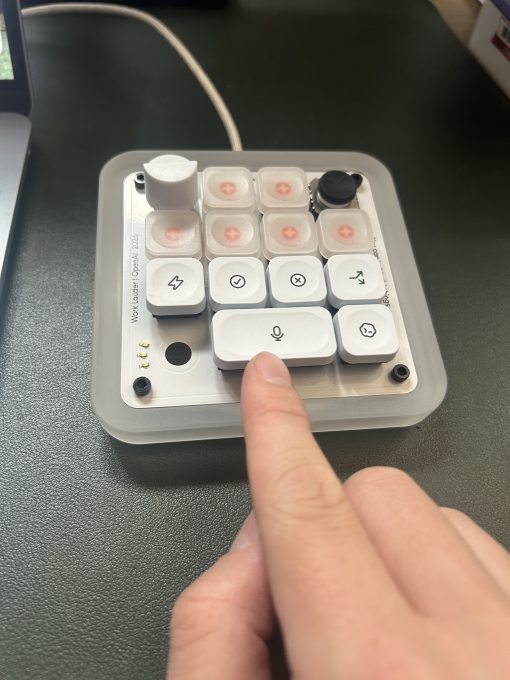



![‘Millennium Actress’ Will Always Be My Favorite Satoshi Kon Film
Director Guillermo del Toro once compared watching a movie for the first time to going on a blind date. The first date is flirtatious with promise; the second go-around is the proper date. By the time you rewatch a movie three or four more times, you’ve graduated to marriage. In all my years watching anime for work and leisure, there’s no film I’ve felt married to as much as I do toward Satoshi Kon’s finest film, Millennium Actress. Unlike Kon’s showier film, which pushes animation to the forefront with adult themes by front-loading its opening moments with dreamlike imagery that provokes you into unease and awe-struck wonder, Millennium Actress‘ brand of phantasmal imagery doesn’t flourish in magical realism, horror, or yuletide merriment. Millennium Actress blossoms in the hazy-bright subjectivity and romanticization of memory. Namely, the memory of former showbiz actress Chiyoko Fujiwara (JP: Fumiko Orikasa, Mami Koyama; EN: Abby Trott, Erin Yvette, Cindy Robinson). When a reporter and his cameraman make a pilgrimage to Chiyoko’s home for an interview recounting her career, they wind up traveling through her memories and films. Chiyoko regales her guests, reminiscing about being a child during World War II, the mysterious man she helped flee from police officers, the promise they made to each other, and how his sudden disappearance led her to pursue stardom in cinema. Her hope was that she’d be so successful they’d have no choice but to reunite someday by the sheer gravitational force of her star power—if he’s even still alive. With her storied career behind her, Chiyoko’s life is spent longing forever and a day for a reunion that may never come.
[embed]https://www.youtube.com/watch?v=mWGRmtTUkvg[/embed] While the surface-level intrigue of a journalist interviewing a subject isn’t lost on me, given my vocation, the 2001 film feels like my personal cinematic Amigara fault; what perpetually strikes me about Kon’s film is how it takes its otherwise pleasantly banal story on the page and breathes vibrant life into it through artistry the likes of which the anime industry may never see again. Kon’s blocking and camera work have already been praised to death, and rightfully so, as the stuff film students study to understand scene setting, and Studio Madhouse’s creative efforts with Millennium Actress are no exception. What gets me invigorated about Millennium Actress whenever the film crosses my mind in my day-to-day is how it plays with memory as an active, living tapestry over the static, absolute depictions of it I’ve encountered in other media.
As Chiyoko recounts the chapters of her life—her humble beginnings in film, the trials and tribulations she faced to become a household name for a time—her audience in both viewers and the journalists who’re guests in her home are struck with the poignant sense that her life is one of pyrrhic victories. No matter how big she got, the goalpost was to be big enough that her assumed paramour would find her from her own clout, and they’d reunite in the most saccharine way imaginable; it never manifests as the reward at the end of her hard-earned journey—a journey that rivals the millennia her visage graces immortalized in celluloid. It’s Sisyphean, and the pain of being trapped recounting her trek up to this point feels less like a trip down memory lane and more like a prison behind the guardrails of her all-encompassing dissatisfactions. © Madhouse/GKIDS/HBO Max Then something magical happens. In the way memory isn’t us replaying events exactly as they occurred but reconstructing them from our own fallibly human recountenances, Chiyoko breaks free from the script of her own memory, transforming it into a lucid dream where her agency is superimposed over the roles she played, giving her the power to pursue the man she spent years waiting for. This, in turn, transports both the journalists and audiences into the fabric of the fantastical roles she’s played, referencing a pastiche of real-life cinema, including Akira Kurosawa’s Throne of Blood, Ishirō Honda’s Godzilla, and Stanley Kubrick’s 2001: A Space Odyssey, as Chiyoko flips the script on the very fabric of her life’s narrative to arrive at her truth.
Along that journey, Kon weaves a stirring, imaginative, sobering tale integrating the universal pang of life, life’s regrets, and what we make of what’s left when we approach our final curtain calls, looking back on the journey we faced to get to our final destination. And the answer Chiyoko arrives at as the film bookends itself, as she’s sat in the cockpit of a space rocket set for the stars, is etched in my soul forever. I treasure Millennium Actress so much that I nearly went into orbit myself when I interviewed Lady Snowblood actress Meiko Kaji during a Japan Society retrospective event earlier this year celebrating her 60-year career. It took nearly every fiber of my being to maintain my cool as my prepped questions for our Zoom interview made me realize I was put smack dab in the same scenario as Millennium Actress‘ journalists. Like them, I was interviewing and guffawing at the answers I received, which landed beyond the scope of what I could’ve ever hoped for from an actress whom I had the awesome responsibility to encapsulate a career that doubled my own lifetime. Like Chiyoko, Meiko never intended to be an actress at all. But through stubborn determination woven within the woman behind the character actress, she made a way out of no way. That shit means something to me, man. [embed]https://www.youtube.com/watch?v=wfnRYdTpzbs[/embed] Whether it’s Wong Kar-wai, Studio Ghibli, or the late-great dreamscape auteur, Satoshi Kon, everyone’s got their favorites from an eclectic creative’s body of work. Sometimes those favorites coincide with their indelible effects on both pop culture and their status as poster children for their visual ethos—your In the Mood for Love, Spirited Away, and Perfect Blue.
But my favorites of the bunch tend to be those with middle-child syndrome in their remarkable films. I’m enamored of how Kar-wai reverse-engineered the quantum Zeno effect of doomed romance and yearning in Happy Together; how Studio Ghibli told a timeless tale of environmentalism against industry and love caught in the crossfire in Princess Mononoke. But most of all, I’m moved by Kon’s beautiful tale of an actress reminiscing over her years spent hounding after an unattainable goal not to reach it, but for the thrill of the chase. Millennium Actress is streaming on HBO Max. Want more io9 news? Check out when to expect the latest Marvel, Star Wars, and Star Trek releases, what’s next for the DC Universe on film and TV, and everything you need to know about the future of Doctor Who. #Millennium #Actress #Favorite #Satoshi #Kon #FilmAnime,GKids,Madhouse,Millennium Actress,Satoshi Kon](https://gizmodo.com/app/uploads/2026/07/Millennium-Actress.jpg "‘Millennium Actress’ Will Always Be My Favorite Satoshi Kon Film
Director Guillermo del Toro once compared watching a movie for the first time to going on a blind date. The first date is flirtatious with promise; the second go-around is the proper date. By the time you rewatch a movie three or four more times, you’ve graduated to marriage. In all my years watching anime for work and leisure, there’s no film I’ve felt married to as much as I do toward Satoshi Kon’s finest film, Millennium Actress. Unlike Kon’s showier film, which pushes animation to the forefront with adult themes by front-loading its opening moments with dreamlike imagery that provokes you into unease and awe-struck wonder, Millennium Actress‘ brand of phantasmal imagery doesn’t flourish in magical realism, horror, or yuletide merriment. Millennium Actress blossoms in the hazy-bright subjectivity and romanticization of memory. Namely, the memory of former showbiz actress Chiyoko Fujiwara (JP: Fumiko Orikasa, Mami Koyama; EN: Abby Trott, Erin Yvette, Cindy Robinson). When a reporter and his cameraman make a pilgrimage to Chiyoko’s home for an interview recounting her career, they wind up traveling through her memories and films. Chiyoko regales her guests, reminiscing about being a child during World War II, the mysterious man she helped flee from police officers, the promise they made to each other, and how his sudden disappearance led her to pursue stardom in cinema. Her hope was that she’d be so successful they’d have no choice but to reunite someday by the sheer gravitational force of her star power—if he’s even still alive. With her storied career behind her, Chiyoko’s life is spent longing forever and a day for a reunion that may never come.
[embed]https://www.youtube.com/watch?v=mWGRmtTUkvg[/embed] While the surface-level intrigue of a journalist interviewing a subject isn’t lost on me, given my vocation, the 2001 film feels like my personal cinematic Amigara fault; what perpetually strikes me about Kon’s film is how it takes its otherwise pleasantly banal story on the page and breathes vibrant life into it through artistry the likes of which the anime industry may never see again. Kon’s blocking and camera work have already been praised to death, and rightfully so, as the stuff film students study to understand scene setting, and Studio Madhouse’s creative efforts with Millennium Actress are no exception. What gets me invigorated about Millennium Actress whenever the film crosses my mind in my day-to-day is how it plays with memory as an active, living tapestry over the static, absolute depictions of it I’ve encountered in other media.
As Chiyoko recounts the chapters of her life—her humble beginnings in film, the trials and tribulations she faced to become a household name for a time—her audience in both viewers and the journalists who’re guests in her home are struck with the poignant sense that her life is one of pyrrhic victories. No matter how big she got, the goalpost was to be big enough that her assumed paramour would find her from her own clout, and they’d reunite in the most saccharine way imaginable; it never manifests as the reward at the end of her hard-earned journey—a journey that rivals the millennia her visage graces immortalized in celluloid. It’s Sisyphean, and the pain of being trapped recounting her trek up to this point feels less like a trip down memory lane and more like a prison behind the guardrails of her all-encompassing dissatisfactions. © Madhouse/GKIDS/HBO Max Then something magical happens. In the way memory isn’t us replaying events exactly as they occurred but reconstructing them from our own fallibly human recountenances, Chiyoko breaks free from the script of her own memory, transforming it into a lucid dream where her agency is superimposed over the roles she played, giving her the power to pursue the man she spent years waiting for. This, in turn, transports both the journalists and audiences into the fabric of the fantastical roles she’s played, referencing a pastiche of real-life cinema, including Akira Kurosawa’s Throne of Blood, Ishirō Honda’s Godzilla, and Stanley Kubrick’s 2001: A Space Odyssey, as Chiyoko flips the script on the very fabric of her life’s narrative to arrive at her truth.
Along that journey, Kon weaves a stirring, imaginative, sobering tale integrating the universal pang of life, life’s regrets, and what we make of what’s left when we approach our final curtain calls, looking back on the journey we faced to get to our final destination. And the answer Chiyoko arrives at as the film bookends itself, as she’s sat in the cockpit of a space rocket set for the stars, is etched in my soul forever. I treasure Millennium Actress so much that I nearly went into orbit myself when I interviewed Lady Snowblood actress Meiko Kaji during a Japan Society retrospective event earlier this year celebrating her 60-year career. It took nearly every fiber of my being to maintain my cool as my prepped questions for our Zoom interview made me realize I was put smack dab in the same scenario as Millennium Actress‘ journalists. Like them, I was interviewing and guffawing at the answers I received, which landed beyond the scope of what I could’ve ever hoped for from an actress whom I had the awesome responsibility to encapsulate a career that doubled my own lifetime. Like Chiyoko, Meiko never intended to be an actress at all. But through stubborn determination woven within the woman behind the character actress, she made a way out of no way. That shit means something to me, man. [embed]https://www.youtube.com/watch?v=wfnRYdTpzbs[/embed] Whether it’s Wong Kar-wai, Studio Ghibli, or the late-great dreamscape auteur, Satoshi Kon, everyone’s got their favorites from an eclectic creative’s body of work. Sometimes those favorites coincide with their indelible effects on both pop culture and their status as poster children for their visual ethos—your In the Mood for Love, Spirited Away, and Perfect Blue.
But my favorites of the bunch tend to be those with middle-child syndrome in their remarkable films. I’m enamored of how Kar-wai reverse-engineered the quantum Zeno effect of doomed romance and yearning in Happy Together; how Studio Ghibli told a timeless tale of environmentalism against industry and love caught in the crossfire in Princess Mononoke. But most of all, I’m moved by Kon’s beautiful tale of an actress reminiscing over her years spent hounding after an unattainable goal not to reach it, but for the thrill of the chase. Millennium Actress is streaming on HBO Max. Want more io9 news? Check out when to expect the latest Marvel, Star Wars, and Star Trek releases, what’s next for the DC Universe on film and TV, and everything you need to know about the future of Doctor Who. #Millennium #Actress #Favorite #Satoshi #Kon #FilmAnime,GKids,Madhouse,Millennium Actress,Satoshi Kon")
![‘Millennium Actress’ Will Always Be My Favorite Satoshi Kon Film
Director Guillermo del Toro once compared watching a movie for the first time to going on a blind date. The first date is flirtatious with promise; the second go-around is the proper date. By the time you rewatch a movie three or four more times, you’ve graduated to marriage. In all my years watching anime for work and leisure, there’s no film I’ve felt married to as much as I do toward Satoshi Kon’s finest film, Millennium Actress. Unlike Kon’s showier film, which pushes animation to the forefront with adult themes by front-loading its opening moments with dreamlike imagery that provokes you into unease and awe-struck wonder, Millennium Actress‘ brand of phantasmal imagery doesn’t flourish in magical realism, horror, or yuletide merriment. Millennium Actress blossoms in the hazy-bright subjectivity and romanticization of memory. Namely, the memory of former showbiz actress Chiyoko Fujiwara (JP: Fumiko Orikasa, Mami Koyama; EN: Abby Trott, Erin Yvette, Cindy Robinson). When a reporter and his cameraman make a pilgrimage to Chiyoko’s home for an interview recounting her career, they wind up traveling through her memories and films. Chiyoko regales her guests, reminiscing about being a child during World War II, the mysterious man she helped flee from police officers, the promise they made to each other, and how his sudden disappearance led her to pursue stardom in cinema. Her hope was that she’d be so successful they’d have no choice but to reunite someday by the sheer gravitational force of her star power—if he’s even still alive. With her storied career behind her, Chiyoko’s life is spent longing forever and a day for a reunion that may never come.
[embed]https://www.youtube.com/watch?v=mWGRmtTUkvg[/embed] While the surface-level intrigue of a journalist interviewing a subject isn’t lost on me, given my vocation, the 2001 film feels like my personal cinematic Amigara fault; what perpetually strikes me about Kon’s film is how it takes its otherwise pleasantly banal story on the page and breathes vibrant life into it through artistry the likes of which the anime industry may never see again. Kon’s blocking and camera work have already been praised to death, and rightfully so, as the stuff film students study to understand scene setting, and Studio Madhouse’s creative efforts with Millennium Actress are no exception. What gets me invigorated about Millennium Actress whenever the film crosses my mind in my day-to-day is how it plays with memory as an active, living tapestry over the static, absolute depictions of it I’ve encountered in other media.
As Chiyoko recounts the chapters of her life—her humble beginnings in film, the trials and tribulations she faced to become a household name for a time—her audience in both viewers and the journalists who’re guests in her home are struck with the poignant sense that her life is one of pyrrhic victories. No matter how big she got, the goalpost was to be big enough that her assumed paramour would find her from her own clout, and they’d reunite in the most saccharine way imaginable; it never manifests as the reward at the end of her hard-earned journey—a journey that rivals the millennia her visage graces immortalized in celluloid. It’s Sisyphean, and the pain of being trapped recounting her trek up to this point feels less like a trip down memory lane and more like a prison behind the guardrails of her all-encompassing dissatisfactions. © Madhouse/GKIDS/HBO Max Then something magical happens. In the way memory isn’t us replaying events exactly as they occurred but reconstructing them from our own fallibly human recountenances, Chiyoko breaks free from the script of her own memory, transforming it into a lucid dream where her agency is superimposed over the roles she played, giving her the power to pursue the man she spent years waiting for. This, in turn, transports both the journalists and audiences into the fabric of the fantastical roles she’s played, referencing a pastiche of real-life cinema, including Akira Kurosawa’s Throne of Blood, Ishirō Honda’s Godzilla, and Stanley Kubrick’s 2001: A Space Odyssey, as Chiyoko flips the script on the very fabric of her life’s narrative to arrive at her truth.
Along that journey, Kon weaves a stirring, imaginative, sobering tale integrating the universal pang of life, life’s regrets, and what we make of what’s left when we approach our final curtain calls, looking back on the journey we faced to get to our final destination. And the answer Chiyoko arrives at as the film bookends itself, as she’s sat in the cockpit of a space rocket set for the stars, is etched in my soul forever. I treasure Millennium Actress so much that I nearly went into orbit myself when I interviewed Lady Snowblood actress Meiko Kaji during a Japan Society retrospective event earlier this year celebrating her 60-year career. It took nearly every fiber of my being to maintain my cool as my prepped questions for our Zoom interview made me realize I was put smack dab in the same scenario as Millennium Actress‘ journalists. Like them, I was interviewing and guffawing at the answers I received, which landed beyond the scope of what I could’ve ever hoped for from an actress whom I had the awesome responsibility to encapsulate a career that doubled my own lifetime. Like Chiyoko, Meiko never intended to be an actress at all. But through stubborn determination woven within the woman behind the character actress, she made a way out of no way. That shit means something to me, man. [embed]https://www.youtube.com/watch?v=wfnRYdTpzbs[/embed] Whether it’s Wong Kar-wai, Studio Ghibli, or the late-great dreamscape auteur, Satoshi Kon, everyone’s got their favorites from an eclectic creative’s body of work. Sometimes those favorites coincide with their indelible effects on both pop culture and their status as poster children for their visual ethos—your In the Mood for Love, Spirited Away, and Perfect Blue.
But my favorites of the bunch tend to be those with middle-child syndrome in their remarkable films. I’m enamored of how Kar-wai reverse-engineered the quantum Zeno effect of doomed romance and yearning in Happy Together; how Studio Ghibli told a timeless tale of environmentalism against industry and love caught in the crossfire in Princess Mononoke. But most of all, I’m moved by Kon’s beautiful tale of an actress reminiscing over her years spent hounding after an unattainable goal not to reach it, but for the thrill of the chase. Millennium Actress is streaming on HBO Max. Want more io9 news? Check out when to expect the latest Marvel, Star Wars, and Star Trek releases, what’s next for the DC Universe on film and TV, and everything you need to know about the future of Doctor Who. #Millennium #Actress #Favorite #Satoshi #Kon #FilmAnime,GKids,Madhouse,Millennium Actress,Satoshi Kon](https://i3.wp.com/gizmodo.com/app/uploads/2026/07/Millennium-Actress.jpg?ssl=1 "‘Millennium Actress’ Will Always Be My Favorite Satoshi Kon Film
Director Guillermo del Toro once compared watching a movie for the first time to going on a blind date. The first date is flirtatious with promise; the second go-around is the proper date. By the time you rewatch a movie three or four more times, you’ve graduated to marriage. In all my years watching anime for work and leisure, there’s no film I’ve felt married to as much as I do toward Satoshi Kon’s finest film, Millennium Actress. Unlike Kon’s showier film, which pushes animation to the forefront with adult themes by front-loading its opening moments with dreamlike imagery that provokes you into unease and awe-struck wonder, Millennium Actress‘ brand of phantasmal imagery doesn’t flourish in magical realism, horror, or yuletide merriment. Millennium Actress blossoms in the hazy-bright subjectivity and romanticization of memory. Namely, the memory of former showbiz actress Chiyoko Fujiwara (JP: Fumiko Orikasa, Mami Koyama; EN: Abby Trott, Erin Yvette, Cindy Robinson). When a reporter and his cameraman make a pilgrimage to Chiyoko’s home for an interview recounting her career, they wind up traveling through her memories and films. Chiyoko regales her guests, reminiscing about being a child during World War II, the mysterious man she helped flee from police officers, the promise they made to each other, and how his sudden disappearance led her to pursue stardom in cinema. Her hope was that she’d be so successful they’d have no choice but to reunite someday by the sheer gravitational force of her star power—if he’s even still alive. With her storied career behind her, Chiyoko’s life is spent longing forever and a day for a reunion that may never come.
[embed]https://www.youtube.com/watch?v=mWGRmtTUkvg[/embed] While the surface-level intrigue of a journalist interviewing a subject isn’t lost on me, given my vocation, the 2001 film feels like my personal cinematic Amigara fault; what perpetually strikes me about Kon’s film is how it takes its otherwise pleasantly banal story on the page and breathes vibrant life into it through artistry the likes of which the anime industry may never see again. Kon’s blocking and camera work have already been praised to death, and rightfully so, as the stuff film students study to understand scene setting, and Studio Madhouse’s creative efforts with Millennium Actress are no exception. What gets me invigorated about Millennium Actress whenever the film crosses my mind in my day-to-day is how it plays with memory as an active, living tapestry over the static, absolute depictions of it I’ve encountered in other media.
As Chiyoko recounts the chapters of her life—her humble beginnings in film, the trials and tribulations she faced to become a household name for a time—her audience in both viewers and the journalists who’re guests in her home are struck with the poignant sense that her life is one of pyrrhic victories. No matter how big she got, the goalpost was to be big enough that her assumed paramour would find her from her own clout, and they’d reunite in the most saccharine way imaginable; it never manifests as the reward at the end of her hard-earned journey—a journey that rivals the millennia her visage graces immortalized in celluloid. It’s Sisyphean, and the pain of being trapped recounting her trek up to this point feels less like a trip down memory lane and more like a prison behind the guardrails of her all-encompassing dissatisfactions. © Madhouse/GKIDS/HBO Max Then something magical happens. In the way memory isn’t us replaying events exactly as they occurred but reconstructing them from our own fallibly human recountenances, Chiyoko breaks free from the script of her own memory, transforming it into a lucid dream where her agency is superimposed over the roles she played, giving her the power to pursue the man she spent years waiting for. This, in turn, transports both the journalists and audiences into the fabric of the fantastical roles she’s played, referencing a pastiche of real-life cinema, including Akira Kurosawa’s Throne of Blood, Ishirō Honda’s Godzilla, and Stanley Kubrick’s 2001: A Space Odyssey, as Chiyoko flips the script on the very fabric of her life’s narrative to arrive at her truth.
Along that journey, Kon weaves a stirring, imaginative, sobering tale integrating the universal pang of life, life’s regrets, and what we make of what’s left when we approach our final curtain calls, looking back on the journey we faced to get to our final destination. And the answer Chiyoko arrives at as the film bookends itself, as she’s sat in the cockpit of a space rocket set for the stars, is etched in my soul forever. I treasure Millennium Actress so much that I nearly went into orbit myself when I interviewed Lady Snowblood actress Meiko Kaji during a Japan Society retrospective event earlier this year celebrating her 60-year career. It took nearly every fiber of my being to maintain my cool as my prepped questions for our Zoom interview made me realize I was put smack dab in the same scenario as Millennium Actress‘ journalists. Like them, I was interviewing and guffawing at the answers I received, which landed beyond the scope of what I could’ve ever hoped for from an actress whom I had the awesome responsibility to encapsulate a career that doubled my own lifetime. Like Chiyoko, Meiko never intended to be an actress at all. But through stubborn determination woven within the woman behind the character actress, she made a way out of no way. That shit means something to me, man. [embed]https://www.youtube.com/watch?v=wfnRYdTpzbs[/embed] Whether it’s Wong Kar-wai, Studio Ghibli, or the late-great dreamscape auteur, Satoshi Kon, everyone’s got their favorites from an eclectic creative’s body of work. Sometimes those favorites coincide with their indelible effects on both pop culture and their status as poster children for their visual ethos—your In the Mood for Love, Spirited Away, and Perfect Blue.
But my favorites of the bunch tend to be those with middle-child syndrome in their remarkable films. I’m enamored of how Kar-wai reverse-engineered the quantum Zeno effect of doomed romance and yearning in Happy Together; how Studio Ghibli told a timeless tale of environmentalism against industry and love caught in the crossfire in Princess Mononoke. But most of all, I’m moved by Kon’s beautiful tale of an actress reminiscing over her years spent hounding after an unattainable goal not to reach it, but for the thrill of the chase. Millennium Actress is streaming on HBO Max. Want more io9 news? Check out when to expect the latest Marvel, Star Wars, and Star Trek releases, what’s next for the DC Universe on film and TV, and everything you need to know about the future of Doctor Who. #Millennium #Actress #Favorite #Satoshi #Kon #FilmAnime,GKids,Madhouse,Millennium Actress,Satoshi Kon")

