×

When I met him in 2021, in a sunlit garden in Adyar, he was 91 but alert, amused by memory, and generous with it. Time had softened neither his wit nor his clarity. Asked about a proposed documentary on that match, he laughed: with no teammates left to contradict him, he could “say anything I want.”

His story resisted the tidy arc. He began cricket only at 17, almost by accident, handed keeping gloves because “nobody else could.” Soon, he was opening the batting and making 70. In First-Class cricket, he would compile 4,259 runs at an average of 42, with nine hundreds, before business interests drew him away after 1962-63. The numbers are solid; the life around them, richer.

He spoke often about what that 1952 win meant and what it did not. There was no strategy, no huddles, no theatre. “We won, said ‘well done,’ and went home,” he recalled, half in wonder at modern celebrations. Yet beneath that restraint lay something more searching. Gopinath was clear-eyed about the limits of his era: a team that was not quite a team, a country still learning to think as one. Parochialism, he said, seeped into selection and dressing rooms alike. He had felt it, even as his runs against touring sides forced recognition.

And still, he believed the game could do what politics struggled to: bring India together. He delighted in the modern side’s plurality, in captains from unexpected places, in the idea that talent could emerge from any corner. The 1952 victory, he felt, changed the internal grammar of Indian cricket. For the first time, it allowed a fragile thought to take hold: that India could beat those it had learned from.

In person, he carried that history lightly. There was no bitterness, only perspective, and a storyteller’s instinct for the telling detail: the impatience of a declaration that never came, the regret of a dismissal taken on trust, the small, private satisfaction of a catch held in front of a pavilion.

Gopinath’s passing leaves no eyewitness to that first triumph. But his voice, wry and lucid, endures in the stories he chose to tell, and in the way he told them: without fuss, without embellishment, and with an unwavering sense of proportion.

Published on Apr 09, 2026

#witness #belief #Remembering #C.D #Gopinath"> The last witness to a first belief — Remembering C.D. Gopinath  C. D. Gopinath, the last surviving member of India’s first Test-winning side, passed away on Thursday at the age of 96, closing a living link to a morning in 1952 when Indian cricket, after years of waiting, finally believed in itself.Against England, at the M. A. Chidambaram Stadium, then still Madras, Gopinath was the youngest member in a team led by Vijay Hazare. He made 35 runs in a brisk, obedient cameo, and, more enduringly, took the winning catch to seal India’s first ever Test victory. The ball, signed and now faded, sat in his Coonoor home for decades, a modest relic of a historic triumph. C.D. Gopinath’s souvenir match ball from the 1952 Test win finds a place at his Coonoor residence.
                                                            | Photo Credit: 
                                Special arrangement
                            

                            C.D. Gopinath’s souvenir match ball from the 1952 Test win finds a place at his Coonoor residence.
                                                            | Photo Credit: 
                                Special arrangement
                                                    When I met him in 2021, in a sunlit garden in Adyar, he was 91 but alert, amused by memory, and generous with it. Time had softened neither his wit nor his clarity. Asked about a proposed documentary on that match, he laughed: with no teammates left to contradict him, he could “say anything I want.”His story resisted the tidy arc. He began cricket only at 17, almost by accident, handed keeping gloves because “nobody else could.” Soon, he was opening the batting and making 70. In First-Class cricket, he would compile 4,259 runs at an average of 42, with nine hundreds, before business interests drew him away after 1962-63. The numbers are solid; the life around them, richer.He spoke often about what that 1952 win meant and what it did not. There was no strategy, no huddles, no theatre. “We won, said ‘well done,’ and went home,” he recalled, half in wonder at modern celebrations. Yet beneath that restraint lay something more searching. Gopinath was clear-eyed about the limits of his era: a team that was not quite a team, a country still learning to think as one. Parochialism, he said, seeped into selection and dressing rooms alike. He had felt it, even as his runs against touring sides forced recognition.And still, he believed the game could do what politics struggled to: bring India together. He delighted in the modern side’s plurality, in captains from unexpected places, in the idea that talent could emerge from any corner. The 1952 victory, he felt, changed the internal grammar of Indian cricket. For the first time, it allowed a fragile thought to take hold: that India could beat those it had learned from.In person, he carried that history lightly. There was no bitterness, only perspective, and a storyteller’s instinct for the telling detail: the impatience of a declaration that never came, the regret of a dismissal taken on trust, the small, private satisfaction of a catch held in front of a pavilion.Gopinath’s passing leaves no eyewitness to that first triumph. But his voice, wry and lucid, endures in the stories he chose to tell, and in the way he told them: without fuss, without embellishment, and with an unwavering sense of proportion.Published on Apr 09, 2026  #witness #belief #Remembering #C.D #Gopinath
Sports news

When I met him in 2021, in a sunlit garden in Adyar, he was 91 but alert, amused by memory, and generous with it. Time had softened neither his wit nor his clarity. Asked about a proposed documentary on that match, he laughed: with no teammates left to contradict him, he could “say anything I want.”

His story resisted the tidy arc. He began cricket only at 17, almost by accident, handed keeping gloves because “nobody else could.” Soon, he was opening the batting and making 70. In First-Class cricket, he would compile 4,259 runs at an average of 42, with nine hundreds, before business interests drew him away after 1962-63. The numbers are solid; the life around them, richer.

He spoke often about what that 1952 win meant and what it did not. There was no strategy, no huddles, no theatre. “We won, said ‘well done,’ and went home,” he recalled, half in wonder at modern celebrations. Yet beneath that restraint lay something more searching. Gopinath was clear-eyed about the limits of his era: a team that was not quite a team, a country still learning to think as one. Parochialism, he said, seeped into selection and dressing rooms alike. He had felt it, even as his runs against touring sides forced recognition.

And still, he believed the game could do what politics struggled to: bring India together. He delighted in the modern side’s plurality, in captains from unexpected places, in the idea that talent could emerge from any corner. The 1952 victory, he felt, changed the internal grammar of Indian cricket. For the first time, it allowed a fragile thought to take hold: that India could beat those it had learned from.

In person, he carried that history lightly. There was no bitterness, only perspective, and a storyteller’s instinct for the telling detail: the impatience of a declaration that never came, the regret of a dismissal taken on trust, the small, private satisfaction of a catch held in front of a pavilion.

Gopinath’s passing leaves no eyewitness to that first triumph. But his voice, wry and lucid, endures in the stories he chose to tell, and in the way he told them: without fuss, without embellishment, and with an unwavering sense of proportion.

Published on Apr 09, 2026

#witness #belief #Remembering #C.D #Gopinath">The last witness to a first belief — Remembering C.D. Gopinath

C. D. Gopinath, the last surviving member of India’s first Test-winning side, passed away on Thursday at the age of 96, closing a living link to a morning in 1952 when Indian cricket, after years of waiting, finally believed in itself.

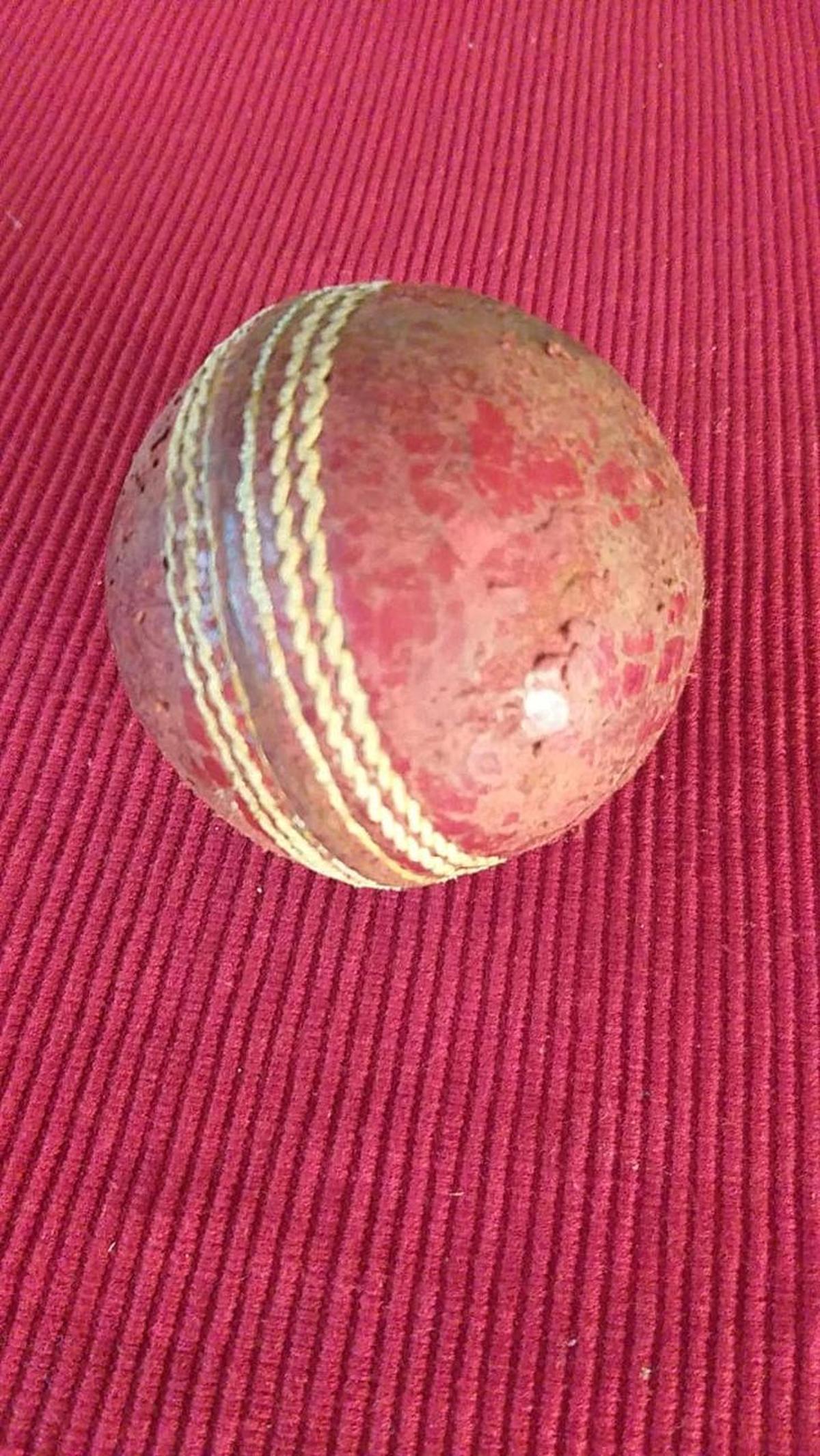
Against England, at the M. A. Chidambaram Stadium, then still Madras, Gopinath was the youngest member in a team led by Vijay Hazare. He made 35 runs in a brisk, obedient cameo, and, more enduringly, took the winning catch to seal India’s first ever Test victory. The ball, signed and now faded, sat in his Coonoor home for decades, a modest relic of a historic triumph.
The last witness to a first belief — Remembering C.D. Gopinath  C. D. Gopinath, the last surviving member of India’s first Test-winning side, passed away on Thursday at the age of 96, closing a living link to a morning in 1952 when Indian cricket, after years of waiting, finally believed in itself.Against England, at the M. A. Chidambaram Stadium, then still Madras, Gopinath was the youngest member in a team led by Vijay Hazare. He made 35 runs in a brisk, obedient cameo, and, more enduringly, took the winning catch to seal India’s first ever Test victory. The ball, signed and now faded, sat in his Coonoor home for decades, a modest relic of a historic triumph. C.D. Gopinath’s souvenir match ball from the 1952 Test win finds a place at his Coonoor residence.
                                                            | Photo Credit: 
                                Special arrangement
                            

                            C.D. Gopinath’s souvenir match ball from the 1952 Test win finds a place at his Coonoor residence.
                                                            | Photo Credit: 
                                Special arrangement
                                                    When I met him in 2021, in a sunlit garden in Adyar, he was 91 but alert, amused by memory, and generous with it. Time had softened neither his wit nor his clarity. Asked about a proposed documentary on that match, he laughed: with no teammates left to contradict him, he could “say anything I want.”His story resisted the tidy arc. He began cricket only at 17, almost by accident, handed keeping gloves because “nobody else could.” Soon, he was opening the batting and making 70. In First-Class cricket, he would compile 4,259 runs at an average of 42, with nine hundreds, before business interests drew him away after 1962-63. The numbers are solid; the life around them, richer.He spoke often about what that 1952 win meant and what it did not. There was no strategy, no huddles, no theatre. “We won, said ‘well done,’ and went home,” he recalled, half in wonder at modern celebrations. Yet beneath that restraint lay something more searching. Gopinath was clear-eyed about the limits of his era: a team that was not quite a team, a country still learning to think as one. Parochialism, he said, seeped into selection and dressing rooms alike. He had felt it, even as his runs against touring sides forced recognition.And still, he believed the game could do what politics struggled to: bring India together. He delighted in the modern side’s plurality, in captains from unexpected places, in the idea that talent could emerge from any corner. The 1952 victory, he felt, changed the internal grammar of Indian cricket. For the first time, it allowed a fragile thought to take hold: that India could beat those it had learned from.In person, he carried that history lightly. There was no bitterness, only perspective, and a storyteller’s instinct for the telling detail: the impatience of a declaration that never came, the regret of a dismissal taken on trust, the small, private satisfaction of a catch held in front of a pavilion.Gopinath’s passing leaves no eyewitness to that first triumph. But his voice, wry and lucid, endures in the stories he chose to tell, and in the way he told them: without fuss, without embellishment, and with an unwavering sense of proportion.Published on Apr 09, 2026  #witness #belief #Remembering #C.D #Gopinath

C.D. Gopinath’s souvenir match ball from the 1952 Test win finds a place at his Coonoor residence. | Photo Credit: Special arrangement

lightbox-info

C.D. Gopinath’s souvenir match ball from the 1952 Test win finds a place at his Coonoor residence. | Photo Credit: Special arrangement

When I met him in 2021, in a sunlit garden in Adyar, he was 91 but alert, amused by memory, and generous with it. Time had softened neither his wit nor his clarity. Asked about a proposed documentary on that match, he laughed: with no teammates left to contradict him, he could “say anything I want.”

His story resisted the tidy arc. He began cricket only at 17, almost by accident, handed keeping gloves because “nobody else could.” Soon, he was opening the batting and making 70. In First-Class cricket, he would compile 4,259 runs at an average of 42, with nine hundreds, before business interests drew him away after 1962-63. The numbers are solid; the life around them, richer.

He spoke often about what that 1952 win meant and what it did not. There was no strategy, no huddles, no theatre. “We won, said ‘well done,’ and went home,” he recalled, half in wonder at modern celebrations. Yet beneath that restraint lay something more searching. Gopinath was clear-eyed about the limits of his era: a team that was not quite a team, a country still learning to think as one. Parochialism, he said, seeped into selection and dressing rooms alike. He had felt it, even as his runs against touring sides forced recognition.

And still, he believed the game could do what politics struggled to: bring India together. He delighted in the modern side’s plurality, in captains from unexpected places, in the idea that talent could emerge from any corner. The 1952 victory, he felt, changed the internal grammar of Indian cricket. For the first time, it allowed a fragile thought to take hold: that India could beat those it had learned from.

In person, he carried that history lightly. There was no bitterness, only perspective, and a storyteller’s instinct for the telling detail: the impatience of a declaration that never came, the regret of a dismissal taken on trust, the small, private satisfaction of a catch held in front of a pavilion.

Gopinath’s passing leaves no eyewitness to that first triumph. But his voice, wry and lucid, endures in the stories he chose to tell, and in the way he told them: without fuss, without embellishment, and with an unwavering sense of proportion.

Published on Apr 09, 2026

#witness #belief #Remembering #C.D #Gopinath

C. D. Gopinath, the last surviving member of India’s first Test-winning side, passed away on…