×
Fintech CEO and Forbes 30 Under 30 alum has been charged for alleged fraud | TechCrunch

Fintech CEO and Forbes 30 Under 30 alum has been charged for alleged fraud | TechCrunch

By now, the Forbes 30 Under 30 list has become more than a little notorious for the amount of entrants who go on to be charged with fraud. Notable alumni include FTX founder Sam Bankman-Fried, Frank CEO Charlie Javice, Joanna Smith-Griffin, founder of the AI startup AllHere Education, and “pharma bro” Martin Shkreli, among others. Now, another member of the list has been hit with federal charges.

Gökçe Güven, a 26-year-old Turkish national and the founder and CEO of fintech startup Kalder, was charged last week with alleged securities fraud, wire fraud, visa fraud, and aggravated identity theft.

The New York-based fintech startup — which uses the “Turn Your Rewards into [a] Revenue Engine” tagline — says it can help companies create and monetize individual rewards programs. The company was founded in 2022, and offers participating firms the opportunity to earn ongoing revenue streams via partner affiliate sales, Axios previously reported.

Güven was featured in last year’s Forbes 30 Under 30 list. The magazine notes in the writeup that Güven’s clients included major chocolatier Godiva and the International Air Transport Association, the trade organization that represents a majority of the world’s airlines. Kalder also claims to have enjoyed the backing of a number of prominent VC firms.

The U.S. Department of Justice alleges that, during Kalder’s seed round in April of 2024, Güven managed to raise $7 million from more than a dozen investors after presenting a pitch deck that was rife with false information.

According to the government, Kalder’s pitch deck claimed that there were 26 brands “using Kalder” and another 53 brands in “live freemium.” However, officials say that, in reality, Kalder had, in many cases, only been offering heavily discounted pilot programs to many of those companies. Other brands “had no agreement with Kalder whatsoever—not even for free services,” officials said in a press release announcing the indictment. The pitch deck also “falsely reported that Kalder’s recurring revenue had steadily grown month over month since February 2023 and that by March 2024, Kalder had reached $1.2 million in annual recurring revenue.” 

The government also accuses Güven of having kept two separate sets of financial books. One of those sets included “false and inflated numbers,” and was presented to investors or potential investors to hide the “true financial condition of the company,” the government claims. The DOJ also alleges that Güven used lies about Kalder as well as forged documents to obtain a category of visa reserved for individuals of “extraordinary ability,” that would allow her to live and work in the United States.

Techcrunch event

Boston, MA
|
June 23, 2026

TechCrunch reached out to Güven through her personal website. The CEO said that she would be sharing a statement about the charges on Tuesday.

Source link
#Fintech #CEO #Forbes #alum #charged #alleged #fraud #TechCrunch


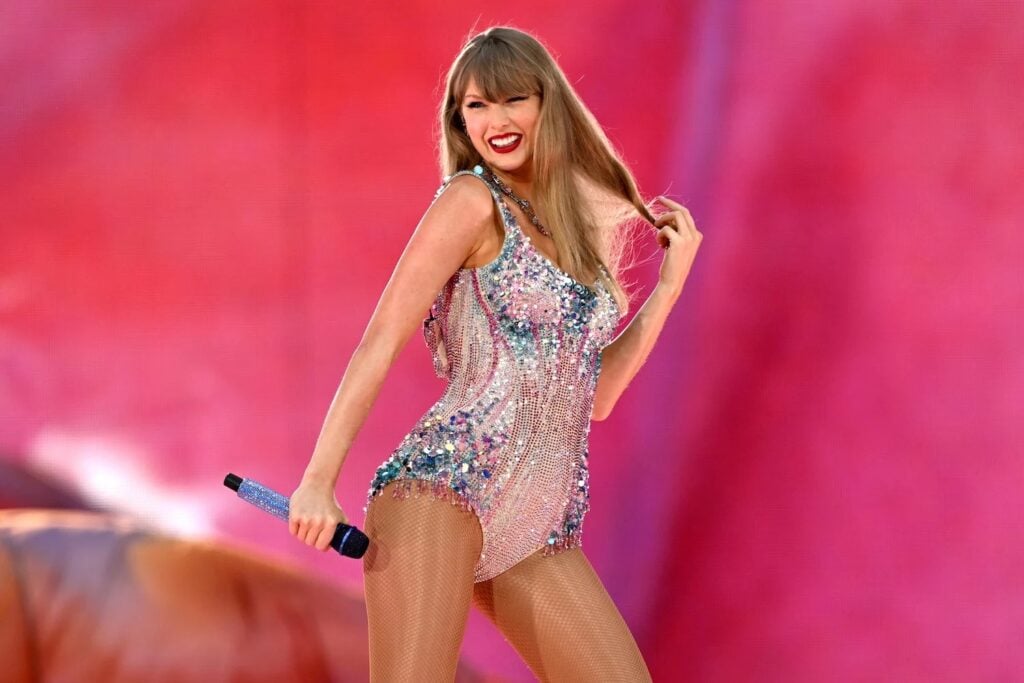
We are in the middle of a collectibles craze in which people are increasingly looking for things that help them feel connected with their passions and a community, but we’re really gotta do better than this. According to a report from CBS News, people paid $25 a pop for literal trash that came from Taylor Swift and Travis Kelce’s wedding at Madison Square Garden.

To be fair, it’s not loose garbage that people paid for. Instead, it’s a 1 by 1 by 0.75-inch cube filled with bits of refuse pulled from outside of the venue on July 3, the day of the pop star’s somehow very secretive and very public wedding. The trash was collected and ultimately curated by artist Justin Gignac, who said he picked up most of it from around the Garden’s perimeter.

According to CBS News, he had some interesting finds: a Ring Pop, presumably not fully eaten, a single AirPod, and an ovulation test kit, among other things. He took his findings, divided it up, and preserved it in the cubes before selling them for $25 a pop—though he did also make some larger cubes, 3.5 by 3.5 by 4.5 inches, that went for $100. He made 50 of the small cubes, and they reportedly sold out on the first day he made them available, because we as a society are sick and broken in ways that are difficult to describe.

When your side hustle is trash

While Gigac was certainly capitalizing on the matrimony, it was also kind of just any other day for the artist, who has been collecting, packaging, and selling trash from around New York City for 25 years now as part of an art project/side hustle. Per an interview with Fast Company, Gigac has sold more than 1,700 garbage cubes to patrons around the world who just want a part of the Big Apple.

There’s no authentication process for ensuring the trash in the cubes came from Swift’s wedding, but Gigac seems like a man of his word. Plus, Swifties apparently dined on pastries that they believed but could not confirm came from the wedding, so it’s not like they’re being a particularly discerning bunch about this whole thing. They just want to feel like they’ve gotten a piece of the action, real or imagined.

People can do whatever they want with their time and money, obviously, and Gigac is certainly not at fault here at all for finding an opportunity to make a little money off a thing he’s been doing for decades anyway—and frankly, there’s something cool about the whole concept of his garbage reclamation project in a “one person’s trash is another person’s treasure” kind of way. But paying money for literal scraps from a wedding of an ultra-wealthy celebrity just feels so incredibly on the nose.

But hey, let them eat cake.

#Pay #Taylor #Swifts #Garbage #Isntgarbage,Taylor Swift,trash">How Much Would You Pay for Taylor Swift’s Garbage and Why Isn’t it alt=

report from CBS News, people paid $25 a pop for literal trash that came from Taylor Swift and Travis Kelce’s wedding at Madison Square Garden.

To be fair, it’s not loose garbage that people paid for. Instead, it’s a 1 by 1 by 0.75-inch cube filled with bits of refuse pulled from outside of the venue on July 3, the day of the pop star’s somehow very secretive and very public wedding. The trash was collected and ultimately curated by artist Justin Gignac, who said he picked up most of it from around the Garden’s perimeter.

According to CBS News, he had some interesting finds: a Ring Pop, presumably not fully eaten, a single AirPod, and an ovulation test kit, among other things. He took his findings, divided it up, and preserved it in the cubes before selling them for $25 a pop—though he did also make some larger cubes, 3.5 by 3.5 by 4.5 inches, that went for $100. He made 50 of the small cubes, and they reportedly sold out on the first day he made them available, because we as a society are sick and broken in ways that are difficult to describe.

When your side hustle is trash

While Gigac was certainly capitalizing on the matrimony, it was also kind of just any other day for the artist, who has been collecting, packaging, and selling trash from around New York City for 25 years now as part of an art project/side hustle. Per an interview with Fast Company, Gigac has sold more than 1,700 garbage cubes to patrons around the world who just want a part of the Big Apple.

There’s no authentication process for ensuring the trash in the cubes came from Swift’s wedding, but Gigac seems like a man of his word. Plus, Swifties apparently dined on pastries that they believed but could not confirm came from the wedding, so it’s not like they’re being a particularly discerning bunch about this whole thing. They just want to feel like they’ve gotten a piece of the action, real or imagined.

People can do whatever they want with their time and money, obviously, and Gigac is certainly not at fault here at all for finding an opportunity to make a little money off a thing he’s been doing for decades anyway—and frankly, there’s something cool about the whole concept of his garbage reclamation project in a “one person’s trash is another person’s treasure” kind of way. But paying money for literal scraps from a wedding of an ultra-wealthy celebrity just feels so incredibly on the nose.

But hey, let them eat cake.

#Pay #Taylor #Swifts #Garbage #Isntgarbage,Taylor Swift,trash">How Much Would You Pay for Taylor Swift’s Garbage and Why Isn’t it $0?How Much Would You Pay for Taylor Swift’s Garbage and Why Isn’t it $0?
                We are in the middle of a collectibles craze in which people are increasingly looking for things that help them feel connected with their passions and a community, but we’re really gotta do better than this. According to a report from CBS News, people paid $25 a pop for literal trash that came from Taylor Swift and Travis Kelce’s wedding at Madison Square Garden. To be fair, it’s not loose garbage that people paid for. Instead, it’s a 1 by 1 by 0.75-inch cube filled with bits of refuse pulled from outside of the venue on July 3, the day of the pop star’s somehow very secretive and very public wedding. The trash was collected and ultimately curated by artist Justin Gignac, who said he picked up most of it from around the Garden’s perimeter. According to CBS News, he had some interesting finds: a Ring Pop, presumably not fully eaten, a single AirPod, and an ovulation test kit, among other things. He took his findings, divided it up, and preserved it in the cubes before selling them for $25 a pop—though he did also make some larger cubes, 3.5 by 3.5 by 4.5 inches, that went for $100. He made 50 of the small cubes, and they reportedly sold out on the first day he made them available, because we as a society are sick and broken in ways that are difficult to describe.

 When your side hustle is trash While Gigac was certainly capitalizing on the matrimony, it was also kind of just any other day for the artist, who has been collecting, packaging, and selling trash from around New York City for 25 years now as part of an art project/side hustle. Per an interview with Fast Company, Gigac has sold more than 1,700 garbage cubes to patrons around the world who just want a part of the Big Apple.

 There’s no authentication process for ensuring the trash in the cubes came from Swift’s wedding, but Gigac seems like a man of his word. Plus, Swifties apparently dined on pastries that they believed but could not confirm came from the wedding, so it’s not like they’re being a particularly discerning bunch about this whole thing. They just want to feel like they’ve gotten a piece of the action, real or imagined. People can do whatever they want with their time and money, obviously, and Gigac is certainly not at fault here at all for finding an opportunity to make a little money off a thing he’s been doing for decades anyway—and frankly, there’s something cool about the whole concept of his garbage reclamation project in a “one person’s trash is another person’s treasure” kind of way. But paying money for literal scraps from a wedding of an ultra-wealthy celebrity just feels so incredibly on the nose. But hey, let them eat cake.      #Pay #Taylor #Swifts #Garbage #Isntgarbage,Taylor Swift,trash

We are in the middle of a collectibles craze in which people are increasingly looking for things that help them feel connected with their passions and a community, but we’re really gotta do better than this. According to a report from CBS News, people paid $25 a pop for literal trash that came from Taylor Swift and Travis Kelce’s wedding at Madison Square Garden.

To be fair, it’s not loose garbage that people paid for. Instead, it’s a 1 by 1 by 0.75-inch cube filled with bits of refuse pulled from outside of the venue on July 3, the day of the pop star’s somehow very secretive and very public wedding. The trash was collected and ultimately curated by artist Justin Gignac, who said he picked up most of it from around the Garden’s perimeter.

According to CBS News, he had some interesting finds: a Ring Pop, presumably not fully eaten, a single AirPod, and an ovulation test kit, among other things. He took his findings, divided it up, and preserved it in the cubes before selling them for $25 a pop—though he did also make some larger cubes, 3.5 by 3.5 by 4.5 inches, that went for $100. He made 50 of the small cubes, and they reportedly sold out on the first day he made them available, because we as a society are sick and broken in ways that are difficult to describe.

When your side hustle is trash

While Gigac was certainly capitalizing on the matrimony, it was also kind of just any other day for the artist, who has been collecting, packaging, and selling trash from around New York City for 25 years now as part of an art project/side hustle. Per an interview with Fast Company, Gigac has sold more than 1,700 garbage cubes to patrons around the world who just want a part of the Big Apple.

There’s no authentication process for ensuring the trash in the cubes came from Swift’s wedding, but Gigac seems like a man of his word. Plus, Swifties apparently dined on pastries that they believed but could not confirm came from the wedding, so it’s not like they’re being a particularly discerning bunch about this whole thing. They just want to feel like they’ve gotten a piece of the action, real or imagined.

People can do whatever they want with their time and money, obviously, and Gigac is certainly not at fault here at all for finding an opportunity to make a little money off a thing he’s been doing for decades anyway—and frankly, there’s something cool about the whole concept of his garbage reclamation project in a “one person’s trash is another person’s treasure” kind of way. But paying money for literal scraps from a wedding of an ultra-wealthy celebrity just feels so incredibly on the nose.

But hey, let them eat cake.

#Pay #Taylor #Swifts #Garbage #Isntgarbage,Taylor Swift,trash

Tesla is building a wheelchair-accessible autonomous vehicle, a Tesla representative told lawmakers in Washington, DC, on Monday.

“We are in development for a purpose-built, wheelchair-accessible autonomous vehicle,” Tesla senior policy advisor India Herdman told members of the DC City Council on Monday, during a hearing focused on a controversial bill that could allow robotaxi services to operate in the District. “We know that paratransit can be very difficult, and people who are confined to wheelchairs permanently should still be able to move around freely, so that is an active product being built by Tesla in Texas,” she said.

Tesla didn’t respond to a request for comment. Herdman provided no further details about when a wheelchair-accessible product might be available. The electric automaker often takes several years to manufacture its announced products.

Tesla operates a small fleet of autonomous vehicles in the Texas cities of Austin, Dallas, and Houston and, as of this month, in Miami, Florida. (It also operates a service that uses human drivers in the San Francisco Bay Area.) The limited fleet uses Tesla Model Y, a compact SUV that is not wheelchair accessible.

The company has started to manufacture and test a purpose-built Cybercab, meant exclusively for autonomous driving and without steering wheels or pedals. These Cybercabs are not wheelchair accessible, though Tesla highlighted in an X post this month its accessibility features, including braille lettering on controls and wheelchair-height seating to allow for easier transfers.

Tesla and its CEO, Elon Musk, have hinted previously at a wheelchair-accessible autonomous vehicle. The company introduced an accessibility tab in its Robotaxi app last fall, though it directs users to other wheelchair-accessible ride providers in the area, rather than to Tesla’s own service. “We are working on accessible rides,” the app says. In response to an X user’s post last fall about Tesla working on accessible rides, Musk responded, “Absolutely.”

No US robotaxi company currently offers fleetwide driverless, wheelchair-accessible rides, including market leader Waymo. At the DC hearing on Monday, Waymo regional head of state and local policy Matt Walsh said, “To date, it’s my understanding that we haven’t been able to identify a platform that is fully wheelchair-accessible while also meeting the unique specifications to retrofit that vehicle with our technology.” He continued: “Now, I don’t want that to sound like a cop-out. We are trying to find that vehicle.”

Waymo has touted the accessibility features of its newest vehicle, the Zeekr-built Ojai, including its flat floor, low step-in height, and grab bars. But it is not wheelchair accessible. Michigan-based Ann Arbor autonomous-vehicle developer May Mobility offers rides in wheelchair-accessible vehicles in some of its markets, with a human operator on board to help deploy necessary ramps.

The Americans With Disabilities Act prohibits discrimination against people with disabilities in transportation services and requires reasonable modifications to provide equal access. Some but not all US cities require ride-hailing companies to provide wheelchair-accessible services. Many of those companies provide those rides through partnerships with specialized fleets made up of wheelchair-accessible vehicles.

In September 2025, the US Department of Justice sued Uber for “refusing to reasonably modify its policies, practices, or procedures where necessary to avoid discriminating against riders with disabilities.” The case is being litigated.

General Motors’ Cruise introduced a prototype wheelchair-accessible driverless taxi in 2023 and said it intended to roll out the vehicle in its self-driving car service in 2024. But following a collision with a pedestrian, Cruise all but halted national service in 2023. The next year, General Motors stopped funding its self-driving unit entirely.

#Tesla #Building #WheelchairAccessible #Robotaxitesla,disability,accessibility,cars,self-driving cars,autonomous vehicles,elon musk,electric vehicles">Tesla Says It’s Building a Wheelchair-Accessible RobotaxiTesla is building a wheelchair-accessible autonomous vehicle, a Tesla representative told lawmakers in Washington, DC, on Monday.“We are in development for a purpose-built, wheelchair-accessible autonomous vehicle,” Tesla senior policy advisor India Herdman told members of the DC City Council on Monday, during a hearing focused on a controversial bill that could allow robotaxi services to operate in the District. “We know that paratransit can be very difficult, and people who are confined to wheelchairs permanently should still be able to move around freely, so that is an active product being built by Tesla in Texas,” she said.Tesla didn’t respond to a request for comment. Herdman provided no further details about when a wheelchair-accessible product might be available. The electric automaker often takes several years to manufacture its announced products.Tesla operates a small fleet of autonomous vehicles in the Texas cities of Austin, Dallas, and Houston and, as of this month, in Miami, Florida. (It also operates a service that uses human drivers in the San Francisco Bay Area.) The limited fleet uses Tesla Model Y, a compact SUV that is not wheelchair accessible.The company has started to manufacture and test a purpose-built Cybercab, meant exclusively for autonomous driving and without steering wheels or pedals. These Cybercabs are not wheelchair accessible, though Tesla highlighted in an X post this month its accessibility features, including braille lettering on controls and wheelchair-height seating to allow for easier transfers.Tesla and its CEO, Elon Musk, have hinted previously at a wheelchair-accessible autonomous vehicle. The company introduced an accessibility tab in its Robotaxi app last fall, though it directs users to other wheelchair-accessible ride providers in the area, rather than to Tesla’s own service. “We are working on accessible rides,” the app says. In response to an X user’s post last fall about Tesla working on accessible rides, Musk responded, “Absolutely.”No US robotaxi company currently offers fleetwide driverless, wheelchair-accessible rides, including market leader Waymo. At the DC hearing on Monday, Waymo regional head of state and local policy Matt Walsh said, “To date, it’s my understanding that we haven’t been able to identify a platform that is fully wheelchair-accessible while also meeting the unique specifications to retrofit that vehicle with our technology.” He continued: “Now, I don’t want that to sound like a cop-out. We are trying to find that vehicle.”Waymo has touted the accessibility features of its newest vehicle, the Zeekr-built Ojai, including its flat floor, low step-in height, and grab bars. But it is not wheelchair accessible. Michigan-based Ann Arbor autonomous-vehicle developer May Mobility offers rides in wheelchair-accessible vehicles in some of its markets, with a human operator on board to help deploy necessary ramps.The Americans With Disabilities Act prohibits discrimination against people with disabilities in transportation services and requires reasonable modifications to provide equal access. Some but not all US cities require ride-hailing companies to provide wheelchair-accessible services. Many of those companies provide those rides through partnerships with specialized fleets made up of wheelchair-accessible vehicles.In September 2025, the US Department of Justice sued Uber for “refusing to reasonably modify its policies, practices, or procedures where necessary to avoid discriminating against riders with disabilities.” The case is being litigated.General Motors’ Cruise introduced a prototype wheelchair-accessible driverless taxi in 2023 and said it intended to roll out the vehicle in its self-driving car service in 2024. But following a collision with a pedestrian, Cruise all but halted national service in 2023. The next year, General Motors stopped funding its self-driving unit entirely.#Tesla #Building #WheelchairAccessible #Robotaxitesla,disability,accessibility,cars,self-driving cars,autonomous vehicles,elon musk,electric vehicles

autonomous vehicle, a Tesla representative told lawmakers in Washington, DC, on Monday.

“We are in development for a purpose-built, wheelchair-accessible autonomous vehicle,” Tesla senior policy advisor India Herdman told members of the DC City Council on Monday, during a hearing focused on a controversial bill that could allow robotaxi services to operate in the District. “We know that paratransit can be very difficult, and people who are confined to wheelchairs permanently should still be able to move around freely, so that is an active product being built by Tesla in Texas,” she said.

Tesla didn’t respond to a request for comment. Herdman provided no further details about when a wheelchair-accessible product might be available. The electric automaker often takes several years to manufacture its announced products.

Tesla operates a small fleet of autonomous vehicles in the Texas cities of Austin, Dallas, and Houston and, as of this month, in Miami, Florida. (It also operates a service that uses human drivers in the San Francisco Bay Area.) The limited fleet uses Tesla Model Y, a compact SUV that is not wheelchair accessible.

The company has started to manufacture and test a purpose-built Cybercab, meant exclusively for autonomous driving and without steering wheels or pedals. These Cybercabs are not wheelchair accessible, though Tesla highlighted in an X post this month its accessibility features, including braille lettering on controls and wheelchair-height seating to allow for easier transfers.

Tesla and its CEO, Elon Musk, have hinted previously at a wheelchair-accessible autonomous vehicle. The company introduced an accessibility tab in its Robotaxi app last fall, though it directs users to other wheelchair-accessible ride providers in the area, rather than to Tesla’s own service. “We are working on accessible rides,” the app says. In response to an X user’s post last fall about Tesla working on accessible rides, Musk responded, “Absolutely.”

No US robotaxi company currently offers fleetwide driverless, wheelchair-accessible rides, including market leader Waymo. At the DC hearing on Monday, Waymo regional head of state and local policy Matt Walsh said, “To date, it’s my understanding that we haven’t been able to identify a platform that is fully wheelchair-accessible while also meeting the unique specifications to retrofit that vehicle with our technology.” He continued: “Now, I don’t want that to sound like a cop-out. We are trying to find that vehicle.”

Waymo has touted the accessibility features of its newest vehicle, the Zeekr-built Ojai, including its flat floor, low step-in height, and grab bars. But it is not wheelchair accessible. Michigan-based Ann Arbor autonomous-vehicle developer May Mobility offers rides in wheelchair-accessible vehicles in some of its markets, with a human operator on board to help deploy necessary ramps.

The Americans With Disabilities Act prohibits discrimination against people with disabilities in transportation services and requires reasonable modifications to provide equal access. Some but not all US cities require ride-hailing companies to provide wheelchair-accessible services. Many of those companies provide those rides through partnerships with specialized fleets made up of wheelchair-accessible vehicles.

In September 2025, the US Department of Justice sued Uber for “refusing to reasonably modify its policies, practices, or procedures where necessary to avoid discriminating against riders with disabilities.” The case is being litigated.

General Motors’ Cruise introduced a prototype wheelchair-accessible driverless taxi in 2023 and said it intended to roll out the vehicle in its self-driving car service in 2024. But following a collision with a pedestrian, Cruise all but halted national service in 2023. The next year, General Motors stopped funding its self-driving unit entirely.

#Tesla #Building #WheelchairAccessible #Robotaxitesla,disability,accessibility,cars,self-driving cars,autonomous vehicles,elon musk,electric vehicles">Tesla Says It’s Building a Wheelchair-Accessible Robotaxi

Tesla is building a wheelchair-accessible autonomous vehicle, a Tesla representative told lawmakers in Washington, DC, on Monday.

“We are in development for a purpose-built, wheelchair-accessible autonomous vehicle,” Tesla senior policy advisor India Herdman told members of the DC City Council on Monday, during a hearing focused on a controversial bill that could allow robotaxi services to operate in the District. “We know that paratransit can be very difficult, and people who are confined to wheelchairs permanently should still be able to move around freely, so that is an active product being built by Tesla in Texas,” she said.

Tesla didn’t respond to a request for comment. Herdman provided no further details about when a wheelchair-accessible product might be available. The electric automaker often takes several years to manufacture its announced products.

Tesla operates a small fleet of autonomous vehicles in the Texas cities of Austin, Dallas, and Houston and, as of this month, in Miami, Florida. (It also operates a service that uses human drivers in the San Francisco Bay Area.) The limited fleet uses Tesla Model Y, a compact SUV that is not wheelchair accessible.

The company has started to manufacture and test a purpose-built Cybercab, meant exclusively for autonomous driving and without steering wheels or pedals. These Cybercabs are not wheelchair accessible, though Tesla highlighted in an X post this month its accessibility features, including braille lettering on controls and wheelchair-height seating to allow for easier transfers.

Tesla and its CEO, Elon Musk, have hinted previously at a wheelchair-accessible autonomous vehicle. The company introduced an accessibility tab in its Robotaxi app last fall, though it directs users to other wheelchair-accessible ride providers in the area, rather than to Tesla’s own service. “We are working on accessible rides,” the app says. In response to an X user’s post last fall about Tesla working on accessible rides, Musk responded, “Absolutely.”

No US robotaxi company currently offers fleetwide driverless, wheelchair-accessible rides, including market leader Waymo. At the DC hearing on Monday, Waymo regional head of state and local policy Matt Walsh said, “To date, it’s my understanding that we haven’t been able to identify a platform that is fully wheelchair-accessible while also meeting the unique specifications to retrofit that vehicle with our technology.” He continued: “Now, I don’t want that to sound like a cop-out. We are trying to find that vehicle.”

Waymo has touted the accessibility features of its newest vehicle, the Zeekr-built Ojai, including its flat floor, low step-in height, and grab bars. But it is not wheelchair accessible. Michigan-based Ann Arbor autonomous-vehicle developer May Mobility offers rides in wheelchair-accessible vehicles in some of its markets, with a human operator on board to help deploy necessary ramps.

The Americans With Disabilities Act prohibits discrimination against people with disabilities in transportation services and requires reasonable modifications to provide equal access. Some but not all US cities require ride-hailing companies to provide wheelchair-accessible services. Many of those companies provide those rides through partnerships with specialized fleets made up of wheelchair-accessible vehicles.

In September 2025, the US Department of Justice sued Uber for “refusing to reasonably modify its policies, practices, or procedures where necessary to avoid discriminating against riders with disabilities.” The case is being litigated.

General Motors’ Cruise introduced a prototype wheelchair-accessible driverless taxi in 2023 and said it intended to roll out the vehicle in its self-driving car service in 2024. But following a collision with a pedestrian, Cruise all but halted national service in 2023. The next year, General Motors stopped funding its self-driving unit entirely.

#Tesla #Building #WheelchairAccessible #Robotaxitesla,disability,accessibility,cars,self-driving cars,autonomous vehicles,elon musk,electric vehicles

Post Comment