
A new wellness obsession has been quietly gaining momentum, moving from niche health forums into mainstream conversation at remarkable speed. The L. reuteri yogurt rave did not begin as a flashy trend. Instead, its rise has been powered by personal testimonies, gut health discoveries, and a growing belief that food can do far more than simply satisfy hunger. What started as a homemade experiment has now evolved into one of the most talked-about probiotic rituals online.
At the center of this fascination is a specific strain of bacteria that has captured the attention of wellness enthusiasts, biohackers, and skincare-focused communities alike. As people increasingly seek diet-led solutions for energy, digestion, and skin health, L. reuteri yogurt has found its moment in the spotlight.
What makes L. reuteri yogurt different?
L. reuteri yogurt contains a specific probiotic strain known for its reported ability to support gut health and overall vitality. The strains most frequently discussed are Lactobacillus reuteri ATCC PTA 6475 and DSM 17938, both studied for their potential role in gut balance, immune support, and skin-related benefits.
Unlike conventional yogurts that contain a mix of general bacterial cultures, this yogurt is intentionally designed to cultivate one dominant strain. This focused approach is a key reason the L. reuteri yogurt rave has gained traction. Supporters believe that limiting competition allows the probiotic to thrive, potentially leading to more noticeable effects over time.
Why people believe it works
For many, digestion is the first noticeable shift. Commonly reported benefits include improved gut comfort, reduced bloating, and more consistent energy levels throughout the day. Skin improvements also feature prominently in online discussions, with users describing clearer complexions and reduced inflammation after regular consumption.
While L. reuteri is available in capsule form, many believe it is better absorbed through food. Fermenting it into yogurt creates an environment where the bacteria can multiply significantly, which may explain why dietary intake feels more effective for some. This belief has fueled interest in homemade recipes and pushed the L. reuteri yogurt conversation further into the mainstream.
Why you can’t buy it in stores
One of the most frequently asked questions online is where to buy L. reuteri yogurt. The short answer is that it is not commercially available. Producing it at scale is difficult, as the strain requires specific fermentation temperatures and an extended time to grow properly.
As a result, most people participating in the trend prepare it at home. The process typically involves fermenting half-and-half or whole milk with powdered L. reuteri over a long period, often 30 to 36 hours. This extended fermentation allows the bacteria to multiply extensively, producing a thick, tangy yogurt that differs noticeably from store-bought varieties.
How to make L. reuteri yogurt at home
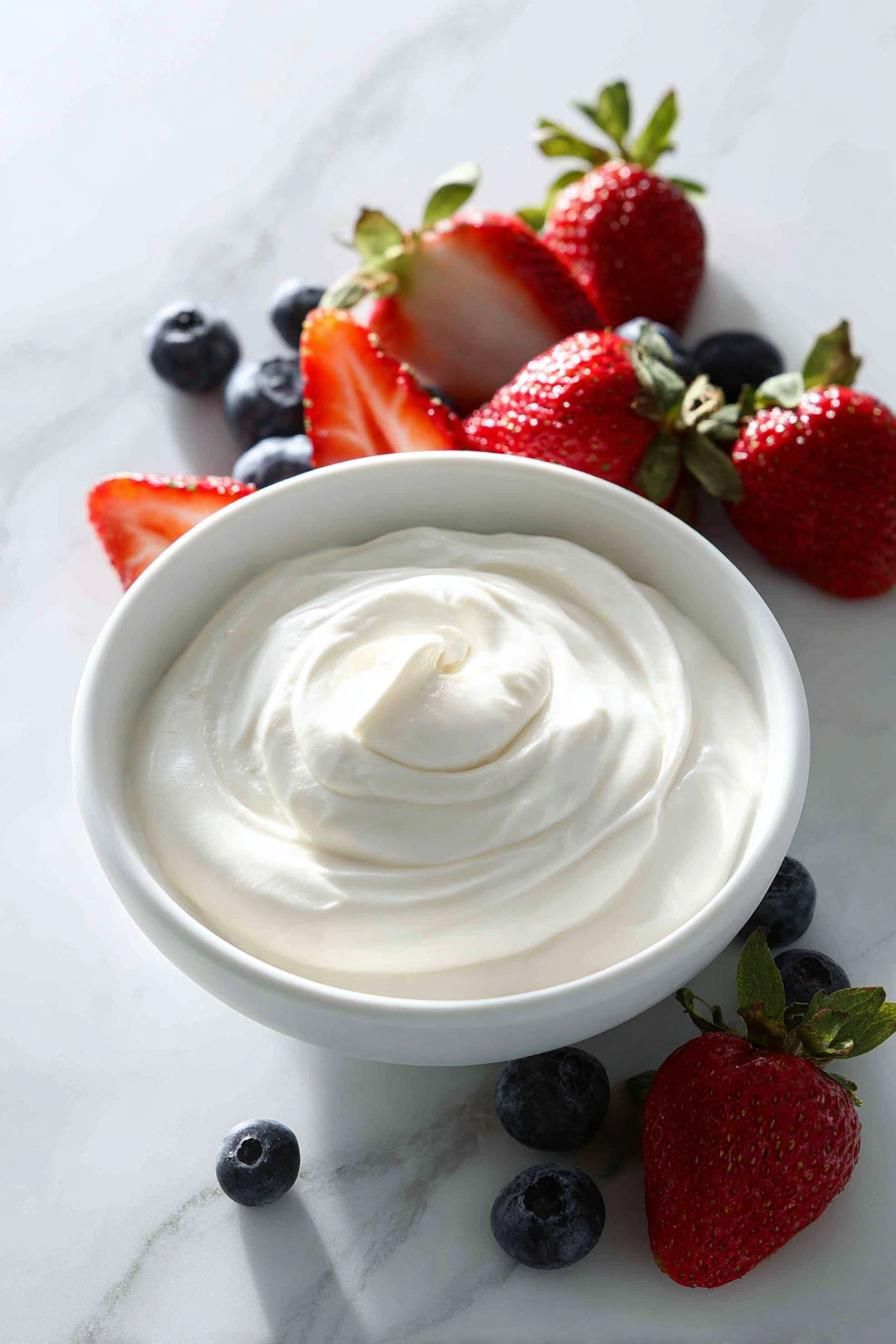
Interest in the L. reuteri yogurt recipe has surged, particularly as searches for reliable L. reuteri suppliers have more than doubled in recent years. Although methods vary slightly, the foundational steps remain consistent.
The process begins with a sterilized fermentation container, high-quality dairy or dairy-free alternatives, and a dependable powdered probiotic source. Maintaining a low, steady temperature, around 100°F (37.7°C), is essential for fermentation, and patience becomes an integral part of the ritual.
How much L. reuteri yogurt should you eat?
Moderation plays a crucial role. Most people begin with small servings, often just a few spoonfuls per day, gradually increasing intake as the gut adjusts. This measured approach helps minimize discomfort and supports smoother adaptation.
Because the yogurt is highly concentrated, larger portions are not necessarily better. Those immersed in the L. reuteri yogurt rave often emphasize consistency over quantity, treating it as a daily habit rather than a quick fix.
Who should avoid L. reuteri yogurt?
Although many people tolerate it well, L. reuteri yogurt may not be suitable for everyone. Individuals with compromised immune systems or specific medical conditions are generally advised to consult a healthcare professional before introducing concentrated probiotics into their diet.
Additionally, temporary digestive changes can occur when adding any new probiotic. Paying attention to the body’s response and adjusting intake accordingly remains an important part of the process.
L. reuteri yogurt vs kefir: Understanding the difference
As interest in fermented foods continues to grow, comparisons between L. reuteri yogurt and kefir have become increasingly common. At a glance, both are celebrated for gut health, digestion, and overall vitality. However, their approaches and benefits differ in meaningful ways.
Kefir is a fermented milk drink made using kefir grains, which contain a wide variety of bacteria and yeast strains. This diversity is kefir’s defining strength, supporting broad microbial balance in the gut. Its thin consistency and tangy flavor make it easy to consume daily, and it is widely available in stores.
By contrast, L. reuteri yogurt takes a more targeted approach. Instead of cultivating dozens of strains, it prioritizes one specific probiotic believed to offer focused benefits for gut repair, skin health, and energy. For those drawn to precision rather than variety, this distinction matters. It also explains why many within the L. reuteri yogurt rave view it as a deliberate wellness practice rather than a casual dietary addition.
Neither option replaces the other. Kefir appeals to those seeking diversity, while L. reuteri yogurt resonates with individuals interested in targeted gut support and fermentation as a purposeful ritual.
Why gut-focused recipes are everywhere right now

The popularity of L. reuteri yogurt also reflects a broader shift in how health-conscious communities approach wellness. Across gyms, wellness circles, and online spaces, people are paying closer attention to how food, hydration, and daily habits affect their bodies.
This awareness has renewed interest in traditional, homemade gut-friendly recipes. Fermented drinks like tepache, a pineapple-based probiotic beverage, have gained new followers. Ginger drinks brewed fresh are praised for digestion and inflammation support, while simple rituals like warm water with lemon continue to circulate as gentle morning practices.
Within this landscape, the L. reuteri yogurt rave feels almost inevitable. It aligns with a mindset that values preparation, consistency, and bodily awareness. Rather than relying solely on supplements or packaged solutions, many are turning to foods that feel active and intentional.
Ultimately, this movement toward fermentation is less about trend-chasing and more about participation. People are cooking, brewing, and fermenting as acts of self-care, using food to reconnect with how their bodies feel and function.
What comes next for the trend?
As consumers grow more informed and curious about gut health, interest in functional foods shows no signs of slowing. L. reuteri yogurt represents a shift toward intentional eating, where preparation and purpose matter as much as flavor.
While scientific research continues to evolve, the enthusiasm surrounding this yogurt reflects a broader cultural change. People are reclaiming their kitchens, experimenting with fermentation, and viewing food as a long-term wellness tool. That mindset, more than hype alone, suggests the L. reuteri yogurt conversation still has plenty of room to grow.
Featured image: @asylsut.aktau/Instagram
—Read also
14 High-Protein Snacks You’ll Love (And None Of Them Are Eggs)
Source link
#Talking #reuteri #Yogurt


Post Comment