
Weddings have always mirrored their moment in history. Today, however, they speak the language of personal style louder than ever. For modern couples, the wedding is no longer about ticking traditional boxes or following a script inherited from generations past. Instead, it has evolved into a fully curated expression of identity, taste, and aesthetic vision.
Increasingly, weddings are less about obligation and more about intention. Couples are asking different questions. Not “What are we supposed to do?” but rather, “What feels like us?” That subtle shift has transformed weddings into fashion-led, design-driven experiences in which style informs every decision, from what the couple wears to how guests move through the day.
The rise of the fashion-first mindset
Fashion has always played a role in weddings. Now, however, it often drives the entire concept. Brides are selecting dresses that reflect their everyday sensibility rather than tradition—minimalist silhouettes, sculptural couture, vintage heirlooms, even non-white designs. Meanwhile, grooms and partners are stepping away from predictable tuxedos in favor of sharp tailoring, rich textures, and expressive color.
Importantly, this focus on fashion is not rooted in excess. It is rooted in authenticity. Couples want to feel like themselves, not like characters in a ceremony they barely recognize. When style becomes the anchor, every other choice begins to fall into place naturally.
Style beyond the outfit
What distinguishes modern weddings is that style extends far beyond clothing. The aesthetic runs through every detail.
Venues are chosen for atmosphere rather than capacity, from art galleries to restaurants, private homes, rooftops, and outdoor spaces that feel lived-in and intentional. Florals move away from rigid symmetry toward sculptural arrangements, bold textures, and monochrome palettes. Décor prioritizes mood over formality. Lighting becomes warmer, softer, more cinematic. Tablescapes are editorial, often inspired by fashion campaigns or interior design spreads rather than traditional banquet layouts. In other words, every element becomes part of a cohesive visual narrative.
Guest experience as part of the aesthetic
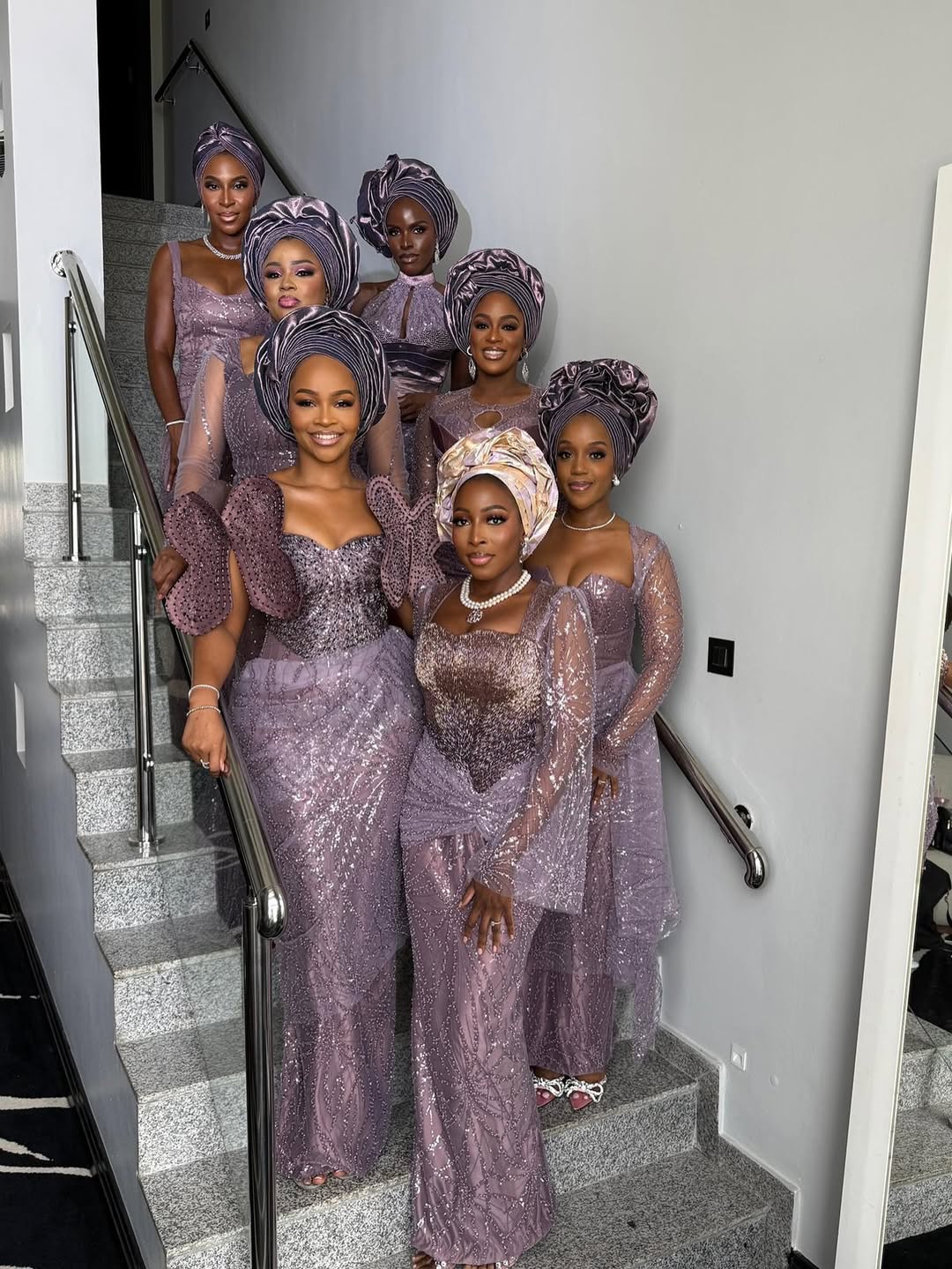
Equally important, modern couples are rethinking how guests experience the celebration. Timelines feel looser, allowing space to mingle, explore, and absorb the environment. Music is curated rather than conventional, blending genres and eras to match the tone of the event.
Even food and drink follow the same philosophy. Shared plates, cocktail-style receptions, and menus inspired by favorite restaurants or cultural influences replace rigid, multi-course formality. The result? The wedding feels less like a performance and more like an elevated gathering that’s immersive, intentional, and deeply considered.
The influence of visual culture
Of course, social media plays a defining role in this transformation, but not simply in the way critics assume.
This shift is not solely about producing shareable photos. Rather, it reflects a generation that is visually literate. Couples consume runway shows, fashion editorials, interior design, travel imagery, and art daily. Naturally, those references inform how they imagine their own celebration.
Consequently, weddings are treated almost like live editorials, immersive experiences defined by cohesion and storytelling. Nothing feels accidental. Every detail speaks the same visual language.
Personalisation over performance
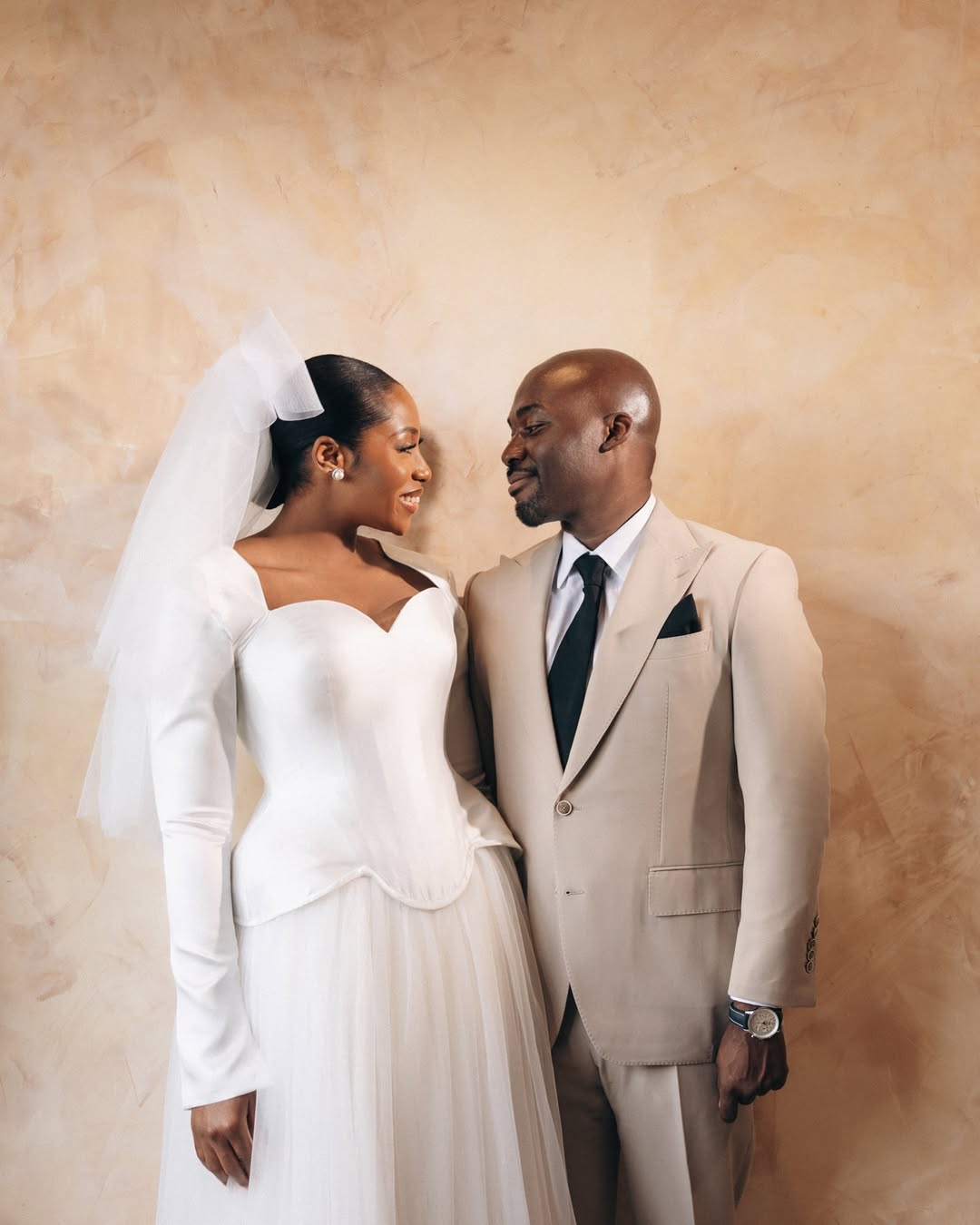
Tradition still exists, but it is optional rather than mandatory. Couples may preserve rituals that hold emotional weight while reimagining or discarding those that do not. Ceremonies can feel intimate without being rigid. Cultural elements are often interpreted through a modern lens, blending heritage with contemporary design language.
As a result, pressure dissipates. There is no need to perform tradition for the sake of optics. Instead, couples design a celebration that mirrors who they are in the present moment.
Digital touchpoints that match the vibe
Style-conscious couples understand that the experience begins long before guests arrive. Invitations, communication, and planning platforms are increasingly treated as aesthetic extensions of the event.
Typography, color palettes, and imagery are selected with the same care as wardrobe and décor. Even a wedding RSVP website becomes more than a logistical tool. It sets tone, introduces the visual identity, and prepares guests for the atmosphere they will step into. In this sense, cohesion begins digitally and unfolds physically.
A reflection of modern relationships
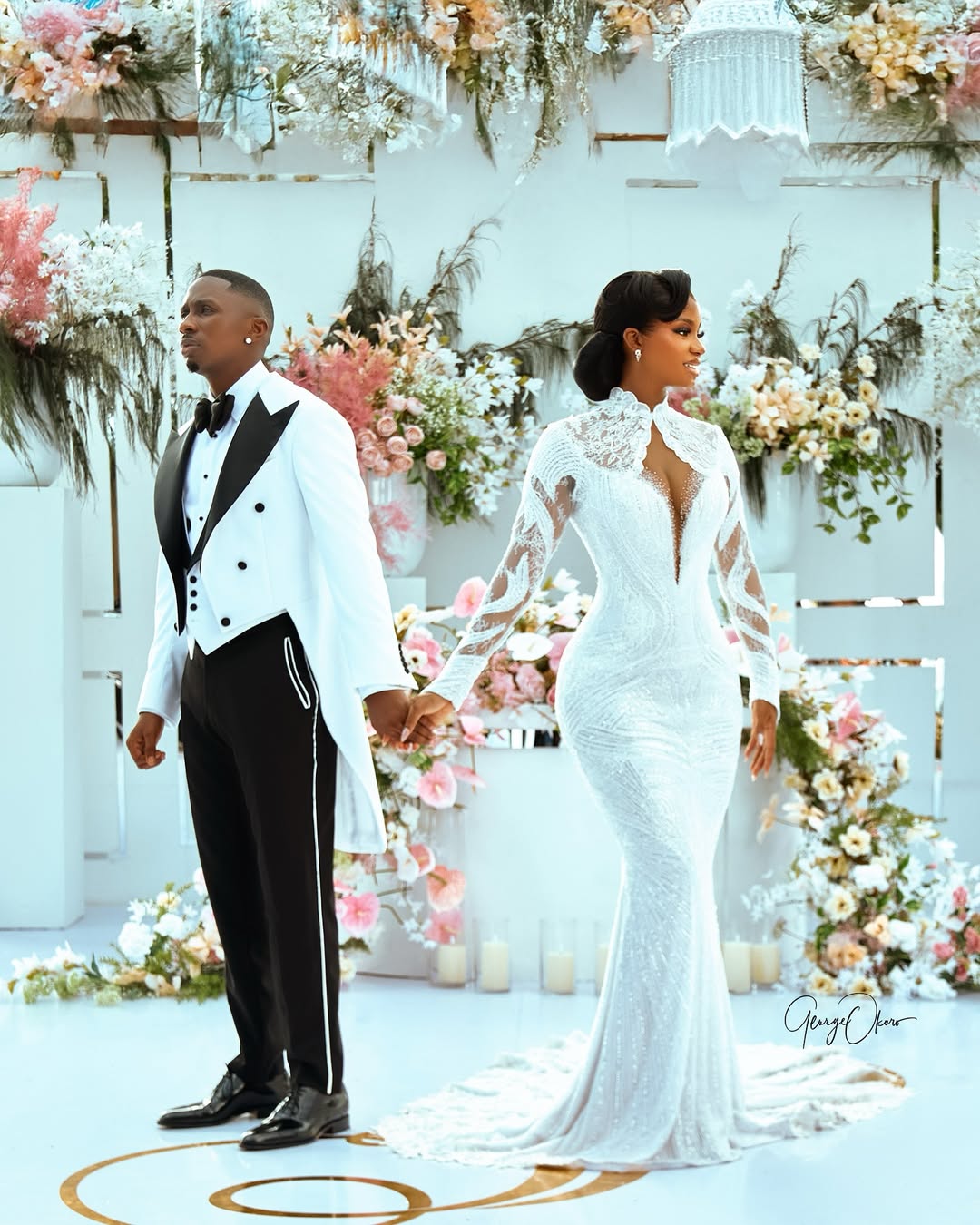
Ultimately, this evolution toward style signals something deeper: autonomy. Modern couples are increasingly confident in defining their relationships on their own terms. That confidence surfaces in how they celebrate. The wedding becomes less about tradition as a rulebook and more about style as self-expression.
This is not a rejection of the past. Rather, it is a selective embrace, choosing what resonates and leaving the rest behind. In a world that values individuality, modern weddings demonstrate that style is not superficial. It is communicative. It is intentional. It is identity made visible. And for today’s couples, it may be the clearest way to say exactly who they are.
Featured Image: Noram Photography via @andrea.oi/Instagram
—Read also
Source link
#Modern #Weddings #Style #Tradition


Post Comment