
Lately, interest in a vascular-focused diet has surged by +600%, and spikes like that rarely happen without reason. For some, it begins with a routine check-up that reveals rising cholesterol. For others, it starts after scrolling past a fitness video where prominent veins are framed as peak performance. And for many, it becomes personal after confronting a family history of heart disease.
As conversations around artery health, circulation, and blood flow intensify, more people are searching for practical answers: What should I eat? What should I avoid? And what actually supports long-term vascular strength?
What Is a Vascular Diet, Really?
At its core, a vascular-focused diet centers on protecting blood vessels, improving circulation, and reducing plaque buildup inside arteries. However, online discussions often blur medical goals with aesthetic ones, which is precisely why clarity matters.
Healthy vascular function influences far more than appearance. It affects energy levels, brain performance, heart health, and even workout endurance. In other words, while the term may sound niche, its impact touches everyday life in significant ways.
Rather than emphasizing restriction alone, this approach focuses on addition. It encourages more fiber-rich foods, healthy fats, colorful fruits and vegetables, and consistent hydration, all of which help blood move efficiently through the body.
Importantly, arteries do not clog overnight. Plaque develops gradually due to elevated LDL cholesterol, excess sugar intake, smoking, chronic stress, and sedentary habits. Therefore, dietary changes work best when paired with sustainable lifestyle shifts.
Why Are So Many People Searching for It Now?
A spike of this size usually reflects multiple motivations. First, awareness around heart disease and stroke risk has grown. Preventive health is no longer a distant concern; it’s becoming a proactive strategy.
Second, social media fitness culture frequently highlights visible veins as a sign of being “vascular,” prompting younger audiences to explore diet strategies that improve circulation. However, there’s a crucial distinction. While enhanced vascularity for aesthetic or athletic reasons may involve lowering body fat and improving blood flow, true vascular health focuses on protecting arteries from damage and inflammation.
A well-balanced vascular-focused diet can support both, but long-term health should remain the priority. Additionally, broader conversations around inflammation, ultra-processed foods, and metabolic health have encouraged many to reassess daily eating patterns. As awareness grows, search interest naturally follows.
What Foods Are Good for Vascular Health?
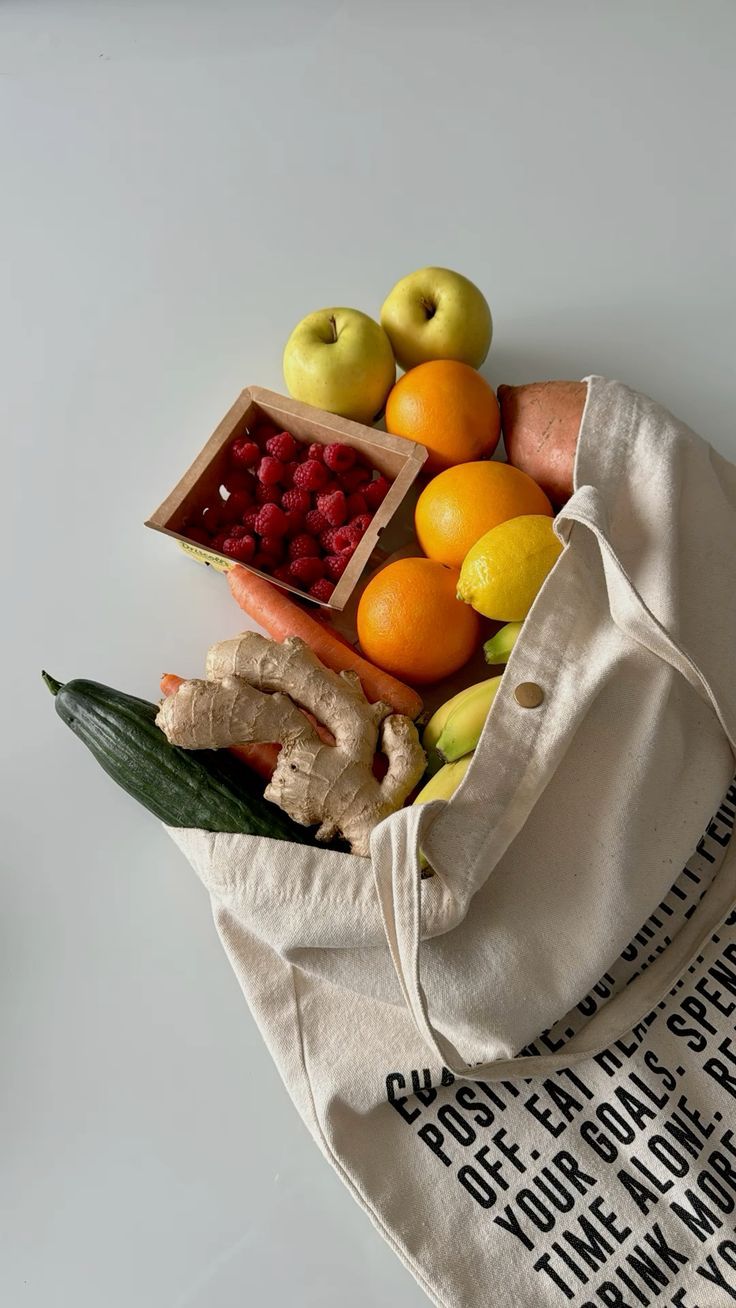
When people ask what foods are good for vascular health, the answer consistently centers on whole, minimally processed ingredients.
Leafy greens such as spinach and kale contain natural nitrates, which help relax blood vessels and support circulation. Berries provide antioxidants that protect artery walls from oxidative stress. Meanwhile, fatty fish like salmon and mackerel deliver omega-3 fatty acids, known for reducing inflammation and lowering triglycerides.
Nuts, seeds, olive oil, and avocados offer heart-healthy fats that maintain flexible arteries. Whole grains such as oats and quinoa supply soluble fiber, which helps manage cholesterol levels. Beans and lentils further contribute plant-based protein and fiber that support overall cardiovascular strength.
Together, these foods create a foundation that nourishes the circulatory system from multiple angles.
What Drink Opens Up Arteries?
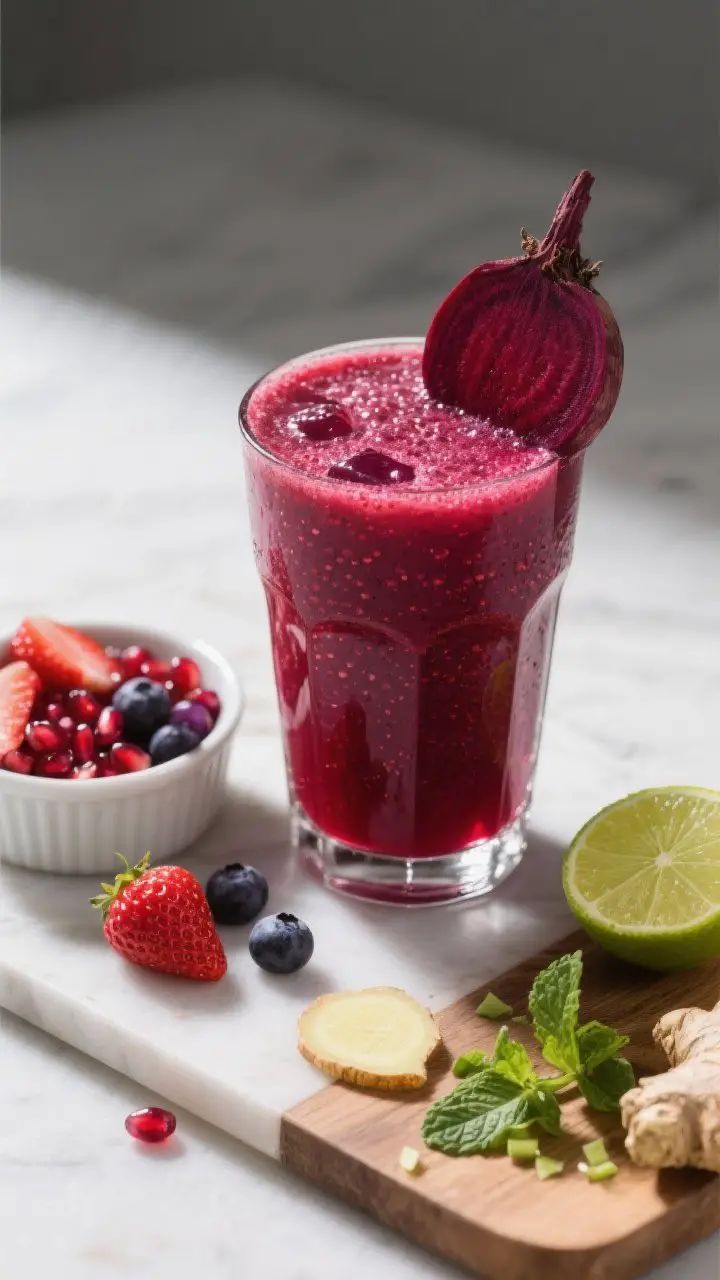
One of the most searched questions online is: “What drink opens up arteries?” The truth is, no beverage acts as a magic solution. However, certain drinks may support circulation.
Beet juice is frequently studied for its nitrate content, which can help widen blood vessels and enhance blood flow. Green tea provides antioxidants that protect vascular tissue. Pomegranate juice contains compounds linked to improved endothelial function, the health of the blood vessel lining.
Still, the most underrated answer is water. Proper hydration ensures blood flows efficiently rather than thickening due to dehydration. Over time, consistent hydration matters more than any trending drink.
Can Food Prevent Artery Blockage?
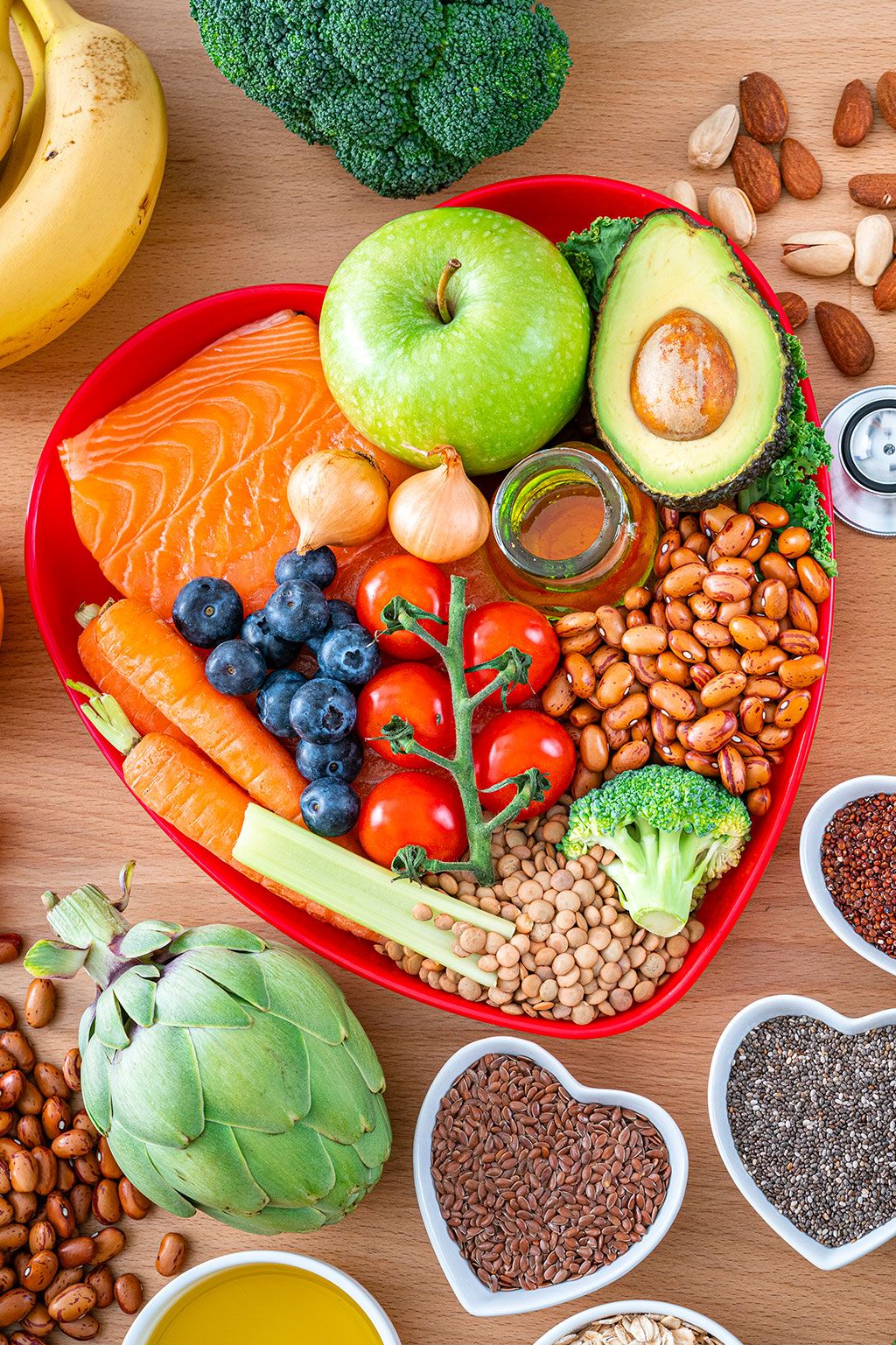
Many search for “foods that unclog arteries naturally.” While severe plaque buildup requires medical supervision, diet plays a powerful preventive role.
High-fiber foods help lower LDL cholesterol, reducing plaque formation. Potassium-rich options like bananas and sweet potatoes support blood pressure regulation. Garlic has been linked to modest cholesterol improvements, and dark chocolate with high cocoa content may promote blood vessel flexibility when consumed in moderation.
The key is consistency. A vascular-focused diet works gradually, lowering inflammation, stabilizing cholesterol, and supporting long-term artery health.
Who Needs a Vascular Focused Diet the Most?
Although everyone benefits from healthy circulation, certain groups should be especially mindful:
- Individuals with high cholesterol or high blood pressure
- Those managing diabetes or obesity
- Anyone with a family history of heart disease
- Smokers
- People with sedentary lifestyles
For these groups, preventive nutrition becomes essential rather than optional. That said, younger adults who feel healthy also benefit from early prevention. Protecting vascular health now reduces the likelihood of complications later.
How to Start in Everyday Life
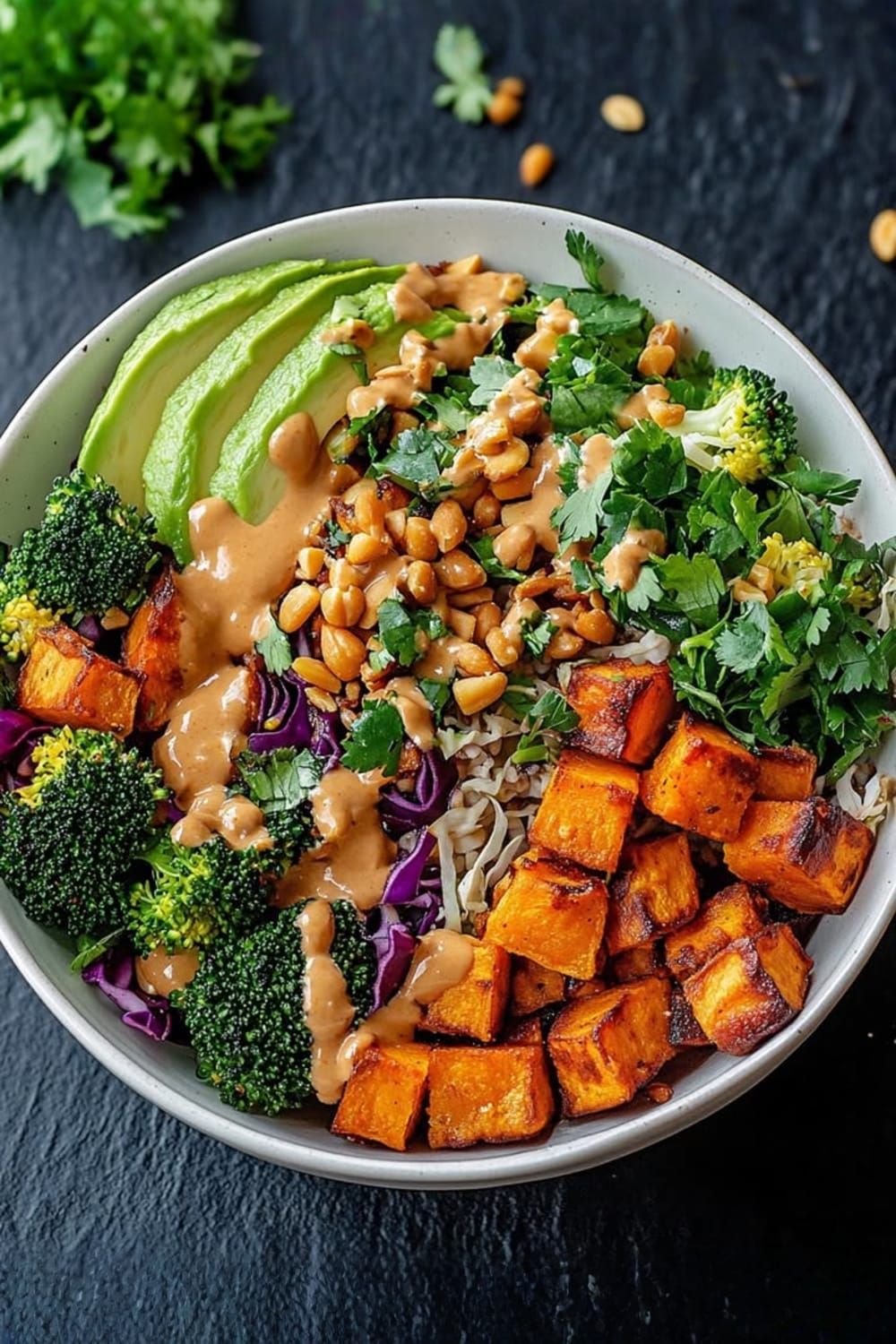
Beginning a vascular-focused diet does not require dramatic overhauls. Instead, small daily changes make the biggest difference.
- Replace refined carbohydrates with whole grains
- Swap fried foods for grilled or baked options
- Add leafy greens to one daily meal
- Include berries at breakfast
- Cook with olive oil instead of heavily processed oils
- Choose water or green tea over sugary drinks
Equally important, incorporate movement. Walking, strength training, and stretching all improve circulation. Quality sleep also matters, as chronic stress and poor rest increase inflammation. When combined, these everyday habits create a measurable long-term impact.
Final Thoughts
The 600% surge in searches for a vascular-focused diet reflects more than curiosity; it signals a shift toward prevention. While fitness trends may spark initial interest, the deeper motivation often lies in protecting long-term health. By prioritizing fiber-rich foods, healthy fats, antioxidant-dense produce, and proper hydration, individuals can support strong arteries and steady blood flow.
Ultimately, vascular health is not built through quick fixes. It develops through consistent, informed habits. And when approached thoughtfully, a vascular-focused diet becomes less about trend cycles and more about building lasting energy, endurance, and resilience.
Featured image: AlexRaths/iStock
—Read also
Simple And Delicious Mediterranean Diet Recipes For Everyday Health
Source link
#VascularFocused #Diet #Suddenly #EverywhereWho


Post Comment