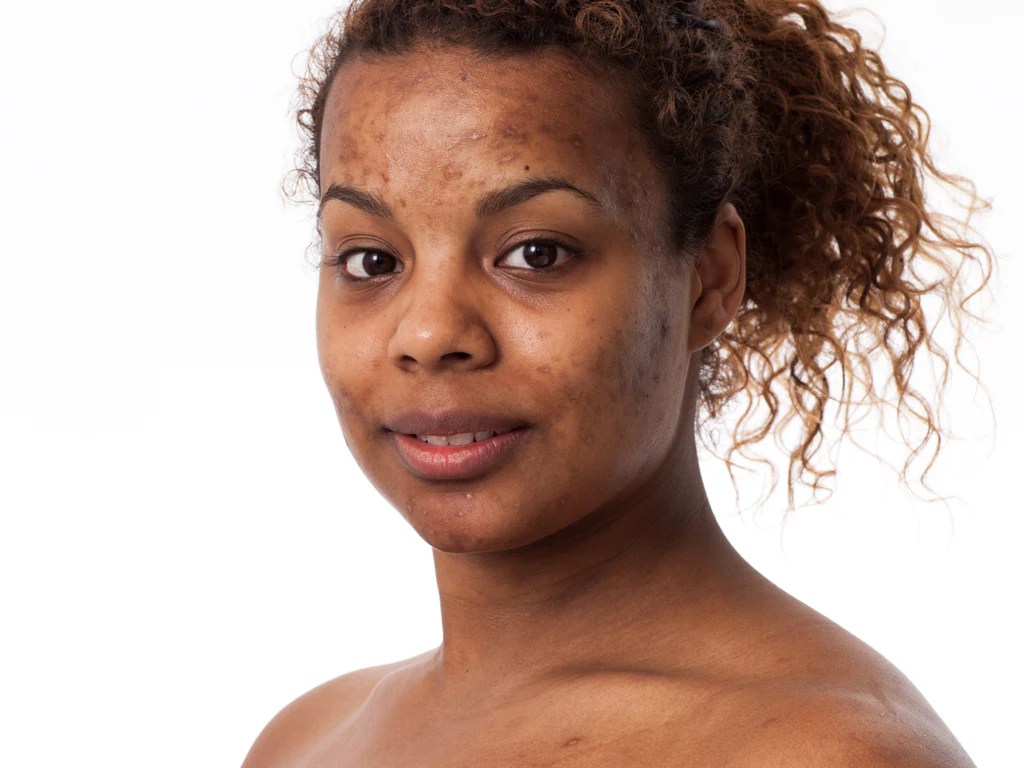
Acne scars rarely disappear quietly. Long after breakouts have healed, they can still catch the light at certain angles, appear unexpectedly in photos, and subtly influence how someone feels about their skin. Unsurprisingly, searches for the best acne scar removal treatments have surged, and that spike reflects more than curiosity. It reflects the emotional weight many people attach to lingering marks.
For many individuals, acne scars become daily reminders of a past skin struggle, gradually affecting confidence. However, 2026 brings an encouraging shift. Conversations around acne scar treatment are no longer driven by guesswork. Today, dermatology understands skin texture, pigmentation, and collagen rebuilding far better than even five years ago. As a result, people now have clearer expectations, smarter product choices, and access to more effective clinical treatments.
So let’s break the topic down in a way that’s practical, realistic, and honest.
First, Not All Acne Scars Are the Same
Before choosing the best acne scar removal treatment, it is important to understand exactly what you are treating. Many people group every mark under the same label, but acne scars generally fall into three primary categories:
This distinction matters. A cream designed to fade dark marks will not rebuild collagen in deeper indented scars. When people ask, “What is the best treatment for acne scars?” the truthful answer depends on scar type, skin tone, and budget.
Understanding that difference early can save both money and frustration.
Can Acne Scars Be 100% Removed?
This question remains one of the most searched online, and the honest answer is nuanced. Pigmentation-based marks can often fade significantly and sometimes disappear almost entirely. Deeper textural scars, however, usually improve rather than vanish completely.
That said, the goal of the best acne scar removal plan should not always be perfection. Instead, it should focus on smoother skin texture, even tone, and visible improvement. In many cases, once scars improve by 60–80 percent, they stop being the first thing you notice in the mirror. And that shift alone can restore a great deal of confidence.
Acne Scar Removal Creams and Serums: Do They Work?
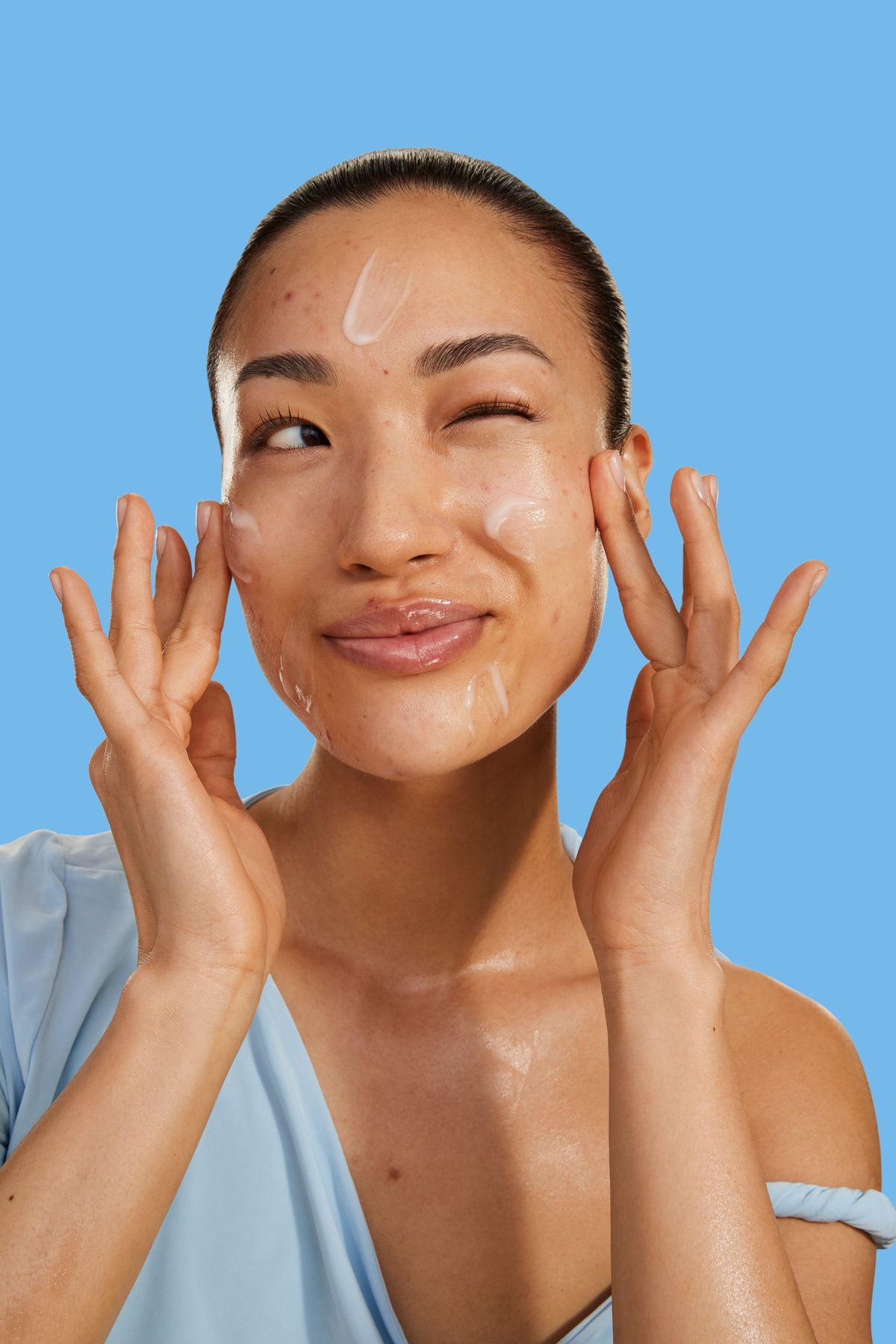
Topical treatments remain the most accessible starting point. Many people search for an acne scar removal cream or acne scar removal serum, hoping for immediate results. While improvement is gradual, several ingredients have strong scientific backing:
- Retinoids stimulate collagen production and gradually smooth skin texture
- Vitamin C brightens dark marks and supports skin repair
- Alpha hydroxy acids (AHAs) promote gentle resurfacing
- Niacinamide helps reduce discoloration and strengthen the skin barrier
For pigmentation-related scars, a consistent routine with these ingredients can deliver visible improvement within three to six months. This is where the idea of the “best acne scar removal product” becomes personal. In reality, the best product is simply the one your skin tolerates well and that you use consistently.
Consistency often outperforms intensity.
Professional Treatments: When You Want Faster Results
For individuals seeking stronger and faster results, in-office dermatological procedures can produce more dramatic improvements, especially for indented scars.
- Microneedling: Microneedling creates controlled micro-injuries that stimulate collagen production. Over several sessions, rolling scars can soften noticeably. It remains one of the most accessible and widely recommended treatments.
- Laser Resurfacing: Fractional lasers target deeper layers of the skin, improving both texture and pigmentation. While downtime and cost are higher, lasers often deliver some of the most dramatic results.
- Chemical Peels: Medium-to-deep peels remove damaged outer layers of skin and stimulate regeneration. These treatments are particularly effective for discoloration and mild texture issues.
- Subcision: For deeper tethered scars, subcision releases fibrous bands beneath the skin. Dermatologists often combine this procedure with microneedling or fillers for improved outcomes.
Because skin tone and healing responses vary widely, professional consultation is essential before pursuing these treatments.
How to Remove Acne Scars Naturally
Natural remedies remain popular, particularly for people who prefer gentler skincare approaches. Ingredients such as aloe vera, rosehip oil, and turmeric can offer mild soothing or brightening effects. However, expectations should remain realistic. Natural treatments may support skin health, but they rarely deliver the same level of improvement as clinical procedures.
If you are exploring natural acne scar removal methods, the most impactful step is actually simple: daily sunscreen. Sun exposure deepens pigmentation and slows healing. In many ways, sunscreen is one of the most underrated acne scar removal products available.
The Emotional Side of Scars
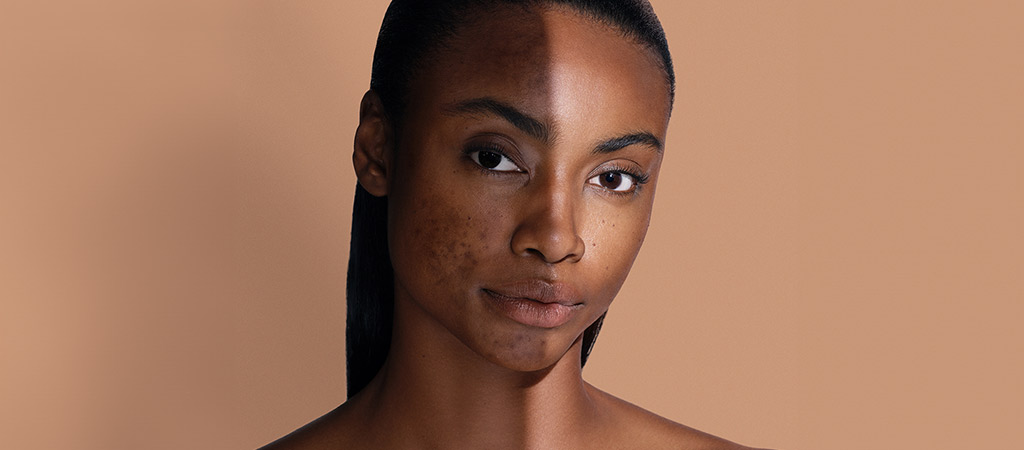
Acne scar treatment is not purely cosmetic. For many people, it intersects with self-esteem. Some avoid certain lighting, decline close-up photos, or rely heavily on foundation to feel comfortable. That emotional layer is entirely valid.
At the same time, modern skincare conversations increasingly emphasize improvement rather than perfection. Textured skin is normal. Pores are normal. Healing takes time. The real goal is healthier skin, not filtered skin. Adopting this perspective often leads to better decisions. Instead of chasing every trending serum, you build a thoughtful routine, track progress, and adjust gradually.
Building a Smart Plan in 2026
If you are navigating the best acne scar removal strategy today, consider this practical step-by-step approach:
- Identify your scar type
- Start with targeted skincare for three months
- Introduce professional treatments if necessary
- Protect results with daily sunscreen
Layering treatments gradually protects both your skin barrier and your budget. Using too many aggressive products at once often causes irritation, which can worsen pigmentation.
Most importantly, avoid comparing your progress to someone else’s timeline. Skin heals at different speeds depending on genetics, inflammation history, and lifestyle factors.
Shop editor’s finds
So, What Is the Best Treatment for Acne Scars?
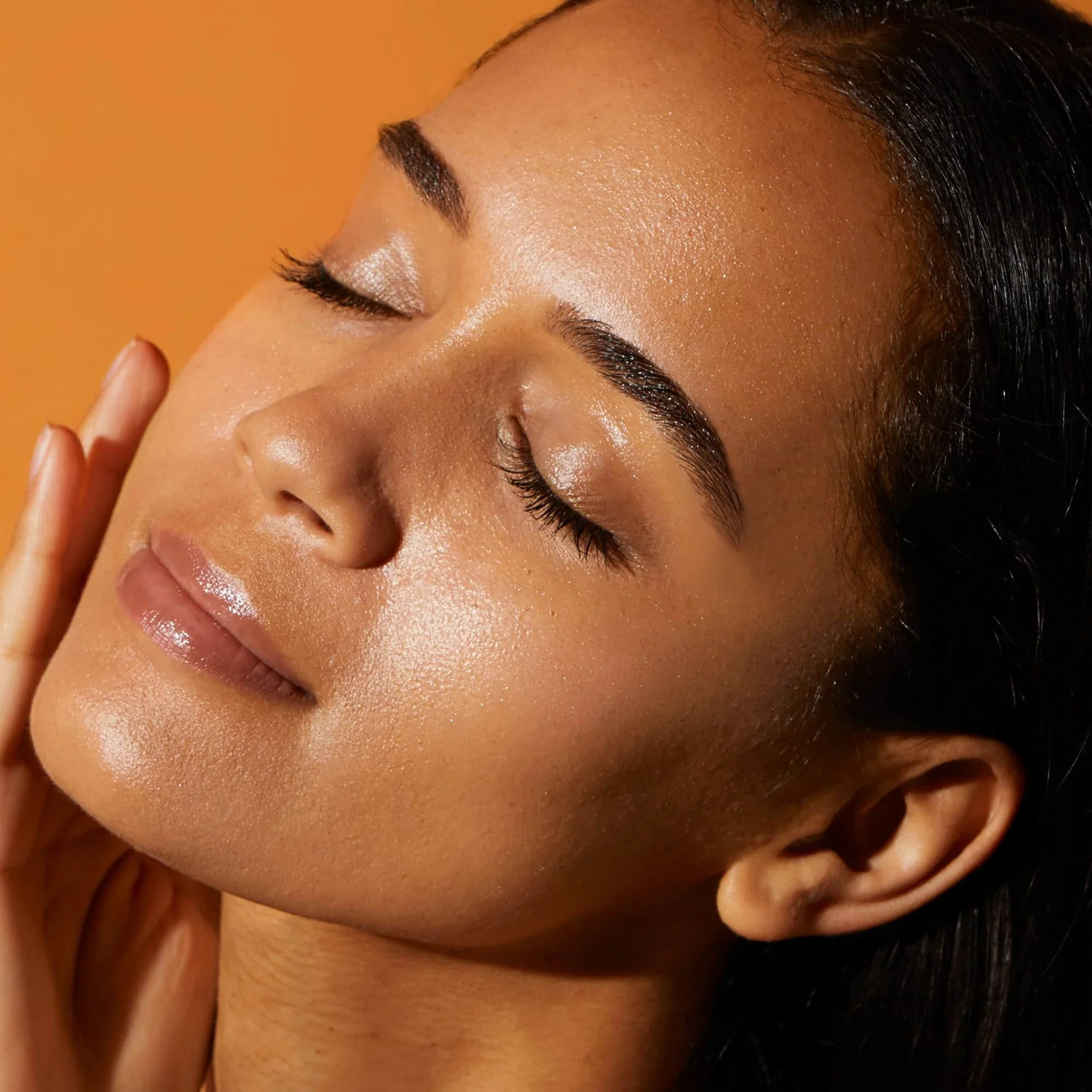
Ultimately, the best acne scar removal strategy blends patience, science-backed skincare, and professional guidance when necessary. For dark marks, topical treatments may be enough. For deeper scars, procedures such as microneedling or laser resurfacing typically deliver the greatest improvements.
What matters most is setting realistic expectations and committing to a consistent routine. When approached strategically, acne scar treatment becomes less overwhelming and far more empowering.
In 2026, the conversation has shifted away from miracle promises and toward measurable progress. And that shift is worth celebrating. Clearer, smoother skin is achievable, and confidence does not have to wait for perfection.
Featured image: Neutrogena
—Read also
PDRN Explained: The Regenerative Ingredient Shaping Modern Skincare
Source link
#Remove #Acne #Scars #Creams #Lasers #Realistic #Results


Post Comment