
Bedtime has evolved into a full-scale wellness ritual. Silk pillowcases, magnesium sprays, curated sleep playlists, and now, brightly colored supplements lined up neatly on nightstands. At the center of this cultural shift sits the melatonin gummy: a viral solution promising deeper rest in a soft, candy-like form. For many, popping a berry-flavored chewable feels gentler and more approachable than swallowing a traditional tablet. It feels modern. Simple. Safe. However, sleep is biology, not branding.
As melatonin supplements continue to flood pharmacy shelves and dominate social media routines, important questions are surfacing. Are melatonin gummies actually effective? Are they safe for nightly use? And perhaps more critically, what are we overlooking? Let’s unpack it clearly.
First, what is melatonin?
Melatonin is a hormone your body naturally produces in response to darkness. It signals to your brain that it is time to sleep. Levels rise in the evening and gradually fall in the morning, helping regulate your circadian rhythm.
When you take melatonin supplements, including gummies, you are introducing additional hormones to gently nudge your internal clock. This is why melatonin is commonly used for jet lag, shift work, or temporary schedule disruptions.
So, is melatonin a sleeping pill? Not exactly. Unlike prescription sleep medications, melatonin does not sedate you. Instead, it supports timing. It tells your body bedtime has arrived. That distinction matters because expectations shape results.
Why Are Melatonin Gummies So Popular?
The rise of melatonin gummies can largely be traced to three cultural forces.
First, convenience. Gummies feel approachable. They are flavored, easy to chew, and require no water. For people who dislike swallowing pills, the barrier to entry is significantly lower.
Second, stress culture. In a world of endless notifications and late-night scrolling, powering down is increasingly difficult. A gummy feels like a quick fix to overstimulation, a small ritual of control in an otherwise chaotic schedule.
Third, marketing. Bright packaging and influencer-endorsed routines have normalized nightly supplementation, particularly among younger audiences. The aesthetic of sleep has become just as curated as morning skincare.
Yet popularity does not always equal clarity.
Are Melatonin Gummies Really Effective?
For short-term sleep disruptions, they can be helpful. Research suggests melatonin may reduce the time it takes to fall asleep, especially for individuals with delayed sleep phase syndrome or jet lag.
That said, melatonin does not resolve underlying insomnia caused by chronic stress, anxiety, or poor sleep habits. If your mind is racing due to unresolved pressure, a gummy alone may not address the root cause.
This is where nuance becomes essential. Melatonin gummies work best as temporary rhythm adjusters, not as long-term replacements for healthy sleep hygiene.
How Many Milligrams of Melatonin Is Safe?
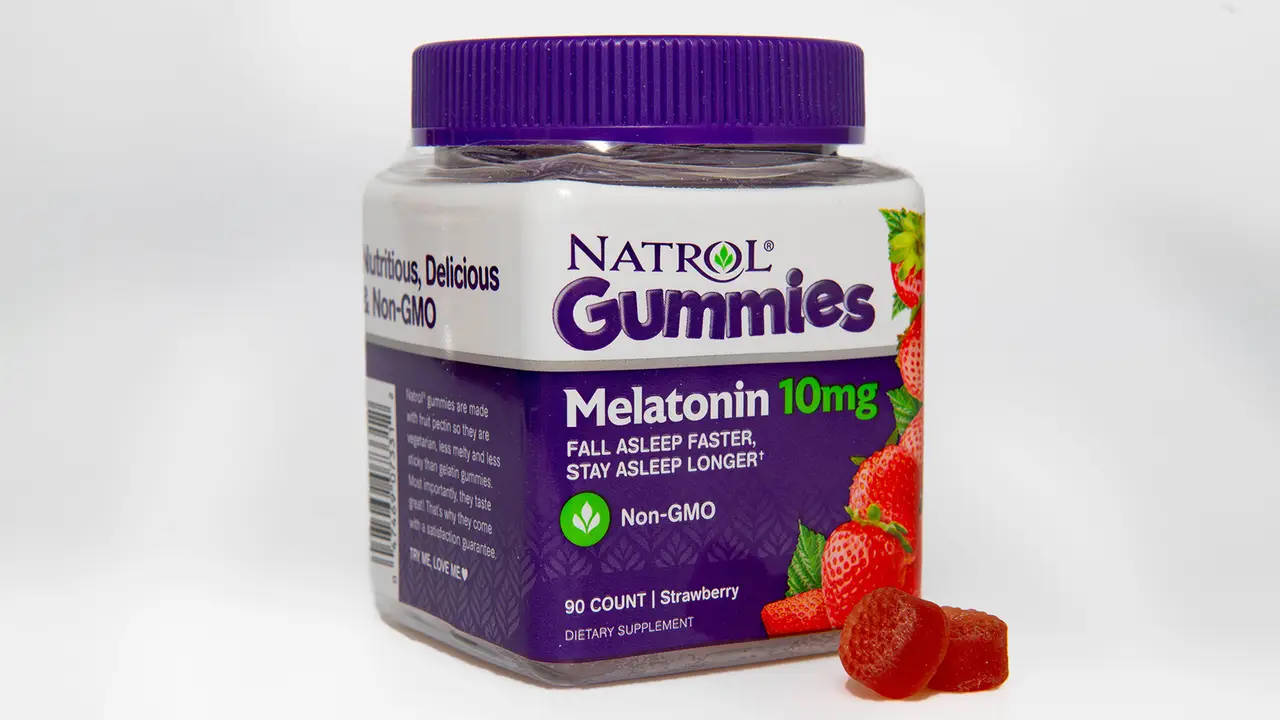
Dosage remains one of the most misunderstood aspects of melatonin supplementation. Many experts recommend starting with 0.5 mg to 1 mg. However, commercially available gummies often contain 3 mg, 5 mg, or even 10 mg per serving. More is not necessarily better. In fact, higher doses can increase the risk of side effects, including:
- Dizziness
- Headaches
- Nausea
- Daytime grogginess
- Vivid dreams
Starting low and adjusting gradually is generally safer than beginning with a high dose.
Another critical consideration is regulation. In the United States, melatonin is classified as a dietary supplement, meaning it is not regulated by the FDA in the same way as prescription medications are. A study from the National Institutes of Health has found that the actual melatonin content in some products can differ significantly from what is listed on the label.
In other words, while the trend feels standardized, product quality can vary.
Can You Take Melatonin Every Night?
Short-term use is generally considered safe for many adults. However, long-term nightly use is still being studied.
Melatonin is often described as non-habit-forming, meaning it does not create chemical dependence like some prescription sleep aids. Nevertheless, psychological reliance can develop. If you feel unable to sleep without a gummy, it may be worth reassessing your broader sleep habits.
Additionally, consistently high doses may interfere with your body’s natural hormone regulation over time. For that reason, many sleep specialists recommend using melatonin strategically, rather than permanently.
Can Melatonin Cause Anxiety or Dementia?
Current research does not show that melatonin causes dementia. In fact, some studies are exploring whether it may offer protective effects in certain neurodegenerative conditions. However, research is ongoing and far from conclusive.
As for anxiety, responses vary. For some individuals, improved sleep reduces anxious symptoms. For others, higher doses may trigger restlessness or intense dreams that feel unsettling. If anxiety worsens after starting melatonin, lowering the dose or discontinuing use may help.
Can You Give Melatonin to a Toddler?
This is one of the most searched questions, and it requires caution.
Melatonin is sometimes prescribed for children with specific sleep disorders. However, it should never be given casually. Because children’s hormonal systems are still developing, supplementation should always be guided by a pediatrician.
The melatonin gummies trend has blurred the line between adult wellness and children’s routines. Moreover, flavored gummies can resemble candy, increasing the risk of accidental overconsumption. Proper storage, well out of reach, is essential.
What Foods Contain Melatonin Naturally?
If you prefer a gentler approach, certain foods contain small amounts of melatonin or support its production. These include:
- Tart cherries
- Walnuts
- Almonds
- Oats
- Bananas
- Milk
While these foods will not deliver the concentrated dose found in supplements, they can support your natural rhythm when combined with consistent sleep habits and reduced nighttime screen exposure.
Final Thoughts
The melatonin gummies fad reflects a broader desire for quick solutions to modern problems. Long work hours, constant notifications, and late-night streaming have disrupted natural sleep cycles. A gummy feels like control in a chaotic schedule. However, sleep is foundational to health. It deserves more than a shortcut.
Melatonin supplements can be helpful when used thoughtfully, especially for travel or temporary disruptions. At the same time, they should not replace habits like consistent bedtimes, dim lighting in the evening, and managing caffeine intake.
If you are relying on melatonin nightly, experiencing ongoing insomnia, or dealing with underlying anxiety, professional guidance is worth considering. Sleep issues often signal deeper imbalances.
The goal is not to reject the trend entirely. It is to approach it with awareness. Supplements should support your biology, not override it. Rest is powerful. And when it comes naturally, it lasts longer than any gummy ever could.
Featured image: nastya_ph/iStock
Medical Disclaimer
All content found on the StyleRave.com website, including text, images, audio, video, and other formats, is created for informational purposes only. The content is not intended to be a substitute for professional medical advice, diagnosis, or treatment. If you think you may have a medical emergency, please call your doctor, go to the nearest hospital, or call 911 immediately, depending on your condition.
—Read also
You Might Need To Start Taking Magnesium Supplements: Here’s Why
Source link
#Truth #Melatonin #Gummies #Sleep #Cycle


Post Comment