
Beauty shelves have entered a new era of ingredient literacy. Today’s shoppers pause at ingredient lists, compare formulas, and ask sharper questions about what truly works. Among the ingredients receiving the most attention right now is “peptide,” a word that appears across modern skincare, from serums and moisturizers to advanced clinic treatments.
Although the name may sound technical, the concept behind peptides is surprisingly simple. In skincare, peptides act like tiny messengers that help skin remember how to function at its healthiest. Because of this role, they have quickly become one of the most talked-about ingredients in contemporary beauty routines.
The fascination with peptides, however, did not emerge overnight. Dermatology research has spent decades examining how skin communicates at a cellular level. As that research gradually entered the beauty industry, brands began translating the science into products designed for everyday use. The result is a wave of creams, boosters, and treatments built around peptide technology in skincare, all promising firmer, smoother, and healthier-looking skin.
Still, understanding how peptides actually work requires looking beyond marketing claims. Once the science is broken down into everyday language, the appeal becomes far easier to understand.
What Are Peptides in Skincare?
At the most basic level, peptides are short chains of amino acids. Amino acids are the building blocks of proteins, and proteins are what give skin its structure, strength, and resilience. Collagen, elastin, and keratin, three essential proteins responsible for firmness, elasticity, and smooth texture, are all made from amino acids.
As skin ages, however, the production of these proteins naturally slows. Collagen levels decline, elasticity weakens, and the skin barrier becomes less efficient. This is where peptide ingredients in skincare formulas come into play. Peptides send signals to the skin that encourage it to produce more collagen or repair existing damage.
A helpful way to visualize this process is to imagine peptides as text messages sent to skin cells. Each message carries a specific instruction. Some signals tell the skin to “build more collagen,” others encourage the skin to “reduce inflammation,” while certain peptides support barrier repair. Because these signals reinforce processes that already exist within healthy skin, peptides have become a favorite among dermatologists and cosmetic chemists who prefer ingredients that support the skin rather than overwhelm it.
What Do Peptides Do for Your Skin?
Once incorporated into a routine, peptides can contribute to several visible improvements. The exact benefits depend on the type of peptide used, but most formulas focus on a few key outcomes.
- First, peptides help support collagen production. As collagen levels improve, the skin can appear firmer and smoother. This is why peptides frequently appear in anti-aging products designed to soften fine lines and improve elasticity.
- Second, peptides help strengthen the skin barrier. A stronger barrier allows the skin to retain moisture more effectively, which can make the complexion appear fuller, calmer, and more hydrated. This also benefits people who struggle with sensitivity or dryness.
- Third, peptides may help soften the appearance of wrinkles over time. While they cannot erase deep lines overnight, consistent use often leads to gradual improvements. For this reason, many dermatologists describe peptides as long-term support ingredients rather than quick fixes.
Together, these benefits explain why conversations around peptides in skincare routines have expanded so quickly. Instead of relying solely on aggressive treatments, many consumers are now prioritizing ingredients that steadily improve skin quality over time.
What Are the Best Peptides for Skin?
Not all peptides function in the same way. Scientists categorize them based on the signals they send to the skin.
- Signal peptides are among the most popular. These encourage collagen and elastin production, helping the skin maintain firmness and elasticity. One of the most well-known examples in skincare formulas is Matrixyl.
- Carrier peptides, on the other hand, help deliver trace minerals to the skin. These minerals support enzymes that play a role in skin repair and regeneration.
- Another category, neurotransmitter-inhibiting peptides, focuses on relaxing facial tension that contributes to expression lines. Because of this effect, some people describe them as a gentler alternative to injectable treatments.
- There is also growing interest in advanced skincare treatments such as skin boosters, which often combine multiple peptide types in a single formula. By delivering several signals at once, these blends aim to support hydration, elasticity, and skin repair more comprehensively.
Peptides vs Retinol, Vitamin C, and Niacinamide
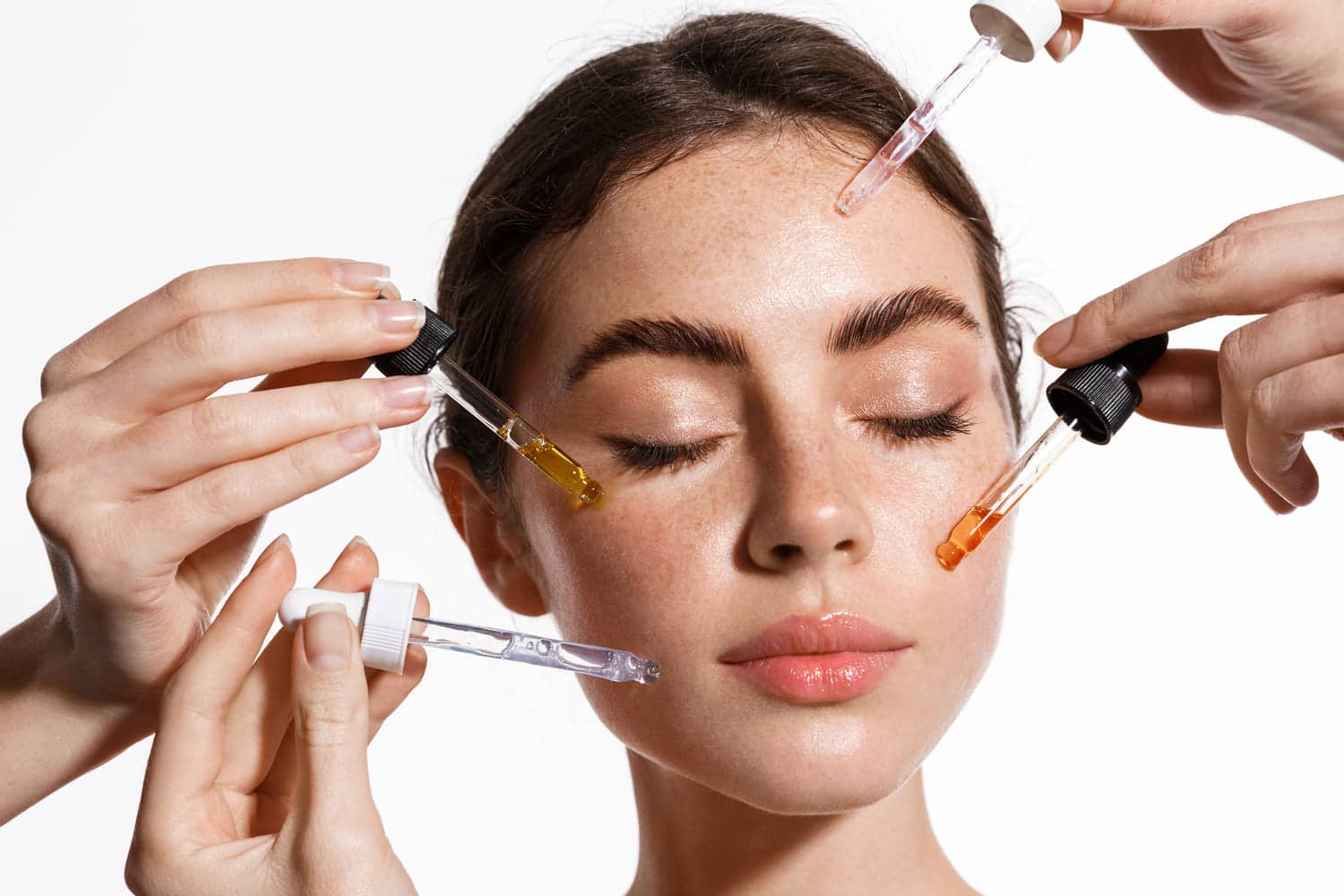
Ingredient comparisons dominate skincare conversations, and peptides frequently appear in discussions alongside retinol, vitamin C, and niacinamide.
Retinol accelerates skin renewal and remains one of the most powerful anti-aging ingredients available. However, it can also cause irritation for some users, especially beginners. Peptides work differently because they focus on signaling and repair rather than rapid exfoliation. Many dermatologists recommend using both ingredients in the same routine since they support the skin in complementary ways.
Vitamin C, meanwhile, focuses primarily on brightening and antioxidant protection. It helps defend the skin against environmental stress while also supporting collagen production. Peptides strengthen structural proteins in the skin, making the combination particularly effective.
Niacinamide addresses oil regulation, redness, and barrier repair. Because of its gentle nature, it pairs well with peptide formulas, which is why many skincare serums combine the two ingredients.
Ultimately, the discussion should not focus on which ingredient is “better.” Each one contributes to skin health in different ways, and peptides simply provide another layer of support.
Can You Use Peptides Every Day?
Yes, and this is one of the key reasons peptides have become so popular. Most formulations are designed for daily use because they are generally gentle and compatible with other ingredients.
Peptide products often appear in lightweight serums or moisturizers that can be applied morning and evening. Over time, consistent use can support smoother texture, improved elasticity, and a stronger skin barrier.
However, balance remains important. Layering too many active ingredients at once may overwhelm the skin. In most cases, a routine that includes peptides, hydration, sunscreen, and one or two additional actives delivers the most reliable results.
Peptide Injections and Oral Peptides: What to Know
Beyond topical skincare, peptides also appear in certain cosmetic procedures. Peptide-based injection treatments, often described as skin boosters, deliver ingredients directly into the dermis through microinjections. These treatments aim to stimulate collagen production and improve hydration from within the skin.
Meanwhile, interest in oral peptide supplements has also increased. These supplements claim to support collagen production through internal pathways. However, research in this area is still evolving.
For now, most dermatologists emphasize that topical skincare and daily sun protection remain the most reliable foundation for healthy skin.
Are There Side Effects?
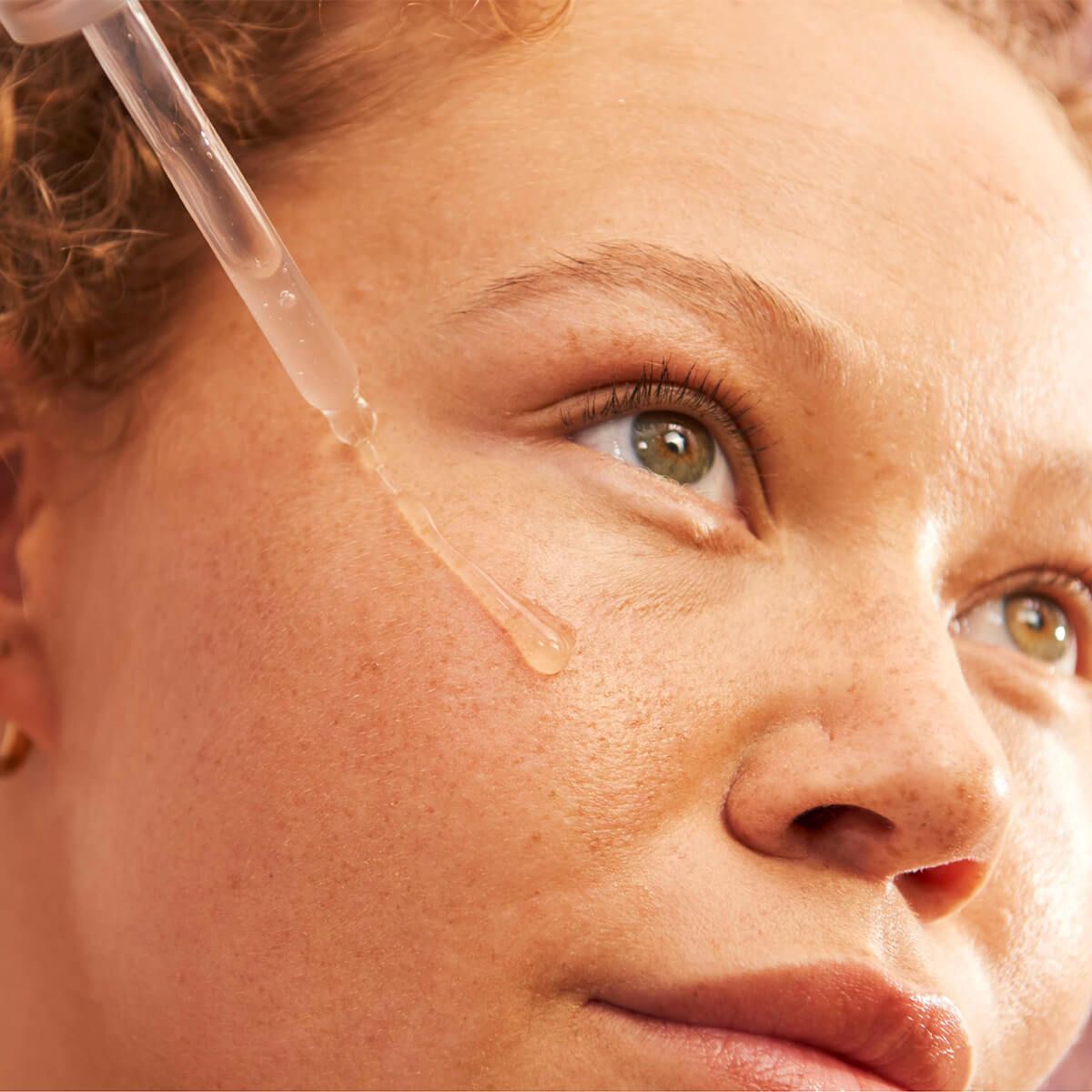
For most people, peptides are considered safe and well-tolerated. Compared with stronger active ingredients, they rarely cause irritation when used correctly.
However, results depend heavily on formulation quality and consistency of use. Low concentrations may produce minimal changes, while poorly formulated products might prevent peptides from penetrating effectively.
Another factor to consider is ingredient layering. Peptides generally work well alongside hydrating ingredients like hyaluronic acid and ceramides. Some dermatologists recommend avoiding highly acidic formulas at the same time, simply to ensure peptide stability.
Shop editor’s edit
Why Peptides Continue to Dominate Skincare Conversations
The beauty industry often moves in cycles, yet the growing interest in peptide technology in skincare reflects a broader shift in how consumers approach skin health. Instead of relying exclusively on aggressive treatments, many people are now prioritizing ingredients that strengthen the skin’s natural functions.
Peptides fit seamlessly into that philosophy. They support collagen production, strengthen the skin barrier, and encourage gradual improvements rather than dramatic overnight transformations. As research continues, new peptide blends and delivery systems will likely expand what these ingredients can do. For now, their growing presence across serums, creams, and clinical treatments signals something clear: skincare has entered an era where science-backed ingredients and consistency define the routines people trust most.
Featured image: Biossance
—Read also
Red Light Therapy At Home: What You Need To Know Before Buying That Panel For Your Skin
Source link
#Peptide #Skincare #Ingredient #Beauty #Shelves


Post Comment