In an era where beauty trends move at the speed of social media, subtle cosmetic refinements are quietly reshaping the faces we see online. What once appeared to be sudden celebrity transformations is increasingly understood as something far more deliberate: a series of carefully calibrated adjustments designed to create balance, symmetry, and harmony across the face. This approach, known as facial balancing, is quickly moving beyond cosmetic clinics and into mainstream beauty conversations.
In 2026, the concept is gaining attention across red carpets, social media feeds, and paparazzi photos, where fans have begun noticing that many celebrities and influencers look noticeably refreshed—almost “brand new”—in recent appearances. Interestingly, the changes are rarely dramatic. Instead, the goal is cohesion. Features are adjusted subtly so that the entire face appears more proportionate and harmonious.
Unlike the exaggerated procedures that once dominated cosmetic culture, facial balancing emphasizes restraint. Treatments may involve a combination of dermal fillers, neuromodulators such as Botox, skin-tightening technologies, or minor surgical refinements, all guided by the principle that harmony between facial features produces a naturally polished appearance.
More broadly, this evolution reflects a cultural shift in beauty. People still want visible improvements, yet they also want their faces to move naturally and remain recognizably their own. That delicate balance between enhancement and authenticity is shaping how facial balancing is unfolding in 2026.
What Is Facial Balancing?
Facial balancing refers to a cosmetic strategy that focuses on improving overall facial proportions. Rather than treating wrinkles or volume loss individually, practitioners evaluate the face as a complete structure.
In practice, this approach prioritizes proportion over perfection. Specialists analyze how the forehead, cheeks, jawline, chin, and lips relate to one another. Because each feature influences the others, even a small adjustment can shift how the entire face is perceived.
During consultation, practitioners typically evaluate several structural elements, including:
- The width and height of the face
- The relationship between the nose, lips, and chin
- Jawline definition
- Cheekbone projection
- Symmetry between the left and right sides
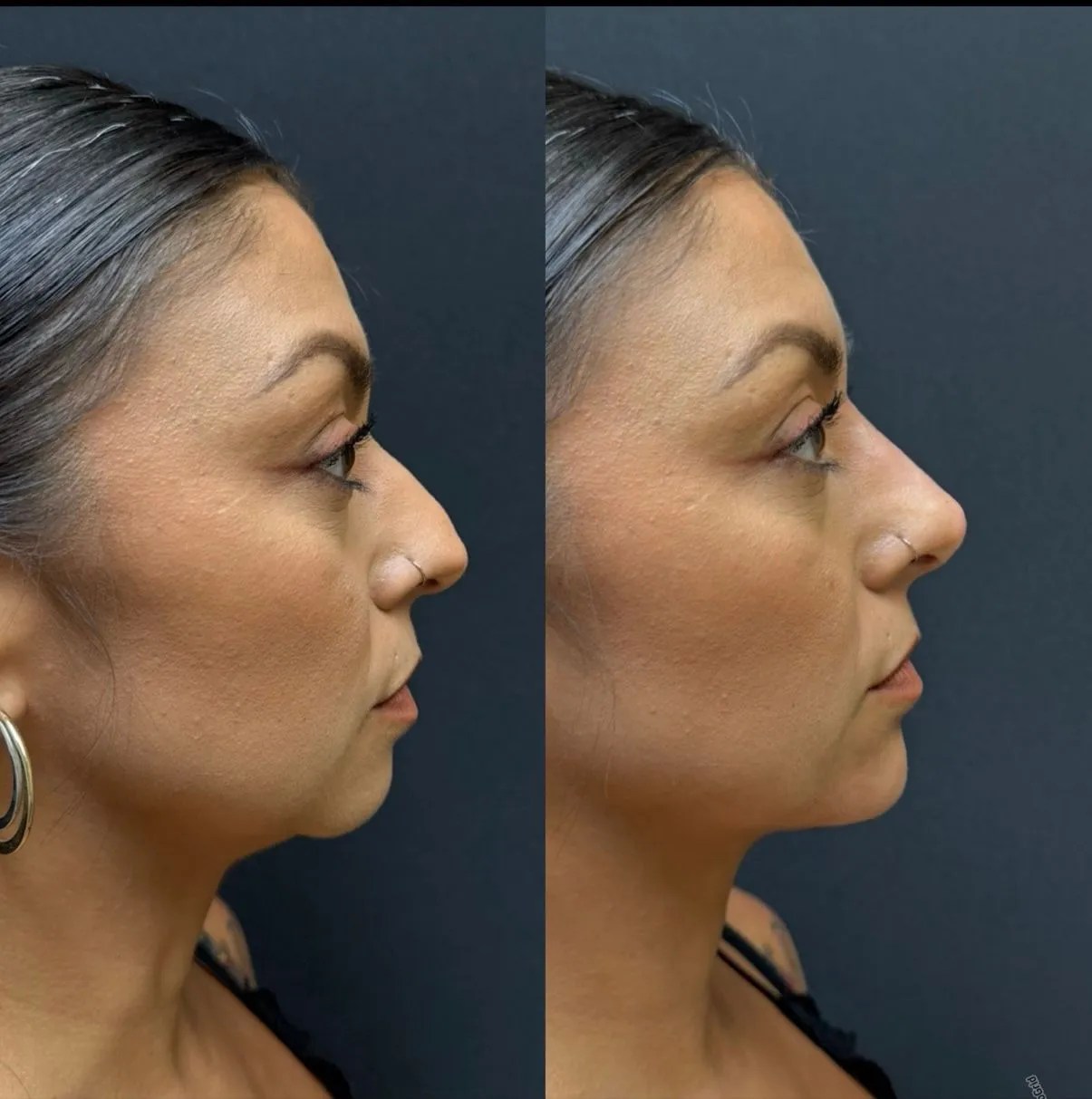
After this analysis, treatments are selected to improve proportion. In many cases, dermal fillers are placed strategically in areas such as the chin or cheeks to enhance structure. Small amounts of neuromodulators like Botox may also be used to relax muscles that disrupt symmetry. Importantly, the objective is not transformation. Instead, facial balancing aims to ensure that no single feature dominates the face.
Why the Facial Balancing Trend Is Expanding in 2026
Several cultural shifts help explain the growing popularity of facial balancing.
First, patients are more informed than ever before. While social media initially popularized cosmetic procedures, today’s clients increasingly request results that appear natural. Many bring photographs of themselves rather than celebrity inspiration, signaling a desire for refinement rather than reinvention.
Second, cosmetic technology has advanced significantly. Many clinics now use digital facial mapping tools that visualize proportions before treatment begins. These tools help practitioners demonstrate how even a small amount of filler, sometimes less than half a syringe, can influence overall facial harmony.
Finally, there is growing awareness that subtle changes tend to age better. Large quantities of filler applied quickly can create an artificial look over time. Gradual, measured adjustments, by contrast, help preserve facial identity while improving structure.
Does Facial Balancing Really Work?
For suitable candidates, facial balancing can produce surprisingly noticeable results without appearing obvious.
Consider someone with a slightly recessed chin. In such cases, the nose may appear larger than it actually is. Rather than altering the nose surgically, a practitioner might add a small amount of filler to the chin. Once the chin moves forward slightly, the nose appears more proportionate.
Similarly, restoring volume to the cheeks can lift the mid-face and soften the appearance of nasolabial folds. Because the underlying structure changes, the entire face often looks refreshed.
Many patients describe the result as looking like a well-rested version of themselves. Friends may sense that something has changed, yet struggle to identify exactly what.
Facial Balancing vs Botox
One of the most common online questions compares facial balancing with Botox. While the two are related, they serve different purposes.
Botox works by relaxing facial muscles that cause dynamic wrinkles. It is most effective for lines on the forehead, between the brows, and around the eyes. Facial balancing, however, focuses on structure and proportion. Dermal fillers are typically used to enhance angles or restore volume in areas such as the cheeks, chin, and jawline.
In many cases, practitioners combine both approaches. Botox smooths expression lines while fillers strengthen facial contours, producing a more cohesive result.
How Long Does Facial Balancing Last?

The longevity of results depends on the treatments used. Hyaluronic acid fillers generally last between 12 and 18 months, although areas like the chin or jawline may retain results longer because the filler rests on bone rather than soft tissue. Botox treatments typically last three to four months.
Most practitioners recommend gradual maintenance rather than large single treatments. Small touch-ups help preserve facial harmony while minimizing the risk of overfilling.
Is Facial Balancing Expensive?
Costs vary depending on the provider, the number of syringes required, and the complexity of the treatment plan. In many clinics, a comprehensive facial balancing session may range from several hundred to several thousand dollars.
However, experienced practitioners often note that the approach can reduce long-term costs. By correcting structural relationships from the beginning, facial balancing may require fewer repeat treatments than addressing isolated concerns repeatedly.
Facial Balancing Without Filler
Not everyone is interested in injectables, and the growing interest in natural facial balancing reflects that. Some people are exploring non-invasive treatments that gradually support facial structure, including:
- Radiofrequency or ultrasound skin-tightening procedures
- Facial muscle exercises that strengthen underlying support
- Professional skincare routines that improve elasticity
Although these methods do not produce the same immediate structural changes as fillers, they can gradually improve tone and definition.
Facial Balancing Side Effects
Like any cosmetic procedure, facial balancing treatments carry potential risks. Common side effects following filler injections include temporary swelling, bruising, and tenderness. More serious complications are rare but can occur if injections are placed incorrectly.
For this reason, choosing an experienced and medically trained practitioner is essential. A thorough consultation should include discussion of medical history, facial anatomy, and realistic expectations before treatment begins.
Can Facial Balancing Make You Look Younger?

Many patients pursue facial balancing because they want a refreshed appearance rather than a dramatic transformation. By restoring lost volume, improving symmetry, and reinforcing facial contours, the treatment can soften visible signs of aging.
In many cases, the rejuvenating effect comes from structural support rather than wrinkle reduction alone. When cheekbones regain volume and the jawline becomes more defined, the entire face appears subtly lifted. Instead of erasing every wrinkle, facial balancing focuses on restoring the natural proportions that shift over time.
Final Thought on the Facial Balancing Trend
Perhaps the most interesting development surrounding facial balancing in 2026 is its emphasis on restraint. Just a few years ago, social media celebrated exaggerated lips and sharply sculpted cheekbones. Today, the aesthetic direction is shifting toward subtle refinement. Patients increasingly seek treatments that complement their features rather than replace them.
This shift suggests a maturing beauty culture, one that values thoughtful planning, gradual adjustments, and results that remain believable. As facial balancing continues to evolve, the most successful outcomes will likely come from practitioners who treat the face as a complete composition. After all, when proportion improves, beauty tends to follow naturally.
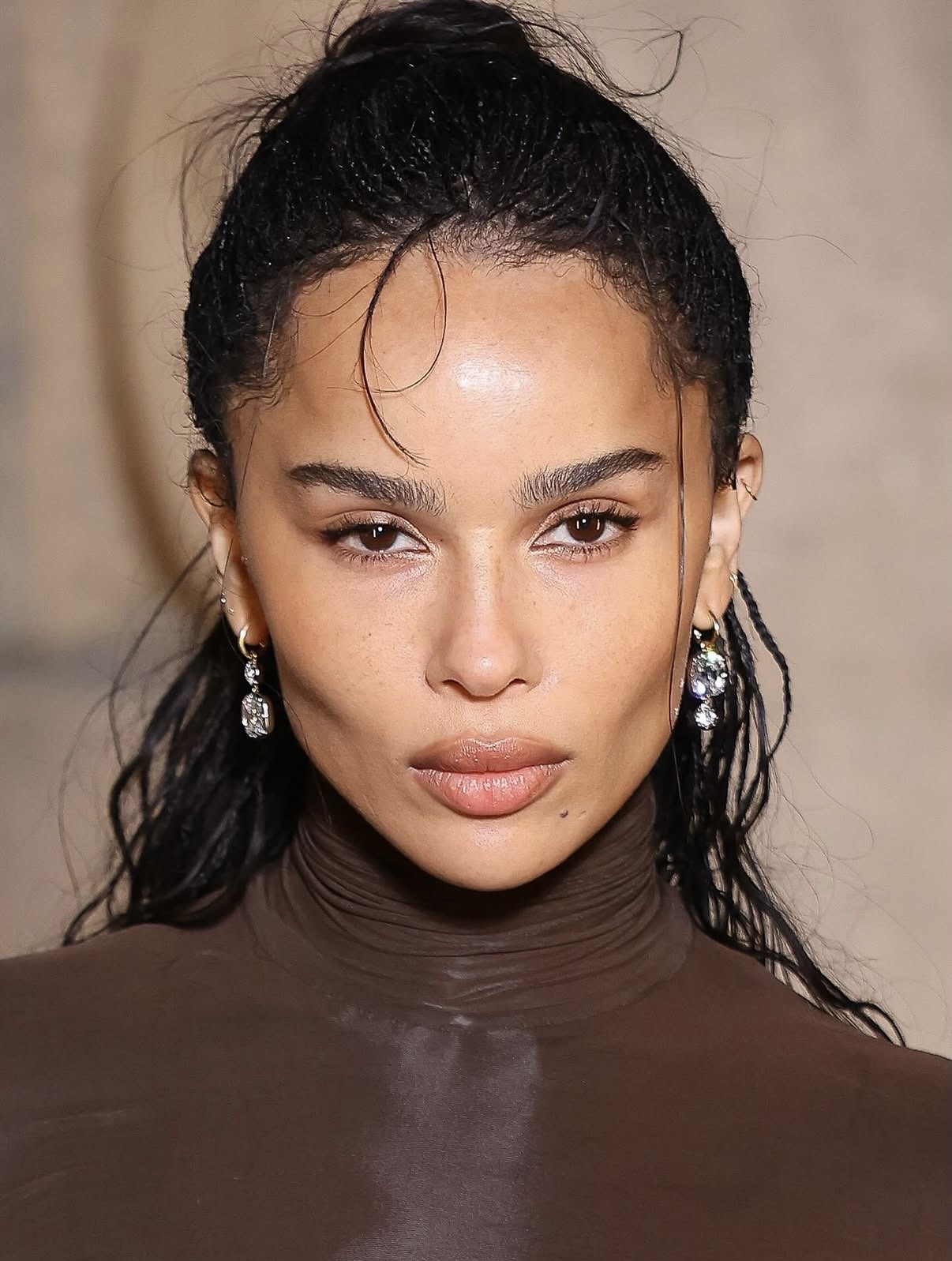
Featured image: Ashley Olah via @kendalljenner/Instagram
.
—Read also
All You Need To Know About Facial Balancing
Source link
#Facial #Balancing #Goto #Celebrity #Procedure #Reshaping #Beauty


Post Comment