×
The Not-So-Simple Truth About Rats, Roaches, and the Other Urban ‘Pests’ We Made

The Not-So-Simple Truth About Rats, Roaches, and the Other Urban ‘Pests’ We Made

For many people, seeing a rat rooting around the trash in their neighborhood will provoke strong emotions. Some might feel fear, others disgust, and lots will express annoyance. Few, however, are likely to feel even a begrudging sense of respect toward them.

That’s something that evolutionary biologist Marlene Zuk hopes to change with her newest book out this month, Outsider Animals: How the Creatures at the Margins of Our Lives Have the Most to Teach Us.

Zuk focuses on nine animals that most of us invariably view as pests, or at least nuisances, that disturb our daily routine, from roaches to gulls to coyotes. She details some of the many discoveries that scientists like her have made about these animals, as well as how they’ve succeeded so well at living alongside humanity.

Though Zuk does debunk plenty of villainous tropes about these critters, she’s not interested in convincing people to turn them into cuddly mascots either. Rather, she hopes they can be appreciated on their own terms, as remarkable and unique animals that have carved out a niche where many others haven’t.

I spoke to Zuk about why New Yorkers might really hate rats, why these animals don’t need to be our villains or heroes, and about our shared admiration for roachkind. The following has been lightly edited for clarity and grammar.

Ed Cara, Gizmodo: You’ve had a long career studying parasites and other animals that most people would not choose to spend any time around. But what made you want to focus on these particular animals for the book?

Marlene Zuk: I’ve been interested for a long time in why people like the animals they do and what lessons they think they can get from them. When you tell people you study animal behavior, they often come back to you with stories about their pets or they want to know if something they’ve heard about wildlife is true. And so it’s like they’re trying to derive these lessons from what they see animals doing.

The animals in the book, to me, are the animals that get into our lives whether we want to do that with them or not. You just see them in your yard turning over your garbage can. You find them when you go to the beach, like gulls, or when they’re dive-bombing a kid with an ice cream cone. And I’m interested in how much more there is to those animals than just dismissing them in how they relate to humans. Because a lot of my interest in animals comes from being interested in them as themselves and not as little object lessons.

Gizmodo: There’s a lot of fun and interesting stuff you cover in the book. But the one animal I was most intrigued by reading about was the cockroach. Not only because I’m a born-and-raised New Yorker, but also because I’ve gotten to delve a little into the complex lives they have in my writing, too.

Zuk: I’m telling you, we are kindred spirits. Because that’s totally my favorite chapter.

I’m in a writing group in the Twin Cities, and none of the other people in it are scientists, although often they do write about science. And so they were wonderful as I was writing the book. I gave them all the chapters and got comments back. And when I gave them the cockroach chapter, I said, “Of course you can talk about the writing, and you can tell me what you think I’ve done wrong. But you don’t get to say that you don’t like cockroaches.” That’s just off the table from the start. You just can’t say that.

Gizmodo: So without spoiling everything, what would you say are some of the biggest misconceptions people have about cockroaches?

Zuk: First of all, there is only the cockroach. It turns out there are thousands and thousands and thousands of species. We don’t even know how many because, like most insects, the group is very understudied, and we’re finding new species all the time. And only a handful of those are actually pests.

Many of them live in really interesting places. There are tropical cockroaches. There are cockroaches that live in rotting wood. There are monogamous cockroaches. There are cockroaches that take care of their babies. There are cockroaches that give live birth, and so people have been interested in them because of some links to how pregnancy works in mammals.

I think there’s just way more to them than you might imagine. And plus, like many of the animals in the book and like many, if not most, of the animals we call pests, cockroaches are the way they are not because of them but because of us. We’re the ones that created the environment that they find attractive. How can we possibly blame them for finding it attractive?

Gizmodo: You hit upon this one theme throughout the book. But why is it important in your eyes for people to not villainize or even valorize a lot of the animals that you talk about?

Zuk: It comes back to what I said at the beginning, which is that animals are not there for us to use as object lessons.

I mean, people have been trying to do that forever, of course. Aesop’s fables are all about what we can learn from the crow and what we can learn from the fox. But animals aren’t there to teach us lessons. They’re on their own terms. And I think finding out what the animals are actually like helps us understand our world a lot better than interpreting their behavior in terms of our own.

Gizmodo: Was there any particular animal that was the most intriguing to find out about? Did that change as you were writing?

Zuk: That is a harder question to answer. Because the book is so divided into the different chapters, with each one having a single species or a single group of species, like with gulls, I had what became a very predictable trajectory.

I would start out investigating what I was doing. If I had scientist friends, and I often did, who worked on the animals, I would call them up and see if they could talk with me, and I’d start reading some more articles. And then what would happen is that as I got to know more and more, it was like I had this little love affair with all of them. I was just all about them every single time. I will say that the animal that took me the longest to do that with was rats. But I still did! And by the end of the chapter, I was like, oh my god, rats are so amazing.

I don’t know, it might be because I’m not a New Yorker—and I feel for New Yorkers—rats are emblematic of a lot of things in the city. They’re emblematic of a lot of things that are wrong with urban life; they’re emblematic of things that people complain about, about politics and the mayor, and why isn’t anybody doing anything about this? And since I don’t have that common ground, I think I didn’t have the same starting place.

So the rats were a little hard. The cockroaches I just thought were fantastic, though. And the coyotes were really fun. I’ve seen coyotes growing up, and I think they’re wonderful, but actually reading about their lives was a revelation. So it was just a tremendous experience being able to go on that trajectory every time.

Giz: What do you hope people most take away from reading your book?

Zuk: I want people to appreciate animals for more than just the way they interact with human beings. And to be clear, I love people who love animals. I think it’s wonderful when they wanna come and tell you about their dogs, and they wanna tell you that they saw a really cool bird. But maybe we can start seeing animals as themselves and not as just bit parts in our own main character movie.

The other thing is that right now, a lot of people interested in conservation are struggling a great deal with invasive species. What do we do about how much the world has been altered by people introducing both plants and animals into places that they didn’t originally occur? And what I hope I do in this book is introduce a little bit of complexity to that question. I’m arguing that we don’t just want to mindlessly go back to whatever time we want to pick when there weren’t rats in North America or when there weren’t cowbirds in parts of the central plains or what have you. That’s hard to do partly because it’s hard to pick a time. But we also don’t want to just give up and say, “Oh, well, never mind, there’s just gonna be a world covered in kudzu and cockroaches.”

So how do we steer a path where we understand what effect we have on animals, what effect they have on us, and how we can live together without messing up the whole world?

Outsider Animals: How the Creatures at the Margins of Our Lives Have the Most to Teach Us was published by Princeton University Press and is now available as an e-book or in paper.

Source link
#NotSoSimple #Truth #Rats #Roaches #Urban #Pests

U.S. federal cybersecurity agency CISA said it did not have a prepared response plan for how it should handle a cybersecurity incident in May, after an investigative reporter notified the agency that a contractor had publicly exposed sensitive keys and credentials for accessing U.S. government systems.

CISA, the Homeland Security unit tasked with defending federal networks and helping to safeguard critical infrastructure, revealed Friday in a postmortem report that its staff “had to spend time building [a playbook] during the early stages of the incident.” The agency said it is important to prepare playbooks for “all anticipated needs” to ensure that organizations are ready to respond in the event of a security incident rather than scrambling to improvise one in real time.

The agency did not say how long the missing playbook delayed CISA’s response, and a spokesperson did not immediately respond to TechCrunch’s request for comment. 

Independent cybersecurity journalist Brian Krebs reported in May that a security researcher with cyber firm GitGuardian alerted him to reams of exposed passwords stored in a publicly accessible GitHub repository, which an employee of a CISA contractor had uploaded.

According to Krebs, the researcher tried to alert the contractor but didn’t hear back. Only after Krebs contacted CISA did the agency take the repository offline and revoke and replace all of the exposed credentials to prevent any potential future abuse.

CISA said that no customer or mission data was exposed in the incident and thanked the researcher and reporter for their help. The agency said that its channels for allowing security researchers to notify CISA of potential incidents “were not well defined,” and that it has made changes to make it easier and faster for researchers to contact the agency.

CISA has been without a permanent director since the start of President Donald Trump’s second term in January 2025. The agency has also been affected by cuts, furloughs, and layoffs affecting about a third of its workforce since Trump took office. 

When you purchase through links in our articles, we may earn a small commission. This doesn’t affect our editorial independence.

#cybersecurity #agency #CISA #build #incident #playbook #incident #agency #reveals #TechCrunchCISA,cybersecurity,us government">US cybersecurity agency CISA had to build its incident playbook during the incident, agency reveals | TechCrunch
U.S. federal cybersecurity agency CISA said it did not have a prepared response plan for how it should handle a cybersecurity incident in May, after an investigative reporter notified the agency that a contractor had publicly exposed sensitive keys and credentials for accessing U.S. government systems.

CISA, the Homeland Security unit tasked with defending federal networks and helping to safeguard critical infrastructure, revealed Friday in a postmortem report that its staff “had to spend time building [a playbook] during the early stages of the incident.” The agency said it is important to prepare playbooks for “all anticipated needs” to ensure that organizations are ready to respond in the event of a security incident rather than scrambling to improvise one in real time.


The agency did not say how long the missing playbook delayed CISA’s response, and a spokesperson did not immediately respond to TechCrunch’s request for comment. 

Independent cybersecurity journalist Brian Krebs reported in May that a security researcher with cyber firm GitGuardian alerted him to reams of exposed passwords stored in a publicly accessible GitHub repository, which an employee of a CISA contractor had uploaded.

According to Krebs, the researcher tried to alert the contractor but didn’t hear back. Only after Krebs contacted CISA did the agency take the repository offline and revoke and replace all of the exposed credentials to prevent any potential future abuse.

CISA said that no customer or mission data was exposed in the incident and thanked the researcher and reporter for their help. The agency said that its channels for allowing security researchers to notify CISA of potential incidents “were not well defined,” and that it has made changes to make it easier and faster for researchers to contact the agency.

CISA has been without a permanent director since the start of President Donald Trump’s second term in January 2025. The agency has also been affected by cuts, furloughs, and layoffs affecting about a third of its workforce since Trump took office. 
When you purchase through links in our articles, we may earn a small commission. This doesn’t affect our editorial independence.#cybersecurity #agency #CISA #build #incident #playbook #incident #agency #reveals #TechCrunchCISA,cybersecurity,us government

in a postmortem report that its staff “had to spend time building [a playbook] during the early stages of the incident.” The agency said it is important to prepare playbooks for “all anticipated needs” to ensure that organizations are ready to respond in the event of a security incident rather than scrambling to improvise one in real time.

The agency did not say how long the missing playbook delayed CISA’s response, and a spokesperson did not immediately respond to TechCrunch’s request for comment. 

Independent cybersecurity journalist Brian Krebs reported in May that a security researcher with cyber firm GitGuardian alerted him to reams of exposed passwords stored in a publicly accessible GitHub repository, which an employee of a CISA contractor had uploaded.

According to Krebs, the researcher tried to alert the contractor but didn’t hear back. Only after Krebs contacted CISA did the agency take the repository offline and revoke and replace all of the exposed credentials to prevent any potential future abuse.

CISA said that no customer or mission data was exposed in the incident and thanked the researcher and reporter for their help. The agency said that its channels for allowing security researchers to notify CISA of potential incidents “were not well defined,” and that it has made changes to make it easier and faster for researchers to contact the agency.

CISA has been without a permanent director since the start of President Donald Trump’s second term in January 2025. The agency has also been affected by cuts, furloughs, and layoffs affecting about a third of its workforce since Trump took office. 

When you purchase through links in our articles, we may earn a small commission. This doesn’t affect our editorial independence.

#cybersecurity #agency #CISA #build #incident #playbook #incident #agency #reveals #TechCrunchCISA,cybersecurity,us government">US cybersecurity agency CISA had to build its incident playbook during the incident, agency reveals | TechCrunch

U.S. federal cybersecurity agency CISA said it did not have a prepared response plan for how it should handle a cybersecurity incident in May, after an investigative reporter notified the agency that a contractor had publicly exposed sensitive keys and credentials for accessing U.S. government systems.

CISA, the Homeland Security unit tasked with defending federal networks and helping to safeguard critical infrastructure, revealed Friday in a postmortem report that its staff “had to spend time building [a playbook] during the early stages of the incident.” The agency said it is important to prepare playbooks for “all anticipated needs” to ensure that organizations are ready to respond in the event of a security incident rather than scrambling to improvise one in real time.

The agency did not say how long the missing playbook delayed CISA’s response, and a spokesperson did not immediately respond to TechCrunch’s request for comment. 

Independent cybersecurity journalist Brian Krebs reported in May that a security researcher with cyber firm GitGuardian alerted him to reams of exposed passwords stored in a publicly accessible GitHub repository, which an employee of a CISA contractor had uploaded.

According to Krebs, the researcher tried to alert the contractor but didn’t hear back. Only after Krebs contacted CISA did the agency take the repository offline and revoke and replace all of the exposed credentials to prevent any potential future abuse.

CISA said that no customer or mission data was exposed in the incident and thanked the researcher and reporter for their help. The agency said that its channels for allowing security researchers to notify CISA of potential incidents “were not well defined,” and that it has made changes to make it easier and faster for researchers to contact the agency.

CISA has been without a permanent director since the start of President Donald Trump’s second term in January 2025. The agency has also been affected by cuts, furloughs, and layoffs affecting about a third of its workforce since Trump took office. 

When you purchase through links in our articles, we may earn a small commission. This doesn’t affect our editorial independence.

#cybersecurity #agency #CISA #build #incident #playbook #incident #agency #reveals #TechCrunchCISA,cybersecurity,us government
Power supplies aren’t exactly the most exciting PC component to talk about. But considering how expensive modern graphics cards have become, and the issues we’ve seen with melting 12V-2×6 connectors over the past few years, it’s probably one of the few components you don’t want to cheap out on. That’s why GIGABYTE’s new GAMING Series power supplies are interesting. The company has introduced a new feature called T-Guard, which actively monitors the temperature of the GPU power connector and steps in before things get out of hand.

T-Guard Monitors Your GPU Power Cable in Real Time

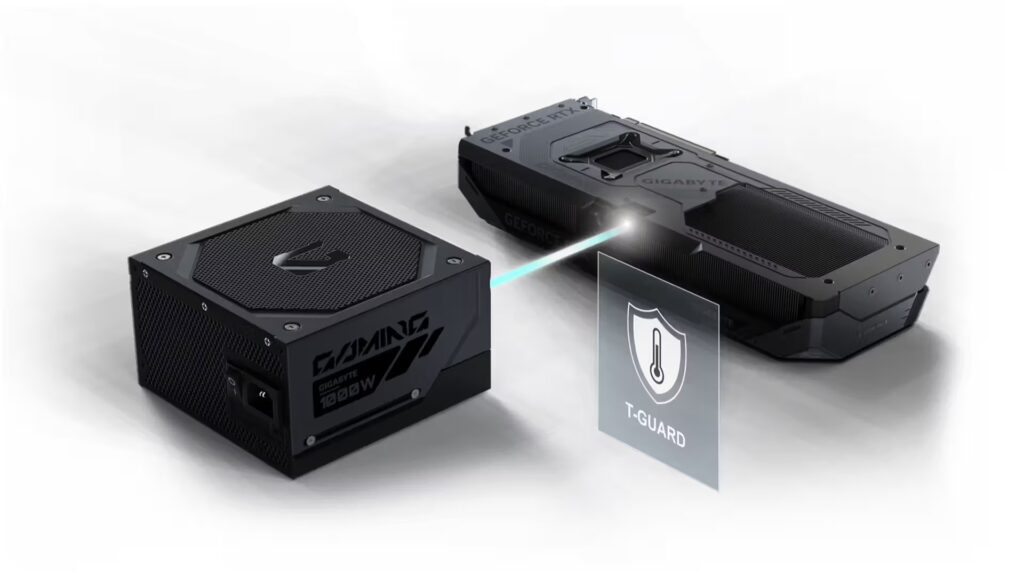
The biggest highlight of the new PSU lineup is T-Guard, an active safety system designed specifically for the newer 12V-2×6 graphics card connector. Instead of waiting for something to go wrong, the PSU continuously monitors the connector using built-in temperature sensors. If it detects abnormal heat, which can occur due to a loose cable or excessive electrical load, it immediately alerts the system and begins protecting the hardware.

Rather than shutting down the entire PC instantly, the PSU intelligently reduces power only to the graphics card. That means the rest of the system can continue running normally, giving users enough time to save any unsaved work before safely powering the machine off. If your processor has integrated graphics, you’ll still get video output even after the GPU power has been limited, making it much easier to troubleshoot the issue rather than staring at a black screen.

Combined with real-time temperature monitoring, automatic GPU power limiting, and the ability to recover your work before shutdown, GIGABYTE says T-Guard offers three layers of protection against connector failures.

Built for Modern Gaming PCs

GIGABYTE Launches New Gaming PSUs That Can Detect GPU Cable Overheating
	
Power supplies aren’t exactly the most exciting PC component to talk about. But considering how expensive modern graphics cards have become, and the issues we’ve seen with melting 12V-2×6 connectors over the past few years, it’s probably one of the few components you don’t want to cheap out on. That’s why GIGABYTE’s new GAMING Series power supplies are interesting. The company has introduced a new feature called T-Guard, which actively monitors the temperature of the GPU power connector and steps in before things get out of hand.


T-Guard Monitors Your GPU Power Cable in Real Time


The biggest highlight of the new PSU lineup is T-Guard, an active safety system designed specifically for the newer 12V-2×6 graphics card connector. Instead of waiting for something to go wrong, the PSU continuously monitors the connector using built-in temperature sensors. If it detects abnormal heat, which can occur due to a loose cable or excessive electrical load, it immediately alerts the system and begins protecting the hardware.


Rather than shutting down the entire PC instantly, the PSU intelligently reduces power only to the graphics card. That means the rest of the system can continue running normally, giving users enough time to save any unsaved work before safely powering the machine off. If your processor has integrated graphics, you’ll still get video output even after the GPU power has been limited, making it much easier to troubleshoot the issue rather than staring at a black screen.


Combined with real-time temperature monitoring, automatic GPU power limiting, and the ability to recover your work before shutdown, GIGABYTE says T-Guard offers three layers of protection against connector failures.


Built for Modern Gaming PCs


Beyond the new safety features, the GAMING Series also ticks most of the boxes you’d expect from a modern enthusiast power supply. The units are fully compliant with the latest ATX 3.1 and PCIe 5.1 standards, making them ready for current and upcoming graphics cards. They’re available in 750W, 850W, and 1000W capacities and come in both Black and Ice color options to better match different PC builds. Internally, GIGABYTE uses 100% Japanese capacitors, while the included dual-color 12V-2×6 cable makes it easier to confirm that the GPU connector has been plugged in correctly before powering on the system.


GIGABYTE has also focused on efficiency and acoustics with the new lineup. The PSUs have received Cybenetics ETA Platinum certification for energy efficiency and the Cybenetics LAMBDA A+ certification for low noise. According to the company, average operating noise stays below 20 dB(A) under typical workloads. Cooling duties are handled by a 135mm Fluid Dynamic Bearing fan, while HybridCool technology can completely stop the fan during lighter workloads. This allows the PSU to operate almost silently when the system isn’t under heavy load.

#GIGABYTE #Launches #Gaming #PSUs #Detect #GPU #Cable #OverheatingGigaByte

Beyond the new safety features, the GAMING Series also ticks most of the boxes you’d expect from a modern enthusiast power supply. The units are fully compliant with the latest ATX 3.1 and PCIe 5.1 standards, making them ready for current and upcoming graphics cards. They’re available in 750W, 850W, and 1000W capacities and come in both Black and Ice color options to better match different PC builds. Internally, GIGABYTE uses 100% Japanese capacitors, while the included dual-color 12V-2×6 cable makes it easier to confirm that the GPU connector has been plugged in correctly before powering on the system.

GIGABYTE has also focused on efficiency and acoustics with the new lineup. The PSUs have received Cybenetics ETA Platinum certification for energy efficiency and the Cybenetics LAMBDA A+ certification for low noise. According to the company, average operating noise stays below 20 dB(A) under typical workloads. Cooling duties are handled by a 135mm Fluid Dynamic Bearing fan, while HybridCool technology can completely stop the fan during lighter workloads. This allows the PSU to operate almost silently when the system isn’t under heavy load.

#GIGABYTE #Launches #Gaming #PSUs #Detect #GPU #Cable #OverheatingGigaByte">GIGABYTE Launches New Gaming PSUs That Can Detect GPU Cable Overheating
	
Power supplies aren’t exactly the most exciting PC component to talk about. But considering how expensive modern graphics cards have become, and the issues we’ve seen with melting 12V-2×6 connectors over the past few years, it’s probably one of the few components you don’t want to cheap out on. That’s why GIGABYTE’s new GAMING Series power supplies are interesting. The company has introduced a new feature called T-Guard, which actively monitors the temperature of the GPU power connector and steps in before things get out of hand.


T-Guard Monitors Your GPU Power Cable in Real Time


The biggest highlight of the new PSU lineup is T-Guard, an active safety system designed specifically for the newer 12V-2×6 graphics card connector. Instead of waiting for something to go wrong, the PSU continuously monitors the connector using built-in temperature sensors. If it detects abnormal heat, which can occur due to a loose cable or excessive electrical load, it immediately alerts the system and begins protecting the hardware.


Rather than shutting down the entire PC instantly, the PSU intelligently reduces power only to the graphics card. That means the rest of the system can continue running normally, giving users enough time to save any unsaved work before safely powering the machine off. If your processor has integrated graphics, you’ll still get video output even after the GPU power has been limited, making it much easier to troubleshoot the issue rather than staring at a black screen.


Combined with real-time temperature monitoring, automatic GPU power limiting, and the ability to recover your work before shutdown, GIGABYTE says T-Guard offers three layers of protection against connector failures.


Built for Modern Gaming PCs


Beyond the new safety features, the GAMING Series also ticks most of the boxes you’d expect from a modern enthusiast power supply. The units are fully compliant with the latest ATX 3.1 and PCIe 5.1 standards, making them ready for current and upcoming graphics cards. They’re available in 750W, 850W, and 1000W capacities and come in both Black and Ice color options to better match different PC builds. Internally, GIGABYTE uses 100% Japanese capacitors, while the included dual-color 12V-2×6 cable makes it easier to confirm that the GPU connector has been plugged in correctly before powering on the system.


GIGABYTE has also focused on efficiency and acoustics with the new lineup. The PSUs have received Cybenetics ETA Platinum certification for energy efficiency and the Cybenetics LAMBDA A+ certification for low noise. According to the company, average operating noise stays below 20 dB(A) under typical workloads. Cooling duties are handled by a 135mm Fluid Dynamic Bearing fan, while HybridCool technology can completely stop the fan during lighter workloads. This allows the PSU to operate almost silently when the system isn’t under heavy load.

#GIGABYTE #Launches #Gaming #PSUs #Detect #GPU #Cable #OverheatingGigaByte

aren’t exactly the most exciting PC component to talk about. But considering how expensive modern graphics cards have become, and the issues we’ve seen with melting 12V-2×6 connectors over the past few years, it’s probably one of the few components you don’t want to cheap out on. That’s why GIGABYTE’s new GAMING Series power supplies are interesting. The company has introduced a new feature called T-Guard, which actively monitors the temperature of the GPU power connector and steps in before things get out of hand.

T-Guard Monitors Your GPU Power Cable in Real Time

The biggest highlight of the new PSU lineup is T-Guard, an active safety system designed specifically for the newer 12V-2×6 graphics card connector. Instead of waiting for something to go wrong, the PSU continuously monitors the connector using built-in temperature sensors. If it detects abnormal heat, which can occur due to a loose cable or excessive electrical load, it immediately alerts the system and begins protecting the hardware.

Rather than shutting down the entire PC instantly, the PSU intelligently reduces power only to the graphics card. That means the rest of the system can continue running normally, giving users enough time to save any unsaved work before safely powering the machine off. If your processor has integrated graphics, you’ll still get video output even after the GPU power has been limited, making it much easier to troubleshoot the issue rather than staring at a black screen.

Combined with real-time temperature monitoring, automatic GPU power limiting, and the ability to recover your work before shutdown, GIGABYTE says T-Guard offers three layers of protection against connector failures.

Built for Modern Gaming PCs

GIGABYTE Launches New Gaming PSUs That Can Detect GPU Cable Overheating
	
Power supplies aren’t exactly the most exciting PC component to talk about. But considering how expensive modern graphics cards have become, and the issues we’ve seen with melting 12V-2×6 connectors over the past few years, it’s probably one of the few components you don’t want to cheap out on. That’s why GIGABYTE’s new GAMING Series power supplies are interesting. The company has introduced a new feature called T-Guard, which actively monitors the temperature of the GPU power connector and steps in before things get out of hand.


T-Guard Monitors Your GPU Power Cable in Real Time


The biggest highlight of the new PSU lineup is T-Guard, an active safety system designed specifically for the newer 12V-2×6 graphics card connector. Instead of waiting for something to go wrong, the PSU continuously monitors the connector using built-in temperature sensors. If it detects abnormal heat, which can occur due to a loose cable or excessive electrical load, it immediately alerts the system and begins protecting the hardware.


Rather than shutting down the entire PC instantly, the PSU intelligently reduces power only to the graphics card. That means the rest of the system can continue running normally, giving users enough time to save any unsaved work before safely powering the machine off. If your processor has integrated graphics, you’ll still get video output even after the GPU power has been limited, making it much easier to troubleshoot the issue rather than staring at a black screen.


Combined with real-time temperature monitoring, automatic GPU power limiting, and the ability to recover your work before shutdown, GIGABYTE says T-Guard offers three layers of protection against connector failures.


Built for Modern Gaming PCs


Beyond the new safety features, the GAMING Series also ticks most of the boxes you’d expect from a modern enthusiast power supply. The units are fully compliant with the latest ATX 3.1 and PCIe 5.1 standards, making them ready for current and upcoming graphics cards. They’re available in 750W, 850W, and 1000W capacities and come in both Black and Ice color options to better match different PC builds. Internally, GIGABYTE uses 100% Japanese capacitors, while the included dual-color 12V-2×6 cable makes it easier to confirm that the GPU connector has been plugged in correctly before powering on the system.


GIGABYTE has also focused on efficiency and acoustics with the new lineup. The PSUs have received Cybenetics ETA Platinum certification for energy efficiency and the Cybenetics LAMBDA A+ certification for low noise. According to the company, average operating noise stays below 20 dB(A) under typical workloads. Cooling duties are handled by a 135mm Fluid Dynamic Bearing fan, while HybridCool technology can completely stop the fan during lighter workloads. This allows the PSU to operate almost silently when the system isn’t under heavy load.

#GIGABYTE #Launches #Gaming #PSUs #Detect #GPU #Cable #OverheatingGigaByte

Beyond the new safety features, the GAMING Series also ticks most of the boxes you’d expect from a modern enthusiast power supply. The units are fully compliant with the latest ATX 3.1 and PCIe 5.1 standards, making them ready for current and upcoming graphics cards. They’re available in 750W, 850W, and 1000W capacities and come in both Black and Ice color options to better match different PC builds. Internally, GIGABYTE uses 100% Japanese capacitors, while the included dual-color 12V-2×6 cable makes it easier to confirm that the GPU connector has been plugged in correctly before powering on the system.

GIGABYTE has also focused on efficiency and acoustics with the new lineup. The PSUs have received Cybenetics ETA Platinum certification for energy efficiency and the Cybenetics LAMBDA A+ certification for low noise. According to the company, average operating noise stays below 20 dB(A) under typical workloads. Cooling duties are handled by a 135mm Fluid Dynamic Bearing fan, while HybridCool technology can completely stop the fan during lighter workloads. This allows the PSU to operate almost silently when the system isn’t under heavy load.

#GIGABYTE #Launches #Gaming #PSUs #Detect #GPU #Cable #OverheatingGigaByte">GIGABYTE Launches New Gaming PSUs That Can Detect GPU Cable Overheating

Power supplies aren’t exactly the most exciting PC component to talk about. But considering how expensive modern graphics cards have become, and the issues we’ve seen with melting 12V-2×6 connectors over the past few years, it’s probably one of the few components you don’t want to cheap out on. That’s why GIGABYTE’s new GAMING Series power supplies are interesting. The company has introduced a new feature called T-Guard, which actively monitors the temperature of the GPU power connector and steps in before things get out of hand.

T-Guard Monitors Your GPU Power Cable in Real Time

The biggest highlight of the new PSU lineup is T-Guard, an active safety system designed specifically for the newer 12V-2×6 graphics card connector. Instead of waiting for something to go wrong, the PSU continuously monitors the connector using built-in temperature sensors. If it detects abnormal heat, which can occur due to a loose cable or excessive electrical load, it immediately alerts the system and begins protecting the hardware.

Rather than shutting down the entire PC instantly, the PSU intelligently reduces power only to the graphics card. That means the rest of the system can continue running normally, giving users enough time to save any unsaved work before safely powering the machine off. If your processor has integrated graphics, you’ll still get video output even after the GPU power has been limited, making it much easier to troubleshoot the issue rather than staring at a black screen.

Combined with real-time temperature monitoring, automatic GPU power limiting, and the ability to recover your work before shutdown, GIGABYTE says T-Guard offers three layers of protection against connector failures.

Built for Modern Gaming PCs

GIGABYTE Launches New Gaming PSUs That Can Detect GPU Cable Overheating
	
Power supplies aren’t exactly the most exciting PC component to talk about. But considering how expensive modern graphics cards have become, and the issues we’ve seen with melting 12V-2×6 connectors over the past few years, it’s probably one of the few components you don’t want to cheap out on. That’s why GIGABYTE’s new GAMING Series power supplies are interesting. The company has introduced a new feature called T-Guard, which actively monitors the temperature of the GPU power connector and steps in before things get out of hand.


T-Guard Monitors Your GPU Power Cable in Real Time


The biggest highlight of the new PSU lineup is T-Guard, an active safety system designed specifically for the newer 12V-2×6 graphics card connector. Instead of waiting for something to go wrong, the PSU continuously monitors the connector using built-in temperature sensors. If it detects abnormal heat, which can occur due to a loose cable or excessive electrical load, it immediately alerts the system and begins protecting the hardware.


Rather than shutting down the entire PC instantly, the PSU intelligently reduces power only to the graphics card. That means the rest of the system can continue running normally, giving users enough time to save any unsaved work before safely powering the machine off. If your processor has integrated graphics, you’ll still get video output even after the GPU power has been limited, making it much easier to troubleshoot the issue rather than staring at a black screen.


Combined with real-time temperature monitoring, automatic GPU power limiting, and the ability to recover your work before shutdown, GIGABYTE says T-Guard offers three layers of protection against connector failures.


Built for Modern Gaming PCs


Beyond the new safety features, the GAMING Series also ticks most of the boxes you’d expect from a modern enthusiast power supply. The units are fully compliant with the latest ATX 3.1 and PCIe 5.1 standards, making them ready for current and upcoming graphics cards. They’re available in 750W, 850W, and 1000W capacities and come in both Black and Ice color options to better match different PC builds. Internally, GIGABYTE uses 100% Japanese capacitors, while the included dual-color 12V-2×6 cable makes it easier to confirm that the GPU connector has been plugged in correctly before powering on the system.


GIGABYTE has also focused on efficiency and acoustics with the new lineup. The PSUs have received Cybenetics ETA Platinum certification for energy efficiency and the Cybenetics LAMBDA A+ certification for low noise. According to the company, average operating noise stays below 20 dB(A) under typical workloads. Cooling duties are handled by a 135mm Fluid Dynamic Bearing fan, while HybridCool technology can completely stop the fan during lighter workloads. This allows the PSU to operate almost silently when the system isn’t under heavy load.

#GIGABYTE #Launches #Gaming #PSUs #Detect #GPU #Cable #OverheatingGigaByte

Beyond the new safety features, the GAMING Series also ticks most of the boxes you’d expect from a modern enthusiast power supply. The units are fully compliant with the latest ATX 3.1 and PCIe 5.1 standards, making them ready for current and upcoming graphics cards. They’re available in 750W, 850W, and 1000W capacities and come in both Black and Ice color options to better match different PC builds. Internally, GIGABYTE uses 100% Japanese capacitors, while the included dual-color 12V-2×6 cable makes it easier to confirm that the GPU connector has been plugged in correctly before powering on the system.

GIGABYTE has also focused on efficiency and acoustics with the new lineup. The PSUs have received Cybenetics ETA Platinum certification for energy efficiency and the Cybenetics LAMBDA A+ certification for low noise. According to the company, average operating noise stays below 20 dB(A) under typical workloads. Cooling duties are handled by a 135mm Fluid Dynamic Bearing fan, while HybridCool technology can completely stop the fan during lighter workloads. This allows the PSU to operate almost silently when the system isn’t under heavy load.

#GIGABYTE #Launches #Gaming #PSUs #Detect #GPU #Cable #OverheatingGigaByte

Post Comment