
A sculpted face after a facial, a lighter feeling in the body after a massage, and the growing appeal of detox routines have all brought one idea back into focus. Conversations around lymphatic drainage have expanded rapidly, and alongside that rise, interest in supplements that claim to support it has grown just as quickly.
As more people look for simple ways to reduce puffiness and feel less weighed down, the question becomes harder to ignore: Can capsules, teas, and natural ingredients truly support the system, or are they simply part of a trend moving faster than the science behind it?
What Lymphatic Drainage Really Means
The lymphatic system functions as part of the body’s internal cleanup network, moving a clear fluid called lymph through vessels and nodes. This fluid carries waste, toxins, and immune cells, helping the body maintain balance over time. Unlike the bloodstream, however, this system does not have a central pump. As a result, it relies on physical activity, movement, breathing, and muscle engagement to keep things flowing.
Because of this, the most effective lymphatic drainage methods tend to be physical. Techniques such as massage, dry brushing, and regular exercise remain the most reliable ways to support the system. With that context in mind, it becomes easier to evaluate where supplements fit and what their actual benefits may look like.
Why Supplements Entered the Conversation
The appeal of supplements is rooted in convenience. Not everyone has the time or access to regular massages or structured routines, so the idea of supporting lymphatic drainage through a daily capsule or tea feels practical.
At the same time, many of these products are built around plant-based ingredients long associated with fluid balance and circulation. This connection gives them a sense of credibility, particularly as wellness trends continue to lean toward natural solutions.
However, convenience often comes with oversimplified expectations. While these products are frequently marketed as direct solutions, their role is typically more supportive than transformative.
Do Supplements Actually Support Lymphatic Drainage?

When discussing the benefits of lymphatic drainage supplements, most people are referring to indirect effects rather than a direct mechanism. In reality, supplements do not physically move lymph fluid through the body. Instead, they may influence related factors such as water retention, inflammation, or circulation.
For example, ingredients like dandelion root are known for mild diuretic properties, which can help reduce temporary bloating. Similarly, herbs such as burdock root and cleavers are often included due to their traditional association with lymphatic support.
Scientific evidence remains limited when it comes to directly improving lymphatic flow. Therefore, these products tend to work best as part of a broader routine rather than as standalone solutions.
Natural Ingredients: Where They Truly Fit In
Natural ingredients carry a strong appeal, particularly when they have been used across generations. Ginger, turmeric, and green tea are frequently included in formulations designed to support internal balance.
In many cases, these ingredients help reduce inflammation and support circulation, which may indirectly benefit the lymphatic system. When inflammation is lower, the body processes fluids more efficiently, aligning with what many people hope to achieve through lymphatic support.
That said, their effects are gradual. They are not designed to produce immediate or dramatic changes, which is where expectations can often become misaligned with reality.
How Do You Know If You Need Lymphatic Drainage?
The signs are often subtle at first, which makes them easy to overlook. Persistent puffiness, particularly around the face or ankles, is one of the most common indicators. In addition, a feeling of heaviness, frequent bloating, or slightly congested-looking skin may point to slower lymphatic movement.
At the same time, fatigue and sluggish post-workout recovery can also be connected, since the lymphatic system plays a role in clearing waste from the body. While these signs do not necessarily indicate a serious issue, they often suggest that your routine may benefit from more movement, hydration, or targeted care.
Can You Do Lymphatic Drainage on Yourself?

Yes, and in many ways, this is one of the most accessible approaches. The technique is simple and does not require intense pressure. In fact, a lighter touch tends to be more effective.
The goal is to gently guide fluid toward the heart. Using your fingers, you create soft, controlled “C” motions on areas surrounding swelling, encouraging natural flow. Because the lymphatic system sits close to the skin’s surface, heavy pressure can actually work against it.
With consistency, this method can help reduce puffiness and support circulation, especially when combined with other habits.
Foods That May Slow Things Down
Diet also plays a meaningful role in how the lymphatic system functions. Certain foods can contribute to inflammation or water retention, both of which may slow fluid movement.
Highly processed foods, excess salt, refined sugars, fried items, and alcohol are often the main culprits. Over time, these can increase bloating and create a heavier overall feeling in the body.
Reducing these foods while increasing whole, nutrient-dense options can support smoother lymphatic flow.
What Actually Supports the Lymphatic System?
For visible and lasting results, the most effective strategies still come back to physical habits. Movement plays a central role, as muscle activity helps push lymph fluid through the vessels. Even simple routines, such as consistent walking, can make a noticeable difference.
In addition, manual lymphatic drainage massage remains one of the most effective ways to reduce puffiness and support circulation, as it physically guides fluid through the system—something supplements cannot replicate.
Hydration is equally important. When the body is properly hydrated, lymph fluid moves more freely, supporting its natural function.
When these habits are combined, they create a foundation that aligns with how the body actually works. Supplements can complement this approach, but they are not the driving force behind it.
Final Thoughts
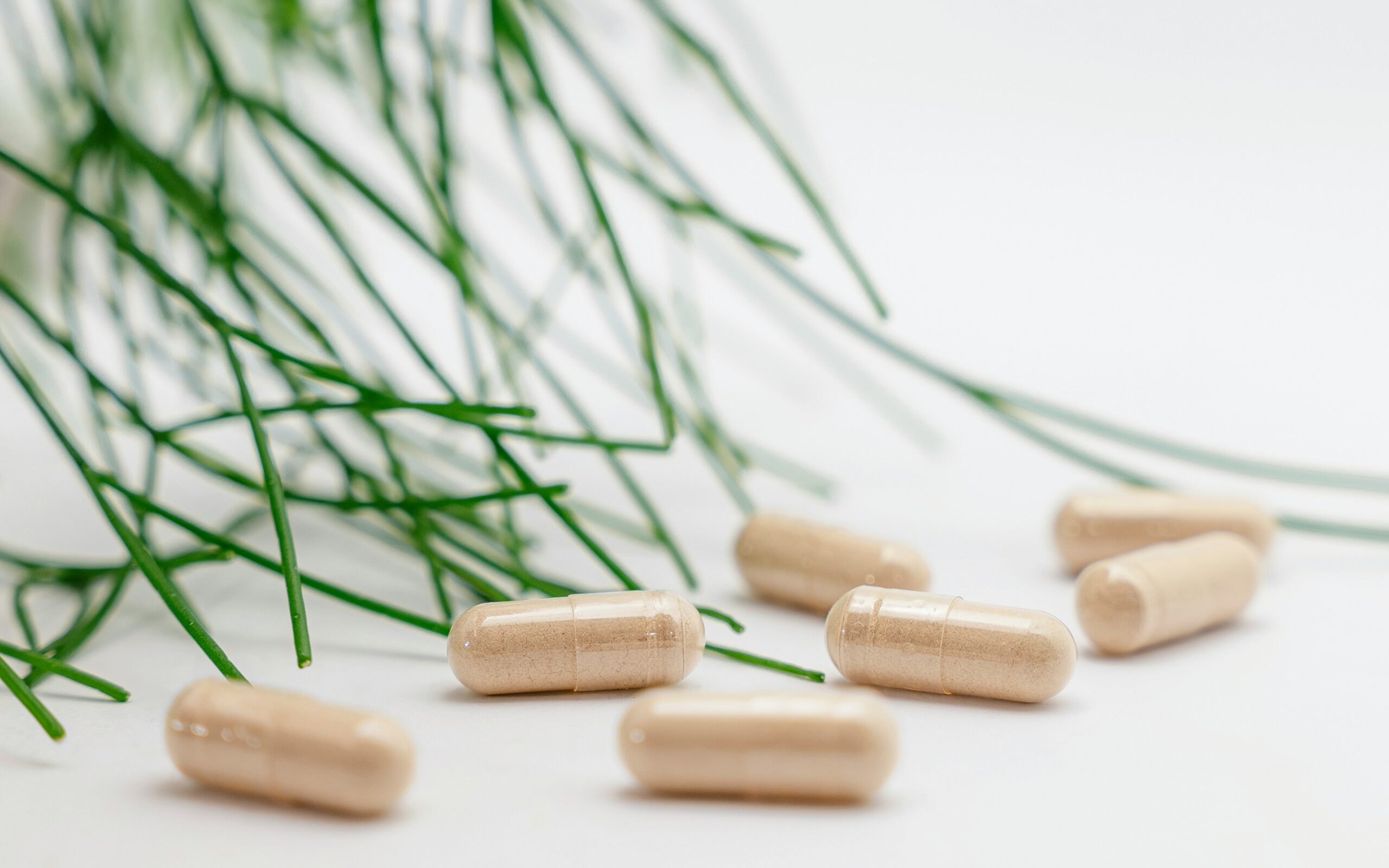
The renewed focus on lymphatic care reflects a broader shift toward routines that feel intentional and results-driven. While supplements and natural ingredients can play a role, their impact is most meaningful when they support habits already aligned with the body’s natural processes.
By approaching lymphatic drainage from this perspective, it becomes easier to understand where supplements fit and what their benefits realistically offer. Over time, this balanced approach leads to results that are both visible and sustainable, without relying on expectations that overlook how the system truly functions.
Featured image: Liudmila Chernetska/iStock
Medical Disclaimer
All content found on the Style Rave website, including text, images, audio, video, and other formats, is created for informational purposes only. The content is not intended to be a substitute for professional medical advice, diagnosis, or treatment. If you think you may have a medical emergency, please call your doctor, go to the nearest hospital, or call 911 immediately, depending on your condition.
—Read also
The Vascular-Focused Diet Is Suddenly Everywhere—Who Actually Needs It?
Source link
#Lymphatic #Drainage #Supplements #Work #Heres #Truth


Post Comment