×
California announces nation’s largest public broadband network

California announces nation’s largest public broadband network

California just launched the largest public broadband network in the country — and its serving Indigenous communities first.

On April 2, Governor Gavin Newsom officially “turned on” California’s new Middle-Mile Broadband Network (MMBN), part of the state’s Middle-Mile Broadband Initiative and Broadband for All pledge. One of several projects funded by the $3.2 billion initiative, California’s Department of Technology (CDT) repurposed dormant fiber infrastructure in the Eastern Sierra Nevada mountain region and created a full-fledged, high-capacity broadband backbone for use by nearby rural communities. The effort joins other nationwide projects aimed at filling out the country’s “missing miles” of internet by providing fiber-optic cables, a gap that predominantly affects rural and indigenous communities.

The state also unveiled its first customer: The Bishop Paiute Tribe, located at the base of the Sierra Nevada in Bishop, California.

“Today marks a historic first as a California tribal nation enthusiastically leads the way to provide increased access and reliability to their local community,” said Tribal Affairs Secretary Christina Snider-Ashtari in a press release.

SEE ALSO:

The Earth is glowing in new Artemis II pictures of home

Through the partnership, the Bishop Paiute Tribe will act as its own Internet Service Provider (ISP), independently managing and operating its broadband service, including setting pricing and service offerings for households on and off the reservation.

“A lot of work has gone into this project,” Emma Williams, chairwoman of the Bishop Paiute Tribe. “We’re so happy to have this portion of the state’s middle-mile network turned on so the people in our community who desperately need a reliable and affordable internet connection can access everything from schoolwork to telehealth appointments.”

It’s especially significant that the state’s first live project is connecting a federal tribe. Much like other rural areas across the country, Indigenous communities are still grossly underserved by ISPs, reporting lower broadband subscription rates, slower download speeds, and a higher reliance on smartphones for internet usage when compared to the general population. In early federal funding allotments for rural broadband projects, tribal lands and organizations made up less than 3 percent.

The Biden-Harris administration significantly ramped up investment in such projects, but connecting these areas takes time. To fill the gap, many tribal nations have funded their own community internet projects or turned to communication giants, like AT&T, to secure reliable internet connectivity.

While California has continued investing in projects to connect communities via last mile projects, the federal government has waned in its commitment to rural broadband connectivity under the Trump administration. Zeroing out rural broadband funding and rebranding the existing Broadband Equity, Access, and Deployment (BEAD) program, the Trump administration has instead placed its focus on private satellite internet providers, including Elon Musk-owned Starlink.

“This is a meaningful step in the Middle Mile Broadband Initiative, as it signifies the first active connection, but also the commitment to Tribal communities,” Matthew Rantanen explained in a statement to Mashable. A connectivity veteran, Rantanen has consulted on California’s Tribal Advisory Group, serves as director of technology at the Southern California Tribal Chairmen’s Association, and is the vice president of tribal relations for GoldenStateNet, the third-party administrator to CDT and MMBN. “It is particularly relevant for the Bishop Paiute Tribe, as it is a key ingredient to the success of their next phase, building fiber to the home and establishing their own ISP.”

Speaking to Mashable last year, Rantanen explained that the Trump administration’s new internet priorities could pose a risk to existing Middle Mile and tribal connectivity projects, many of which were already allocated federal dollars. State governments are filling in gaps, but many face additional pressure from Trump and his appointees, including FCC chair Brendan Carr.

Topics
Social Good
Digital Divide

Source link
#California #announces #nations #largest #public #broadband #network

U.S. federal cybersecurity agency CISA said it did not have a prepared response plan for how it should handle a cybersecurity incident in May, after an investigative reporter notified the agency that a contractor had publicly exposed sensitive keys and credentials for accessing U.S. government systems.

CISA, the Homeland Security unit tasked with defending federal networks and helping to safeguard critical infrastructure, revealed Friday in a postmortem report that its staff “had to spend time building [a playbook] during the early stages of the incident.” The agency said it is important to prepare playbooks for “all anticipated needs” to ensure that organizations are ready to respond in the event of a security incident rather than scrambling to improvise one in real time.

The agency did not say how long the missing playbook delayed CISA’s response, and a spokesperson did not immediately respond to TechCrunch’s request for comment. 

Independent cybersecurity journalist Brian Krebs reported in May that a security researcher with cyber firm GitGuardian alerted him to reams of exposed passwords stored in a publicly accessible GitHub repository, which an employee of a CISA contractor had uploaded.

According to Krebs, the researcher tried to alert the contractor but didn’t hear back. Only after Krebs contacted CISA did the agency take the repository offline and revoke and replace all of the exposed credentials to prevent any potential future abuse.

CISA said that no customer or mission data was exposed in the incident and thanked the researcher and reporter for their help. The agency said that its channels for allowing security researchers to notify CISA of potential incidents “were not well defined,” and that it has made changes to make it easier and faster for researchers to contact the agency.

CISA has been without a permanent director since the start of President Donald Trump’s second term in January 2025. The agency has also been affected by cuts, furloughs, and layoffs affecting about a third of its workforce since Trump took office. 

When you purchase through links in our articles, we may earn a small commission. This doesn’t affect our editorial independence.

#cybersecurity #agency #CISA #build #incident #playbook #incident #agency #reveals #TechCrunchCISA,cybersecurity,us government">US cybersecurity agency CISA had to build its incident playbook during the incident, agency reveals | TechCrunch
U.S. federal cybersecurity agency CISA said it did not have a prepared response plan for how it should handle a cybersecurity incident in May, after an investigative reporter notified the agency that a contractor had publicly exposed sensitive keys and credentials for accessing U.S. government systems.

CISA, the Homeland Security unit tasked with defending federal networks and helping to safeguard critical infrastructure, revealed Friday in a postmortem report that its staff “had to spend time building [a playbook] during the early stages of the incident.” The agency said it is important to prepare playbooks for “all anticipated needs” to ensure that organizations are ready to respond in the event of a security incident rather than scrambling to improvise one in real time.


The agency did not say how long the missing playbook delayed CISA’s response, and a spokesperson did not immediately respond to TechCrunch’s request for comment. 

Independent cybersecurity journalist Brian Krebs reported in May that a security researcher with cyber firm GitGuardian alerted him to reams of exposed passwords stored in a publicly accessible GitHub repository, which an employee of a CISA contractor had uploaded.

According to Krebs, the researcher tried to alert the contractor but didn’t hear back. Only after Krebs contacted CISA did the agency take the repository offline and revoke and replace all of the exposed credentials to prevent any potential future abuse.

CISA said that no customer or mission data was exposed in the incident and thanked the researcher and reporter for their help. The agency said that its channels for allowing security researchers to notify CISA of potential incidents “were not well defined,” and that it has made changes to make it easier and faster for researchers to contact the agency.

CISA has been without a permanent director since the start of President Donald Trump’s second term in January 2025. The agency has also been affected by cuts, furloughs, and layoffs affecting about a third of its workforce since Trump took office. 
When you purchase through links in our articles, we may earn a small commission. This doesn’t affect our editorial independence.#cybersecurity #agency #CISA #build #incident #playbook #incident #agency #reveals #TechCrunchCISA,cybersecurity,us government

in a postmortem report that its staff “had to spend time building [a playbook] during the early stages of the incident.” The agency said it is important to prepare playbooks for “all anticipated needs” to ensure that organizations are ready to respond in the event of a security incident rather than scrambling to improvise one in real time.

The agency did not say how long the missing playbook delayed CISA’s response, and a spokesperson did not immediately respond to TechCrunch’s request for comment. 

Independent cybersecurity journalist Brian Krebs reported in May that a security researcher with cyber firm GitGuardian alerted him to reams of exposed passwords stored in a publicly accessible GitHub repository, which an employee of a CISA contractor had uploaded.

According to Krebs, the researcher tried to alert the contractor but didn’t hear back. Only after Krebs contacted CISA did the agency take the repository offline and revoke and replace all of the exposed credentials to prevent any potential future abuse.

CISA said that no customer or mission data was exposed in the incident and thanked the researcher and reporter for their help. The agency said that its channels for allowing security researchers to notify CISA of potential incidents “were not well defined,” and that it has made changes to make it easier and faster for researchers to contact the agency.

CISA has been without a permanent director since the start of President Donald Trump’s second term in January 2025. The agency has also been affected by cuts, furloughs, and layoffs affecting about a third of its workforce since Trump took office. 

When you purchase through links in our articles, we may earn a small commission. This doesn’t affect our editorial independence.

#cybersecurity #agency #CISA #build #incident #playbook #incident #agency #reveals #TechCrunchCISA,cybersecurity,us government">US cybersecurity agency CISA had to build its incident playbook during the incident, agency reveals | TechCrunch

U.S. federal cybersecurity agency CISA said it did not have a prepared response plan for how it should handle a cybersecurity incident in May, after an investigative reporter notified the agency that a contractor had publicly exposed sensitive keys and credentials for accessing U.S. government systems.

CISA, the Homeland Security unit tasked with defending federal networks and helping to safeguard critical infrastructure, revealed Friday in a postmortem report that its staff “had to spend time building [a playbook] during the early stages of the incident.” The agency said it is important to prepare playbooks for “all anticipated needs” to ensure that organizations are ready to respond in the event of a security incident rather than scrambling to improvise one in real time.

The agency did not say how long the missing playbook delayed CISA’s response, and a spokesperson did not immediately respond to TechCrunch’s request for comment. 

Independent cybersecurity journalist Brian Krebs reported in May that a security researcher with cyber firm GitGuardian alerted him to reams of exposed passwords stored in a publicly accessible GitHub repository, which an employee of a CISA contractor had uploaded.

According to Krebs, the researcher tried to alert the contractor but didn’t hear back. Only after Krebs contacted CISA did the agency take the repository offline and revoke and replace all of the exposed credentials to prevent any potential future abuse.

CISA said that no customer or mission data was exposed in the incident and thanked the researcher and reporter for their help. The agency said that its channels for allowing security researchers to notify CISA of potential incidents “were not well defined,” and that it has made changes to make it easier and faster for researchers to contact the agency.

CISA has been without a permanent director since the start of President Donald Trump’s second term in January 2025. The agency has also been affected by cuts, furloughs, and layoffs affecting about a third of its workforce since Trump took office. 

When you purchase through links in our articles, we may earn a small commission. This doesn’t affect our editorial independence.

#cybersecurity #agency #CISA #build #incident #playbook #incident #agency #reveals #TechCrunchCISA,cybersecurity,us government
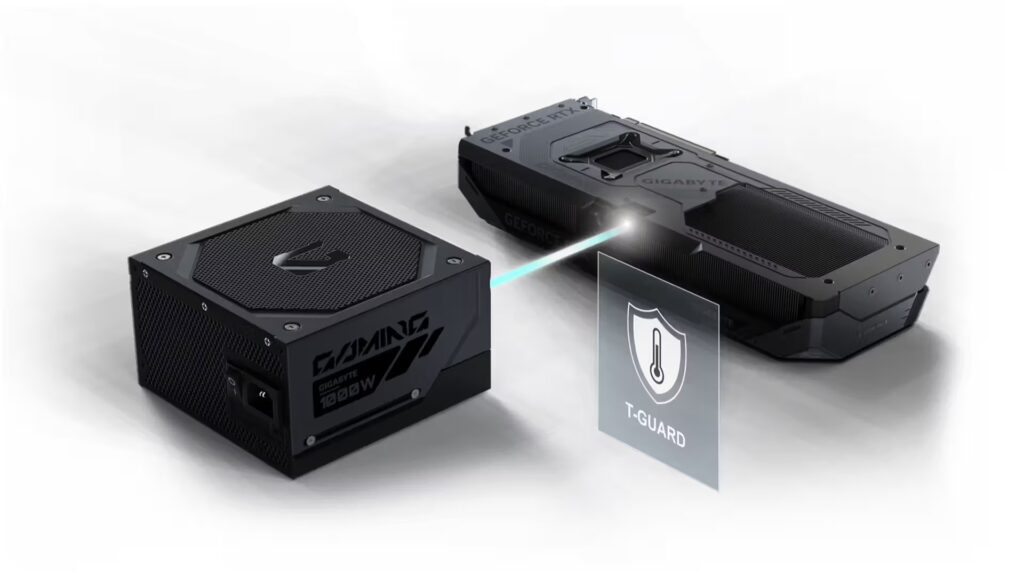
Power supplies aren’t exactly the most exciting PC component to talk about. But considering how expensive modern graphics cards have become, and the issues we’ve seen with melting 12V-2×6 connectors over the past few years, it’s probably one of the few components you don’t want to cheap out on. That’s why GIGABYTE’s new GAMING Series power supplies are interesting. The company has introduced a new feature called T-Guard, which actively monitors the temperature of the GPU power connector and steps in before things get out of hand.

T-Guard Monitors Your GPU Power Cable in Real Time

The biggest highlight of the new PSU lineup is T-Guard, an active safety system designed specifically for the newer 12V-2×6 graphics card connector. Instead of waiting for something to go wrong, the PSU continuously monitors the connector using built-in temperature sensors. If it detects abnormal heat, which can occur due to a loose cable or excessive electrical load, it immediately alerts the system and begins protecting the hardware.

Rather than shutting down the entire PC instantly, the PSU intelligently reduces power only to the graphics card. That means the rest of the system can continue running normally, giving users enough time to save any unsaved work before safely powering the machine off. If your processor has integrated graphics, you’ll still get video output even after the GPU power has been limited, making it much easier to troubleshoot the issue rather than staring at a black screen.

Combined with real-time temperature monitoring, automatic GPU power limiting, and the ability to recover your work before shutdown, GIGABYTE says T-Guard offers three layers of protection against connector failures.

Built for Modern Gaming PCs

GIGABYTE Launches New Gaming PSUs That Can Detect GPU Cable Overheating
	
Power supplies aren’t exactly the most exciting PC component to talk about. But considering how expensive modern graphics cards have become, and the issues we’ve seen with melting 12V-2×6 connectors over the past few years, it’s probably one of the few components you don’t want to cheap out on. That’s why GIGABYTE’s new GAMING Series power supplies are interesting. The company has introduced a new feature called T-Guard, which actively monitors the temperature of the GPU power connector and steps in before things get out of hand.


T-Guard Monitors Your GPU Power Cable in Real Time


The biggest highlight of the new PSU lineup is T-Guard, an active safety system designed specifically for the newer 12V-2×6 graphics card connector. Instead of waiting for something to go wrong, the PSU continuously monitors the connector using built-in temperature sensors. If it detects abnormal heat, which can occur due to a loose cable or excessive electrical load, it immediately alerts the system and begins protecting the hardware.


Rather than shutting down the entire PC instantly, the PSU intelligently reduces power only to the graphics card. That means the rest of the system can continue running normally, giving users enough time to save any unsaved work before safely powering the machine off. If your processor has integrated graphics, you’ll still get video output even after the GPU power has been limited, making it much easier to troubleshoot the issue rather than staring at a black screen.


Combined with real-time temperature monitoring, automatic GPU power limiting, and the ability to recover your work before shutdown, GIGABYTE says T-Guard offers three layers of protection against connector failures.


Built for Modern Gaming PCs


Beyond the new safety features, the GAMING Series also ticks most of the boxes you’d expect from a modern enthusiast power supply. The units are fully compliant with the latest ATX 3.1 and PCIe 5.1 standards, making them ready for current and upcoming graphics cards. They’re available in 750W, 850W, and 1000W capacities and come in both Black and Ice color options to better match different PC builds. Internally, GIGABYTE uses 100% Japanese capacitors, while the included dual-color 12V-2×6 cable makes it easier to confirm that the GPU connector has been plugged in correctly before powering on the system.


GIGABYTE has also focused on efficiency and acoustics with the new lineup. The PSUs have received Cybenetics ETA Platinum certification for energy efficiency and the Cybenetics LAMBDA A+ certification for low noise. According to the company, average operating noise stays below 20 dB(A) under typical workloads. Cooling duties are handled by a 135mm Fluid Dynamic Bearing fan, while HybridCool technology can completely stop the fan during lighter workloads. This allows the PSU to operate almost silently when the system isn’t under heavy load.

#GIGABYTE #Launches #Gaming #PSUs #Detect #GPU #Cable #OverheatingGigaByte

Beyond the new safety features, the GAMING Series also ticks most of the boxes you’d expect from a modern enthusiast power supply. The units are fully compliant with the latest ATX 3.1 and PCIe 5.1 standards, making them ready for current and upcoming graphics cards. They’re available in 750W, 850W, and 1000W capacities and come in both Black and Ice color options to better match different PC builds. Internally, GIGABYTE uses 100% Japanese capacitors, while the included dual-color 12V-2×6 cable makes it easier to confirm that the GPU connector has been plugged in correctly before powering on the system.

GIGABYTE has also focused on efficiency and acoustics with the new lineup. The PSUs have received Cybenetics ETA Platinum certification for energy efficiency and the Cybenetics LAMBDA A+ certification for low noise. According to the company, average operating noise stays below 20 dB(A) under typical workloads. Cooling duties are handled by a 135mm Fluid Dynamic Bearing fan, while HybridCool technology can completely stop the fan during lighter workloads. This allows the PSU to operate almost silently when the system isn’t under heavy load.

#GIGABYTE #Launches #Gaming #PSUs #Detect #GPU #Cable #OverheatingGigaByte">GIGABYTE Launches New Gaming PSUs That Can Detect GPU Cable Overheating
	
Power supplies aren’t exactly the most exciting PC component to talk about. But considering how expensive modern graphics cards have become, and the issues we’ve seen with melting 12V-2×6 connectors over the past few years, it’s probably one of the few components you don’t want to cheap out on. That’s why GIGABYTE’s new GAMING Series power supplies are interesting. The company has introduced a new feature called T-Guard, which actively monitors the temperature of the GPU power connector and steps in before things get out of hand.


T-Guard Monitors Your GPU Power Cable in Real Time


The biggest highlight of the new PSU lineup is T-Guard, an active safety system designed specifically for the newer 12V-2×6 graphics card connector. Instead of waiting for something to go wrong, the PSU continuously monitors the connector using built-in temperature sensors. If it detects abnormal heat, which can occur due to a loose cable or excessive electrical load, it immediately alerts the system and begins protecting the hardware.


Rather than shutting down the entire PC instantly, the PSU intelligently reduces power only to the graphics card. That means the rest of the system can continue running normally, giving users enough time to save any unsaved work before safely powering the machine off. If your processor has integrated graphics, you’ll still get video output even after the GPU power has been limited, making it much easier to troubleshoot the issue rather than staring at a black screen.


Combined with real-time temperature monitoring, automatic GPU power limiting, and the ability to recover your work before shutdown, GIGABYTE says T-Guard offers three layers of protection against connector failures.


Built for Modern Gaming PCs


Beyond the new safety features, the GAMING Series also ticks most of the boxes you’d expect from a modern enthusiast power supply. The units are fully compliant with the latest ATX 3.1 and PCIe 5.1 standards, making them ready for current and upcoming graphics cards. They’re available in 750W, 850W, and 1000W capacities and come in both Black and Ice color options to better match different PC builds. Internally, GIGABYTE uses 100% Japanese capacitors, while the included dual-color 12V-2×6 cable makes it easier to confirm that the GPU connector has been plugged in correctly before powering on the system.


GIGABYTE has also focused on efficiency and acoustics with the new lineup. The PSUs have received Cybenetics ETA Platinum certification for energy efficiency and the Cybenetics LAMBDA A+ certification for low noise. According to the company, average operating noise stays below 20 dB(A) under typical workloads. Cooling duties are handled by a 135mm Fluid Dynamic Bearing fan, while HybridCool technology can completely stop the fan during lighter workloads. This allows the PSU to operate almost silently when the system isn’t under heavy load.

#GIGABYTE #Launches #Gaming #PSUs #Detect #GPU #Cable #OverheatingGigaByte

aren’t exactly the most exciting PC component to talk about. But considering how expensive modern graphics cards have become, and the issues we’ve seen with melting 12V-2×6 connectors over the past few years, it’s probably one of the few components you don’t want to cheap out on. That’s why GIGABYTE’s new GAMING Series power supplies are interesting. The company has introduced a new feature called T-Guard, which actively monitors the temperature of the GPU power connector and steps in before things get out of hand.

T-Guard Monitors Your GPU Power Cable in Real Time

The biggest highlight of the new PSU lineup is T-Guard, an active safety system designed specifically for the newer 12V-2×6 graphics card connector. Instead of waiting for something to go wrong, the PSU continuously monitors the connector using built-in temperature sensors. If it detects abnormal heat, which can occur due to a loose cable or excessive electrical load, it immediately alerts the system and begins protecting the hardware.

Rather than shutting down the entire PC instantly, the PSU intelligently reduces power only to the graphics card. That means the rest of the system can continue running normally, giving users enough time to save any unsaved work before safely powering the machine off. If your processor has integrated graphics, you’ll still get video output even after the GPU power has been limited, making it much easier to troubleshoot the issue rather than staring at a black screen.

Combined with real-time temperature monitoring, automatic GPU power limiting, and the ability to recover your work before shutdown, GIGABYTE says T-Guard offers three layers of protection against connector failures.

Built for Modern Gaming PCs

GIGABYTE Launches New Gaming PSUs That Can Detect GPU Cable Overheating
	
Power supplies aren’t exactly the most exciting PC component to talk about. But considering how expensive modern graphics cards have become, and the issues we’ve seen with melting 12V-2×6 connectors over the past few years, it’s probably one of the few components you don’t want to cheap out on. That’s why GIGABYTE’s new GAMING Series power supplies are interesting. The company has introduced a new feature called T-Guard, which actively monitors the temperature of the GPU power connector and steps in before things get out of hand.


T-Guard Monitors Your GPU Power Cable in Real Time


The biggest highlight of the new PSU lineup is T-Guard, an active safety system designed specifically for the newer 12V-2×6 graphics card connector. Instead of waiting for something to go wrong, the PSU continuously monitors the connector using built-in temperature sensors. If it detects abnormal heat, which can occur due to a loose cable or excessive electrical load, it immediately alerts the system and begins protecting the hardware.


Rather than shutting down the entire PC instantly, the PSU intelligently reduces power only to the graphics card. That means the rest of the system can continue running normally, giving users enough time to save any unsaved work before safely powering the machine off. If your processor has integrated graphics, you’ll still get video output even after the GPU power has been limited, making it much easier to troubleshoot the issue rather than staring at a black screen.


Combined with real-time temperature monitoring, automatic GPU power limiting, and the ability to recover your work before shutdown, GIGABYTE says T-Guard offers three layers of protection against connector failures.


Built for Modern Gaming PCs


Beyond the new safety features, the GAMING Series also ticks most of the boxes you’d expect from a modern enthusiast power supply. The units are fully compliant with the latest ATX 3.1 and PCIe 5.1 standards, making them ready for current and upcoming graphics cards. They’re available in 750W, 850W, and 1000W capacities and come in both Black and Ice color options to better match different PC builds. Internally, GIGABYTE uses 100% Japanese capacitors, while the included dual-color 12V-2×6 cable makes it easier to confirm that the GPU connector has been plugged in correctly before powering on the system.


GIGABYTE has also focused on efficiency and acoustics with the new lineup. The PSUs have received Cybenetics ETA Platinum certification for energy efficiency and the Cybenetics LAMBDA A+ certification for low noise. According to the company, average operating noise stays below 20 dB(A) under typical workloads. Cooling duties are handled by a 135mm Fluid Dynamic Bearing fan, while HybridCool technology can completely stop the fan during lighter workloads. This allows the PSU to operate almost silently when the system isn’t under heavy load.

#GIGABYTE #Launches #Gaming #PSUs #Detect #GPU #Cable #OverheatingGigaByte

Beyond the new safety features, the GAMING Series also ticks most of the boxes you’d expect from a modern enthusiast power supply. The units are fully compliant with the latest ATX 3.1 and PCIe 5.1 standards, making them ready for current and upcoming graphics cards. They’re available in 750W, 850W, and 1000W capacities and come in both Black and Ice color options to better match different PC builds. Internally, GIGABYTE uses 100% Japanese capacitors, while the included dual-color 12V-2×6 cable makes it easier to confirm that the GPU connector has been plugged in correctly before powering on the system.

GIGABYTE has also focused on efficiency and acoustics with the new lineup. The PSUs have received Cybenetics ETA Platinum certification for energy efficiency and the Cybenetics LAMBDA A+ certification for low noise. According to the company, average operating noise stays below 20 dB(A) under typical workloads. Cooling duties are handled by a 135mm Fluid Dynamic Bearing fan, while HybridCool technology can completely stop the fan during lighter workloads. This allows the PSU to operate almost silently when the system isn’t under heavy load.

#GIGABYTE #Launches #Gaming #PSUs #Detect #GPU #Cable #OverheatingGigaByte">GIGABYTE Launches New Gaming PSUs That Can Detect GPU Cable Overheating

Power supplies aren’t exactly the most exciting PC component to talk about. But considering how expensive modern graphics cards have become, and the issues we’ve seen with melting 12V-2×6 connectors over the past few years, it’s probably one of the few components you don’t want to cheap out on. That’s why GIGABYTE’s new GAMING Series power supplies are interesting. The company has introduced a new feature called T-Guard, which actively monitors the temperature of the GPU power connector and steps in before things get out of hand.

T-Guard Monitors Your GPU Power Cable in Real Time

The biggest highlight of the new PSU lineup is T-Guard, an active safety system designed specifically for the newer 12V-2×6 graphics card connector. Instead of waiting for something to go wrong, the PSU continuously monitors the connector using built-in temperature sensors. If it detects abnormal heat, which can occur due to a loose cable or excessive electrical load, it immediately alerts the system and begins protecting the hardware.

Rather than shutting down the entire PC instantly, the PSU intelligently reduces power only to the graphics card. That means the rest of the system can continue running normally, giving users enough time to save any unsaved work before safely powering the machine off. If your processor has integrated graphics, you’ll still get video output even after the GPU power has been limited, making it much easier to troubleshoot the issue rather than staring at a black screen.

Combined with real-time temperature monitoring, automatic GPU power limiting, and the ability to recover your work before shutdown, GIGABYTE says T-Guard offers three layers of protection against connector failures.

Built for Modern Gaming PCs

GIGABYTE Launches New Gaming PSUs That Can Detect GPU Cable Overheating
	
Power supplies aren’t exactly the most exciting PC component to talk about. But considering how expensive modern graphics cards have become, and the issues we’ve seen with melting 12V-2×6 connectors over the past few years, it’s probably one of the few components you don’t want to cheap out on. That’s why GIGABYTE’s new GAMING Series power supplies are interesting. The company has introduced a new feature called T-Guard, which actively monitors the temperature of the GPU power connector and steps in before things get out of hand.


T-Guard Monitors Your GPU Power Cable in Real Time


The biggest highlight of the new PSU lineup is T-Guard, an active safety system designed specifically for the newer 12V-2×6 graphics card connector. Instead of waiting for something to go wrong, the PSU continuously monitors the connector using built-in temperature sensors. If it detects abnormal heat, which can occur due to a loose cable or excessive electrical load, it immediately alerts the system and begins protecting the hardware.


Rather than shutting down the entire PC instantly, the PSU intelligently reduces power only to the graphics card. That means the rest of the system can continue running normally, giving users enough time to save any unsaved work before safely powering the machine off. If your processor has integrated graphics, you’ll still get video output even after the GPU power has been limited, making it much easier to troubleshoot the issue rather than staring at a black screen.


Combined with real-time temperature monitoring, automatic GPU power limiting, and the ability to recover your work before shutdown, GIGABYTE says T-Guard offers three layers of protection against connector failures.


Built for Modern Gaming PCs


Beyond the new safety features, the GAMING Series also ticks most of the boxes you’d expect from a modern enthusiast power supply. The units are fully compliant with the latest ATX 3.1 and PCIe 5.1 standards, making them ready for current and upcoming graphics cards. They’re available in 750W, 850W, and 1000W capacities and come in both Black and Ice color options to better match different PC builds. Internally, GIGABYTE uses 100% Japanese capacitors, while the included dual-color 12V-2×6 cable makes it easier to confirm that the GPU connector has been plugged in correctly before powering on the system.


GIGABYTE has also focused on efficiency and acoustics with the new lineup. The PSUs have received Cybenetics ETA Platinum certification for energy efficiency and the Cybenetics LAMBDA A+ certification for low noise. According to the company, average operating noise stays below 20 dB(A) under typical workloads. Cooling duties are handled by a 135mm Fluid Dynamic Bearing fan, while HybridCool technology can completely stop the fan during lighter workloads. This allows the PSU to operate almost silently when the system isn’t under heavy load.

#GIGABYTE #Launches #Gaming #PSUs #Detect #GPU #Cable #OverheatingGigaByte

Beyond the new safety features, the GAMING Series also ticks most of the boxes you’d expect from a modern enthusiast power supply. The units are fully compliant with the latest ATX 3.1 and PCIe 5.1 standards, making them ready for current and upcoming graphics cards. They’re available in 750W, 850W, and 1000W capacities and come in both Black and Ice color options to better match different PC builds. Internally, GIGABYTE uses 100% Japanese capacitors, while the included dual-color 12V-2×6 cable makes it easier to confirm that the GPU connector has been plugged in correctly before powering on the system.

GIGABYTE has also focused on efficiency and acoustics with the new lineup. The PSUs have received Cybenetics ETA Platinum certification for energy efficiency and the Cybenetics LAMBDA A+ certification for low noise. According to the company, average operating noise stays below 20 dB(A) under typical workloads. Cooling duties are handled by a 135mm Fluid Dynamic Bearing fan, while HybridCool technology can completely stop the fan during lighter workloads. This allows the PSU to operate almost silently when the system isn’t under heavy load.

#GIGABYTE #Launches #Gaming #PSUs #Detect #GPU #Cable #OverheatingGigaByte

Post Comment