×
IPL 2026: Overton is living in an environment where he feels he is backed, says CSK bowling coach Simmons  Chennai Super Kings (CSK) bowling coach Eric Simmons attributed the team’s improved bowling performance in the victory over Delhi Capitals (DC) to ‘better execution of plans’.After being plundered for 250 runs by Royal Challengers Bengaluru (RCB) in the last game, the CSK bowling group regrouped to defend 212 against DC and earn the side’s first points this season. Simmons suggested that the performance in Bengaluru wasn’t very far off what the team displayed in front of the home fans six days later. “Last game we lost, people looked at it as a huge loss. When we analysed the game, we found it was bigger than it really was. Tonight, things went our way. The guys stuck to the plan, understood the dimensions of the field, and knew where to bowl and not,” he said at the post-match press conference.The star of the night with the ball was English pacer Jamie Overton, who finished with figures of four for 18, a week after being carted for 42 in just three by RCB. The coach said Overton reaped the rewards of sticking to his strengths and understanding what the team requires from him.“He tried something which didn’t work against RCB, but he went back to his strength tonight. He rattled everybody with his pace. When you’re bowling 150 kmph, having an off-pace delivery that is under 120 is really effective,” the South African said.“Sometimes, you bowl the same ball, and the ball goes up in the air, the next time it goes over the fence for six. [Going for runs] doesn’t make you a bad bowler. He’s just living in an environment where he’s feeling he’s backed, and I think that’s important for a bowler in the modern game,” he added. Simmons also spelt out the rationale behind CSK signing the currently-injured Spencer Johnson as a replacement for Nathan Ellis.“Strategically, to have someone like him with his pace and left-arm bowling is really important. We’re not sure how much of a role he’ll play this year, but that’s fine. A lot of scouting is finding out from people who know the individuals. That was certainly done to get an understanding. He’s got a lot of attributes that we were excited about,” Simmons explained.Published on Apr 12, 2026  #IPL #Overton #living #environment #feels #backed #CSK #bowling #coach #Simmons

IPL 2026: Overton is living in an environment where he feels he is backed, says CSK bowling coach Simmons

Chennai Super Kings (CSK) bowling coach Eric Simmons attributed the team’s improved bowling performance in the victory over Delhi Capitals (DC) to ‘better execution of plans’.

After being plundered for 250 runs by Royal Challengers Bengaluru (RCB) in the last game, the CSK bowling group regrouped to defend 212 against DC and earn the side’s first points this season. Simmons suggested that the performance in Bengaluru wasn’t very far off what the team displayed in front of the home fans six days later. 

“Last game we lost, people looked at it as a huge loss. When we analysed the game, we found it was bigger than it really was. Tonight, things went our way. The guys stuck to the plan, understood the dimensions of the field, and knew where to bowl and not,” he said at the post-match press conference.

The star of the night with the ball was English pacer Jamie Overton, who finished with figures of four for 18, a week after being carted for 42 in just three by RCB. The coach said Overton reaped the rewards of sticking to his strengths and understanding what the team requires from him.

“He tried something which didn’t work against RCB, but he went back to his strength tonight. He rattled everybody with his pace. When you’re bowling 150 kmph, having an off-pace delivery that is under 120 is really effective,” the South African said.

“Sometimes, you bowl the same ball, and the ball goes up in the air, the next time it goes over the fence for six. [Going for runs] doesn’t make you a bad bowler. He’s just living in an environment where he’s feeling he’s backed, and I think that’s important for a bowler in the modern game,” he added. 

Simmons also spelt out the rationale behind CSK signing the currently-injured Spencer Johnson as a replacement for Nathan Ellis.

“Strategically, to have someone like him with his pace and left-arm bowling is really important. We’re not sure how much of a role he’ll play this year, but that’s fine. A lot of scouting is finding out from people who know the individuals. That was certainly done to get an understanding. He’s got a lot of attributes that we were excited about,” Simmons explained.

Published on Apr 12, 2026

#IPL #Overton #living #environment #feels #backed #CSK #bowling #coach #Simmons

Chennai Super Kings (CSK) bowling coach Eric Simmons attributed the team’s improved bowling performance in the victory over Delhi Capitals (DC) to ‘better execution of plans’.

After being plundered for 250 runs by Royal Challengers Bengaluru (RCB) in the last game, the CSK bowling group regrouped to defend 212 against DC and earn the side’s first points this season. Simmons suggested that the performance in Bengaluru wasn’t very far off what the team displayed in front of the home fans six days later. 

“Last game we lost, people looked at it as a huge loss. When we analysed the game, we found it was bigger than it really was. Tonight, things went our way. The guys stuck to the plan, understood the dimensions of the field, and knew where to bowl and not,” he said at the post-match press conference.

The star of the night with the ball was English pacer Jamie Overton, who finished with figures of four for 18, a week after being carted for 42 in just three by RCB. The coach said Overton reaped the rewards of sticking to his strengths and understanding what the team requires from him.

“He tried something which didn’t work against RCB, but he went back to his strength tonight. He rattled everybody with his pace. When you’re bowling 150 kmph, having an off-pace delivery that is under 120 is really effective,” the South African said.

“Sometimes, you bowl the same ball, and the ball goes up in the air, the next time it goes over the fence for six. [Going for runs] doesn’t make you a bad bowler. He’s just living in an environment where he’s feeling he’s backed, and I think that’s important for a bowler in the modern game,” he added. 

Simmons also spelt out the rationale behind CSK signing the currently-injured Spencer Johnson as a replacement for Nathan Ellis.

“Strategically, to have someone like him with his pace and left-arm bowling is really important. We’re not sure how much of a role he’ll play this year, but that’s fine. A lot of scouting is finding out from people who know the individuals. That was certainly done to get an understanding. He’s got a lot of attributes that we were excited about,” Simmons explained.

Published on Apr 12, 2026

Source link
#IPL #Overton #living #environment #feels #backed #CSK #bowling #coach #Simmons

Previous post

Deadspin | Emil Lilleberg’s late goal lifts Lightning past skidding Bruins <div id=""><section id="0" class=" w-full"><div class="xl:container mx-0 !px-4 py-0 pb-4 !mx-0 !px-0"><img src="https://images.deadspin.com/tr:w-900/28707878.jpg" srcset="https://images.deadspin.com/tr:w-900/28707878.jpg" alt="NHL: Tampa Bay Lightning at Boston Bruins" class="w-full" fetchpriority="high" loading="eager"/><span class="text-0.8 leading-tight">Apr 11, 2026; Boston, Massachusetts, USA; Tampa Bay Lightning defenseman Emil Lilleberg (78) celebrates with his teammates after scoring a goal against the Boston Bruins during the third period at the TD Garden. Mandatory Credit: Brian Fluharty-Imagn Images<!-- --> <!-- --> </span></div></section><section id="section-1"> <p>Defenseman Emil Lilleberg scored a rebound goal with 1:35 left in regulation, leading the visiting Tampa Bay Lightning to a 2-1 win over the Boston Bruins on Saturday afternoon.</p> </section><section id="section-2"> <p>Moments after the Bruins were unable to clear a puck out of their own zone, Lilleberg buried the rebound of a Jake Guentzel shot to lead Tampa Bay (49-25-6, 104 points) to the win. </p> </section><section id="section-3"> <p>The Lightning snapped a three-game losing streak and denied Boston (43-27-10, 96 points) the opportunity to clinch a playoff spot.</p> </section><section id="section-4"> <p>Brandon Hagel also scored and Andrei Vasilevskiy made 19 saves for the Lightning, who trailed 1-0 into the third period and registered their 23rd come-from-behind win this season.</p> </section><section id="section-5"> <p>Morgan Geekie scored Boston’s lone goal, his fourth in the past two games.</p> </section><section id="section-6"> <p>Jeremy Swayman made 22 saves in net for the Bruins, who are 0-3-2 in their last five games.</p> </section><br/><section id="section-7"> <p>Charlie McAvoy set up Geekie’s goal, becoming the first Bruins defenseman since Hall of Famer Ray Bourque in 1995-96 to record 50 assists in a single season.</p> </section> <section id="section-8"> <p>The Bruins went on their first power play of the game after a Hagel interference call with 33.6 seconds left but could not score on the 6-on-4 advantage.</p> </section><section id="section-9"> <p>Tampa Bay finished with a 24-20 edge in shots.</p> </section><section id="section-10"> <p>The teams combined for just nine shots on goal in a low-event first period. Swayman robbed the best opportunity of the frame from a wide-open Gage Goncalves in the final minutes, closing his pads on the puck on the doorstep. </p> </section><section id="section-11"> <p>Geekie broke the long scoreless deadlock 10:47 into the middle frame, taking McAvoy’s stretch feed from the defensive zone down the slot for a top-shelf breakaway goal.</p> </section><section id="section-12"> <p>The visitors drew even with 13:23 left in regulation, as Goncalves sent Hagel past two oncoming defenders and snuck a five-hole shot on Swayman.</p> </section><section id="section-13"> <p>Among a slew of absences from the Tampa Bay lineup, forward Zemgus Girgensons and defenseman Darren Raddysh both had undisclosed injuries. Raddysh scored the game-winning goal in last Saturday’s meeting with Boston.</p> </section><br/><section id="section-14"> <p>–Field Level Media</p> </section> </div> #Deadspin #Emil #Lillebergs #late #goal #lifts #Lightning #skidding #Bruins

Next post

SZA Slams Rumor She Was Hired in Case Justin Bieber Dropped Out of Coachella Performance

#Warriors #LeBron #James #sweepstakes #bailing #Anthony #Davis #trade #report">Warriors out of LeBron James sweepstakes after bailing on Anthony Davis trade, per report  SAN FRANCISCO, CALIFORNIA – OCTOBER 18: Anthony Davis #3 and LeBron James #23 of the Los Angeles Lakers sit on the bench during their preseason game against the Golden State Warriors at Chase Center on October 18, 2024 in San Francisco, California. NOTE TO USER: User expressly acknowledges and agrees that, by downloading and/or using this photograph, user is consenting to the terms and conditions of the Getty Images License Agreement. (Photo by Ezra Shaw/Getty Images) Getty Images  #Warriors #LeBron #James #sweepstakes #bailing #Anthony #Davis #trade #report

There is a particular kind of grief in sport that has little to do with defeat. It arrives not when a team loses, but when time finally catches up with the players who once seemed beyond its reach.

This FIFA World Cup has felt full of those moments. Luka Modric leaving with Croatia gone. Cristiano Ronaldo, who for so long bent matches to his will, walking away from another one. Manuel Neuer, for years football’s last great illusionist in goal, no longer carrying the same aura of permanence.

These were not just elite footballers; they were part of the architecture of the sport, figures so omnipresent for so long that they came to feel less like athletes and more like fixed points in our own lives.

Every major tournament had them somewhere in the frame. Modric gliding through the midfield with that strange combination of delicacy and defiance, Ronaldo summoning goals and drama with the force of habit, Neuer redrawing what a sweeper-goalkeeper could be. Their brilliance stretched across so many summers that it began to feel normal, and that was perhaps the greatest trick of all. Greatness, repeated often enough, starts to masquerade as permanence.

But sport, with its occasional cruelty, has a way of reminding us that permanence was never part of the bargain. This World Cup has exposed the mortality of men who once seemed immune to it. The legs do not always obey. The recovery takes a little longer. The moments still come, but not always on command. The body, eventually, begins to negotiate with the mind. And so, one by one, the stars who seemed to live outside time have begun to look what they always were underneath the myth: mere mortals.

Perhaps that is why Lionel Messi’s presence in this tournament feels so affecting. He is still here, still resisting and still playing as if he has found a private loophole in the laws of ageing. Around him, Argentina carries the urgency of men who know exactly what this moment means.

In Messi’s defiance, a generation watches its heroes grow old – FIFA World Cup 2026  There is a particular kind of grief in sport that has little to do with defeat. It arrives not when a team loses, but when time finally catches up with the players who once seemed beyond its reach.This FIFA World Cup has felt full of those moments. Luka Modric leaving with Croatia gone. Cristiano Ronaldo, who for so long bent matches to his will, walking away from another one. Manuel Neuer, for years football’s last great illusionist in goal, no longer carrying the same aura of permanence.These were not just elite footballers; they were part of the architecture of the sport, figures so omnipresent for so long that they came to feel less like athletes and more like fixed points in our own lives.Every major tournament had them somewhere in the frame. Modric gliding through the midfield with that strange combination of delicacy and defiance, Ronaldo summoning goals and drama with the force of habit, Neuer redrawing what a sweeper-goalkeeper could be. Their brilliance stretched across so many summers that it began to feel normal, and that was perhaps the greatest trick of all. Greatness, repeated often enough, starts to masquerade as permanence.But sport, with its occasional cruelty, has a way of reminding us that permanence was never part of the bargain. This World Cup has exposed the mortality of men who once seemed immune to it. The legs do not always obey. The recovery takes a little longer. The moments still come, but not always on command. The body, eventually, begins to negotiate with the mind. And so, one by one, the stars who seemed to live outside time have begun to look what they always were underneath the myth: mere mortals.Perhaps that is why Lionel Messi’s presence in this tournament feels so affecting. He is still here, still resisting and still playing as if he has found a private loophole in the laws of ageing. Around him, Argentina carries the urgency of men who know exactly what this moment means.Against time: Lionel Messi remains the old giant still holding back the inevitable with that familiar left foot and stubborn shrug of genius.
                                                            | Photo Credit: 
                                AFP
                            Against time: Lionel Messi remains the old giant still holding back the inevitable with that familiar left foot and stubborn shrug of genius.
                                                            | Photo Credit: 
                                AFP
                                                    There is something faintly familiar in the way his teammates seem to be fighting not only for a trophy but for the dignity of a farewell, for the chance to make sure that when their great man finally walks away, he does so with his head held high. It recalls, in its own way, those late-career years of Sachin Tendulkar, when Indian cricket seemed to understand that every innings, every tour, every knock might be one of the last chances to honour a figure who had towered over its imagination for a generation.The runs still mattered, but so did the ceremony of care around him, the collective desire to protect the ending of someone who had given so much. Maybe that is why these exits land differently as we get older. When we were younger, sporting heroes felt eternal. Tendulkar seemed as though he had always existed and somehow always would.ALSO READ: Europe holds firm grip over World Cup destiny with Messi’s Argentina offering resistanceThen came Roger Federer, making tennis look too graceful to be real; Rafael Nadal, with his fury, faith and wounded endurance; Novak Djokovic, the last great disruptor who has also now reached the stage where each tournament is shadowed by the thought of how many more are left.In cricket, Virat Kohli has moved from prodigy to elder statesman, playing just one format. And now football’s old gods, too, are being claimed by time. Their ageing has a way of confronting us with our own. You notice the greying beard in the mirror. The stiffness in your back after a long flight. The niggling pain in the knee after a walk up to the stadium media centre.Passing seasons: Virat Kohli, Roger Federer, and Rafael Nadal, who once felt eternal, now stand as reminders that even the brightest eras must eventually yield to time.
                                                            | Photo Credit: 
                                AFP, GETTY IMAGES, AP
                            Passing seasons: Virat Kohli, Roger Federer, and Rafael Nadal, who once felt eternal, now stand as reminders that even the brightest eras must eventually yield to time.
                                                            | Photo Credit: 
                                AFP, GETTY IMAGES, AP
                                                    You tell yourself these are manageable, that life is carrying on, that the body can be bargained with. But then you watch Modric labour where once he floated, or Ronaldo rage against the limits of legs that no longer answer every call, and that illusion breaks a little. If they can fade, then what chance do the rest of us have? These men were supposed to outlast ordinary rules. We were the mortals.That, perhaps, is why sport’s greatest stars matter beyond medals and numbers. They do not simply entertain us; they become markers of our own passage through life. We remember where we were when Tendulkar made that hundred, when Federer glided through another Wimbledon fortnight, when Nadal clawed through another five-set war, when Ronaldo leapt above defenders as though gravity could be compromised, when Messi finally won a World Cup.They become companions to our years. Their careers are the thread that stitches together school and work, first love and heartbreak, new cities and old friendships, parents growing older and children growing up. And so, when they begin to disappear, it is never only their ending we are mourning. It is the passing of our own seasons too.Maybe that is the ache running through this World Cup. Beneath the tactics and scorelines, beneath the noise of a new generation arriving, there is the unmistakable sense of an era loosening its grip. The old giants are not all gone yet. Messi remains, still defiant, holding back the inevitable with that familiar left foot and that stubborn little shrug of genius. But even his survival sharpens the feeling rather than easing it. It reminds us that the ending is near.And perhaps that is enough for now. One last run. One last attempt to hold the darkness off a little longer. One last tournament in which the old gods can still be glimpsed in the light, even if the light is beginning to fade.Published on Jul 08, 2026  #Messis #defiance #generation #watches #heroes #grow #FIFA #World #Cup

Against time: Lionel Messi remains the old giant still holding back the inevitable with that familiar left foot and stubborn shrug of genius. | Photo Credit: AFP

lightbox-info

Against time: Lionel Messi remains the old giant still holding back the inevitable with that familiar left foot and stubborn shrug of genius. | Photo Credit: AFP

There is something faintly familiar in the way his teammates seem to be fighting not only for a trophy but for the dignity of a farewell, for the chance to make sure that when their great man finally walks away, he does so with his head held high. It recalls, in its own way, those late-career years of Sachin Tendulkar, when Indian cricket seemed to understand that every innings, every tour, every knock might be one of the last chances to honour a figure who had towered over its imagination for a generation.

The runs still mattered, but so did the ceremony of care around him, the collective desire to protect the ending of someone who had given so much. Maybe that is why these exits land differently as we get older. When we were younger, sporting heroes felt eternal. Tendulkar seemed as though he had always existed and somehow always would.

ALSO READ: Europe holds firm grip over World Cup destiny with Messi’s Argentina offering resistance

Then came Roger Federer, making tennis look too graceful to be real; Rafael Nadal, with his fury, faith and wounded endurance; Novak Djokovic, the last great disruptor who has also now reached the stage where each tournament is shadowed by the thought of how many more are left.

In cricket, Virat Kohli has moved from prodigy to elder statesman, playing just one format. And now football’s old gods, too, are being claimed by time. Their ageing has a way of confronting us with our own. You notice the greying beard in the mirror. The stiffness in your back after a long flight. The niggling pain in the knee after a walk up to the stadium media centre.

Passing seasons: Virat Kohli, Roger Federer, and Rafael Nadal, who once felt eternal, now stand as reminders that even the brightest eras must eventually yield to time.

Passing seasons: Virat Kohli, Roger Federer, and Rafael Nadal, who once felt eternal, now stand as reminders that even the brightest eras must eventually yield to time. | Photo Credit: AFP, GETTY IMAGES, AP

lightbox-info

Passing seasons: Virat Kohli, Roger Federer, and Rafael Nadal, who once felt eternal, now stand as reminders that even the brightest eras must eventually yield to time. | Photo Credit: AFP, GETTY IMAGES, AP

You tell yourself these are manageable, that life is carrying on, that the body can be bargained with. But then you watch Modric labour where once he floated, or Ronaldo rage against the limits of legs that no longer answer every call, and that illusion breaks a little. If they can fade, then what chance do the rest of us have? These men were supposed to outlast ordinary rules. We were the mortals.

That, perhaps, is why sport’s greatest stars matter beyond medals and numbers. They do not simply entertain us; they become markers of our own passage through life. We remember where we were when Tendulkar made that hundred, when Federer glided through another Wimbledon fortnight, when Nadal clawed through another five-set war, when Ronaldo leapt above defenders as though gravity could be compromised, when Messi finally won a World Cup.

They become companions to our years. Their careers are the thread that stitches together school and work, first love and heartbreak, new cities and old friendships, parents growing older and children growing up. And so, when they begin to disappear, it is never only their ending we are mourning. It is the passing of our own seasons too.

Maybe that is the ache running through this World Cup. Beneath the tactics and scorelines, beneath the noise of a new generation arriving, there is the unmistakable sense of an era loosening its grip. The old giants are not all gone yet. Messi remains, still defiant, holding back the inevitable with that familiar left foot and that stubborn little shrug of genius. But even his survival sharpens the feeling rather than easing it. It reminds us that the ending is near.

And perhaps that is enough for now. One last run. One last attempt to hold the darkness off a little longer. One last tournament in which the old gods can still be glimpsed in the light, even if the light is beginning to fade.

Published on Jul 08, 2026

#Messis #defiance #generation #watches #heroes #grow #FIFA #World #Cup">In Messi’s defiance, a generation watches its heroes grow old – FIFA World Cup 2026  There is a particular kind of grief in sport that has little to do with defeat. It arrives not when a team loses, but when time finally catches up with the players who once seemed beyond its reach.This FIFA World Cup has felt full of those moments. Luka Modric leaving with Croatia gone. Cristiano Ronaldo, who for so long bent matches to his will, walking away from another one. Manuel Neuer, for years football’s last great illusionist in goal, no longer carrying the same aura of permanence.These were not just elite footballers; they were part of the architecture of the sport, figures so omnipresent for so long that they came to feel less like athletes and more like fixed points in our own lives.Every major tournament had them somewhere in the frame. Modric gliding through the midfield with that strange combination of delicacy and defiance, Ronaldo summoning goals and drama with the force of habit, Neuer redrawing what a sweeper-goalkeeper could be. Their brilliance stretched across so many summers that it began to feel normal, and that was perhaps the greatest trick of all. Greatness, repeated often enough, starts to masquerade as permanence.But sport, with its occasional cruelty, has a way of reminding us that permanence was never part of the bargain. This World Cup has exposed the mortality of men who once seemed immune to it. The legs do not always obey. The recovery takes a little longer. The moments still come, but not always on command. The body, eventually, begins to negotiate with the mind. And so, one by one, the stars who seemed to live outside time have begun to look what they always were underneath the myth: mere mortals.Perhaps that is why Lionel Messi’s presence in this tournament feels so affecting. He is still here, still resisting and still playing as if he has found a private loophole in the laws of ageing. Around him, Argentina carries the urgency of men who know exactly what this moment means.Against time: Lionel Messi remains the old giant still holding back the inevitable with that familiar left foot and stubborn shrug of genius.
                                                            | Photo Credit: 
                                AFP
                            Against time: Lionel Messi remains the old giant still holding back the inevitable with that familiar left foot and stubborn shrug of genius.
                                                            | Photo Credit: 
                                AFP
                                                    There is something faintly familiar in the way his teammates seem to be fighting not only for a trophy but for the dignity of a farewell, for the chance to make sure that when their great man finally walks away, he does so with his head held high. It recalls, in its own way, those late-career years of Sachin Tendulkar, when Indian cricket seemed to understand that every innings, every tour, every knock might be one of the last chances to honour a figure who had towered over its imagination for a generation.The runs still mattered, but so did the ceremony of care around him, the collective desire to protect the ending of someone who had given so much. Maybe that is why these exits land differently as we get older. When we were younger, sporting heroes felt eternal. Tendulkar seemed as though he had always existed and somehow always would.ALSO READ: Europe holds firm grip over World Cup destiny with Messi’s Argentina offering resistanceThen came Roger Federer, making tennis look too graceful to be real; Rafael Nadal, with his fury, faith and wounded endurance; Novak Djokovic, the last great disruptor who has also now reached the stage where each tournament is shadowed by the thought of how many more are left.In cricket, Virat Kohli has moved from prodigy to elder statesman, playing just one format. And now football’s old gods, too, are being claimed by time. Their ageing has a way of confronting us with our own. You notice the greying beard in the mirror. The stiffness in your back after a long flight. The niggling pain in the knee after a walk up to the stadium media centre.Passing seasons: Virat Kohli, Roger Federer, and Rafael Nadal, who once felt eternal, now stand as reminders that even the brightest eras must eventually yield to time.
                                                            | Photo Credit: 
                                AFP, GETTY IMAGES, AP
                            Passing seasons: Virat Kohli, Roger Federer, and Rafael Nadal, who once felt eternal, now stand as reminders that even the brightest eras must eventually yield to time.
                                                            | Photo Credit: 
                                AFP, GETTY IMAGES, AP
                                                    You tell yourself these are manageable, that life is carrying on, that the body can be bargained with. But then you watch Modric labour where once he floated, or Ronaldo rage against the limits of legs that no longer answer every call, and that illusion breaks a little. If they can fade, then what chance do the rest of us have? These men were supposed to outlast ordinary rules. We were the mortals.That, perhaps, is why sport’s greatest stars matter beyond medals and numbers. They do not simply entertain us; they become markers of our own passage through life. We remember where we were when Tendulkar made that hundred, when Federer glided through another Wimbledon fortnight, when Nadal clawed through another five-set war, when Ronaldo leapt above defenders as though gravity could be compromised, when Messi finally won a World Cup.They become companions to our years. Their careers are the thread that stitches together school and work, first love and heartbreak, new cities and old friendships, parents growing older and children growing up. And so, when they begin to disappear, it is never only their ending we are mourning. It is the passing of our own seasons too.Maybe that is the ache running through this World Cup. Beneath the tactics and scorelines, beneath the noise of a new generation arriving, there is the unmistakable sense of an era loosening its grip. The old giants are not all gone yet. Messi remains, still defiant, holding back the inevitable with that familiar left foot and that stubborn little shrug of genius. But even his survival sharpens the feeling rather than easing it. It reminds us that the ending is near.And perhaps that is enough for now. One last run. One last attempt to hold the darkness off a little longer. One last tournament in which the old gods can still be glimpsed in the light, even if the light is beginning to fade.Published on Jul 08, 2026  #Messis #defiance #generation #watches #heroes #grow #FIFA #World #Cup

Europe holds firm grip over World Cup destiny with Messi’s Argentina offering resistance

Then came Roger Federer, making tennis look too graceful to be real; Rafael Nadal, with his fury, faith and wounded endurance; Novak Djokovic, the last great disruptor who has also now reached the stage where each tournament is shadowed by the thought of how many more are left.

In cricket, Virat Kohli has moved from prodigy to elder statesman, playing just one format. And now football’s old gods, too, are being claimed by time. Their ageing has a way of confronting us with our own. You notice the greying beard in the mirror. The stiffness in your back after a long flight. The niggling pain in the knee after a walk up to the stadium media centre.

Passing seasons: Virat Kohli, Roger Federer, and Rafael Nadal, who once felt eternal, now stand as reminders that even the brightest eras must eventually yield to time.

Passing seasons: Virat Kohli, Roger Federer, and Rafael Nadal, who once felt eternal, now stand as reminders that even the brightest eras must eventually yield to time. | Photo Credit: AFP, GETTY IMAGES, AP

lightbox-info

Passing seasons: Virat Kohli, Roger Federer, and Rafael Nadal, who once felt eternal, now stand as reminders that even the brightest eras must eventually yield to time. | Photo Credit: AFP, GETTY IMAGES, AP

You tell yourself these are manageable, that life is carrying on, that the body can be bargained with. But then you watch Modric labour where once he floated, or Ronaldo rage against the limits of legs that no longer answer every call, and that illusion breaks a little. If they can fade, then what chance do the rest of us have? These men were supposed to outlast ordinary rules. We were the mortals.

That, perhaps, is why sport’s greatest stars matter beyond medals and numbers. They do not simply entertain us; they become markers of our own passage through life. We remember where we were when Tendulkar made that hundred, when Federer glided through another Wimbledon fortnight, when Nadal clawed through another five-set war, when Ronaldo leapt above defenders as though gravity could be compromised, when Messi finally won a World Cup.

They become companions to our years. Their careers are the thread that stitches together school and work, first love and heartbreak, new cities and old friendships, parents growing older and children growing up. And so, when they begin to disappear, it is never only their ending we are mourning. It is the passing of our own seasons too.

Maybe that is the ache running through this World Cup. Beneath the tactics and scorelines, beneath the noise of a new generation arriving, there is the unmistakable sense of an era loosening its grip. The old giants are not all gone yet. Messi remains, still defiant, holding back the inevitable with that familiar left foot and that stubborn little shrug of genius. But even his survival sharpens the feeling rather than easing it. It reminds us that the ending is near.

And perhaps that is enough for now. One last run. One last attempt to hold the darkness off a little longer. One last tournament in which the old gods can still be glimpsed in the light, even if the light is beginning to fade.

Published on Jul 08, 2026

#Messis #defiance #generation #watches #heroes #grow #FIFA #World #Cup">In Messi’s defiance, a generation watches its heroes grow old – FIFA World Cup 2026

There is a particular kind of grief in sport that has little to do with defeat. It arrives not when a team loses, but when time finally catches up with the players who once seemed beyond its reach.

This FIFA World Cup has felt full of those moments. Luka Modric leaving with Croatia gone. Cristiano Ronaldo, who for so long bent matches to his will, walking away from another one. Manuel Neuer, for years football’s last great illusionist in goal, no longer carrying the same aura of permanence.

These were not just elite footballers; they were part of the architecture of the sport, figures so omnipresent for so long that they came to feel less like athletes and more like fixed points in our own lives.

Every major tournament had them somewhere in the frame. Modric gliding through the midfield with that strange combination of delicacy and defiance, Ronaldo summoning goals and drama with the force of habit, Neuer redrawing what a sweeper-goalkeeper could be. Their brilliance stretched across so many summers that it began to feel normal, and that was perhaps the greatest trick of all. Greatness, repeated often enough, starts to masquerade as permanence.

But sport, with its occasional cruelty, has a way of reminding us that permanence was never part of the bargain. This World Cup has exposed the mortality of men who once seemed immune to it. The legs do not always obey. The recovery takes a little longer. The moments still come, but not always on command. The body, eventually, begins to negotiate with the mind. And so, one by one, the stars who seemed to live outside time have begun to look what they always were underneath the myth: mere mortals.

Perhaps that is why Lionel Messi’s presence in this tournament feels so affecting. He is still here, still resisting and still playing as if he has found a private loophole in the laws of ageing. Around him, Argentina carries the urgency of men who know exactly what this moment means.

In Messi’s defiance, a generation watches its heroes grow old – FIFA World Cup 2026  There is a particular kind of grief in sport that has little to do with defeat. It arrives not when a team loses, but when time finally catches up with the players who once seemed beyond its reach.This FIFA World Cup has felt full of those moments. Luka Modric leaving with Croatia gone. Cristiano Ronaldo, who for so long bent matches to his will, walking away from another one. Manuel Neuer, for years football’s last great illusionist in goal, no longer carrying the same aura of permanence.These were not just elite footballers; they were part of the architecture of the sport, figures so omnipresent for so long that they came to feel less like athletes and more like fixed points in our own lives.Every major tournament had them somewhere in the frame. Modric gliding through the midfield with that strange combination of delicacy and defiance, Ronaldo summoning goals and drama with the force of habit, Neuer redrawing what a sweeper-goalkeeper could be. Their brilliance stretched across so many summers that it began to feel normal, and that was perhaps the greatest trick of all. Greatness, repeated often enough, starts to masquerade as permanence.But sport, with its occasional cruelty, has a way of reminding us that permanence was never part of the bargain. This World Cup has exposed the mortality of men who once seemed immune to it. The legs do not always obey. The recovery takes a little longer. The moments still come, but not always on command. The body, eventually, begins to negotiate with the mind. And so, one by one, the stars who seemed to live outside time have begun to look what they always were underneath the myth: mere mortals.Perhaps that is why Lionel Messi’s presence in this tournament feels so affecting. He is still here, still resisting and still playing as if he has found a private loophole in the laws of ageing. Around him, Argentina carries the urgency of men who know exactly what this moment means.Against time: Lionel Messi remains the old giant still holding back the inevitable with that familiar left foot and stubborn shrug of genius.
                                                            | Photo Credit: 
                                AFP
                            Against time: Lionel Messi remains the old giant still holding back the inevitable with that familiar left foot and stubborn shrug of genius.
                                                            | Photo Credit: 
                                AFP
                                                    There is something faintly familiar in the way his teammates seem to be fighting not only for a trophy but for the dignity of a farewell, for the chance to make sure that when their great man finally walks away, he does so with his head held high. It recalls, in its own way, those late-career years of Sachin Tendulkar, when Indian cricket seemed to understand that every innings, every tour, every knock might be one of the last chances to honour a figure who had towered over its imagination for a generation.The runs still mattered, but so did the ceremony of care around him, the collective desire to protect the ending of someone who had given so much. Maybe that is why these exits land differently as we get older. When we were younger, sporting heroes felt eternal. Tendulkar seemed as though he had always existed and somehow always would.ALSO READ: Europe holds firm grip over World Cup destiny with Messi’s Argentina offering resistanceThen came Roger Federer, making tennis look too graceful to be real; Rafael Nadal, with his fury, faith and wounded endurance; Novak Djokovic, the last great disruptor who has also now reached the stage where each tournament is shadowed by the thought of how many more are left.In cricket, Virat Kohli has moved from prodigy to elder statesman, playing just one format. And now football’s old gods, too, are being claimed by time. Their ageing has a way of confronting us with our own. You notice the greying beard in the mirror. The stiffness in your back after a long flight. The niggling pain in the knee after a walk up to the stadium media centre.Passing seasons: Virat Kohli, Roger Federer, and Rafael Nadal, who once felt eternal, now stand as reminders that even the brightest eras must eventually yield to time.
                                                            | Photo Credit: 
                                AFP, GETTY IMAGES, AP
                            Passing seasons: Virat Kohli, Roger Federer, and Rafael Nadal, who once felt eternal, now stand as reminders that even the brightest eras must eventually yield to time.
                                                            | Photo Credit: 
                                AFP, GETTY IMAGES, AP
                                                    You tell yourself these are manageable, that life is carrying on, that the body can be bargained with. But then you watch Modric labour where once he floated, or Ronaldo rage against the limits of legs that no longer answer every call, and that illusion breaks a little. If they can fade, then what chance do the rest of us have? These men were supposed to outlast ordinary rules. We were the mortals.That, perhaps, is why sport’s greatest stars matter beyond medals and numbers. They do not simply entertain us; they become markers of our own passage through life. We remember where we were when Tendulkar made that hundred, when Federer glided through another Wimbledon fortnight, when Nadal clawed through another five-set war, when Ronaldo leapt above defenders as though gravity could be compromised, when Messi finally won a World Cup.They become companions to our years. Their careers are the thread that stitches together school and work, first love and heartbreak, new cities and old friendships, parents growing older and children growing up. And so, when they begin to disappear, it is never only their ending we are mourning. It is the passing of our own seasons too.Maybe that is the ache running through this World Cup. Beneath the tactics and scorelines, beneath the noise of a new generation arriving, there is the unmistakable sense of an era loosening its grip. The old giants are not all gone yet. Messi remains, still defiant, holding back the inevitable with that familiar left foot and that stubborn little shrug of genius. But even his survival sharpens the feeling rather than easing it. It reminds us that the ending is near.And perhaps that is enough for now. One last run. One last attempt to hold the darkness off a little longer. One last tournament in which the old gods can still be glimpsed in the light, even if the light is beginning to fade.Published on Jul 08, 2026  #Messis #defiance #generation #watches #heroes #grow #FIFA #World #Cup

Against time: Lionel Messi remains the old giant still holding back the inevitable with that familiar left foot and stubborn shrug of genius. | Photo Credit: AFP

lightbox-info

Against time: Lionel Messi remains the old giant still holding back the inevitable with that familiar left foot and stubborn shrug of genius. | Photo Credit: AFP

There is something faintly familiar in the way his teammates seem to be fighting not only for a trophy but for the dignity of a farewell, for the chance to make sure that when their great man finally walks away, he does so with his head held high. It recalls, in its own way, those late-career years of Sachin Tendulkar, when Indian cricket seemed to understand that every innings, every tour, every knock might be one of the last chances to honour a figure who had towered over its imagination for a generation.

The runs still mattered, but so did the ceremony of care around him, the collective desire to protect the ending of someone who had given so much. Maybe that is why these exits land differently as we get older. When we were younger, sporting heroes felt eternal. Tendulkar seemed as though he had always existed and somehow always would.

ALSO READ: Europe holds firm grip over World Cup destiny with Messi’s Argentina offering resistance

Then came Roger Federer, making tennis look too graceful to be real; Rafael Nadal, with his fury, faith and wounded endurance; Novak Djokovic, the last great disruptor who has also now reached the stage where each tournament is shadowed by the thought of how many more are left.

In cricket, Virat Kohli has moved from prodigy to elder statesman, playing just one format. And now football’s old gods, too, are being claimed by time. Their ageing has a way of confronting us with our own. You notice the greying beard in the mirror. The stiffness in your back after a long flight. The niggling pain in the knee after a walk up to the stadium media centre.

Passing seasons: Virat Kohli, Roger Federer, and Rafael Nadal, who once felt eternal, now stand as reminders that even the brightest eras must eventually yield to time.

Passing seasons: Virat Kohli, Roger Federer, and Rafael Nadal, who once felt eternal, now stand as reminders that even the brightest eras must eventually yield to time. | Photo Credit: AFP, GETTY IMAGES, AP

lightbox-info

Passing seasons: Virat Kohli, Roger Federer, and Rafael Nadal, who once felt eternal, now stand as reminders that even the brightest eras must eventually yield to time. | Photo Credit: AFP, GETTY IMAGES, AP

You tell yourself these are manageable, that life is carrying on, that the body can be bargained with. But then you watch Modric labour where once he floated, or Ronaldo rage against the limits of legs that no longer answer every call, and that illusion breaks a little. If they can fade, then what chance do the rest of us have? These men were supposed to outlast ordinary rules. We were the mortals.

That, perhaps, is why sport’s greatest stars matter beyond medals and numbers. They do not simply entertain us; they become markers of our own passage through life. We remember where we were when Tendulkar made that hundred, when Federer glided through another Wimbledon fortnight, when Nadal clawed through another five-set war, when Ronaldo leapt above defenders as though gravity could be compromised, when Messi finally won a World Cup.

They become companions to our years. Their careers are the thread that stitches together school and work, first love and heartbreak, new cities and old friendships, parents growing older and children growing up. And so, when they begin to disappear, it is never only their ending we are mourning. It is the passing of our own seasons too.

Maybe that is the ache running through this World Cup. Beneath the tactics and scorelines, beneath the noise of a new generation arriving, there is the unmistakable sense of an era loosening its grip. The old giants are not all gone yet. Messi remains, still defiant, holding back the inevitable with that familiar left foot and that stubborn little shrug of genius. But even his survival sharpens the feeling rather than easing it. It reminds us that the ending is near.

And perhaps that is enough for now. One last run. One last attempt to hold the darkness off a little longer. One last tournament in which the old gods can still be glimpsed in the light, even if the light is beginning to fade.

Published on Jul 08, 2026

#Messis #defiance #generation #watches #heroes #grow #FIFA #World #Cup
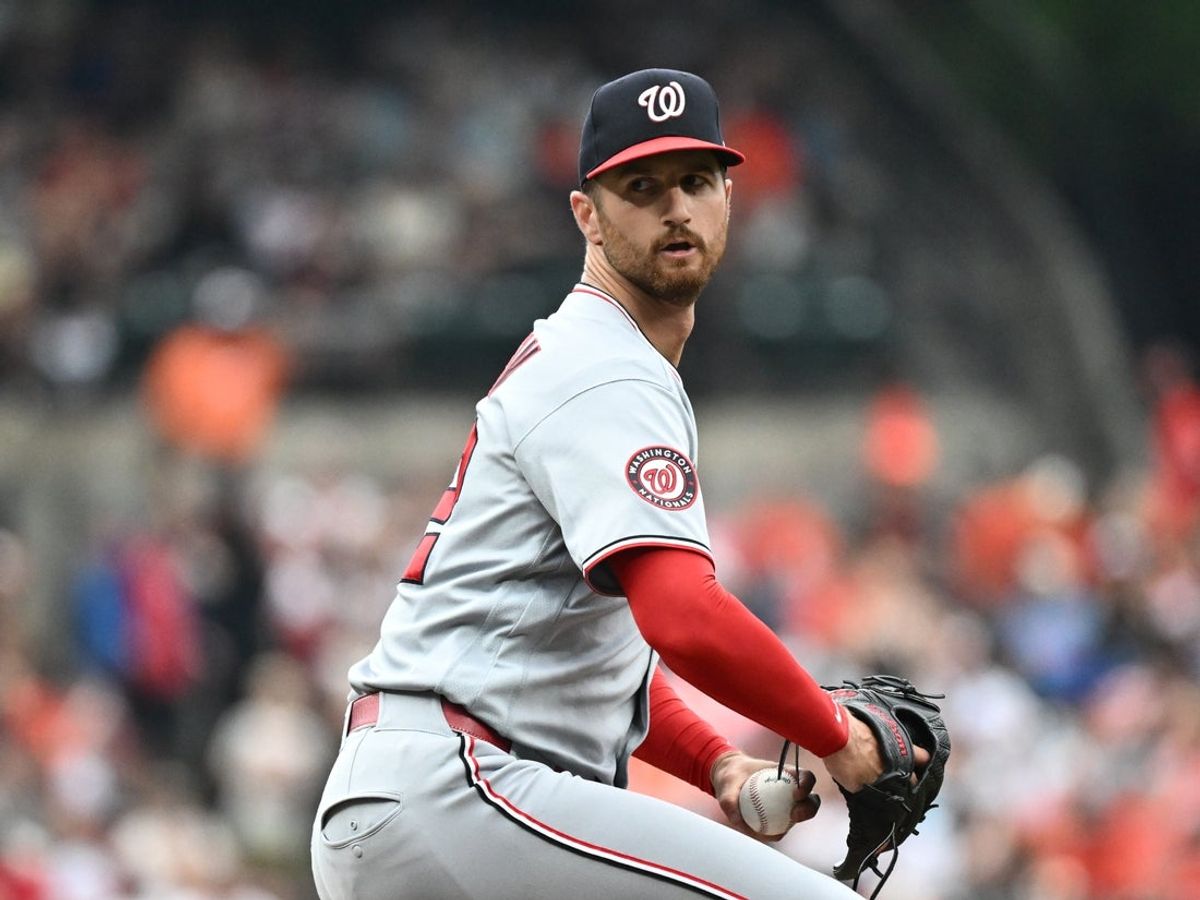
Deadspin | Nationals’ Foster Griffin strives to stay in top form vs. Astros   Jun 27, 2026; Baltimore, Maryland, USA;  Washington Nationals pitcher Foster Griffin (22) delivers a pitch during the first inning against the Baltimore Orioles at Oriole Park at Camden Yards. Mandatory Credit: James A. Pittman-Imagn Images   Washington Nationals left-hander Foster Griffin ranks among the National League leaders in several pitching categories, including wins, ERA and batting average against.  He is not, however, an NL All-Star.   Griffin (9-2, 2.87 ERA) will have one more chance to make a case as a potential late replacement when the Nationals conclude their three-game series against the visiting Houston Astros on Wednesday night.  The 30-year-old Griffin has been Washington’s ace during the team’s climb into wild-card contention. He is 3-0 with a 1.24 ERA over his past six starts, with Washington going 5-1 in those games and 14-4 in his 18 starts overall. And opponents are batting only .210 against him this season.   Last time out, Griffin allowed a run on four hits in five innings of a 9-5 win Friday against the Pittsburgh Pirates in 100-degree weather at Nationals Park. He threw 83 pitches after reaching at least 100 in each of his past four starts.  “That was a lot of sweat, trying to stay hydrated, trying to keep my hands dry to grip the ball,” Griffin said. “All the elements, the other team has to do the same thing, so have to grind through.”  He has yet to face the Astros in his career.  Houston will counter with right-hander Spencer Arrighetti (7-4, 3.81 ERA) on Wednesday.  Arrighetti dropped his third straight start on June 26, allowing eight runs on five hits and five walks in three innings in an 8-0 loss to Detroit. He turned it around last Friday against the Tampa Bay Rays, giving up one run on two hits over six innings in a no-decision as Houston lost 3-1.  “I just thought he was way more aggressive in the zone,” Astros manager Joe Espada said. “He was not running away from contact. … There was better tempo, better command.”   Arrighetti, 26, will make his first career appearance against Washington.  The Astros evened the three-game series with a 6-3 win on Tuesday. Jose Altuve went deep for the second straight game, providing Houston’s only extra-base hit to go with five singles. The Astros benefited greatly from seven walks and Christian Walker getting hit by pitches on two occasions.  “I don’t know if it was pitching scared,” Nationals manager Blake Butera said when asked about the walks. “That’s what it felt like. … If we’re gonna go down, we gotta go down attacking. I’ve said that from the beginning of the year. I was just surprised to see that.”  Houston’s Nick Allen produced his first three-RBI game of the season and stole a base, and Christian Vazquez drove in two runs after going 14 games without an RBI.  Josh Hader struck out Dylan Crews with the bases loaded for the final out.  For Washington, James Wood hit his MLB-leading eighth leadoff home run of the season. He is just one shy of tying Alfonso Soriano for the Nationals’ single-season record.  Jose Tena hit his second pinch-hit home run of the season in the ninth and is batting .400 (8-for-20) as a pinch hitter in 2026.  Luis Garcia Jr. has hit safely in nine of his last 10 games and is batting .425 with four doubles, six homers, nine runs and 16 RBIs during that span.  –Field Level Media   #Deadspin #Nationals #Foster #Griffin #strives #stay #top #form #AstrosJun 27, 2026; Baltimore, Maryland, USA; Washington Nationals pitcher Foster Griffin (22) delivers a pitch during the first inning against the Baltimore Orioles at Oriole Park at Camden Yards. Mandatory Credit: James A. Pittman-Imagn Images

Washington Nationals left-hander Foster Griffin ranks among the National League leaders in several pitching categories, including wins, ERA and batting average against.

He is not, however, an NL All-Star.

Griffin (9-2, 2.87 ERA) will have one more chance to make a case as a potential late replacement when the Nationals conclude their three-game series against the visiting Houston Astros on Wednesday night.

The 30-year-old Griffin has been Washington’s ace during the team’s climb into wild-card contention. He is 3-0 with a 1.24 ERA over his past six starts, with Washington going 5-1 in those games and 14-4 in his 18 starts overall. And opponents are batting only .210 against him this season.

Last time out, Griffin allowed a run on four hits in five innings of a 9-5 win Friday against the Pittsburgh Pirates in 100-degree weather at Nationals Park. He threw 83 pitches after reaching at least 100 in each of his past four starts.

“That was a lot of sweat, trying to stay hydrated, trying to keep my hands dry to grip the ball,” Griffin said. “All the elements, the other team has to do the same thing, so have to grind through.”

He has yet to face the Astros in his career.

Houston will counter with right-hander Spencer Arrighetti (7-4, 3.81 ERA) on Wednesday.

Arrighetti dropped his third straight start on June 26, allowing eight runs on five hits and five walks in three innings in an 8-0 loss to Detroit. He turned it around last Friday against the Tampa Bay Rays, giving up one run on two hits over six innings in a no-decision as Houston lost 3-1.


“I just thought he was way more aggressive in the zone,” Astros manager Joe Espada said. “He was not running away from contact. … There was better tempo, better command.”

Arrighetti, 26, will make his first career appearance against Washington.

The Astros evened the three-game series with a 6-3 win on Tuesday. Jose Altuve went deep for the second straight game, providing Houston’s only extra-base hit to go with five singles. The Astros benefited greatly from seven walks and Christian Walker getting hit by pitches on two occasions.

“I don’t know if it was pitching scared,” Nationals manager Blake Butera said when asked about the walks. “That’s what it felt like. … If we’re gonna go down, we gotta go down attacking. I’ve said that from the beginning of the year. I was just surprised to see that.”

Houston’s Nick Allen produced his first three-RBI game of the season and stole a base, and Christian Vazquez drove in two runs after going 14 games without an RBI.

Josh Hader struck out Dylan Crews with the bases loaded for the final out.

For Washington, James Wood hit his MLB-leading eighth leadoff home run of the season. He is just one shy of tying Alfonso Soriano for the Nationals’ single-season record.

Jose Tena hit his second pinch-hit home run of the season in the ninth and is batting .400 (8-for-20) as a pinch hitter in 2026.

Luis Garcia Jr. has hit safely in nine of his last 10 games and is batting .425 with four doubles, six homers, nine runs and 16 RBIs during that span.

–Field Level Media

#Deadspin #Nationals #Foster #Griffin #strives #stay #top #form #Astros">Deadspin | Nationals’ Foster Griffin strives to stay in top form vs. Astros   Jun 27, 2026; Baltimore, Maryland, USA;  Washington Nationals pitcher Foster Griffin (22) delivers a pitch during the first inning against the Baltimore Orioles at Oriole Park at Camden Yards. Mandatory Credit: James A. Pittman-Imagn Images   Washington Nationals left-hander Foster Griffin ranks among the National League leaders in several pitching categories, including wins, ERA and batting average against.  He is not, however, an NL All-Star.   Griffin (9-2, 2.87 ERA) will have one more chance to make a case as a potential late replacement when the Nationals conclude their three-game series against the visiting Houston Astros on Wednesday night.  The 30-year-old Griffin has been Washington’s ace during the team’s climb into wild-card contention. He is 3-0 with a 1.24 ERA over his past six starts, with Washington going 5-1 in those games and 14-4 in his 18 starts overall. And opponents are batting only .210 against him this season.   Last time out, Griffin allowed a run on four hits in five innings of a 9-5 win Friday against the Pittsburgh Pirates in 100-degree weather at Nationals Park. He threw 83 pitches after reaching at least 100 in each of his past four starts.  “That was a lot of sweat, trying to stay hydrated, trying to keep my hands dry to grip the ball,” Griffin said. “All the elements, the other team has to do the same thing, so have to grind through.”  He has yet to face the Astros in his career.  Houston will counter with right-hander Spencer Arrighetti (7-4, 3.81 ERA) on Wednesday.  Arrighetti dropped his third straight start on June 26, allowing eight runs on five hits and five walks in three innings in an 8-0 loss to Detroit. He turned it around last Friday against the Tampa Bay Rays, giving up one run on two hits over six innings in a no-decision as Houston lost 3-1.  “I just thought he was way more aggressive in the zone,” Astros manager Joe Espada said. “He was not running away from contact. … There was better tempo, better command.”   Arrighetti, 26, will make his first career appearance against Washington.  The Astros evened the three-game series with a 6-3 win on Tuesday. Jose Altuve went deep for the second straight game, providing Houston’s only extra-base hit to go with five singles. The Astros benefited greatly from seven walks and Christian Walker getting hit by pitches on two occasions.  “I don’t know if it was pitching scared,” Nationals manager Blake Butera said when asked about the walks. “That’s what it felt like. … If we’re gonna go down, we gotta go down attacking. I’ve said that from the beginning of the year. I was just surprised to see that.”  Houston’s Nick Allen produced his first three-RBI game of the season and stole a base, and Christian Vazquez drove in two runs after going 14 games without an RBI.  Josh Hader struck out Dylan Crews with the bases loaded for the final out.  For Washington, James Wood hit his MLB-leading eighth leadoff home run of the season. He is just one shy of tying Alfonso Soriano for the Nationals’ single-season record.  Jose Tena hit his second pinch-hit home run of the season in the ninth and is batting .400 (8-for-20) as a pinch hitter in 2026.  Luis Garcia Jr. has hit safely in nine of his last 10 games and is batting .425 with four doubles, six homers, nine runs and 16 RBIs during that span.  –Field Level Media   #Deadspin #Nationals #Foster #Griffin #strives #stay #top #form #Astros

Post Comment