
Your brain is tired. Not the kind of tired that a good night’s sleep fixes, the kind that builds quietly over months of notifications, tabs, group chats, content, algorithms, and the persistent feeling that you are always slightly behind on something you didn’t even sign up for. That’s digital overload.
And today, people are done with it. Not done with technology, no one is throwing their phones into the ocean. But done with a version of digital life that demands constant availability, constant stimulation, and the slow erosion of any moment that isn’t being documented, optimised, or performed for an audience. Done with checking your phone forty times in an hour and still feeling less informed and more exhausted than when you started.
Digital vs real life: What is digital overload?
Digital overload is the mental and emotional exhaustion that comes from constant exposure to screens, notifications, messages, emails, social media, and endless online information. It’s the paradox of always being connected, yet rarely feeling present.
It begins when technology stops feeling helpful and starts feeling overwhelming. Instead of convenience, it creates stress. Instead of connection, it creates fatigue.
It can look like:
- Checking your phone every few minutes without thinking
- Feeling anxious as notifications pile up
- Struggling to focus because of constant distractions
- Feeling mentally drained after extended scrolling
- Finding it difficult to sit in quiet moments without reaching for a screen
In the broader conversation about digital vs. real life, digital overload helps explain why more people are craving offline moments again. They’re not rejecting technology; they’re trying to protect their attention, their peace, and their real-life connections.
Here Are Three Essential Reasons People Are Craving Offline Moments Again
People aren’t stepping back from technology because they suddenly dislike convenience. They’re stepping back because constant connection has become exhausting. For years, being online felt like progress—faster communication, instant information, endless entertainment, and the freedom to work from anywhere. But convenience came with a hidden cost: attention.
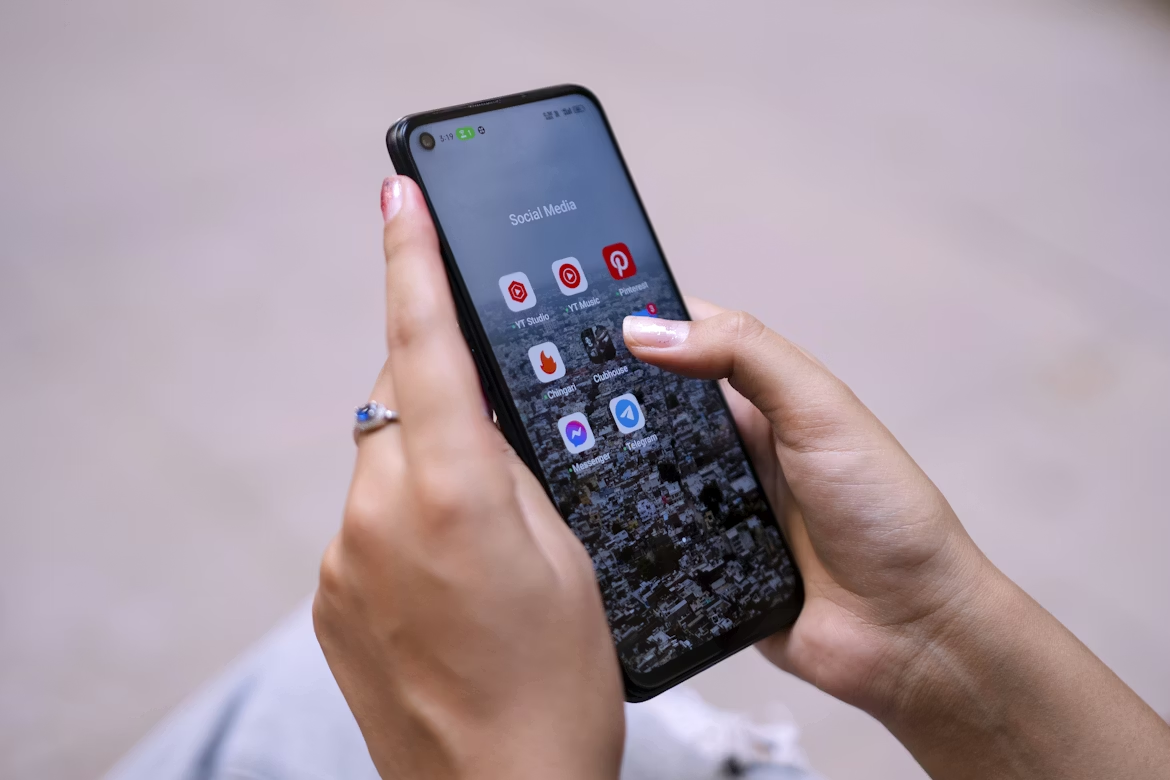
#1. Every notification asks for something
Every message creates urgency. Every scroll leads to another scroll. Over time, this creates a quiet but persistent mental fatigue, one that many people don’t recognise until rest itself becomes difficult. This is where the craving for offline moments begins.
#2. A dinner without phones feels different now
A walk without music, podcasts, or constant updates feels unexpectedly peaceful. Even sitting in silence has become something people actively try to protect.
#3. Offline moments offer something digital life often cannot: presence
They create space to think clearly, connect deeply, and experience life without the pressure to document it. More people are recognising that visibility online is not the same as connection in real life. A hundred likes cannot replace one meaningful conversation. Posting a moment is not always the same as fully living it.
How to Actually Reclaim Your Offline Life
The goal isn’t a dramatic digital detox. It’s a sustainable reset, a healthier relationship with your time and attention. Here’s where to start:
#1. Set hard stopping times
No phones after a certain hour. No email before a certain time. The “always-on” culture isn’t a requirement—it’s a habit. And habits can be redesigned.
#2. Create phone-free zones

The dining table. The bedroom. Even the first hour of your morning. These aren’t rules imposed by a wellness trend; they’re boundaries that define who (and what) gets access to your attention.
#3. Replace the scroll with something tactile
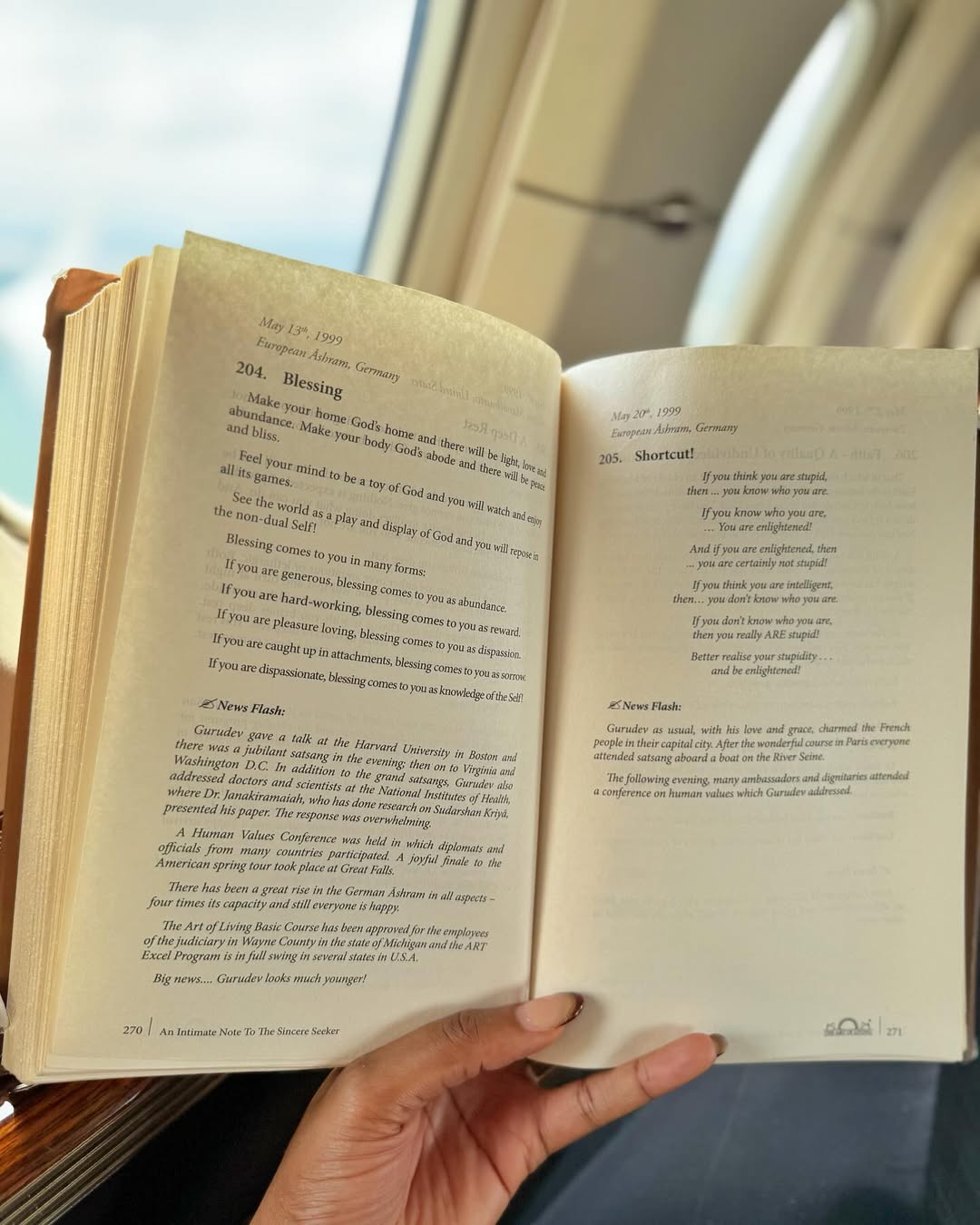
A book. A walk. A hands-on hobby. Cooking a meal from scratch. Calling someone instead of messaging them. The growing desire for offline time, tactile experiences, slower routines, and analog connections isn’t nostalgia. It’s a response to overload.
#4. Go somewhere that requires your full presence

A concert. A dinner with people you love. A market. A yoga retreat. Experiences that are genuinely better without your phone in your hand still exist, and there are more of them than you think.
#5. Rebuild life around attention, not access

Digital overload didn’t happen overnight; it accumulated gradually, through constant availability becoming the norm. The shift back happens the same way. One intentional pause at a time. One offline moment at a time until presence starts to feel natural again.
Finding Your Way Back to Real Life

Digital overload didn’t sneak up on us. We allowed it in, piece by piece, notification by notification, until it felt normal to be permanently available and perpetually distracted. The good news is that stepping away doesn’t require a dramatic exit. It happens the same way it arrived: quietly, gradually, through small, consistent choices.
One offline moment. One protected hour. One decision to be fully present. And slowly, real life begins to feel like the default again. Log off. Show up. The real world is still having the most interesting conversations, and none of them require Wi-Fi.
Featured image: TopVector/iStock
.

Source link
#Digital #Overload #Real #People #Craving #Offline #Moments


Post Comment