
Hair growth advice changes constantly, yet scalp oiling continues to return to the center of natural hair routines generation after generation. From childhood memories of warm oils massaged into freshly washed braids to modern beauty routines centered around rosemary blends and scalp massages, many natural hair lovers still debate the long-term benefits of oils and whether regular oiling truly supports healthier growth. At the same time, confusion has grown alongside the trend. Some people swear scalp oiling transformed their hair thickness and reduced breakage, while others claim it caused buildup, irritation, or dryness instead.
Part of the reason this debate keeps resurfacing is that scalp oiling has often been oversimplified online. Oil alone does not force hair to grow faster overnight, yet a healthy scalp environment can absolutely support stronger, healthier hair over time. For natural hair especially, scalp condition matters deeply, since dryness, tension, and breakage can interfere with length retention even when the hair is growing normally.
What Scalp Oiling Actually Does
One of the biggest misconceptions about scalp oiling is the belief that oil directly activates rapid hair growth at the follicle level. In reality, hair growth is influenced by several factors, including genetics, hormones, stress, nutrition, and overall scalp health.
What scalp oiling mainly does is support the environment in which hair grows. Certain oils help soften dryness, reduce friction, improve scalp comfort, and help hair retain moisture for longer periods. That distinction matters because natural hair often struggles less with growth itself and more with retaining length due to dryness and breakage.
Within natural hair routines, the benefits of consistent scalp oiling tend to become more noticeable when the focus shifts from “fast growth” to long-term hair maintenance and retention.
Can Scalp Massage Improve Circulation?
Scalp massage remains one of the most beneficial parts of the oiling process. Gentle massage may temporarily improve blood circulation in the scalp area, which is why many people report that their scalp feels healthier after regular oil treatments.
However, technique matters. Aggressive scratching, excessive rubbing, or repeated heavy pressure can irritate the scalp instead of supporting it. Natural hair—especially when worn in braids, twists, wigs, or protective styles—responds better to slow, intentional massage paired with lightweight oils rather than heavy, excessive layering.
Many people also underestimate how stress relief contributes to healthier hair habits overall. A relaxed scalp environment tends to respond better than one constantly irritated by tension, buildup, or over-manipulation.
Will Scalp Oiling Make Hair Grow Faster?
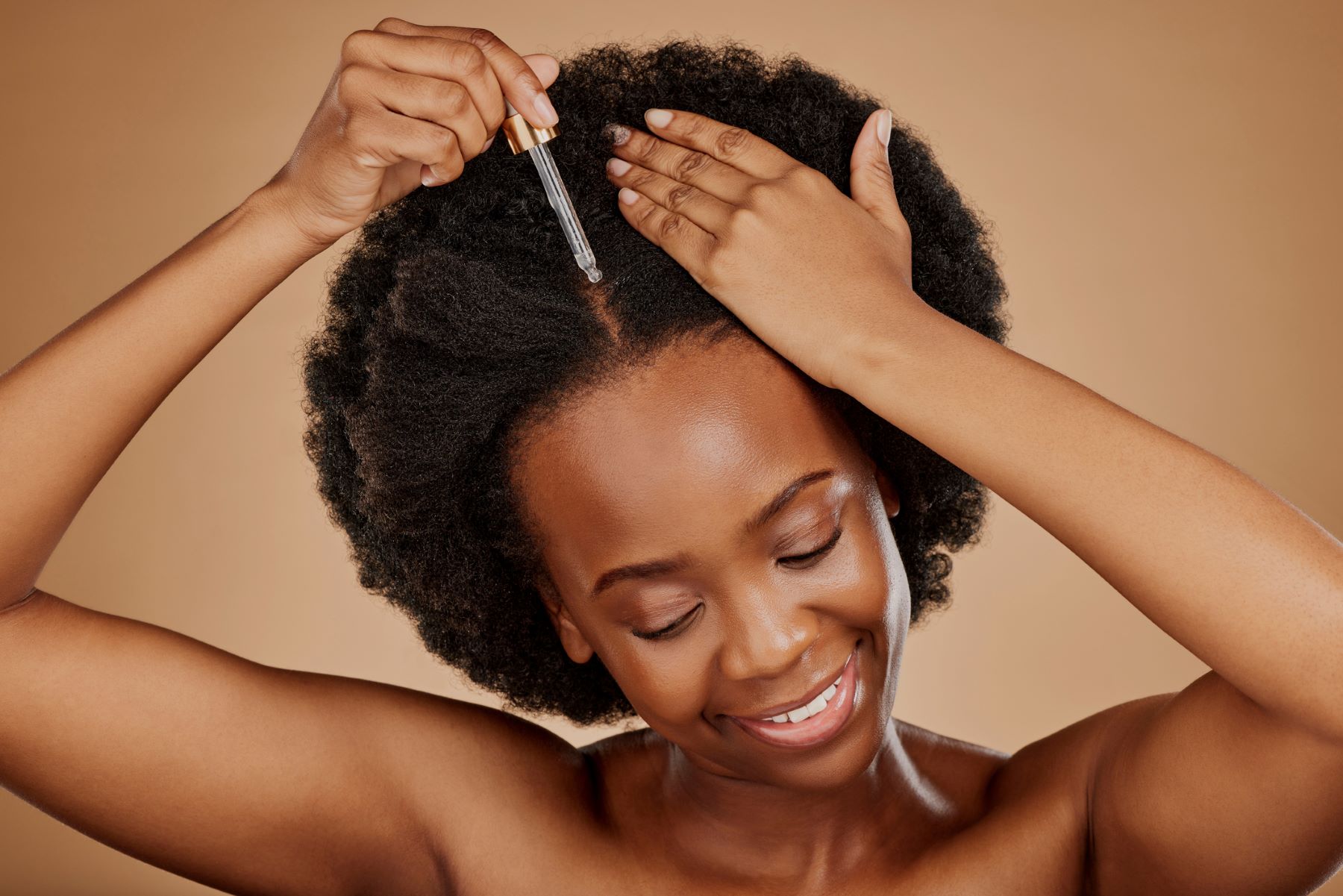
This is where expectations need balance. Scalp oiling can support healthier hair growth conditions, but it is not a miracle shortcut.
In many cases, people who notice improvements after regular oiling are actually experiencing better length retention rather than faster growth. Their hair breaks less, retains moisture more effectively, and becomes easier to manage consistently.
The benefits of nourishing the scalp through oiling become clearer when combined with proper hydration, balanced cleansing, protective styling, and reduced heat damage. Oil works best as part of a complete routine, not as a standalone solution.
Which Oils Work Best for Natural Hair?
Not all oils behave the same way on textured hair. Lightweight oils such as jojoba, argan, rosemary-infused oils, and grapeseed oil are often preferred for direct scalp use because they absorb more easily and are less likely to cause buildup.
Meanwhile, thicker oils like castor oil, avocado oil, and olive oil tend to work better for sealing moisture into the hair strands rather than the scalp. Castor oil, in particular, remains popular in natural hair care due to its rich texture, although excessive use without proper cleansing can overwhelm the scalp.
Essential oils also require caution. Oils like peppermint and rosemary should always be properly diluted before application, as concentrated formulas may irritate sensitive skin.
Shop here
Is It Better to Oil Wet or Dry Hair?
For most natural hair routines, slightly damp hair works better than completely dry hair when applying oil.
Oil does not hydrate the hair on its own. Instead, it helps seal in moisture that is already present. Applying oil to dry hair without hydration underneath may create temporary softness while the hair remains dehydrated internally.
That is why many healthy routines layer moisture first—through water, leave-in conditioners, or hydrating creams—before sealing it in with oil. The benefits of scalp oiling become more noticeable when hydration is the foundation of the routine rather than an afterthought.
Shop here
What Are Signs of Over-Oiled Hair?
Over-oiling has become increasingly common, especially with social media routines that encourage frequent or heavy application.
Hair that is over-oiled may appear limp, greasy, itchy, or weighed down shortly after washing. The scalp can also develop buildup that traps dirt, flakes, and product residue over time. Ironically, excessive oiling can sometimes block moisture absorption instead of improving it.
Natural hair responds best to balance and consistency rather than heavy, repetitive product layering.
Is Scalp Oiling Good for High-Porosity Hair?
High-porosity hair often responds well to oils because it loses moisture quickly. Richer oils and creams can help slow moisture loss and improve softness and manageability throughout the week.
Low-porosity hair, however, may benefit more from lightweight oils used sparingly, since heavier oils can sit on the surface and contribute to buildup.
Understanding hair porosity often changes how effective a routine becomes. What works well for one person’s hair type may feel overwhelming for another.
What Happens If You Never Oil Your Scalp?
Not everyone needs scalp oiling. Some scalps naturally produce enough oil, while others remain consistently dry. Skipping scalp oiling does not automatically damage hair. However, very dry scalps may become itchy, tight, or flaky over time.
For many natural hair textures, especially in dry climates or during protective styling, lightweight scalp oiling can help improve comfort and reduce dryness between wash days. The key is paying attention to your scalp’s actual condition rather than copying routines without adjustment.
Final Thoughts
Scalp oiling continues to survive every beauty trend cycle because, when done correctly, it can support healthier natural hair maintenance. Still, oil alone is not the secret to rapid hair growth, despite what many viral beauty videos suggest.
Healthy hair routines are built on consistency: moisture retention, gentle styling, proper cleansing, reduced tension, scalp care, and patience all contribute to stronger natural hair over time.
Ultimately, the benefits many people notice from scalp oiling come from creating a healthier environment for the hair—not forcing growth. For natural hair especially, long-term consistency always produces better results than short-term fixes or trends.
Featured image: Style Rave Studio/AI-generated visual
.
—Read also
These Are The Best Hair Oils For Healthier, Shinier Hair
Source link
#Scalp #Oiling #Hair #Growth


Post Comment