
Flat ironing, bleaching appointments, silk presses, tight ponytails, and frequent coloring sessions have pushed many people into searching for stronger ways to rescue stressed strands before breakage completely takes over. Interest in stronger treatments continues to rise as people search for ways to maintain softness, length, and shine while still experimenting with color and styling. That growing attention explains why people building healthier hair routines now place bond-focused formulas, deeper moisture routines, and targeted repair methods at the center of a stronger hair treatment plan before damage becomes severe.
Hair damage usually starts subtly with rough ends, excessive shedding during wash days, dryness that conditioner no longer fixes, or curls that suddenly lose definition. Eventually, hair begins snapping during detangling, looking dull even after styling, and refusing to hold moisture for long. That is where bond repair products entered the beauty industry in a major way. Unlike traditional conditioners that mainly coat the hair surface, bond repair formulas are designed to support weakened internal hair bonds that become compromised through bleaching, excessive heat, chemical relaxers, or environmental stress.
Beauty culture has also changed the way people approach damaged hair. Years ago, severe breakage often meant cutting everything off and starting over. Today, consumers want restoration before sacrifice. They want products that help hair stay softer, stronger, shinier, and easier to manage while maintaining length. That demand pushed bond-building technology from salon-only treatments into everyday shampoos, masks, leave-ins, and overnight formulas.
What Is Bond Repair Treatment for Hair?
Hair contains structural bonds that help keep strands strong, elastic, and resilient. These bonds support everything from curl pattern to overall strength. When hair is exposed to bleach, excessive heat, harsh brushing, tight hairstyles, or chemical processing, those internal bonds weaken over time.
Bond repair products are formulated to target weakened areas inside the hair shaft instead of only smoothing the outer layer. Many of these treatments use proteins, amino acids, peptides, or patented bond-building ingredients that temporarily reconnect weakened areas while helping reduce future breakage.
This is why many people notice their hair becoming easier to comb, softer after washing, and less prone to snapping after consistent use. A proper routine that supports damaged strands can gradually improve elasticity while helping repair treatments remain effective between salon appointments.
How Do You Know If Your Hair Needs Bond Repair?
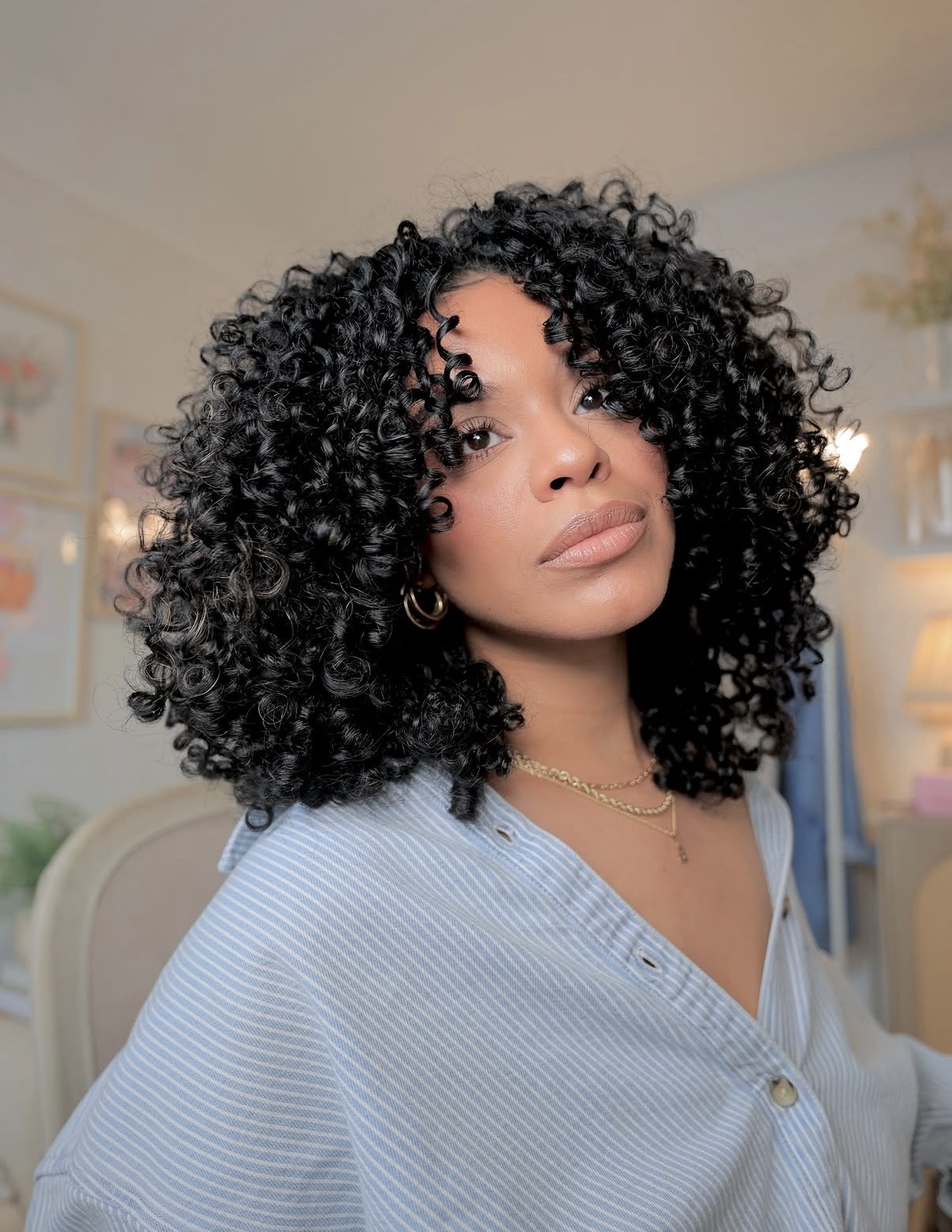
Damaged hair often gives warning signs long before severe breakage begins. One of the biggest indicators is excessive snapping during brushing or washing. Another common sign is hair that suddenly becomes rough, even after deep conditioning.
You may also notice:
- Split ends appearing faster than usual
- Curls losing bounce or definition
- Hair looking frizzy immediately after styling
- Color-treated strands becoming dry very quickly
- Tangling increasing dramatically
- Excessive shedding mixed with short broken pieces
People who frequently use bleach, permanent dyes, relaxers, silk presses, or hot tools usually benefit most from adding targeted repair products into their routine. Healthy-looking strands often depend on consistency, especially when heat and chemicals are already part of regular styling habits.
What Makes Bond Repair Different from a Regular Conditioner?
Traditional conditioners and leave-ins mainly smooth the outer cuticle layer so hair appears softer temporarily. Bond repair formulas work deeper within the strand itself.
That distinction matters because hair can appear shiny while still remaining internally weak. Some products create instant softness, yet the hair continues breaking underneath. Bond-supporting formulas attempt to reinforce weakened sections so strands gradually become more resilient during washing, styling, and detangling.
This explains why many people notice slower but more meaningful progress with consistent use. Immediate cosmetic softness may come from oils and silicones, while stronger elasticity often develops over several weeks of repeated treatments, helping maintain healthier repair habits inside damaged hair.
How Long Do Bond Repair Results Last?

Results depend heavily on daily habits. Hair exposed to constant heat styling, bleach touch-ups, or tight styling routines may lose progress quickly without maintenance.
Many people notice a smoother texture after one or two uses, especially with masks or leave-in formulas. However, visible improvement in strength and reduced breakage often takes several weeks of consistency.
Professional salon bond repair treatments may last longer initially, particularly when paired with lower heat usage and moisturizing hair products at home. Still, no treatment permanently “heals” damaged hair. Hair remains vulnerable if damaging habits continue aggressively afterward.
Can You Use Bond Repair Shampoo Every Day?
Most bond repair shampoos are designed for regular use, but daily washing is not necessary for everyone. Hair texture, scalp oil production, climate, and styling habits all influence frequency.
Fine hair may tolerate lighter bond shampoos several times weekly, while textured or curly hair often benefits from spacing wash days further apart to preserve moisture. Reading ingredient lists also matters. Some formulas contain stronger proteins that can become overwhelming when overused.
Balanced routines usually work best. Many stylists recommend alternating bond repair products with hydrating masks and moisture-rich conditioners to avoid stiffness in the hair.
Is Too Much Bond Repair Bad for Hair?
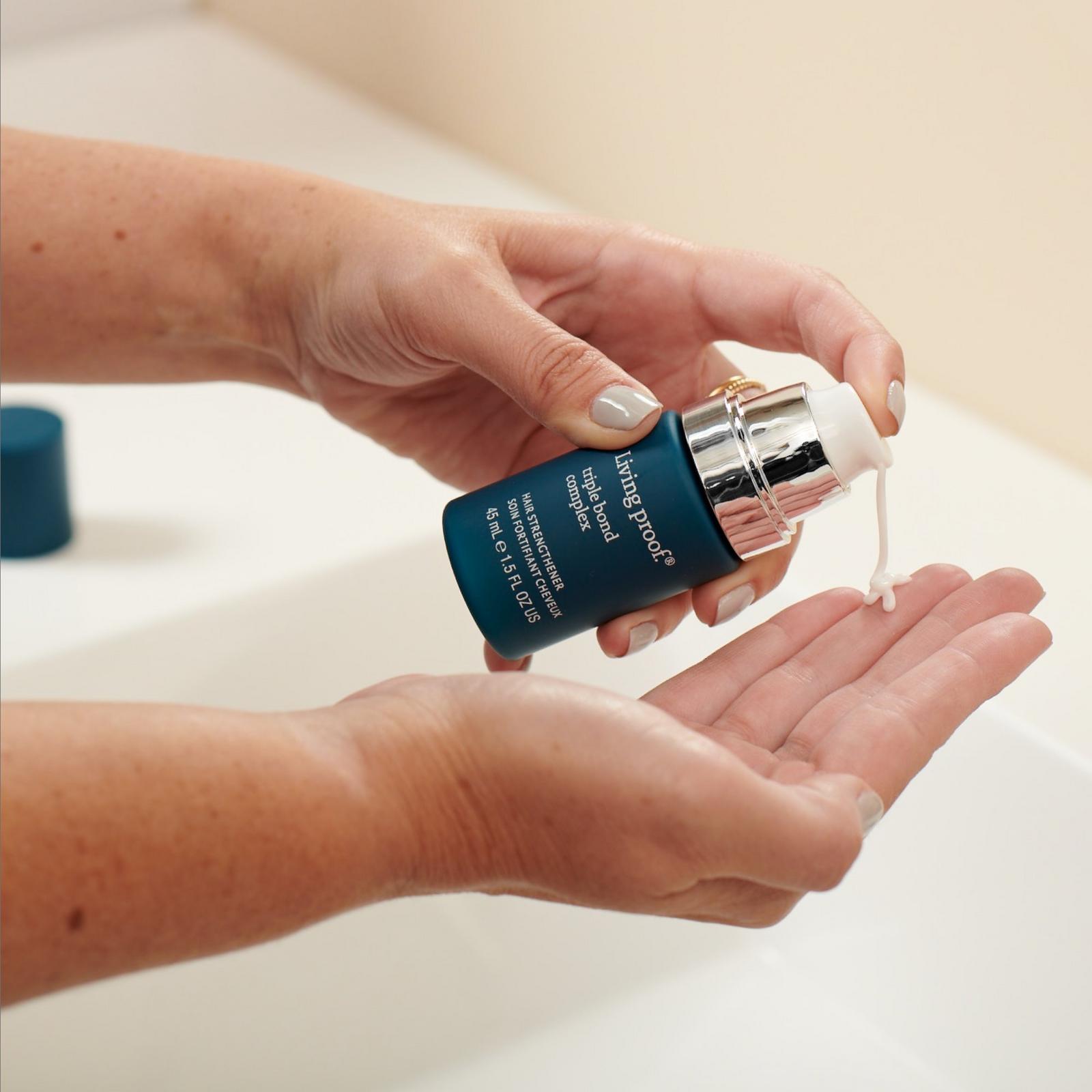
Yes, overusing strengthening products can create problems. Hair needs both protein and moisture. When protein-heavy formulas dominate a routine without enough hydration, strands can become rigid, dry, and easier to snap.
This is one reason people sometimes believe a product “stopped working.” In reality, the hair may simply need its moisture balance restored.
A healthier approach combines bond repair products with nourishing masks, lightweight oils, scalp treatments, and reduced heat exposure. Long-term hair health usually comes from balanced routines instead of relying on one miracle treatment.
How Long Can You Leave Bond Repair in Your Hair?
This depends on the formula. Some masks are designed for 10 to 20 minutes, while overnight leave-ins can remain on the hair until the next wash day.
Leaving strong protein treatments on longer than directed does not always improve results. In some cases, it may leave strands stiff or difficult to manage. Following timing instructions matters more than extending treatment length unnecessarily.
Leave-in bond products are generally lighter and designed for longer wear. Rinse-out intensive masks often contain concentrated ingredients that require shorter application times.
Shop editor’s edit
The Real Reason Bond Repair Became Popular
Modern beauty standards place enormous pressure on hair versatility. One week people want platinum blonde lengths, and the next they want slick buns, silk presses, or curled extensions with minimal damage. Bond repair products gained momentum partly because they support that constant styling lifestyle.
Social media also accelerated interest. Before-and-after videos showing dramatic softness and reduced breakage created huge curiosity around bond technology. At the same time, consumers became far more ingredient-aware and started paying closer attention to hair science rather than relying only on cosmetic shine.
Still, realistic expectations matter. No formula completely reverses years of severe damage overnight. Some hair eventually needs trimming despite excellent repair routines. Yet consistent care, healthier styling habits, and targeted strengthening products can significantly improve manageability, softness, and breakage over time.
Modern haircare no longer focuses only on appearance. Stronger strands, healthier elasticity, and long-term resilience now matter just as much as shine. That explains why so many people rebuilding damaged strands continue prioritizing stronger moisture retention alongside bond-focused repair treatments for healthier hair over time.
Featured image: @thebeverlynaya/Instagram
—Read also
Source link
#Bond #Repair #Treatments #Restore #Softer #Stronger #Hair


Post Comment