
Tomi Talabi is the founder of The Black Beauty Club, a cultural platform redefining how we see, celebrate and invest in Black beauty.
Since launching in 2020, The Black Beauty Club has become a go-to destination for conversations, experiences and collaborations that center Black women at the heart of beauty and culture.
Previously, Talabi led global communications at Estée Lauder Companies and spearheaded inclusive storytelling at Pinterest.
Over the past 10 years in the beauty industry, I have watched Black-founded brands get covered on a schedule: during Black History Month, on Juneteenth, around a moment of social reckoning or alongside a time of struggle. Too often, the stories center survival, scarcity or support, instead of the things we would lead with for any other beauty brand: innovation, performance, desirability, cultural relevance and commercial potential.
This framing matters because it does not just stay in the press. It follows founders into investor meetings, retail conversations and partnership opportunities. It shapes whether a Black-founded beauty brand is seen as a scalable company or a “community” brand. It shapes whether the audience is understood as everyone who cares about beauty, or only the consumers who share the founder’s identity.
Related: The Black Beauty Club Is Turning a Block Party Into a Shopping and Discovery Experience
For some reason, Black-founded beauty brands are still too often treated as niche before people have really looked at the product, the customer or the business.
The industry already understands that beauty can come from a specific place, culture or point of view and still travel widely. K-beauty, J-beauty, French pharmacy beauty and founder-led brands across every category are allowed to be specific and broadly relevant at the same time. Black-founded beauty deserves that same logic.
This does not mean every product is for every person. No beauty product is. A foundation shade will not match everyone. A sunscreen texture won’t please everyone. A shampoo will not work for every hair type. Even the brands we treat as “universal” still underserve many people.
The issue is not whether every Black-founded product works for every consumer; it’s that Black-founded brands are too often denied broad relevance before people have even tried them.
Photo: Courtesy of The Black Beauty Club
A brand can begin with Black skin, Black hair, Black culture or Black beauty rituals and still solve a problem many people have. It should be evaluated the way any beauty brand should be evaluated: by its formulation, performance, texture, design, customer insight, category relevance and commercial potential.
This is not only a media problem. It is an industry problem. Sometimes, it is something we have all internalized. I have had friends, editors and industry peers ask me some version of the same question: “Can I come? Can I use this? Is this space for me?” The answer is yes, but the fact that people still have to ask shows how Black beauty has been positioned, as something to respect from a distance rather than something to experience, learn from and participate in.
A sunscreen made with deeper skin tones in mind might be a better sunscreen for anyone who hates a white cast. A hair product created for textured hair can still teach the industry something about moisture, protection, sweat, weather and longevity. A wellness brand built from the needs of Black women can still speak to larger questions of energy, stress, aging, ritual and daily health.
This matters even more now, when so many emerging beauty brands are being forced to prove they can survive a harder market. Rising costs, cautious investors, retail pressure, expensive customer acquisition and changing consumer habits are affecting businesses across the board. But when a Black-founded brand struggles, the story can become overly symbolic. It can become about race before it becomes about the market conditions every founder is navigating.
Related: Indie Beauty Founders Are Getting Really Real About the Challenges They’re Facing (Best of 2025)
We saw the wave of conversation around Ami Colé. We have seen stories about Adwoa Beauty, Bread Beauty Supply and other Black-founded brands navigating the real vulnerabilities of building in this climate. Those stories are important. Founders should be able to speak honestly about what is hard. But there is a difference between covering vulnerability and only becoming interested when a brand is vulnerable.
There is also a difference in tone that is hard to ignore. When a founder like Kyle Cooke speaks publicly about the challenges behind Loverboy, the story is often allowed to remain expansive. It becomes a conversation about the business, the turnaround, the customer base, the strategy, the momentum and the possibility of people rallying behind the brand. The vulnerability does not automatically flatten the company into a cautionary tale.
I want that same generosity and dimensionality for Black beauty brands. When a brand like Bread Beauty Supply speaks openly about a new launch not moving the way they hoped, the story should not immediately become another sad dispatch about Black beauty struggling. It can also be a story about product, timing, retail, consumer behavior, community, visibility and what it takes to help a good brand find its next wave. There are a thousand ways to write about a brand in a difficult moment. Too often, Black beauty gets the narrowest one.
There are so many stories to tell before a brand is in distress. A new launch. A category insight. A product that solves a problem. A founder building through impossible conditions. A consumer community that is mobilizing around a brand because they want it to win. Those stories matter too.
Photo: Courtesy of The Black Beauty Club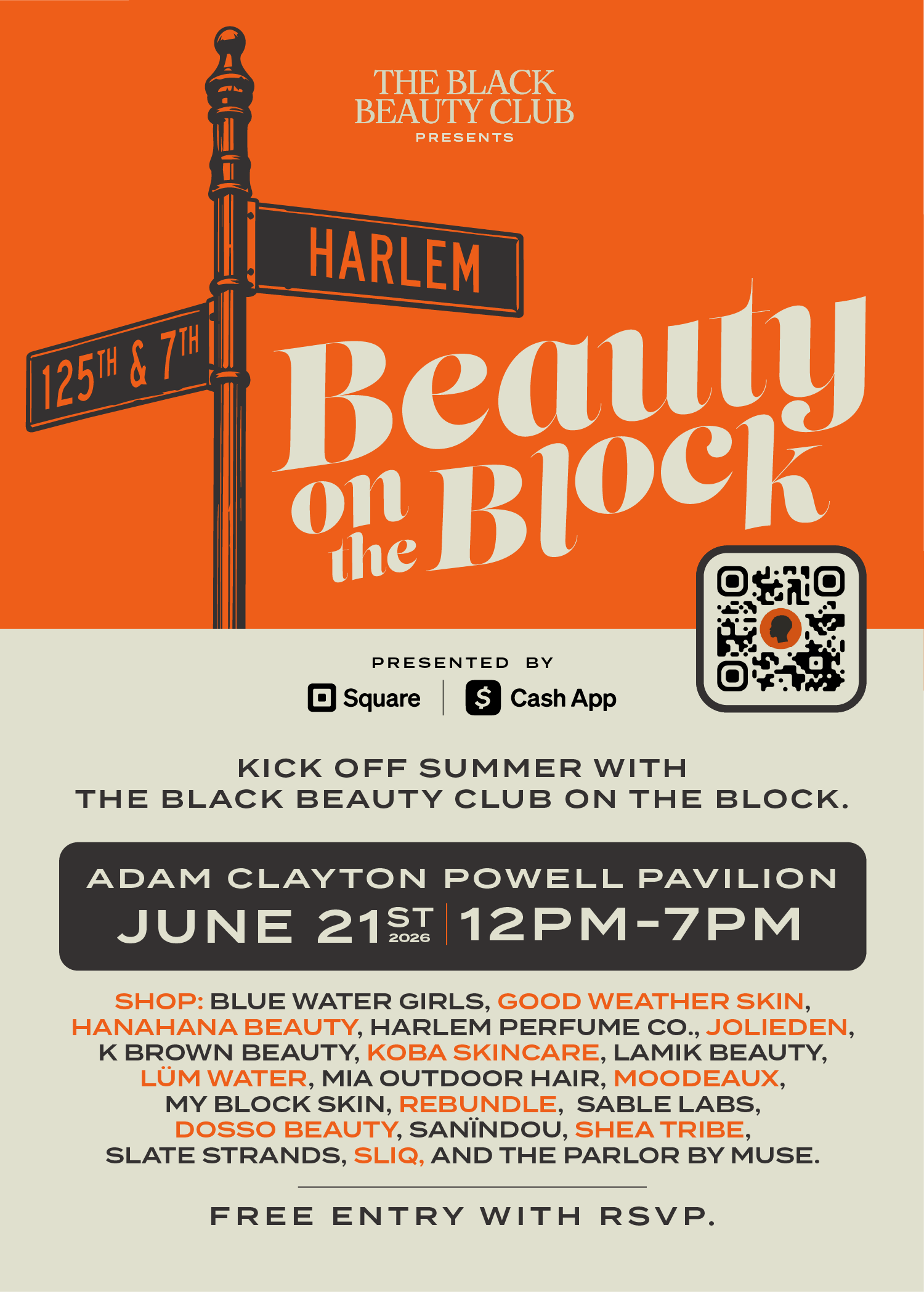
On Sunday, June 21, The Black Beauty Club is bringing Beauty on the Block — a free, open-air beauty experience featuring more than 20 Black-founded brands across skin care, hair care, fragrance, wellness and services — to Harlem. The event is built around Black culture, but is open to everyone; to try, experience, support and discover, regardless of background.
The point is simple: Come outside, meet the founders, support Black culture and find something new. You may discover a sunscreen that sits better under your makeup, a hair product that makes more sense for the way you move through the world, a fragrance you didn’t expect to love or a wellness product that becomes part of your daily routine. That’s what beauty discovery should feel like.
Many of the brands joining us are doing especially interesting work. MIA Outdoor Hair, founded by Jordan Polk, is building around a need that has been hiding in plain sight: hair protection for people who live active, outdoor lives. Sun, sweat, chlorine, cold weather, travel, sport, humidity and extreme temperatures all affect the hair and scalp, but the beauty industry has rarely treated outdoor hair protection as a serious category. The brand is not interesting because it is Black-founded alone. It’s interesting because it’s identifying a real consumer problem and building a new solution around it.
Good Weather Skin, a mineral sun-care brand thinking carefully about texture, finish and wearability, is another example. These are all the things that determine whether people actually use SPF every day. The brand’s presence at Violet Grey matters because it shows what can happen when a retailer with taste and authority gets behind a young brand before it becomes obvious to everyone else.
Photo: Courtesy of The Black Beauty Club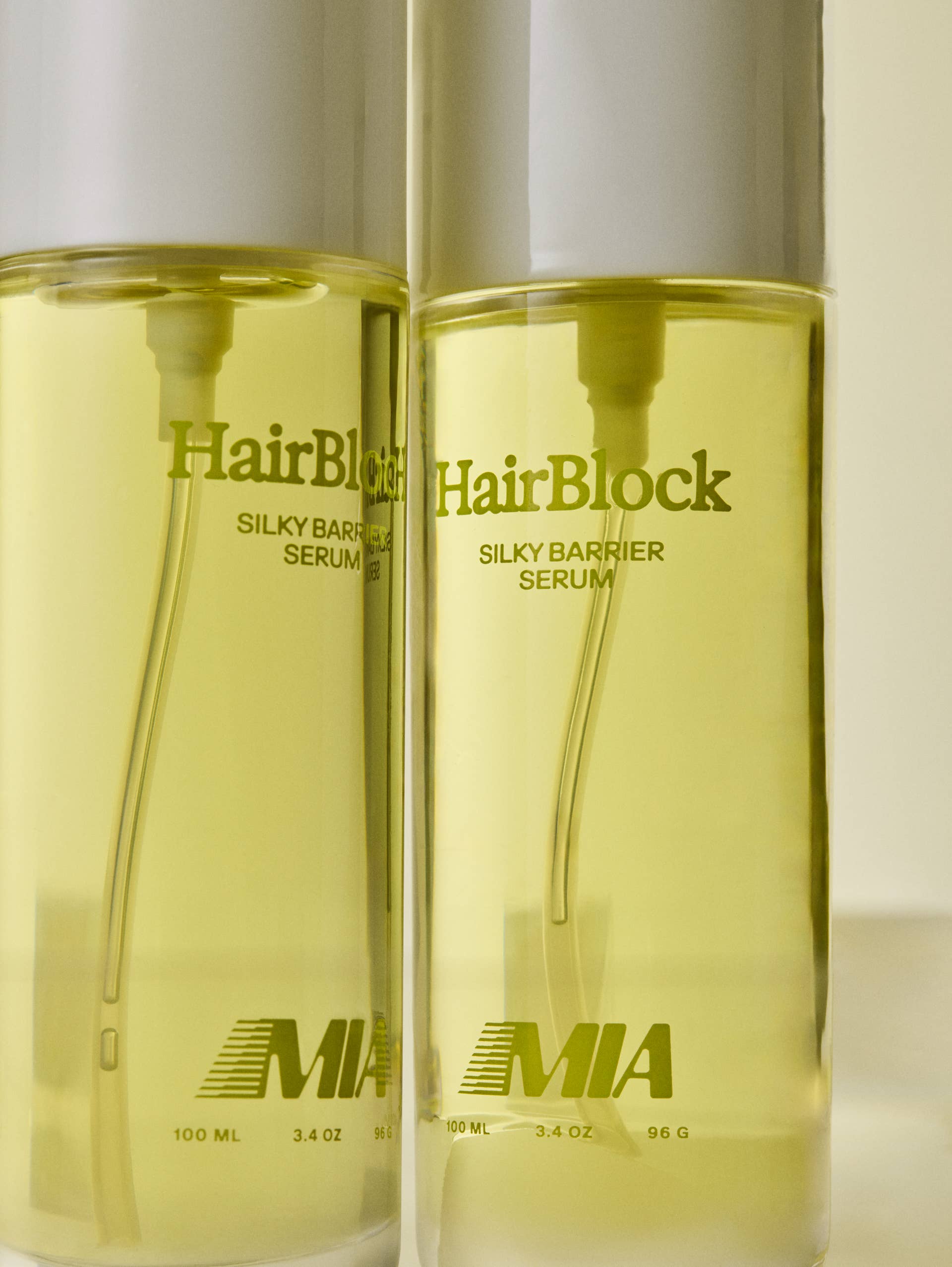
View the 2 images of this gallery on the
original article
There are also brands that have continued to build through an incredibly difficult period for emerging beauty businesses. Hanahana Beauty, Rebundle, Black Girl Vitamins, Harlem Perfume Co. and others have pushed through a pandemic, shifting retail expectations, rising costs, changing consumer habits and a funding environment that has become much harder to navigate. That deserves attention too. Longevity is a story. Consistency is a story. Staying alive long enough to keep refining the product, serving the customer and building trust is a story.
The Black Beauty Club exists to help build cultural and commercial infrastructure around those stories. Visibility is important, but visibility alone is not enough. A founder needs customers, press, retail access, capital, partnership and industry attention before a crisis, not only after one.
That’s also why our partnership with Cash App and Square matters: Their support recognizes diverse founders and consumers as an economic force, not a seasonal marketing opportunity. It treats this community as one with cultural power, financial power and commercial influence. That kind of investment helps move the conversation from awareness to infrastructure.
For editors, buyers, investors and industry leaders, the ask is not complicated. Try the products. Ask about the formulas. Understand the customer. Follow the founders before the retail announcement. Pay attention to the brands that are still early, still building, still figuring it out. Do not wait until a founder is closing the business to decide the story matters.
Black-founded beauty does not need to be made universal. It already is. The industry just has to stop treating it like a niche.
Fashionista’s audience includes 1 million site visitors, 110,000 newsletter subscribers and 4.74 million social media followers. Want to know how to reach them? Learn more.
Source link
#Beauty #039Niche039 #It039s #BlackFounded


Post Comment