
A growing number of skincare enthusiasts are adding adapalene to their nighttime routines, yet one question continues to come up whenever acne treatments are discussed: Is adapalene a retinol? Many people want to know how the gel works, whether it belongs in the same category as retinol, and which skin concerns it can actually address.
Part of the fascination comes from the dramatic before-and-after results often shared online. One person uses adapalene to manage persistent breakouts; another credits it for clearer pores, while someone else notices a brighter complexion after months of consistent use. Yet despite its popularity, adapalene is frequently misunderstood. Some people expect overnight results, while others stop using it too soon when irritation or temporary breakouts appear.
The truth is that adapalene can be a valuable addition to the right skincare routine when used correctly. Here is what it does, how to use it, and what to expect along the way.
What Is Adapalene Gel?
Adapalene is a topical retinoid primarily used to treat acne. It belongs to a group of vitamin A derivatives that help regulate skin cell turnover, preventing dead skin cells from clogging pores.
Unlike traditional retinol products commonly found in cosmetic skincare, adapalene was developed specifically as an acne treatment. It works by reducing clogged pores, minimizing inflammation, and helping prevent new breakouts from forming.
One reason dermatologists frequently recommend it is that adapalene tends to be more stable and often less irritating than some older prescription retinoids. As interest grows in treatments that target acne and texture simultaneously, many readers asking whether adapalene works like retinol are surprised to learn that the gel is actually a type of retinoid, although it is not the same thing as retinol itself.
Is Adapalene Gel a Retinol?
This is where confusion often begins. The short answer is no, adapalene is not a retinol. However, both ingredients belong to the broader retinoid family and are derived from vitamin A.
Retinol must go through several conversion steps within the skin before it becomes active. Adapalene, on the other hand, is designed to interact directly with specific retinoid receptors in the skin. This targeted action is one reason it is so effective against acne.
An easy way to think about it is this: every retinol is a retinoid, but not every retinoid is retinol. When people ask whether adapalene should be considered a retinol treatment, the answer is no, although both ingredients share similar roots and can improve skin texture over time.
What Is Adapalene Best Used For?
Adapalene is best known for treating acne, blackheads, whiteheads, congested pores, uneven skin texture, and post-acne marks. Its greatest strength lies in keeping pores clear. Rather than treating individual pimples after they appear, adapalene helps prevent many breakouts from developing in the first place. This preventive approach is why dermatologists often recommend sticking with it for several months before evaluating results.
Can You Use Adapalene Daily?
Yes, many people eventually use adapalene daily. However, jumping straight into nightly application can be challenging, especially for beginners or anyone with sensitive skin.
A better approach is to start slowly. Apply a pea-sized amount two or three nights per week and gradually increase the frequency as your skin adjusts. This reduces the likelihood of excessive dryness, flaking, and irritation.
When creating a routine with active ingredients, it is important to remember that adapalene can be used as a nightly treatment, but it should be introduced carefully rather than treated like a mild retinol serum that can be layered casually with everything else.
Why Is Adapalene Making Your Acne Worse?

Many people experience what is commonly called “purging.” This happens because adapalene accelerates skin cell turnover. Clogged pores that were already forming beneath the surface rise more quickly and become visible all at once.
Purging often appears within the first few weeks and may look like worsening acne. While frustrating, this phase is temporary for many users. A true adverse reaction usually involves severe irritation, burning, swelling, or breakouts in areas where acne does not normally occur.
Patience is often the hardest part of the process. Most dermatologists recommend giving adapalene at least eight to twelve weeks before evaluating its effectiveness.
Does Adapalene Make Skin Glow?
Indirectly, yes.
Adapalene does not function like an illuminating serum or brightening treatment. However, by encouraging healthier cell turnover and reducing congestion, it can help skin appear smoother and more refined over time.
As acne becomes less frequent and texture improves, many users notice a clearer, fresher-looking complexion. That visible improvement is often why skincare enthusiasts comparing adapalene with traditional retinol products become interested in using it beyond acne treatment alone.
Does Adapalene Remove Dark Spots?
Adapalene can help fade post-inflammatory hyperpigmentation, particularly the marks left behind after acne heals. This process takes time. Most people notice gradual improvement over several months rather than within a few weeks. For better results, consistent sunscreen use is essential. Sun exposure can worsen discoloration and significantly slow progress.
Does Adapalene Lighten Skin?
No. Adapalene does not bleach or lighten skin tone. What many people interpret as “lightening” is actually the improvement of acne marks, uneven texture, and dullness. As these concerns improve, skin often appears brighter and more even-toned.
How to Apply Adapalene Gel Correctly
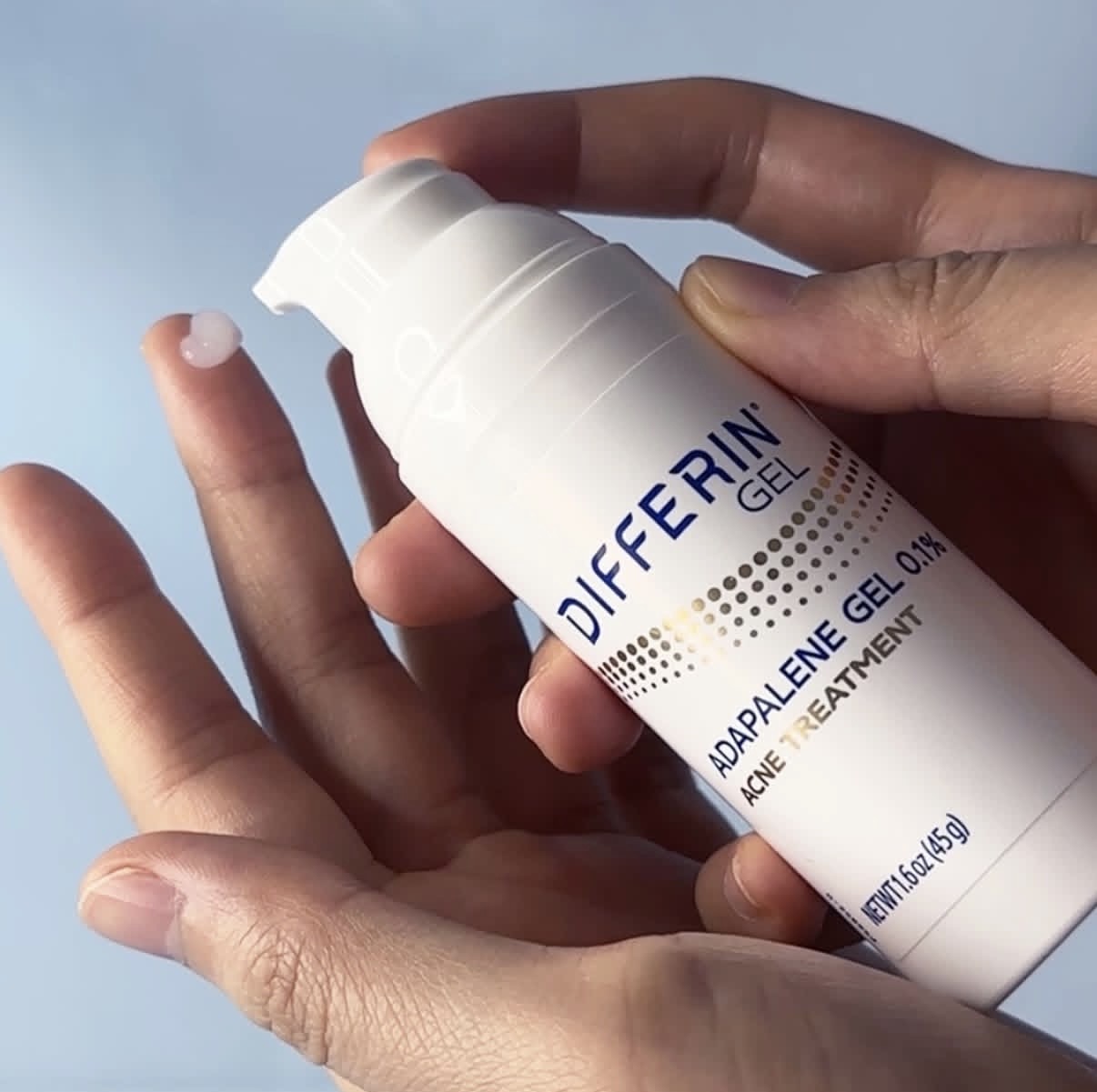
Using too much adapalene will not produce faster results. After cleansing and thoroughly drying the skin, apply a pea-sized amount across the entire face. Focus on thin, even coverage rather than spot-treating individual blemishes.
Many dermatologists recommend the following order:
Cleanser → Moisturizer → Adapalene → Moisturizer (if needed)
This method, often called the “sandwich technique,” can help reduce irritation during the adjustment period.
What Should You Avoid While Using Adapalene?
The most common mistake is combining too many powerful active ingredients at once.
Be cautious with:
- Strong exfoliating acids
- Harsh scrubs
- Multiple retinoids
- High-strength chemical peels
- Excessive use of benzoyl peroxide without professional guidance
Skin often responds best when routines remain simple and consistent.
What About Adapalene and Benzoyl Peroxide?
Adapalene and benzoyl peroxide are frequently paired together for acne treatment. In fact, some products combine both ingredients in a single formula. Adapalene helps prevent clogged pores, while benzoyl peroxide targets acne-causing bacteria, making them a powerful combination for many people. That said, combining them can increase dryness and irritation, so gradual introduction remains important.
Shop editor’s edit
Final Thoughts
Adapalene has earned its reputation as one of the most effective over-the-counter acne treatments available today. While it is not technically retinol, it belongs to the same vitamin A family and delivers many of the skin-renewing benefits that make retinoids so widely respected.
For anyone trying to understand whether adapalene should be viewed as a form of retinol, the simplest answer is that it is a retinoid with its own unique strengths. Used consistently, paired with moisturizer and sunscreen, and given enough time to work, adapalene can become a valuable tool for clearer skin, smoother texture, and a healthier-looking complexion.
Featured image: Courtesy of Babor
—Read also
Source link
#Adapalene #Retinol


Post Comment