
Luxury has always reflected what people value most. There was a time when status was measured by designer labels, exclusive memberships, or the latest must-have accessory. While those symbols haven’t disappeared, they are no longer the only things people aspire to. Increasingly, the most enviable lifestyle isn’t defined by what someone owns—it’s defined by how they feel.
Looking well-rested, having the energy to stay productive throughout the day, maintaining healthy-looking skin, and making time for movement have become subtle indicators of a life that’s balanced rather than constantly rushed. In an era where burnout is common and schedules are packed, well-being has become something many people aspire to just as much as luxury fashion or travel.
Perhaps the biggest shift is that wellness is no longer viewed as a trend. It is becoming a lifestyle built around habits that support long-term health, resilience, and quality of life.
The New Luxury Is Having Time to Care for Yourself
Modern life often celebrates being busy, but constant productivity comes at a cost. Long workdays, endless notifications, irregular meals, and poor sleep have made feeling genuinely rested surprisingly uncommon.
That is why simple routines—cooking nutritious meals, exercising regularly, or getting enough sleep—can feel luxurious. They are not necessarily expensive, but they require something that is increasingly difficult to protect: time.
Rather than chasing quick fixes, more people are investing in habits that help them feel their best consistently. Research continues to show that regular physical activity, adequate sleep, and balanced nutrition play a fundamental role in overall health and well-being.
Simplicity Is Replacing Excess
The wellness industry has no shortage of products promising dramatic transformations, yet many people are moving in the opposite direction. Instead of adding more, they are simplifying.
A thoughtful morning routine often looks less like a shelf filled with wellness trends and more like a handful of consistent practices: drinking enough water, eating protein-rich meals, spending time outdoors, and moving the body regularly.
This philosophy extends to nutrition as well. Rather than relying on complicated supplement stacks, many consumers prefer products with short ingredient lists and transparent sourcing.
For those looking to support hydration during busy workdays, travel, or exercise, electrolyte powders can be a practical addition to an already balanced routine, particularly when they are made without unnecessary fillers or excessive sugar. The emphasis is not on doing more; it is on choosing better.
Beauty Is Increasingly Viewed From the Inside Out
The beauty conversation has evolved beyond finding the perfect serum or following the latest skincare trend. While topical products remain important, there is growing recognition that healthy-looking skin is influenced by lifestyle factors that begin long before a moisturizer is applied.
Consistent sleep, stress management, adequate hydration, regular physical activity, and a balanced diet all contribute to overall skin health. No supplement can replace these foundations, but some people choose to complement them with nutritional products that fit naturally into their daily routines.
For example, collagen peptides have become a popular option among people looking to support their overall wellness regimen. Because collagen is a protein naturally found in connective tissues, hydrolyzed collagen supplements have been studied for their potential to support skin hydration and elasticity when consumed consistently alongside a balanced diet. Rather than serving as a shortcut, they work best as part of broader healthy lifestyle habits.
Wellness Is Becoming More Personal
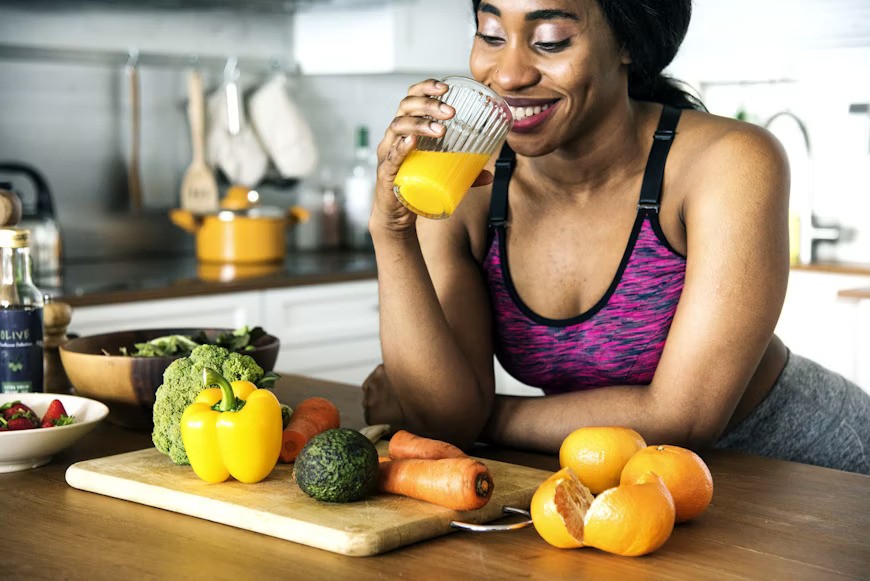
Another reason wellness feels luxurious is that it looks different for everyone. For one person, it might mean preparing balanced meals throughout the week. For another, it is protecting eight hours of sleep or taking an evening walk without checking a phone. Someone else may prioritize strength training, meditation, or simply drinking more water throughout the day. Unlike fashion trends that change every season, these habits are not driven by popularity. They are shaped by individual goals, routines, and values.
This personalized approach also explains why many people are becoming more intentional about the products they choose. Instead of following every trend, they are asking different questions: Is this supported by evidence? Does it fit into my routine? Is the ingredient list straightforward? Does it help me maintain habits I can realistically sustain?
The Most Aspirational Lifestyle Is the One That’s Sustainable
The definition of success has expanded. Looking polished still matters, but feeling energized, sleeping well, and maintaining habits that support long-term health have become equally aspirational.
Perhaps that is why wellness has become the new status symbol. It is less about displaying what you have purchased and more about demonstrating the consistency to care for yourself every day.
In the end, true luxury is not found in having more. It is found in having the time, energy, and intention to invest in your well-being, and in building routines that continue to support you long after the latest trends have faded.
Featured image: PeopleImages/iStock
—Read also
Source link
#Wellness #Ultimate #Modern #Luxury


Post Comment