×
Can US Measles Outbreaks Be Stopped?

Can US Measles Outbreaks Be Stopped?

The US is experiencing its worst year for measles in over three decades, with more than 1,300 cases in 40 states as of July 16. Cases were almost as high in 2019, putting the country’s measles elimination status at risk. Six years ago, health officials were able to stop the spread. But amid growing public backlash against vaccines, many of the tactics used then may not work now.

Measles elimination means there has been no continuous transmission in a country for longer than 12 months. That almost happened in the 2019 outbreak, which largely affected Orthodox Jewish populations in New York City and some surrounding counties. In fall 2018, US travelers returning from Israel tested positive for measles. The disease quickly spread throughout close-knit communities, especially among children, due to low vaccination rates. While the statewide measles vaccination rate for school-age children was 98 percent the previous school year, vaccination coverage in schools in the outbreak area was only 77 percent. Because measles is highly contagious, a 95 percent vaccination rate is needed to protect a community from the disease.

As a result, the majority of measles cases occurred in individuals 18 and under, nearly 86 percent of whom were known to be unvaccinated. Some of those people developed severe complications, including pneumonia, and nearly 8 percent were hospitalized.

The current surge is being fueled by an outbreak that started in an undervaccinated Mennonite community in West Texas. Cases have since spread to other Texas counties, New Mexico, and Oklahoma. Two children in Texas with no underlying conditions and one adult in New Mexico have died this year as a result of measles. All were unvaccinated.

“There are definitely parallels. What we saw in New York was very much the result of years and years of spread of misinformation and disinformation around the safety of vaccines,” says Neil Vora, executive director of Preventing Pandemics at the Source Coalition and previously a medical epidemiologist at the Centers for Disease Control and Prevention who helped respond to the 2019 outbreak.

Cases eventually burned out in New York after a months-long effort that included both traditional public health approaches and policy changes at the local and state level.

“You need to take the first case seriously, because it’s like kindling. You never know when that fire is just going to break out,” says Oxiris Barbot, the current president and CEO of the United Hospital Fund, who served as New York City’s health commissioner from 2018 to 2020.

As the disease spread, Barbot realized the city health department would need to go to the source of transmission, largely the Orthodox Jewish schools in affected neighborhoods. Working with school administrators, they reviewed vaccination records to identify unvaccinated or under-vaccinated children. Following an exposure, those children were prohibited from attending school and childcare for 21 days, the incubation period for measles. Similar measures were taken in some counties outside the city.

“It took a lot of staff time, a lot of leg work,” Barbot says. In one school, a contagious child led to more than 25 infections in other students and further spread outside the school. She says the health department was “heavily involved” in making sure schools were abiding by the quarantine measures.”

Source link
#Measles #Outbreaks #Stopped


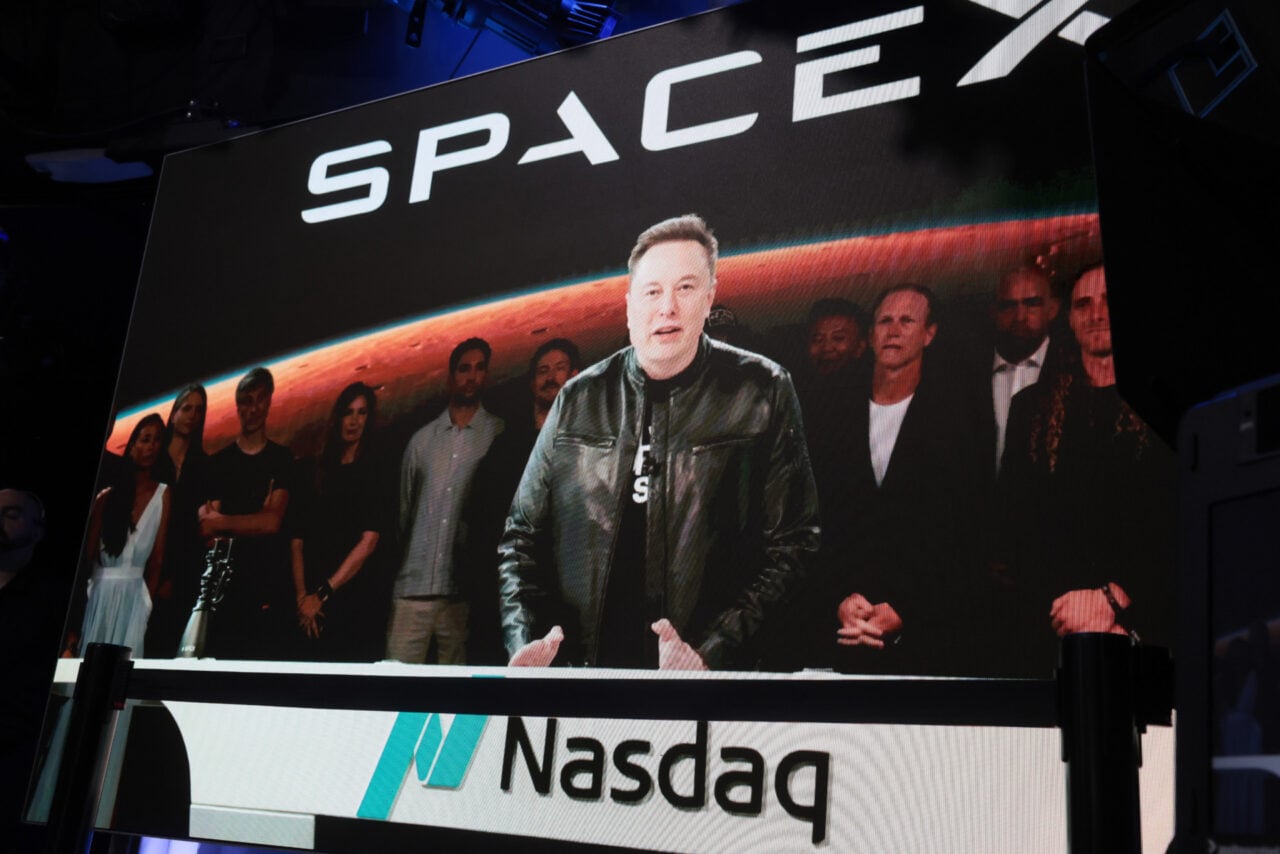
Elon Musk’s SpaceX spent an eye-watering $18.4 billion in its first quarter as a publicly traded company and warned investors to expect similarly high spending in the next two financial quarters, sending the stock price down more than 8% in late trading on Tuesday evening. A whopping $15.8 billion of that spending was to power its artificial intelligence efforts, a division that ended the quarter with a $1.3 billion net operating loss.

The figure comes from the company’s first earnings report since the record-setting initial public offering hit the market in mid-June. Although the IPO was surely an amazing day for Musk, who briefly became the world’s first trillionaire, things have not been all peachy since then, with the stock price currently well below its IPO price. As of last week, the company’s stock was so far down from its IPO highs that the value it shed was roughly equal to Musk’s other company, Tesla’s, market capitalization. Tuesday’s stock sales are unlikely to help that scenario, and neither is the fact that the company’s first lockup period ends on Thursday, meaning some company insiders will be able to sell more than $100 billion worth of stock for the first time since SpaceX went public.

To ease some of those worries, Musk promised dramatic AI advancements.

“Our rate of growth certainly is faster than anyone else, and our efficiency of compute deployment I think is also the highest,” Musk claimed. “So we expect to end this year with over two gigawatts of compute, and probably our cumulative compute online by the end of next year will be several times higher.”

Those compute plans are ambitious, but Musk struck a defiant tone against any doubters in the earnings call on Tuesday.

“The terrestrial data centers are a trivial problem compared to making gigantic reusable rockets which are launched frequently,” Musk said.

Musk said SpaceX’s data centers will be exclusively built on Nvidia chips. The two companies are also partnering to build Starmind AI satellites, a part of SpaceX’s even more ambitious plan to put a giant colony of up to a million AI data centers in Earth’s orbit. Some experts are hesitant that Musk and his company will be able to pull off the space-based data center colony plan, while many have also raised concerns about the environmental, economic, and social impact of such a huge launch program if it does pan out as promised.

On the call, Musk said that SpaceX would begin launching the Starmind AI satellites in 2027.

The company will also be unveiling Grok 5 before the end of the year, which Musk said would be trained on “all the data that SpaceX has ever produced,” making the chatbot “by far the best engineer.” Musk has previously claimed the yet-to-be-unveiled LLM will be AGI-level, aka a contested hypothetical AI that would theoretically equal or beat all human capabilities.

“We expect the cadence of AI development to improve dramatically,” Musk said. “I think, by the end of next year, it’s not clear to me that there’s anything digital at least that AI won’t be able to do based on the current rate of improvement.”

All of this comes with a huge, obvious caveat: Musk has long had a penchant for overpromising. His hefty promises extended beyond the AI sphere on Tuesday as well, with the CEO claiming that the company’s space business would be launching a rocket a day by next year and that there will be robots working in manufacturing operations on the literal Moon.

“I know this sounds totally nuts, but you can probably scale to a thousand times the economy of Earth in terms of intelligence launched to space, but probably maybe even a million times,” Musk claimed. “We’re going to build the factories on the Moon; the robots will be helpful with that.

#SpaceX #Stock #Drops #Earnings #Call #Musk #Fails #Woo #Investors #Goalscapex,Elon Musk,SPACEX">SpaceX Stock Drops After First Earnings Call as Musk Fails to Woo Investors With AI Goals
                Elon Musk’s SpaceX spent an eye-watering .4 billion in its first quarter as a publicly traded company and warned investors to expect similarly high spending in the next two financial quarters, sending the stock price down more than 8% in late trading on Tuesday evening. A whopping .8 billion of that spending was to power its artificial intelligence efforts, a division that ended the quarter with a .3 billion net operating loss. The figure comes from the company’s first earnings report since the record-setting initial public offering hit the market in mid-June. Although the IPO was surely an amazing day for Musk, who briefly became the world’s first trillionaire, things have not been all peachy since then, with the stock price currently well below its IPO price. As of last week, the company’s stock was so far down from its IPO highs that the value it shed was roughly equal to Musk’s other company, Tesla’s, market capitalization. Tuesday’s stock sales are unlikely to help that scenario, and neither is the fact that the company’s first lockup period ends on Thursday, meaning some company insiders will be able to sell more than 0 billion worth of stock for the first time since SpaceX went public. To ease some of those worries, Musk promised dramatic AI advancements. “Our rate of growth certainly is faster than anyone else, and our efficiency of compute deployment I think is also the highest,” Musk claimed. “So we expect to end this year with over two gigawatts of compute, and probably our cumulative compute online by the end of next year will be several times higher.”

 Those compute plans are ambitious, but Musk struck a defiant tone against any doubters in the earnings call on Tuesday. “The terrestrial data centers are a trivial problem compared to making gigantic reusable rockets which are launched frequently,” Musk said.

 Musk said SpaceX’s data centers will be exclusively built on Nvidia chips. The two companies are also partnering to build Starmind AI satellites, a part of SpaceX’s even more ambitious plan to put a giant colony of up to a million AI data centers in Earth’s orbit. Some experts are hesitant that Musk and his company will be able to pull off the space-based data center colony plan, while many have also raised concerns about the environmental, economic, and social impact of such a huge launch program if it does pan out as promised. On the call, Musk said that SpaceX would begin launching the Starmind AI satellites in 2027.

 The company will also be unveiling Grok 5 before the end of the year, which Musk said would be trained on “all the data that SpaceX has ever produced,” making the chatbot “by far the best engineer.” Musk has previously claimed the yet-to-be-unveiled LLM will be AGI-level, aka a contested hypothetical AI that would theoretically equal or beat all human capabilities. “We expect the cadence of AI development to improve dramatically,” Musk said. “I think, by the end of next year, it’s not clear to me that there’s anything digital at least that AI won’t be able to do based on the current rate of improvement.” All of this comes with a huge, obvious caveat: Musk has long had a penchant for overpromising. His hefty promises extended beyond the AI sphere on Tuesday as well, with the CEO claiming that the company’s space business would be launching a rocket a day by next year and that there will be robots working in manufacturing operations on the literal Moon.

 “I know this sounds totally nuts, but you can probably scale to a thousand times the economy of Earth in terms of intelligence launched to space, but probably maybe even a million times,” Musk claimed. “We’re going to build the factories on the Moon; the robots will be helpful with that.      #SpaceX #Stock #Drops #Earnings #Call #Musk #Fails #Woo #Investors #Goalscapex,Elon Musk,SPACEX

down more than 8% in late trading on Tuesday evening. A whopping $15.8 billion of that spending was to power its artificial intelligence efforts, a division that ended the quarter with a $1.3 billion net operating loss.

The figure comes from the company’s first earnings report since the record-setting initial public offering hit the market in mid-June. Although the IPO was surely an amazing day for Musk, who briefly became the world’s first trillionaire, things have not been all peachy since then, with the stock price currently well below its IPO price. As of last week, the company’s stock was so far down from its IPO highs that the value it shed was roughly equal to Musk’s other company, Tesla’s, market capitalization. Tuesday’s stock sales are unlikely to help that scenario, and neither is the fact that the company’s first lockup period ends on Thursday, meaning some company insiders will be able to sell more than $100 billion worth of stock for the first time since SpaceX went public.

To ease some of those worries, Musk promised dramatic AI advancements.

“Our rate of growth certainly is faster than anyone else, and our efficiency of compute deployment I think is also the highest,” Musk claimed. “So we expect to end this year with over two gigawatts of compute, and probably our cumulative compute online by the end of next year will be several times higher.”

Those compute plans are ambitious, but Musk struck a defiant tone against any doubters in the earnings call on Tuesday.

“The terrestrial data centers are a trivial problem compared to making gigantic reusable rockets which are launched frequently,” Musk said.

Musk said SpaceX’s data centers will be exclusively built on Nvidia chips. The two companies are also partnering to build Starmind AI satellites, a part of SpaceX’s even more ambitious plan to put a giant colony of up to a million AI data centers in Earth’s orbit. Some experts are hesitant that Musk and his company will be able to pull off the space-based data center colony plan, while many have also raised concerns about the environmental, economic, and social impact of such a huge launch program if it does pan out as promised.

On the call, Musk said that SpaceX would begin launching the Starmind AI satellites in 2027.

The company will also be unveiling Grok 5 before the end of the year, which Musk said would be trained on “all the data that SpaceX has ever produced,” making the chatbot “by far the best engineer.” Musk has previously claimed the yet-to-be-unveiled LLM will be AGI-level, aka a contested hypothetical AI that would theoretically equal or beat all human capabilities.

“We expect the cadence of AI development to improve dramatically,” Musk said. “I think, by the end of next year, it’s not clear to me that there’s anything digital at least that AI won’t be able to do based on the current rate of improvement.”

All of this comes with a huge, obvious caveat: Musk has long had a penchant for overpromising. His hefty promises extended beyond the AI sphere on Tuesday as well, with the CEO claiming that the company’s space business would be launching a rocket a day by next year and that there will be robots working in manufacturing operations on the literal Moon.

“I know this sounds totally nuts, but you can probably scale to a thousand times the economy of Earth in terms of intelligence launched to space, but probably maybe even a million times,” Musk claimed. “We’re going to build the factories on the Moon; the robots will be helpful with that.

#SpaceX #Stock #Drops #Earnings #Call #Musk #Fails #Woo #Investors #Goalscapex,Elon Musk,SPACEX">SpaceX Stock Drops After First Earnings Call as Musk Fails to Woo Investors With AI GoalsSpaceX Stock Drops After First Earnings Call as Musk Fails to Woo Investors With AI Goals
                Elon Musk’s SpaceX spent an eye-watering $18.4 billion in its first quarter as a publicly traded company and warned investors to expect similarly high spending in the next two financial quarters, sending the stock price down more than 8% in late trading on Tuesday evening. A whopping $15.8 billion of that spending was to power its artificial intelligence efforts, a division that ended the quarter with a $1.3 billion net operating loss. The figure comes from the company’s first earnings report since the record-setting initial public offering hit the market in mid-June. Although the IPO was surely an amazing day for Musk, who briefly became the world’s first trillionaire, things have not been all peachy since then, with the stock price currently well below its IPO price. As of last week, the company’s stock was so far down from its IPO highs that the value it shed was roughly equal to Musk’s other company, Tesla’s, market capitalization. Tuesday’s stock sales are unlikely to help that scenario, and neither is the fact that the company’s first lockup period ends on Thursday, meaning some company insiders will be able to sell more than $100 billion worth of stock for the first time since SpaceX went public. To ease some of those worries, Musk promised dramatic AI advancements. “Our rate of growth certainly is faster than anyone else, and our efficiency of compute deployment I think is also the highest,” Musk claimed. “So we expect to end this year with over two gigawatts of compute, and probably our cumulative compute online by the end of next year will be several times higher.”

 Those compute plans are ambitious, but Musk struck a defiant tone against any doubters in the earnings call on Tuesday. “The terrestrial data centers are a trivial problem compared to making gigantic reusable rockets which are launched frequently,” Musk said.

 Musk said SpaceX’s data centers will be exclusively built on Nvidia chips. The two companies are also partnering to build Starmind AI satellites, a part of SpaceX’s even more ambitious plan to put a giant colony of up to a million AI data centers in Earth’s orbit. Some experts are hesitant that Musk and his company will be able to pull off the space-based data center colony plan, while many have also raised concerns about the environmental, economic, and social impact of such a huge launch program if it does pan out as promised. On the call, Musk said that SpaceX would begin launching the Starmind AI satellites in 2027.

 The company will also be unveiling Grok 5 before the end of the year, which Musk said would be trained on “all the data that SpaceX has ever produced,” making the chatbot “by far the best engineer.” Musk has previously claimed the yet-to-be-unveiled LLM will be AGI-level, aka a contested hypothetical AI that would theoretically equal or beat all human capabilities. “We expect the cadence of AI development to improve dramatically,” Musk said. “I think, by the end of next year, it’s not clear to me that there’s anything digital at least that AI won’t be able to do based on the current rate of improvement.” All of this comes with a huge, obvious caveat: Musk has long had a penchant for overpromising. His hefty promises extended beyond the AI sphere on Tuesday as well, with the CEO claiming that the company’s space business would be launching a rocket a day by next year and that there will be robots working in manufacturing operations on the literal Moon.

 “I know this sounds totally nuts, but you can probably scale to a thousand times the economy of Earth in terms of intelligence launched to space, but probably maybe even a million times,” Musk claimed. “We’re going to build the factories on the Moon; the robots will be helpful with that.      #SpaceX #Stock #Drops #Earnings #Call #Musk #Fails #Woo #Investors #Goalscapex,Elon Musk,SPACEX

Elon Musk’s SpaceX spent an eye-watering $18.4 billion in its first quarter as a publicly traded company and warned investors to expect similarly high spending in the next two financial quarters, sending the stock price down more than 8% in late trading on Tuesday evening. A whopping $15.8 billion of that spending was to power its artificial intelligence efforts, a division that ended the quarter with a $1.3 billion net operating loss.

The figure comes from the company’s first earnings report since the record-setting initial public offering hit the market in mid-June. Although the IPO was surely an amazing day for Musk, who briefly became the world’s first trillionaire, things have not been all peachy since then, with the stock price currently well below its IPO price. As of last week, the company’s stock was so far down from its IPO highs that the value it shed was roughly equal to Musk’s other company, Tesla’s, market capitalization. Tuesday’s stock sales are unlikely to help that scenario, and neither is the fact that the company’s first lockup period ends on Thursday, meaning some company insiders will be able to sell more than $100 billion worth of stock for the first time since SpaceX went public.

To ease some of those worries, Musk promised dramatic AI advancements.

“Our rate of growth certainly is faster than anyone else, and our efficiency of compute deployment I think is also the highest,” Musk claimed. “So we expect to end this year with over two gigawatts of compute, and probably our cumulative compute online by the end of next year will be several times higher.”

Those compute plans are ambitious, but Musk struck a defiant tone against any doubters in the earnings call on Tuesday.

“The terrestrial data centers are a trivial problem compared to making gigantic reusable rockets which are launched frequently,” Musk said.

Musk said SpaceX’s data centers will be exclusively built on Nvidia chips. The two companies are also partnering to build Starmind AI satellites, a part of SpaceX’s even more ambitious plan to put a giant colony of up to a million AI data centers in Earth’s orbit. Some experts are hesitant that Musk and his company will be able to pull off the space-based data center colony plan, while many have also raised concerns about the environmental, economic, and social impact of such a huge launch program if it does pan out as promised.

On the call, Musk said that SpaceX would begin launching the Starmind AI satellites in 2027.

The company will also be unveiling Grok 5 before the end of the year, which Musk said would be trained on “all the data that SpaceX has ever produced,” making the chatbot “by far the best engineer.” Musk has previously claimed the yet-to-be-unveiled LLM will be AGI-level, aka a contested hypothetical AI that would theoretically equal or beat all human capabilities.

“We expect the cadence of AI development to improve dramatically,” Musk said. “I think, by the end of next year, it’s not clear to me that there’s anything digital at least that AI won’t be able to do based on the current rate of improvement.”

All of this comes with a huge, obvious caveat: Musk has long had a penchant for overpromising. His hefty promises extended beyond the AI sphere on Tuesday as well, with the CEO claiming that the company’s space business would be launching a rocket a day by next year and that there will be robots working in manufacturing operations on the literal Moon.

“I know this sounds totally nuts, but you can probably scale to a thousand times the economy of Earth in terms of intelligence launched to space, but probably maybe even a million times,” Musk claimed. “We’re going to build the factories on the Moon; the robots will be helpful with that.

#SpaceX #Stock #Drops #Earnings #Call #Musk #Fails #Woo #Investors #Goalscapex,Elon Musk,SPACEX

real-life ray gun into a 747 to shoot down ballistic missiles and stuck a laser on top of a Humvee to zap roadside bombs. For more than 50 years, the United States military and its researchers have tried to develop laser weapons. None of them panned out.

But now, the US Army is about to make a working laser weapon an official part of its arsenal. The Pentagon is poised to sign a contract to acquire and rapidly deploy what’s called an Enduring High Energy Laser in and around bases across the world to defend them from drone attacks, according to sources familiar with the matter. The official announcement could come as early as this week. When the deal is signed, it will mark the first time that the US military will have committed to equipping its forces with laser weapons in significant numbers.

“For years, lasers were going to be the future, and they never really came to their own. Now, they’re actually coming to their own,” Mark J. Lewis, the former Air Force chief scientist, tells WIRED.

The Iran and Ukraine wars have shown that drones are now so cheap, so plentiful, and so deadly that they’re impossible to stop with any single countermeasure. Some of the traditional ones have been particularly clunky. During the early days of the Iran conflict, the US even resorted to firing $4 million Patriot missiles at $35,000 Iranian drones—a waste of money, and a move that depleted the American interceptor stockpile.

Modern lasers, on the other hand, never run out of ammunition. “Basically, you can keep firing them as long as you’ve got power,” Lewis says. “There are some other issues with lasers, including how rapidly you can refire and recharge. But if you solve those problems, then suddenly you’ve got a pretty nifty way to help counteract things like a drone swarm attack.”

That’s one reason why the US military, at this moment, has either deployed or is actively testing a half-dozen laser weapons systems, according to the Laser Wars newsletter. The Navy has installed laser “dazzlers” on two of its ships to blind drones’ electro-optical sensors. The Air Force’s command for Europe and Africa has sent Boeing’s Compact Laser Weapons System “to locations across the theater.” In late June, Defense Secretary Pete Hegseth traveled to the Army’s test range in White Sands, New Mexico, for a demonstration of all sorts of directed-energy weapon projects.

The deployments haven’t all gone great. Four vehicles equipped with Raytheon air-defense lasers were yanked from the Middle East after poor reviews from soldiers. One laser, built by the defense contractor AeroVironment and positioned along the southern US border, accidentally zapped a party balloon in February, causing the Federal Aviation Administration to briefly close the airspace around El Paso, Texas. Once it was reopened, the laser shot down a Border Patrol drone by mistake.

Despite such mishaps, the Army appears ready to go beyond the one-offs and the experiments. In fact, in some ways, the accidental kill helped make the case for the laser, proving it could actually take out such a drone.

The Pentagon and its suppliers had been scrambling to field something, anything to defend against mass-produced, low-cost attack drones. They’ve rolled out radio frequency jammers, microwave weapons, an array of missiles, drones designed to kill other drones, even copies of the Iranian robots. None of them in isolation have been enough. On March 1, an Iranian drone killed six US service members and injured 30 others.

#Landmark #Deal #Officially #Add #Laser #Weapons #Army #Arsenallasers,drones,weapons and ammo,iran,military,military tech,army">Landmark Deal Would Officially Add Laser Weapons to US Army ArsenalThey stuffed a real-life ray gun into a 747 to shoot down ballistic missiles and stuck a laser on top of a Humvee to zap roadside bombs. For more than 50 years, the United States military and its researchers have tried to develop laser weapons. None of them panned out.But now, the US Army is about to make a working laser weapon an official part of its arsenal. The Pentagon is poised to sign a contract to acquire and rapidly deploy what’s called an Enduring High Energy Laser in and around bases across the world to defend them from drone attacks, according to sources familiar with the matter. The official announcement could come as early as this week. When the deal is signed, it will mark the first time that the US military will have committed to equipping its forces with laser weapons in significant numbers.“For years, lasers were going to be the future, and they never really came to their own. Now, they’re actually coming to their own,” Mark J. Lewis, the former Air Force chief scientist, tells WIRED.The Iran and Ukraine wars have shown that drones are now so cheap, so plentiful, and so deadly that they’re impossible to stop with any single countermeasure. Some of the traditional ones have been particularly clunky. During the early days of the Iran conflict, the US even resorted to firing  million Patriot missiles at ,000 Iranian drones—a waste of money, and a move that depleted the American interceptor stockpile.Modern lasers, on the other hand, never run out of ammunition. “Basically, you can keep firing them as long as you’ve got power,” Lewis says. “There are some other issues with lasers, including how rapidly you can refire and recharge. But if you solve those problems, then suddenly you’ve got a pretty nifty way to help counteract things like a drone swarm attack.”That’s one reason why the US military, at this moment, has either deployed or is actively testing a half-dozen laser weapons systems, according to the Laser Wars newsletter. The Navy has installed laser “dazzlers” on two of its ships to blind drones’ electro-optical sensors. The Air Force’s command for Europe and Africa has sent Boeing’s Compact Laser Weapons System “to locations across the theater.” In late June, Defense Secretary Pete Hegseth traveled to the Army’s test range in White Sands, New Mexico, for a demonstration of all sorts of directed-energy weapon projects.The deployments haven’t all gone great. Four vehicles equipped with Raytheon air-defense lasers were yanked from the Middle East after poor reviews from soldiers. One laser, built by the defense contractor AeroVironment and positioned along the southern US border, accidentally zapped a party balloon in February, causing the Federal Aviation Administration to briefly close the airspace around El Paso, Texas. Once it was reopened, the laser shot down a Border Patrol drone by mistake.Despite such mishaps, the Army appears ready to go beyond the one-offs and the experiments. In fact, in some ways, the accidental kill helped make the case for the laser, proving it could actually take out such a drone.The Pentagon and its suppliers had been scrambling to field something, anything to defend against mass-produced, low-cost attack drones. They’ve rolled out radio frequency jammers, microwave weapons, an array of missiles, drones designed to kill other drones, even copies of the Iranian robots. None of them in isolation have been enough. On March 1, an Iranian drone killed six US service members and injured 30 others.#Landmark #Deal #Officially #Add #Laser #Weapons #Army #Arsenallasers,drones,weapons and ammo,iran,military,military tech,army

to shoot down ballistic missiles and stuck a laser on top of a Humvee to zap roadside bombs. For more than 50 years, the United States military and its researchers have tried to develop laser weapons. None of them panned out.

But now, the US Army is about to make a working laser weapon an official part of its arsenal. The Pentagon is poised to sign a contract to acquire and rapidly deploy what’s called an Enduring High Energy Laser in and around bases across the world to defend them from drone attacks, according to sources familiar with the matter. The official announcement could come as early as this week. When the deal is signed, it will mark the first time that the US military will have committed to equipping its forces with laser weapons in significant numbers.

“For years, lasers were going to be the future, and they never really came to their own. Now, they’re actually coming to their own,” Mark J. Lewis, the former Air Force chief scientist, tells WIRED.

The Iran and Ukraine wars have shown that drones are now so cheap, so plentiful, and so deadly that they’re impossible to stop with any single countermeasure. Some of the traditional ones have been particularly clunky. During the early days of the Iran conflict, the US even resorted to firing $4 million Patriot missiles at $35,000 Iranian drones—a waste of money, and a move that depleted the American interceptor stockpile.

Modern lasers, on the other hand, never run out of ammunition. “Basically, you can keep firing them as long as you’ve got power,” Lewis says. “There are some other issues with lasers, including how rapidly you can refire and recharge. But if you solve those problems, then suddenly you’ve got a pretty nifty way to help counteract things like a drone swarm attack.”

That’s one reason why the US military, at this moment, has either deployed or is actively testing a half-dozen laser weapons systems, according to the Laser Wars newsletter. The Navy has installed laser “dazzlers” on two of its ships to blind drones’ electro-optical sensors. The Air Force’s command for Europe and Africa has sent Boeing’s Compact Laser Weapons System “to locations across the theater.” In late June, Defense Secretary Pete Hegseth traveled to the Army’s test range in White Sands, New Mexico, for a demonstration of all sorts of directed-energy weapon projects.

The deployments haven’t all gone great. Four vehicles equipped with Raytheon air-defense lasers were yanked from the Middle East after poor reviews from soldiers. One laser, built by the defense contractor AeroVironment and positioned along the southern US border, accidentally zapped a party balloon in February, causing the Federal Aviation Administration to briefly close the airspace around El Paso, Texas. Once it was reopened, the laser shot down a Border Patrol drone by mistake.

Despite such mishaps, the Army appears ready to go beyond the one-offs and the experiments. In fact, in some ways, the accidental kill helped make the case for the laser, proving it could actually take out such a drone.

The Pentagon and its suppliers had been scrambling to field something, anything to defend against mass-produced, low-cost attack drones. They’ve rolled out radio frequency jammers, microwave weapons, an array of missiles, drones designed to kill other drones, even copies of the Iranian robots. None of them in isolation have been enough. On March 1, an Iranian drone killed six US service members and injured 30 others.

#Landmark #Deal #Officially #Add #Laser #Weapons #Army #Arsenallasers,drones,weapons and ammo,iran,military,military tech,army">Landmark Deal Would Officially Add Laser Weapons to US Army Arsenal

They stuffed a real-life ray gun into a 747 to shoot down ballistic missiles and stuck a laser on top of a Humvee to zap roadside bombs. For more than 50 years, the United States military and its researchers have tried to develop laser weapons. None of them panned out.

But now, the US Army is about to make a working laser weapon an official part of its arsenal. The Pentagon is poised to sign a contract to acquire and rapidly deploy what’s called an Enduring High Energy Laser in and around bases across the world to defend them from drone attacks, according to sources familiar with the matter. The official announcement could come as early as this week. When the deal is signed, it will mark the first time that the US military will have committed to equipping its forces with laser weapons in significant numbers.

“For years, lasers were going to be the future, and they never really came to their own. Now, they’re actually coming to their own,” Mark J. Lewis, the former Air Force chief scientist, tells WIRED.

The Iran and Ukraine wars have shown that drones are now so cheap, so plentiful, and so deadly that they’re impossible to stop with any single countermeasure. Some of the traditional ones have been particularly clunky. During the early days of the Iran conflict, the US even resorted to firing $4 million Patriot missiles at $35,000 Iranian drones—a waste of money, and a move that depleted the American interceptor stockpile.

Modern lasers, on the other hand, never run out of ammunition. “Basically, you can keep firing them as long as you’ve got power,” Lewis says. “There are some other issues with lasers, including how rapidly you can refire and recharge. But if you solve those problems, then suddenly you’ve got a pretty nifty way to help counteract things like a drone swarm attack.”

That’s one reason why the US military, at this moment, has either deployed or is actively testing a half-dozen laser weapons systems, according to the Laser Wars newsletter. The Navy has installed laser “dazzlers” on two of its ships to blind drones’ electro-optical sensors. The Air Force’s command for Europe and Africa has sent Boeing’s Compact Laser Weapons System “to locations across the theater.” In late June, Defense Secretary Pete Hegseth traveled to the Army’s test range in White Sands, New Mexico, for a demonstration of all sorts of directed-energy weapon projects.

The deployments haven’t all gone great. Four vehicles equipped with Raytheon air-defense lasers were yanked from the Middle East after poor reviews from soldiers. One laser, built by the defense contractor AeroVironment and positioned along the southern US border, accidentally zapped a party balloon in February, causing the Federal Aviation Administration to briefly close the airspace around El Paso, Texas. Once it was reopened, the laser shot down a Border Patrol drone by mistake.

Despite such mishaps, the Army appears ready to go beyond the one-offs and the experiments. In fact, in some ways, the accidental kill helped make the case for the laser, proving it could actually take out such a drone.

The Pentagon and its suppliers had been scrambling to field something, anything to defend against mass-produced, low-cost attack drones. They’ve rolled out radio frequency jammers, microwave weapons, an array of missiles, drones designed to kill other drones, even copies of the Iranian robots. None of them in isolation have been enough. On March 1, an Iranian drone killed six US service members and injured 30 others.

#Landmark #Deal #Officially #Add #Laser #Weapons #Army #Arsenallasers,drones,weapons and ammo,iran,military,military tech,army

Post Comment