
Let’s call it: lash care is officially a whole thing. Gone are the days of hiding your natural lashes under endless layers of faux ones. Sometimes, they need to breathe. And let’s be real, that’s never a valid excuse for a Shrek moment. Long, healthy lashes are always welcome, and honestly, knowing how to grow them back fast should count as a superpower.
From TikTok’s obsession with “clean girl mascara” to Instagram’s carousel of fluffy extensions, lashes have become cultural icons—much like brows in the Cara Delevingne era. But here’s the twist: behind all the mascara wands, lash lifts, and silk extensions lies the question nobody asks until it’s too late. How long do lashes actually take to grow back?
We’ve all been there. One aggressive makeup wipe, a lash curler clamped too tightly, or months of heavy extensions, and suddenly, there are gaps staring back at you in the mirror. That tiny strip of hair above your eyes holds surprising power, shaping your entire look. So when a few go missing, it feels bigger than it sounds. Every strand matters. And that’s where the curiosity kicks in because, unlike head hair, eyelashes follow their own unique growth cycle.
The science behind eyelash growth
Eyelashes, like all hair, grow in cycles: anagen (growth), catagen (transition), and telogen (resting). Yes, we’re dipping into niche jargon, but it matters. Unlike scalp hair, which can grow for years before shedding, lashes operate on a much shorter timeline. On average, it takes six to twelve weeks for a full regrowth, depending on factors like genetics and overall health.
In other words, patience really is the secret ingredient. The body is built to replenish them naturally, so even when the gaps feel dramatic, your lashes are already working on their comeback. And at the risk of making you roll your eyes—don’t worry, I’ll keep it quick—understanding the cycle makes the wait a little less frustrating.
Why do lashes fall out in the first place?
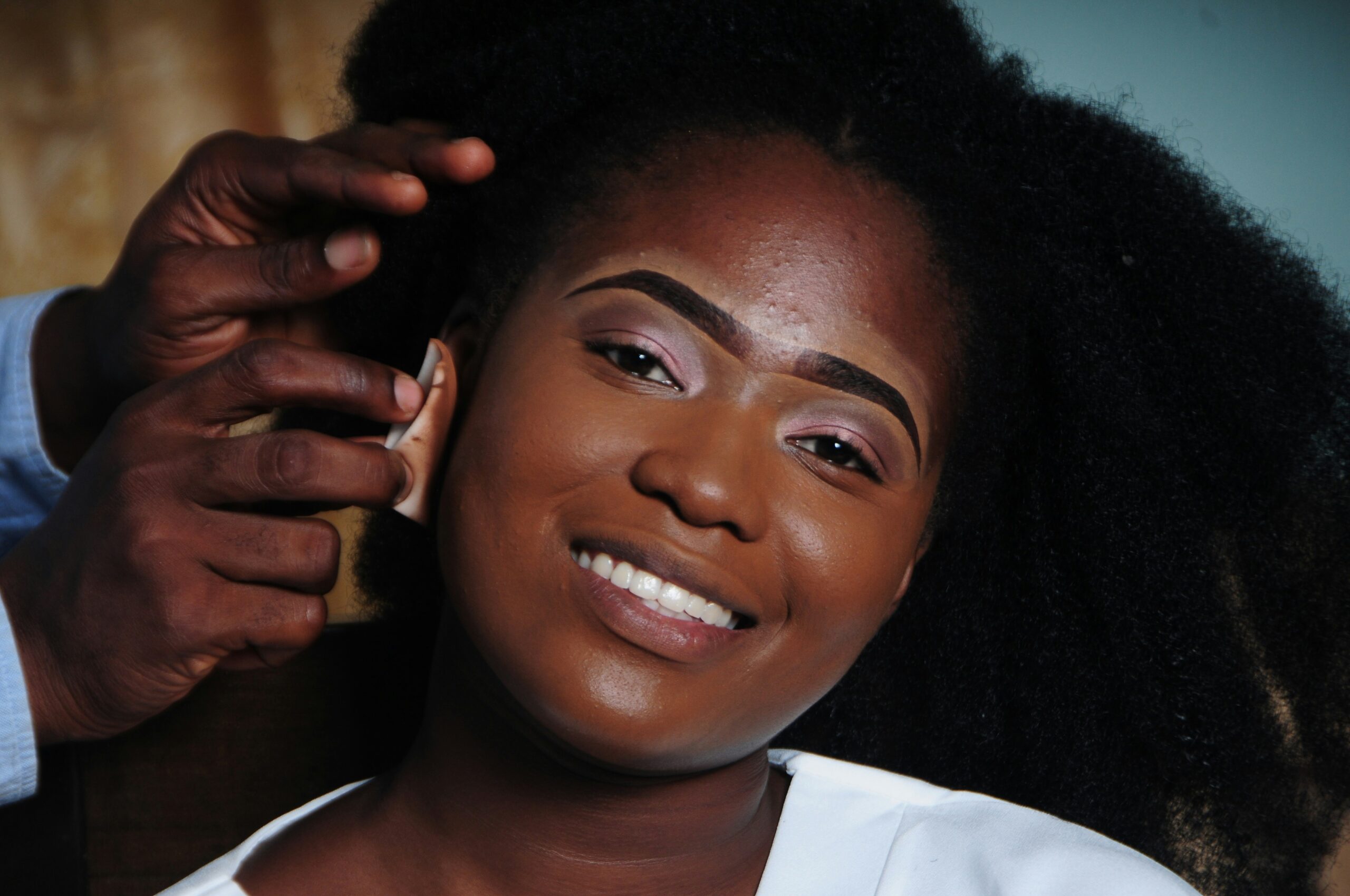
Losing lashes isn’t always a stroke of bad luck. More often than not, there are clear culprits behind the fallout—think extension stress, aggressive eye rubbing, sloppy makeup removal, medical or hormonal shifts, and yes, plain old everyday shedding. It sounds like a lot, but chances are you’ve been guilty of at least one. Remember that late night when you yanked off falsies instead of removing them properly? And, worse, it wasn’t even lash glue. It was wig glue. Enough said.
Take extensions, for example. If your lash tech goes too heavy or you skip fills, your natural lashes can weaken and shed faster. Then there’s allergy season, when constant eye-rubbing becomes second nature, or the damage caused by waterproof mascara paired with harsh wipes. Basically, lashes waving goodbye. Even your health can get involved. Thyroid imbalances, postpartum changes, or shifts in hormones can all impact lash density.
Of course, lashes do fall out naturally. Just like the hair on your head, you lose a few every day without noticing. But understanding why they fall makes all the difference. It not only explains how long regrowth might take but also helps you avoid habits that make the wait feel endless.
What’s the big deal when I have falsies on?
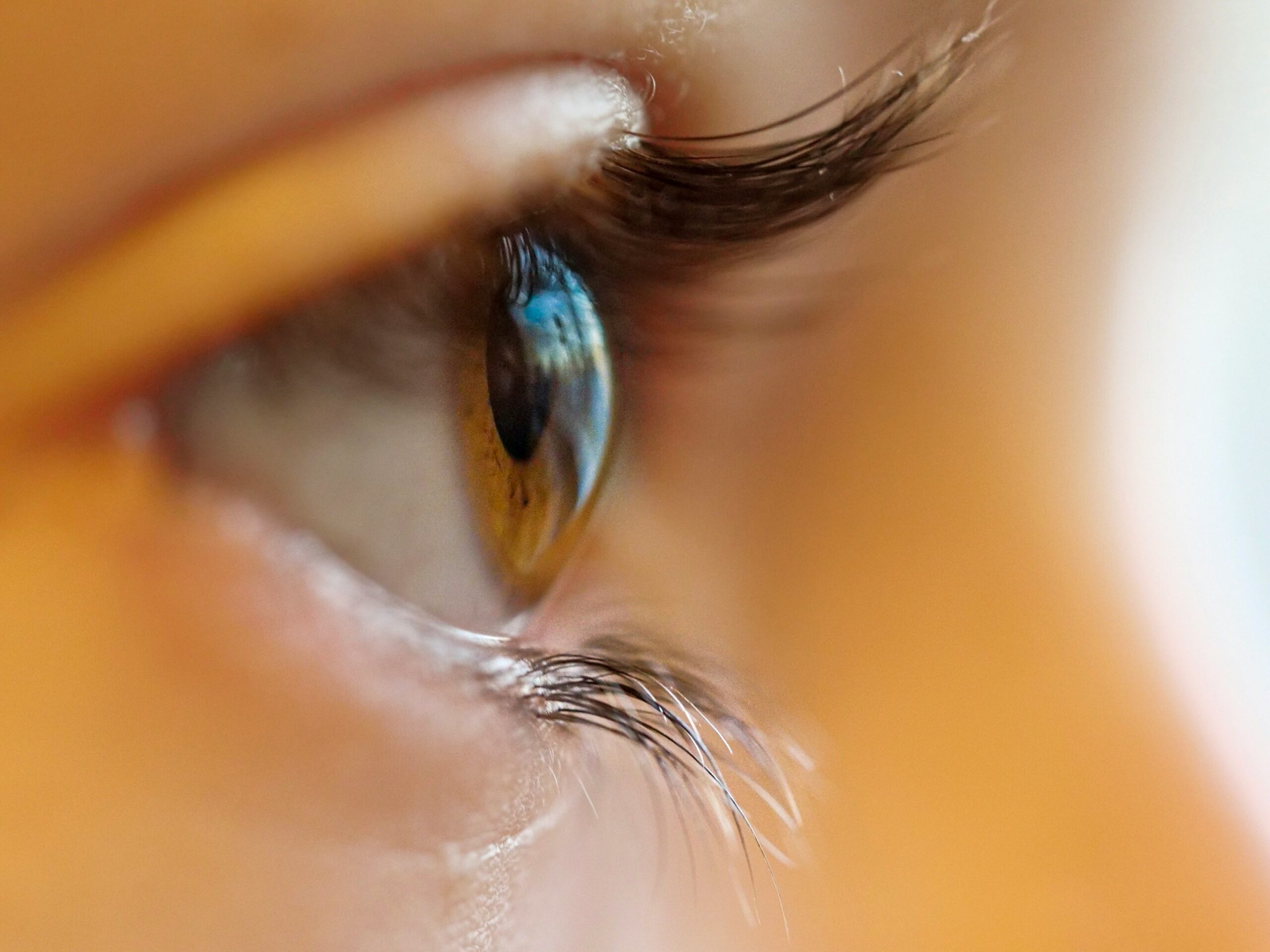
Extensions may deliver that instant “new lash life” effect, but let’s be clear, they’re only guests at the party. The real host is your natural lash line. Weak, sparse lashes can’t hold extensions for long, which means even the most skilled lash tech can only do so much.
Healthy regrowth, on the other hand, is a game-changer. It gives you options. Some months, you might crave the full-volume drama of extensions, while other times, you’ll lean into mascara-only simplicity. When your natural lashes are strong, you get to switch it up without fear of gaps or breakage.
And that’s the real reason lash regrowth matters. In a beauty era dominated by fakes and fills, the freedom to rely on your own lashes, even temporarily, feels like the ultimate flex.
Lash regrowth 101: What really works
The internet is overflowing with “lash hacks,” from castor oil to biotin gummies, but the truth? Results are mixed. Oils can help condition lashes so they don’t snap as easily, but they won’t magically speed up biology. The real MVPs of growth are a balanced diet, lash hygiene, and—yes—giving your eyes a break from nonstop extensions.
Think of it less as hacking time and more as creating the right conditions for lashes to thrive. Your body can’t conjure healthy lashes out of thin air. It needs building blocks. Protein, iron, omega-3s, and vitamins A, C, and E all fuel follicles to do their job. Hydration is key, too, since brittle hair (lashes included) is more likely to break before completing its cycle.
Then there’s hygiene. Just like skin, your lash line collects oil, dirt, and leftover makeup, which can clog follicles or weaken hairs. A gentle lash shampoo, or simply removing mascara properly before bed, goes a long way.
And while extensions deliver instant drama, going heavy without breaks is like living in acrylics 24/7: at some point, the base needs recovery time. Viral serums and hacks may be tempting, but the foundation of regrowth is simple. Feed your body, clean your lashes, and give them space. That’s when your natural cycle does its best work.
Shop lash growth serums
The real lash story
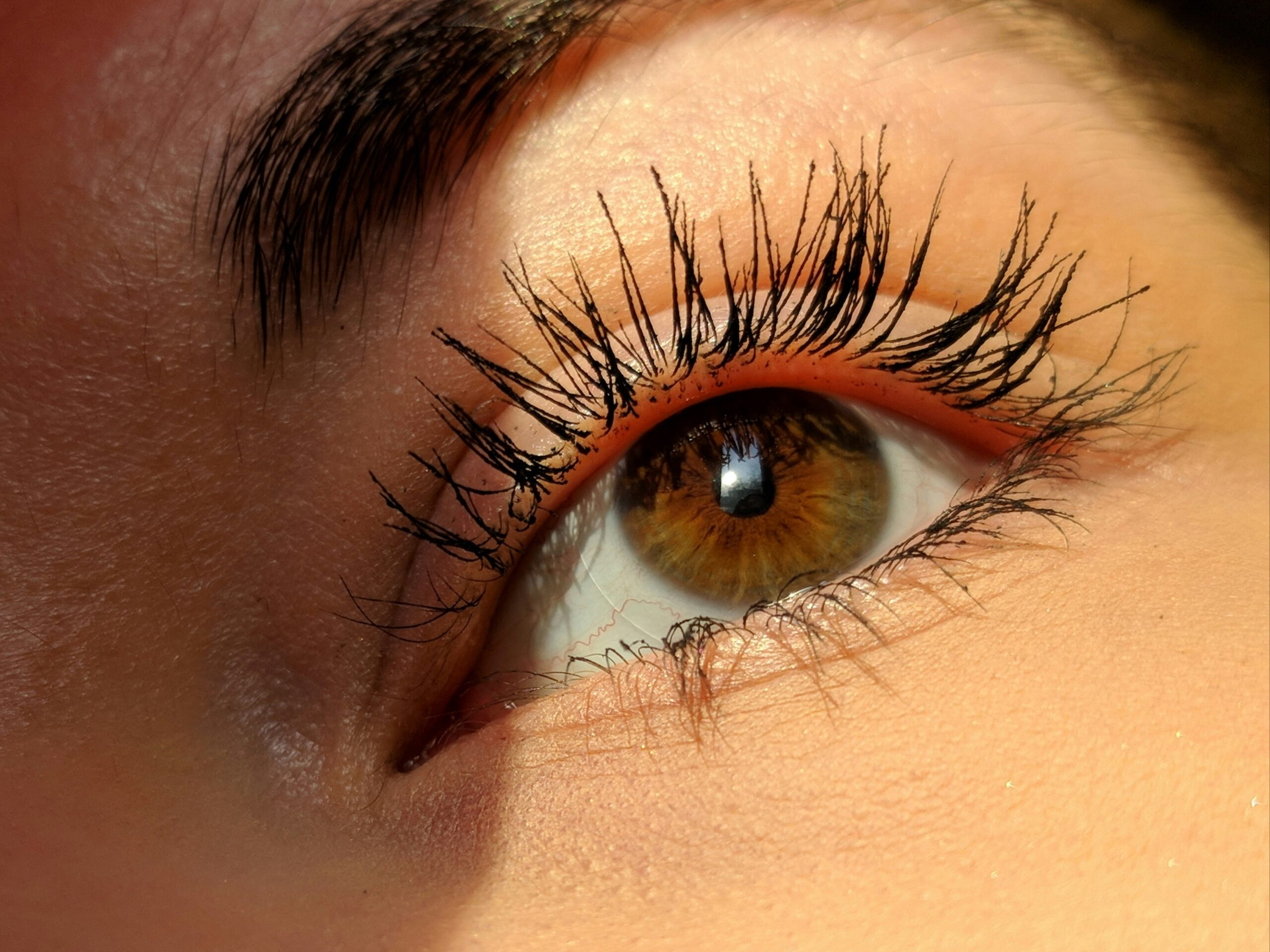
Lash culture is crowded with rumors:
- “Cutting them makes them grow faster.” Not true—lashes will only return to the length they’re genetically programmed for.
- “Mascara makes them fall out.” Only if you’re too rough during removal.
- “Serums work miracles overnight.” Some can help, but even the best take weeks to show results.
The fascination with these myths says a lot. Lashes are such a hot beauty topic that people will try almost anything to make them fuller–faster. So, how long does it actually take for them to grow back? On average, about two months—give or take, depending on your body and habits.
But here’s the twist: the story isn’t really about the clock. It’s about the culture. Today, lashes aren’t just eyelashes. They’re beauty markers, style choices, even identity statements. Whether you’re extension-loyal, mascara-only, or happily natural, understanding how growth works gives you a sense of control. Because in the end, lashes aren’t just strands of hair. They’re mood-setters, expression-shapers, and, for many, the quiet power players of the face.
Featured image: @aslayy/Instagram
For the latest in fashion, lifestyle, and culture, follow us on Instagram @StyleRave
—Read also
Source link
#Long #Lashes #Grow


Post Comment