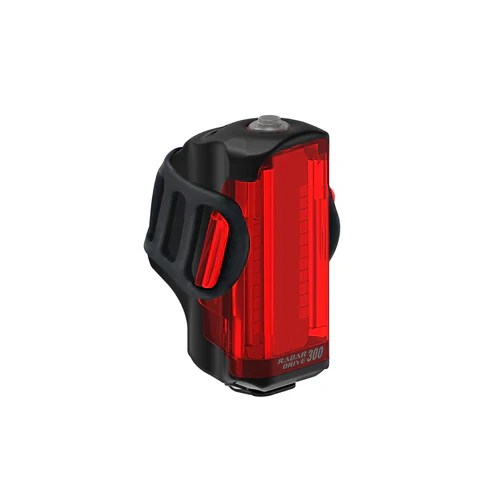
Cycling after dark has become safer and more stylish than ever, thanks to the evolution of modern LED bike light technology. What began with basic incandescent bulbs has transformed into sleek, intelligent systems combining advanced optics, smart sensors, and durable designs. The result? Lights that not only illuminate your path but also enhance your entire cycling experience.
For Australian riders, brands like Bikesonline AU have made high-performance lighting more accessible than ever. Whether you’re navigating city traffic, coasting along country roads, or tackling rugged trails, understanding how LED technology works can help you choose the right light for every ride.
LED Advancements: The Heart of Modern Bike Light Technology
At the core of every advanced modern bike light is LED (Light Emitting Diode) technology. Unlike old-fashioned bulbs that relied on heated filaments, LEDs use electroluminescence—where electrons release energy as photons when passing through a semiconductor. This makes them far more efficient, longer-lasting, and better suited to modern cycling demands.
Efficiency and Lumen Output
Modern LEDs convert up to 90% of their energy into light—far surpassing the 10% efficiency of incandescent bulbs. Today’s lights range from 800 to over 2,500 lumens, with elite models reaching 4,000+. This represents a nearly tenfold increase from early LED bike lights, which typically maxed out around 300-400 lumens. This jump in brightness allows cyclists to safely travel at higher speeds even in pitch-dark conditions.
Heat Management and Thermal Design
While LEDs are more efficient than traditional bulbs, they still generate heat that must be managed effectively. Excessive heat can reduce LED lifespan and efficiency, making thermal management a critical aspect of modern bike light design. Manufacturers employ various cooling technologies, including:
- Aluminum heat sinks that draw heat away from the LED.
- Copper thermal pathways to distribute heat more evenly.
- Finned housing designs that increase surface area for better cooling.
- Thermal interface materials that improve heat transfer between components.
- Active cooling systems in the highest-output models.
These thermal management solutions allow modern LED bike lights to maintain consistent brightness even during extended use, preventing the performance degradation that plagued earlier generations of lights.
Color Temperature and Light Quality
Modern LED lights produce a crisp white glow between 5000K and 6500K—close to natural daylight. This temperature range offers excellent contrast and depth perception, helping cyclists better identify road hazards, trail obstacles, and changing surface conditions.
Advanced models now incorporate multiple LED types with different color temperatures to optimize visibility in various conditions. Some lights even feature specialized LEDs that enhance specific colors—making red trail markers or yellow road signs more visible at night.
Optics and Beam Shaping: Directing Light Where It’s Needed
Modern beam-shaping technology creates optimized light patterns that maximize visibility while minimizing glare for oncoming traffic. Raw lumen output is only part of the equation in modern LED bike light technology. Equally important is how effectively that light is directed where it’s needed most. This is where advanced optics and beam-shaping technologies make a crucial difference in real-world performance.
Lens Design and Materials
Modern bike lights utilize precision-engineered lenses made from advanced materials like optical-grade polycarbonate and PMMA (polymethyl methacrylate). These materials offer exceptional clarity and durability while allowing designers to create complex shapes that precisely control light distribution.
The latest lens designs incorporate multiple elements that work together to create optimal beam patterns. These might include:
- Primary focusing lenses that gather and direct the raw LED output.
- Secondary diffusion elements that smooth the beam and eliminate hot spots.
- Specialized prisms that redirect portions of the beam to create wider peripheral illumination.
- Anti-reflective coatings that maximize light transmission.
Reflector Technology
Modern reflectors use CAD engineering to shape beams that illuminate the road ahead without wasting light. High-end models use multi-faceted aluminum reflectors that reflect over 95% of light output.

Adaptive and Shaped Beam Patterns
Perhaps the most significant optical advancement in modern LED bike light technology is the development of shaped beam patterns that maximize visibility while minimizing glare for other road users. These patterns typically feature:
- A sharp horizontal cutoff at the top to prevent blinding oncoming traffic.
- Wide lateral spread to illuminate the edges of roads and trails.
- Graduated intensity that concentrates brightness where it’s most needed.
- Specialized near-field illumination to reveal obstacles directly in front of the wheel.
Some advanced models now feature adaptive beam technology that automatically adjusts the pattern based on speed, ambient light conditions, or even the presence of oncoming vehicles—similar to the automatic high-beam systems found in modern cars.
Road-Optimized Beams
Road-focused lights typically feature a beam with a sharp horizontal cutoff (similar to a car’s low beam) that prevents glare for oncoming traffic while still providing excellent forward visibility. These beams often spread wider to illuminate road edges and potential hazards.
Trail-Optimized Beams
Off-road lights generally utilize a more symmetrical beam pattern with greater overall spread and higher intensity. This helps illuminate obstacles at various heights and provides better situational awareness when navigating technical terrain in complete darkness.
Battery and Charging Systems: Powering the Light Revolution
The rise of LED lighting goes hand in hand with breakthroughs in battery technology. Modern lithium-ion cells and USB-C charging have made powerful lights lighter, faster, and more convenient.
Lithium-Ion Battery Technology
The shift from nickel-metal hydride (NiMH) to lithium-ion battery chemistry has been transformative for bike lights. Modern lithium-ion cells offer several critical advantages:
- Energy density 2-3 times higher than NiMH, allowing more capacity in smaller packages.
- Minimal self-discharge, maintaining charge during storage.
- No memory effect, eliminating the need for complete discharge cycles.
- Better performance in cold conditions, crucial for winter riding.
- Thousands of charge cycles before significant capacity loss.
High-performance bike lighting systems now utilize advanced lithium-ion formulations like lithium polymer (LiPo) and lithium iron phosphate (LiFePO4) that offer even better safety profiles and performance characteristics. These batteries maintain consistent output throughout their discharge cycle, avoiding the dimming effect common in older lighting technologies.
USB-C and Fast Charging
The universal adoption of USB charging has eliminated proprietary chargers and simplified the process of keeping lights powered. The latest LED bike light advancements include USB-C connectivity, which offers several advantages:
- Faster charging speeds (up to 3x quicker than older USB standards).
- Reversible connectors that eliminate fumbling in low light.
- Higher power delivery capabilities for larger capacity batteries.
- Universal compatibility with modern electronics and power banks.
Many current models support various fast-charging protocols, allowing them to reach 80% capacity in as little as 30-45 minutes—perfect for quick recharges during coffee stops on longer rides.
Smart Battery Management
Today’s lights come with intelligent systems that prevent overcharging and overheating while displaying real-time battery life. Some even auto-dim when the charge runs low, ensuring you’re never left in total darkness.
Smart Features and Connectivity: The Intelligent Light Revolution
Cycling lights are now smarter than ever. Many connect to smartphones via Bluetooth, letting riders customize brightness, check battery status, and even sync lighting modes with cycling computers.
Adaptive sensors adjust brightness automatically, while motion detection ensures the light switches off when idle and powers up as you start riding.
Waterproofing and Durability: Built for the Elements
Modern bike lights undergo rigorous testing to achieve IPX ratings that ensure reliability in all weather conditions
Cycling often means facing challenging weather conditions, from torrential rain to freezing temperatures. Modern LED bike light technology has made significant strides in durability and environmental resistance, ensuring reliable operation regardless of conditions.
IPX Ratings and Waterproofing
The Ingress Protection (IP) rating system provides a standardized way to quantify a light’s resistance to water and dust. Most quality modern bike lights achieve ratings of:
- IPX4: Protected against water splashes from all directions (minimum for reliable wet-weather use).
- IPX5: Protected against water jets from any angle.
- IPX6: Protected against powerful water jets.
- IPX7: Can withstand temporary immersion in water (up to 1 meter for 30 minutes).
These ratings are achieved through sophisticated sealing technologies, including:
- Double-sealed battery compartments with silicone gaskets.
- Ultrasonically welded housings that eliminate seams.
- Hydrophobic membrane vents that allow pressure equalization while blocking moisture.
- Sealed electronic switches or magnetic activation systems.
- Waterproof USB port covers or internal charging contacts.
Mounting Systems: Securing Your Visibility
Modern mounts combine stability with convenience. Quick-release clamps, magnetic locks, and vibration-dampening systems keep lights firmly attached while allowing for effortless removal when parking.
Future Trends in LED Bike Light Technology
The future of LED bike lights looks even brighter—literally. Upcoming innovations include AI-powered adaptive beams, solar-assisted charging, and vehicle-to-bike communication that improves safety in traffic. Augmented reality projections could soon display navigation cues directly on the road.
Technology moves fast, and the world of high-performance bike lighting is no exception. Australian cyclists can explore the latest advancements in LED bike light technology to enhance visibility and performance on every ride. This season, don’t miss Black Friday Bike Sale offers. Consider it a timely chance to upgrade your setup with cutting-edge bike lights, accessories, and components at unbeatable prices. Ride safer, brighter, and smarter with the newest gear designed for every kind of cyclist.
Choosing the Right LED Bike Light
Match your lighting to your riding style:
- Road Cycling: Prioritize shaped beams, long battery life, and aerodynamic designs.
- Mountain Biking: Look for wide beams, high lumens (1500+), and rugged housings.
- Commuting: Choose compact, weatherproof lights with USB-C charging and side visibility.
Trusted bike retailers offer expert guidance to help match the right lighting technology to your specific riding needs, ensuring your investment delivers the best performance, safety, and reliability for your cycling discipline and conditions.
The Black Friday Bike Sale offers an ideal opportunity to upgrade your setup with premium bike lights, accessories, and components. Take advantage of exclusive discounts on high-quality gear designed to enhance visibility, safety, and performance on every ride.
Final Thoughts
Modern LED bike light technology has redefined night riding. By combining precision optics, intelligent controls, and durable design, these lights provide cyclists with unmatched visibility and safety. Whether you’re cruising through city streets or descending a mountain trail, investing in high-quality lighting is one of the smartest upgrades you can make.
For the latest in fashion, lifestyle and culture, follow us on Instagram @StyleRave_
—Read also
Source link
#Understanding #Technology #Modern #LED #Bike #Light #Technology


Post Comment