
In May of last year, two brothers in their 20s were arrested for what the Justice Department at the time called “attacking the Ethereum blockchain and stealing $25 million.” Attacking the blockchain does sound like a cool, sci-fi crime, but the brothers maintained that they were just aggressive traders, not criminals, and yesterday, their prosecution culminated in what sounds like a very stressful mistrial.
The prosecution’s case was that Anton Peraire-Bueno and James Pepaire-Bueno set a trap that amounted to fraud. Prosecutors said they preyed upon crypto trading bots that moved digital money around on behalf of, apparently, three entities tied to actual human beings—although only one, David Yakira, ever came forward as an alleged victim. The trading bots were targeted because they were performing what are known as “sandwich transactions,” and were allegedly lured into situations that caused them to glitch out and release valuable tokens in exchange for, well, shitcoins.
Then the brothers allegedly tried to launder their winnings.
Performing digital muggings (allegedly!) on bots that perform sandwich transactions required extreme sophistication, and the ability to spot an exploit that wasn’t expressly forbidden in the Wild West universe that is crypto land.
The nature of the scheme also seems like a bid for a Robin Hood-type vigilante reputation. Sandwich transactions are legal, but are perceived as parasitic arbitrage plays, or at the very least extremely irritating—essentially just gaming unsuspecting people’s transactions to set the price where the, if you will, sandwich artisan wants it in order to make a quick buck at the expense of a sucker with no recourse. In other words, it appears the brothers correctly predicted the rather nasty behavior of some bots, slipped in some sketchy code, and came away with $25 million.
So were these brothers grifters, or just aggressive traders with what their lawyer called a very good “trading strategy”?
According to Business Insider, the Pepaire-Bueno brothers faced a Manhattan jury specifically chosen to pry apart these fuzzy distinctions, with half of them holding masters degrees of one sort or another. “Almost all,” Business Insider noted, were either middle-aged or retirement-aged.
Welp, in the course of a three week trial, that ambiguity was apparently not resolved to the unanimous satisfaction of the jury, and things sound like they got intense for this unhappy group of 12 people.
According to Bloomberg’s account of the mistrial declaration, while an anonymous juror later explained that the facts of the case were not in dispute, at some point on Friday, the jury pleaded with the judge for help coming to a resolution. Some had lost “multiple nights” of sleep. Then later in the day, a note from the jury said that coming to a decision was placing them under an “emotional burden” and that half of the jurors had “spontaneously broken down in tears” while they were deliberating.
So U.S. District Judge Jessica Clarke went ahead and declared a mistrial Friday.
To be clear, a deadlocked jury doesn’t necessarily free the Peraire-Bueno brothers, but it is unwelcome news for prosecutors, who will naturally want to retry the brothers in the hopes of getting a conviction. But they do so with the burden of having already fought to a stalemate, which can’t be any better for morale than the fact that deliberating on the details of this highly technical case made a jury cry.
Source link
#Crypto #Bros #Mistrial #Emotional #Burden #Deadlocked #Jurors #Cried
![Ichigo’s Voice Actors Are Ready to Feel Like ‘#1’ One Last Time in ‘Bleach: Thousand-Year Blood War’
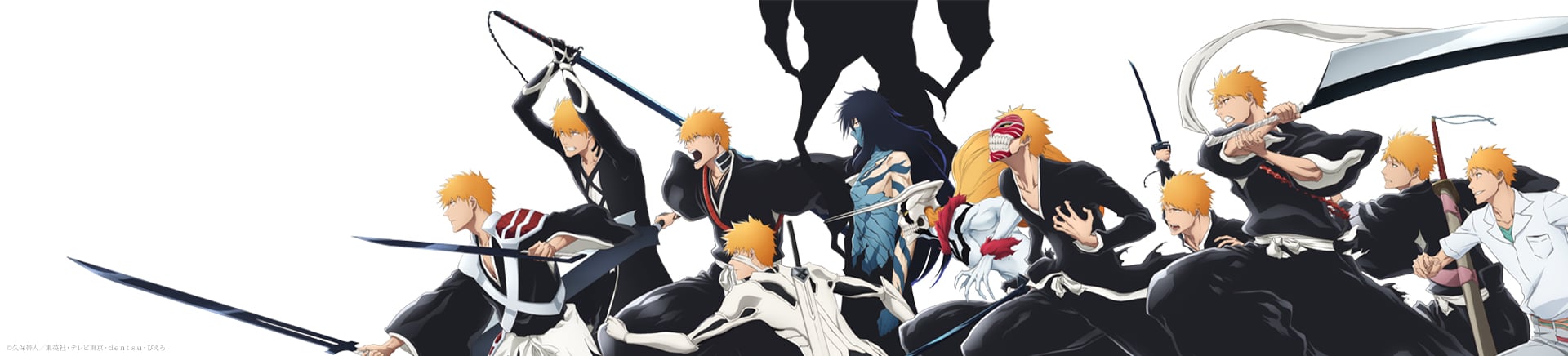
It’s been four years since Bleach fans rejoiced when the anime made its grand return at Anime Expo 2022 with Viz Media and Pierrot Film’s sequel series, Thousand-Year Blood War. Now, fans are preparing for the beginning of the end with the imminent arrival of The Calamity, its fourth and final season. The Calamity gives the shonen epic the proper farewell fans thought would never come after the original anime ended in 2012, before it reached its climactic final arc. Created by Tite Kubo, Bleach follows Ichigo Kurosaki, a teenager who moonlights as a substitute Soul Reaper, a type of samurai who defends humanity from evil spirits called “Hollows.” He’s sort of a big deal, not only in his own series but in Shonen Jump history, with Bleach being part of Shonen Jump’s “Big Three” alongside Naruto and One Piece, heavy hitters that ran in the magazine concurrently whose impact continues to be felt in the industry today. Thousand Year Blood War, though polarizing amongst manga readers, sees Ichigo’s tale finally come to an end in an aptly titled all-out war between Soul Reapers and Quincy—the archer yin to Soul Reapers’ sword-wielding yang, with which Ichigo has deep, complicated ties. As far as its anime adaptation is concerned, the show continues to find new ways to exceed expectations with the inclusion of original scenes, cementing its status as one of the greatest shonen anime of all time.
[embed]https://www.youtube.com/watch?v=DLRjhptssns[/embed] Ahead of the final season’s premiere, io9 spoke with Ichigo Kurosaki’s English and Japanese voice actors, Johnny Yong Bosch and Masakazu Morita, about getting back in the booth for Bleach one last time, as well as a humbling conversation that’s bound to put a moratorium on the eternal subs vs. dubs anime debate in the most wholesome way possible.
Left: Johnny Yong Bosch, right: Masakazu Morita © Isaiah Colbert/io9 Isaiah Colbert, io9: Of all the heroes in shonen anime, especially in the “Big Three,” Ichigo Kurosaki always felt like someone effortlessly cool. For both of you, how has Ichigo differed from other anime roles you’ve played, and what has made him feel special compared with other characters you’ve brought to life? Johnny Yong Bosch: Ichigo is still very early in my career as far as voicing in anime. Almost immediately, he became a very iconic character in the story and how he wants to protect his friends and his loved ones. And really, most of it is the story, the spiritual aspect of it. For me, it cemented a place pretty early on.
Masakazu Morita: I think he was a really smart character. He’s always thinking ahead of what someone’s gonna do next, and next, even after that. So sometimes when other people hear what he has to say, they don’t know what to do, but it’s because of his insight. So I really try to bring out that smartness around him and chase after thinking like him, and it’s really challenging to follow his thought process. [embed]https://www.youtube.com/watch?v=mcG93FZupiA[/embed] io9: I’d be remiss not to note that one thing that sets Ichigo far and away from the other members of the “big three” shonen anime is that his theme song, “Number One,” is arguably the greatest piece of anime music of all time. Whenever you hear that theme song kick in, does it give you goosebumps and make you feel like you can walk through a wall? What goes through your mind when his song hits? Bosch: Yeah, absolutely. It’s funny because when I first heard it, it wasn’t something I would expect. But the more I heard it, I was like, “Oh yeah, this is what it is.” It just took that on for me. So anytime I hear it, it feels like we’re about to get into some action.
Morita: (Laughs) What kind of song did you think it was gonna…? Bosch: (Laughs) I don’t know. I didn’t expect lyrics, maybe. I was thinking more like a film score or something, which it does have. Morita: Ah! I’ve had a long history with this song, just like you, Johnny. Ichigo’s theme song, for Bleach fans, you have to have it. In Japan, when we’re recording, usually, there’s no music. But just for Thousand-Year Blood War, the staff has actually put the song in for us when it’s in the series, so it really gets us riled up. The song really brings out a lot of the emotion within me, too.
[embed]https://www.youtube.com/watch?v=dzypzOIG8I4[/embed] io9: The Bleach anime is finally finishing its story after so many years, when fans had a looming sense that it wouldn’t follow the Fullbringer arc. What’s more, Pierrot Films is putting its whole foot into its animation to meet the moment with each part as we march toward its series finale. What has that culmination felt like for you, especially after returning to the series after such a long break as Ichigo Kurosaki? Bosch: (Laughs) That’s a great question. It’s almost like seeing an old friend that you thought had died. It’s like, “Whoa, you’re still alive? Let’s catch up!” Yes, we get to do it. But then to see the animation, it’s just amazing. For me, sometimes, when I record, it’s just three beeps, but sometimes I’m just watching like, “Oh wait, wait, wait. Sorry!” I get caught up in the animation. I always say I need to work, but I just want to watch it. Morita: What we now say is “the old series,” that was for seven years. So there was a bit of a gap in the anime, but even throughout that time, I was working on the mobile game, so I never really forgot about [Ichigo]. All the other voice actors were doing the same working on the app. So it was really nice that we never got to leave those characters. At the same time, when Thousand-Year Blood War started back up, we saw Ichigo moving in animation form, it gave me goosebumps.
[embed]https://www.youtube.com/watch?v=MpHR0OPqCbs[/embed] io9: How long has it been since you both last met? What was it like finally meeting each other after voicing the same character for so many years? Bosch: The very first time we met? I don’t remember the exact year, but I met him in Hawaii. For me, because it’s such an important role in my list of voiceovers—it’s one of the most popular ones—it was a little scary meeting the man who’s carved out this character. It was an honor, but scary. Morita: (Laughs) When I first met you, I actually thought you were a very powerful person who was just so extroverted, coming out and doing all these things. I didn’t think you were scared!
Bosch: I was acting. [embed]https://www.youtube.com/watch?v=wW9TwZdWpjw[/embed] io9: While the subs versus dubs argument will likely outlive all of us, your embodiments of Ichigo as his seiyuu and as his English voice actor are less a point of comparison for anime fans to debate and more one where they have trouble deciding which they love more. What do you appreciate about each other’s portrayal of Ichigo? Bosch: I love it. I feel like a lot of people don’t understand that he’s setting the stage for me. He makes these choices based on the script that he’s got, and he gets to develop the character. For me, when I walk into the booth, it is the first time I’m seeing it. So once I see it, there’s an excitement for the choices he’s made. It’s almost like rooting for whatever he’s doing because he’s just laid out the playground for me to play in. It’s absolute excitement each time.
Morita: Before we met, I did hear once what you thought of Ichigo and your portrayal of him as a character. I’m not sure you remember. Apparently, you heard me and heard a very passionate character. But you said then that you were trying to give him a little more street hardness in the English portrayal, and that really stuck with me. I was really blown away by the fact that you were not just trying to imitate in another language, but to give him another layer of identity. I really appreciate and was blown away by that. When I dub a Hollywood movie, I take what I learned from you and try to give it a little bit of my own color to the character. In Japan, there’s not really a culture of doing that, so I really took to heart what you said and learned from that.
Bosch: Wow, thats very cool to hear. © Pierrot Films Bleach: Thousand-Year Blood War premieres July 25, on Hulu and Disney+. io9 is on the ground at Anime Expo 2026. We’ll be bringing you updates on all the biggest panels, screenings, and announcements, plus exclusive one-on-one interviews with the people behind some of the best and most popular anime around. You can check out all of io9’s Anime Expo coverage here. Want more io9 news? Check out when to expect the latest Marvel, Star Wars, and Star Trek releases, what’s next for the DC Universe on film and TV, and everything you need to know about the future of Doctor Who. #Ichigos #Voice #Actors #Ready #Feel #Time #Bleach #ThousandYear #Blood #WarAnime,Anime Expo,bleach,Bleach: Thousand-Year Blood War](https://gizmodo.com/app/uploads/2026/07/Bleach_-Thousand-Year-Blood-War-Johnny-Yong-Bosch-Masakazu-Morita.jpg "Ichigo’s Voice Actors Are Ready to Feel Like ‘#1’ One Last Time in ‘Bleach: Thousand-Year Blood War’
It’s been four years since Bleach fans rejoiced when the anime made its grand return at Anime Expo 2022 with Viz Media and Pierrot Film’s sequel series, Thousand-Year Blood War. Now, fans are preparing for the beginning of the end with the imminent arrival of The Calamity, its fourth and final season. The Calamity gives the shonen epic the proper farewell fans thought would never come after the original anime ended in 2012, before it reached its climactic final arc. Created by Tite Kubo, Bleach follows Ichigo Kurosaki, a teenager who moonlights as a substitute Soul Reaper, a type of samurai who defends humanity from evil spirits called “Hollows.” He’s sort of a big deal, not only in his own series but in Shonen Jump history, with Bleach being part of Shonen Jump’s “Big Three” alongside Naruto and One Piece, heavy hitters that ran in the magazine concurrently whose impact continues to be felt in the industry today. Thousand Year Blood War, though polarizing amongst manga readers, sees Ichigo’s tale finally come to an end in an aptly titled all-out war between Soul Reapers and Quincy—the archer yin to Soul Reapers’ sword-wielding yang, with which Ichigo has deep, complicated ties. As far as its anime adaptation is concerned, the show continues to find new ways to exceed expectations with the inclusion of original scenes, cementing its status as one of the greatest shonen anime of all time.
[embed]https://www.youtube.com/watch?v=DLRjhptssns[/embed] Ahead of the final season’s premiere, io9 spoke with Ichigo Kurosaki’s English and Japanese voice actors, Johnny Yong Bosch and Masakazu Morita, about getting back in the booth for Bleach one last time, as well as a humbling conversation that’s bound to put a moratorium on the eternal subs vs. dubs anime debate in the most wholesome way possible.
Left: Johnny Yong Bosch, right: Masakazu Morita © Isaiah Colbert/io9 Isaiah Colbert, io9: Of all the heroes in shonen anime, especially in the “Big Three,” Ichigo Kurosaki always felt like someone effortlessly cool. For both of you, how has Ichigo differed from other anime roles you’ve played, and what has made him feel special compared with other characters you’ve brought to life? Johnny Yong Bosch: Ichigo is still very early in my career as far as voicing in anime. Almost immediately, he became a very iconic character in the story and how he wants to protect his friends and his loved ones. And really, most of it is the story, the spiritual aspect of it. For me, it cemented a place pretty early on.
Masakazu Morita: I think he was a really smart character. He’s always thinking ahead of what someone’s gonna do next, and next, even after that. So sometimes when other people hear what he has to say, they don’t know what to do, but it’s because of his insight. So I really try to bring out that smartness around him and chase after thinking like him, and it’s really challenging to follow his thought process. [embed]https://www.youtube.com/watch?v=mcG93FZupiA[/embed] io9: I’d be remiss not to note that one thing that sets Ichigo far and away from the other members of the “big three” shonen anime is that his theme song, “Number One,” is arguably the greatest piece of anime music of all time. Whenever you hear that theme song kick in, does it give you goosebumps and make you feel like you can walk through a wall? What goes through your mind when his song hits? Bosch: Yeah, absolutely. It’s funny because when I first heard it, it wasn’t something I would expect. But the more I heard it, I was like, “Oh yeah, this is what it is.” It just took that on for me. So anytime I hear it, it feels like we’re about to get into some action.
Morita: (Laughs) What kind of song did you think it was gonna…? Bosch: (Laughs) I don’t know. I didn’t expect lyrics, maybe. I was thinking more like a film score or something, which it does have. Morita: Ah! I’ve had a long history with this song, just like you, Johnny. Ichigo’s theme song, for Bleach fans, you have to have it. In Japan, when we’re recording, usually, there’s no music. But just for Thousand-Year Blood War, the staff has actually put the song in for us when it’s in the series, so it really gets us riled up. The song really brings out a lot of the emotion within me, too.
[embed]https://www.youtube.com/watch?v=dzypzOIG8I4[/embed] io9: The Bleach anime is finally finishing its story after so many years, when fans had a looming sense that it wouldn’t follow the Fullbringer arc. What’s more, Pierrot Films is putting its whole foot into its animation to meet the moment with each part as we march toward its series finale. What has that culmination felt like for you, especially after returning to the series after such a long break as Ichigo Kurosaki? Bosch: (Laughs) That’s a great question. It’s almost like seeing an old friend that you thought had died. It’s like, “Whoa, you’re still alive? Let’s catch up!” Yes, we get to do it. But then to see the animation, it’s just amazing. For me, sometimes, when I record, it’s just three beeps, but sometimes I’m just watching like, “Oh wait, wait, wait. Sorry!” I get caught up in the animation. I always say I need to work, but I just want to watch it. Morita: What we now say is “the old series,” that was for seven years. So there was a bit of a gap in the anime, but even throughout that time, I was working on the mobile game, so I never really forgot about [Ichigo]. All the other voice actors were doing the same working on the app. So it was really nice that we never got to leave those characters. At the same time, when Thousand-Year Blood War started back up, we saw Ichigo moving in animation form, it gave me goosebumps.
[embed]https://www.youtube.com/watch?v=MpHR0OPqCbs[/embed] io9: How long has it been since you both last met? What was it like finally meeting each other after voicing the same character for so many years? Bosch: The very first time we met? I don’t remember the exact year, but I met him in Hawaii. For me, because it’s such an important role in my list of voiceovers—it’s one of the most popular ones—it was a little scary meeting the man who’s carved out this character. It was an honor, but scary. Morita: (Laughs) When I first met you, I actually thought you were a very powerful person who was just so extroverted, coming out and doing all these things. I didn’t think you were scared!
Bosch: I was acting. [embed]https://www.youtube.com/watch?v=wW9TwZdWpjw[/embed] io9: While the subs versus dubs argument will likely outlive all of us, your embodiments of Ichigo as his seiyuu and as his English voice actor are less a point of comparison for anime fans to debate and more one where they have trouble deciding which they love more. What do you appreciate about each other’s portrayal of Ichigo? Bosch: I love it. I feel like a lot of people don’t understand that he’s setting the stage for me. He makes these choices based on the script that he’s got, and he gets to develop the character. For me, when I walk into the booth, it is the first time I’m seeing it. So once I see it, there’s an excitement for the choices he’s made. It’s almost like rooting for whatever he’s doing because he’s just laid out the playground for me to play in. It’s absolute excitement each time.
Morita: Before we met, I did hear once what you thought of Ichigo and your portrayal of him as a character. I’m not sure you remember. Apparently, you heard me and heard a very passionate character. But you said then that you were trying to give him a little more street hardness in the English portrayal, and that really stuck with me. I was really blown away by the fact that you were not just trying to imitate in another language, but to give him another layer of identity. I really appreciate and was blown away by that. When I dub a Hollywood movie, I take what I learned from you and try to give it a little bit of my own color to the character. In Japan, there’s not really a culture of doing that, so I really took to heart what you said and learned from that.
Bosch: Wow, thats very cool to hear. © Pierrot Films Bleach: Thousand-Year Blood War premieres July 25, on Hulu and Disney+. io9 is on the ground at Anime Expo 2026. We’ll be bringing you updates on all the biggest panels, screenings, and announcements, plus exclusive one-on-one interviews with the people behind some of the best and most popular anime around. You can check out all of io9’s Anime Expo coverage here. Want more io9 news? Check out when to expect the latest Marvel, Star Wars, and Star Trek releases, what’s next for the DC Universe on film and TV, and everything you need to know about the future of Doctor Who. #Ichigos #Voice #Actors #Ready #Feel #Time #Bleach #ThousandYear #Blood #WarAnime,Anime Expo,bleach,Bleach: Thousand-Year Blood War")
![Ichigo’s Voice Actors Are Ready to Feel Like ‘#1’ One Last Time in ‘Bleach: Thousand-Year Blood War’
It’s been four years since Bleach fans rejoiced when the anime made its grand return at Anime Expo 2022 with Viz Media and Pierrot Film’s sequel series, Thousand-Year Blood War. Now, fans are preparing for the beginning of the end with the imminent arrival of The Calamity, its fourth and final season. The Calamity gives the shonen epic the proper farewell fans thought would never come after the original anime ended in 2012, before it reached its climactic final arc. Created by Tite Kubo, Bleach follows Ichigo Kurosaki, a teenager who moonlights as a substitute Soul Reaper, a type of samurai who defends humanity from evil spirits called “Hollows.” He’s sort of a big deal, not only in his own series but in Shonen Jump history, with Bleach being part of Shonen Jump’s “Big Three” alongside Naruto and One Piece, heavy hitters that ran in the magazine concurrently whose impact continues to be felt in the industry today. Thousand Year Blood War, though polarizing amongst manga readers, sees Ichigo’s tale finally come to an end in an aptly titled all-out war between Soul Reapers and Quincy—the archer yin to Soul Reapers’ sword-wielding yang, with which Ichigo has deep, complicated ties. As far as its anime adaptation is concerned, the show continues to find new ways to exceed expectations with the inclusion of original scenes, cementing its status as one of the greatest shonen anime of all time.
[embed]https://www.youtube.com/watch?v=DLRjhptssns[/embed] Ahead of the final season’s premiere, io9 spoke with Ichigo Kurosaki’s English and Japanese voice actors, Johnny Yong Bosch and Masakazu Morita, about getting back in the booth for Bleach one last time, as well as a humbling conversation that’s bound to put a moratorium on the eternal subs vs. dubs anime debate in the most wholesome way possible.
Left: Johnny Yong Bosch, right: Masakazu Morita © Isaiah Colbert/io9 Isaiah Colbert, io9: Of all the heroes in shonen anime, especially in the “Big Three,” Ichigo Kurosaki always felt like someone effortlessly cool. For both of you, how has Ichigo differed from other anime roles you’ve played, and what has made him feel special compared with other characters you’ve brought to life? Johnny Yong Bosch: Ichigo is still very early in my career as far as voicing in anime. Almost immediately, he became a very iconic character in the story and how he wants to protect his friends and his loved ones. And really, most of it is the story, the spiritual aspect of it. For me, it cemented a place pretty early on.
Masakazu Morita: I think he was a really smart character. He’s always thinking ahead of what someone’s gonna do next, and next, even after that. So sometimes when other people hear what he has to say, they don’t know what to do, but it’s because of his insight. So I really try to bring out that smartness around him and chase after thinking like him, and it’s really challenging to follow his thought process. [embed]https://www.youtube.com/watch?v=mcG93FZupiA[/embed] io9: I’d be remiss not to note that one thing that sets Ichigo far and away from the other members of the “big three” shonen anime is that his theme song, “Number One,” is arguably the greatest piece of anime music of all time. Whenever you hear that theme song kick in, does it give you goosebumps and make you feel like you can walk through a wall? What goes through your mind when his song hits? Bosch: Yeah, absolutely. It’s funny because when I first heard it, it wasn’t something I would expect. But the more I heard it, I was like, “Oh yeah, this is what it is.” It just took that on for me. So anytime I hear it, it feels like we’re about to get into some action.
Morita: (Laughs) What kind of song did you think it was gonna…? Bosch: (Laughs) I don’t know. I didn’t expect lyrics, maybe. I was thinking more like a film score or something, which it does have. Morita: Ah! I’ve had a long history with this song, just like you, Johnny. Ichigo’s theme song, for Bleach fans, you have to have it. In Japan, when we’re recording, usually, there’s no music. But just for Thousand-Year Blood War, the staff has actually put the song in for us when it’s in the series, so it really gets us riled up. The song really brings out a lot of the emotion within me, too.
[embed]https://www.youtube.com/watch?v=dzypzOIG8I4[/embed] io9: The Bleach anime is finally finishing its story after so many years, when fans had a looming sense that it wouldn’t follow the Fullbringer arc. What’s more, Pierrot Films is putting its whole foot into its animation to meet the moment with each part as we march toward its series finale. What has that culmination felt like for you, especially after returning to the series after such a long break as Ichigo Kurosaki? Bosch: (Laughs) That’s a great question. It’s almost like seeing an old friend that you thought had died. It’s like, “Whoa, you’re still alive? Let’s catch up!” Yes, we get to do it. But then to see the animation, it’s just amazing. For me, sometimes, when I record, it’s just three beeps, but sometimes I’m just watching like, “Oh wait, wait, wait. Sorry!” I get caught up in the animation. I always say I need to work, but I just want to watch it. Morita: What we now say is “the old series,” that was for seven years. So there was a bit of a gap in the anime, but even throughout that time, I was working on the mobile game, so I never really forgot about [Ichigo]. All the other voice actors were doing the same working on the app. So it was really nice that we never got to leave those characters. At the same time, when Thousand-Year Blood War started back up, we saw Ichigo moving in animation form, it gave me goosebumps.
[embed]https://www.youtube.com/watch?v=MpHR0OPqCbs[/embed] io9: How long has it been since you both last met? What was it like finally meeting each other after voicing the same character for so many years? Bosch: The very first time we met? I don’t remember the exact year, but I met him in Hawaii. For me, because it’s such an important role in my list of voiceovers—it’s one of the most popular ones—it was a little scary meeting the man who’s carved out this character. It was an honor, but scary. Morita: (Laughs) When I first met you, I actually thought you were a very powerful person who was just so extroverted, coming out and doing all these things. I didn’t think you were scared!
Bosch: I was acting. [embed]https://www.youtube.com/watch?v=wW9TwZdWpjw[/embed] io9: While the subs versus dubs argument will likely outlive all of us, your embodiments of Ichigo as his seiyuu and as his English voice actor are less a point of comparison for anime fans to debate and more one where they have trouble deciding which they love more. What do you appreciate about each other’s portrayal of Ichigo? Bosch: I love it. I feel like a lot of people don’t understand that he’s setting the stage for me. He makes these choices based on the script that he’s got, and he gets to develop the character. For me, when I walk into the booth, it is the first time I’m seeing it. So once I see it, there’s an excitement for the choices he’s made. It’s almost like rooting for whatever he’s doing because he’s just laid out the playground for me to play in. It’s absolute excitement each time.
Morita: Before we met, I did hear once what you thought of Ichigo and your portrayal of him as a character. I’m not sure you remember. Apparently, you heard me and heard a very passionate character. But you said then that you were trying to give him a little more street hardness in the English portrayal, and that really stuck with me. I was really blown away by the fact that you were not just trying to imitate in another language, but to give him another layer of identity. I really appreciate and was blown away by that. When I dub a Hollywood movie, I take what I learned from you and try to give it a little bit of my own color to the character. In Japan, there’s not really a culture of doing that, so I really took to heart what you said and learned from that.
Bosch: Wow, thats very cool to hear. © Pierrot Films Bleach: Thousand-Year Blood War premieres July 25, on Hulu and Disney+. io9 is on the ground at Anime Expo 2026. We’ll be bringing you updates on all the biggest panels, screenings, and announcements, plus exclusive one-on-one interviews with the people behind some of the best and most popular anime around. You can check out all of io9’s Anime Expo coverage here. Want more io9 news? Check out when to expect the latest Marvel, Star Wars, and Star Trek releases, what’s next for the DC Universe on film and TV, and everything you need to know about the future of Doctor Who. #Ichigos #Voice #Actors #Ready #Feel #Time #Bleach #ThousandYear #Blood #WarAnime,Anime Expo,bleach,Bleach: Thousand-Year Blood War](https://i1.wp.com/gizmodo.com/app/uploads/2026/07/Bleach_-Thousand-Year-Blood-War-Johnny-Yong-Bosch-Masakazu-Morita.jpg?ssl=1 "Ichigo’s Voice Actors Are Ready to Feel Like ‘#1’ One Last Time in ‘Bleach: Thousand-Year Blood War’
It’s been four years since Bleach fans rejoiced when the anime made its grand return at Anime Expo 2022 with Viz Media and Pierrot Film’s sequel series, Thousand-Year Blood War. Now, fans are preparing for the beginning of the end with the imminent arrival of The Calamity, its fourth and final season. The Calamity gives the shonen epic the proper farewell fans thought would never come after the original anime ended in 2012, before it reached its climactic final arc. Created by Tite Kubo, Bleach follows Ichigo Kurosaki, a teenager who moonlights as a substitute Soul Reaper, a type of samurai who defends humanity from evil spirits called “Hollows.” He’s sort of a big deal, not only in his own series but in Shonen Jump history, with Bleach being part of Shonen Jump’s “Big Three” alongside Naruto and One Piece, heavy hitters that ran in the magazine concurrently whose impact continues to be felt in the industry today. Thousand Year Blood War, though polarizing amongst manga readers, sees Ichigo’s tale finally come to an end in an aptly titled all-out war between Soul Reapers and Quincy—the archer yin to Soul Reapers’ sword-wielding yang, with which Ichigo has deep, complicated ties. As far as its anime adaptation is concerned, the show continues to find new ways to exceed expectations with the inclusion of original scenes, cementing its status as one of the greatest shonen anime of all time.
[embed]https://www.youtube.com/watch?v=DLRjhptssns[/embed] Ahead of the final season’s premiere, io9 spoke with Ichigo Kurosaki’s English and Japanese voice actors, Johnny Yong Bosch and Masakazu Morita, about getting back in the booth for Bleach one last time, as well as a humbling conversation that’s bound to put a moratorium on the eternal subs vs. dubs anime debate in the most wholesome way possible.
Left: Johnny Yong Bosch, right: Masakazu Morita © Isaiah Colbert/io9 Isaiah Colbert, io9: Of all the heroes in shonen anime, especially in the “Big Three,” Ichigo Kurosaki always felt like someone effortlessly cool. For both of you, how has Ichigo differed from other anime roles you’ve played, and what has made him feel special compared with other characters you’ve brought to life? Johnny Yong Bosch: Ichigo is still very early in my career as far as voicing in anime. Almost immediately, he became a very iconic character in the story and how he wants to protect his friends and his loved ones. And really, most of it is the story, the spiritual aspect of it. For me, it cemented a place pretty early on.
Masakazu Morita: I think he was a really smart character. He’s always thinking ahead of what someone’s gonna do next, and next, even after that. So sometimes when other people hear what he has to say, they don’t know what to do, but it’s because of his insight. So I really try to bring out that smartness around him and chase after thinking like him, and it’s really challenging to follow his thought process. [embed]https://www.youtube.com/watch?v=mcG93FZupiA[/embed] io9: I’d be remiss not to note that one thing that sets Ichigo far and away from the other members of the “big three” shonen anime is that his theme song, “Number One,” is arguably the greatest piece of anime music of all time. Whenever you hear that theme song kick in, does it give you goosebumps and make you feel like you can walk through a wall? What goes through your mind when his song hits? Bosch: Yeah, absolutely. It’s funny because when I first heard it, it wasn’t something I would expect. But the more I heard it, I was like, “Oh yeah, this is what it is.” It just took that on for me. So anytime I hear it, it feels like we’re about to get into some action.
Morita: (Laughs) What kind of song did you think it was gonna…? Bosch: (Laughs) I don’t know. I didn’t expect lyrics, maybe. I was thinking more like a film score or something, which it does have. Morita: Ah! I’ve had a long history with this song, just like you, Johnny. Ichigo’s theme song, for Bleach fans, you have to have it. In Japan, when we’re recording, usually, there’s no music. But just for Thousand-Year Blood War, the staff has actually put the song in for us when it’s in the series, so it really gets us riled up. The song really brings out a lot of the emotion within me, too.
[embed]https://www.youtube.com/watch?v=dzypzOIG8I4[/embed] io9: The Bleach anime is finally finishing its story after so many years, when fans had a looming sense that it wouldn’t follow the Fullbringer arc. What’s more, Pierrot Films is putting its whole foot into its animation to meet the moment with each part as we march toward its series finale. What has that culmination felt like for you, especially after returning to the series after such a long break as Ichigo Kurosaki? Bosch: (Laughs) That’s a great question. It’s almost like seeing an old friend that you thought had died. It’s like, “Whoa, you’re still alive? Let’s catch up!” Yes, we get to do it. But then to see the animation, it’s just amazing. For me, sometimes, when I record, it’s just three beeps, but sometimes I’m just watching like, “Oh wait, wait, wait. Sorry!” I get caught up in the animation. I always say I need to work, but I just want to watch it. Morita: What we now say is “the old series,” that was for seven years. So there was a bit of a gap in the anime, but even throughout that time, I was working on the mobile game, so I never really forgot about [Ichigo]. All the other voice actors were doing the same working on the app. So it was really nice that we never got to leave those characters. At the same time, when Thousand-Year Blood War started back up, we saw Ichigo moving in animation form, it gave me goosebumps.
[embed]https://www.youtube.com/watch?v=MpHR0OPqCbs[/embed] io9: How long has it been since you both last met? What was it like finally meeting each other after voicing the same character for so many years? Bosch: The very first time we met? I don’t remember the exact year, but I met him in Hawaii. For me, because it’s such an important role in my list of voiceovers—it’s one of the most popular ones—it was a little scary meeting the man who’s carved out this character. It was an honor, but scary. Morita: (Laughs) When I first met you, I actually thought you were a very powerful person who was just so extroverted, coming out and doing all these things. I didn’t think you were scared!
Bosch: I was acting. [embed]https://www.youtube.com/watch?v=wW9TwZdWpjw[/embed] io9: While the subs versus dubs argument will likely outlive all of us, your embodiments of Ichigo as his seiyuu and as his English voice actor are less a point of comparison for anime fans to debate and more one where they have trouble deciding which they love more. What do you appreciate about each other’s portrayal of Ichigo? Bosch: I love it. I feel like a lot of people don’t understand that he’s setting the stage for me. He makes these choices based on the script that he’s got, and he gets to develop the character. For me, when I walk into the booth, it is the first time I’m seeing it. So once I see it, there’s an excitement for the choices he’s made. It’s almost like rooting for whatever he’s doing because he’s just laid out the playground for me to play in. It’s absolute excitement each time.
Morita: Before we met, I did hear once what you thought of Ichigo and your portrayal of him as a character. I’m not sure you remember. Apparently, you heard me and heard a very passionate character. But you said then that you were trying to give him a little more street hardness in the English portrayal, and that really stuck with me. I was really blown away by the fact that you were not just trying to imitate in another language, but to give him another layer of identity. I really appreciate and was blown away by that. When I dub a Hollywood movie, I take what I learned from you and try to give it a little bit of my own color to the character. In Japan, there’s not really a culture of doing that, so I really took to heart what you said and learned from that.
Bosch: Wow, thats very cool to hear. © Pierrot Films Bleach: Thousand-Year Blood War premieres July 25, on Hulu and Disney+. io9 is on the ground at Anime Expo 2026. We’ll be bringing you updates on all the biggest panels, screenings, and announcements, plus exclusive one-on-one interviews with the people behind some of the best and most popular anime around. You can check out all of io9’s Anime Expo coverage here. Want more io9 news? Check out when to expect the latest Marvel, Star Wars, and Star Trek releases, what’s next for the DC Universe on film and TV, and everything you need to know about the future of Doctor Who. #Ichigos #Voice #Actors #Ready #Feel #Time #Bleach #ThousandYear #Blood #WarAnime,Anime Expo,bleach,Bleach: Thousand-Year Blood War")


Post Comment