
A pro-AI super PAC backed by Andreessen Horowitz and OpenAI President Greg Brockman has chosen New York Assembly member Alex Bores — and his congressional bid — as its first target.
The PAC, dubbed Leading the Future, formed in August with a more than $100 million commitment to support policymakers with a light-touch — or a no-touch — approach to AI regulation. And that means going after policymakers who want to regulate AI. The super PAC has backing from a number of other prominent leaders in tech, including Palantir co-founder and 8VC managing partner Joe Lonsdale as well as AI search engine Perplexity.
“I appreciate how straightforward they’re being about it,” Bores told a room of journalists Monday evening at a Journalism Workshop on AGI impacts and governance in Washington, D.C. “When they say, ‘Hey, we’re going to spend millions against Alex because he might regulate Big Tech and put basic guardrails on AI,’ I just basically forward that to my constituents.”
Bores, who’s running to represent the state’s 12th Congressional District, said AI anxieties are on the rise among his constituents, who worry about everything from data centers pushing up utility bills and worsening climate change to chatbots impacting kids’ mental health and automation transforming the job market.
Bores is the chief sponsor of New York’s bipartisan RAISE Act, which requires large AI labs to have a safety plan in place to prevent critical harms, follow their own safety plan, and disclose critical safety incidents, like bad actors stealing an AI model. The bill also prohibits AI firms from releasing models with unreasonable risks of critical harm and imposes civil penalties of up to $30 million if companies fail to live up to these standards. The legislation is currently awaiting Gov. Kathy Hochul’s signature.
Bores said while drafting and redrafting the bill, he consulted with the large AI firms like OpenAI and Anthropic. Those negotiations led to the removal of provisions like third-party safety audits, which he says the industry refused to accept. Nevertheless, the RAISE Act, and Bores himself, appears to have incurred the ire of Silicon Valley.
Zac Moffatt and Josh Vlasto, heads of Leading the Future, told Politico that they would work on a multibillion-dollar effort to sink Bores’ campaign.
Techcrunch event
San Francisco
|
October 13-15, 2026
In a statement sent to TechCrunch, they accused Bores of advancing “ideological and politically motivated legislation that would handcuff not only New York’s, but the entire country’s ability to lead on AI jobs and innovation.” The pair said “bills like the RAISE Act threaten American competitiveness, limit economic growth, leave users exposed to foreign influence and manipulation, and undermine our national security.”
“The RAISE Act is a clear example of the patchwork, uninformed, and bureaucratic state laws that would slow American progress and open the door for China to win the global race for AI leadership,” Moffatt and Vlasto said in the emailed statement. “America needs one clear and consistent national regulatory framework for AI that strengthens our economy, creates jobs for American workers, supports vibrant communities, and protects users.”
Many in Silicon Valley have pushed to prohibit states from passing regulation that relates to AI. Earlier this year, a provision blocking state AI laws was slipped into the federal budget bill and was later removed. Now, lawmakers like Sen. Ted Cruz are seeking to resurrect it through other legislative avenues.
Bores said he is concerned such a movement could continue to gain legs at a time when the federal government has passed no meaningful AI regulation. Where federal government moves slow, states are like startups — they can function as policy laboratories and move fast to test what works.
“The question should be, has Congress solved the problem?” Bores said. “If Congress solves the problem, then it can tell the states to get out of the way, but if they’re not going to pass a bill that’s actually addressing any of the problems…and then [saying that states can’t do anything] that just doesn’t make sense to me.”
Bores also noted he has been in contact with policymakers in other states to work on standardizing legislation, which could combat Silicon Valley’s “patchwork” objection. He also believes that lawmakers should ensure there are no redundancies with the EU AI Act.
Bores emphasized that AI regulation isn’t meant to limit innovation, and that he has rejected bills that he thinks would have unintended consequences for the industry.
“Having basic rules of the road, literal or metaphorical, is actually a very pro-innovation stance if done well,” Bores said. “I fundamentally believe that the AI that wins is going to be the AI that is trustworthy. And the pushback from industry to say that government has no role in establishing that trust is one that I think you’re seeing people reject at every level.”
Source link
#a16zbacked #super #PAC #targeting #Alex #Bores #sponsor #Yorks #safety #bill #bring #TechCrunch


![‘The Ghost in the Shell’ Director, Character Designer on Keeping Motoko True to the Manga
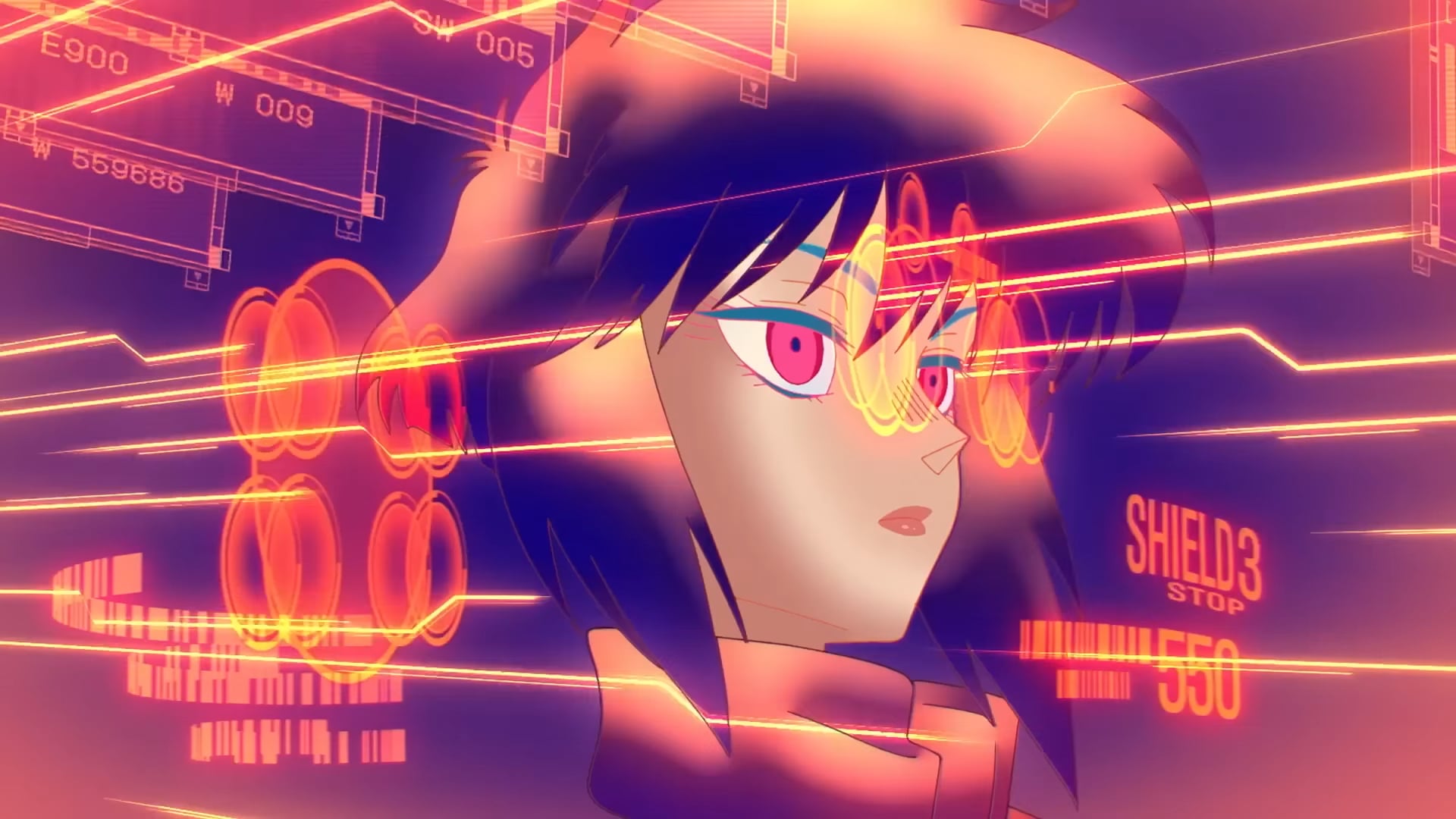
Dan Da Dan anime studio Science SARU’s adaptation of The Ghost in the Shell is finally streaming on Prime Video, and its pilot episode looks like a ’90s anime fever dream in the best way possible. Major Motoko Kusanagi kicks all the ass, its soundtrack is a bop, and its action sequences are a chef’s kiss. Don’t just take our word for it; check out the trailer below and see for yourself how Science SARU cooked once again. [embed]https://www.youtube.com/watch?v=ahZn4dVCbvs[/embed] Ahead of its premiere, io9 got to chat with director Mokochan and character designer Shuhei Handa at Anime Expo about how their vision for Masamune Shirow’s seminal cyberpunk manga came to be, as well as a couple of pointed fandom-centric questions for fans who’ve been dying to see Major Motoko Kusanagi realized in all her goofy glory. Left: Shuhei Handa, right: Mokochan. © Isaiah Colbert/io9 This interview was edited for clarity. Isaiah Colbert, io9: From Keep Your Hands Off Eizouken!, Devilman Crybaby, Inu-Oh, Scott Pilgrim Takes Off, and Dan Da Dan to Sanda and Jaadugar: A Witch in Mongolia, Science SARU has built an impressive portfolio and reputation for making bold, expressive, and experimental anime. What about The Ghost in the Shell made it feel like a natural fit as the studio’s next project?
Mokochan: For all of the works done by Science SARU, using animation to do storytelling is very important. That’s why we use a lot of hand-drawn animation in it. For The Ghost in the Shell, the most important thing is to use the visuals to capture its world. It’s the same policy with other series as well.
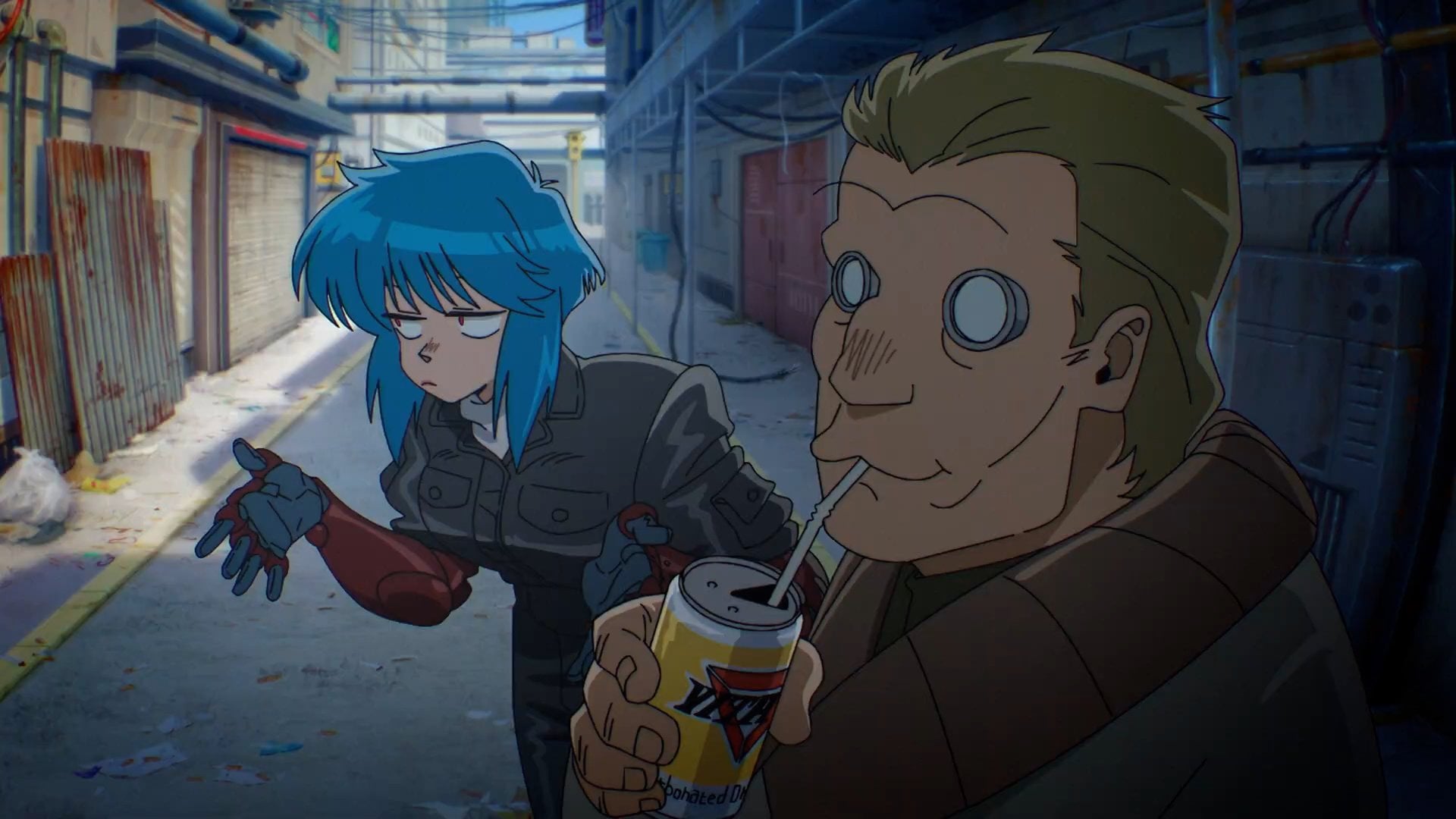
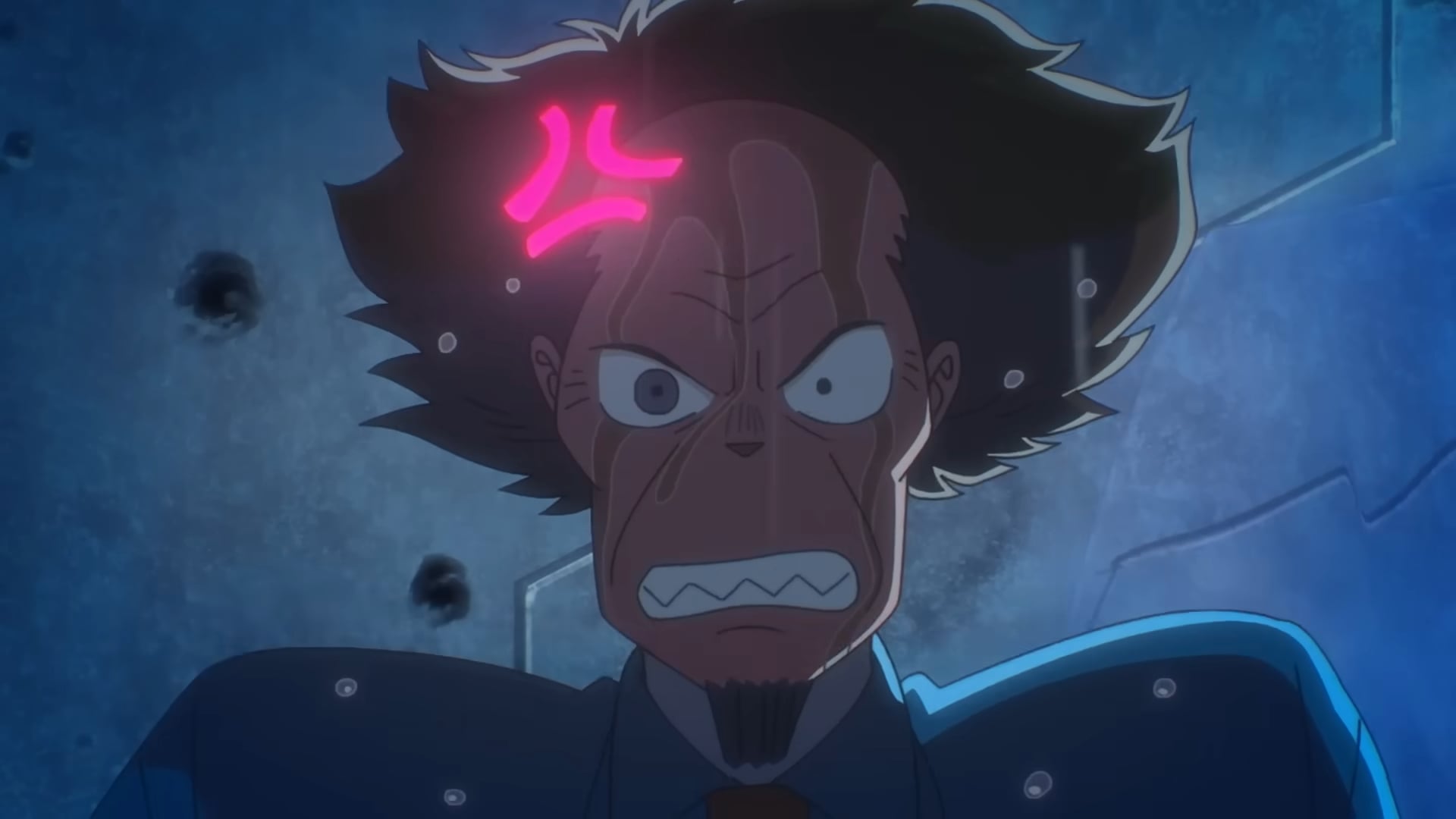
TVアニメ「#攻殻機動隊 THE GHOST IN THE SHELL」⋱ご視聴ありがとうございました⋰ ◤◢◤◢◤◢◤◢◤◢◤◢◤◢ 第01話より草薙素子と荒巻大輔の出会い 👩🏻 🐵迫力の原画を大公開! 原画|小島崇史 さん ◤◢◤◢◤◢◤◢◤◢◤◢◤◢https://t.co/wICYD3OlUm pic.twitter.com/6rNlJdXZZk — サイエンスSARU (@sciencesaru) July 7, 2026 io9: From the jump, The Ghost in the Shell marks a stark tonal shift—a return—towards Masamune Shirow’s lighter, more mischievous vision of the cyberpunk epic. What led Science SARU to pivot away from the austere, military tone that Mamoru Oshii’s 1995 film would go on to cement as the franchise’s vibe for decades? Mokochan: We didn’t intentionally try to change the tone from how director Mamoru Oshii did previously because the concept for making this new series is to base it on the original manga, so we already had our own way of making this one.
© Masamune Shirow/Kodansha io9: In an era when people often use AI to cheaply mimic retro anime aesthetics, the new Ghost in the Shell feels like a deliberate rejection of AI’s pervasiveness in the arts—where every frame in the trailers looks unmistakably hand‑crafted. It’s a phenomenon that’s certainly paradoxical, considering that the manga prophesied how such technologies would be utilized in the not-so-far-off year of 2029. What’s Science SARU’s stance on AI, and what specific animation techniques did it use most to capture the show’s aesthetic through the power of collective human artistry? Mokochan: One of the concepts of the original manga is about the mysterious part of the human being. So we wanted to honor how the original creator captured the world and how we express all of the story in the original manga. So we wanted to follow the same concept using the same method to show humanity by using hand-drawn art. We prefer to just use our arms to draw all of the animation. Handa: It’s because the main concept is about the human body, so that’s why we prefer hand-drawn art over AI.
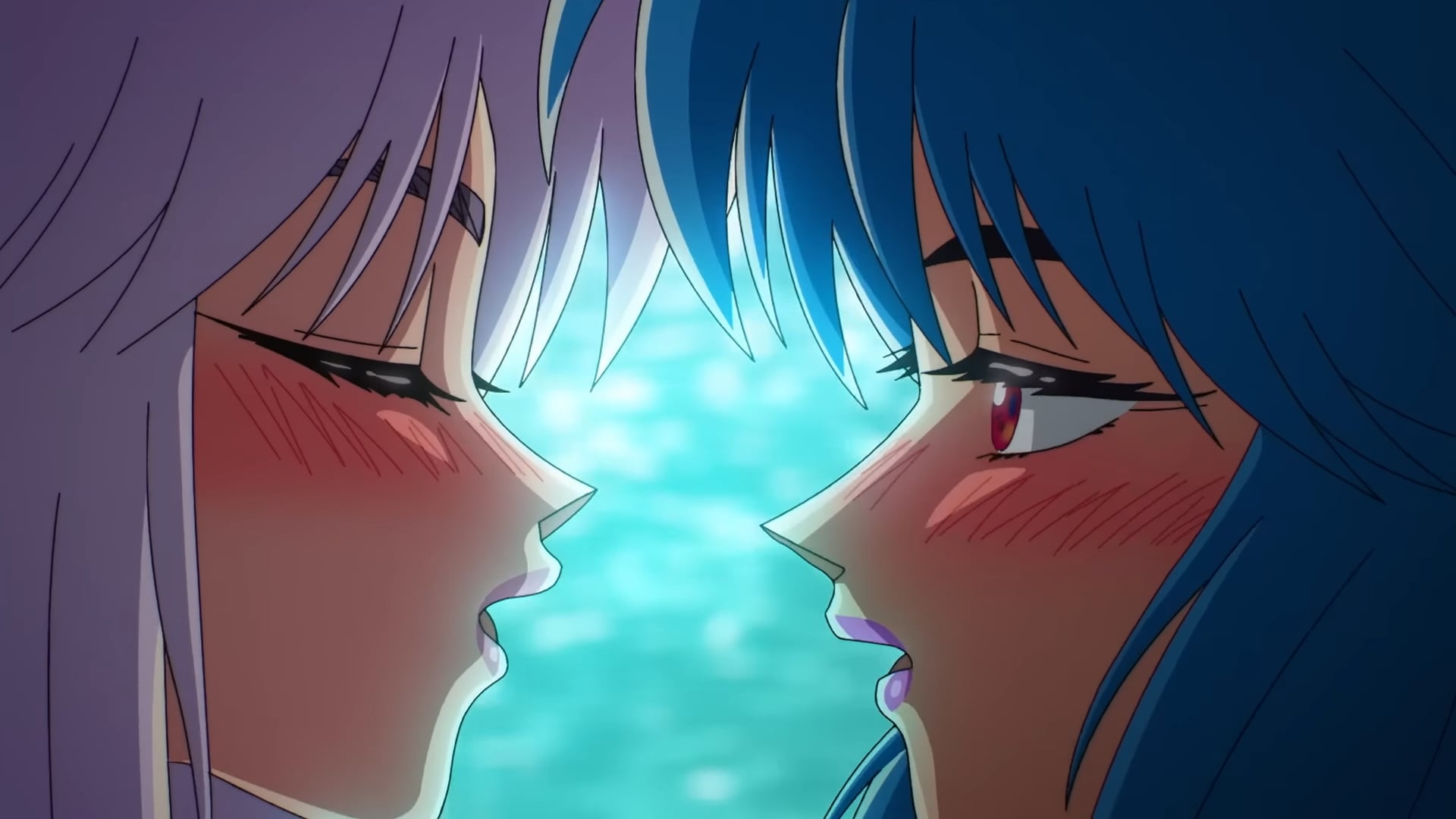
© Science SARU io9: Major Kusanagi has long been read as a bisexual icon in the West, especially because of Shirow’s famous island-escapade chapter with her gal pals, which has been lost in some Western reprints of the original manga. She’s also considerably goofier in the manga, a trait fans lovingly call a “bisexual disaster.” In what ways was it important for Science SARU to depict Kusanagi’s inherent goofball nature and her queerness in this adaptation, and what does portraying that side of her mean for a global audience in 2026? Mokochan: During the process of making the new series, we were actually very surprised by it because, compared to the original manga, a lot of the thoughts about sexuality are very advanced, exploring many possibilities. It’s not just about sexuality; it’s also about the human being, technology, and many other things. [The manga] accepts everything in the world. That was a very big surprise. We didn’t intend to modernize the content to make it fit the new era.
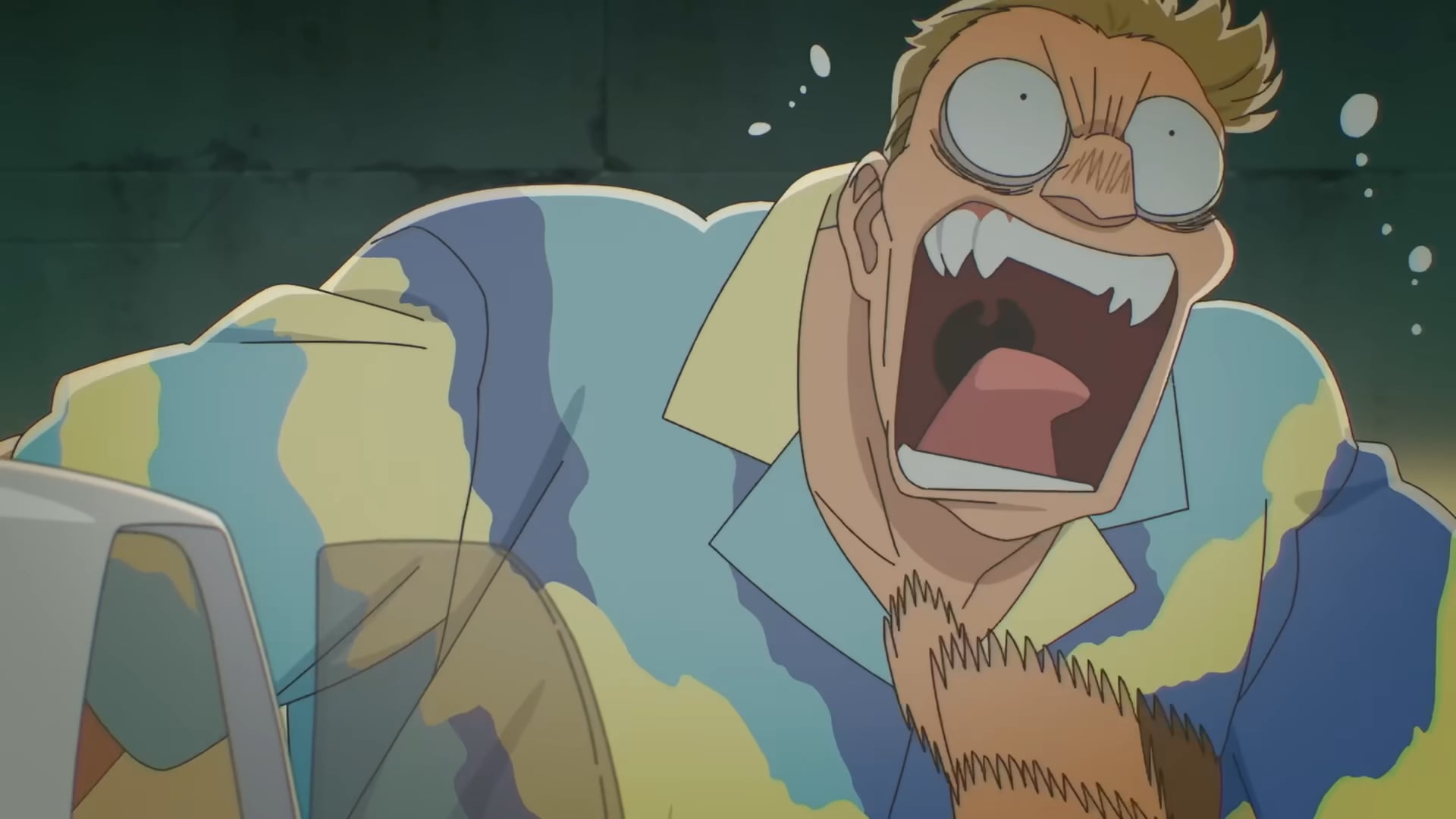
© Science SARU [The Ghost in the Shell producers’ note in regard to Science SARU’s adaptation of Motoko’s vacation scene from the original manga: “We had to adjust the depictions in the original work to match the rating.”] Handa: When we portray Kusanagi’s character, we like to bring out all the comical parts because they’re in the original manga. It’s kind of different how director Oshii portrays her in the previous series because, in those series, Kusanagi was not that expressive. We prefer to keep the authentic parts of the original manga, so we thought we definitely needed to keep the comical parts in the character, so that’s why we included that content. © Science SARU © Science SARU © Science SARU © Science SARU io9: As a fan of the series, I’ve seen Ghost in the Shell go through different iterations, reinterpretations, and reboots. And in that, Motoko’s design has changed in a way that reflects how different people interpret her. But while her outer shell is different, the themes—the ghost in the original story—remain in each adaptation. For Science SARU’s newer adaptation of The Ghost in the Shell, which themes from the original manga feel more prescient now than when it first came out?
Mokochan: Because the original intent of this project is to follow the original manga—not just Kusanagi, but also all the content and the world’s concept—we didn’t try to modernize any part of it. The creative team, all of whom are also big fans of the original manga. So, for the world, the story, the characters, and the theme, it’s all the same because we want to honor the original manga. ウオオオ攻殻機動隊1話にLOと作画監督で参加させていただきました!憧れの攻殻機動隊に関わることができて感激です🔥LOはセンターの子供が撃たれるあたりから脱走するところまで、作監は冒頭からOP前あたりまでです。少佐かっこよくて可愛かった〜!こちら担当LOのうちの1カットです🙏🏻#攻殻機動隊 pic.twitter.com/zUlxgD9fin — 宮かなえ (@miyakanae_) July 7, 2026 The Ghost in the Shell is streaming now on Prime Video. io9 is on the ground at Anime Expo 2026. We’ll be bringing you updates on all the biggest panels, screenings, and announcements, plus exclusive one-on-one interviews with the people behind some of the best and most popular anime around. You can check out all of io9’s Anime Expo coverage here. Want more io9 news? Check out when to expect the latest Marvel, Star Wars, and Star Trek releases, what’s next for the DC Universe on film and TV, and everything you need to know about the future of Doctor Who. #Ghost #Shell #Director #Character #Designer #Keeping #Motoko #True #MangaAnime,Anime Expo,Science Saru,The Ghost in the Shell](https://gizmodo.com/app/uploads/2026/07/The-Ghost-in-the-Shell-Mokachan-Shuhei-Handa.jpg "‘The Ghost in the Shell’ Director, Character Designer on Keeping Motoko True to the Manga
Dan Da Dan anime studio Science SARU’s adaptation of The Ghost in the Shell is finally streaming on Prime Video, and its pilot episode looks like a ’90s anime fever dream in the best way possible. Major Motoko Kusanagi kicks all the ass, its soundtrack is a bop, and its action sequences are a chef’s kiss. Don’t just take our word for it; check out the trailer below and see for yourself how Science SARU cooked once again. [embed]https://www.youtube.com/watch?v=ahZn4dVCbvs[/embed] Ahead of its premiere, io9 got to chat with director Mokochan and character designer Shuhei Handa at Anime Expo about how their vision for Masamune Shirow’s seminal cyberpunk manga came to be, as well as a couple of pointed fandom-centric questions for fans who’ve been dying to see Major Motoko Kusanagi realized in all her goofy glory. Left: Shuhei Handa, right: Mokochan. © Isaiah Colbert/io9 This interview was edited for clarity. Isaiah Colbert, io9: From Keep Your Hands Off Eizouken!, Devilman Crybaby, Inu-Oh, Scott Pilgrim Takes Off, and Dan Da Dan to Sanda and Jaadugar: A Witch in Mongolia, Science SARU has built an impressive portfolio and reputation for making bold, expressive, and experimental anime. What about The Ghost in the Shell made it feel like a natural fit as the studio’s next project?
Mokochan: For all of the works done by Science SARU, using animation to do storytelling is very important. That’s why we use a lot of hand-drawn animation in it. For The Ghost in the Shell, the most important thing is to use the visuals to capture its world. It’s the same policy with other series as well.
TVアニメ「#攻殻機動隊 THE GHOST IN THE SHELL」⋱ご視聴ありがとうございました⋰ ◤◢◤◢◤◢◤◢◤◢◤◢◤◢ 第01話より草薙素子と荒巻大輔の出会い 👩🏻 🐵迫力の原画を大公開! 原画|小島崇史 さん ◤◢◤◢◤◢◤◢◤◢◤◢◤◢https://t.co/wICYD3OlUm pic.twitter.com/6rNlJdXZZk — サイエンスSARU (@sciencesaru) July 7, 2026 io9: From the jump, The Ghost in the Shell marks a stark tonal shift—a return—towards Masamune Shirow’s lighter, more mischievous vision of the cyberpunk epic. What led Science SARU to pivot away from the austere, military tone that Mamoru Oshii’s 1995 film would go on to cement as the franchise’s vibe for decades? Mokochan: We didn’t intentionally try to change the tone from how director Mamoru Oshii did previously because the concept for making this new series is to base it on the original manga, so we already had our own way of making this one.
© Masamune Shirow/Kodansha io9: In an era when people often use AI to cheaply mimic retro anime aesthetics, the new Ghost in the Shell feels like a deliberate rejection of AI’s pervasiveness in the arts—where every frame in the trailers looks unmistakably hand‑crafted. It’s a phenomenon that’s certainly paradoxical, considering that the manga prophesied how such technologies would be utilized in the not-so-far-off year of 2029. What’s Science SARU’s stance on AI, and what specific animation techniques did it use most to capture the show’s aesthetic through the power of collective human artistry? Mokochan: One of the concepts of the original manga is about the mysterious part of the human being. So we wanted to honor how the original creator captured the world and how we express all of the story in the original manga. So we wanted to follow the same concept using the same method to show humanity by using hand-drawn art. We prefer to just use our arms to draw all of the animation. Handa: It’s because the main concept is about the human body, so that’s why we prefer hand-drawn art over AI.
© Science SARU io9: Major Kusanagi has long been read as a bisexual icon in the West, especially because of Shirow’s famous island-escapade chapter with her gal pals, which has been lost in some Western reprints of the original manga. She’s also considerably goofier in the manga, a trait fans lovingly call a “bisexual disaster.” In what ways was it important for Science SARU to depict Kusanagi’s inherent goofball nature and her queerness in this adaptation, and what does portraying that side of her mean for a global audience in 2026? Mokochan: During the process of making the new series, we were actually very surprised by it because, compared to the original manga, a lot of the thoughts about sexuality are very advanced, exploring many possibilities. It’s not just about sexuality; it’s also about the human being, technology, and many other things. [The manga] accepts everything in the world. That was a very big surprise. We didn’t intend to modernize the content to make it fit the new era.
© Science SARU [The Ghost in the Shell producers’ note in regard to Science SARU’s adaptation of Motoko’s vacation scene from the original manga: “We had to adjust the depictions in the original work to match the rating.”] Handa: When we portray Kusanagi’s character, we like to bring out all the comical parts because they’re in the original manga. It’s kind of different how director Oshii portrays her in the previous series because, in those series, Kusanagi was not that expressive. We prefer to keep the authentic parts of the original manga, so we thought we definitely needed to keep the comical parts in the character, so that’s why we included that content. © Science SARU © Science SARU © Science SARU © Science SARU io9: As a fan of the series, I’ve seen Ghost in the Shell go through different iterations, reinterpretations, and reboots. And in that, Motoko’s design has changed in a way that reflects how different people interpret her. But while her outer shell is different, the themes—the ghost in the original story—remain in each adaptation. For Science SARU’s newer adaptation of The Ghost in the Shell, which themes from the original manga feel more prescient now than when it first came out?
Mokochan: Because the original intent of this project is to follow the original manga—not just Kusanagi, but also all the content and the world’s concept—we didn’t try to modernize any part of it. The creative team, all of whom are also big fans of the original manga. So, for the world, the story, the characters, and the theme, it’s all the same because we want to honor the original manga. ウオオオ攻殻機動隊1話にLOと作画監督で参加させていただきました!憧れの攻殻機動隊に関わることができて感激です🔥LOはセンターの子供が撃たれるあたりから脱走するところまで、作監は冒頭からOP前あたりまでです。少佐かっこよくて可愛かった〜!こちら担当LOのうちの1カットです🙏🏻#攻殻機動隊 pic.twitter.com/zUlxgD9fin — 宮かなえ (@miyakanae_) July 7, 2026 The Ghost in the Shell is streaming now on Prime Video. io9 is on the ground at Anime Expo 2026. We’ll be bringing you updates on all the biggest panels, screenings, and announcements, plus exclusive one-on-one interviews with the people behind some of the best and most popular anime around. You can check out all of io9’s Anime Expo coverage here. Want more io9 news? Check out when to expect the latest Marvel, Star Wars, and Star Trek releases, what’s next for the DC Universe on film and TV, and everything you need to know about the future of Doctor Who. #Ghost #Shell #Director #Character #Designer #Keeping #Motoko #True #MangaAnime,Anime Expo,Science Saru,The Ghost in the Shell")

![‘The Ghost in the Shell’ Director, Character Designer on Keeping Motoko True to the Manga
Dan Da Dan anime studio Science SARU’s adaptation of The Ghost in the Shell is finally streaming on Prime Video, and its pilot episode looks like a ’90s anime fever dream in the best way possible. Major Motoko Kusanagi kicks all the ass, its soundtrack is a bop, and its action sequences are a chef’s kiss. Don’t just take our word for it; check out the trailer below and see for yourself how Science SARU cooked once again. [embed]https://www.youtube.com/watch?v=ahZn4dVCbvs[/embed] Ahead of its premiere, io9 got to chat with director Mokochan and character designer Shuhei Handa at Anime Expo about how their vision for Masamune Shirow’s seminal cyberpunk manga came to be, as well as a couple of pointed fandom-centric questions for fans who’ve been dying to see Major Motoko Kusanagi realized in all her goofy glory. Left: Shuhei Handa, right: Mokochan. © Isaiah Colbert/io9 This interview was edited for clarity. Isaiah Colbert, io9: From Keep Your Hands Off Eizouken!, Devilman Crybaby, Inu-Oh, Scott Pilgrim Takes Off, and Dan Da Dan to Sanda and Jaadugar: A Witch in Mongolia, Science SARU has built an impressive portfolio and reputation for making bold, expressive, and experimental anime. What about The Ghost in the Shell made it feel like a natural fit as the studio’s next project?
Mokochan: For all of the works done by Science SARU, using animation to do storytelling is very important. That’s why we use a lot of hand-drawn animation in it. For The Ghost in the Shell, the most important thing is to use the visuals to capture its world. It’s the same policy with other series as well.
TVアニメ「#攻殻機動隊 THE GHOST IN THE SHELL」⋱ご視聴ありがとうございました⋰ ◤◢◤◢◤◢◤◢◤◢◤◢◤◢ 第01話より草薙素子と荒巻大輔の出会い 👩🏻 🐵迫力の原画を大公開! 原画|小島崇史 さん ◤◢◤◢◤◢◤◢◤◢◤◢◤◢https://t.co/wICYD3OlUm pic.twitter.com/6rNlJdXZZk — サイエンスSARU (@sciencesaru) July 7, 2026 io9: From the jump, The Ghost in the Shell marks a stark tonal shift—a return—towards Masamune Shirow’s lighter, more mischievous vision of the cyberpunk epic. What led Science SARU to pivot away from the austere, military tone that Mamoru Oshii’s 1995 film would go on to cement as the franchise’s vibe for decades? Mokochan: We didn’t intentionally try to change the tone from how director Mamoru Oshii did previously because the concept for making this new series is to base it on the original manga, so we already had our own way of making this one.
© Masamune Shirow/Kodansha io9: In an era when people often use AI to cheaply mimic retro anime aesthetics, the new Ghost in the Shell feels like a deliberate rejection of AI’s pervasiveness in the arts—where every frame in the trailers looks unmistakably hand‑crafted. It’s a phenomenon that’s certainly paradoxical, considering that the manga prophesied how such technologies would be utilized in the not-so-far-off year of 2029. What’s Science SARU’s stance on AI, and what specific animation techniques did it use most to capture the show’s aesthetic through the power of collective human artistry? Mokochan: One of the concepts of the original manga is about the mysterious part of the human being. So we wanted to honor how the original creator captured the world and how we express all of the story in the original manga. So we wanted to follow the same concept using the same method to show humanity by using hand-drawn art. We prefer to just use our arms to draw all of the animation. Handa: It’s because the main concept is about the human body, so that’s why we prefer hand-drawn art over AI.
© Science SARU io9: Major Kusanagi has long been read as a bisexual icon in the West, especially because of Shirow’s famous island-escapade chapter with her gal pals, which has been lost in some Western reprints of the original manga. She’s also considerably goofier in the manga, a trait fans lovingly call a “bisexual disaster.” In what ways was it important for Science SARU to depict Kusanagi’s inherent goofball nature and her queerness in this adaptation, and what does portraying that side of her mean for a global audience in 2026? Mokochan: During the process of making the new series, we were actually very surprised by it because, compared to the original manga, a lot of the thoughts about sexuality are very advanced, exploring many possibilities. It’s not just about sexuality; it’s also about the human being, technology, and many other things. [The manga] accepts everything in the world. That was a very big surprise. We didn’t intend to modernize the content to make it fit the new era.
© Science SARU [The Ghost in the Shell producers’ note in regard to Science SARU’s adaptation of Motoko’s vacation scene from the original manga: “We had to adjust the depictions in the original work to match the rating.”] Handa: When we portray Kusanagi’s character, we like to bring out all the comical parts because they’re in the original manga. It’s kind of different how director Oshii portrays her in the previous series because, in those series, Kusanagi was not that expressive. We prefer to keep the authentic parts of the original manga, so we thought we definitely needed to keep the comical parts in the character, so that’s why we included that content. © Science SARU © Science SARU © Science SARU © Science SARU io9: As a fan of the series, I’ve seen Ghost in the Shell go through different iterations, reinterpretations, and reboots. And in that, Motoko’s design has changed in a way that reflects how different people interpret her. But while her outer shell is different, the themes—the ghost in the original story—remain in each adaptation. For Science SARU’s newer adaptation of The Ghost in the Shell, which themes from the original manga feel more prescient now than when it first came out?
Mokochan: Because the original intent of this project is to follow the original manga—not just Kusanagi, but also all the content and the world’s concept—we didn’t try to modernize any part of it. The creative team, all of whom are also big fans of the original manga. So, for the world, the story, the characters, and the theme, it’s all the same because we want to honor the original manga. ウオオオ攻殻機動隊1話にLOと作画監督で参加させていただきました!憧れの攻殻機動隊に関わることができて感激です🔥LOはセンターの子供が撃たれるあたりから脱走するところまで、作監は冒頭からOP前あたりまでです。少佐かっこよくて可愛かった〜!こちら担当LOのうちの1カットです🙏🏻#攻殻機動隊 pic.twitter.com/zUlxgD9fin — 宮かなえ (@miyakanae_) July 7, 2026 The Ghost in the Shell is streaming now on Prime Video. io9 is on the ground at Anime Expo 2026. We’ll be bringing you updates on all the biggest panels, screenings, and announcements, plus exclusive one-on-one interviews with the people behind some of the best and most popular anime around. You can check out all of io9’s Anime Expo coverage here. Want more io9 news? Check out when to expect the latest Marvel, Star Wars, and Star Trek releases, what’s next for the DC Universe on film and TV, and everything you need to know about the future of Doctor Who. #Ghost #Shell #Director #Character #Designer #Keeping #Motoko #True #MangaAnime,Anime Expo,Science Saru,The Ghost in the Shell](https://i0.wp.com/gizmodo.com/app/uploads/2026/07/The-Ghost-in-the-Shell-Mokachan-Shuhei-Handa.jpg?ssl=1 "‘The Ghost in the Shell’ Director, Character Designer on Keeping Motoko True to the Manga
Dan Da Dan anime studio Science SARU’s adaptation of The Ghost in the Shell is finally streaming on Prime Video, and its pilot episode looks like a ’90s anime fever dream in the best way possible. Major Motoko Kusanagi kicks all the ass, its soundtrack is a bop, and its action sequences are a chef’s kiss. Don’t just take our word for it; check out the trailer below and see for yourself how Science SARU cooked once again. [embed]https://www.youtube.com/watch?v=ahZn4dVCbvs[/embed] Ahead of its premiere, io9 got to chat with director Mokochan and character designer Shuhei Handa at Anime Expo about how their vision for Masamune Shirow’s seminal cyberpunk manga came to be, as well as a couple of pointed fandom-centric questions for fans who’ve been dying to see Major Motoko Kusanagi realized in all her goofy glory. Left: Shuhei Handa, right: Mokochan. © Isaiah Colbert/io9 This interview was edited for clarity. Isaiah Colbert, io9: From Keep Your Hands Off Eizouken!, Devilman Crybaby, Inu-Oh, Scott Pilgrim Takes Off, and Dan Da Dan to Sanda and Jaadugar: A Witch in Mongolia, Science SARU has built an impressive portfolio and reputation for making bold, expressive, and experimental anime. What about The Ghost in the Shell made it feel like a natural fit as the studio’s next project?
Mokochan: For all of the works done by Science SARU, using animation to do storytelling is very important. That’s why we use a lot of hand-drawn animation in it. For The Ghost in the Shell, the most important thing is to use the visuals to capture its world. It’s the same policy with other series as well.
TVアニメ「#攻殻機動隊 THE GHOST IN THE SHELL」⋱ご視聴ありがとうございました⋰ ◤◢◤◢◤◢◤◢◤◢◤◢◤◢ 第01話より草薙素子と荒巻大輔の出会い 👩🏻 🐵迫力の原画を大公開! 原画|小島崇史 さん ◤◢◤◢◤◢◤◢◤◢◤◢◤◢https://t.co/wICYD3OlUm pic.twitter.com/6rNlJdXZZk — サイエンスSARU (@sciencesaru) July 7, 2026 io9: From the jump, The Ghost in the Shell marks a stark tonal shift—a return—towards Masamune Shirow’s lighter, more mischievous vision of the cyberpunk epic. What led Science SARU to pivot away from the austere, military tone that Mamoru Oshii’s 1995 film would go on to cement as the franchise’s vibe for decades? Mokochan: We didn’t intentionally try to change the tone from how director Mamoru Oshii did previously because the concept for making this new series is to base it on the original manga, so we already had our own way of making this one.
© Masamune Shirow/Kodansha io9: In an era when people often use AI to cheaply mimic retro anime aesthetics, the new Ghost in the Shell feels like a deliberate rejection of AI’s pervasiveness in the arts—where every frame in the trailers looks unmistakably hand‑crafted. It’s a phenomenon that’s certainly paradoxical, considering that the manga prophesied how such technologies would be utilized in the not-so-far-off year of 2029. What’s Science SARU’s stance on AI, and what specific animation techniques did it use most to capture the show’s aesthetic through the power of collective human artistry? Mokochan: One of the concepts of the original manga is about the mysterious part of the human being. So we wanted to honor how the original creator captured the world and how we express all of the story in the original manga. So we wanted to follow the same concept using the same method to show humanity by using hand-drawn art. We prefer to just use our arms to draw all of the animation. Handa: It’s because the main concept is about the human body, so that’s why we prefer hand-drawn art over AI.
© Science SARU io9: Major Kusanagi has long been read as a bisexual icon in the West, especially because of Shirow’s famous island-escapade chapter with her gal pals, which has been lost in some Western reprints of the original manga. She’s also considerably goofier in the manga, a trait fans lovingly call a “bisexual disaster.” In what ways was it important for Science SARU to depict Kusanagi’s inherent goofball nature and her queerness in this adaptation, and what does portraying that side of her mean for a global audience in 2026? Mokochan: During the process of making the new series, we were actually very surprised by it because, compared to the original manga, a lot of the thoughts about sexuality are very advanced, exploring many possibilities. It’s not just about sexuality; it’s also about the human being, technology, and many other things. [The manga] accepts everything in the world. That was a very big surprise. We didn’t intend to modernize the content to make it fit the new era.
© Science SARU [The Ghost in the Shell producers’ note in regard to Science SARU’s adaptation of Motoko’s vacation scene from the original manga: “We had to adjust the depictions in the original work to match the rating.”] Handa: When we portray Kusanagi’s character, we like to bring out all the comical parts because they’re in the original manga. It’s kind of different how director Oshii portrays her in the previous series because, in those series, Kusanagi was not that expressive. We prefer to keep the authentic parts of the original manga, so we thought we definitely needed to keep the comical parts in the character, so that’s why we included that content. © Science SARU © Science SARU © Science SARU © Science SARU io9: As a fan of the series, I’ve seen Ghost in the Shell go through different iterations, reinterpretations, and reboots. And in that, Motoko’s design has changed in a way that reflects how different people interpret her. But while her outer shell is different, the themes—the ghost in the original story—remain in each adaptation. For Science SARU’s newer adaptation of The Ghost in the Shell, which themes from the original manga feel more prescient now than when it first came out?
Mokochan: Because the original intent of this project is to follow the original manga—not just Kusanagi, but also all the content and the world’s concept—we didn’t try to modernize any part of it. The creative team, all of whom are also big fans of the original manga. So, for the world, the story, the characters, and the theme, it’s all the same because we want to honor the original manga. ウオオオ攻殻機動隊1話にLOと作画監督で参加させていただきました!憧れの攻殻機動隊に関わることができて感激です🔥LOはセンターの子供が撃たれるあたりから脱走するところまで、作監は冒頭からOP前あたりまでです。少佐かっこよくて可愛かった〜!こちら担当LOのうちの1カットです🙏🏻#攻殻機動隊 pic.twitter.com/zUlxgD9fin — 宮かなえ (@miyakanae_) July 7, 2026 The Ghost in the Shell is streaming now on Prime Video. io9 is on the ground at Anime Expo 2026. We’ll be bringing you updates on all the biggest panels, screenings, and announcements, plus exclusive one-on-one interviews with the people behind some of the best and most popular anime around. You can check out all of io9’s Anime Expo coverage here. Want more io9 news? Check out when to expect the latest Marvel, Star Wars, and Star Trek releases, what’s next for the DC Universe on film and TV, and everything you need to know about the future of Doctor Who. #Ghost #Shell #Director #Character #Designer #Keeping #Motoko #True #MangaAnime,Anime Expo,Science Saru,The Ghost in the Shell")
Post Comment