×
Why Kansas City Chiefs Aren’t Done Yet Despite 6-6 Record | Deadspin.com

Why Kansas City Chiefs Aren’t Done Yet Despite 6-6 Record | Deadspin.com

Remember the spirited call from Kansas City Chiefs radio broadcaster Mitch Holthus two AFC Championship Games ago?

“You can doubt the Chiefs! You can dislike the Chiefs! You can disrespect the Chiefs! You’re gonna have to deal with the Chiefs,” he roared, as Kansas City secured its fourth conference title in five seasons.

The Chiefs made it five out of six AFC crowns a year ago, and while a berth in Super Bowl LX – let alone the playoffs – appears dire with KC sitting at 6–6 entering Sunday’s visit from surging Houston, the door isn’t fully closed.

The Buffalo Bills, Denver Broncos and Dallas Cowboys might have imagined Holthus adding, “You’re gonna have to hobble the Chiefs!” after narrowly defeating KC in the past month. Yet no one has truly subdued them.

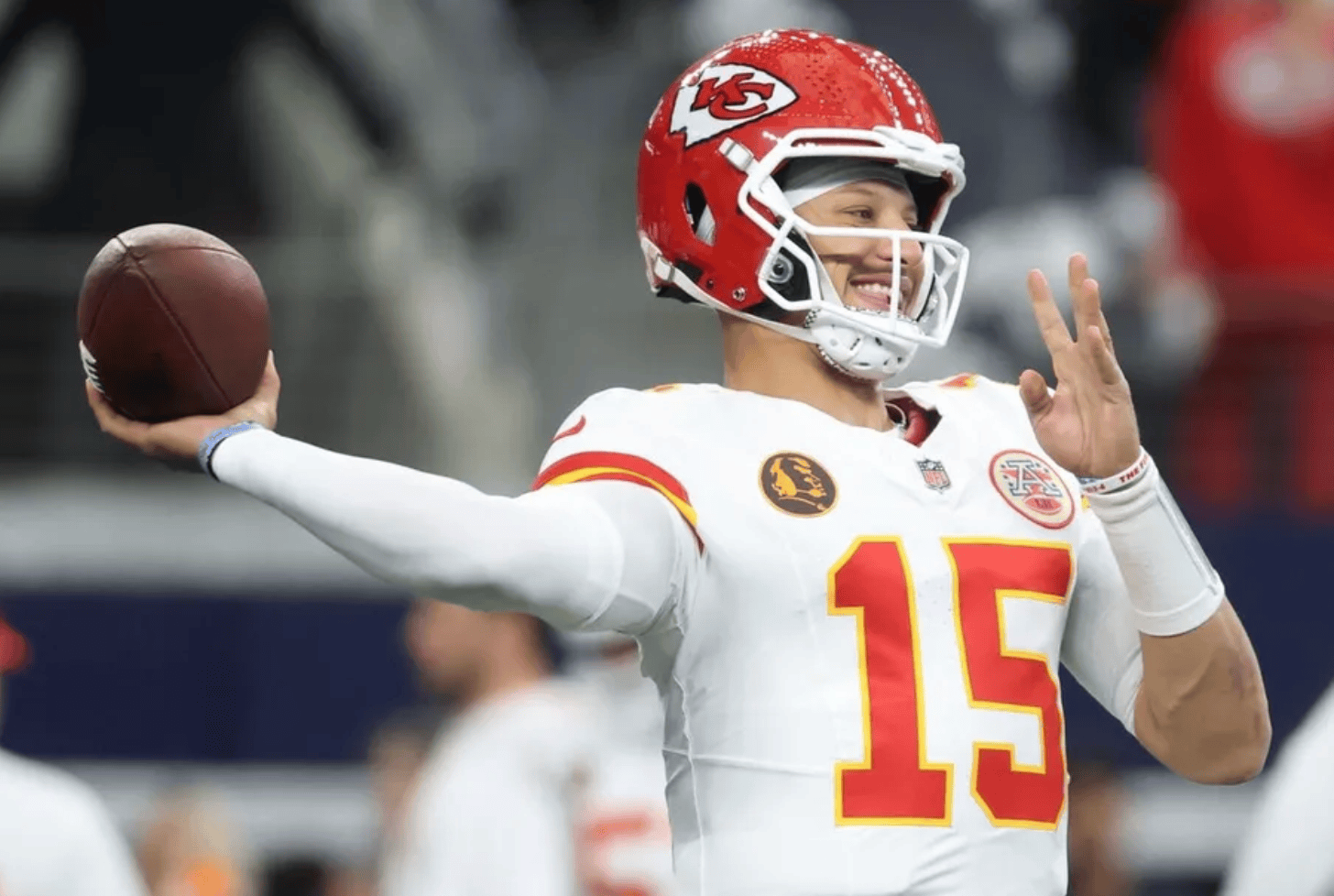
With Andy Reid and Patrick Mahomes still at the helm, that remains a tough task.

Let’s be clear: The Chiefs are 10th in the AFC, where only the top seven teams reach the postseason. They’ve seemingly lost their magic in one-possession games (though not their JuJu — as in the intermittently productive Smith-Schuster) and are battling injuries along the offensive line.

There’s defensive inconsistency as well. Dallas converted 9 of 16 third downs in its 31–28 Thanksgiving win, piling up 457 yards.

The Chiefs gained nearly 100 fewer yards, were flagged 10 times for 119 yards, and still lost by only three. That’s no anomaly. Mahomes completed 67.7% of his passes with four touchdowns and zero interceptions in his sharpest outing since a run of home wins against Detroit, Las Vegas and Washington to close October.

Houston (7–5) presents a stiff test. The Texans allow just 265.7 yards per game — best in the NFL — including a fourth-ranked pass defense yielding only 174 yards per game through the air.

The Texans have brought strong defenses into previous matchups with the Chiefs and have little to show for it. Since losing his first game against Houston in Week 6 of 2019, Mahomes has won five straight, playoffs included.

In four regular-season meetings since, Mahomes has averaged 270 passing yards with nine touchdowns and one interception. He also has two rushing TDs on 5.9 yards per carry — the escape-and-create ability Houston knows all too well and must contain.

“He’s not really looking to scramble and run the ball like he is looking to throw the ball,” Texans coach DeMeco Ryans said. “His eyes are always downfield. So (the) secondary has to be aware of that. Making sure you’re sticky on your coverage.”

Even that may not be enough.

Mahomes and Reid have faced a 6–6 crossroads before. In 2017, Mahomes’ rookie season, the Chiefs won their final four games to snag a wild-card spot.

Reid offered caution this week to anyone eager to write KC’s epitaph, even as playoff projection models trend that way.

“You look at our season,” Reid said, “we’re one or two plays off. And we take care of that — whether it’s a penalty at a crucial time, a possible turnover somewhere, or having a chance to create a turnover — we are right in position where if we can figure out those two, three plays, you flip this around.”

You’re gonna have to eliminate the Chiefs from playoff contention if you don’t want to deal with them beyond Week 18.

They’re teetering, sure. But as KC sees it, that just means another opportunity to bounce back — even as the chances grow thin.

Source link
#Kansas #City #Chiefs #Arent #Record #Deadspin.com
Deadspin | Stewart Cink, Charlie Wi share first-round lead at U.S. Senior Open  Stewart Cink walks across the eighth green during the first round of the U.S. Senior Open at Scioto Country Club in Columbus on July 2, 2026.   Stewart Cink put himself in contention to win a third straight major, as he shares the lead after the first round of the U.S. Senior Open Championship on Thursday in Upper Arlington, Ohio.  Cink and co-leader Charlie Wi of South Korea each shot 3-under-par 67 at Scioto Country Club to sit atop a tightly bunched leaderboard. Wi got a boost from a five-birdie streak, while Cink shot 5-under 30 on the back nine after carding two bogeys among his first nine holes.  George McNeill, England’s Simon Griffiths and Sweden’s Freddie Jacobson are a stroke back as 15 players broke par.  Defending champion Padraig Harrington of Ireland is among 10 golfers tied for sixth at 1-under 69.  The others are Ben Crane, Tommy Gainey, Paul Stankowski, Wales’ Jamie Donaldson, Australia’s Richard Green and Greg Chalmers, Germany’s Alex Cejka, Denmark’s Soren Kjeldsen and Spain’s Miguel Angel Jimenez.  Cink opened with a bogey at the par-4 first hole and had another blemish with a bogey at No. 5 to make the turn at 2 over. He heated up on the back nine, with birdies at Nos. 10, 13, 14, 16 and 18 for a 30 and a 67 total.  “I don’t think I found anything,” Cink said of any adjustments when making the turn. “I just decided to start trusting what I’d already been in possession of. I’ve been off for a little while, and I started like I’ve been off for a little while. Middle of the fairway on 1, and I inexplicably lost my trust in the downswing and flared it out to the right in the bunker.  “I had to prove it to myself again that I could play decent golf a certain way. The back nine was really nice. I actually could have shot quite a bit lower on the back nine. I missed three very reasonably like inside — right around 10 feet or less birdie putts.”   Cink leads the Charles Schwab Cup standings after earning four wins in nine events. He captured the first two majors of the year, the Senior PGA Championship in April and the Regions Tradition in May. He also won the Mitsubishi Electric Championship at Hualalai in January and the Hoag Classic in March.  Wi, whose best result this year is a tie for third at the Insperity Invitational in May, has three top-10 finishes in 2026 as he pursues his first win on tour. He is 31st in the Charles Schwab Cup standings.  “I hit the ball pretty solid today, made a couple of putts,” Wi said. “It was a hot day. I just made sure that I stayed in the ballgame, meaning like mentally, because you could easily lose it out there. Yeah, overall it was just a solid day in the first round.”  Starting his round on the back nine, Wi carded birdies at par-4 holes Nos. 10 and 13 before a bogey at No. 18. He also bogeyed No. 1 before stringing together five consecutive birdies at Nos. 3-7 to get to 5 under.  “Today I was like, wait, did I just run off four in a row? On the fifth one I was thinking about it, come on, get it out of your brain, and I was able to make it,” said Wi, who had a five-birdie streak at the Regions Tradition.  However, disaster struck at No. 8. Wi had to take a penalty and drop on his third shot at the 496-yard par-4, which ranked the hardest hole of the round. Wi got to the green on his fourth shot and finished with a double bogey.  –Field Level Media   #Deadspin #Stewart #Cink #Charlie #share #firstround #lead #U.S #Senior #OpenStewart Cink walks across the eighth green during the first round of the U.S. Senior Open at Scioto Country Club in Columbus on July 2, 2026.

Stewart Cink put himself in contention to win a third straight major, as he shares the lead after the first round of the U.S. Senior Open Championship on Thursday in Upper Arlington, Ohio.

Cink and co-leader Charlie Wi of South Korea each shot 3-under-par 67 at Scioto Country Club to sit atop a tightly bunched leaderboard. Wi got a boost from a five-birdie streak, while Cink shot 5-under 30 on the back nine after carding two bogeys among his first nine holes.

George McNeill, England’s Simon Griffiths and Sweden’s Freddie Jacobson are a stroke back as 15 players broke par.

Defending champion Padraig Harrington of Ireland is among 10 golfers tied for sixth at 1-under 69.

The others are Ben Crane, Tommy Gainey, Paul Stankowski, Wales’ Jamie Donaldson, Australia’s Richard Green and Greg Chalmers, Germany’s Alex Cejka, Denmark’s Soren Kjeldsen and Spain’s Miguel Angel Jimenez.

Cink opened with a bogey at the par-4 first hole and had another blemish with a bogey at No. 5 to make the turn at 2 over. He heated up on the back nine, with birdies at Nos. 10, 13, 14, 16 and 18 for a 30 and a 67 total.

“I don’t think I found anything,” Cink said of any adjustments when making the turn. “I just decided to start trusting what I’d already been in possession of. I’ve been off for a little while, and I started like I’ve been off for a little while. Middle of the fairway on 1, and I inexplicably lost my trust in the downswing and flared it out to the right in the bunker.


“I had to prove it to myself again that I could play decent golf a certain way. The back nine was really nice. I actually could have shot quite a bit lower on the back nine. I missed three very reasonably like inside — right around 10 feet or less birdie putts.”

Cink leads the Charles Schwab Cup standings after earning four wins in nine events. He captured the first two majors of the year, the Senior PGA Championship in April and the Regions Tradition in May. He also won the Mitsubishi Electric Championship at Hualalai in January and the Hoag Classic in March.

Wi, whose best result this year is a tie for third at the Insperity Invitational in May, has three top-10 finishes in 2026 as he pursues his first win on tour. He is 31st in the Charles Schwab Cup standings.

“I hit the ball pretty solid today, made a couple of putts,” Wi said. “It was a hot day. I just made sure that I stayed in the ballgame, meaning like mentally, because you could easily lose it out there. Yeah, overall it was just a solid day in the first round.”

Starting his round on the back nine, Wi carded birdies at par-4 holes Nos. 10 and 13 before a bogey at No. 18. He also bogeyed No. 1 before stringing together five consecutive birdies at Nos. 3-7 to get to 5 under.

“Today I was like, wait, did I just run off four in a row? On the fifth one I was thinking about it, come on, get it out of your brain, and I was able to make it,” said Wi, who had a five-birdie streak at the Regions Tradition.

However, disaster struck at No. 8. Wi had to take a penalty and drop on his third shot at the 496-yard par-4, which ranked the hardest hole of the round. Wi got to the green on his fourth shot and finished with a double bogey.

–Field Level Media

#Deadspin #Stewart #Cink #Charlie #share #firstround #lead #U.S #Senior #Open">Deadspin | Stewart Cink, Charlie Wi share first-round lead at U.S. Senior Open  Stewart Cink walks across the eighth green during the first round of the U.S. Senior Open at Scioto Country Club in Columbus on July 2, 2026.   Stewart Cink put himself in contention to win a third straight major, as he shares the lead after the first round of the U.S. Senior Open Championship on Thursday in Upper Arlington, Ohio.  Cink and co-leader Charlie Wi of South Korea each shot 3-under-par 67 at Scioto Country Club to sit atop a tightly bunched leaderboard. Wi got a boost from a five-birdie streak, while Cink shot 5-under 30 on the back nine after carding two bogeys among his first nine holes.  George McNeill, England’s Simon Griffiths and Sweden’s Freddie Jacobson are a stroke back as 15 players broke par.  Defending champion Padraig Harrington of Ireland is among 10 golfers tied for sixth at 1-under 69.  The others are Ben Crane, Tommy Gainey, Paul Stankowski, Wales’ Jamie Donaldson, Australia’s Richard Green and Greg Chalmers, Germany’s Alex Cejka, Denmark’s Soren Kjeldsen and Spain’s Miguel Angel Jimenez.  Cink opened with a bogey at the par-4 first hole and had another blemish with a bogey at No. 5 to make the turn at 2 over. He heated up on the back nine, with birdies at Nos. 10, 13, 14, 16 and 18 for a 30 and a 67 total.  “I don’t think I found anything,” Cink said of any adjustments when making the turn. “I just decided to start trusting what I’d already been in possession of. I’ve been off for a little while, and I started like I’ve been off for a little while. Middle of the fairway on 1, and I inexplicably lost my trust in the downswing and flared it out to the right in the bunker.  “I had to prove it to myself again that I could play decent golf a certain way. The back nine was really nice. I actually could have shot quite a bit lower on the back nine. I missed three very reasonably like inside — right around 10 feet or less birdie putts.”   Cink leads the Charles Schwab Cup standings after earning four wins in nine events. He captured the first two majors of the year, the Senior PGA Championship in April and the Regions Tradition in May. He also won the Mitsubishi Electric Championship at Hualalai in January and the Hoag Classic in March.  Wi, whose best result this year is a tie for third at the Insperity Invitational in May, has three top-10 finishes in 2026 as he pursues his first win on tour. He is 31st in the Charles Schwab Cup standings.  “I hit the ball pretty solid today, made a couple of putts,” Wi said. “It was a hot day. I just made sure that I stayed in the ballgame, meaning like mentally, because you could easily lose it out there. Yeah, overall it was just a solid day in the first round.”  Starting his round on the back nine, Wi carded birdies at par-4 holes Nos. 10 and 13 before a bogey at No. 18. He also bogeyed No. 1 before stringing together five consecutive birdies at Nos. 3-7 to get to 5 under.  “Today I was like, wait, did I just run off four in a row? On the fifth one I was thinking about it, come on, get it out of your brain, and I was able to make it,” said Wi, who had a five-birdie streak at the Regions Tradition.  However, disaster struck at No. 8. Wi had to take a penalty and drop on his third shot at the 496-yard par-4, which ranked the hardest hole of the round. Wi got to the green on his fourth shot and finished with a double bogey.  –Field Level Media   #Deadspin #Stewart #Cink #Charlie #share #firstround #lead #U.S #Senior #Open

This might sound extremely confusing at first glance, so let’s break down how this would work. During the passage of a normal game (i.e. not in the final two minutes or overtime) all free-throw opportunities would be condensed into one shot, awarding points equal to the number of shots previously attempted in the past. So, a basic foul on a missed shot attempt would reward one free throw worth two points. If a player was driving, getting the bucket and the foul (the And-1), then it would result in one shot worth one point. If a player was fouled in the act of attempting a three, then they would receive one shot worth three points.

It’s that final element which is most fascinating, because it creates a significant advantage for elite shooters from beyond the arc who are also fantastic free-throw shooters. For example, the rule effectively does nothing to someone like Steph Curry, who shot 39.3% from three and 92.3% from the free-throw line last season, but it could have a big effect on someone like Anthony Edwards, who shot 39.9% from three and 79.6% on free throws.

While it’s certainly unlikely that we’re going to see some mammoth shift in fouling because of this, having an all-or-nothing approach to free throws is fascinating, because it will add significant pressure on players who already aren’t the best shooters from the charity stripe.

This isn’t the only change being proposed to NBA rules, because the other comes from innovations to the basketball itself.

Adding more technology here isn’t a bad thing and should eliminate some bad calls in the process. It seems like a win-win, so long as the technology works.

#NBA #test #free #throw #rule #WILD">NBA to test new free throw rule, and it’s WILD  The NBA is looking to speed up the flow of the game, and is tentatively planning to take a page out of the NBA G-League’s book to make it happen. The NBA made an announcement on Thursday that it would test out the “one free throw rule” during the 2026 Summer League, gauging whether or not it should become a staple of the NBA.This might sound extremely confusing at first glance, so let’s break down how this would work. During the passage of a normal game (i.e. not in the final two minutes or overtime) all free-throw opportunities would be condensed into one shot, awarding points equal to the number of shots previously attempted in the past. So, a basic foul on a missed shot attempt would reward one free throw worth two points. If a player was driving, getting the bucket and the foul (the And-1), then it would result in one shot worth one point. If a player was fouled in the act of attempting a three, then they would receive one shot worth three points.It’s that final element which is most fascinating, because it creates a significant advantage for elite shooters from beyond the arc who are also fantastic free-throw shooters. For example, the rule effectively does nothing to someone like Steph Curry, who shot 39.3% from three and 92.3% from the free-throw line last season, but it could have a big effect on someone like Anthony Edwards, who shot 39.9% from three and 79.6% on free throws.While it’s certainly unlikely that we’re going to see some mammoth shift in fouling because of this, having an all-or-nothing approach to free throws is fascinating, because it will add significant pressure on players who already aren’t the best shooters from the charity stripe.This isn’t the only change being proposed to NBA rules, because the other comes from innovations to the basketball itself.Adding more technology here isn’t a bad thing and should eliminate some bad calls in the process. It seems like a win-win, so long as the technology works.  #NBA #test #free #throw #rule #WILD

The NBA made an announcement on Thursday that it would test out the “one free throw rule” during the 2026 Summer League, gauging whether or not it should become a staple of the NBA.

This might sound extremely confusing at first glance, so let’s break down how this would work. During the passage of a normal game (i.e. not in the final two minutes or overtime) all free-throw opportunities would be condensed into one shot, awarding points equal to the number of shots previously attempted in the past. So, a basic foul on a missed shot attempt would reward one free throw worth two points. If a player was driving, getting the bucket and the foul (the And-1), then it would result in one shot worth one point. If a player was fouled in the act of attempting a three, then they would receive one shot worth three points.

It’s that final element which is most fascinating, because it creates a significant advantage for elite shooters from beyond the arc who are also fantastic free-throw shooters. For example, the rule effectively does nothing to someone like Steph Curry, who shot 39.3% from three and 92.3% from the free-throw line last season, but it could have a big effect on someone like Anthony Edwards, who shot 39.9% from three and 79.6% on free throws.

While it’s certainly unlikely that we’re going to see some mammoth shift in fouling because of this, having an all-or-nothing approach to free throws is fascinating, because it will add significant pressure on players who already aren’t the best shooters from the charity stripe.

This isn’t the only change being proposed to NBA rules, because the other comes from innovations to the basketball itself.

Adding more technology here isn’t a bad thing and should eliminate some bad calls in the process. It seems like a win-win, so long as the technology works.

#NBA #test #free #throw #rule #WILD">NBA to test new free throw rule, and it’s WILD

The NBA is looking to speed up the flow of the game, and is tentatively planning to take a page out of the NBA G-League’s book to make it happen. The NBA made an announcement on Thursday that it would test out the “one free throw rule” during the 2026 Summer League, gauging whether or not it should become a staple of the NBA.

This might sound extremely confusing at first glance, so let’s break down how this would work. During the passage of a normal game (i.e. not in the final two minutes or overtime) all free-throw opportunities would be condensed into one shot, awarding points equal to the number of shots previously attempted in the past. So, a basic foul on a missed shot attempt would reward one free throw worth two points. If a player was driving, getting the bucket and the foul (the And-1), then it would result in one shot worth one point. If a player was fouled in the act of attempting a three, then they would receive one shot worth three points.

It’s that final element which is most fascinating, because it creates a significant advantage for elite shooters from beyond the arc who are also fantastic free-throw shooters. For example, the rule effectively does nothing to someone like Steph Curry, who shot 39.3% from three and 92.3% from the free-throw line last season, but it could have a big effect on someone like Anthony Edwards, who shot 39.9% from three and 79.6% on free throws.

While it’s certainly unlikely that we’re going to see some mammoth shift in fouling because of this, having an all-or-nothing approach to free throws is fascinating, because it will add significant pressure on players who already aren’t the best shooters from the charity stripe.

This isn’t the only change being proposed to NBA rules, because the other comes from innovations to the basketball itself.

Adding more technology here isn’t a bad thing and should eliminate some bad calls in the process. It seems like a win-win, so long as the technology works.

#NBA #test #free #throw #rule #WILD

Post Comment