
When Knives Out arrived in 2019, it revived the classic whodunit and reintroduced the genre to a generation that had largely written it off as dusty and predictable. Rian Johnson’s approach felt mischievous yet deliberate, blending sharp class satire with a genuine affection for Agatha Christie–style plotting. At the center of it all was Benoit Blanc, a Southern-accented detective who quickly became one of modern cinema’s most unexpected icons.
Since then, the franchise has evolved into something far more experimental. Rather than repeating itself, each sequel actively resists familiarity, choosing reinvention over comfort. That ambition has paid off in uneven but fascinating ways, delighting some viewers while frustrating others. Now, with three films shaping the Knives Out movies universe, the inevitable question arises: which one truly works best?
Based on storytelling cohesion, mystery construction, emotional payoff, and lasting impact, here is our definitive ranking of the Knives Out movies…
#3. Glass Onion: A Knives Out Mystery
Glass Onion is, without question, the flashiest entry in the trilogy. Set against the sun-drenched excess of a private Greek island, the film leans heavily into spectacle, modern satire, and exaggerated personalities. Benoit Blanc is dropped into a circle of elites who are wealthy, influential, and deeply unserious—a deliberate mirror of tech culture, performative activism, and hollow genius myths.
There is plenty to admire. The ensemble cast commits fully to the absurdity, and the film’s mid-story structural shift is genuinely clever. Johnson once again toys with audience expectations, pulling the rug out just when things appear settled. However, Glass Onion often feels more invested in making a point than refining its mystery.
While the emotional motivation behind Helen Brand (Janelle Monáe) is compelling, it is frequently overshadowed by punchlines, symbolism, and social commentary. By the time the film reaches its explosive conclusion, the solution feels intentionally obvious, almost smug. That choice works thematically, but it ultimately dulls the mystery’s lasting impact. Entertaining, biting, and culturally sharp, Glass Onion trades precision for provocation, making it the least satisfying as a pure whodunit.
#2. Wake Up Dead Man: The New Kid on The Block
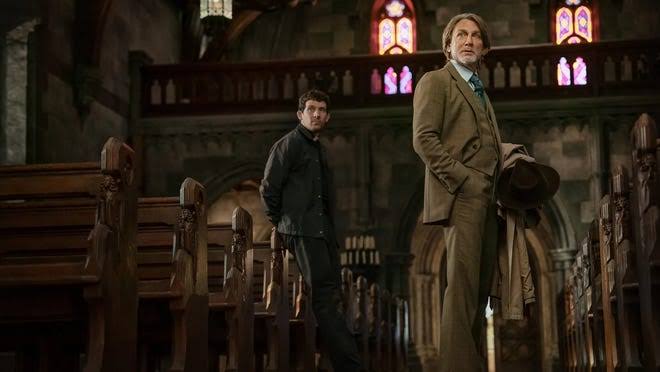
If Glass Onion is loud, Wake Up Dead Man is quietly unsettling. The third entry takes a dramatic tonal shift, moving away from flamboyant satire into darker, more introspective territory. Set within a religious community, the film grapples with faith, guilt, and belief. Obviously, these themes are rarely explored with such seriousness in mainstream murder mysteries.
Here, Benoit Blanc takes on a more restrained role. Rather than dominating the narrative, he functions as a counterweight to the film’s spiritual core. Josh O’Connor’s Reverend Jud Duplenticy emerges as the emotional anchor, grounding the story in moral uncertainty and quiet inner conflict. In many ways, the tension between logic and belief becomes the film’s true mystery.
That said, Wake Up Dead Man is divisive. Its pacing is deliberate, and the central crime feels almost secondary to the film’s philosophical ambitions. For some viewers, this depth is deeply rewarding. For others, it undercuts the satisfaction traditionally associated with the genre. Still, the film delivers moments of genuine emotional weight, scenes that linger long after the credits roll, proving the franchise is willing to evolve, even at the risk of alienation.
#1. Knives Out

The original Knives Out remains the gold standard. Not because it plays things safe, but because it understands balance better than its successors. From the opening moments inside the Thrombey mansion, the film establishes a perfectly calibrated rhythm. Every character serves a purpose. Every detail feeds the mystery. Nothing feels wasted.
What truly elevates Knives Out is its emotional clarity. Beneath the intricate plotting and biting class commentary lies a simple moral question about decency, entitlement, and consequence. Marta Cabrera’s (Ana de Armas) journey grounds the film in empathy, giving the mystery real stakes beyond intellectual cleverness.
Daniel Craig’s Benoit Blanc is at his most effective here, eccentric but purposeful, humorous without slipping into caricature. The reveal unfolds with elegance, delivering that rare “aha” moment that feels both surprising and inevitable. Years later, the film remains tight, fresh, and deeply satisfying, a reminder that the strongest mysteries rely on intention rather than excess.
Knives Out Movies Ranked: Final Verdict
The Knives Out films succeed because they refuse to stagnate. Each entry reflects a distinct creative philosophy: precision, provocation, and introspection. While the original remains unmatched in execution, the sequels expand the franchise’s emotional and thematic range, ensuring it never becomes formulaic. Whether future installments lean further into experimentation or return to classic mystery mechanics, one thing is clear: Benoit Blanc’s world is far from finished.
Featured image: Netflix
IMDb’s Most Popular Movies Of 2025: A Theatrical Comeback Led By Superman

Source link
#Knives #Movies #Ranked #Mystery #Impact


Post Comment