
Color has always shaped how a room feels. Recently, however, it has stopped playing a supporting role and stepped fully into the spotlight. The color drenching trend has returned with confidence, inviting homeowners and designers to immerse entire spaces in a single hue and let emotion guide the design story. Walls, ceilings, trim, cabinetry, and even furnishings now move in tonal harmony, creating rooms that feel intentional, expressive, and deeply atmospheric rather than carefully restrained.
This resurgence is not accidental. Color drenching sits comfortably within the broader maximalist interior design movement, which gained momentum after years dominated by pared-back neutrals and quiet minimalism.
In 2025, many designers predicted that maximalist decor would take center stage, and the shift proved accurate. Homes began embracing layered patterns, saturated palettes, and eclectic furnishings that favored personality over strict coordination. Within this context, drenching rooms in color felt like a natural evolution that replaced visual restraint with immersive design.
What is color drenching?
Color drenching is the practice of applying one dominant color across multiple surfaces within a room. Rather than confining paint to the walls, the hue extends to ceilings, trim, doors, and often furniture or cabinetry. The objective is continuity rather than contrast. As the eye travels through the space, it experiences flow instead of interruption, which explains why color-drenched rooms often feel both bold and calming at once.
Unlike accent walls or selective pops of color, this approach requires commitment. When executed well, color drenching creates depth through tonal variation, texture, and finish rather than sharp color breaks. Matte walls may meet satin woodwork, while textiles and art echo the same color family in softer or richer shades.
Color drenching vs color blocking
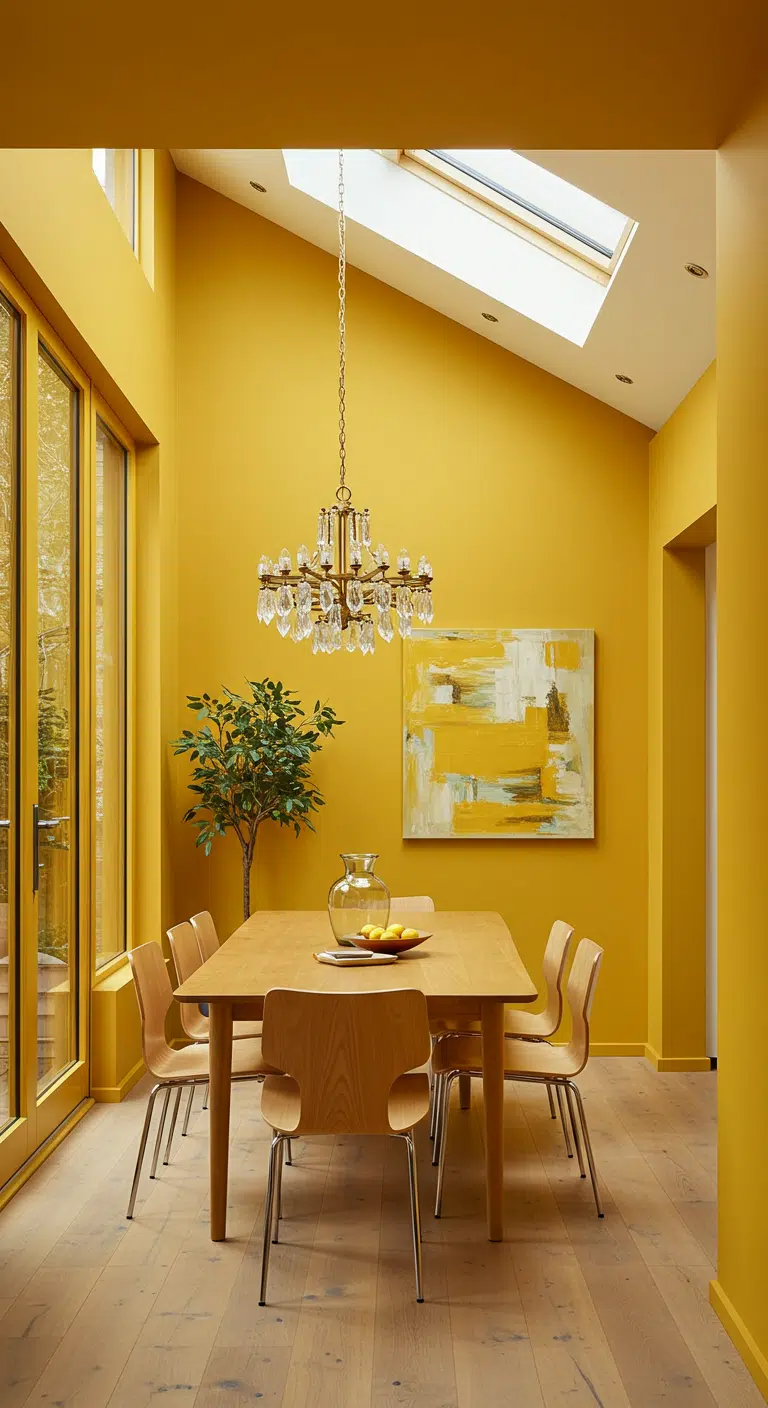
A common point of confusion lies in the distinction between color blocking and color drenching. While both celebrate bold color, their intentions differ. Color blocking relies on contrast—distinct hues placed side by side to create visual separation and energy. Each color is designed to stand alone.
Color drenching, by contrast, removes those dividing lines. It leans into cohesion, allowing a single shade or closely related tones to envelop the space entirely. Within the color drenching trend, drama comes from scale and saturation rather than contrast, which helps explain its growing appeal in modern interiors that seek impact without visual chaos.
Why maximalism brought color drenching back
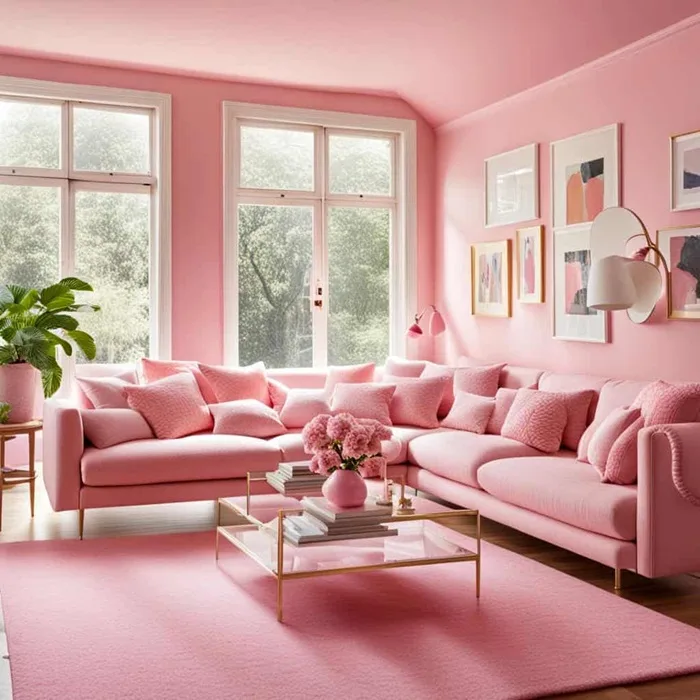
As maximalist interiors gained traction, designers increasingly turned to color as a storytelling tool. Bold wallpaper, expressive artwork, and layered textures demanded surroundings capable of holding their own. Maximalist wallpaper often features intricate patterns with dramatic flair, while large-scale art continues to gain popularity for its emotional pull. Drenching the backdrop in color allows these elements to coexist without feeling disjointed.
Within this expressive framework, color drenching became a grounding force. It unified eclectic furnishings, anchored layered decor, and introduced a sense of control within visual abundance.
Does color drenching make a room look bigger or smaller?
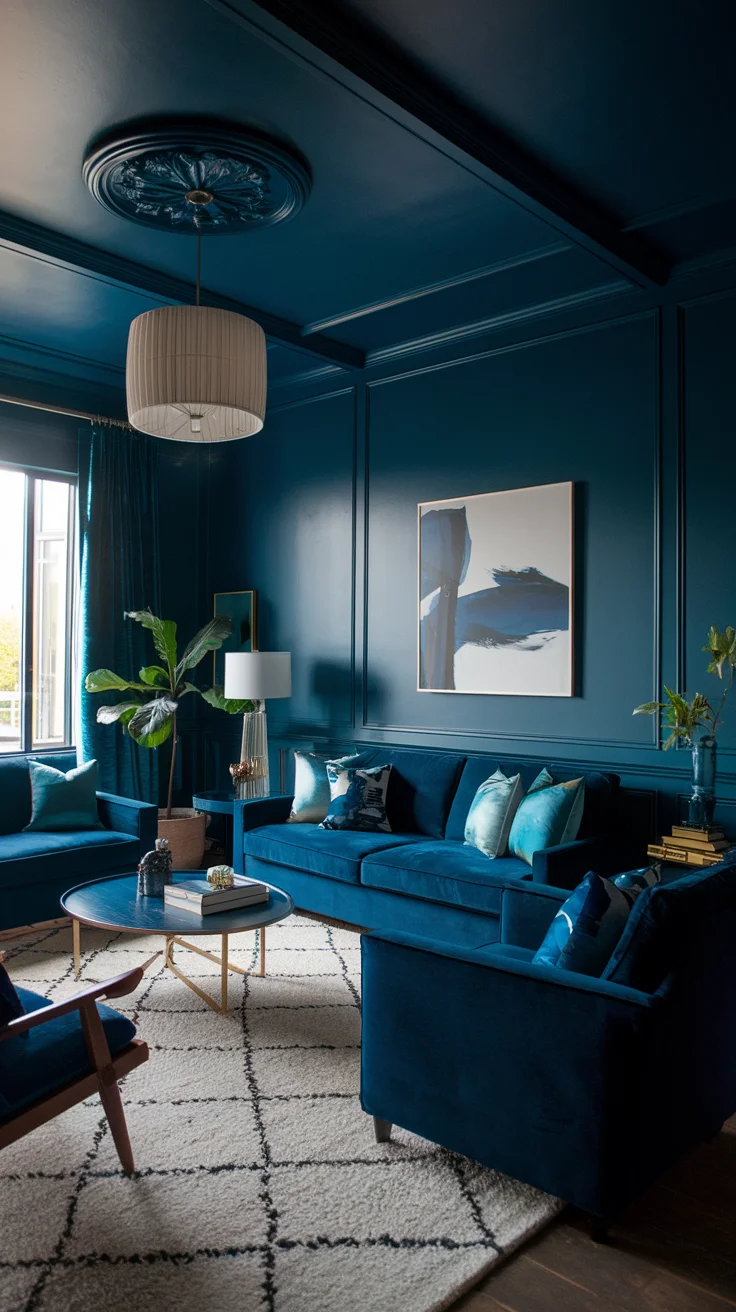
The effect depends largely on color choice and execution. Dark, saturated hues can make large rooms feel intimate and enveloping, which works particularly well in living rooms, libraries, or bedrooms. Lighter shades, especially warm neutrals or soft pastels, can visually expand smaller spaces by eliminating harsh visual stops.
Interestingly, a color-drenched room often feels calmer than one filled with multiple competing hues. When ceilings and walls share the same tone, the room appears taller, and architectural boundaries soften rather than compete.
Techniques that define the look
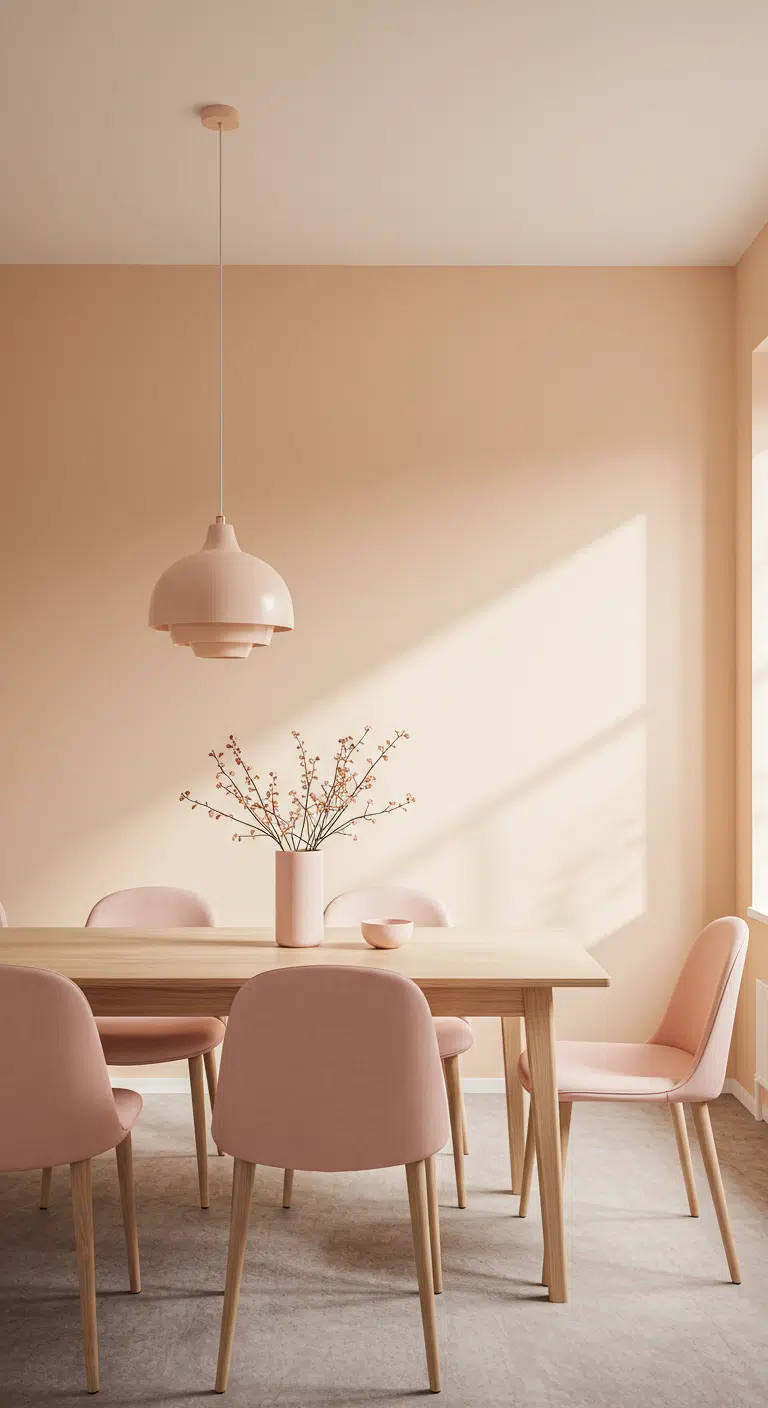
Successful color drenching relies on technique rather than excess. One approach uses a single paint color in varying finishes, such as matte walls paired with satin or semi-gloss trim. Another method introduces subtle tonal shifts, allowing walls to remain one shade while doors or cabinetry sit slightly deeper within the same color family.
Texture plays a crucial role as well. Fabric, wood grain, tile, and artwork prevent flatness and introduce visual interest. Within the color drenching trend, texture replaces contrast as the primary design tool.
How to color-drench a room without mistakes
Despite its popularity, color drenching can feel intimidating. One of the most common mistakes is ignoring lighting. Natural and artificial light dramatically influence how color reads, making it essential to test samples throughout the day. Another misstep involves skipping balance. Even in a fully drenched room, neutral flooring, metal accents, or subtle pattern variation help the space breathe.
Overlooking undertones is another frequent issue. Warm and cool tones behave differently, and mismatched undertones can disrupt the seamless effect that defines this approach.
Applying color drenching by room
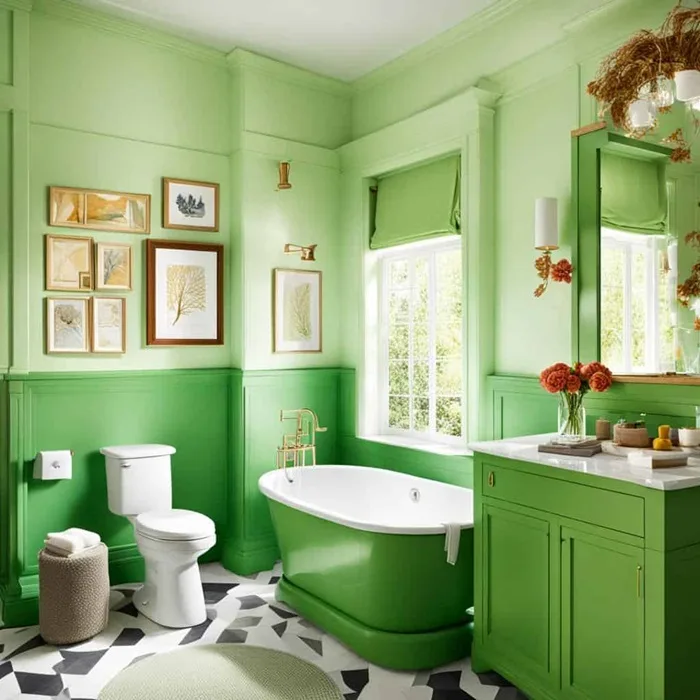
In bedrooms, color drenching creates a cocooning effect that encourages rest. Deep blues, earthy greens, and warm clay tones are popular choices, layered with textiles in complementary shades.
In kitchens, the approach introduces unexpected character. Cabinetry, walls, and even backsplashes rendered in the same hue create a strong visual statement, especially when paired with expressive hardware or natural stone. A color-drenched kitchen feels deliberate rather than purely functional.
Bathrooms also benefit from this technique. When executed in jewel tones or moody neutrals, a color-drenched bathroom appears immersive and elevated, particularly when reflective surfaces are used to catch and amplify light.
Is color drenching a fad?
While trends naturally ebb and flow, the lasting appeal of color drenching lies in its emotional resonance. It encourages homeowners to engage with color in a personal way rather than follow rigid design rules. As part of the broader maximalist movement, it reflects a cultural shift toward interiors that prioritize expression and individuality.
The color drenching trend continues to evolve, adapting to different aesthetics, palettes, and moods. Its flexibility suggests longevity rather than novelty.
The future of immersive color
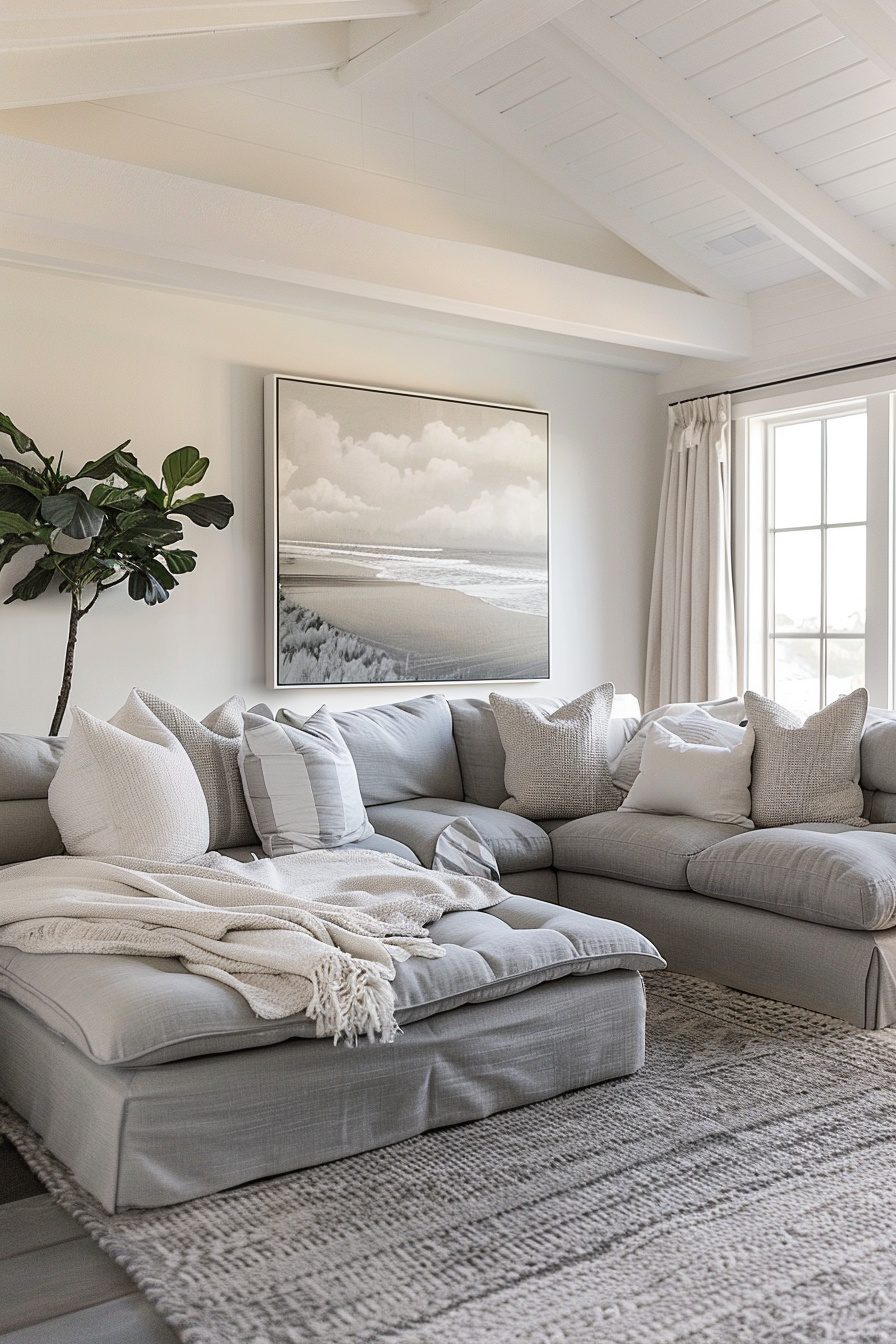
As interiors move further away from strict minimalism, color drenching offers a way to embrace richness without visual clutter. It invites confidence, creativity, and thoughtful experimentation. For those ready to move beyond neutral boundaries, drenching a space in color provides an opportunity to design with depth, feeling, and intention, creating rooms that linger in memory long after the first glance.
Featured image: James and Catrin/Pinterest
—Read also
Bright Ideas: The Way Statement Lamps Transform Homes in 2025
Source link
#Color #Drenching #Trend #Bringing #Colorful #Drama #Interior #Decor


Post Comment