
Hairbrushes filling faster than usual. Ponytails that suddenly feel thinner. Unexpected shedding during wash day that lingers on your hands longer than it used to. For many women, these moments are both alarming and deeply personal. And lately, they’re happening in public conversation as well. Searches for “how to stop hair loss” have jumped by +250%, while new mothers in particular are seeking clarity around postpartum shedding.
Yet while hair loss can feel isolating, it is also incredibly common. Hormones, stress, nutrition, pregnancy, and everyday habits quietly shape scalp health over time. What often goes unspoken, however, is that shedding rarely appears overnight. Instead, it reflects changes building beneath the surface for weeks or even months. That is precisely why early awareness matters as much as treatment.
As more women share their experiences online, the conversation has shifted from silence to empowerment. Rather than asking why is this happening to me?, many are now asking smarter questions: What caused this? What actually works? And how long does regrowth realistically take?
However, social media’s openness has also introduced confusion. Alongside helpful education sits viral misinformation, miracle promises, and unrealistic timelines. Finding a real hair loss solution for women requires separating trends from medically grounded advice. Ahead, we break down the causes, science-backed treatments, and practical daily habits that help slow shedding while supporting fuller, healthier-looking hair over time, without ignoring the emotional impact that visible hair changes can bring.
What Causes Hair Loss in Women?
Hair loss rarely has a single cause. More often, several factors overlap, making proper identification the most important first step.
Hormonal Shifts
Hormones remain one of the most common triggers. Pregnancy, postpartum recovery, menopause, thyroid fluctuations, and even birth control changes can disrupt the hair growth cycle.
During pregnancy, elevated estrogen prolongs the growth phase, often resulting in thicker hair. After childbirth, hormone levels drop rapidly, pushing retained strands into the shedding phase. Because of this delayed cycle, postpartum hair loss can seem sudden and dramatic, even though it is typically temporary.
Importantly, visible shedding today often reflects internal shifts that occurred three to four months earlier. Hair follows a biological cycle of growth, rest, and release.
Stress and Illness
Emotional strain, illness, and major lifestyle changes can trigger a condition known as stress-related shedding, where follicles prematurely enter a resting phase. Weeks later, hair begins to fall. This delay is why many women struggle to connect the dots.
Nutritional Gaps
Low iron, vitamin D, zinc, protein, or calorie intake weakens follicles and slows regrowth. Over time, deficiencies create thinner strands and increased shedding.
Styling Damage
Tight hairstyles, excessive heat, chemical processing, and aggressive brushing can cause breakage that mimics true hair loss. In reality, modern beauty standards, paired with demanding schedules, often accelerate damage without women realizing how daily habits impact long-term scalp health.
Postpartum Hair Loss: Why It Happens and How to Manage It
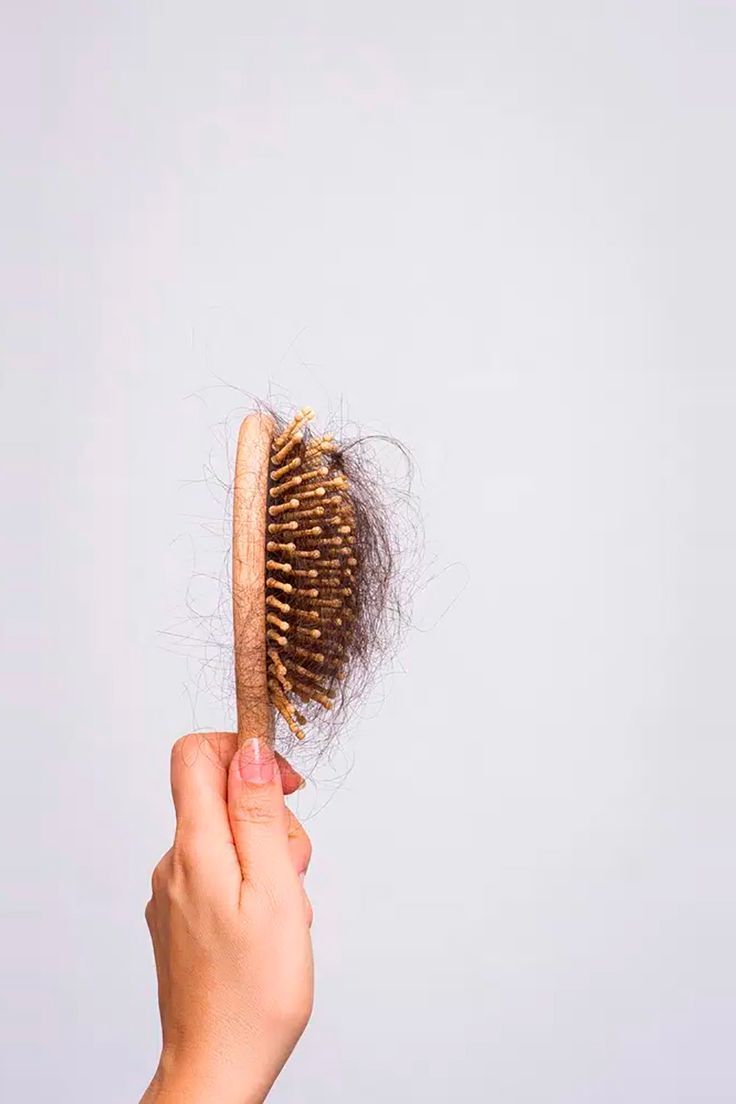
Around three to four months after childbirth, many new mothers notice significant shedding. Although this phase can feel overwhelming, it is usually part of a temporary hormonal reset.
For most women, hair gradually stabilizes within six to twelve months. Still, the emotional weight can be heavy, especially when paired with sleep deprivation and physical recovery. Therefore, reassurance becomes just as important as routine adjustments.
To manage postpartum shedding:
- Maintain gentle hair handling
- Prioritize nutrient-dense meals
- Avoid harsh chemical treatments
- Consult a healthcare provider before starting supplements
Biotin, iron, and omega-3 fatty acids are frequently discussed, yet medical guidance remains essential. Most importantly, reframing postpartum hair loss as temporary rather than permanent often reduces unnecessary panic and supports a calmer recovery process.
Are There Real Hair Loss Solutions for Women?
One of the most common online questions centers around whether genuine solutions exist. The answer lies in combining multiple strategies. No single product or routine solves every case of hair loss because the causes vary widely. However, a thoughtful combination of medical guidance, supportive daily habits, targeted treatments, and balanced nutrition creates a holistic approach that addresses both short-term shedding and long-term regrowth.
Readers rarely hear that regrowth often begins internally before it becomes visible externally, which means patience remains one of the most overlooked yet essential components of any hair loss solution for women.
How to Stop Hair from Falling Out: Daily Habits That Matter
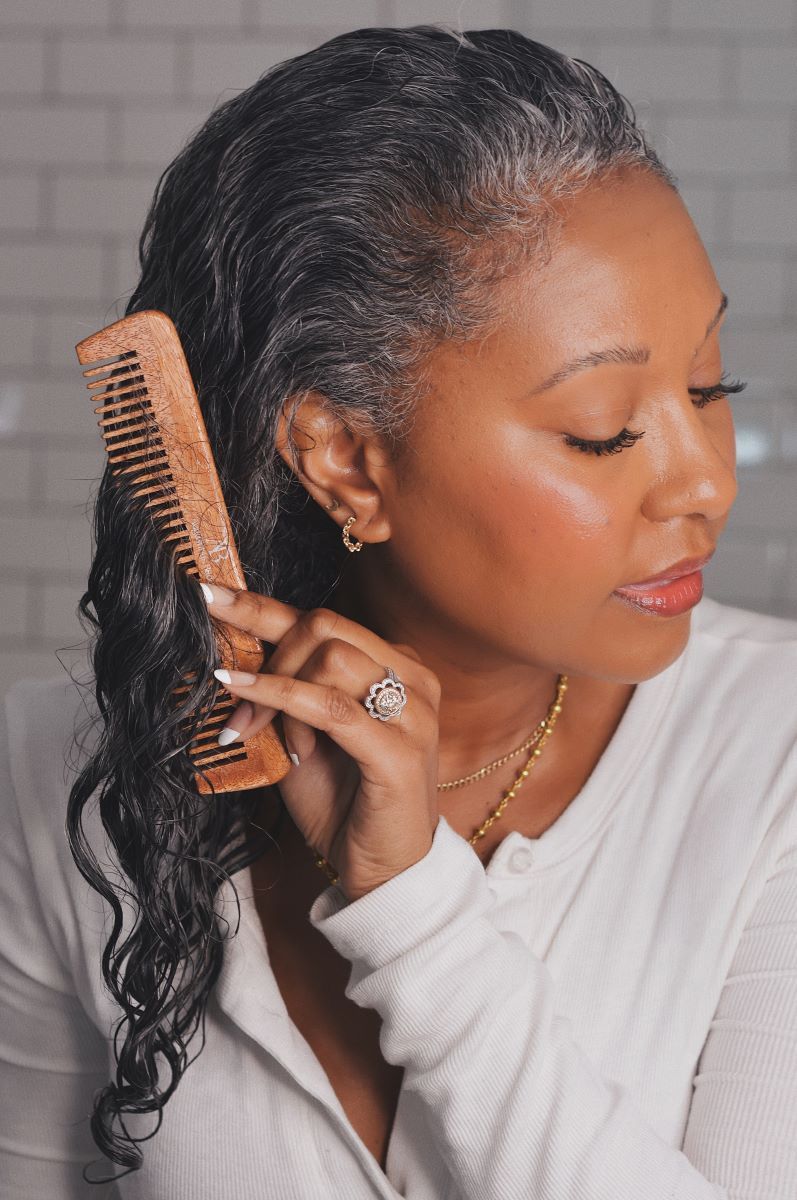
Although some shedding is natural, excessive loss signals the need for supportive habits. Gentle hair handling is essential, which includes using wide-tooth combs, avoiding aggressive brushing, and minimizing tight hairstyles that pull on the scalp. Because scalp health directly affects growth, many dermatologists recommend incorporating lightweight scalp serums or treatments that stimulate circulation. Consistency matters more than intensity, since overly complicated routines often lead to burnout rather than progress.
Balanced nutrition also supports regrowth. Diets rich in protein, leafy greens, healthy fats, and iron-rich foods strengthen follicles from within. Hydration plays an equally important role because dehydrated hair becomes brittle and prone to breakage. Together, these daily habits form a foundational hair loss solution for women who want to support long-term scalp health.
Most importantly, the emphasis should shift away from miracle products and toward sustainable routines that support the body holistically.
Supplements and Treatments That Support Thinning Hair
Many readers ask which supplements actually help with thinning hair. Iron supports oxygen flow to hair follicles, vitamin D strengthens follicle cycles, and zinc aids tissue repair. Collagen and biotin often appear in commercial hair loss treatments because they contribute to stronger strands, although results vary from person to person. Supplements should always complement a balanced diet rather than replace foundational nutrition.
Topical treatments such as minoxidil have strong clinical backing for promoting regrowth, especially in cases of androgenic hair thinning. Peptide-based scalp serums and caffeine-infused treatments are also gaining attention for improving scalp circulation.
Professional therapies, including platelet-rich plasma treatments and low-level laser therapy, continue to gain traction as modern options within a broader hair loss solution for women seeking targeted intervention.
However, a closer look shows that accessibility and affordability remain real considerations, which is why readers should understand that effective routines often combine medical insight with realistic lifestyle adjustments rather than relying solely on expensive procedures.
Natural Approaches to Support Hair Regrowth
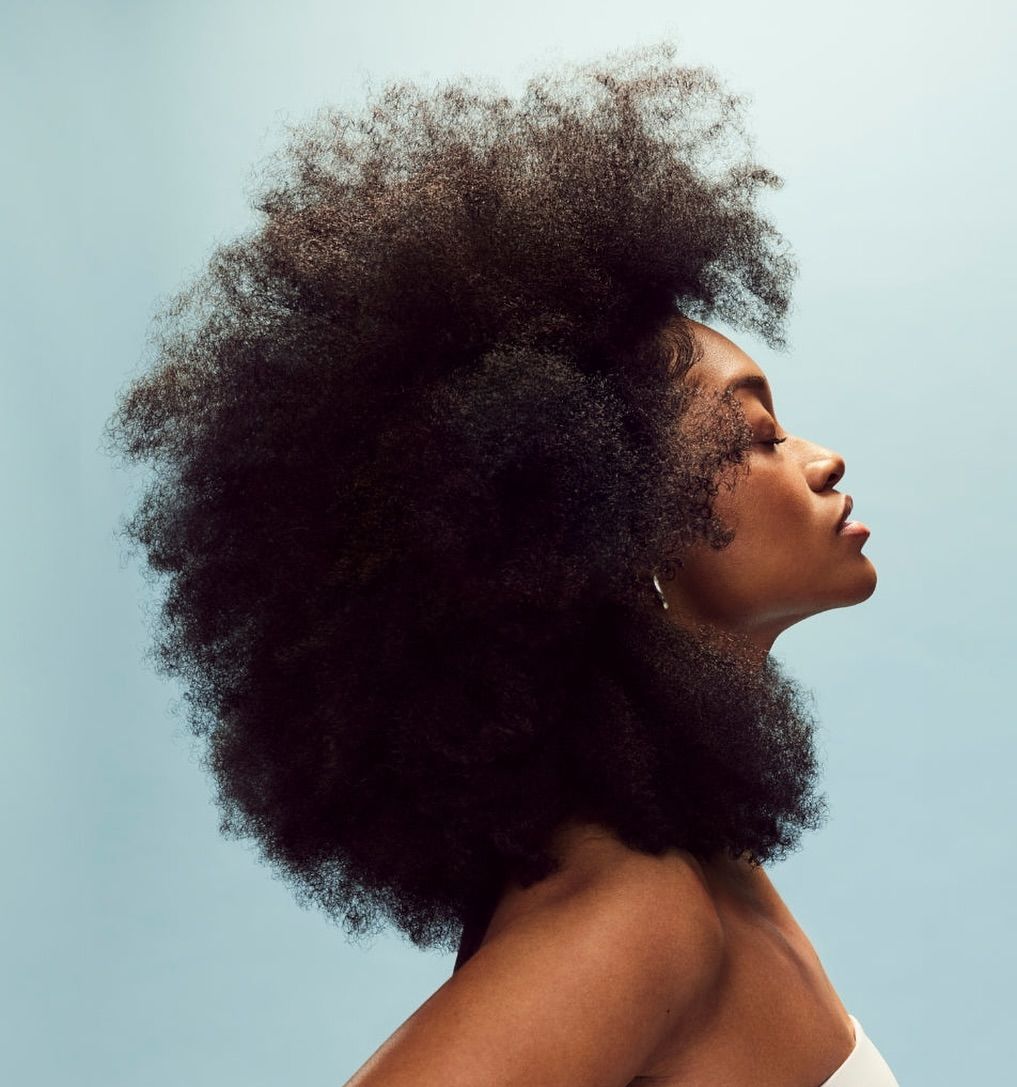
For readers interested in natural methods, scalp massages help stimulate blood flow, while rosemary oil and peppermint oil are frequently discussed for their potential growth-supporting properties. Gentle protective styling, silk pillowcases, and reduced heat exposure also minimize breakage.
Although natural methods may take longer to show visible changes, consistency often leads to gradual improvement. Many women find that combining natural practices with medically supported treatments provides the most balanced and sustainable results.
Choosing the Best Hair Loss Treatment
The most effective treatment depends on the underlying cause. Hormonal hair loss often responds to medical therapies, while nutritional deficiencies require dietary support. Stress-related shedding benefits from lifestyle adjustments, rest, and mindfulness practices. Because of this, personalized care is essential when building a long-term hair loss solution for women that supports both scalp health and emotional well-being. In practice, the strongest approach prioritizes realistic expectations, expert consultation, and routines that adapt as the body changes over time.
Final Thoughts
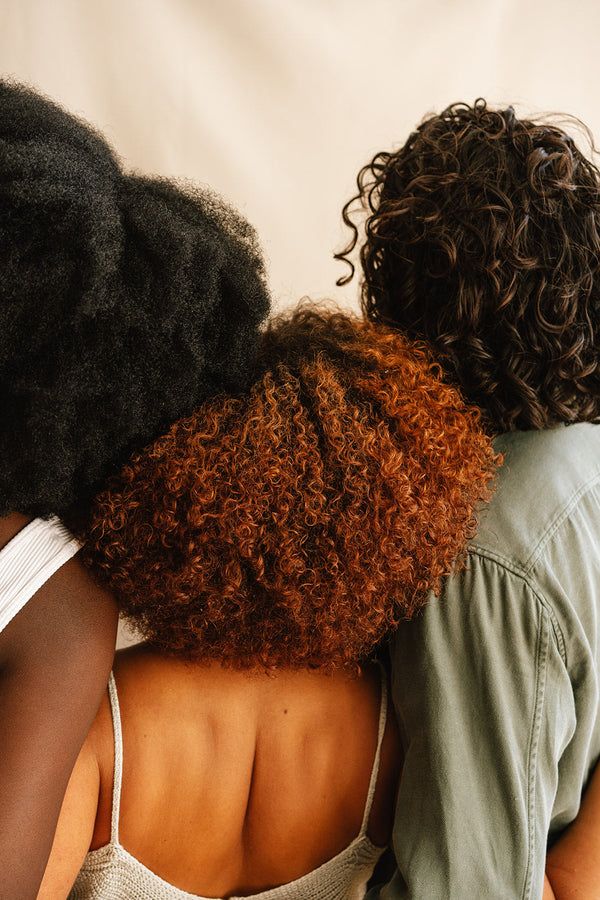
Hair loss can feel deeply personal, yet the growing conversations online reveal that many women share similar experiences. As searches for effective treatments continue to rise, understanding the causes, supporting the body with nourishing habits, and exploring both natural and medical treatments offer a pathway toward healthier hair and renewed confidence.
With patience, consistency, and the right strategies, women can approach hair regrowth with clarity rather than confusion, knowing that real solutions exist and that recovery often begins with informed, compassionate care. Most importantly, shifting the conversation from secrecy to education empowers women to view hair health as an evolving journey rather than a fixed outcome.
Featured image: CÉCRED
—Read also
The Ultimate Guide To Finding The Best Shampoo For Thin Hair
Source link
#Hair #Loss #Women #Explained #ScienceBacked #Solutions #Work


Post Comment