
Fashion does not exist in a vacuum. It is born from culture, shaped by history, and brought to life through the ways people express identity across the world. Rather than emerging in isolation, fashion evolves through traditions, social values, climate, and ongoing cultural exchange.
From traditional garments to modern streetwear, culture continues to influence not only what we wear, but why we wear it. As societies grow and interact, fashion becomes a shared language that tells stories of identity, belonging, and transformation. Understanding this connection reveals that fashion is more than aesthetics; it is a powerful expression of culture itself. And as this exchange accelerates, a question emerges: is global fashion deepening cultural expression, or flattening it into trend cycles?
Here are the cultural forces shaping global fashion trends today…
#1. Culture as the Foundation of Fashion Identity
At its core, fashion is deeply rooted in culture. What people wear is often shaped by their origins, traditions, and the values passed down through generations. In countries like Nigeria, fashion serves as a vivid expression of identity. From vibrant Ankara prints to elegant traditional attire like Aso Ebi, clothing becomes a way to tell stories, celebrate heritage, and signal belonging.
In places like Nigeria, different ethnic groups reflect distinct fashion identities. The Yoruba are known for garments, such as Agbada and Iro and Buba, while the Igbo often wear Isiagu and traditional wrappers. Similarly, the Hausa-Fulani are recognized for their Kaftan and Babban Riga. Each of these styles carries meaning beyond appearance. It reflects status, occasion, and cultural heritage.
Because of this, fashion becomes more than clothing; it becomes a living archive of history and identity, connecting people to their roots while allowing them to express who they are.
On a global scale, designers like Lisa Folawiyo have pushed this further, transforming Ankara into globally recognized luxury pieces without stripping it of meaning. In this context, fashion acts as a living archive, connecting people to their roots while allowing room for reinvention.
#2. Tradition Influencing Modern Fashion
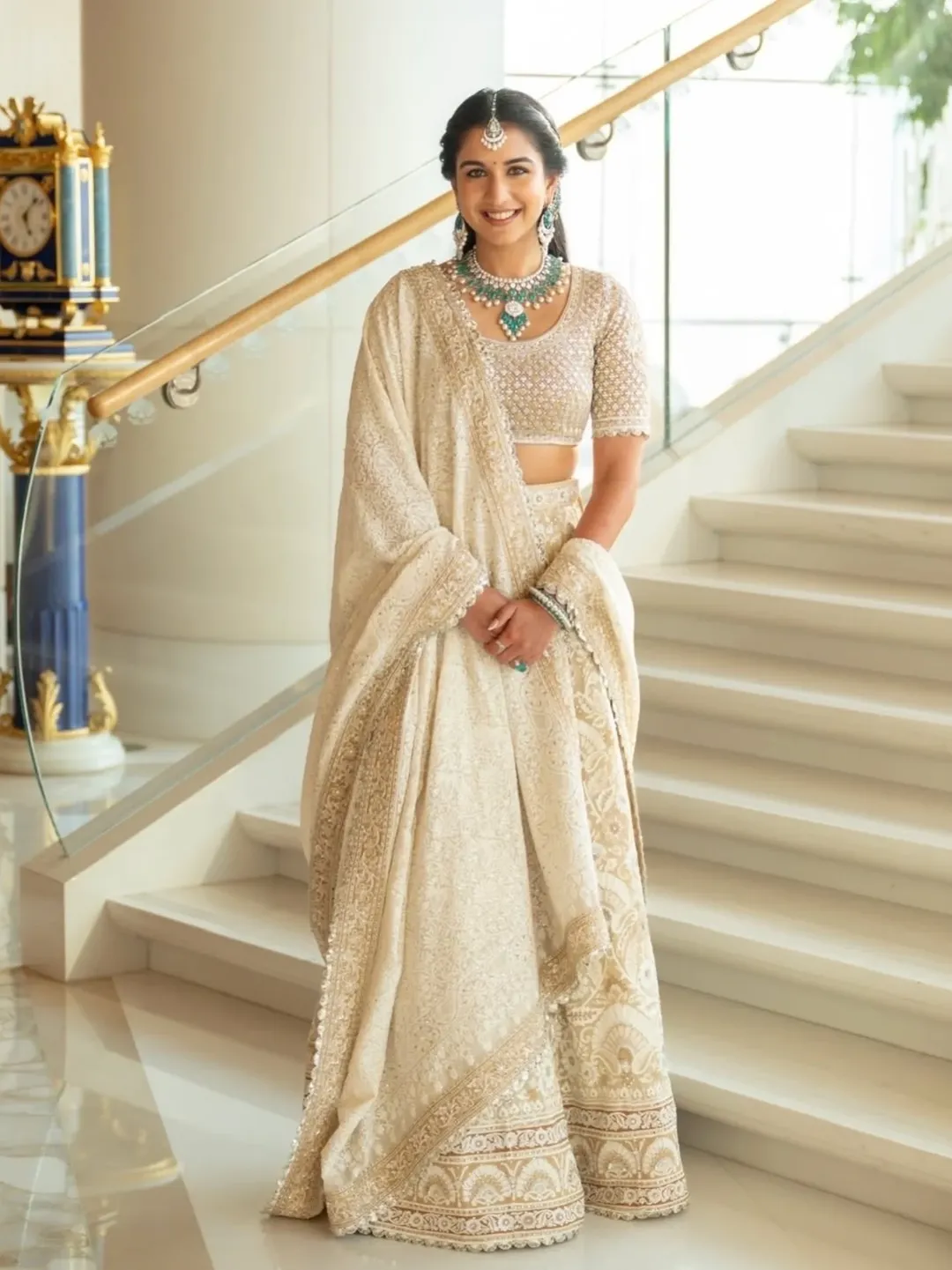
Traditional fashion continues to shape contemporary style in powerful ways. Today, designers increasingly blend cultural elements with modern aesthetics to create something both fresh and meaningful.
For instance, African prints now appear on global runways, while Asian-inspired silhouettes, like the Indian saree, influence both streetwear and luxury fashion. In Europe, historical styles are reinterpreted through modern tailoring, and in the Middle East, modest fashion has evolved into a thriving global industry.
As a result, tradition does not fade—it adapts. This fusion allows younger generations to stay connected to their heritage while expressing themselves in ways that feel current and relevant.
Brands like Tongoro Studio have placed African craftsmanship on the global stage, worn by figures like Beyoncé. Meanwhile, designers such as Sabyasachi Mukherjee have redefined how Indian heritage pieces like the saree translate into modern luxury.
On European runways, labels like Dior and Valentino regularly reinterpret historical silhouettes through a contemporary lens.
#3. Music, Art, and Pop Culture as Fashion Drivers
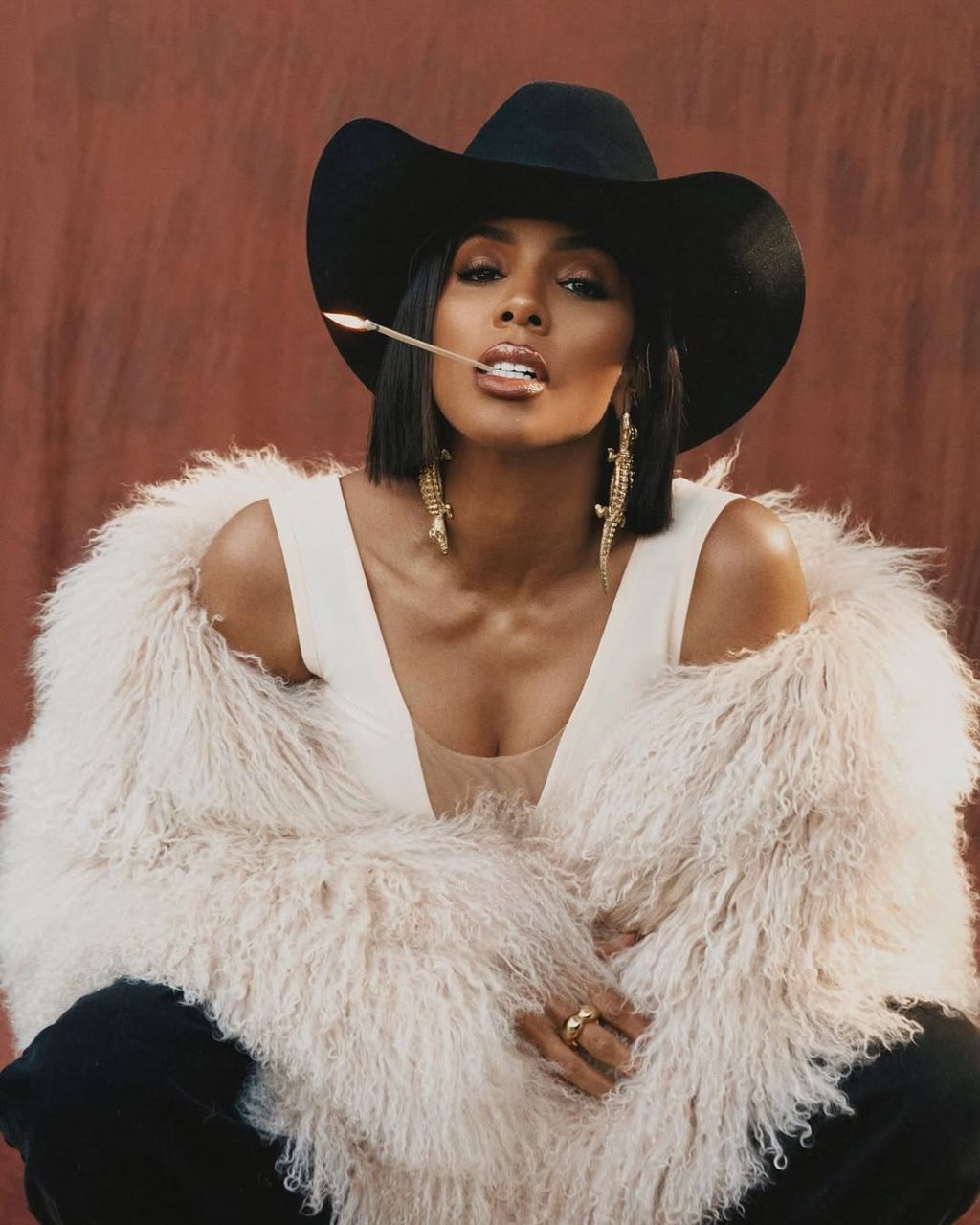
Across the globe, music, art, and pop culture have become powerful forces shaping fashion. What artists wear often influences what their audiences adopt.
In the United States, hip-hop culture has had a lasting global impact, popularizing oversized silhouettes, sneakers, and statement accessories. Hip-hop, led by figures like Pharrell Williams and Kanye West, redefined global style. The difference now is visibility. These styles no longer exist only within cultural boundaries. They circulate globally, often detached from their original context.
Today, K-pop stars like G-Dragon blur the line between performer and fashion authority. K-pop idols continue to set trends that ripple across continents. Similarly, in Latin America, vibrant colors and expressive styles are often inspired by music, festivals, and cultural pride.
Fashion has become a bridge between audiences and the cultures they admire. It allows individuals to connect, express, and participate in a broader cultural conversation.
#4. Globalization and Cultural Exchange in Fashion
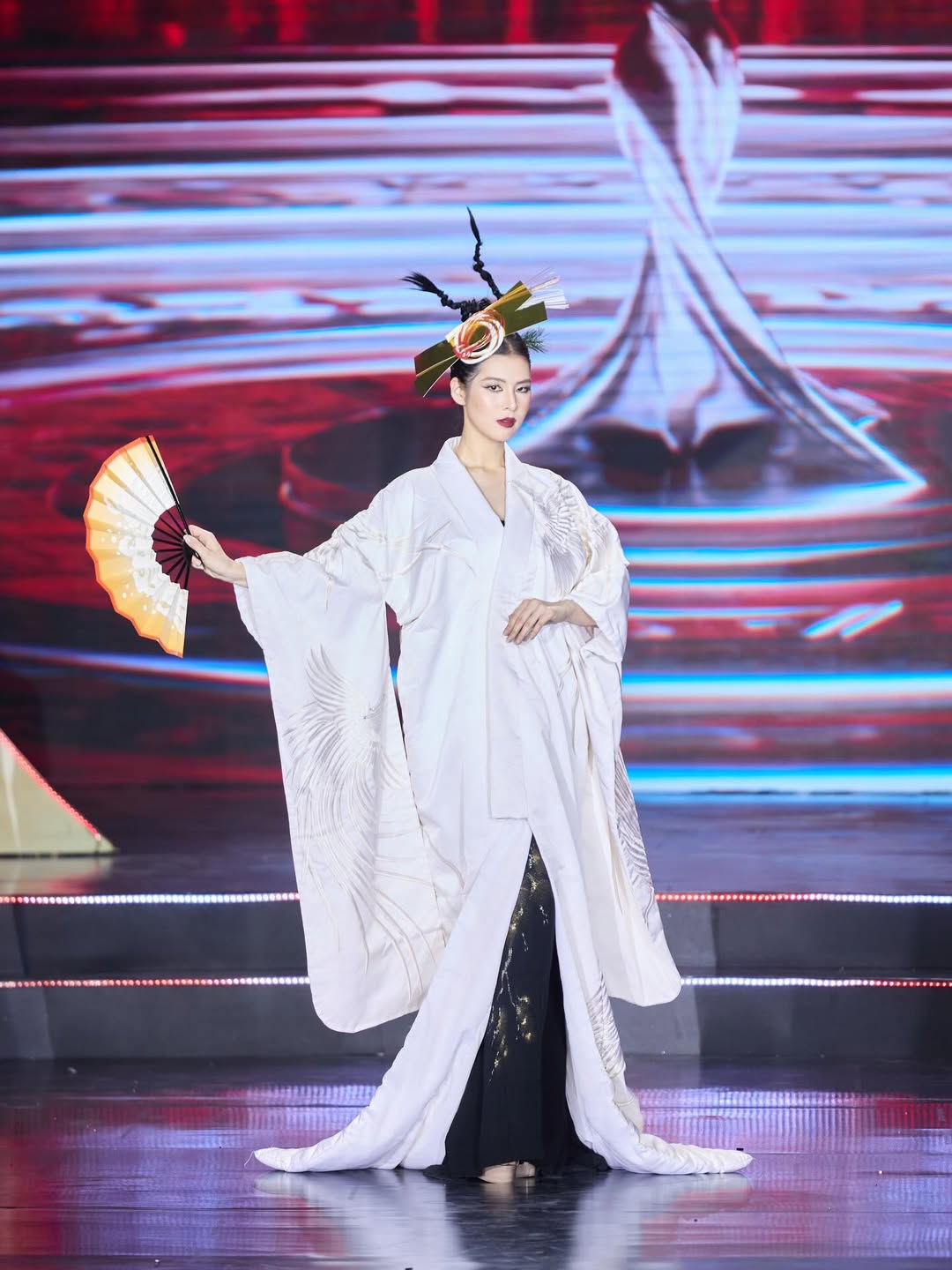
Globalization has dramatically transformed how fashion moves across cultures. Today, ideas travel instantly through social media, fashion shows, and international collaborations.
Collaborations reflect this shift. Virgil Abloh’s work at Louis Vuitton drew heavily from street culture and African heritage, while brands like Gucci and Balenciaga regularly pull from multiple cultural references. More designers are increasingly drawing inspiration from multiple cultures, creating collections that reflect a blend of global influences. Western fashion houses incorporate African prints or Asian design elements, while designers from other regions gain international recognition.
However, this exchange also requires awareness. The line between cultural appreciation and appropriation must be carefully navigated. When approached thoughtfully, globalization enriches fashion by bringing together diverse perspectives and creative expressions. However, this exchange raises a tension. When everything is accessible, cultural distinction can blur. The same system that amplifies diverse voices can also reduce them to aesthetic references.
#5. Street Style as Everyday Cultural Expression
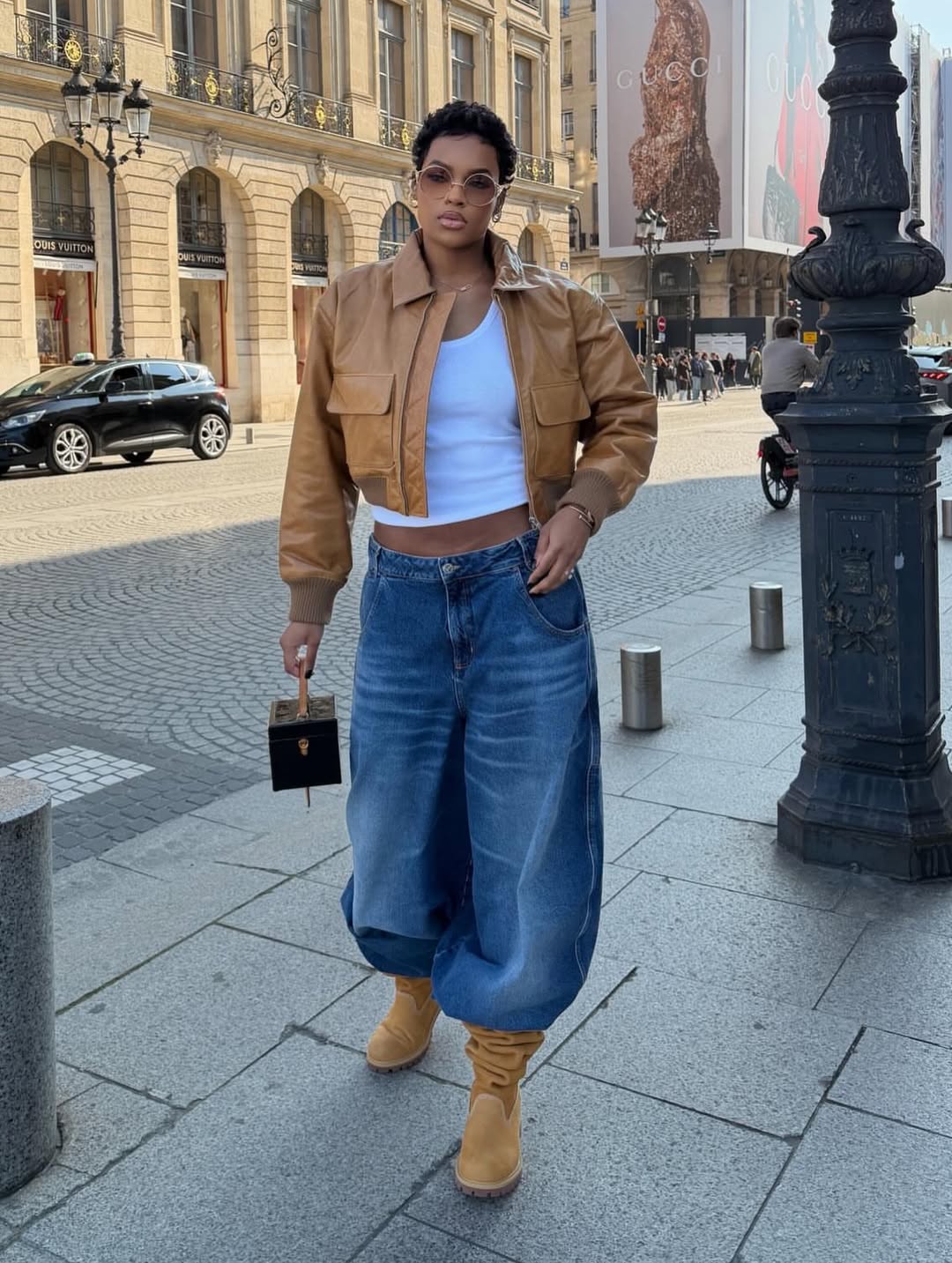
While runways set the tone, street style reveals how fashion truly lives. It offers an unfiltered look at how culture shapes what people wear daily. In cities like Paris, style often leans toward minimal elegance, while in Tokyo, fashion is bold and experimental. New York City reflects diversity and individuality, while many African cities blend traditional and modern elements seamlessly.
Because of its authenticity, street style often inspires major fashion trends. It demonstrates that everyday people, not just designers, play a key role in shaping the future of fashion.
#6. Cultural Shifts and Changing Fashion Trends
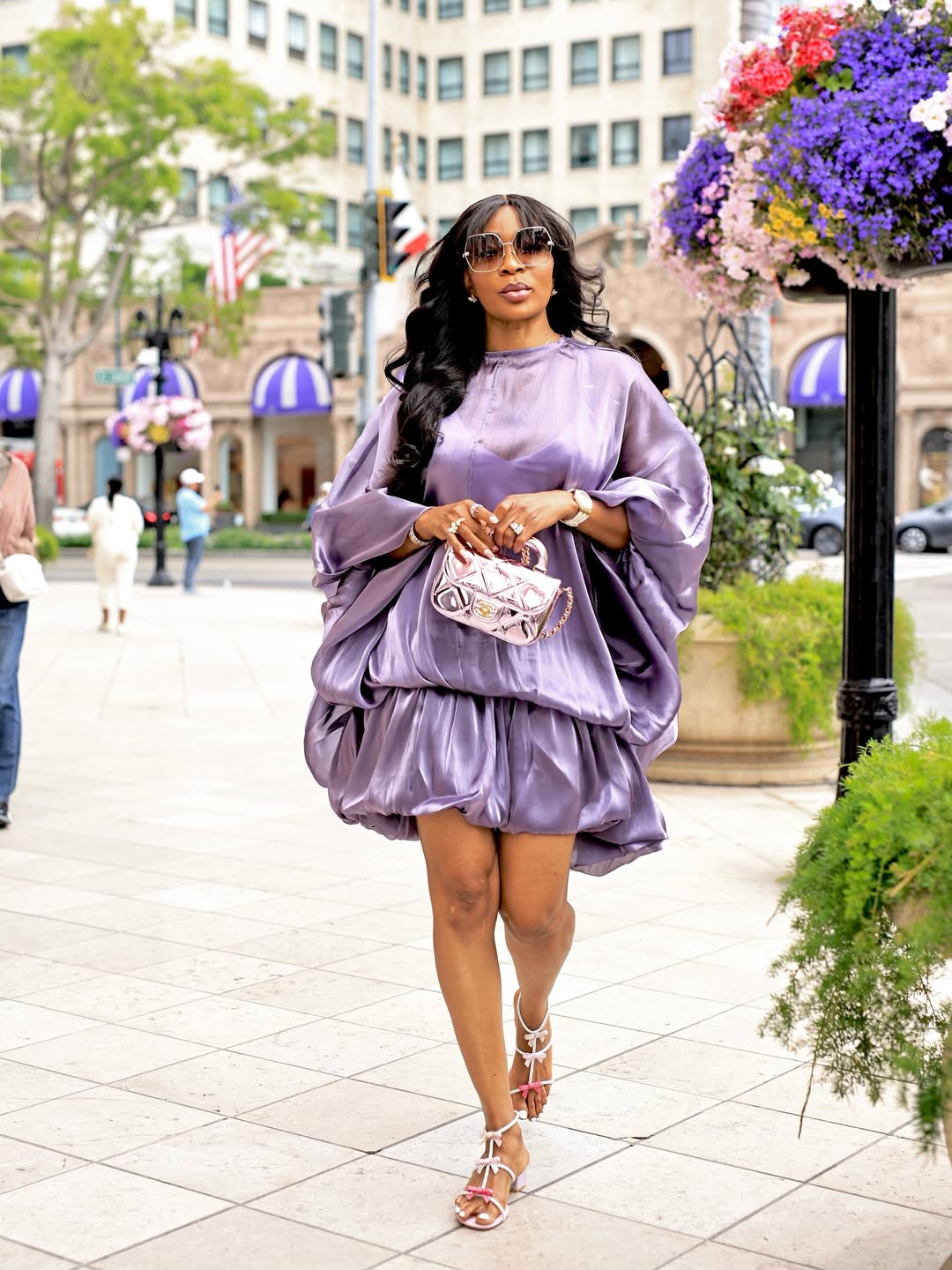
As culture evolves, fashion naturally follows.
Sustainability, for example, has moved from niche to necessity. Brands like Stella McCartney have built entire identities around ethical production, while younger consumers demand transparency. Social values, technology, and lifestyle changes all influence how people dress. For example, the rise of sustainability has encouraged eco-conscious fashion choices, while minimalism has led to cleaner, simpler aesthetics. At the same time, digital culture is introducing concepts like virtual fashion and online-driven trends.
Across regions, younger generations are redefining style by blending tradition with modern influences. This creates new expressions of identity that feel both rooted and forward-looking.
#7. Digital Culture and Social Media Accelerating Global Fashion Trends
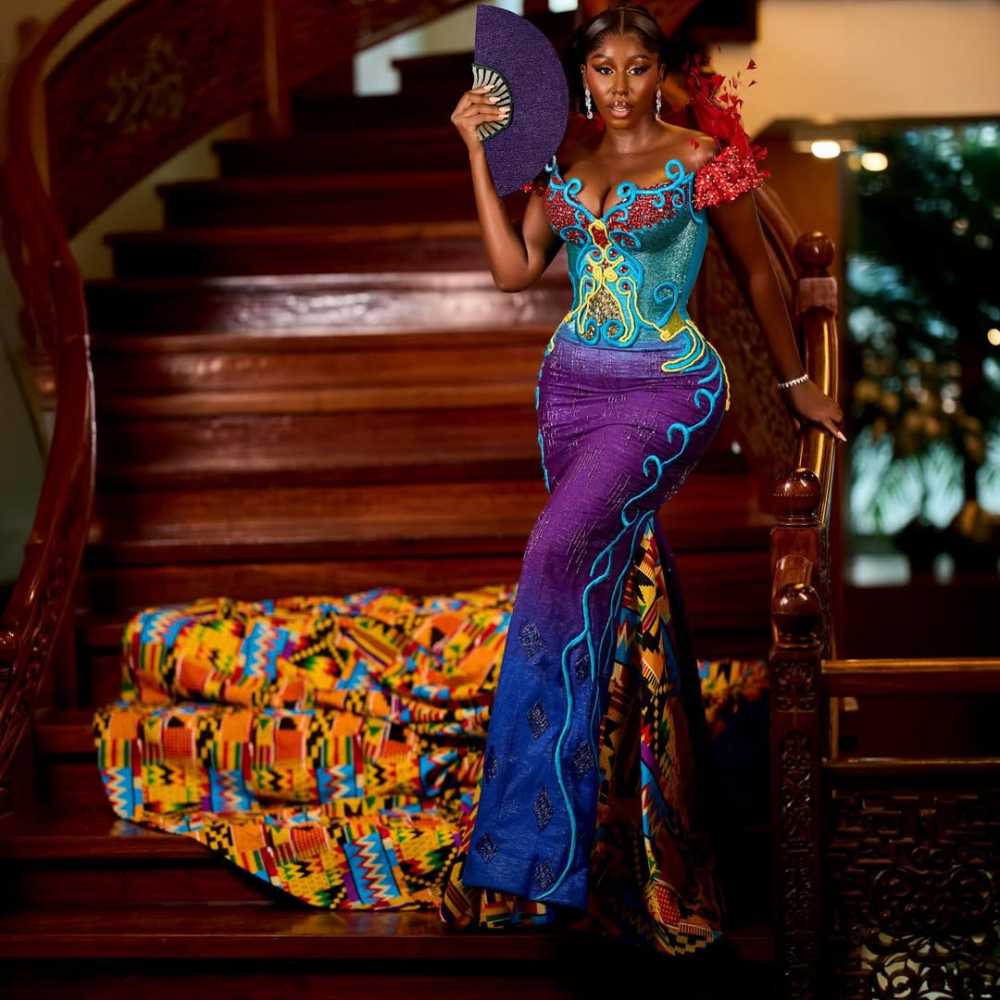
Perhaps the most transformative force shaping fashion today is digital culture. Social media platforms have fundamentally changed how trends are created, shared, and adopted. Unlike the past, fashion is no longer dictated solely by designers or major houses. Influencers, creators, and everyday individuals now play a central role. A look spotted in one city can spread globally within hours.
For example, street style from cities like Seoul, Lagos, or New York City can quickly influence audiences worldwide through platforms like Instagram and TikTok. As a result, fashion has become more dynamic, inclusive, and fast-moving. This speed encourages a more intentional approach to personal style, as trends evolve faster than ever.
This has made fashion more accessible, but also more performative. The question is no longer just what people wear, but whether they are expressing identity or chasing visibility.
Conclusion: Fashion as a Reflection of a Global Culture
Ultimately, fashion is far more than clothing. It is a reflection of the world we live in. Across cultures, it tells stories of history, identity, creativity, and change. From traditional garments to contemporary trends, culture continues to shape how people dress and express themselves.
As the world becomes increasingly connected, fashion will continue to evolve, blending influences while preserving unique identities. But connection comes with responsibility. As cultures intersect, the challenge is not just to share style, but to preserve meaning.
In the end, fashion is not just about what we wear. It is about who we are, where we come from, and how we choose to present ourselves to the world. Yet it also matters, who gets to define it.
Featured image: @freshmadeit/Instagram
.
The Most Rave-worthy Designs From Lagos Fashion Week 2024 Runways
Source link
#Culture #Shapes #Global #Fashion #Trends #Today


Post Comment