
Skincare routines may change constantly; however, certain ingredients continue to resurface in conversations about clearer skin. One of the most talked-about is salicylic acid. From cleansers and toners to targeted spot treatments, this ingredient appears in countless products promising clearer pores and fewer breakouts. As more people search for effective serums for acne treatment, one question continues to stand out: Does salicylic acid actually work, or is it simply another skincare buzzword?
To answer that, it helps to understand what happens beneath the skin during a breakout. Acne typically begins when oil, dead skin cells, and bacteria accumulate inside pores. When this buildup becomes trapped, the pore can swell and turn inflamed. This is precisely where salicylic acid becomes useful. In routines designed around it, the ingredient works to clear the pathway inside pores, making them less likely to clog in the first place.
What Exactly Is Salicylic Acid?
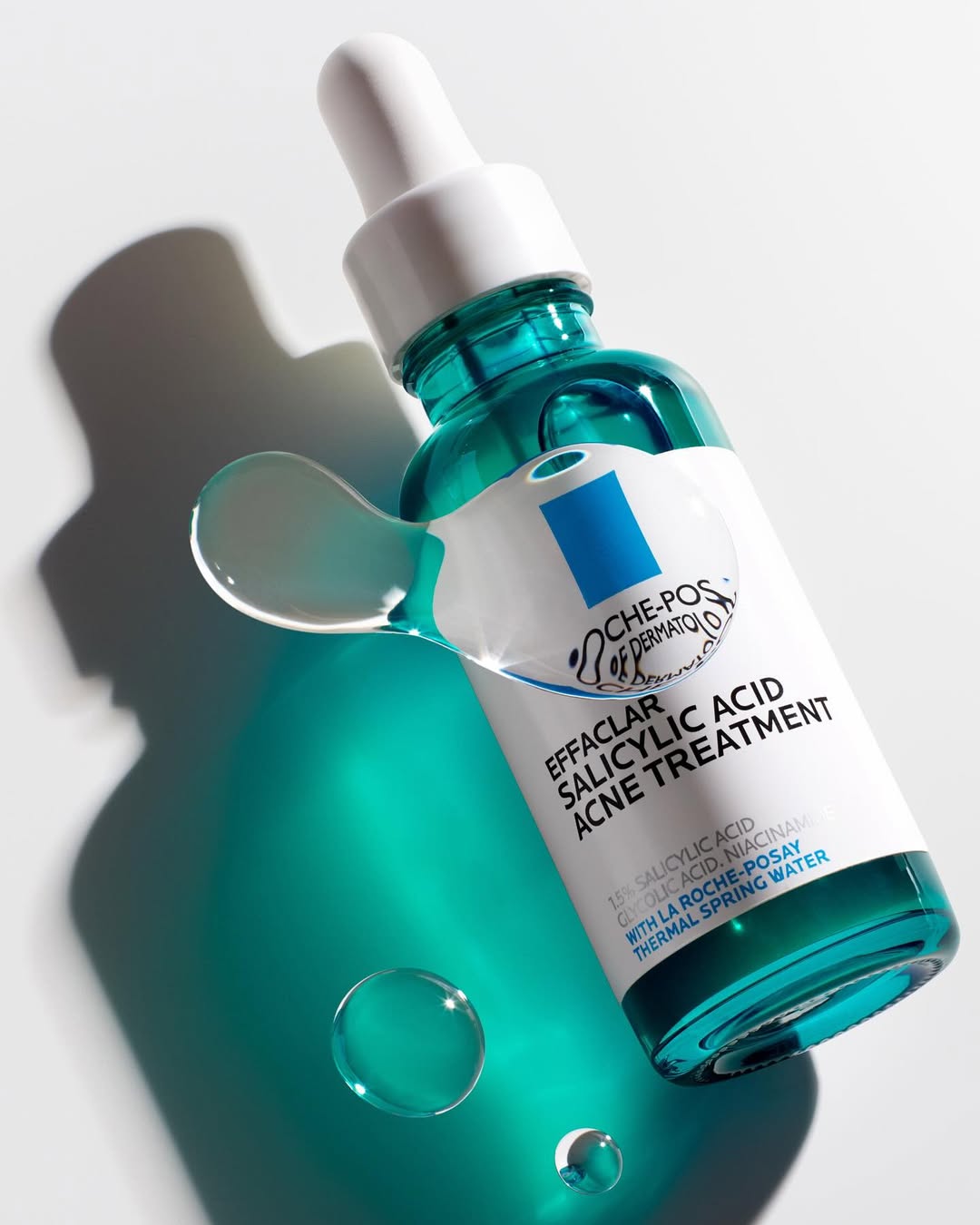
Salicylic acid belongs to a group of ingredients known as beta-hydroxy acids (BHAs). Unlike some exfoliating acids that work only on the skin’s surface, salicylic acid is oil-soluble. Because of this, it can penetrate deeper into pores where excess oil tends to collect.
Once inside, it dissolves the combination of oil and dead skin cells that contributes to breakouts. Over time, this gentle exfoliation reduces clogged pores and helps maintain a smoother skin texture. For this reason, dermatologists frequently recommend salicylic acid for acne treatment, particularly for blackheads, whiteheads, and mild inflammatory acne.
In addition, salicylic acid offers mild anti-inflammatory benefits. When breakouts appear red and irritated, calming the surrounding skin becomes just as important as clearing the pore itself.
Is Salicylic Acid Good for Acne?
For many people, the answer is yes. Salicylic acid remains one of the most reliable ingredients for treating mild to moderate acne, especially when clogged pores are a primary concern. Rather than aggressively targeting bacteria, it focuses on prevention by keeping pores clear.
When pores stay unclogged, the conditions that allow acne to form become far less likely. As a result, many skincare experts recommend incorporating salicylic acid early in a routine instead of waiting for breakouts to worsen.
That said, results can vary. Those dealing with deep, cystic acne may require prescription treatments, while individuals with occasional breakouts often see noticeable improvement using salicylic acid alone.
How Long Does It Take Salicylic Acid to Work?
Patience is essential when it comes to skincare. While some products promise overnight results, salicylic acid works gradually. Most people begin to notice smoother skin and fewer breakouts within two to four weeks. During this period, the ingredient continues to unclog pores and encourage gentle skin turnover. Because acne develops beneath the surface before becoming visible, consistency is key.
It’s also worth noting that some users experience a brief adjustment phase. Mild dryness or temporary purging can occur as pores begin to clear. Fortunately, this usually subsides once the skin adapts.
Can Salicylic Acid Be Used Every Day?
Daily use largely depends on the product’s concentration and your skin’s sensitivity. For example, cleansers and toners with lower concentrations of salicylic acid are generally safe for everyday use, especially when formulated for acne-prone skin. On the other hand, stronger serums or exfoliating treatments are often better introduced gradually, two to three times per week.
Ultimately, consistency matters more than intensity. A gentle, regular routine tends to deliver better results than occasional use of stronger formulas.
What Should You Avoid When Using Salicylic Acid?
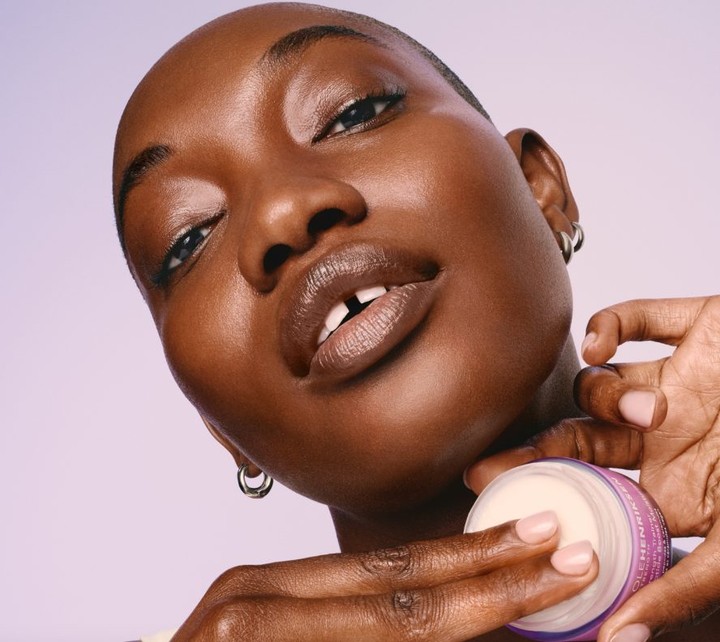
Because salicylic acid exfoliates the skin, combining it with too many other strong ingredients can sometimes cause irritation. Products containing high levels of retinoids, benzoyl peroxide, or strong exfoliating acids may increase dryness if layered carelessly.
A balanced skincare routine helps prevent this issue. Hydrating ingredients such as hyaluronic acid, ceramides, and glycerin support the skin barrier and keep the complexion comfortable while salicylic acid performs its job.
Sun protection is also essential. Exfoliating ingredients can make the skin more sensitive to sunlight, so wearing sunscreen helps maintain healthy skin during any acne treatment routine.
Which Comes First: Salicylic Acid or Niacinamide?
Many skincare enthusiasts combine salicylic acid with niacinamide because the two ingredients complement each other well. Salicylic acid typically comes first in a routine since it works as an exfoliant that clears pores. Niacinamide follows afterward, helping soothe the skin, reduce redness, and strengthen the skin barrier.
Together, they create a balanced approach that targets breakouts while maintaining overall skin health.
Can Salicylic Acid Minimize Pores?
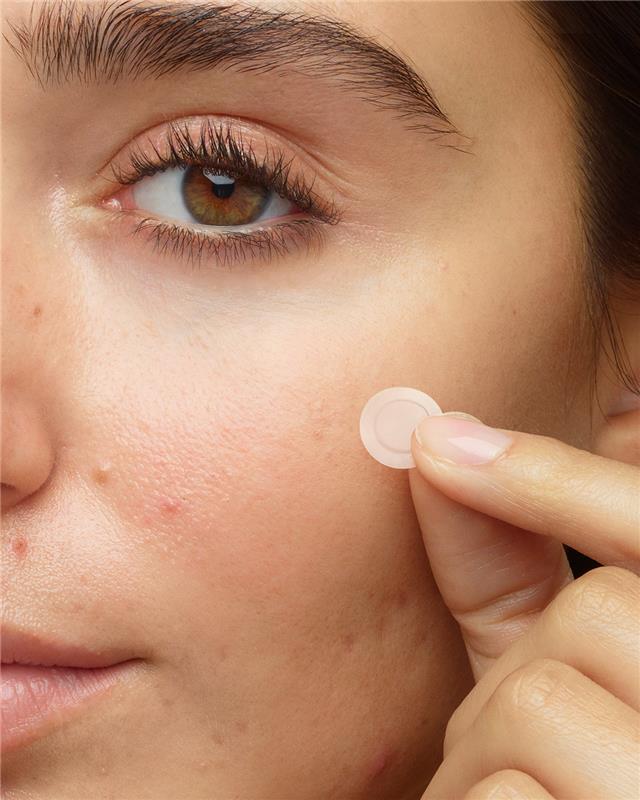
Technically, pores cannot shrink permanently because their size is largely determined by genetics. However, they can appear smaller when they remain clear and free from debris.
This is another reason dermatologists frequently recommend salicylic acid for acne treatment. By dissolving oil buildup inside pores, the ingredient allows them to return to their natural shape rather than stretching from congestion. Over time, this leads to smoother skin and a more refined appearance.
How to Use Salicylic Acid for Acne Treatment
Building an effective routine does not require a complicated lineup of products. In fact, simplicity often produces the best results.
Start with a gentle cleanser to remove dirt and oil. Then, follow with a salicylic acid product such as a toner, serum, or targeted treatment. Afterward, apply a moisturizer to maintain hydration and support the skin barrier. In the morning, always finish with sunscreen.
With consistency, this routine works gradually yet effectively to improve the skin.
Shop editor’s edit
The Bottom Line
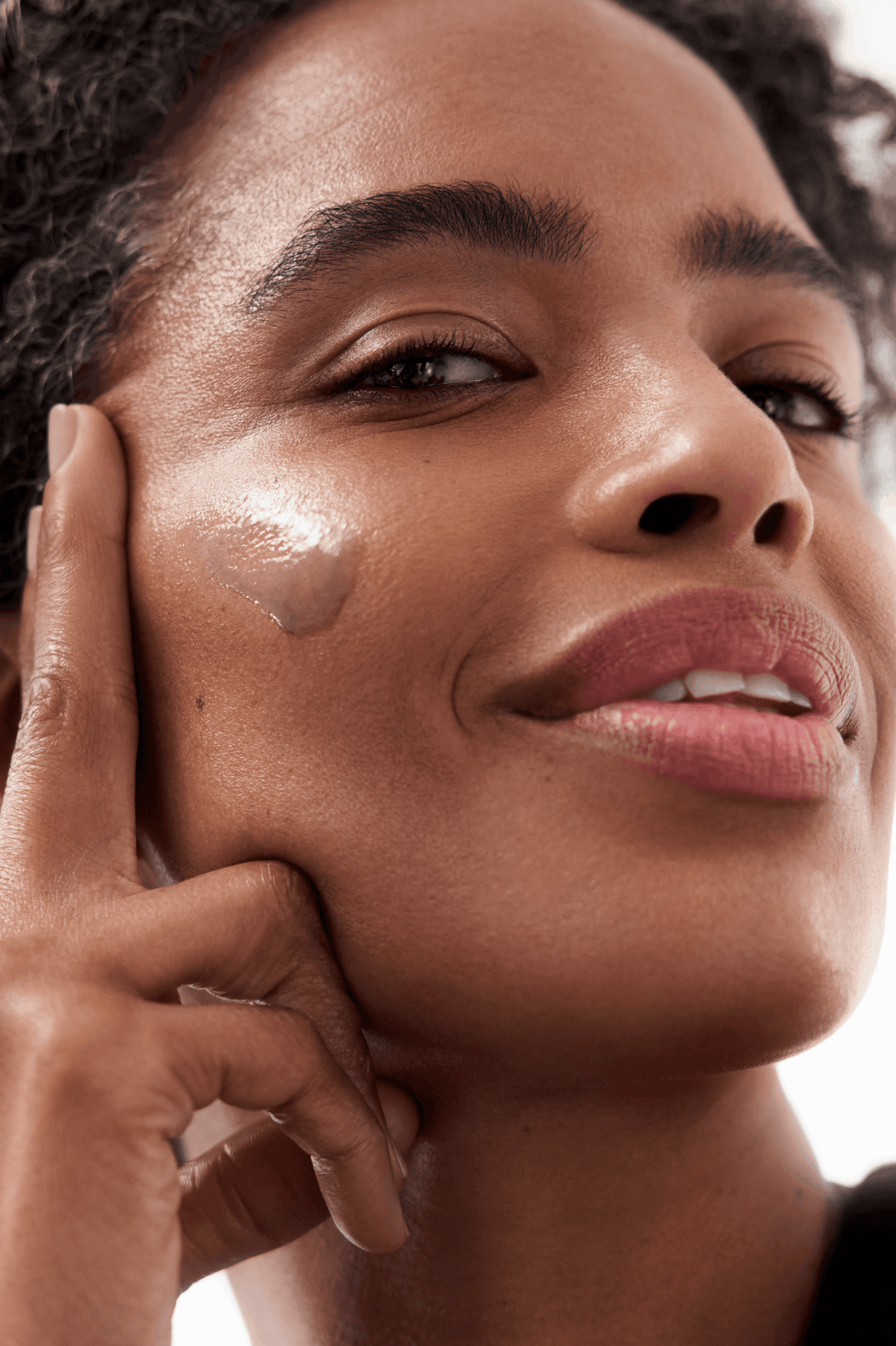
Salicylic acid has remained a cornerstone of acne care for decades, and for good reason. By targeting one of the most common causes of breakouts—clogged pores—it helps create an environment where acne is less likely to develop.
While it may not replace prescription treatments for severe acne, it continues to deliver reliable results for everyday breakouts. When used consistently within a balanced routine, salicylic acid offers a practical and accessible path to clearer, healthier-looking skin.
Featured image: SKN by LH
—Read also
Body Acne Treatment: What Actually Helps Clear Breakouts?
The post How Salicylic Acid Works For Acne (And How To Use It) appeared first on Style Rave | The Ultimate Style Guide.
Source link
#Salicylic #Acid #Works #Acne


Post Comment