
The quiet order of Washington, D.C., has been interrupted by the unmistakable rumble of heavy machinery. What was once a calm corner of the East Wing is now a construction site, where part of the structure is being partially demolished to make way for a proposed White House ballroom, a transformation few expected to see.
The space that once welcomed first lady staff, visiting dignitaries, and tourists is being reshaped into something new. According to Reuters, the project is part of a broader modernization plan guided by President Donald Trump’s vision. This proposal calls for a grand ballroom, an architectural move that blends spectacle with controversy, and one that may redefine how the White House hosts power and prestige in the years to come.
Presidents for decades have preserved, restored, and even renovated the mansion. But the current project appears to go further, aiming to replace and re-frame it entirely. A planned ballroom of roughly 90,000 square feet will rise where part of the East Wing stood, a direct reflection of one man’s vision of grandeur. As reported by The Washington Post, the East Wing project has raised questions about preservation and purpose.
The East Wing, built in 1902 and expanded in 1942, has been part of the complex for over a century. Now it faces a transformation that could redefine the look and function of the executive mansion.
Inside the White House Demolition and Trump’s New Vision
Workers have been seen dismantling parts of the East Wing façade, according to Getty Images. The proposed ballroom will cover roughly 90,000 square feet and host up to 650 seated guests, far more than the current East Room’s capacity. Funding reportedly comes from private donors and tech companies, not taxpayer money.
In describing the project, President Donald Trump called it a long-held vision, a space deserving of grand state and diplomatic events. The White House insists the structure will “pay full respect” to the heritage of the building.
The sheer size and ambition make this a moment of architectural ambition as well as symbolism. Past additions at the White House, like the renovations under President Harry S. Truman in 1952, were major. However, none compare to the scale of what is now underway. Preservationists have voiced concerns that the White House demolition, even if it affects only part of the East Wing, could disrupt the building’s historic integrity.
History, Identity, and the East Wing’s Place
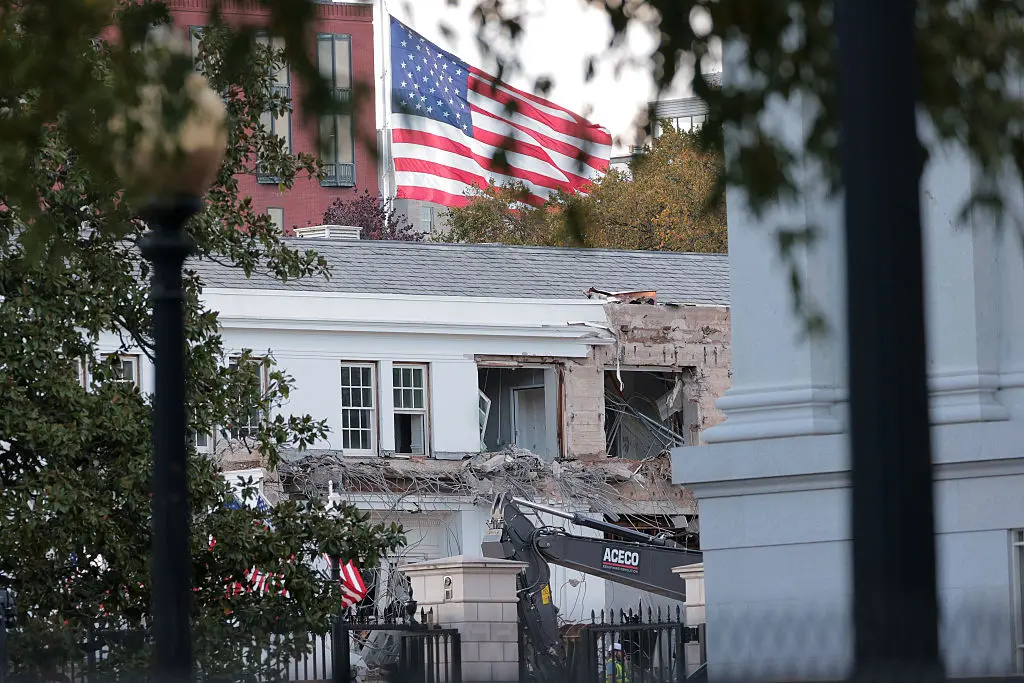
The East Wing entered its current form in 1942, primarily to cover an underground bunker and serve the First Lady’s offices. Before that, expansions in 1902 and earlier renovations reflected the changing needs of the presidency.
In this context, what is happening now feels both familiar and new. The White House has been altered by presidents of many eras to reflect new times. Yet this white house demolition breaks with standard practice, because it essentially removes a wing and replaces it with a purpose-built space for spectacle. Some historians, according to The Washington Post, note that previous renovations aimed to preserve the building’s character rather than replace entire sections.
The concerns raised are not purely about preservation. Some ask: What does this say about the values behind the change? Others see it as a pragmatic modernization of a building meant to serve the public. The architecture is physical, but its meaning goes even deeper.
Why the Change Matters for the Nation and Its Symbol
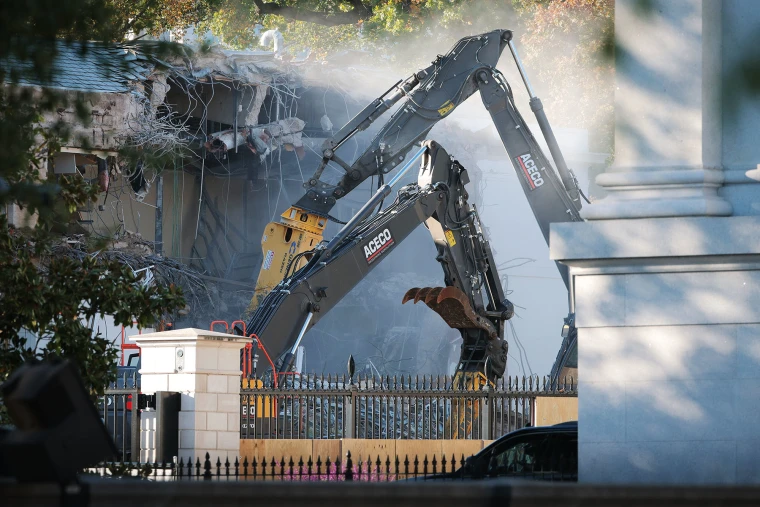
First, the move to propose a ballroom redefines the public face of the White House. A ballroom of this scale sends a message: gatherings will be larger, functions more elaborate. It reframes the residence not just as home, but as a venue for grandeur.
Second, the use of private funding, rather than taxpayer resources, makes the project different from previous expansions. It raises fresh questions about access, influence, and transparency. Some lawmakers call the scale “elitist,” while his supporters say it meets the needs of the nation’s role in global diplomacy.
Third, the timing matters. In a moment of national budget debates and institutional scrutiny, partially demolishing a historic wing to build a ballroom feels both lavish and practical. The tension between continuity and change, heritage and innovation, is plainly visible.
Finally, the space being reforged reflects modern expectations of what the White House should be and who it should serve. Whether it becomes a legacy piece or a contested symbol remains to be seen.
Featured image: Getty Images
For the latest in fashion, lifestyle, and culture, follow us on Instagram @stylerave
Inauguration Day: Donald J. Trump Returns To The White House After Rare Political Comeback [WATCH]

Source link
#White #House #Demolition #Trumps #Ballroom #Vision #Slowly #Takes #Shape


Post Comment