
After months of speculation, counteroffers, and political undertones, Netflix has officially stepped back from its bid to acquire Warner Bros. Discovery, effectively clearing the runway for Paramount and Skydance to take the lead in one of Hollywood’s most consequential takeover battles in decades.
The streaming giant confirmed it would not match Paramount’s latest sweetened offer, describing the deal at its revised price as no longer “financially attractive.” For Netflix co-CEOs Ted Sarandos and Greg Peters, the acquisition was always strategic — but never existential.
“This transaction was always a ‘nice to have’ at the right price, not a ‘must have’ at any price,” the executives said in a statement, emphasizing the company’s disciplined approach to capital allocation. And just like that, the balance of power in Hollywood shifted again.
A Months-Long Battle for a Studio Legacy
Breaking: Paramount has won the bidding war for Warner Discovery after Netflix said it wouldn’t match Paramount’s revised offer https://t.co/IlIUcMzV0t
— The Wall Street Journal (@WSJ) February 26, 2026
Warner Bros., one of the most storied names in entertainment history, put itself up for sale last year amid mounting industry pressures — declining cable revenues, streaming competition, and post-strike production slowdowns.
Initially, Netflix appeared poised to secure key Warner assets, reportedly agreeing in December to purchase its film and streaming divisions — including HBO — in a deal valued at roughly $82 billion, including debt. The proposal would have seen Warner spin off its traditional television networks and CNN into a separate entity.
But the deal never settled comfortably.
Enter Skydance-backed Paramount, which launched a rival bid led by CEO David Ellison and supported by his father, tech billionaire Larry Ellison. In a decisive move this week, Paramount increased its offer to $31 per share in cash — up from $30 — and sweetened the pot further by agreeing to cover a potential $7 billion break fee if the deal collapsed, as well as Warner’s previously negotiated $2.8 billion termination fee owed to Netflix.
Warner’s board deemed Paramount’s revised offer “superior.”
Netflix declined to counter.
Why Netflix Walked Away
For Netflix, this appears straightforward: scale is valuable, but not at any cost.
The company has long emphasized profitability and measured expansion, particularly after years of heavy content spending and investor scrutiny over margins. Matching Paramount’s escalating bid would have pushed the transaction beyond what leadership considered financially disciplined.
Sarandos’ visit to the White House on the same day as the announcement only heightened intrigue around the deal’s broader implications, though no direct link between the visit and the withdrawal has been established.
What remains clear is that Netflix, despite being the world’s largest streaming platform, was unwilling to stretch beyond its pricing comfort zone — even for a studio with nearly a century of cultural weight.
Regulatory Hurdles Ahead
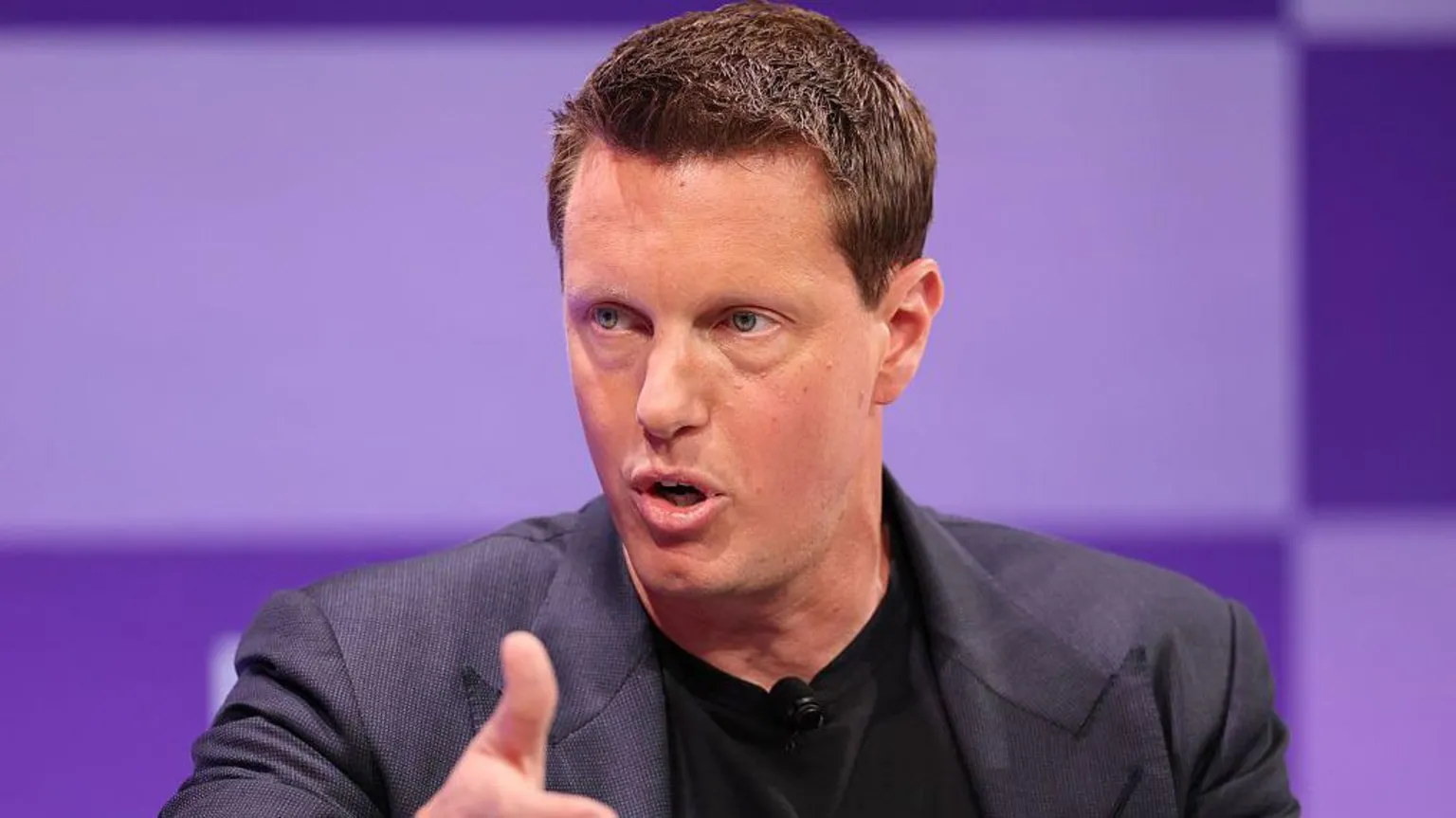
Even with Netflix out of the picture, Paramount’s victory is not guaranteed.
California Attorney General Rob Bonta quickly signaled that regulatory scrutiny remains active. “This is not a done deal,” he wrote, noting that the California Department of Justice has an open investigation into the proposed merger.
Beyond California, the acquisition would require approval from the U.S. Department of Justice and European regulators, a potentially lengthy process given the size and influence of both companies.
The entertainment sector represents a critical economic pillar for California, and any consolidation at this scale raises concerns around competition, employment, and media independence.
Hollywood at a Crossroads
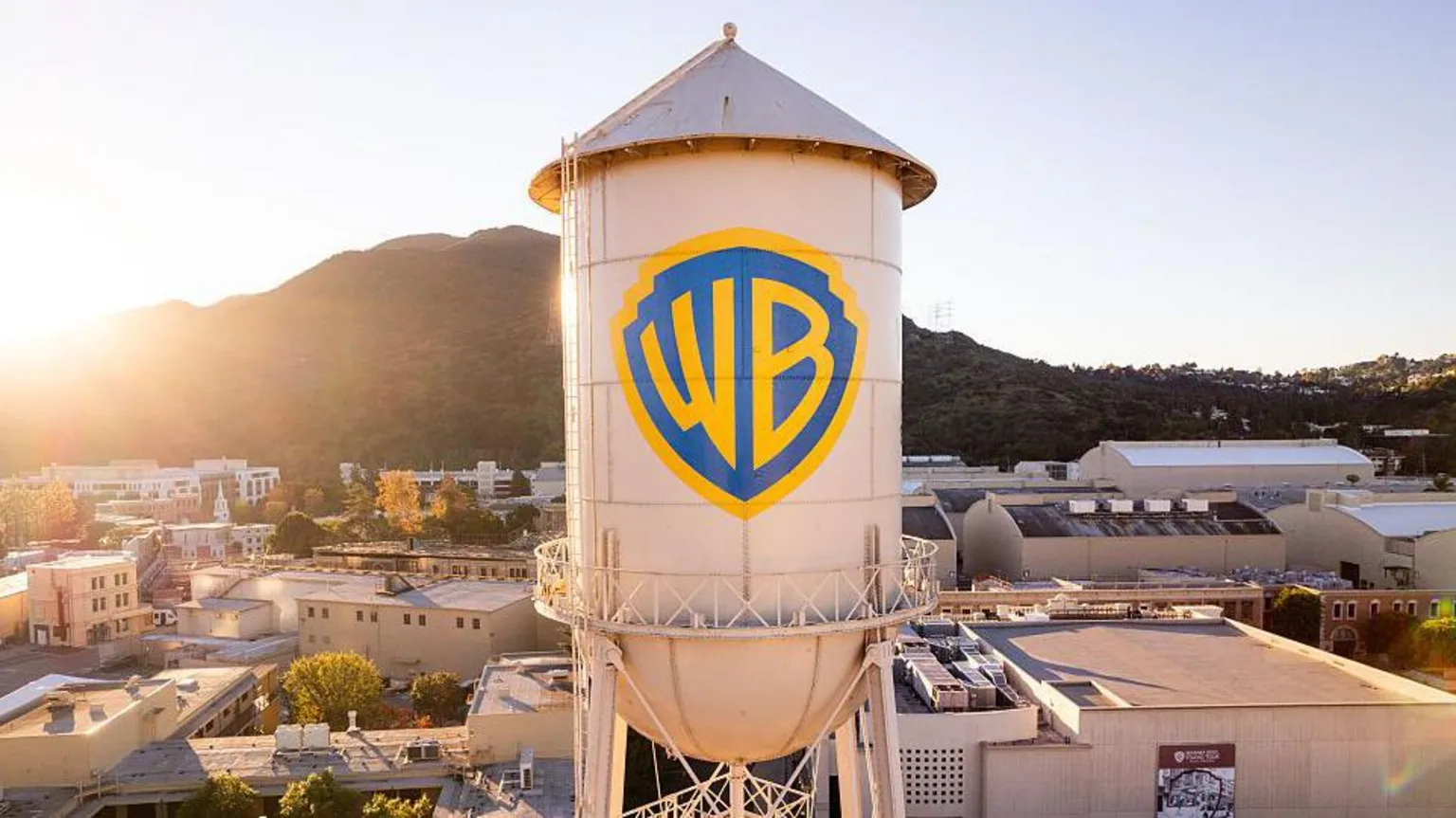
Beyond the boardroom maneuvers, this bidding war underscores something deeper: Hollywood is in flux.
A sale to Netflix raised fears that a legacy studio might be absorbed into a Silicon Valley streaming machine, accelerating the erosion of theatrical cinema. A sale to Paramount, meanwhile, presents its own anxieties — from political optics to industry consolidation in an already contracting production landscape.
Moreover, for workers across Los Angeles, the stakes are quite high. The city has faced sustained production slowdowns, and another merger of this magnitude could mean further restructuring and job cuts.
No matter who ultimately wins regulatory approval, consolidation is reshaping the entertainment industry in real time.
The Bigger Picture for Netflix
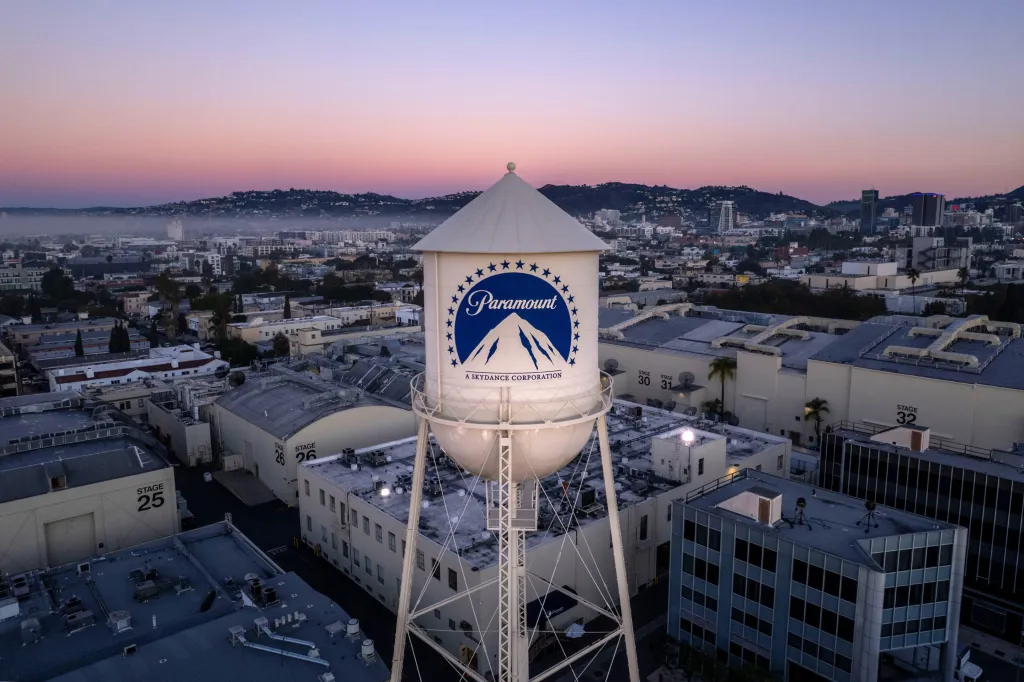
If Paramount’s acquisition clears regulators, it would gain control of Warner’s film library, HBO Max streaming customers, CNN, Food Network, and major sports properties — dramatically expanding its portfolio.
The question now is not just who owns Warner Bros., but what kind of Hollywood emerges on the other side.
Netflix’s withdrawal signals restraint. Paramount’s persistence signals ambition. Regulators signal caution.
And for an industry built on storytelling, the next chapter may prove to be one of its most consequential yet.
Featured image: Samuel Boivin/Getty Images
Netflix in Exclusive Deal Talks For Warner Bros. Discovery, After Winning Bidding War

Source link
#Netflix #Drops #Warner #Bros #Bidding #War #Clearing #Path #ParamountSkydance #Deal


Post Comment