
For most of gaming history, consoles have existed in a particular sweet spot. Expensive enough to feel like a proper purchase, affordable enough that a teenager could reasonably save up for one. That sweet spot may be disappearing. Sony has confirmed that the base PS5 will increase to $649.99 and the PS5 Pro to $899.99, effective April 2, 2026, citing continued pressure in the global economy. Those are current-generation price hikes on hardware that launched years ago. The implications for what comes next are significant.
Industry analysts are no longer treating a four-figure console as a hypothetical. NYU video games professor Joost van Dreunen has stated plainly that the games industry is moving toward a reality where a $1,000 console becomes the expected standard and console gaming becomes a luxury expenditure. Dr. Serkan Toto, CEO of games industry consultancy Kantan Games, has said that a $999 variant of the PS6 is not impossible, particularly given where the PS5 Pro has just landed. These are not fringe predictions. They are where the data is pointing.
What Is Driving the PS6 Price Up Before It Even Exists
An analyst suggests next-gen consoles could cost up to $999
He told GamesRadar the next Xbox and PS6 may be 50 percent more expensive due to rising hardware costs pic.twitter.com/T5BoKcP4dh
— AlphaIntel (@alphaINTEL) March 31, 2026
One of the biggest contributors to projected PS6 pricing is the rising cost of components. Memory shortages, partly driven by massive demand from AI data centres, are limiting supply and pushing production expenses higher across the tech industry. DRAM and NAND memory chip costs have reportedly surged 80 to 90% since early 2026, with AI infrastructure competing directly with consumer hardware for the same components.
There is also a policy dimension. Van Dreunen has pointed to the impact of US trade policy directly, noting that console manufacturers made clear as far back as 2024 that any tariffs would significantly impact pricing. The current economic instability, he argues, is producing exactly the outcome the industry anticipated. Manufacturing in this environment is a different proposition than it was even two years ago, and those costs land somewhere. Rather than absorbing them, manufacturers are increasingly likely to pass them on to consumers.
Hardware insider KeplerL2 has suggested that the PS6’s bill of materials could sit around $750, with a retail price of $699 possible only if Sony takes a loss or secures significant subsidies. That is the optimistic scenario. The pessimistic one involves a four-figure launch price.
The PS6 Price Signal Hidden in the PS5 Hike
Sony’s decision to raise PS5 prices mid-generation is not just about covering current costs. Dr. Toto has described the current PS5 price increases as a form of strategic preparation for a much more significant rise in the future. By gradually moving baseline expectations upward, Sony creates room to set a high launch price for the PS6 while also leaving space for discounts and promotions if market conditions stabilise later in the console’s life cycle.
The PS5 Pro at $899 is particularly telling. Its $150 price increase is being interpreted as more than a short-term correction. It is a signal that the next generation will ask consumers to make peace with numbers they would have found unreasonable three years ago. Getting people comfortable with $900 for a current-generation enthusiast console makes $999 for next-generation hardware feel like a smaller psychological jump than it actually is.
Xbox Project Helix and What Is at Stake for Microsoft
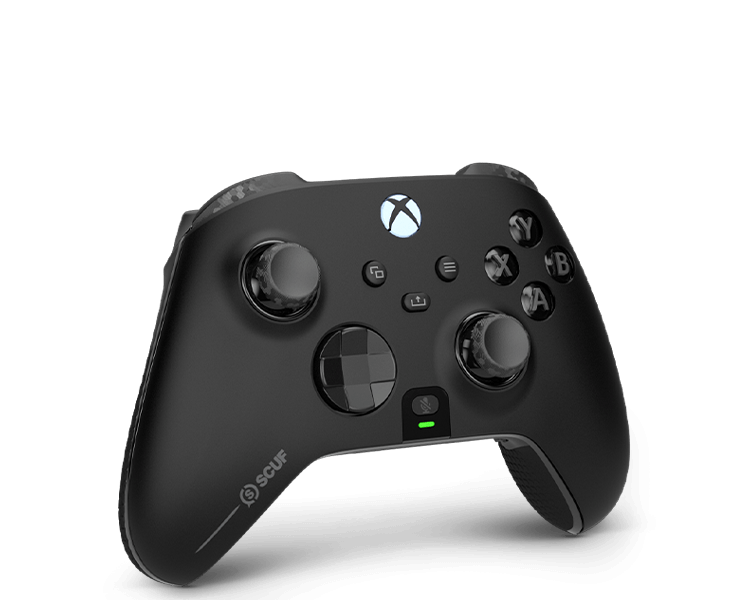
Sony is not alone in facing these pressures. Microsoft’s next-generation console, Xbox Project Helix, is rumoured to cost anywhere between $1,000 and $1,500 when it releases, with some analysts suggesting a 2028 window. The stakes for Microsoft are particularly high. Van Dreunen has noted that there is nobody in the industry who believes there will be another Xbox if Project Helix fails. That is a stark framing. A $1,000 price tag on a make-or-break hardware release from a platform already fighting for relevance is a genuinely difficult equation.
Circana analyst Mat Piscatella has been more measured, noting that current market conditions make confident predictions almost impossible. A $1,000 console is possible in 2027. It is possible in 2028. It might come later. The honest answer, he says, is that nobody can speak with real confidence about where the hardware market is heading right now. That uncertainty is itself part of the story.
What a $1,000 Console Actually Means for Gamers
Next-gen PlayStation and Xbox consoles could cost almost $1,000, with console gaming becoming “a luxury expenditure” according to analysts
via GamesRadar pic.twitter.com/iYtpbGM8gq
— Dexerto (@Dexerto) March 31, 2026
The practical consequences of a four-figure entry point are significant. If the PS6 launches at $1,000, Sony would almost certainly maintain cross-generation releases well into the new era to keep its existing PS5 install base engaged. For anyone currently sitting on a PS5, that is not necessarily bad news. The console has more runway than it might have had in a more conventional generation cycle.
What it does mean is that the affordable entertainment proposition that console gaming has always offered, its core advantage over PC gaming, begins to erode. Van Dreunen’s prediction that console gaming will become a luxury expenditure is not just a financial observation. It is a statement about who gets to participate.
A $1,000 barrier fundamentally changes the demographic of who can buy in on day one and who gets left behind. PS6 rumours suggest features including a detachable disc drive and a companion handheld component, with a release window currently expected between 2028 and 2029. Nothing is confirmed. But the direction of travel is becoming harder to argue with.
Featured image: Phil Barker/Future Publishing Via Getty Images
Xbox Goes Mobile: How The ROG Xbox Ally Could Change Gaming Forever

Source link
#PS6 #NextGen #Xbox #Cost #Heres #Surprising


Post Comment