
Rob Reiner, the actor, director, and cultural architect whose work shaped how generations understand love, justice, friendship, and humor, was found dead in his Brentwood home alongside his wife, Michele Singer Reiner. He was 78. Authorities have confirmed that the circumstances surrounding their deaths remain under investigation, a detail that has only deepened the collective unease felt across the entertainment industry.
Yet beyond the initial shock lies something heavier. A sense of finality. Because Rob Reiner was not merely present in Hollywood, he was woven into it. His work lived quietly in the background of people’s lives, shaping emotional memory without ever demanding attention. For many, his films were not grand events. They were companions.
Raised Inside the Language of Storytelling
Rob Reiner was born on March 6, 1947, in the Bronx, New York, into a world already fluent in storytelling. It was not a craft he discovered later in life; it surrounded him from the beginning. His father, Carl Reiner, stood at the center of television’s golden age, writing and performing comedy that helped define American humor. His mother, Estelle Reiner, brought warmth and wit of her own—later immortalized in one of cinema’s most quoted moments.
Raised in Hollywood, Reiner grew up watching how stories were built, shaped, and delivered. Still, familiarity did not dull his curiosity. Instead, it sharpened it. After attending UCLA Film School, he began taking small television roles, absorbing the craft from the inside out. Along the way, he learned timing. He learned restraint. And, perhaps most importantly, he learned how to listen.
Becoming “Meathead” and Changing Television Forever
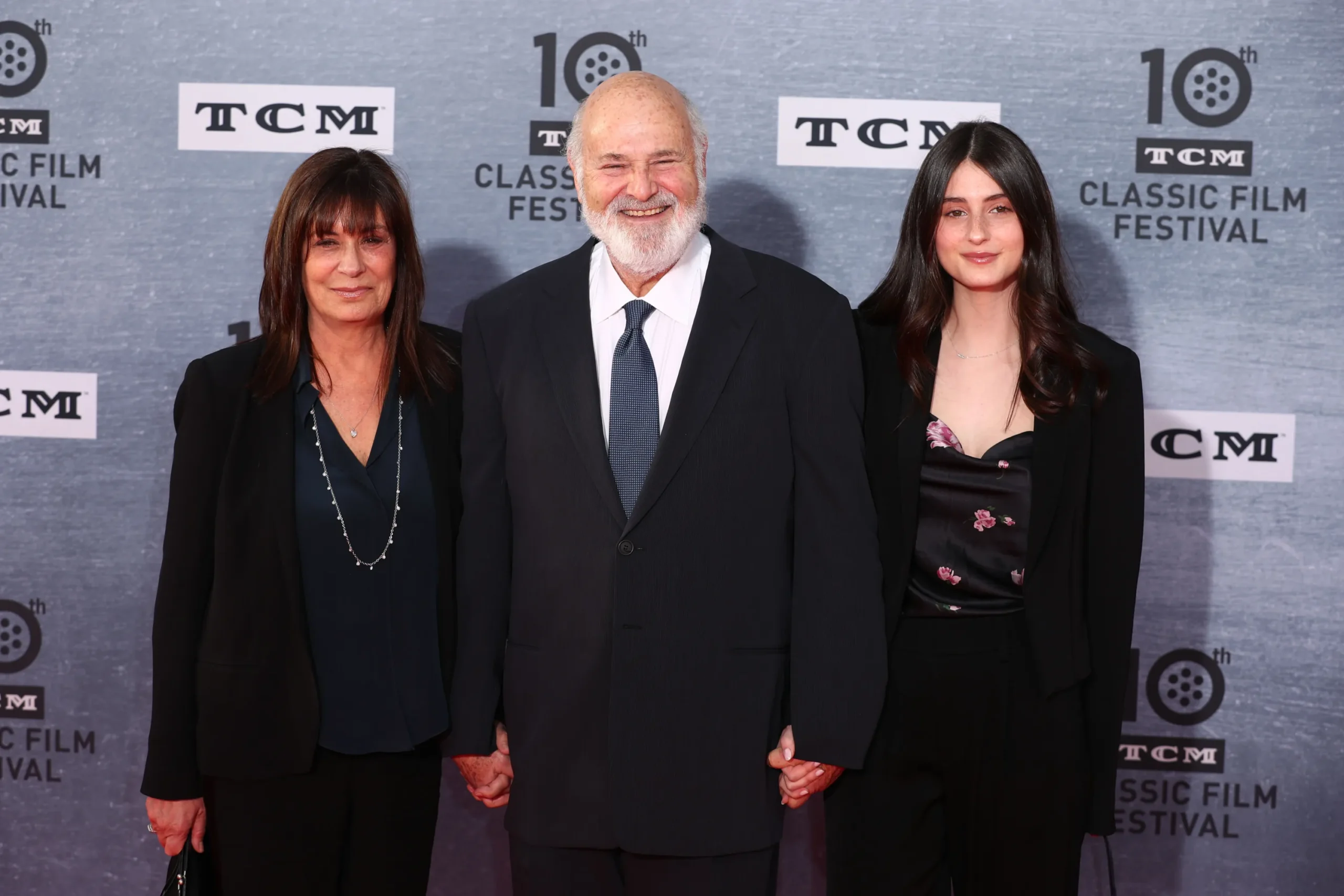
In 1971, Reiner stepped into the role that introduced him to the world. As Michael “Meathead” Stivic on All in the Family, he became the liberal counterpoint to Archie Bunker’s entrenched conservatism. What might have remained a simple sitcom dynamic instead evolved into a cultural reckoning.
Week after week, the series confronted topics television had long avoided—race, gender, war, and class. Reiner’s performance was sharp, grounded, and emotionally intelligent. He did not play caricature. He played conviction.
Although the role earned him multiple Emmy Awards, its influence extended far beyond trophies. It reshaped what television could be and proved that comedy could carry moral weight without losing its humanity.
Reinventing Himself Behind the Camera
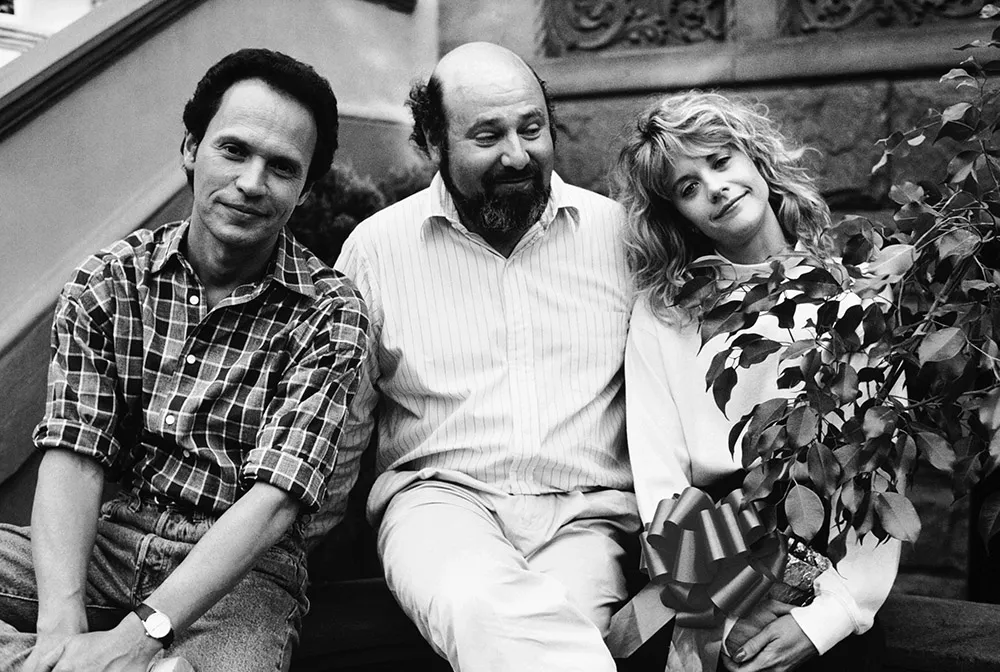
After leaving All in the Family in 1978, Reiner entered a period of quiet uncertainty. Reinvention, after all, is rarely immediate. Still, in 1984, he found his footing again, this time behind the camera.
This Is Spinal Tap arrived with little fanfare and departed with a legacy. Its improvised structure and mockumentary style felt effortless, yet its influence would ripple across decades of film and television. Reiner understood something essential: humor works best when it feels observed, not performed.
What followed was one of the most versatile directing runs in modern cinema. Stand By Me explored childhood and loss with tenderness. The Princess Bride blended romance, fantasy, and wit into something timeless. When Harry Met Sally… captured the awkward, aching rhythm of adult love with rare honesty. Misery unsettled audiences, while A Few Good Men interrogated truth and power with gripping intensity.
Craft Over Trends, Always
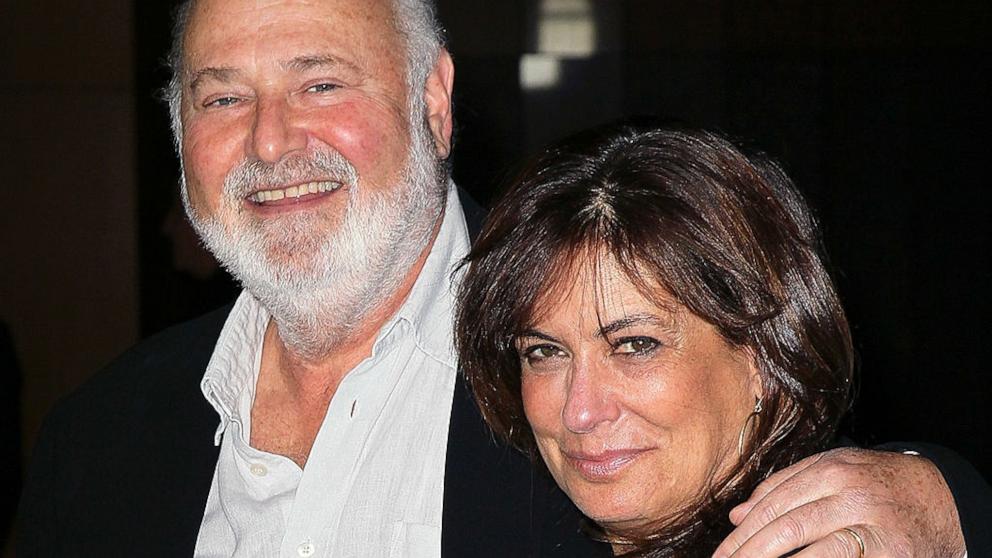
In 1987, Reiner co-founded Castle Rock Entertainment, extending his influence beyond directing alone. The company became known for prioritizing strong writing and character-driven storytelling, a direct reflection of Reiner’s philosophy. Story came first. Always.
Even as Hollywood increasingly leaned toward spectacle, Reiner remained committed to meaning. His later films explored political history, social justice, and moral accountability. Not all found commercial success, yet he never expressed regret.
He spoke openly about choosing expression over profit, and about telling stories that mattered to him even when studios pushed for safer returns. For Rob Reiner, filmmaking was never about chasing relevance. It was about clarity.
The Circumstances Surrounding His Death
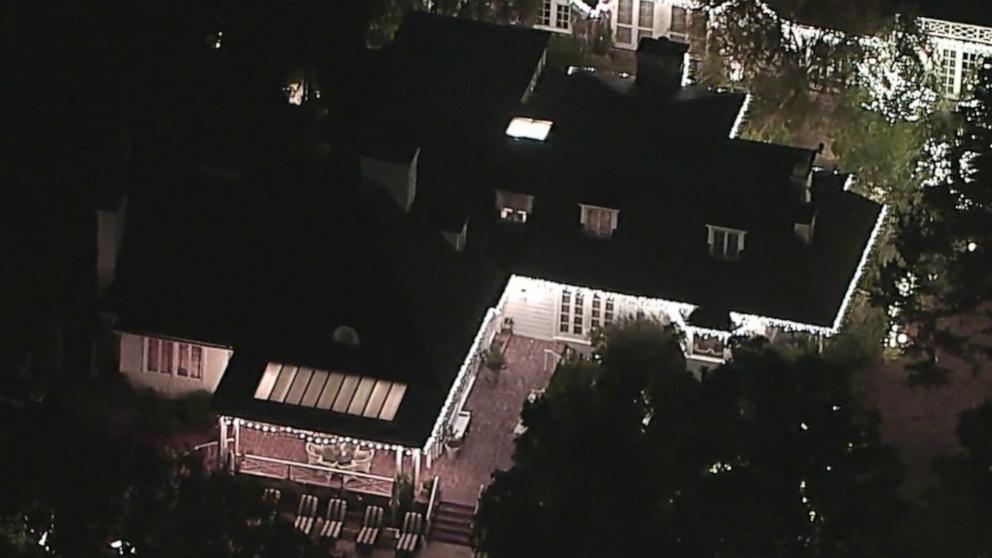
The final chapter of Rob Reiner’s life ended in tragedy, and the details have only intensified the shock felt across Hollywood and beyond. On Sunday, December 14, 2025, firefighters and paramedics responded around 3:30 p.m. to a medical-aid call at Reiner’s Brentwood residence in Los Angeles. There, they discovered both Reiner, 78, and his wife, Michele Singer Reiner, 68, unresponsive inside their home.
Law enforcement later confirmed that both had died from injuries consistent with an apparent homicide. The Los Angeles Police Department’s Robbery-Homicide Division has taken the lead in the investigation. While authorities have described the incident as sudden and violent, no suspect or motive has been publicly identified yet, and the inquiry remains active.
In a family statement shared following the news, loved ones expressed profound sorrow and asked for privacy during this unimaginably difficult time. That grief was echoed by public officials, including Los Angeles Mayor Karen Bass and California Governor Gavin Newsom, both of whom noted Reiner’s deep and lasting impact on culture, storytelling, and community.
Featured image: Getty Images
Jubilant Sykes’ Son Micah Sykes Arrested After Grammy-Nominated Opera Singer Stabbed To Death
Source link
#Rob #Reiner #Storyteller #Shaped #Generations #Dead


Post Comment