×

published June 24 in the journal Emerging Infectious Diseases.

A bear of a time

The outbreak was first detected in November 2024 by a clinician who treated the hospitalized patient and notified health officials. The Graham County Health Department and North Carolina Division of Public Health then conducted an investigation.

The patient had killed a bear at the start of the hunting season in October. The person froze half of the meat as various cuts and prepared the rest into jerky; they then shared the jerky with five other people.

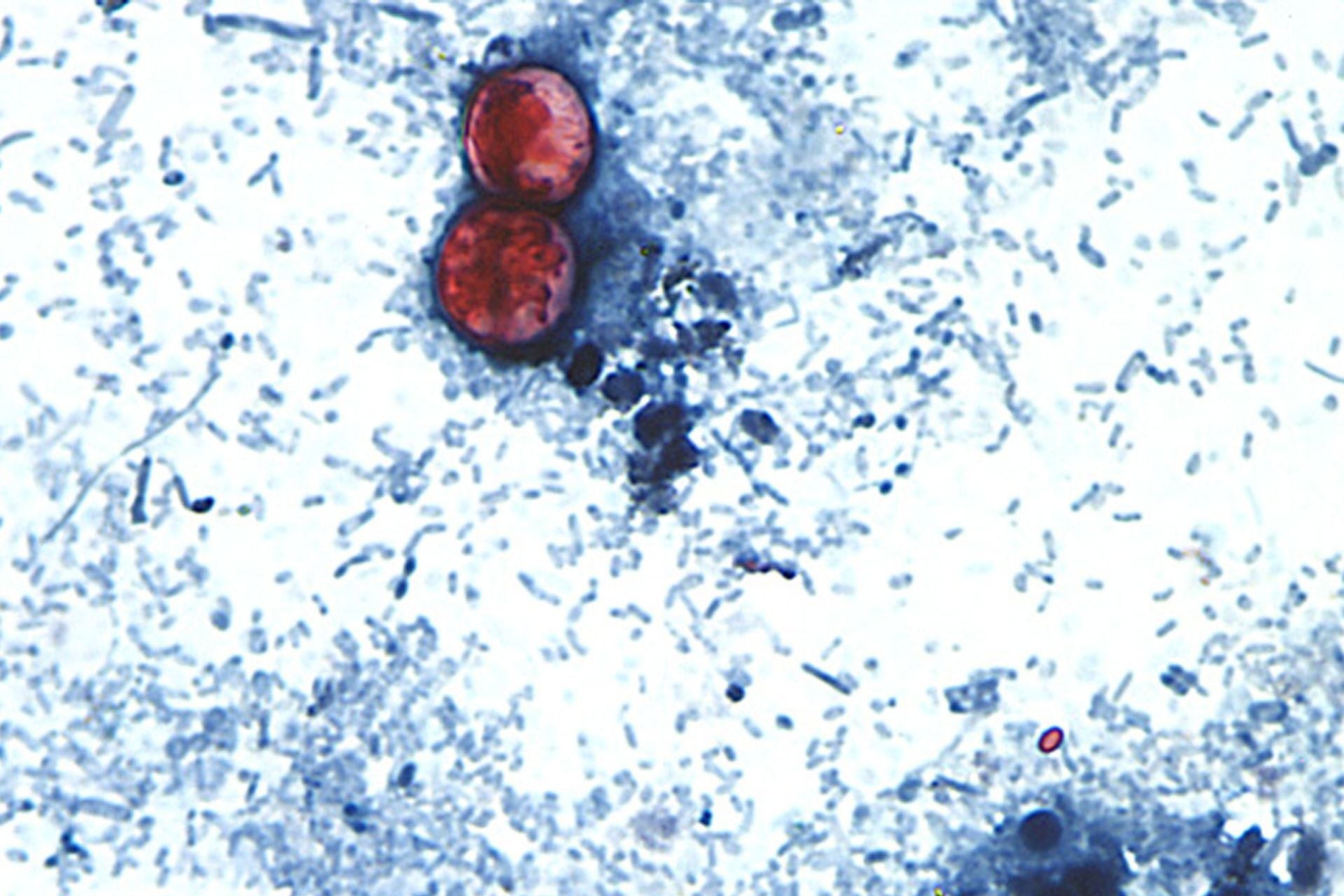
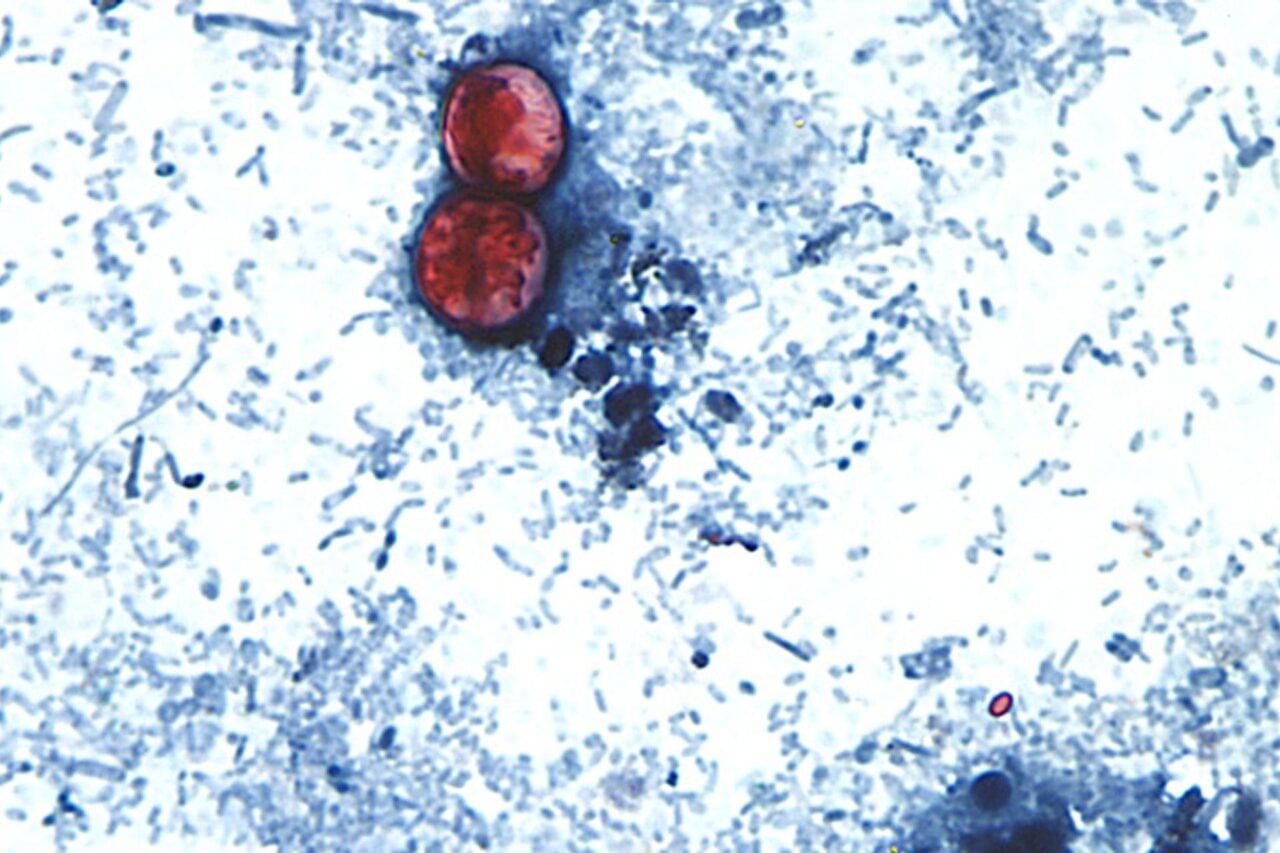
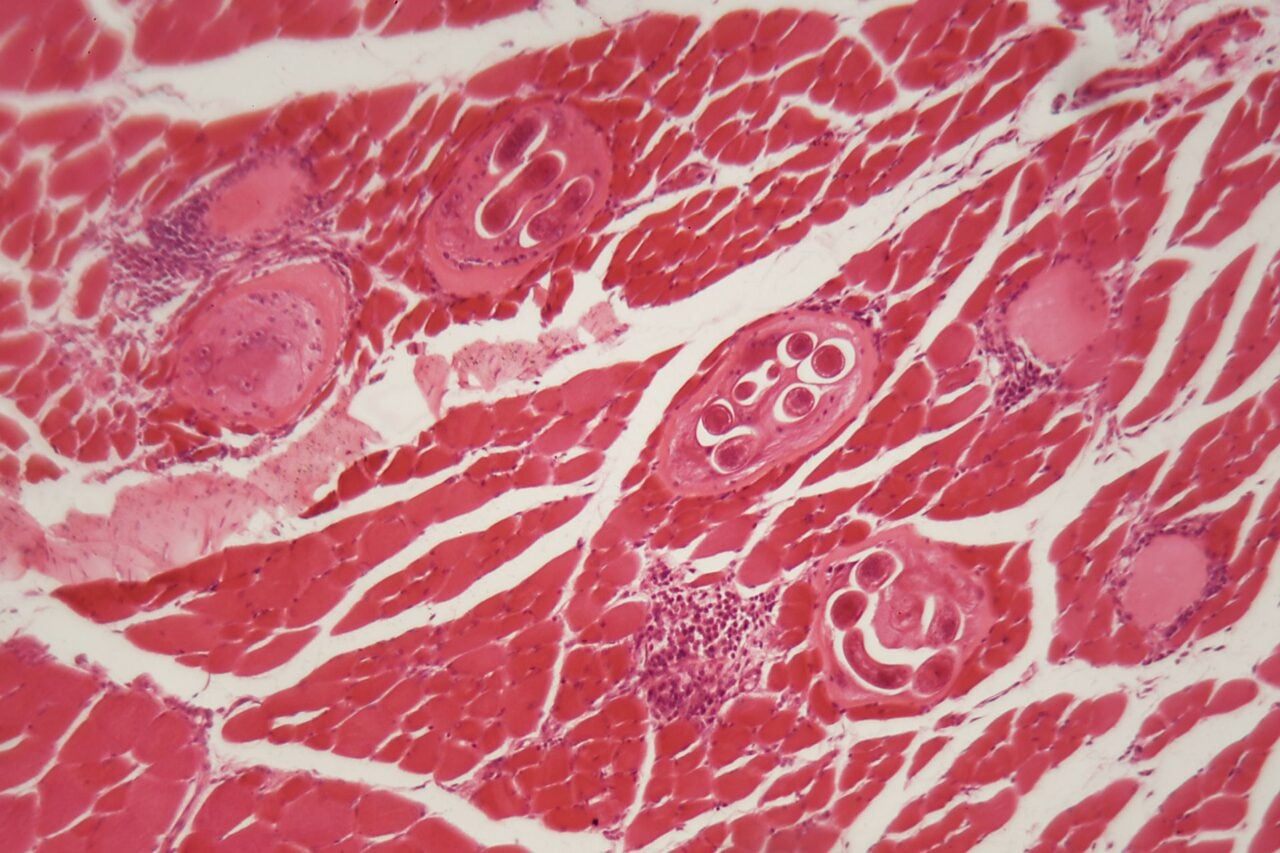
By the time officials began probing, no jerky was left, but four remaining pieces of the frozen bear meat were sent off for testing at the Centers for Disease Control and Prevention; all the meat subsequently came back positive for Trichinella larvae. It’s likely the person’s jerky preparation, which only involved a marinade and drying, did not heat the meat sufficiently to kill off the worms nestled inside.

Of the six people who ate the jerky, three developed symptoms characteristic of Trichinella infection. The hospitalized patient developed severe symptoms, including muscle weakness, swelling around the eyes, and eosinophilia (a high level of eosinophils, a type of white blood cell). The hospitalized case eventually tested positive for antibodies to the infection, but the other two cases declined testing because they lacked health insurance and balked at the out-of-pocket costs for such a test (roughly $200). All three were given a standard deworming medication and made a full recovery.

A growing trend?

Trichinellosis used to be commonly caused by undercooked pork but is now very rare in the U.S. due to better food safety. Most cases these days are instead tied to infected game meat, including bears. According to the CDC, only about 15 cases on average are reported annually.

Still, there are some signs this disease could become more common in some places like North Carolina. In November 2023, 10 people were likely infected by eating the undercooked meat of a wild bear hunted in western North Carolina; it was the first major outbreak recorded in the state since 1991, with only three isolated cases reported during that same time period.

Officials weren’t able to test the meat implicated in the 2023 outbreak and identify the specific species that caused it. This time around, testing identified a species known as Trichinella spiralis. That’s a potentially worrying discovery, the report authors note, since T. spiralis is rarely ever found in bears. So it’s possible that infection patterns might be changing among the wildlife in North Carolina and elsewhere.

“Wildlife disease surveillance is needed to update our knowledge of Trichinella prevalence, host affinities, and associated public health risks,” the researchers wrote.

That said, human trichinellosis is easily preventable with some proactive measures. However it’s prepared, officials say, game meat should always be cooked to an internal temperature above 165 degrees Fahrenheit (74 degrees Celsius) to ensure all larvae are killed off. Freezing meat prior to making it into jerky might help as well, though some Trichinella species are known to be freeze-resistant. Other safe food handling practices, like keeping raw or undercooked meat away from other foods, can also prevent cross-contamination.

#Tainted #Beef #Jerky #Caused #Outbreak #Bear #Wormsbears,foodborne illnesses,Parasites,Weird medicine"> Tainted Beef Jerky Caused an Outbreak of Bear Worms
                Beef jerky can be a delicious treat. But a recent report illustrates why you should be cautious about biting into a piece of homemade jerky made from wild bear meat—it just might be teeming with parasitic worms. Last week, federal and local health officials in North Carolina detailed an unusual outbreak of Trichinella roundworms in 2024 traced back to undercooked jerky from the same infected bear. At least three people were likely sickened by the cursed jerky, one of whom ended up hospitalized with severe illness. Though such cases are rare, they can be entirely prevented by cooking bear and other game meat to the recommended internal temperature, the authors say. “Low-cost safety measures and prevention efforts regarding safe wild game preparation are needed to avoid future outbreaks,” they wrote in their paper, published June 24 in the journal Emerging Infectious Diseases. A bear of a time The outbreak was first detected in November 2024 by a clinician who treated the hospitalized patient and notified health officials. The Graham County Health Department and North Carolina Division of Public Health then conducted an investigation. The patient had killed a bear at the start of the hunting season in October. The person froze half of the meat as various cuts and prepared the rest into jerky; they then shared the jerky with five other people.

 By the time officials began probing, no jerky was left, but four remaining pieces of the frozen bear meat were sent off for testing at the Centers for Disease Control and Prevention; all the meat subsequently came back positive for Trichinella larvae. It’s likely the person’s jerky preparation, which only involved a marinade and drying, did not heat the meat sufficiently to kill off the worms nestled inside.

 Of the six people who ate the jerky, three developed symptoms characteristic of Trichinella infection. The hospitalized patient developed severe symptoms, including muscle weakness, swelling around the eyes, and eosinophilia (a high level of eosinophils, a type of white blood cell). The hospitalized case eventually tested positive for antibodies to the infection, but the other two cases declined testing because they lacked health insurance and balked at the out-of-pocket costs for such a test (roughly 0). All three were given a standard deworming medication and made a full recovery. A growing trend? Trichinellosis used to be commonly caused by undercooked pork but is now very rare in the U.S. due to better food safety. Most cases these days are instead tied to infected game meat, including bears. According to the CDC, only about 15 cases on average are reported annually.

 Still, there are some signs this disease could become more common in some places like North Carolina. In November 2023, 10 people were likely infected by eating the undercooked meat of a wild bear hunted in western North Carolina; it was the first major outbreak recorded in the state since 1991, with only three isolated cases reported during that same time period. Officials weren’t able to test the meat implicated in the 2023 outbreak and identify the specific species that caused it. This time around, testing identified a species known as Trichinella spiralis. That’s a potentially worrying discovery, the report authors note, since T. spiralis is rarely ever found in bears. So it’s possible that infection patterns might be changing among the wildlife in North Carolina and elsewhere. “Wildlife disease surveillance is needed to update our knowledge of Trichinella prevalence, host affinities, and associated public health risks,” the researchers wrote.

 That said, human trichinellosis is easily preventable with some proactive measures. However it’s prepared, officials say, game meat should always be cooked to an internal temperature above 165 degrees Fahrenheit (74 degrees Celsius) to ensure all larvae are killed off. Freezing meat prior to making it into jerky might help as well, though some Trichinella species are known to be freeze-resistant. Other safe food handling practices, like keeping raw or undercooked meat away from other foods, can also prevent cross-contamination.      #Tainted #Beef #Jerky #Caused #Outbreak #Bear #Wormsbears,foodborne illnesses,Parasites,Weird medicine
Tech-news

published June 24 in the journal Emerging Infectious Diseases.

A bear of a time

The outbreak was first detected in November 2024 by a clinician who treated the hospitalized patient and notified health officials. The Graham County Health Department and North Carolina Division of Public Health then conducted an investigation.

The patient had killed a bear at the start of the hunting season in October. The person froze half of the meat as various cuts and prepared the rest into jerky; they then shared the jerky with five other people.

By the time officials began probing, no jerky was left, but four remaining pieces of the frozen bear meat were sent off for testing at the Centers for Disease Control and Prevention; all the meat subsequently came back positive for Trichinella larvae. It’s likely the person’s jerky preparation, which only involved a marinade and drying, did not heat the meat sufficiently to kill off the worms nestled inside.

Of the six people who ate the jerky, three developed symptoms characteristic of Trichinella infection. The hospitalized patient developed severe symptoms, including muscle weakness, swelling around the eyes, and eosinophilia (a high level of eosinophils, a type of white blood cell). The hospitalized case eventually tested positive for antibodies to the infection, but the other two cases declined testing because they lacked health insurance and balked at the out-of-pocket costs for such a test (roughly $200). All three were given a standard deworming medication and made a full recovery.

A growing trend?

Trichinellosis used to be commonly caused by undercooked pork but is now very rare in the U.S. due to better food safety. Most cases these days are instead tied to infected game meat, including bears. According to the CDC, only about 15 cases on average are reported annually.

Still, there are some signs this disease could become more common in some places like North Carolina. In November 2023, 10 people were likely infected by eating the undercooked meat of a wild bear hunted in western North Carolina; it was the first major outbreak recorded in the state since 1991, with only three isolated cases reported during that same time period.

Officials weren’t able to test the meat implicated in the 2023 outbreak and identify the specific species that caused it. This time around, testing identified a species known as Trichinella spiralis. That’s a potentially worrying discovery, the report authors note, since T. spiralis is rarely ever found in bears. So it’s possible that infection patterns might be changing among the wildlife in North Carolina and elsewhere.

“Wildlife disease surveillance is needed to update our knowledge of Trichinella prevalence, host affinities, and associated public health risks,” the researchers wrote.

That said, human trichinellosis is easily preventable with some proactive measures. However it’s prepared, officials say, game meat should always be cooked to an internal temperature above 165 degrees Fahrenheit (74 degrees Celsius) to ensure all larvae are killed off. Freezing meat prior to making it into jerky might help as well, though some Trichinella species are known to be freeze-resistant. Other safe food handling practices, like keeping raw or undercooked meat away from other foods, can also prevent cross-contamination.

#Tainted #Beef #Jerky #Caused #Outbreak #Bear #Wormsbears,foodborne illnesses,Parasites,Weird medicine">Tainted Beef Jerky Caused an Outbreak of Bear WormsTainted Beef Jerky Caused an Outbreak of Bear Worms
                Beef jerky can be a delicious treat. But a recent report illustrates why you should be cautious about biting into a piece of homemade jerky made from wild bear meat—it just might be teeming with parasitic worms. Last week, federal and local health officials in North Carolina detailed an unusual outbreak of Trichinella roundworms in 2024 traced back to undercooked jerky from the same infected bear. At least three people were likely sickened by the cursed jerky, one of whom ended up hospitalized with severe illness. Though such cases are rare, they can be entirely prevented by cooking bear and other game meat to the recommended internal temperature, the authors say. “Low-cost safety measures and prevention efforts regarding safe wild game preparation are needed to avoid future outbreaks,” they wrote in their paper, published June 24 in the journal Emerging Infectious Diseases. A bear of a time The outbreak was first detected in November 2024 by a clinician who treated the hospitalized patient and notified health officials. The Graham County Health Department and North Carolina Division of Public Health then conducted an investigation. The patient had killed a bear at the start of the hunting season in October. The person froze half of the meat as various cuts and prepared the rest into jerky; they then shared the jerky with five other people.

 By the time officials began probing, no jerky was left, but four remaining pieces of the frozen bear meat were sent off for testing at the Centers for Disease Control and Prevention; all the meat subsequently came back positive for Trichinella larvae. It’s likely the person’s jerky preparation, which only involved a marinade and drying, did not heat the meat sufficiently to kill off the worms nestled inside.

 Of the six people who ate the jerky, three developed symptoms characteristic of Trichinella infection. The hospitalized patient developed severe symptoms, including muscle weakness, swelling around the eyes, and eosinophilia (a high level of eosinophils, a type of white blood cell). The hospitalized case eventually tested positive for antibodies to the infection, but the other two cases declined testing because they lacked health insurance and balked at the out-of-pocket costs for such a test (roughly $200). All three were given a standard deworming medication and made a full recovery. A growing trend? Trichinellosis used to be commonly caused by undercooked pork but is now very rare in the U.S. due to better food safety. Most cases these days are instead tied to infected game meat, including bears. According to the CDC, only about 15 cases on average are reported annually.

 Still, there are some signs this disease could become more common in some places like North Carolina. In November 2023, 10 people were likely infected by eating the undercooked meat of a wild bear hunted in western North Carolina; it was the first major outbreak recorded in the state since 1991, with only three isolated cases reported during that same time period. Officials weren’t able to test the meat implicated in the 2023 outbreak and identify the specific species that caused it. This time around, testing identified a species known as Trichinella spiralis. That’s a potentially worrying discovery, the report authors note, since T. spiralis is rarely ever found in bears. So it’s possible that infection patterns might be changing among the wildlife in North Carolina and elsewhere. “Wildlife disease surveillance is needed to update our knowledge of Trichinella prevalence, host affinities, and associated public health risks,” the researchers wrote.

 That said, human trichinellosis is easily preventable with some proactive measures. However it’s prepared, officials say, game meat should always be cooked to an internal temperature above 165 degrees Fahrenheit (74 degrees Celsius) to ensure all larvae are killed off. Freezing meat prior to making it into jerky might help as well, though some Trichinella species are known to be freeze-resistant. Other safe food handling practices, like keeping raw or undercooked meat away from other foods, can also prevent cross-contamination.      #Tainted #Beef #Jerky #Caused #Outbreak #Bear #Wormsbears,foodborne illnesses,Parasites,Weird medicine

Beef jerky can be a delicious treat. But a recent report illustrates why you should be cautious about biting into a piece of homemade jerky made from wild bear meat—it just might be teeming with parasitic worms.

Last week, federal and local health officials in North Carolina detailed an unusual outbreak of Trichinella roundworms in 2024 traced back to undercooked jerky from the same infected bear. At least three people were likely sickened by the cursed jerky, one of whom ended up hospitalized with severe illness. Though such cases are rare, they can be entirely prevented by cooking bear and other game meat to the recommended internal temperature, the authors say.

“Low-cost safety measures and prevention efforts regarding safe wild game preparation are needed to avoid future outbreaks,” they wrote in their paper, published June 24 in the journal Emerging Infectious Diseases.

A bear of a time

The outbreak was first detected in November 2024 by a clinician who treated the hospitalized patient and notified health officials. The Graham County Health Department and North Carolina Division of Public Health then conducted an investigation.

The patient had killed a bear at the start of the hunting season in October. The person froze half of the meat as various cuts and prepared the rest into jerky; they then shared the jerky with five other people.

By the time officials began probing, no jerky was left, but four remaining pieces of the frozen bear meat were sent off for testing at the Centers for Disease Control and Prevention; all the meat subsequently came back positive for Trichinella larvae. It’s likely the person’s jerky preparation, which only involved a marinade and drying, did not heat the meat sufficiently to kill off the worms nestled inside.

Of the six people who ate the jerky, three developed symptoms characteristic of Trichinella infection. The hospitalized patient developed severe symptoms, including muscle weakness, swelling around the eyes, and eosinophilia (a high level of eosinophils, a type of white blood cell). The hospitalized case eventually tested positive for antibodies to the infection, but the other two cases declined testing because they lacked health insurance and balked at the out-of-pocket costs for such a test (roughly $200). All three were given a standard deworming medication and made a full recovery.

A growing trend?

Trichinellosis used to be commonly caused by undercooked pork but is now very rare in the U.S. due to better food safety. Most cases these days are instead tied to infected game meat, including bears. According to the CDC, only about 15 cases on average are reported annually.

Still, there are some signs this disease could become more common in some places like North Carolina. In November 2023, 10 people were likely infected by eating the undercooked meat of a wild bear hunted in western North Carolina; it was the first major outbreak recorded in the state since 1991, with only three isolated cases reported during that same time period.

Officials weren’t able to test the meat implicated in the 2023 outbreak and identify the specific species that caused it. This time around, testing identified a species known as Trichinella spiralis. That’s a potentially worrying discovery, the report authors note, since T. spiralis is rarely ever found in bears. So it’s possible that infection patterns might be changing among the wildlife in North Carolina and elsewhere.

“Wildlife disease surveillance is needed to update our knowledge of Trichinella prevalence, host affinities, and associated public health risks,” the researchers wrote.

That said, human trichinellosis is easily preventable with some proactive measures. However it’s prepared, officials say, game meat should always be cooked to an internal temperature above 165 degrees Fahrenheit (74 degrees Celsius) to ensure all larvae are killed off. Freezing meat prior to making it into jerky might help as well, though some Trichinella species are known to be freeze-resistant. Other safe food handling practices, like keeping raw or undercooked meat away from other foods, can also prevent cross-contamination.

#Tainted #Beef #Jerky #Caused #Outbreak #Bear #Wormsbears,foodborne illnesses,Parasites,Weird medicine

Beef jerky can be a delicious treat. But a recent report illustrates why you should…