Announces,Bayangi: Palaychi Nahi,First Marathi Film,Instagram,Instagram India,News,OTT,OTT Platform,Social Media,Talaychi,The Viral Fever,The Viral Fever (TVF),TVF,TVF Pitchers">TVF announces first Marathi film Bayangi: Palaychi Nahi, Talaychi
The Viral Fever (TVF) has announced its entry into Marathi cinema with its first Marathi film, Bayangi: Palaychi Nahi, Talaychi, Announced on August 8, 2026, the film is described as a supernatural comedy thriller inspired by one of Maharashtra’s intriguing folklores. With supernatural elements, humour and an unusual premise, the film brings together a promising cast and creative team.
TVF announces first Marathi film Bayangi: Palaychi Nahi, Talaychi
Set against the backdrop of the Konkan region, Bayangi: Palaychi Nahi, Talaychi revolves around the folklore of Bayangi, a supernatural spirit believed to be trapped inside a coconut. According to the folklore, the spirit can bring prosperity to its owner. However, the promise of wealth comes with a dangerous condition.
The story follows four bachelors who unexpectedly come across a Bayangi and begin believing that they have found a shortcut to a luxurious life. Their excitement soon takes a darker turn when they discover that every wish they make, whether big or small, comes with a terrifying price. What begins as an opportunity to change their lives gradually turns into a dangerous situation.
Produced by TVF Motion Pictures, the film is directed by Abhay Raut, who previously directed Gullak Season 5. The film features Amey Wagh in the lead role, with Hardeek Joshi, Manmeet Pem and Avinash Khedekar in pivotal roles.
With its combination of supernatural folklore and quirky humour, Bayangi marks a new direction for TVF as it ventures into Marathi films. The announcement comes at a busy time for the production house, which has released nine shows in 2026, including Gullak Season 5, Sapne Vs. Everyone Season 2, Aspirants Season 3, Hello Bachhon Season 1 and Space Gen: Chandrayaan Season 1. TVF has also announced projects such as Vvan and College Fest.
Features,Health,Health Update,Injury,Instagram,Rashmika Mandanna,Social Media">Rashmika Mandanna breaks silence on “painful” hip injury: “I treated my body like a machine”
Actor Rashmika Mandanna has shared a candid health update with fans, revealing that she is recovering from a painful hip injury that forced her to take an unexpected break from work. After being away from social media for some time, the actor returned with an emotional Instagram post explaining the reason behind her absence and reassuring fans that she is on the road to recovery.
Rashmika Mandanna breaks silence on “painful” hip injury: “I treated my body like a machine”
Along with the note, Rashmika posted a series of photographs from her recovery at home, including selfies, moments with her pet dogs, puzzle-solving sessions, desserts and thoughtful gifts she received from well-wishers.
Rashmika explains her injury
In her post, Rashmika admitted that she had initially hoped to keep the injury private but eventually decided to share the update with her followers. She revealed that this was her third injury in succession and reflected on how she had been pushing herself physically: “It happened awhile ago ya and this is my 3rd injury back to back. I should definitely learn to treat my body like a human body and not some machine.”
The actor went on to explain that one of the tendons connecting her right hip to her leg had detached during a dance sequence for her upcoming film Mysaa. She wrote, “There are four tendons on each side of your hip that connect your hip to your leg and one of those tendons on my right hip apparently had detached and that has to attach again, for me to be able to lift my leg up and stuff. This happened during my dance shoot for Mysaa. My God, that’s the most aggressive film I’ve ever done for sure!”
Rashmika Mandanna says, “Don’t worry, I’m fine”
Despite the painful injury, Rashmika maintained an optimistic outlook and assured fans that the situation was under control: “Don’t worry. It hurts but it’s not unbearable.”
She jokingly added that the forced break felt like a reminder from God to slow down, saying that if it were left to her, she would never take time off. The actor also shared that her previous injuries had all been “random” and the result of what she described as “freak accidents.” While recovering, Rashmika said she has been spending her time solving puzzles, relaxing at home and enjoying desserts, though she admitted she misses her regular workout routine.
She confessed that staying away from exercise has been one of the biggest challenges during recovery, as she usually relies on intense workouts and running to stay fit. Her upbeat attitude struck a chord with fans, who filled the comments section with messages wishing her a speedy recovery.
Once she recovers, Rashmika is expected to resume work on an impressive lineup of projects. The actor will next be seen in Mysaa, followed by Ranabaali, Pushpa 3, Animal Park and Rakka.
For now, however, Rashmika is focusing on healing, while assuring fans that she will continue to share updates as she progresses through her recovery.
Announces,Bollywood,Bollywood News,Date And Time,Instagram,Instagram India,July 30,Namit Malhotra,News,Ramayana,Ramayana Part: I,Social Media,Trailer Launch,Unveiling">Namit Malhotra announces Ramayana trailer launch date and time; unveiling set for July 30 at 4:15 am IST
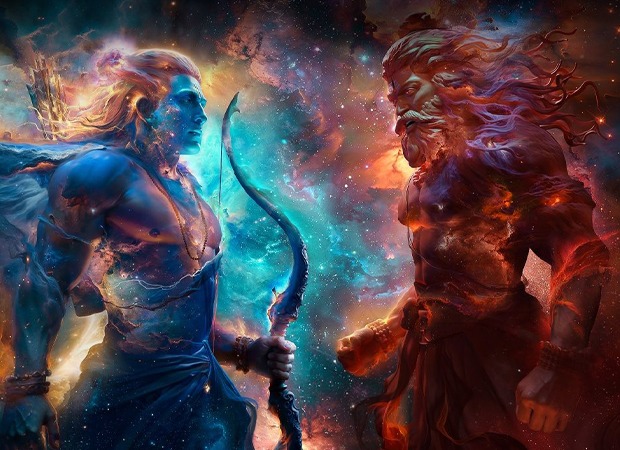
The wait for one of Indian cinema’s most anticipated films is set to enter its next chapter as producer Namit Malhotra has officially announced the launch date and time for the trailer of Ramayana. Taking to social media, Malhotra shared a new announcement poster confirming that the film’s trailer will be unveiled worldwide on Thursday, July 30, 2026, at 4:15 AM IST.
Namit Malhotra announces Ramayana trailer launch date and time; unveiling set for July 30 at 4:15 am IST
The announcement has generated excitement among fans who have been eagerly awaiting a glimpse of the ambitious mythological epic. The poster shared by Namit Malhotra carried a message that highlighted the significance of the chosen timing. It read, “At the auspicious Brahma Muhurat, we welcome The Dawn Of Ramayana with our trailer on 30th July 2026 Thursday at 4:15 am IST Worldwide.”
By choosing the Brahma Muhurat—a time traditionally considered sacred and spiritually significant in Hindu culture—for the trailer launch, the makers have added a symbolic touch to the unveiling. The phrase “The Dawn Of Ramayana” further hints at the beginning of the film’s promotional journey while reflecting the spiritual essence associated with the epic.
The announcement comes after months of anticipation surrounding the project, with audiences looking forward to witnessing the makers’ vision of one of India’s most revered epics on the big screen. While the latest update does not reveal any new footage, it confirms that the first full look at the film will be available in just a matter of days.
As the countdown begins, fans across the globe are preparing to witness the trailer premiere simultaneously, marking a major milestone in the film’s promotional campaign. With the trailer set to debut worldwide at the auspicious hour of 4:15 AM IST on July 30, expectations are high for what promises to be one of the biggest cinematic events of the year.
The wait for one of Indian cinema's most anticipated films is set to enter its…
This is The Stepback, a weekly newsletter breaking down one essential story from the tech world. For more on all things vertical video, follow David Pierce. The Stepback arrives in our subscribers’ inboxes on Sunday at 8AM ET. Opt in for The Stepbackhere.
For a while, every social and media platform had its own identity. YouTube was for clips of TV shows and movies, and the home of so many members of a burgeoning creator community. Instagram was mostly pictures. Netflix was trying to be the on-demand HBO. Facebook was about friends. Twitter was about news. Snapchat was a messaging app.
All these apps did have one important thing in common, though: They were growing up alongside the smartphone. Billions of new people were coming online for the first time, and they began to make content that made sense for the tall, skinny new devices in their hands. Selfies were a vertical art form, both because the photos filled the screen better and because it was just easier to hold the phone and take the photo that way. Some resisted the idea of vertical video for years — they’d argue that our eyes are meant to scan horizontally rather than vertically, and that vertical video looked bad on widescreen laptops. But ultimately phones won, and we hold our phones upright, so our phone experiences turned upright. That includes entertainment.
As has been true so many times, Snap figured this out before anyone. It launched Stories in late 2013 as a slightly more relaxed way to see what your friends are up to. CEO Evan Spiegel called it a “totally new way to share your day with friends — or everyone.” It took off in a massive way, and by the middle of 2014 was the most popular feature on Snapchat. That’s the kind of virality that Mark Zuckerberg tends to notice, and by August of 2016, the feature had been copied more or less exactly into Instagram. Kevin Systrom, then the CEO of Instagram, said of Spiegel and Snapchat that “they deserve all the credit” for Stories. The implication? That this was no longer a proprietary feature of a single social network; it was just in the air. Stories were for everyone. They started showing up on LinkedIn, Tinder, Medium, and so many other places.
Stories weren’t always video, but as cameras and upload speeds improved, video became the dominant medium in many ephemeral spaces. And video stories had two semi-magical properties: They were perfectly suited to endless, mindless scrolling, and they made it really easy to integrate ads. Only a few months after turning on Stories in Instagram, by which point half the platform’s users were already using Stories, Facebook began flooding ads into the product. The semi-randomness of Stories made ads actually seem less intrusive — you’d see a photo of a dog, a video of a hike, an ad for jeans, your friend’s makeup routine, brunch pics, an ad for blush. Video ads felt more premium, took up the whole screen, and were thus far more lucrative for the social platforms.
With apologies to the short, brilliant life of Vine, the six-second video platform that helped invent so much about the video-first social network, it wasn’t until TikTok took off that things really turned again. The platform launched in the US in 2018, but had been popular for a few years in China as Douyin and elsewhere as Musical.ly. TikTok combined the vertical-first format of Stories with the permanence of YouTube, but it also made video easier than ever. It had filters like Instagram and Snapchat, but also supplied a steady stream of video ideas through the platform’s many trends, offered access to music and sound effects, and made it easy to stitch or duet a video.
By defaulting to the purely algorithmic For You page, TikTok also freed creators from caring about curating their profile or worrying about posting too much — you could just pump out videos and trust the algorithm to deliver them. And so that’s what people did. Pretty quickly, TikTok became one of the fastest growing apps on the planet, and its daily usage numbers became the envy of the industry. Instagram may have had more users, but TikTok users spent far more time TikToking.
When TikTok became a phenomenon, just about everyone jumped on the vertical video bandwagon. Reels launched in 2020 and became a core feature of both Instagram and Facebook; YouTube created Shorts a year later. By the end of 2021, Twitter had both launched and killed a similar feature called Fleets. By this point, this kind of full-screen, vertical-scrolling video was part of the lingua franca of the smartphone. At the same time, in a search for ever more engagement, these platforms were learning another lesson from TikTok: to stop relying on your friends to post interesting content, and instead to show you whatever the algorithm thinks you might like. Social networks were gone, replaced by social media — entertainment with a comments section.
Short-form, vertical video has effectively won the internet. Business is booming, and viewers show no sign of tuning out. Meta said in 2024 that Instagram users were spending more than half their time in Reels, and said in 2025 the feature was turning into a $50 billion annual business across Meta’s apps. About 63 percent of young adults and teens are on TikTok, per Pew Research Center, and one in five teens reported being on the app “almost constantly.” YouTube reported 200 billion daily views of Shorts at the end of 2025, and said that Shorts earned more money per watch hour than standard YouTube videos.
The last three or four years have been about relentless standardization in social media. The pace with which these products copy each other, and regress back toward parity, has been absolutely astonishing. First, Shorts and Reels both aped TikTok’s design, its duetting and stitching, and its close relationship with sounds and music. Then they bought into TikTok’s idea of prioritizing content over connection — followers are dead, long live the algorithm. TikTok pushed hard into shopping, then suddenly Reels and Shorts became a lot more shoppable. YouTube began to grow on TVs, and suddenly TikTok and Instagram started investing in its own TV apps. Videos got longer and longer across platforms, to allow more ads. All the apps got really into livestreaming for a while. And micro dramas. They’ve relentlessly copied each other on big things like letting users control their algorithm, and small things like Clear Mode.
As the social platforms spin endlessly around each other, they’ve gotten some surprising company. Company after company started to notice their content floating around social media platforms, often in dubiously legal ways, and tried to take some of the watch time for themselves. Spotify decided it, too, wanted to be a video service, and built a vertical-scrolling feed for users to explore. Disney built a TikTok clone for ESPN and another for Disney Plus, both called Verts. Netflix, Prime Video, and Paramount Plus all called their clones Clips.
There are two reasons for the ongoing onslaught of short-form vertical video: time spent and advertising. The endlessly scrolling video feed turns out to be one of the most engrossing forms of entertainment ever devised (to the point that it has become a regulatory problem for the social platforms), and in a relentless competition for eyeballs and attention, it has become everyone’s best idea. In 2024, when Meta switched its default video player to a vertical-first layout across all platforms, the race was officially won.
Meanwhile, as those platforms have captured more of our time and attention, short-form video has become a dominant force of advertising on the internet, which means advertisers are already comfortable making ads designed to go between videos in the feed. And as so many companies turn to AI to do their ad targeting, all they really need is the creative to get started. “So long as clients give us different assets — a six-second ad, a 15-second ad, a long-format, a vertical ad — AI is essentially powering everything else,” YouTube’s Brian Albert told me last year. “From the audiences you’re reaching, to the contextual placements, to the ad that’s actually showing.” The combination of AI and vertical video has become a self-fulfilling prophecy: The more it wins, the easier it becomes for everyone else to get on board, and so it just keeps winning.
Vertical video haters, I have bad news: It’s only going to get worse. TikTok, YouTube, and Instagram are if anything going to become more short-form and vertical, since those short videos are easier to make and easier to load into endlessly scrolling feeds. Video services used to require you to pick something and press play, but now all they need is for you to open the app and they can start showing you ads. They’re not going to want to go back. Here’s how dominant video is: Facebook is testing a new version of the app that loads a full-screen video feed when you open the app. If that happens, there will be no Facebook — only Reels. After all this time, they’ve trained users to want and expect this kind of fast-paced, instant-gratification entertainment, to the point where even a full-length movie can feel like a chore.
Meanwhile, after years of raising prices, streaming services around the world are hoping they can turn to advertising to keep growing. For a while, they could coast on the back of linear TV, borrowing those ads to run on digital platforms. But a TikTok ad won’t make any sense on Netflix, so Netflix decided the best thing to do is build something that looks more like TikTok. A recent HubSpot report found that short-form video was by a wide margin both the most-used and most successful form of marketing content in 2025, and that it was the format in which marketers planned to invest the most this year.
All that said, there are glimmers of a bigger shift beginning to happen. Fed up with the algorithm, some users are starting to demand the return of friends and family in social media. But more broadly, more and more young people are deciding to put down their phones, resist the invasion of AI into their lives, and look for different kinds of entertainment. Movie theaters are having a big year; one of the year’s most exciting new phones is a flip phone. As long as we live in this era of social media and entertainment, vertical video is going to win. It would take a cultural revolution to stop it — and there might just be one brewing.
The best way to understand TikTok, Instagram, and Snapchat in particular right now is as a combination of two things: a streaming service and an inbox. Studies have found that the most popular thing to do is watch videos, and the second most popular thing is to send videos to someone else. Actually posting? Way down the list. (YouTube, by the way, is desperately trying to make DMs happen.)
If you’ve made it this far and you’re thinking, no way, you’re way overstating it? I’m so sorry to say this, but you might just be old. At this point, YouTube and Facebook cross generations and demographics, but Pew and others have found that TikTok, Snapchat, and Instagram are effectively ubiquitous among young people in particular.
It’s important to remember that views are lies. Everyone on the internet has an incentive to make their platform seem big and vibrant and popular, and they will invent whatever new metrics they need to do so.
New York published a great piece earlier this year about the shifting vibes on YouTube, and the ways in which the creator economy is being unmoored in part by the shift to vertical video. Yeah, the platforms have figured out how to make money from your video feed, but it’s not as simple for creators.
All the way back in 2015, The New York Times’ Farhad Manjoo made a good case for vertical video. It’s a fun reminder of just how contentious the idea was!
You should read my colleague Mia Sato’s story on the clip economy, which turns shows, movies, podcasts, and more into bite-size pieces for social platforms. It’s a weird industry, but it works — and you can see why the streamers want to compete.
Here’s a really good breakdown of all the things TikTok got right, from its algorithm to its whole approach to content. Every bit of it has been copied relentlessly ever since.
Follow topics and authors from this story to see more like this in your personalized homepage feed and to receive email updates.
This is The Stepback, a weekly newsletter breaking down one essential story from the tech world. For more on all things vertical video, follow David Pierce. The Stepback arrives in our subscribers’ inboxes on Sunday at 8AM ET. Opt in for The Stepbackhere.
For a while, every social and media platform had its own identity. YouTube was for clips of TV shows and movies, and the home of so many members of a burgeoning creator community. Instagram was mostly pictures. Netflix was trying to be the on-demand HBO. Facebook was about friends. Twitter was about news. Snapchat was a messaging app.
All these apps did have one important thing in common, though: They were growing up alongside the smartphone. Billions of new people were coming online for the first time, and they began to make content that made sense for the tall, skinny new devices in their hands. Selfies were a vertical art form, both because the photos filled the screen better and because it was just easier to hold the phone and take the photo that way. Some resisted the idea of vertical video for years — they’d argue that our eyes are meant to scan horizontally rather than vertically, and that vertical video looked bad on widescreen laptops. But ultimately phones won, and we hold our phones upright, so our phone experiences turned upright. That includes entertainment.
As has been true so many times, Snap figured this out before anyone. It launched Stories in late 2013 as a slightly more relaxed way to see what your friends are up to. CEO Evan Spiegel called it a “totally new way to share your day with friends — or everyone.” It took off in a massive way, and by the middle of 2014 was the most popular feature on Snapchat. That’s the kind of virality that Mark Zuckerberg tends to notice, and by August of 2016, the feature had been copied more or less exactly into Instagram. Kevin Systrom, then the CEO of Instagram, said of Spiegel and Snapchat that “they deserve all the credit” for Stories. The implication? That this was no longer a proprietary feature of a single social network; it was just in the air. Stories were for everyone. They started showing up on LinkedIn, Tinder, Medium, and so many other places.
Stories weren’t always video, but as cameras and upload speeds improved, video became the dominant medium in many ephemeral spaces. And video stories had two semi-magical properties: They were perfectly suited to endless, mindless scrolling, and they made it really easy to integrate ads. Only a few months after turning on Stories in Instagram, by which point half the platform’s users were already using Stories, Facebook began flooding ads into the product. The semi-randomness of Stories made ads actually seem less intrusive — you’d see a photo of a dog, a video of a hike, an ad for jeans, your friend’s makeup routine, brunch pics, an ad for blush. Video ads felt more premium, took up the whole screen, and were thus far more lucrative for the social platforms.
With apologies to the short, brilliant life of Vine, the six-second video platform that helped invent so much about the video-first social network, it wasn’t until TikTok took off that things really turned again. The platform launched in the US in 2018, but had been popular for a few years in China as Douyin and elsewhere as Musical.ly. TikTok combined the vertical-first format of Stories with the permanence of YouTube, but it also made video easier than ever. It had filters like Instagram and Snapchat, but also supplied a steady stream of video ideas through the platform’s many trends, offered access to music and sound effects, and made it easy to stitch or duet a video.
By defaulting to the purely algorithmic For You page, TikTok also freed creators from caring about curating their profile or worrying about posting too much — you could just pump out videos and trust the algorithm to deliver them. And so that’s what people did. Pretty quickly, TikTok became one of the fastest growing apps on the planet, and its daily usage numbers became the envy of the industry. Instagram may have had more users, but TikTok users spent far more time TikToking.
When TikTok became a phenomenon, just about everyone jumped on the vertical video bandwagon. Reels launched in 2020 and became a core feature of both Instagram and Facebook; YouTube created Shorts a year later. By the end of 2021, Twitter had both launched and killed a similar feature called Fleets. By this point, this kind of full-screen, vertical-scrolling video was part of the lingua franca of the smartphone. At the same time, in a search for ever more engagement, these platforms were learning another lesson from TikTok: to stop relying on your friends to post interesting content, and instead to show you whatever the algorithm thinks you might like. Social networks were gone, replaced by social media — entertainment with a comments section.
Short-form, vertical video has effectively won the internet. Business is booming, and viewers show no sign of tuning out. Meta said in 2024 that Instagram users were spending more than half their time in Reels, and said in 2025 the feature was turning into a $50 billion annual business across Meta’s apps. About 63 percent of young adults and teens are on TikTok, per Pew Research Center, and one in five teens reported being on the app “almost constantly.” YouTube reported 200 billion daily views of Shorts at the end of 2025, and said that Shorts earned more money per watch hour than standard YouTube videos.
The last three or four years have been about relentless standardization in social media. The pace with which these products copy each other, and regress back toward parity, has been absolutely astonishing. First, Shorts and Reels both aped TikTok’s design, its duetting and stitching, and its close relationship with sounds and music. Then they bought into TikTok’s idea of prioritizing content over connection — followers are dead, long live the algorithm. TikTok pushed hard into shopping, then suddenly Reels and Shorts became a lot more shoppable. YouTube began to grow on TVs, and suddenly TikTok and Instagram started investing in its own TV apps. Videos got longer and longer across platforms, to allow more ads. All the apps got really into livestreaming for a while. And micro dramas. They’ve relentlessly copied each other on big things like letting users control their algorithm, and small things like Clear Mode.
As the social platforms spin endlessly around each other, they’ve gotten some surprising company. Company after company started to notice their content floating around social media platforms, often in dubiously legal ways, and tried to take some of the watch time for themselves. Spotify decided it, too, wanted to be a video service, and built a vertical-scrolling feed for users to explore. Disney built a TikTok clone for ESPN and another for Disney Plus, both called Verts. Netflix, Prime Video, and Paramount Plus all called their clones Clips.
There are two reasons for the ongoing onslaught of short-form vertical video: time spent and advertising. The endlessly scrolling video feed turns out to be one of the most engrossing forms of entertainment ever devised (to the point that it has become a regulatory problem for the social platforms), and in a relentless competition for eyeballs and attention, it has become everyone’s best idea. In 2024, when Meta switched its default video player to a vertical-first layout across all platforms, the race was officially won.
Meanwhile, as those platforms have captured more of our time and attention, short-form video has become a dominant force of advertising on the internet, which means advertisers are already comfortable making ads designed to go between videos in the feed. And as so many companies turn to AI to do their ad targeting, all they really need is the creative to get started. “So long as clients give us different assets — a six-second ad, a 15-second ad, a long-format, a vertical ad — AI is essentially powering everything else,” YouTube’s Brian Albert told me last year. “From the audiences you’re reaching, to the contextual placements, to the ad that’s actually showing.” The combination of AI and vertical video has become a self-fulfilling prophecy: The more it wins, the easier it becomes for everyone else to get on board, and so it just keeps winning.
Vertical video haters, I have bad news: It’s only going to get worse. TikTok, YouTube, and Instagram are if anything going to become more short-form and vertical, since those short videos are easier to make and easier to load into endlessly scrolling feeds. Video services used to require you to pick something and press play, but now all they need is for you to open the app and they can start showing you ads. They’re not going to want to go back. Here’s how dominant video is: Facebook is testing a new version of the app that loads a full-screen video feed when you open the app. If that happens, there will be no Facebook — only Reels. After all this time, they’ve trained users to want and expect this kind of fast-paced, instant-gratification entertainment, to the point where even a full-length movie can feel like a chore.
Meanwhile, after years of raising prices, streaming services around the world are hoping they can turn to advertising to keep growing. For a while, they could coast on the back of linear TV, borrowing those ads to run on digital platforms. But a TikTok ad won’t make any sense on Netflix, so Netflix decided the best thing to do is build something that looks more like TikTok. A recent HubSpot report found that short-form video was by a wide margin both the most-used and most successful form of marketing content in 2025, and that it was the format in which marketers planned to invest the most this year.
All that said, there are glimmers of a bigger shift beginning to happen. Fed up with the algorithm, some users are starting to demand the return of friends and family in social media. But more broadly, more and more young people are deciding to put down their phones, resist the invasion of AI into their lives, and look for different kinds of entertainment. Movie theaters are having a big year; one of the year’s most exciting new phones is a flip phone. As long as we live in this era of social media and entertainment, vertical video is going to win. It would take a cultural revolution to stop it — and there might just be one brewing.
The best way to understand TikTok, Instagram, and Snapchat in particular right now is as a combination of two things: a streaming service and an inbox. Studies have found that the most popular thing to do is watch videos, and the second most popular thing is to send videos to someone else. Actually posting? Way down the list. (YouTube, by the way, is desperately trying to make DMs happen.)
If you’ve made it this far and you’re thinking, no way, you’re way overstating it? I’m so sorry to say this, but you might just be old. At this point, YouTube and Facebook cross generations and demographics, but Pew and others have found that TikTok, Snapchat, and Instagram are effectively ubiquitous among young people in particular.
It’s important to remember that views are lies. Everyone on the internet has an incentive to make their platform seem big and vibrant and popular, and they will invent whatever new metrics they need to do so.
New York published a great piece earlier this year about the shifting vibes on YouTube, and the ways in which the creator economy is being unmoored in part by the shift to vertical video. Yeah, the platforms have figured out how to make money from your video feed, but it’s not as simple for creators.
All the way back in 2015, The New York Times’ Farhad Manjoo made a good case for vertical video. It’s a fun reminder of just how contentious the idea was!
You should read my colleague Mia Sato’s story on the clip economy, which turns shows, movies, podcasts, and more into bite-size pieces for social platforms. It’s a weird industry, but it works — and you can see why the streamers want to compete.
Here’s a really good breakdown of all the things TikTok got right, from its algorithm to its whole approach to content. Every bit of it has been copied relentlessly ever since.
Follow topics and authors from this story to see more like this in your personalized homepage feed and to receive email updates.
David Pierce
#vertical #video #takeoverColumn,Creators,Facebook,Instagram,Meta,Social Media,Streaming,Tech,The Stepback,TikTok,YouTube">The vertical video takeover is here
This is The Stepback, a weekly newsletter breaking down one essential story from the tech world. For more on all things vertical video, follow David Pierce. The Stepback arrives in our subscribers’ inboxes on Sunday at 8AM ET. Opt in for The Stepbackhere.
For a while, every social and media platform had its own identity. YouTube was for clips of TV shows and movies, and the home of so many members of a burgeoning creator community. Instagram was mostly pictures. Netflix was trying to be the on-demand HBO. Facebook was about friends. Twitter was about news. Snapchat was a messaging app.
All these apps did have one important thing in common, though: They were growing up alongside the smartphone. Billions of new people were coming online for the first time, and they began to make content that made sense for the tall, skinny new devices in their hands. Selfies were a vertical art form, both because the photos filled the screen better and because it was just easier to hold the phone and take the photo that way. Some resisted the idea of vertical video for years — they’d argue that our eyes are meant to scan horizontally rather than vertically, and that vertical video looked bad on widescreen laptops. But ultimately phones won, and we hold our phones upright, so our phone experiences turned upright. That includes entertainment.
As has been true so many times, Snap figured this out before anyone. It launched Stories in late 2013 as a slightly more relaxed way to see what your friends are up to. CEO Evan Spiegel called it a “totally new way to share your day with friends — or everyone.” It took off in a massive way, and by the middle of 2014 was the most popular feature on Snapchat. That’s the kind of virality that Mark Zuckerberg tends to notice, and by August of 2016, the feature had been copied more or less exactly into Instagram. Kevin Systrom, then the CEO of Instagram, said of Spiegel and Snapchat that “they deserve all the credit” for Stories. The implication? That this was no longer a proprietary feature of a single social network; it was just in the air. Stories were for everyone. They started showing up on LinkedIn, Tinder, Medium, and so many other places.
Stories weren’t always video, but as cameras and upload speeds improved, video became the dominant medium in many ephemeral spaces. And video stories had two semi-magical properties: They were perfectly suited to endless, mindless scrolling, and they made it really easy to integrate ads. Only a few months after turning on Stories in Instagram, by which point half the platform’s users were already using Stories, Facebook began flooding ads into the product. The semi-randomness of Stories made ads actually seem less intrusive — you’d see a photo of a dog, a video of a hike, an ad for jeans, your friend’s makeup routine, brunch pics, an ad for blush. Video ads felt more premium, took up the whole screen, and were thus far more lucrative for the social platforms.
With apologies to the short, brilliant life of Vine, the six-second video platform that helped invent so much about the video-first social network, it wasn’t until TikTok took off that things really turned again. The platform launched in the US in 2018, but had been popular for a few years in China as Douyin and elsewhere as Musical.ly. TikTok combined the vertical-first format of Stories with the permanence of YouTube, but it also made video easier than ever. It had filters like Instagram and Snapchat, but also supplied a steady stream of video ideas through the platform’s many trends, offered access to music and sound effects, and made it easy to stitch or duet a video.
By defaulting to the purely algorithmic For You page, TikTok also freed creators from caring about curating their profile or worrying about posting too much — you could just pump out videos and trust the algorithm to deliver them. And so that’s what people did. Pretty quickly, TikTok became one of the fastest growing apps on the planet, and its daily usage numbers became the envy of the industry. Instagram may have had more users, but TikTok users spent far more time TikToking.
When TikTok became a phenomenon, just about everyone jumped on the vertical video bandwagon. Reels launched in 2020 and became a core feature of both Instagram and Facebook; YouTube created Shorts a year later. By the end of 2021, Twitter had both launched and killed a similar feature called Fleets. By this point, this kind of full-screen, vertical-scrolling video was part of the lingua franca of the smartphone. At the same time, in a search for ever more engagement, these platforms were learning another lesson from TikTok: to stop relying on your friends to post interesting content, and instead to show you whatever the algorithm thinks you might like. Social networks were gone, replaced by social media — entertainment with a comments section.
Short-form, vertical video has effectively won the internet. Business is booming, and viewers show no sign of tuning out. Meta said in 2024 that Instagram users were spending more than half their time in Reels, and said in 2025 the feature was turning into a $50 billion annual business across Meta’s apps. About 63 percent of young adults and teens are on TikTok, per Pew Research Center, and one in five teens reported being on the app “almost constantly.” YouTube reported 200 billion daily views of Shorts at the end of 2025, and said that Shorts earned more money per watch hour than standard YouTube videos.
The last three or four years have been about relentless standardization in social media. The pace with which these products copy each other, and regress back toward parity, has been absolutely astonishing. First, Shorts and Reels both aped TikTok’s design, its duetting and stitching, and its close relationship with sounds and music. Then they bought into TikTok’s idea of prioritizing content over connection — followers are dead, long live the algorithm. TikTok pushed hard into shopping, then suddenly Reels and Shorts became a lot more shoppable. YouTube began to grow on TVs, and suddenly TikTok and Instagram started investing in its own TV apps. Videos got longer and longer across platforms, to allow more ads. All the apps got really into livestreaming for a while. And micro dramas. They’ve relentlessly copied each other on big things like letting users control their algorithm, and small things like Clear Mode.
As the social platforms spin endlessly around each other, they’ve gotten some surprising company. Company after company started to notice their content floating around social media platforms, often in dubiously legal ways, and tried to take some of the watch time for themselves. Spotify decided it, too, wanted to be a video service, and built a vertical-scrolling feed for users to explore. Disney built a TikTok clone for ESPN and another for Disney Plus, both called Verts. Netflix, Prime Video, and Paramount Plus all called their clones Clips.
There are two reasons for the ongoing onslaught of short-form vertical video: time spent and advertising. The endlessly scrolling video feed turns out to be one of the most engrossing forms of entertainment ever devised (to the point that it has become a regulatory problem for the social platforms), and in a relentless competition for eyeballs and attention, it has become everyone’s best idea. In 2024, when Meta switched its default video player to a vertical-first layout across all platforms, the race was officially won.
Meanwhile, as those platforms have captured more of our time and attention, short-form video has become a dominant force of advertising on the internet, which means advertisers are already comfortable making ads designed to go between videos in the feed. And as so many companies turn to AI to do their ad targeting, all they really need is the creative to get started. “So long as clients give us different assets — a six-second ad, a 15-second ad, a long-format, a vertical ad — AI is essentially powering everything else,” YouTube’s Brian Albert told me last year. “From the audiences you’re reaching, to the contextual placements, to the ad that’s actually showing.” The combination of AI and vertical video has become a self-fulfilling prophecy: The more it wins, the easier it becomes for everyone else to get on board, and so it just keeps winning.
Vertical video haters, I have bad news: It’s only going to get worse. TikTok, YouTube, and Instagram are if anything going to become more short-form and vertical, since those short videos are easier to make and easier to load into endlessly scrolling feeds. Video services used to require you to pick something and press play, but now all they need is for you to open the app and they can start showing you ads. They’re not going to want to go back. Here’s how dominant video is: Facebook is testing a new version of the app that loads a full-screen video feed when you open the app. If that happens, there will be no Facebook — only Reels. After all this time, they’ve trained users to want and expect this kind of fast-paced, instant-gratification entertainment, to the point where even a full-length movie can feel like a chore.
Meanwhile, after years of raising prices, streaming services around the world are hoping they can turn to advertising to keep growing. For a while, they could coast on the back of linear TV, borrowing those ads to run on digital platforms. But a TikTok ad won’t make any sense on Netflix, so Netflix decided the best thing to do is build something that looks more like TikTok. A recent HubSpot report found that short-form video was by a wide margin both the most-used and most successful form of marketing content in 2025, and that it was the format in which marketers planned to invest the most this year.
All that said, there are glimmers of a bigger shift beginning to happen. Fed up with the algorithm, some users are starting to demand the return of friends and family in social media. But more broadly, more and more young people are deciding to put down their phones, resist the invasion of AI into their lives, and look for different kinds of entertainment. Movie theaters are having a big year; one of the year’s most exciting new phones is a flip phone. As long as we live in this era of social media and entertainment, vertical video is going to win. It would take a cultural revolution to stop it — and there might just be one brewing.
The best way to understand TikTok, Instagram, and Snapchat in particular right now is as a combination of two things: a streaming service and an inbox. Studies have found that the most popular thing to do is watch videos, and the second most popular thing is to send videos to someone else. Actually posting? Way down the list. (YouTube, by the way, is desperately trying to make DMs happen.)
If you’ve made it this far and you’re thinking, no way, you’re way overstating it? I’m so sorry to say this, but you might just be old. At this point, YouTube and Facebook cross generations and demographics, but Pew and others have found that TikTok, Snapchat, and Instagram are effectively ubiquitous among young people in particular.
It’s important to remember that views are lies. Everyone on the internet has an incentive to make their platform seem big and vibrant and popular, and they will invent whatever new metrics they need to do so.
New York published a great piece earlier this year about the shifting vibes on YouTube, and the ways in which the creator economy is being unmoored in part by the shift to vertical video. Yeah, the platforms have figured out how to make money from your video feed, but it’s not as simple for creators.
All the way back in 2015, The New York Times’ Farhad Manjoo made a good case for vertical video. It’s a fun reminder of just how contentious the idea was!
You should read my colleague Mia Sato’s story on the clip economy, which turns shows, movies, podcasts, and more into bite-size pieces for social platforms. It’s a weird industry, but it works — and you can see why the streamers want to compete.
Here’s a really good breakdown of all the things TikTok got right, from its algorithm to its whole approach to content. Every bit of it has been copied relentlessly ever since.
Follow topics and authors from this story to see more like this in your personalized homepage feed and to receive email updates.
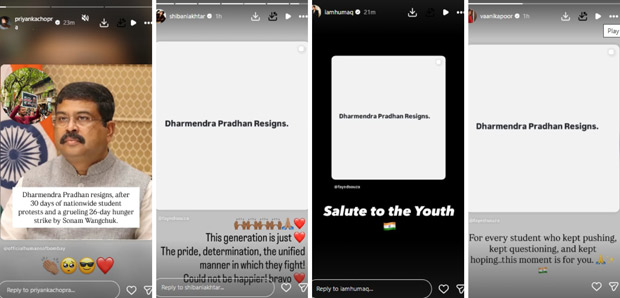
Bollywood react,Celebrities react,Dharmendra Pradhan,Instagram,NEET Protest,News,Social Media">Dharmendra Pradhan resigns: Priyanka Chopra Jonas, Aditi Rao Hydari, and other celebs hail students, call it a victory for youth voices
After days of nationwide protests over the alleged NEET paper leak and demands for education reforms, Union Education Minister Dharmendra Pradhan has resigned from his post.
Dharmendra Pradhan resigns: Priyanka Chopra Jonas, Aditi Rao Hydari, and other celebs hail students, call it a victory for youth voices
The development has prompted fresh reactions from several members of the film fraternity, many of whom had voiced support for the student-led movement over the past week. Several actors described the resignation as proof that peaceful, democratic protests can bring about change, while others urged the government to focus on long-term reforms in the education system.
H1N1,Health,Health Update,Instagram,NEET Protest,News,Shabana Azmi,Social Media,Swine Flu">Shabana Azmi diagnosed with swine flu after Jantar Mantar protest, misses Mumbai demonstration; says she stands in solidarity with students
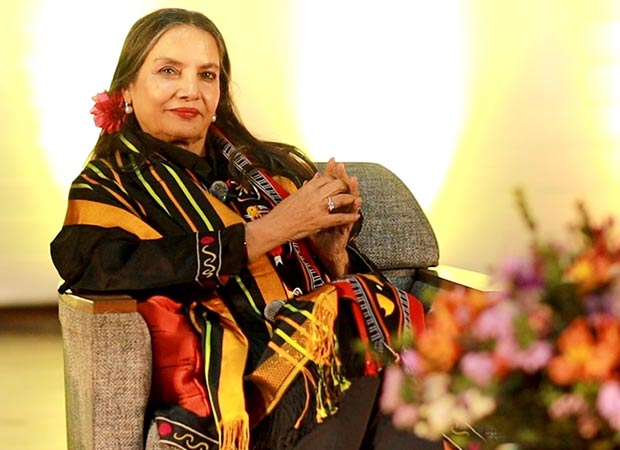
Veteran actor Shabana Azmi has revealed that she has been diagnosed with H1N1 (swine flu), forcing her to miss the student protest held at Mumbai’s Shivaji Park on Friday. The actor shared the health update on social media, saying she has been advised to remain in isolation for the next five days.
Shabana Azmi diagnosed with swine flu after Jantar Mantar protest, misses Mumbai demonstration; says she stands in solidarity with students
Azmi has been one of the most prominent public figures supporting the student-led protests over the alleged NEET paper leak. Over the past three days, she actively participated in demonstrations at Delhi’s Jantar Mantar, where she marched alongside students, joined the “Chalo Sansad” rally and extended support to those on hunger strike.
Shabana Azmi shares health update
Informing her followers about her absence from the Mumbai protest, Azmi wrote that she had planned to join demonstrators but was unable to do so after being diagnosed with H1N1. She wrote, “”My dear Mumbaikars, I was meant to join your protest yesterday, but I’ve come down with H1N1 and need to remain in isolation for the next five days.”
Despite her illness, the actor said she remains closely connected with the movement and continues to receive updates from those participating on the ground.
Actor praises students’ courage
Azmi also lauded the determination shown by young protesters, many of whom, she said, were taking part in a demonstration for the first time: “I want to express my solidarity and appreciation. I’m receiving first-hand reports from the young people on the ground. Many of them have taken part in a protest for the first time and have experienced how much their voice counts.”
She added that their commitment continues to inspire her: “I continue to be inspired by your courage and commitment and stand by you in solidarity.”
The veteran actor concluded her post by sharing a poem written by her late father, renowned poet Kaifi Azmi.
Azmi has been among the few celebrities who chose to participate in the protests in person instead of limiting their support to social media. During the demonstrations at Jantar Mantar, she marched alongside students, rode atop a protest vehicle with actor Prakash Raj, addressed the gathering and was also seen serving food to students observing a hunger strike.
Ayesha Khan,Bollywood,Bollywood News,Detained,Dhurandhar,Fame,Instagram,Instagram India,Mumbai Police,News,Social Media,Student Protest,video">Dhurandhar fame Ayesha Khan detained by Mumbai Police during student protest, shares video asking, “Just a simple why?”
Ayesha Khan, who recently featured in the special song ‘Shararat’ from Dhurandhar, has claimed that she was detained by the Mumbai Police while attempting to participate in a student protest in Dadar on Wednesday. The actor later shared videos and detailed her experience through Instagram, alleging that she and her friends were forcibly taken into police custody despite not having started the protest.
Dhurandhar fame Ayesha Khan detained by Mumbai Police during student protest, shares video asking, “Just a simple why?”
According to Ayesha, she reached Dadar around 4 pm to extend her support to the ongoing student protests that have spread to Mumbai. She said that before she could raise any slogans or begin demonstrating, a police officer informed her that protests were not permitted at the location. When she asked, “Bata dijiye dusra aur kya raasta hain,” she claimed the situation escalated quickly.
In a video statement shared on Instagram, Ayesha alleged that around 15 police personnel, including both male and female officers, surrounded her group and instructed them to board a police van. She further claimed that when they resisted, they were forcibly taken into the vehicle.
Describing the incident, Ayesha said, “I was pulled by 4-5 women. I used all my strength to try not getting into the van but they pulled us in. Poorey van mein hum poochte rahein ki aap ne humein kyu detain kiya hain? Humne galti kya kiya hain? No answer, no accountability, nothing. Kisi ne koi jawab nahi diya aur humein Dadar se door Worli lekar aaye.”
She added that while officers at the Worli police station treated them respectfully, she still did not receive an explanation for the detention. According to Ayesha, her primary question remains why she and others were detained before they had even begun protesting.
In another Instagram post, Ayesha shared a video that appeared to show her being pushed into a police van during the incident. Alongside the clip, she wrote, “Dragged, detained for standing in peace. Asked questions to all the police people present there on why were we being detained? But no answer whatsoever! Sadak pe khade rehna kabse crime ho Gaya? Today will be the most peaceful sleep of my life. I stood for what was right! Still in the police station asking the same question! Why am I detained? Which law did I break? Forget about one’s democratic right, and protecting it, instead you are harming your own citizens, for what? I see shame in some of their eyes, but they are bound by their duties, they know, we know, what’s right and what’s wrong. My stand is clear. We lack accountability, EVERYWHERE. I still have hope, we will see a better future.”
The demonstrations in Mumbai are part of a wider wave of student protests that began in New Delhi and have now spread to multiple cities across the country. Protesters have been demanding accountability and have also called for the resignation of Union Education Minister Dharmendra Pradhan. Demonstrations have taken place at several locations in Mumbai, including Shivaji Park and Chaityabhoomi, with some protesters claiming they were detained even before reaching the protest sites.
8 Pm,Akshay Kumar,Bollywood,Bollywood News,Build Buzz,Drops Tomorrow,Haiwaan,Instagram,Instagram India,News,Saif Ali Khan,Social Media,Teaser">Akshay Kumar and Saif Ali Khan build buzz as Haiwaan teaser drops tomorrow at 8 pm
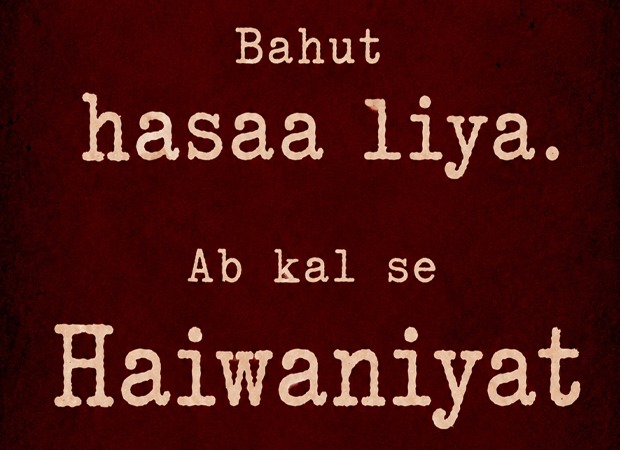
Akshay Kumar has sparked excitement among fans with a cryptic teaser for his upcoming film Haiwaan, setting the stage for a major reveal. The actor shared an intriguing message on social media that read, “Bahut Hasaa Liya. Ab Kal Se Haiwaniyat Shuru.”, hinting that a new and intense chapter is about to begin. The post has further heightened curiosity around the much-anticipated project, which stars Akshay Kumar alongside Saif Ali Khan.