Formula 1 boss Stefano Domenicali on Wednesday called on drivers, including the outspoken Max Verstappen, to “be respectful” of the sport but said changes to this year’s new power unit regulations needed to be made.
The Dutch four-time world champion has been the most vocal of the drivers criticising the new regulations concerning the hybrid engines, whose electric power management has posed problems for the drivers in the opening three races of the season.
Verstappen called the new style of racing “a joke” after the Chinese Grand Prix and has hinted he will take a break from F1 in 2027 if it remains the same.
“We have spoken many, many times since the beginning,” Domenicali told Autosport.
“I understand his (Verstappen’s) comments and he understands the bigger picture. I don’t want to fall in to the trap of trying to create antagonism because that’s not me.
“We’re going to be together. He is the best driver, he is a multiple world champion and of course his voice has to be listened to.
“But he knows that his voice has a weight. And he needs to respect that weight (as) sometimes some people can take it the wrong way and this is something we shouldn’t allow to happen.”
He also urged all the drivers to “protect the jewel” of motorsport.
“What I said to them is: ‘Listen, guys, don’t forget that what we are doing is because we did the right things together. So be respectful of a sport that gave to all of us an incredible opportunity to grow, to make a lot of money, to develop a personality in the world that other sports cannot give’.
ALSO READ | Verstappen’s race engineer Lambiase to leave Red Bull for McLaren
“I think that has been acknowledged. We musn’t forget this is the jewel of our sport and we need to protect that jewel.”
Full power
Domenicali also said talks between the FIA, the teams and the drivers to find a solution to the current problems were “moving in the right direction”.
“There are meetings this week and next week before the Miami Grand Prix to see what can be done to improve or adjust the situation.”
The FIA is expected to announce changes next week which Domenicali hopes will “allow drivers to be as much as possible at full power or full braking” and during races, where there have been safety concerns.
The new hybrid engines, 50 percent internal combustion and 50 percent electric, were brought in to encourage overtaking and make races more exciting for the hundreds of millions of viewers around the world.
“The outcome is magnificent… There’s a lot of action, and that’s what people want to see,” said Domenicali.
But an accident at Suzuka last month, involving Haas driver Oliver Bearman, who crashed at 300 km/h into the Alpine of Franco Colapinto, running 50 km/h slower, has revived paddock criticism over the large speed differences between cars and the complex management of electric energy.
“The regulations obviously need to be improved,” said Domenicali.
The season was interrupted after three races because of the war in Iran and Lebanon which led to the double cancellation this month of the Bahrain and Saudi Arabian Grands Prix.
The season resumes in Miami on May 3.
Published on Apr 15, 2026


![Formula One: Antonelli wins Japanese GP as Bearman crash exposes dangerous differential issue If the race in Shanghai was a glimpse of Kimi Antonelli’s talent, the following Japanese Grand Prix was evidence that the prodigy will be a strong contender for the driver’s championship in the 2026 F1 season.With more than a big slice of luck — a cheap pit stop during a Safety Car period propelling him to the top of the timesheet — the Italian recovered from a poor getaway at the start to take his second consecutive victory.The records keep tumbling for Antonelli. He is now the first teenager to lead the championship standings since Lewis Hamilton in 2007 and the first Italian driver to win back-to-back races since Alberto Ascari in 1953.Teammate George Russell endured a frustrating day out in Suzuka, failing to finish on the podium for the first time this season. Despite the pace advantage of the Mercedes, the Briton failed to get past the Ferrari of third-placed Charles Leclerc in the dying laps of the race, conceding the championship lead to his junior teammate.McLaren’s Oscar Piastri, who had failed to start either of the first two races of the season, came home in second and could have even been on the top step if not for the untimely Safety Car.The exciting three-team battle for the top six places is sure to have brought entertainment, but the Japanese Grand Prix highlighted a systemic fault line within the 2026 regulations, one that could have worse consequences than what played out on track. On lap 22, Haas’ Ollie Bearman was involved in a 50G crash (force fifty times the earth’s gravitational pull) when his car slammed into the barriers at the Spoon Curve (Turn 13). The incident occurred when the young English driver had to veer out of the way of a slow-moving Franco Colapinto, causing him to dip a tyre into the grass and lose control of the car.Why the Alpine was moving slowly opened a Pandora’s box that F1 hoped to avoid with the new regulations. The crash was due to the high closing speed (the total speed at which two objects approach each other), which occurred due to Colapinto and Bearman’s opposing strategies. While the Argentinian was looking to harvest energy into the battery by going slower, Bearman had unlocked more speed by deploying battery power. While taking evasive action, the Haas car ran through a brake marker board before sliding into the barriers along the wall. Bearman was seen limping back to the service road after the high-impact crash. Oliver Bearman’s mangled car after the crash.
| Photo Credit:
Getty Images
Oliver Bearman’s mangled car after the crash.
| Photo Credit:
Getty Images
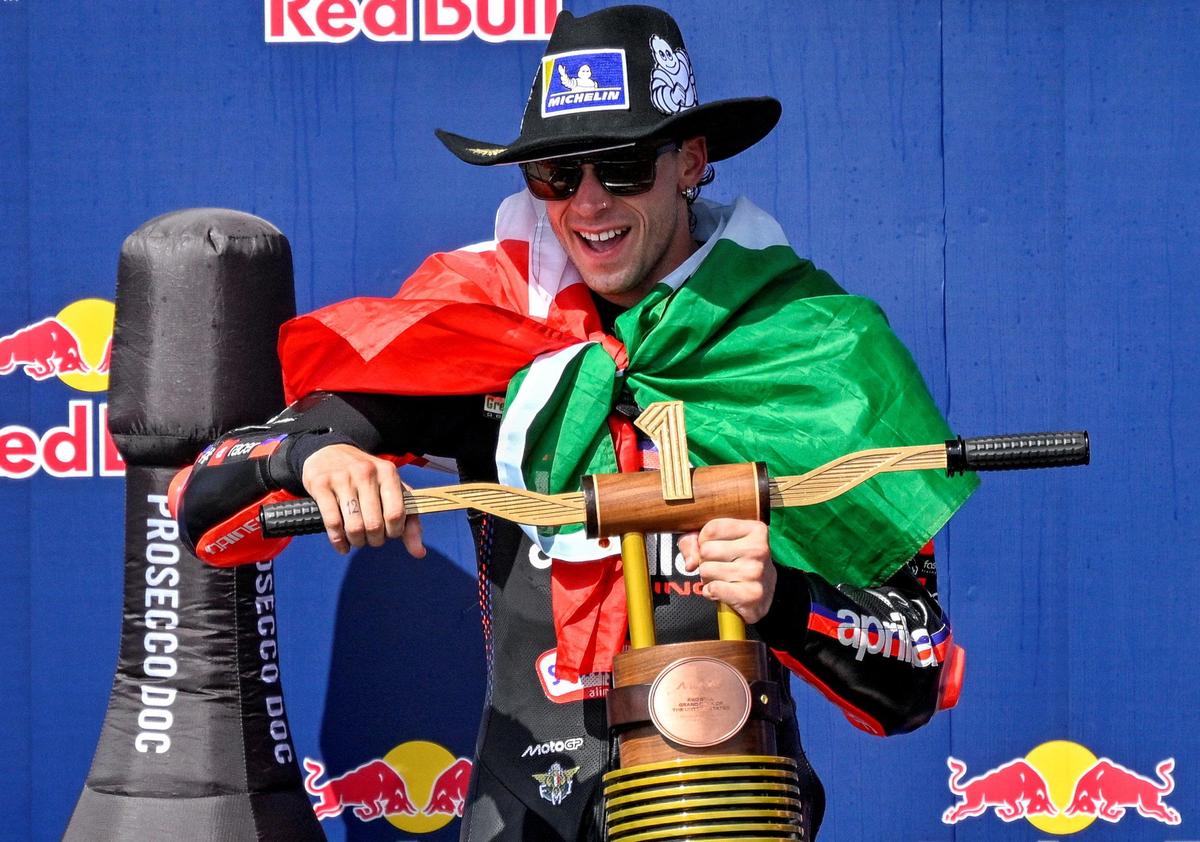
Williams driver and director of the Grand Prix Drivers’ Association, Carlos Sainz, called it an accident waiting to happen, suggesting that F1 and the FIA had not heeded the drivers’ safety concerns. “We’ve been warning them about this happening. I’m not very happy with what we’ve had up until now.Hopefully, we come up with a better solution that doesn’t create these massive closing speeds and [ensures] a safer way of going racing,” the Spaniard told reporters after the race. “Here, we were lucky there was an escape road. Now imagine going to Baku or going to Singapore or going to Vegas and having this kind of closing speeds and crashes next to the walls,” he added.The crash and the subsequent complaints from the drivers forced the FIA to put out a statement regarding prospective changes to the energy management system. “A number of meetings are scheduled in April to assess the operation of the new regulations and to determine whether any refinements are required. Any potential adjustments require careful simulation and detailed analysis. At this stage, any speculation regarding the nature of potential changes would be premature,” the statement read.With five weeks to go before the next Grand Prix in Miami, due to the cancellation of the races in Bahrain and Saudi Arabia, the FIA and F1 management will have to come up with a solution to tackle the issues of closing speeds, which are inherent in this generation of battery-powered racing. Safety should be priority number one, even if that entails taking a few steps back in the use of electrical energy.MotoGP Marco Bezzecchi celebrates with his United States Grand Prix trophy.
| Photo Credit:
Reuters
Marco Bezzecchi celebrates with his United States Grand Prix trophy.
| Photo Credit:
Reuters
Marco Bezzecchi extended his winning streak to five races after victory at the United States Grand Prix at the Circuit of the Americas (COTA). He led an Aprilia 1-2 with teammate Jorge Martin, who had won the sprint race on Saturday but started seventh on the grid, ahead of KTM’s Pedro Acosta.Despite only starting on the second row, Bezzecchi surged into second place before the first corner, then overtook leader Acosta after a slight argy-bargy, which resulted in his seat padding flying off the bike. When he crossed the start-finish straight at the end of lap one, he broke Jorge Lorenzo’s record for the most consecutive MotoGP laps led.Pole-sitter Fabio Di Giannantonio finished fourth as the lead Ducati ahead of defending champion Marc Marquez, who responded after serving a long-lap penalty to round out the top five.Published on Apr 08, 2026 #Formula #Antonelli #wins #Japanese #Bearman #crash #exposes #dangerous #differential #issue](https://ss-i.thgim.com/public/magazine/j7xy9x/article70838198.ece/alternates/FREE_1200/GettyImages-2268881319.jpg "Formula One: Antonelli wins Japanese GP as Bearman crash exposes dangerous differential issue If the race in Shanghai was a glimpse of Kimi Antonelli’s talent, the following Japanese Grand Prix was evidence that the prodigy will be a strong contender for the driver’s championship in the 2026 F1 season.With more than a big slice of luck — a cheap pit stop during a Safety Car period propelling him to the top of the timesheet — the Italian recovered from a poor getaway at the start to take his second consecutive victory.The records keep tumbling for Antonelli. He is now the first teenager to lead the championship standings since Lewis Hamilton in 2007 and the first Italian driver to win back-to-back races since Alberto Ascari in 1953.Teammate George Russell endured a frustrating day out in Suzuka, failing to finish on the podium for the first time this season. Despite the pace advantage of the Mercedes, the Briton failed to get past the Ferrari of third-placed Charles Leclerc in the dying laps of the race, conceding the championship lead to his junior teammate.McLaren’s Oscar Piastri, who had failed to start either of the first two races of the season, came home in second and could have even been on the top step if not for the untimely Safety Car.The exciting three-team battle for the top six places is sure to have brought entertainment, but the Japanese Grand Prix highlighted a systemic fault line within the 2026 regulations, one that could have worse consequences than what played out on track. On lap 22, Haas’ Ollie Bearman was involved in a 50G crash (force fifty times the earth’s gravitational pull) when his car slammed into the barriers at the Spoon Curve (Turn 13). The incident occurred when the young English driver had to veer out of the way of a slow-moving Franco Colapinto, causing him to dip a tyre into the grass and lose control of the car.Why the Alpine was moving slowly opened a Pandora’s box that F1 hoped to avoid with the new regulations. The crash was due to the high closing speed (the total speed at which two objects approach each other), which occurred due to Colapinto and Bearman’s opposing strategies. While the Argentinian was looking to harvest energy into the battery by going slower, Bearman had unlocked more speed by deploying battery power. While taking evasive action, the Haas car ran through a brake marker board before sliding into the barriers along the wall. Bearman was seen limping back to the service road after the high-impact crash. Oliver Bearman’s mangled car after the crash.
| Photo Credit:
Getty Images
Oliver Bearman’s mangled car after the crash.
| Photo Credit:
Getty Images
Williams driver and director of the Grand Prix Drivers’ Association, Carlos Sainz, called it an accident waiting to happen, suggesting that F1 and the FIA had not heeded the drivers’ safety concerns. “We’ve been warning them about this happening. I’m not very happy with what we’ve had up until now.Hopefully, we come up with a better solution that doesn’t create these massive closing speeds and [ensures] a safer way of going racing,” the Spaniard told reporters after the race. “Here, we were lucky there was an escape road. Now imagine going to Baku or going to Singapore or going to Vegas and having this kind of closing speeds and crashes next to the walls,” he added.The crash and the subsequent complaints from the drivers forced the FIA to put out a statement regarding prospective changes to the energy management system. “A number of meetings are scheduled in April to assess the operation of the new regulations and to determine whether any refinements are required. Any potential adjustments require careful simulation and detailed analysis. At this stage, any speculation regarding the nature of potential changes would be premature,” the statement read.With five weeks to go before the next Grand Prix in Miami, due to the cancellation of the races in Bahrain and Saudi Arabia, the FIA and F1 management will have to come up with a solution to tackle the issues of closing speeds, which are inherent in this generation of battery-powered racing. Safety should be priority number one, even if that entails taking a few steps back in the use of electrical energy.MotoGP Marco Bezzecchi celebrates with his United States Grand Prix trophy.
| Photo Credit:
Reuters
Marco Bezzecchi celebrates with his United States Grand Prix trophy.
| Photo Credit:
Reuters
Marco Bezzecchi extended his winning streak to five races after victory at the United States Grand Prix at the Circuit of the Americas (COTA). He led an Aprilia 1-2 with teammate Jorge Martin, who had won the sprint race on Saturday but started seventh on the grid, ahead of KTM’s Pedro Acosta.Despite only starting on the second row, Bezzecchi surged into second place before the first corner, then overtook leader Acosta after a slight argy-bargy, which resulted in his seat padding flying off the bike. When he crossed the start-finish straight at the end of lap one, he broke Jorge Lorenzo’s record for the most consecutive MotoGP laps led.Pole-sitter Fabio Di Giannantonio finished fourth as the lead Ducati ahead of defending champion Marc Marquez, who responded after serving a long-lap penalty to round out the top five.Published on Apr 08, 2026 #Formula #Antonelli #wins #Japanese #Bearman #crash #exposes #dangerous #differential #issue")

![Formula One: Antonelli wins Japanese GP as Bearman crash exposes dangerous differential issue If the race in Shanghai was a glimpse of Kimi Antonelli’s talent, the following Japanese Grand Prix was evidence that the prodigy will be a strong contender for the driver’s championship in the 2026 F1 season.With more than a big slice of luck — a cheap pit stop during a Safety Car period propelling him to the top of the timesheet — the Italian recovered from a poor getaway at the start to take his second consecutive victory.The records keep tumbling for Antonelli. He is now the first teenager to lead the championship standings since Lewis Hamilton in 2007 and the first Italian driver to win back-to-back races since Alberto Ascari in 1953.Teammate George Russell endured a frustrating day out in Suzuka, failing to finish on the podium for the first time this season. Despite the pace advantage of the Mercedes, the Briton failed to get past the Ferrari of third-placed Charles Leclerc in the dying laps of the race, conceding the championship lead to his junior teammate.McLaren’s Oscar Piastri, who had failed to start either of the first two races of the season, came home in second and could have even been on the top step if not for the untimely Safety Car.The exciting three-team battle for the top six places is sure to have brought entertainment, but the Japanese Grand Prix highlighted a systemic fault line within the 2026 regulations, one that could have worse consequences than what played out on track. On lap 22, Haas’ Ollie Bearman was involved in a 50G crash (force fifty times the earth’s gravitational pull) when his car slammed into the barriers at the Spoon Curve (Turn 13). The incident occurred when the young English driver had to veer out of the way of a slow-moving Franco Colapinto, causing him to dip a tyre into the grass and lose control of the car.Why the Alpine was moving slowly opened a Pandora’s box that F1 hoped to avoid with the new regulations. The crash was due to the high closing speed (the total speed at which two objects approach each other), which occurred due to Colapinto and Bearman’s opposing strategies. While the Argentinian was looking to harvest energy into the battery by going slower, Bearman had unlocked more speed by deploying battery power. While taking evasive action, the Haas car ran through a brake marker board before sliding into the barriers along the wall. Bearman was seen limping back to the service road after the high-impact crash. Oliver Bearman’s mangled car after the crash.
| Photo Credit:
Getty Images
Oliver Bearman’s mangled car after the crash.
| Photo Credit:
Getty Images
Williams driver and director of the Grand Prix Drivers’ Association, Carlos Sainz, called it an accident waiting to happen, suggesting that F1 and the FIA had not heeded the drivers’ safety concerns. “We’ve been warning them about this happening. I’m not very happy with what we’ve had up until now.Hopefully, we come up with a better solution that doesn’t create these massive closing speeds and [ensures] a safer way of going racing,” the Spaniard told reporters after the race. “Here, we were lucky there was an escape road. Now imagine going to Baku or going to Singapore or going to Vegas and having this kind of closing speeds and crashes next to the walls,” he added.The crash and the subsequent complaints from the drivers forced the FIA to put out a statement regarding prospective changes to the energy management system. “A number of meetings are scheduled in April to assess the operation of the new regulations and to determine whether any refinements are required. Any potential adjustments require careful simulation and detailed analysis. At this stage, any speculation regarding the nature of potential changes would be premature,” the statement read.With five weeks to go before the next Grand Prix in Miami, due to the cancellation of the races in Bahrain and Saudi Arabia, the FIA and F1 management will have to come up with a solution to tackle the issues of closing speeds, which are inherent in this generation of battery-powered racing. Safety should be priority number one, even if that entails taking a few steps back in the use of electrical energy.MotoGP Marco Bezzecchi celebrates with his United States Grand Prix trophy.
| Photo Credit:
Reuters
Marco Bezzecchi celebrates with his United States Grand Prix trophy.
| Photo Credit:
Reuters
Marco Bezzecchi extended his winning streak to five races after victory at the United States Grand Prix at the Circuit of the Americas (COTA). He led an Aprilia 1-2 with teammate Jorge Martin, who had won the sprint race on Saturday but started seventh on the grid, ahead of KTM’s Pedro Acosta.Despite only starting on the second row, Bezzecchi surged into second place before the first corner, then overtook leader Acosta after a slight argy-bargy, which resulted in his seat padding flying off the bike. When he crossed the start-finish straight at the end of lap one, he broke Jorge Lorenzo’s record for the most consecutive MotoGP laps led.Pole-sitter Fabio Di Giannantonio finished fourth as the lead Ducati ahead of defending champion Marc Marquez, who responded after serving a long-lap penalty to round out the top five.Published on Apr 08, 2026 #Formula #Antonelli #wins #Japanese #Bearman #crash #exposes #dangerous #differential #issue](https://i2.wp.com/ss-i.thgim.com/public/magazine/j7xy9x/article70838198.ece/alternates/FREE_1200/GettyImages-2268881319.jpg?ssl=1 "Formula One: Antonelli wins Japanese GP as Bearman crash exposes dangerous differential issue If the race in Shanghai was a glimpse of Kimi Antonelli’s talent, the following Japanese Grand Prix was evidence that the prodigy will be a strong contender for the driver’s championship in the 2026 F1 season.With more than a big slice of luck — a cheap pit stop during a Safety Car period propelling him to the top of the timesheet — the Italian recovered from a poor getaway at the start to take his second consecutive victory.The records keep tumbling for Antonelli. He is now the first teenager to lead the championship standings since Lewis Hamilton in 2007 and the first Italian driver to win back-to-back races since Alberto Ascari in 1953.Teammate George Russell endured a frustrating day out in Suzuka, failing to finish on the podium for the first time this season. Despite the pace advantage of the Mercedes, the Briton failed to get past the Ferrari of third-placed Charles Leclerc in the dying laps of the race, conceding the championship lead to his junior teammate.McLaren’s Oscar Piastri, who had failed to start either of the first two races of the season, came home in second and could have even been on the top step if not for the untimely Safety Car.The exciting three-team battle for the top six places is sure to have brought entertainment, but the Japanese Grand Prix highlighted a systemic fault line within the 2026 regulations, one that could have worse consequences than what played out on track. On lap 22, Haas’ Ollie Bearman was involved in a 50G crash (force fifty times the earth’s gravitational pull) when his car slammed into the barriers at the Spoon Curve (Turn 13). The incident occurred when the young English driver had to veer out of the way of a slow-moving Franco Colapinto, causing him to dip a tyre into the grass and lose control of the car.Why the Alpine was moving slowly opened a Pandora’s box that F1 hoped to avoid with the new regulations. The crash was due to the high closing speed (the total speed at which two objects approach each other), which occurred due to Colapinto and Bearman’s opposing strategies. While the Argentinian was looking to harvest energy into the battery by going slower, Bearman had unlocked more speed by deploying battery power. While taking evasive action, the Haas car ran through a brake marker board before sliding into the barriers along the wall. Bearman was seen limping back to the service road after the high-impact crash. Oliver Bearman’s mangled car after the crash.
| Photo Credit:
Getty Images
Oliver Bearman’s mangled car after the crash.
| Photo Credit:
Getty Images
Williams driver and director of the Grand Prix Drivers’ Association, Carlos Sainz, called it an accident waiting to happen, suggesting that F1 and the FIA had not heeded the drivers’ safety concerns. “We’ve been warning them about this happening. I’m not very happy with what we’ve had up until now.Hopefully, we come up with a better solution that doesn’t create these massive closing speeds and [ensures] a safer way of going racing,” the Spaniard told reporters after the race. “Here, we were lucky there was an escape road. Now imagine going to Baku or going to Singapore or going to Vegas and having this kind of closing speeds and crashes next to the walls,” he added.The crash and the subsequent complaints from the drivers forced the FIA to put out a statement regarding prospective changes to the energy management system. “A number of meetings are scheduled in April to assess the operation of the new regulations and to determine whether any refinements are required. Any potential adjustments require careful simulation and detailed analysis. At this stage, any speculation regarding the nature of potential changes would be premature,” the statement read.With five weeks to go before the next Grand Prix in Miami, due to the cancellation of the races in Bahrain and Saudi Arabia, the FIA and F1 management will have to come up with a solution to tackle the issues of closing speeds, which are inherent in this generation of battery-powered racing. Safety should be priority number one, even if that entails taking a few steps back in the use of electrical energy.MotoGP Marco Bezzecchi celebrates with his United States Grand Prix trophy.
| Photo Credit:
Reuters
Marco Bezzecchi celebrates with his United States Grand Prix trophy.
| Photo Credit:
Reuters
Marco Bezzecchi extended his winning streak to five races after victory at the United States Grand Prix at the Circuit of the Americas (COTA). He led an Aprilia 1-2 with teammate Jorge Martin, who had won the sprint race on Saturday but started seventh on the grid, ahead of KTM’s Pedro Acosta.Despite only starting on the second row, Bezzecchi surged into second place before the first corner, then overtook leader Acosta after a slight argy-bargy, which resulted in his seat padding flying off the bike. When he crossed the start-finish straight at the end of lap one, he broke Jorge Lorenzo’s record for the most consecutive MotoGP laps led.Pole-sitter Fabio Di Giannantonio finished fourth as the lead Ducati ahead of defending champion Marc Marquez, who responded after serving a long-lap penalty to round out the top five.Published on Apr 08, 2026 #Formula #Antonelli #wins #Japanese #Bearman #crash #exposes #dangerous #differential #issue")