Sports news
#IPL #GTs #topheavy #method #face #fullthrottle #RCB #test">IPL 2026: GT’s top-heavy method to face full-throttle RCB test In a way, Gujarat Titans is a throwback to the Royal Challengers Bengaluru of yesteryear.
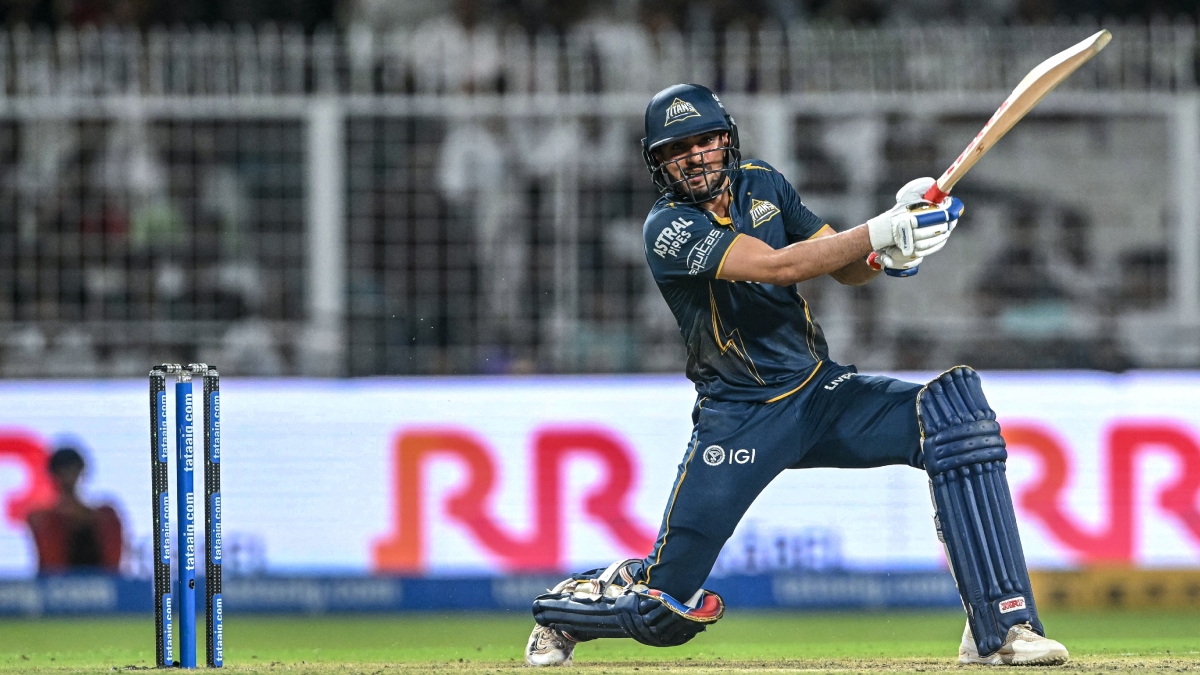
Back then, Virat Kohli, AB de Villiers and Chris Gayle used to do the bulk of the scoring and the rest of the batting line-up would be comparatively airy. GT of today is eerily similar, with the troika of Shubman Gill, B. Sai Sudharsan and Jos Buttler expected to do all the heavy-lifting.
On Friday at the M. Chinnaswamy Stadium here, GT’s biggest test against an RCB outfit that operates at full throttle from ball one will be to prove that its methods – even if they seem anachronistic – are effective enough.
“I don’t think we’ll suddenly change,” said Vikram Solanki, GT’s director of cricket, on match-eve. “We’ll remain consistent in the way we go about our cricket altogether. We trust in a method and formula, and we trust the players that have delivered.”
Just that, in the most recent match, the players didn’t. GT lost by a crushing 99 runs to Mumbai Indians, a defeat Solanki attributed to “a number of errors”. It is imperative that the middle- and lower-orders contribute, especially Rahul Tewatia and M. Shahrukh Khan who have totalled 84 runs in 10 combined visits to the crease.
RCB too is coming in following a defeat – to Delhi Capitals at home by six wickets. But that reverse was only its second this season from six matches, and it boasts of such a well-set team that even a generational talent like England’s Jacob Bethell has had to warm the bench.
Friday will be the last time RCB will play in the Garden City this campaign, and there will be significant attention on a pitch which has not aided free-flowing strokeplay from the get-go. The city is also in the midst of a searing summer, but the RCB faithful will want nothing more than a rain of runs.
Published on Apr 23, 2026
In a way, Gujarat Titans is a throwback to the Royal Challengers Bengaluru of yesteryear.Back…
Sports news
#RCBs #success #Kohli #trusting #batting #lineup #Sanjay #Manjrekar">RCB’s success down to Kohli trusting batting line-up more: Sanjay Manjrekar
Royal Challengers Bengaluru’s has started its title defence strongly, winning four of its first six matches as it looks to become the first team to win back-to-back IPL titles.
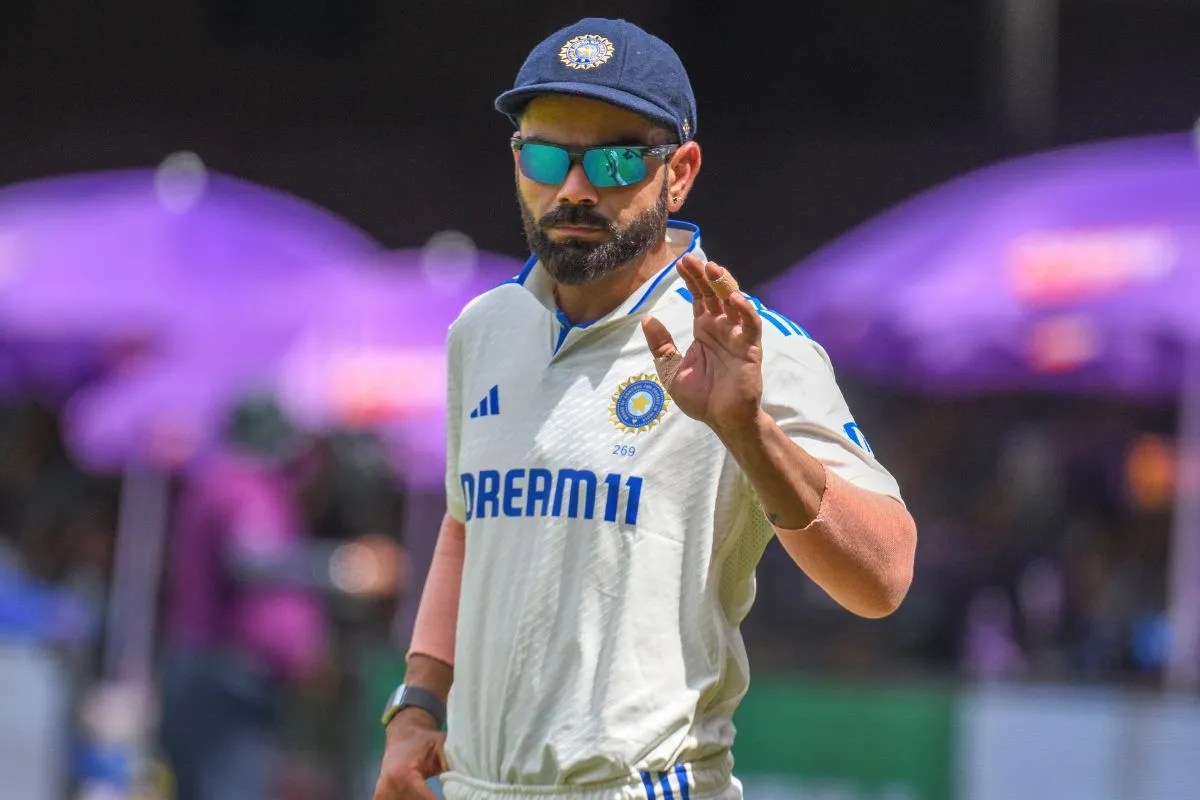
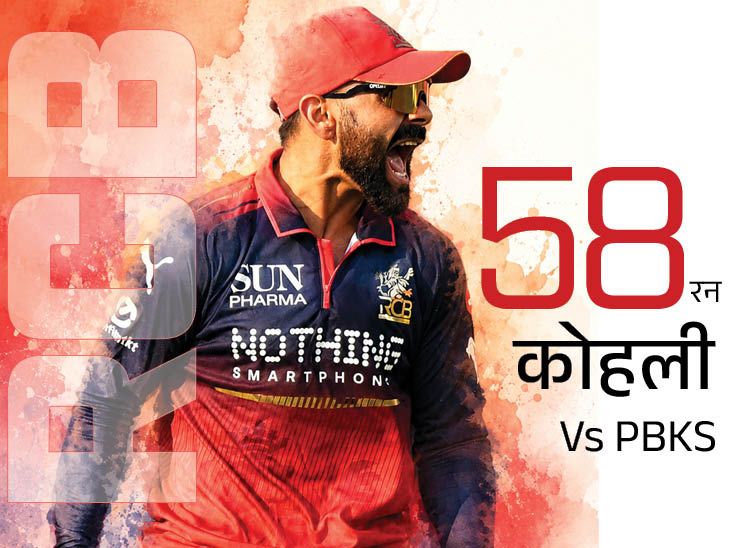
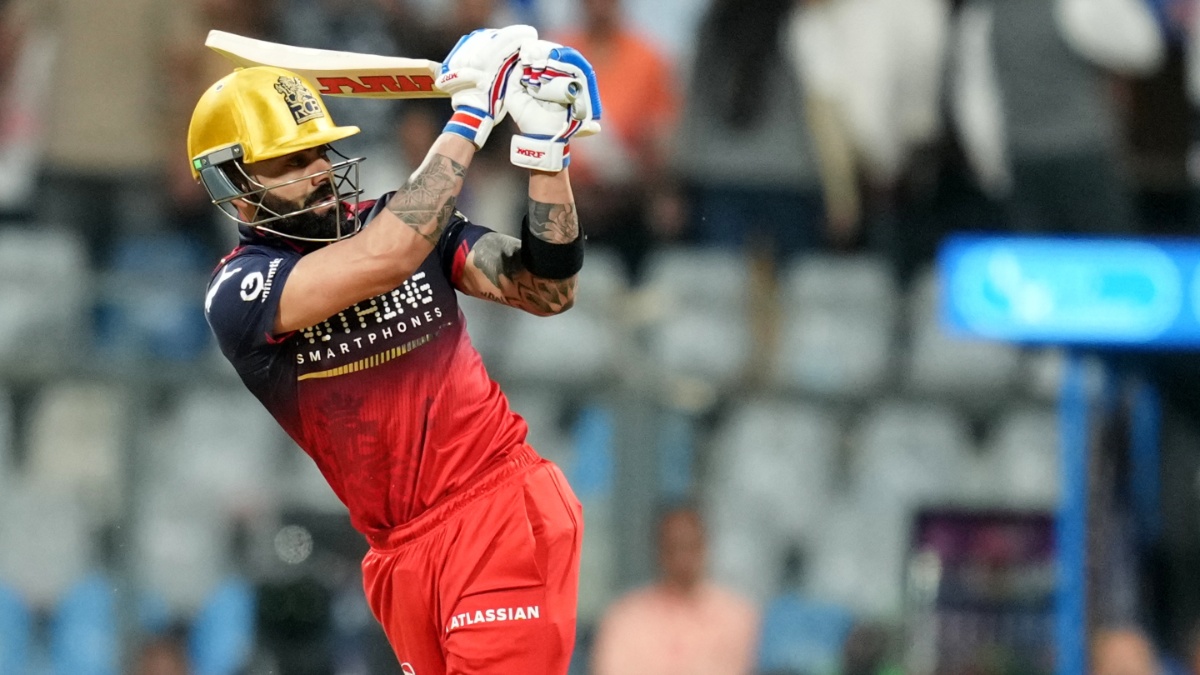
Leading the way with the bat once again for Rajat Patidar’s men is Virat Kohli, who is the team’s leading run-scorer with 247 runs from six innings at an average of 49.40 and a strike-rate of 157.32.
However, former India international Sanjay Manjrekar believes that a large part of the RCB’s recent success can be attributed to the side shedding its dependence on Kohli.
“I believe that what has changed in the last two years, apart from Virat Kohli’s strike rate going up, is that he has stopped believing that he is the one batter who’s got to do it for RCB, and has taken a little bit of a backseat and delegated,” Manjrekar said on Sportstar’s Inside Edge podcast.
“Earlier, when AB and Virat were the two big batters, by accident or by design, they were consuming a lot of balls per RCB innings,” Manjrekar said. “If you see now with RCB, people like Devdutt Padikkal, Rajat Patidar, and Tim David are providing a lot of useful contributions from down the order because they are getting the opportunity to come in and spend time in the middle.”
“I’d like to believe that the reason RCB won the title and is looking really good this season is because Virat Kohli, who bats at the top of the order, is just not putting as huge a prize on his wicket and has started trusting the batters to come a little more.”
Manjrekar noted that Kohli’s improved strike-rate had dovetailed well with the pyrotechnics coming from the rest of the RCB batting line-up, saying, “Earlier, he was happy to go at a strike-rate of 120-130. Also, I think he was going into bat and thinking about a milestone, which not too many people think. But I can understand the pressure of a big brand wanting to get those 50s and showing that he’s contributing.
ALSO READ: Kolkata Knight Riders’ issues from poor auction and captaincy choice, says Sanjay Manjrekar
“But I believe where things have changed is that Virat Kohli now realises that he cannot bat at a strike-rate of 130. Things have moved on. He is batting at a strike-rate of 150 generally. But interestingly, down the order, people are going at 180-200 and that is why RCB is playing so well.
Fitness focus
Manjrekar also praised Kohli for his fitness, noting that it was one of the important reasons behind the 37-year-old’s continued impressive form.
“The amount of time he spends just wanting to be this very, very fit cricketer. So when you’re aging and if you’re not really supremely fit, T20 cricket is about hand-eye coordination and running hard between the wickets, and you just have to be young in body. If your eyes can keep pace with it, that’s fine.
“Virat Kohli doesn’t let his age come in the way too much. It does, in Test cricket you saw that. But his fitness is never going to actually make things even more difficult for him. And we’re seeing that in his T20 batting both last season, and this season as well.”
He further pointed out that this was in line with how Kohli had achieved success across his career.
“Virat has achieved greatness, reached exceptional heights. He wasn’t as gifted as Tendulkar with batting ability or you’ll see his technique let him down in Test cricket,” Manjrekar. “But he willed himself to those heights by sheer fitness, and wanting to be at his best every time he stepped onto the field, just like Tendulkar. And that is what sets him apart.”
Published on Apr 23, 2026
Royal Challengers Bengaluru’s has started its title defence strongly, winning four of its first six matches as it looks to become the first team to win back-to-back IPL titles.
Leading the way with the bat once again for Rajat Patidar’s men is Virat Kohli, who is the team’s leading run-scorer with 247 runs from six innings at an average of 49.40 and a strike-rate of 157.32.
However, former India international Sanjay Manjrekar believes that a large part of the RCB’s recent success can be attributed to the side shedding its dependence on Kohli.
“I believe that what has changed in the last two years, apart from Virat Kohli’s strike rate going up, is that he has stopped believing that he is the one batter who’s got to do it for RCB, and has taken a little bit of a backseat and delegated,” Manjrekar said on Sportstar’s Inside Edge podcast.
“Earlier, when AB and Virat were the two big batters, by accident or by design, they were consuming a lot of balls per RCB innings,” Manjrekar said. “If you see now with RCB, people like Devdutt Padikkal, Rajat Patidar, and Tim David are providing a lot of useful contributions from down the order because they are getting the opportunity to come in and spend time in the middle.”
“I’d like to believe that the reason RCB won the title and is looking really good this season is because Virat Kohli, who bats at the top of the order, is just not putting as huge a prize on his wicket and has started trusting the batters to come a little more.”
Manjrekar noted that Kohli’s improved strike-rate had dovetailed well with the pyrotechnics coming from the rest of the RCB batting line-up, saying, “Earlier, he was happy to go at a strike-rate of 120-130. Also, I think he was going into bat and thinking about a milestone, which not too many people think. But I can understand the pressure of a big brand wanting to get those 50s and showing that he’s contributing.
ALSO READ: Kolkata Knight Riders’ issues from poor auction and captaincy choice, says Sanjay Manjrekar
“But I believe where things have changed is that Virat Kohli now realises that he cannot bat at a strike-rate of 130. Things have moved on. He is batting at a strike-rate of 150 generally. But interestingly, down the order, people are going at 180-200 and that is why RCB is playing so well.
Fitness focus
Manjrekar also praised Kohli for his fitness, noting that it was one of the important reasons behind the 37-year-old’s continued impressive form.
“The amount of time he spends just wanting to be this very, very fit cricketer. So when you’re aging and if you’re not really supremely fit, T20 cricket is about hand-eye coordination and running hard between the wickets, and you just have to be young in body. If your eyes can keep pace with it, that’s fine.
“Virat Kohli doesn’t let his age come in the way too much. It does, in Test cricket you saw that. But his fitness is never going to actually make things even more difficult for him. And we’re seeing that in his T20 batting both last season, and this season as well.”
He further pointed out that this was in line with how Kohli had achieved success across his career.
“Virat has achieved greatness, reached exceptional heights. He wasn’t as gifted as Tendulkar with batting ability or you’ll see his technique let him down in Test cricket,” Manjrekar. “But he willed himself to those heights by sheer fitness, and wanting to be at his best every time he stepped onto the field, just like Tendulkar. And that is what sets him apart.”
Published on Apr 23, 2026
Royal Challengers Bengaluru’s has started its title defence strongly, winning four of its first six…
Sports news
RCB vs DC Live Score, IPL 2026: Royal Challengers Bengaluru takes on Delhi Capitals; Live updates, match news, toss at 3:00 PM
RCB vs DC Live Score, IPL 2026: Royal Challengers Bengaluru takes on Delhi Capitals; Live updates, match news, toss at 3:00 PM Today marks the 18th anniversary of the first match of the very first IPL season way back in 2008. Incidentally, the first match was also held at the M Chinnaswamy Stadium when Royal Challengers Bengaluru took on Kolkata Knight Riders.
It was a debut to forget for RCB as it suffered 140 run loss and the host will be looking to flip the script against Delhi Capitals today and extend its winning momentum. Today’s fixture will also be RCB’s 100th IPL game at the M Chinnaswamy Stadium.
#RCB #Live #Score #IPL #Royal #Challengers #Bengaluru #takes #Delhi #Capitals #Live #updates #match #news #toss
Today marks the 18th anniversary of the first match of the very first IPL season way back in 2008. Incidentally, the first match was also held at the M Chinnaswamy Stadium when Royal Challengers Bengaluru took on Kolkata Knight Riders.
It was a debut to forget for RCB as it suffered 140 run loss and the host will be looking to flip the script against Delhi Capitals today and extend its winning momentum. Today’s fixture will also be RCB’s 100th IPL game at the M Chinnaswamy Stadium.
Today marks the 18th anniversary of the first match of the very first IPL season…
Sports news
#Train #smarter #harder #Ramji #Srinivasan #decodes #IPLs #superstars #stave #injuries">Train smarter, not harder — Ramji Srinivasan decodes how IPL’s OG superstars can stave off injuries
They say age comes for everyone eventually, and the 2026 edition of the Indian Premier League is proving that to be ruthlessly true. Rohit Sharma will miss Mumbai Indians’ clash against Punjab Kings at the Wankhede Stadium, marking a rare occasion that the 38-year-old will be absent from the five-time champion’s top-order.
Rohit is not the only one facing time on the sidelines. The seemingly untiring Virat Kohli was forced to play as an Impact Player in Royal Challengers Bengaluru’s match against Lucknow Super Giants, while M.S. Dhoni – the famed lynchpin of Chennai Super Kings’ middle-order – has missed the side’s first five matches of the season.
The stalwarts of a generation of the IPL are now being confronted with the realities of playing the tournament while not riding the conveyor belt of international cricket year-round.
According to Ramji Srinivasan, former India and Mumbai Indians strength and conditioning coach, the physical challenge of the IPL is primarily about rest and recovery. “The challenge is more on recovery than the fitness aspect,” he told Sportstar. “The fitness aspect is more about tiring and traveling from one place to another.

Virat Kohli played as an Impact Player due to a kneeinjury during RCB’s match against LSG.
| Photo Credit:
K. Murali Kumar

Virat Kohli played as an Impact Player due to a kneeinjury during RCB’s match against LSG.
| Photo Credit:
K. Murali Kumar
“The matches finish by 11:00-11:30PM, by the time they start from the ground, it will be around 12.30-1:00AM. The next morning, if they have to travel again, everything changes again. It’s about how you manage your body with proper recovery and nutrition,” Srinivasan said.
The challenge of dealing with a hectic schedule is one that becomes tougher with age. “After 30 and beyond, the body starts to slow down physiologically. It is natural. So, what they need to do is train smart rather than train hard,” Srinivasan said.
According to Srinivasan, age does have some benefit to doing so. “By this time you know your body better, when you need to push, when you need to pull yourself back, when you need to recover, what type of recovery you need to adhere to.
“What you are adhering to when you are in your 20s and early 30s may not be as pertinent now, you know. Your body is changing every year, and you need to adapt to a particular stimulus,” he explained.
“You need to be very specialised according to the individual. What suits Virat will not suit Rohit or MS. So, it has to be highly bespoke, just because it is successful with one player need not be successful with any other players.”Ramji Srinivasan
Srinivasan suggested a focus on cognitive and neuromuscular training, an approach he likens to that of a Formula One driver, which focuses on training the cognitive skills of the player.
“It’s all about the neural training pathway because cognition is what your eye perceives, and how your body reacts. For example, you see a ball trajectory coming in, how your body reacts to that particular impulse. It can be reactive or it can be proactive.
“You focus on how you train those muscle groups, the smaller and the finer muscle rather than the gross muscles. That is how you get precision, and they are the thing which loses the neural response in the long run if you don’t train them.”
An inevitable part of aging as a player is the arrival of injuries, as the likes of Rohit and Kohli are experiencing now. While niggles are unavoidable for top-level athletes, the focus, Srinivasan said, should be on being proactive about identifying the underlying causes and treating them quickly.
“The idea is that preventive medicine is better than curative, and if you cannot prevent it, your curative measure has to be quicker,” he said.
“Any sportsperson will have niggles, but you have to identify the contributing factors. When you are doing.your assessment and screening you will know there are probabilities, especially as you get older. So if it is a hamstring injury, why has it happened, is it because of dehydration, or because of lack of fitness, or because of overstretching?”
He also emphasised that there is no one-size-fits-all approach. The training methodology for players like Kohli or Rohit, who have recently stepped off the Test and T20I bandwagons but still play a single format, will have a different approach to a player like Dhoni, for whom IPL is the only remaining form of professional cricket.

Rohit Sharma suffered an injury to his left hamstring that ruled him out of the match against PBKS.
| Photo Credit:
Emmanual Yogini

Rohit Sharma suffered an injury to his left hamstring that ruled him out of the match against PBKS.
| Photo Credit:
Emmanual Yogini
“When you are young and robust, if you eat iron you will be able to digest it. In the thirties even if you eat food it won’t digest,” he explained with a laugh. “So you need to be very specialised according to the individual. What suits Virat will not suit Rohit or MS. So, it has to be highly bespoke, just because it is successful with one player need not be successful with any other players.
“There has to be progression in anything. Suddenly coming and sprinting it’s not going to help you however fit you are. When you are in a competition your body and mind responds differently to when you are training.
“The essence is that the professional needs to understand when you are in a competition there are a lot of things happening which are not happening during your training. So, the idea is to prepare yourself through the training, it’s a simulation.
“You cannot do that because there are so many variables. But being very close to the reality in your training module really helps. For example, when you are in your 20s, you may take two weeks to get into the groove. When you are in your 30s, it may take three weeks. When you are in your 40s, it may take a month and a half.”
Published on Apr 16, 2026
Virat Kohli played as an Impact Player due to a kneeinjury during RCB’s match against LSG. | Photo Credit: K. Murali Kumar
“You need to be very specialised according to the individual. What suits Virat will not suit Rohit or MS. So, it has to be highly bespoke, just because it is successful with one player need not be successful with any other players.”Ramji Srinivasan
Rohit Sharma suffered an injury to his left hamstring that ruled him out of the match against PBKS. | Photo Credit: Emmanual Yogini
They say age comes for everyone eventually, and the 2026 edition of the Indian Premier League is proving that to be ruthlessly true. Rohit Sharma will miss Mumbai Indians’ clash against Punjab Kings at the Wankhede Stadium, marking a rare occasion that the 38-year-old will be absent from the five-time champion’s top-order.
Rohit is not the only one facing time on the sidelines. The seemingly untiring Virat Kohli was forced to play as an Impact Player in Royal Challengers Bengaluru’s match against Lucknow Super Giants, while M.S. Dhoni – the famed lynchpin of Chennai Super Kings’ middle-order – has missed the side’s first five matches of the season.
The stalwarts of a generation of the IPL are now being confronted with the realities of playing the tournament while not riding the conveyor belt of international cricket year-round.
According to Ramji Srinivasan, former India and Mumbai Indians strength and conditioning coach, the physical challenge of the IPL is primarily about rest and recovery. “The challenge is more on recovery than the fitness aspect,” he told Sportstar. “The fitness aspect is more about tiring and traveling from one place to another.
Virat Kohli played as an Impact Player due to a kneeinjury during RCB’s match against LSG. | Photo Credit: K. Murali Kumar
“The matches finish by 11:00-11:30PM, by the time they start from the ground, it will be around 12.30-1:00AM. The next morning, if they have to travel again, everything changes again. It’s about how you manage your body with proper recovery and nutrition,” Srinivasan said.
The challenge of dealing with a hectic schedule is one that becomes tougher with age. “After 30 and beyond, the body starts to slow down physiologically. It is natural. So, what they need to do is train smart rather than train hard,” Srinivasan said.
According to Srinivasan, age does have some benefit to doing so. “By this time you know your body better, when you need to push, when you need to pull yourself back, when you need to recover, what type of recovery you need to adhere to.
“What you are adhering to when you are in your 20s and early 30s may not be as pertinent now, you know. Your body is changing every year, and you need to adapt to a particular stimulus,” he explained.
“You need to be very specialised according to the individual. What suits Virat will not suit Rohit or MS. So, it has to be highly bespoke, just because it is successful with one player need not be successful with any other players.”Ramji Srinivasan
Srinivasan suggested a focus on cognitive and neuromuscular training, an approach he likens to that of a Formula One driver, which focuses on training the cognitive skills of the player.
“It’s all about the neural training pathway because cognition is what your eye perceives, and how your body reacts. For example, you see a ball trajectory coming in, how your body reacts to that particular impulse. It can be reactive or it can be proactive.
“You focus on how you train those muscle groups, the smaller and the finer muscle rather than the gross muscles. That is how you get precision, and they are the thing which loses the neural response in the long run if you don’t train them.”
An inevitable part of aging as a player is the arrival of injuries, as the likes of Rohit and Kohli are experiencing now. While niggles are unavoidable for top-level athletes, the focus, Srinivasan said, should be on being proactive about identifying the underlying causes and treating them quickly.
“The idea is that preventive medicine is better than curative, and if you cannot prevent it, your curative measure has to be quicker,” he said.
“Any sportsperson will have niggles, but you have to identify the contributing factors. When you are doing.your assessment and screening you will know there are probabilities, especially as you get older. So if it is a hamstring injury, why has it happened, is it because of dehydration, or because of lack of fitness, or because of overstretching?”
He also emphasised that there is no one-size-fits-all approach. The training methodology for players like Kohli or Rohit, who have recently stepped off the Test and T20I bandwagons but still play a single format, will have a different approach to a player like Dhoni, for whom IPL is the only remaining form of professional cricket.
Rohit Sharma suffered an injury to his left hamstring that ruled him out of the match against PBKS. | Photo Credit: Emmanual Yogini
“When you are young and robust, if you eat iron you will be able to digest it. In the thirties even if you eat food it won’t digest,” he explained with a laugh. “So you need to be very specialised according to the individual. What suits Virat will not suit Rohit or MS. So, it has to be highly bespoke, just because it is successful with one player need not be successful with any other players.
“There has to be progression in anything. Suddenly coming and sprinting it’s not going to help you however fit you are. When you are in a competition your body and mind responds differently to when you are training.
“The essence is that the professional needs to understand when you are in a competition there are a lot of things happening which are not happening during your training. So, the idea is to prepare yourself through the training, it’s a simulation.
“You cannot do that because there are so many variables. But being very close to the reality in your training module really helps. For example, when you are in your 20s, you may take two weeks to get into the groove. When you are in your 30s, it may take three weeks. When you are in your 40s, it may take a month and a half.”
Published on Apr 16, 2026
They say age comes for everyone eventually, and the 2026 edition of the Indian Premier…