
Ancient granite boulders plunge into crystalline waters, forming underwater archways where eagle rays glide past coral-encrusted walls. Across the archipelago of the Seychelles, divers and snorkelers encounter a rare fusion of geological drama and marine biodiversity found almost nowhere else on Earth. These 650-million-year-old granite formations create swim-throughs, caverns, and towering walls that frame vibrant coral reef systems teeming with tropical fish.
At the same time, access to these remarkable sites often determines the quality of the experience. Private vessels unlock reefs that remain beyond the reach of crowded day boats and shore-based excursions. Services such as Seychelles yacht charter position adventurers at remote dive sites before sunrise, enable multiple dives across different locations in a single day, and offer the flexibility to adapt plans to shifting weather patterns and marine life movements. As a result, the difference between arriving on a packed tour boat and exploring from a private yacht can transform underwater exploration from rushed sightseeing into immersive observation.
Diving in Seychelles: The Underwater Geography Advantage
The Seychelles occupies a rare geological intersection where ancient continental granite meets thriving coral ecosystems. This convergence produces underwater landscapes unlike those found in typical tropical diving destinations. Massive boulders form labyrinths and tunnels at depths ranging from three meters to beyond forty, while coral gardens flourish in the spaces between. Meanwhile, Indian Ocean currents converge around the islands, delivering nutrient-rich waters that sustain exceptional marine biodiversity.
Decades of conservation have also played a crucial role in protecting these ecosystems. Marine protected areas such as the Sainte Anne Marine National Park, established in 1973 as the first marine reserve in the Indian Ocean, have demonstrated remarkable ecological recovery. Similar protections at Baie Ternay, Port Launay, and Curieuse have allowed fish populations and coral systems to rebound after historical overfishing.
Beyond simple access, yacht-based diving provides another major advantage in the Seychelles: timing. Divers aboard private vessels can schedule descents during optimal tidal windows, arrive at popular sites before crowds, and enjoy comfortable surface intervals between dives. Furthermore, night diving becomes possible when vessels anchor securely, revealing nocturnal marine behaviors that shore-based operations rarely allow.
Baie Ternay Marine National Park
Located roughly eight kilometers northwest of Victoria on Mahé’s coast, the Baie Ternay Marine National Park offers one of the most accessible snorkeling environments in the Seychelles. The sheltered bay provides protection from swells year-round, making it ideal even for beginners or young swimmers. Beneath the surface, the terrain shifts gradually from shallow reef flats barely a meter deep to granite boulder gardens reaching eight meters, with seagrass meadows filling sandy pockets between.
Wildlife encounters here are frequent. Green and hawksbill sea turtles graze calmly on seagrass, often ignoring snorkelers drifting above them. Blacktip reef sharks patrol the shallows, while parrotfish scrape algae from rocks with audible crunches. Meanwhile, angelfish and butterflyfish weave through coral branches in bursts of color.
Because the bay contains several mooring buoys, yachts can anchor without damaging fragile seagrass beds. Snorkelers can therefore explore multiple reef zones throughout the day, beginning in deeper boulder fields during calm morning conditions and moving to shallower reefs as afternoon winds develop.
Ile Cocos Dramatic Topography
About three kilometers northeast of Praslin, the rocky islet of Île Cocos rises dramatically from deep ocean waters. Beneath the surface, massive granite boulders form swim-through arches, tunnels, and vertical walls descending to roughly twenty-five meters. Over centuries, coral growth has transformed the grey rock surfaces into colorful reef habitats.
Large schools of batfish circle the island’s perimeter, their silver bodies flashing through beams of sunlight that penetrate the clear water. Moray eels, both ribbon and giant varieties, occupy crevices throughout the reef, while Napoleon wrasse (critically endangered elsewhere but protected here) glide past snorkelers with surprising calm. Conditions vary around the island. The western side typically offers calmer waters suitable for beginners, whereas the eastern wall features stronger currents and more dramatic topography for experienced snorkelers.
Timing is critical here. Currents strengthen during ebb and flow, potentially sweeping inexperienced swimmers away from safe areas. Slack tide, occurring roughly every six hours, provides the safest and clearest exploration window. Visibility often reaches twenty to thirty meters, allowing snorkelers to observe the entire underwater landscape from surface to seabed. The private yacht advantage manifests clearly here, as timing visits between crowded day-boat arrivals transforms the experience from jostling for position to solitary communion with marine life.
Ennerdale Wreck Deep Dive
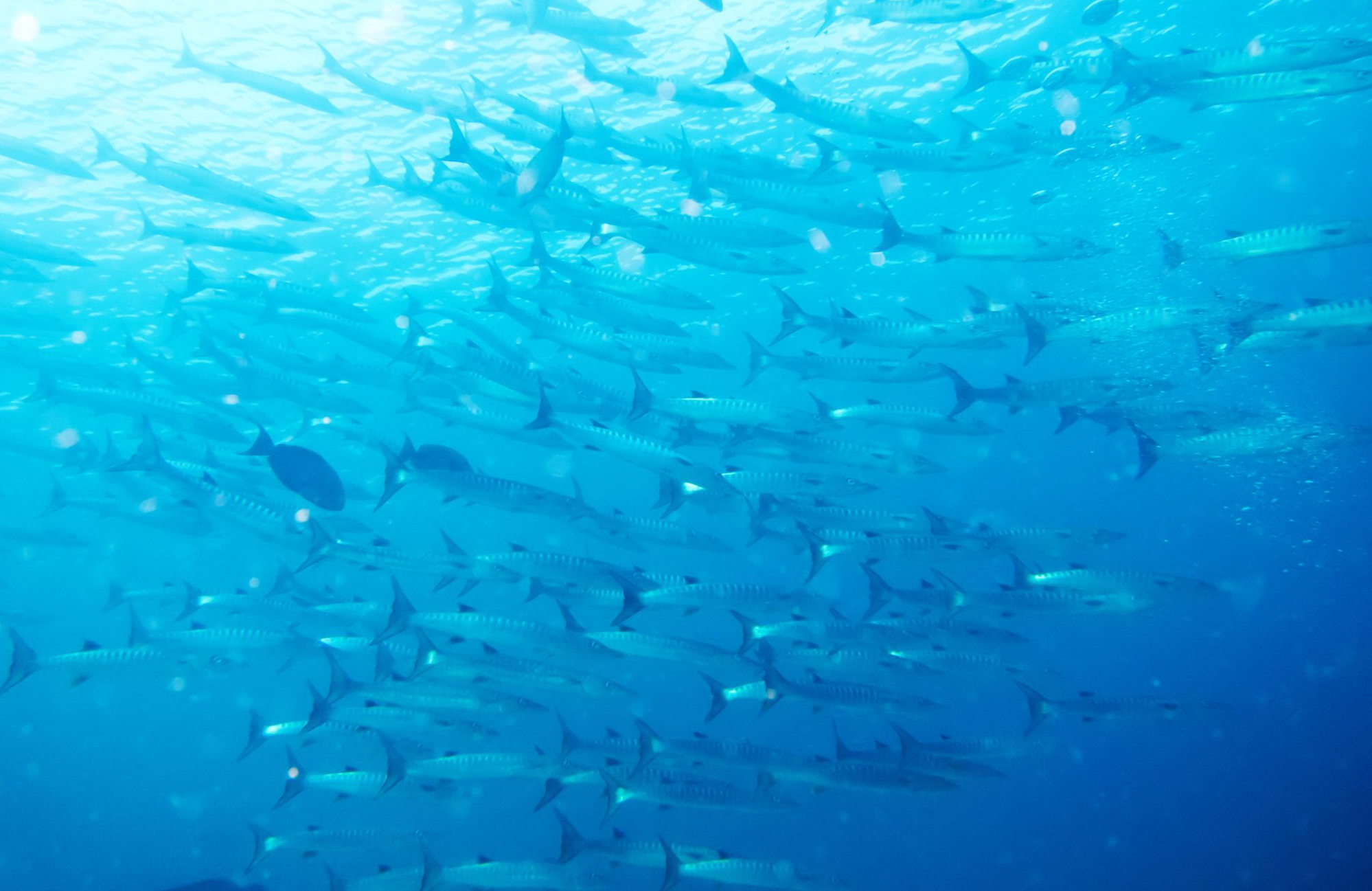
Approximately nine kilometers off Mahé’s northwest coast lies the remains of the British tanker Ennerdale Wreck, which sank in 1970. Today, the 140-meter vessel rests at depths between thirty and thirty-five meters, with a structure that’s largely intact despite five decades of submersion. This advanced dive requires proper certification and planning, as the depth limits bottom time and presents risks, including nitrogen narcosis.
Over the decades, the wreck has evolved into a thriving artificial reef. Groupers occupy the ship’s interior chambers, while barracuda schools circle the superstructure. Lionfish hover beneath metal overhangs, and soft corals now blanket sections of the once-industrial structure.
Because of the depth and environment, careful planning is essential. Nitrox certification helps extend bottom time while reducing decompression stress, and divers exploring interior spaces must carry torches and guidelines. Having a yacht stationed directly above the site provides valuable safety support and comfortable surface intervals between dives.
Shark Bank: Pelagic Encounters
Northeast of Mahé, an underwater pinnacle known as Shark Bank rises from depths of sixty meters to roughly eighteen meters below the surface. This open-ocean formation attracts strong currents, and with them, large pelagic species. Grey reef sharks maintain resident populations here, joined occasionally by hammerheads and white-tip reef sharks. Strong currents sweep nutrients across the pinnacle, supporting massive schools of jacks, snappers, and barracuda, making this a memorable diving spot in the Seychelles.
The dive itself demands experience with drift techniques. Negative entries from the yacht allow a rapid descent before currents sweep divers away from the structure. Once at depth, divers deploy reef hooks to stabilize themselves while observing shark activity in the current. At times, eagle rays appear in graceful formations, their spotted wings moving rhythmically through the blue water.
Surface markers become essential equipment, as divers typically drift away from the pinnacle during ascents. The yacht crew must track bubbles and follow drift patterns to retrieve divers when they surface. Weather windows limit access to this site, as even moderate swells make the dive dangerous. When conditions align, Shark Bank offers one of the most exhilarating large-animal diving experiences in the Seychelles.
Night Diving: A Different Ocean
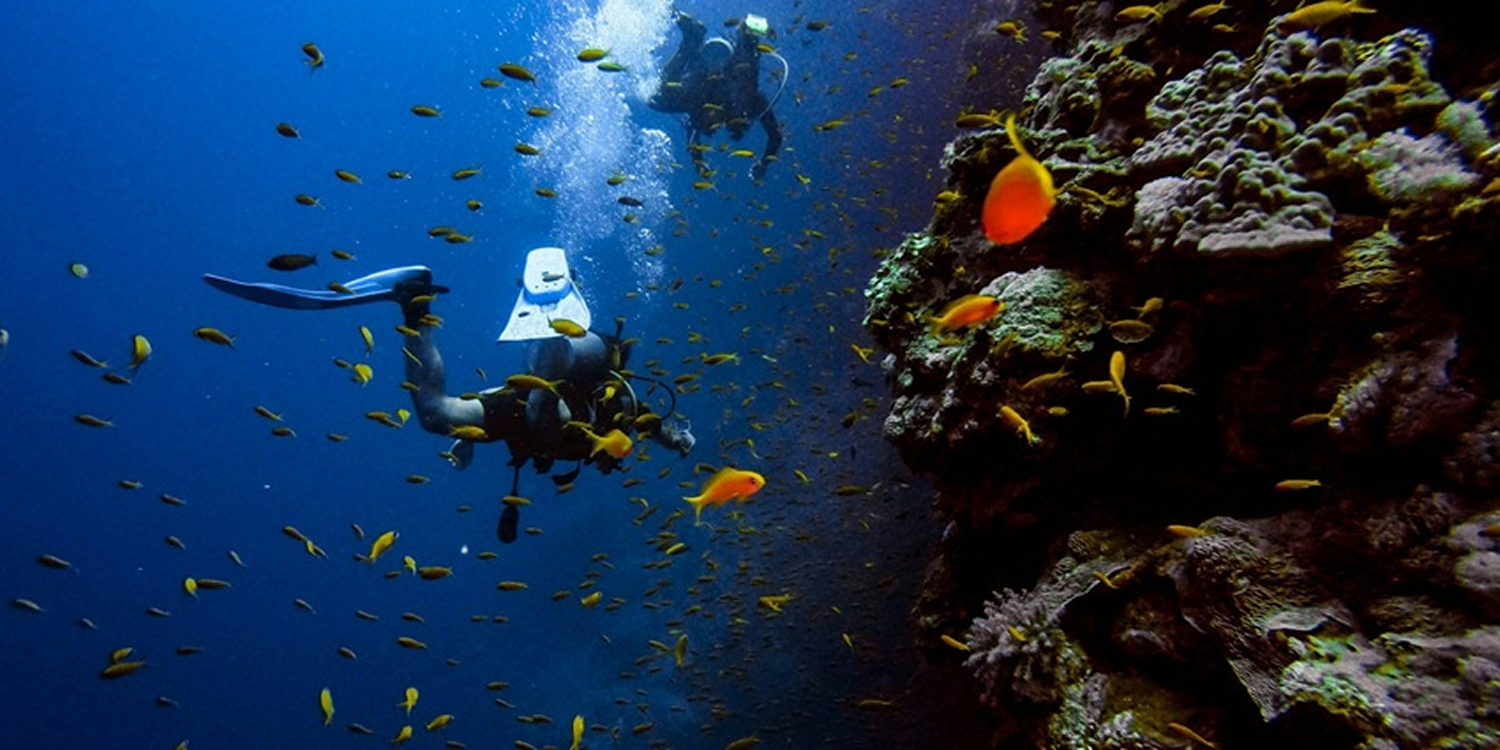
Anchored securely at locations like Baie Ternay or Curieuse, yacht-based divers can experience the underwater world’s nocturnal transformation. Creatures that hide during daylight emerge to hunt and feed at this time. Lobsters venture from crevices on spindly legs, their antennae probing for prey. Octopuses hunt actively, changing texture and color as they stalk sleeping fish. Spanish dancers, large nudibranchs rarely seen during the day, undulate through the water column in crimson displays.
Torch beams reveal sleeping parrotfish encased in mucus cocoons they secrete for protection from nocturnal predators. Groupers and snappers that appeared lethargic during the day become active hunters, their movements quick and purposeful. Planktonic organisms create bioluminescent sparkles when disturbed, turning each fin kick into a constellation of light.
Because visibility is limited to torch beams, safety procedures become stricter at night. Clear hand signals and predetermined emergency procedures prevent confusion. The anchored yacht provides both a navigation reference point and immediate surface support, which can be impossible to arrange from shore. Conservative depth limits and shorter dive durations are required to account for the increased air consumption that typically accompanies night diving’s heightened awareness.
Planning the Diving Charter
Selecting the right vessel significantly enhances the diving experience. Dedicated dive platforms, sturdy entry ladders, and freshwater rinse stations help protect equipment and simplify entry and exit between dives. Some larger yachts incorporate nitrox membrane systems, producing enriched air that extends bottom times at moderate depths.
A typical week-long itinerary often begins with easier dives at Baie Ternay before progressing to deeper sites such as the Ennerdale wreck or Shark Bank. Flexibility remains essential, however, since ocean conditions can quickly shift. Alternative plans ensure productive diving regardless of meteorological developments.
Finally, responsible preparation helps protect the fragile ecosystems that make the Seychelles extraordinary for diving and even snorkeling. Marine park fees support conservation programs, while reef-safe sunscreen prevents chemical damage to coral reefs. Booking requirements at certain reserves, such as Aride and Cousin, limit daily visitor numbers, ensuring uncrowded conditions for those who plan. Bringing well-fitted personal gear—especially masks—also improves comfort and reduces distractions underwater.
When planned carefully, a diving expedition in the Seychelles becomes more than a recreational activity. It becomes a rare opportunity to explore one of the planet’s most dramatic and biologically rich underwater landscapes.
Featured Image: haveseen/iStock
—Read also
Source link
#Diving #Snorkeling #Sites #Seychelles


Post Comment