
When Tyler Perry released Beauty in Black, the cultural impact was immediate. The premiere set off group chats, live tweets, TikTok edits, and endless reaction threads. On the surface, it delivered what audiences expect from Perry: suspense, high drama, and betrayals that make you yell at the screen. Yet, as the dust settled, a deeper conversation emerged within the Black community.
Many fans were left conflicted. Yes, Perry knows how to hook viewers with addictive storytelling. But the same tired tropes resurfaced: hyper-sexualized scenes that felt unnecessary, portrayals of Black wealth tied to dysfunction, and characters more rooted in stereotypes than in growth. In other words, the response wasn’t about just one show. It was about a long-running tension with Perry’s storytelling.
There’s no doubt Perry knows how to spark conversation. When Beauty in Black Season 2 eventually lands, it will almost certainly flood timelines with memes, TikToks, and group chats asking, “Did that just happen?” Viewers already find themselves enraptured by the suspense—only to pause and wonder why the shock value so often overshadows meaningful character development. Let’s break down what’s real, what’s over-the-top, and why this portrayal of Black wealth continues to frustrate in 2025.
Did You Anticipate The Sex Scenes?
Perry’s signature bombshells are everywhere—from strip club setups in Episode 1 to highly rated TV-MA visuals. Essence even called them “gratuitous nudity” that shocks more than it serves the story. One example: Kimmie and Angel’s back-alley BBL with Daga, staged so abruptly it bordered on parody. Viewers on Reddit branded these moments “cringe-worthy” and “too much,” with some admitting they fast-forwarded just to survive the episode. The suspense is undeniable, but the problem lies in execution. Too often, the sex scenes add little to the arc, draining emotional weight with cheap spectacle.
Why Did Everything Have To Be So Tainted In Tyler Perry’s Beauty In Black?

Across episodes, success is always undercut by betrayal. It’s never empire-building, mentorship, or community power. Take Norman’s violent ambush of Horace’s car, killing the wrong man in a blaze of misdirected revenge. Or Mallory sabotaging her comatose sister-in-law’s recovery with a fake nurse. These aren’t just plot twists; they’re examples of destruction dressed up as storytelling.
While betrayal is soap-opera fuel, making it the only lens for Black wealth becomes exhausting. Add to that the caricatures: Kimmie as the cliché exotic dancer haunted by trauma, Mallory as the flat “evil boss.” As The Guardian noted, characters feel one-dimensional, with spectacle prioritized over growth. Fans echoed the sentiment online: “Perpetuating stereotypes,” and “All characters are mean… zero relatable character.”
Will The Suspense Be Worth Waiting For Beauty In Black Season 2?
To Perry’s credit, he still knows how to deliver a hook. The Part 1 finale, ending with a flaming car on a private road, has fans buzzing. Is Charles dead, or just another misdirection? And when Kimmie’s sister-in-law dies after Norman’s massacre, it added fuel to fan theories. These moments lit up Netflix charts and gave us meme-worthy lines like, “Boys, meet your stepmother and your new boss.”
But they also fueled criticism. Forums labeled some scenes “disgusting,” called the language “lazy,” and flagged the toxicity of violence for violence’s sake. This duality—captivated and repulsed—proves Perry’s formula still provokes, but also that patience is running thin.
Why Proper Black Representation Matters
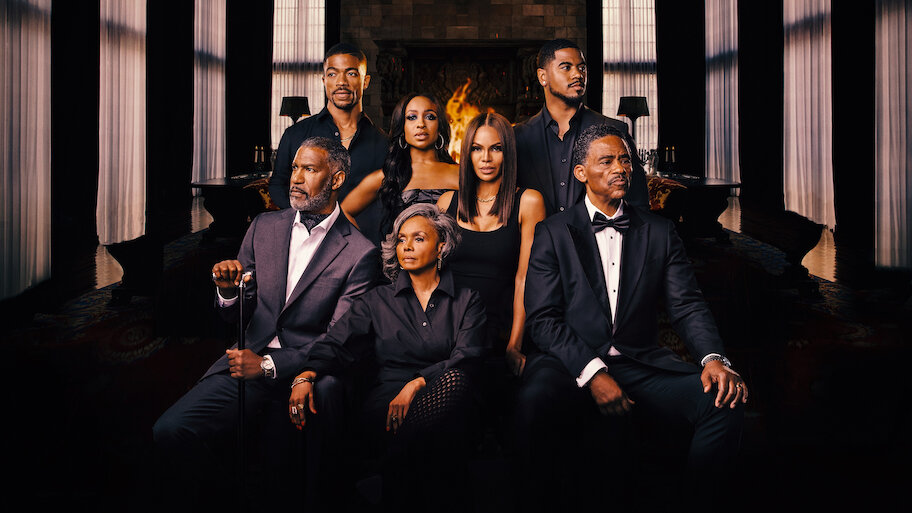
Here’s the truth: Perry has opened doors. His studio remains a backbone for Black actors, and his shows are undeniably visible in the culture. But Beauty in Black highlights a crucial question: what does representation mean in 2025? If the only model of Black affluence is betrayal, sex work, and bloodshed, what does that signal to the next generation?
Young viewers deserve more—stories with depth, aspiration, and characters who are messy but human, not flat stereotypes. Tyler Perry’s Beauty in Black succeeds at creating cultural moments, but at the cost of recycling the same bleak narrative loop. If Perry wants to keep his platform as vibrant as it is today, he must evolve. Show us wealth that builds instead of destroys. Give us characters to root for, even if flawed. Use suspense to reveal, not just to shock.
The Black community hasn’t lost interest. But to stay relevant, Perry has to give us more than spectacle. He has to give us stories worth holding onto.
Featured image: Netflix
For the latest in fashion, lifestyle, and culture, follow us on Instagram @StyleRave
—Read also

Source link
#Tyler #Perrys #Beauty #Black #Folks #Talking #Praise


Post Comment