Portugal vs Columbia Live: पुर्तगाल की नजर मैच जीतकर ग्रुप टॉप करने पर, कोलंबिया से टक्कर जारी; उज्बेकिस्तान के सामने कांगो
फीफा वर्ल्ड कप 2026 में ग्रुप K के मुकाबले में शनिवार को फ्लोरिडा के हार्ड…
फीफा वर्ल्ड कप 2026 में ग्रुप K के मुकाबले में शनिवार को फ्लोरिडा के हार्ड…
Just a few days remain in group play at the 2026 FIFA World Cup.
And the Round of 32 is getting filled in.
As of Friday morning 14 teams have booked a spot in the knockout round, and four of the 16 matches in the Round of 32 have been set. By the end of matches today more teams will have clinched a spot in the Round of 32, and by the end of the weekend the Round of 32 will be set.
And we can start thinking about potential matchups in the Round of 16.
Here is what we know about the Round of 32, and what we could see in the Round of 16.
Let’s start with the bracket for the knockout rounds of the 2026 FIFA World Cup. Here, courtesy of USA Today, is the knockout round bracket:

Let’s work our way through the bracket as it stands, starting with the matches in the upper left.
Match 74 will see the top team in Group E take on a third-place team from Group A, B, C, D, or F.
Germany has clinched Group E, and is waiting on a winner. For a look at the third-place standings, and what teams have clinched a spot in the Round of 32 as a third-place team, we have you covered here.
Update: Paraguay is now confirmed as Germany’s opponent.
The next match, as we work our way down the bracket, is Match 77.
Match 77 will feature the top team from Group I against a third-place team from Group C, D, F, G or H.
The top team from Group I will be either France or Norway, and that group winner will be determined when those two titans meet on Friday afternoon. For more on the third-place standings, we have you covered here.
Update: France’s 4-1 win over Norway has clinched Group I, and they will slot into Match 77. Sweden is now confirmed as the opponent.
The next match, as we work down the bracket, is our first completely set match in the Round of 32.
This match pits a pair of second-place teams, Canada from Group B, and South Africa from Group A.
The next match is set as well, and could be an instant classic.
On one side? The Netherlands, winners of Group F. On the other? Morocco, who finished second in Group C.
We move next to the lower-left quadrant of the bracket, and Match 83. That will feature the second-place team from Group K, and Croatia, which claimed second-place in Group L after beating Ghana.
The next match on the list is also yet to be set.
Match 84 will see the top team from Group H face the second-place team from Group J. Spain is in the driver’s seat in Group H, while Austria and Algeria are the likely options out of Group J.
Update: With their 1-0 win over Uruguay Friday night, Spain clinched the top spot in Group H.
Match 81, however, is set.
The United States clinched a spot in the knockout round with a win over Australia in their second match of group play. As for Bosnia and Herzegovina, they became one of the first teams to advance to the Round of 32 as a third-place team late Wednesday night, and their spot against the USMNT was confirmed by FIFA on Thursday evening.
The last match on the left side of the bracket has yet to be determined.
The top team in Group G will face a third-place team from Group A, E, H, I, or J. As of publication, Egypt is in first place in Group G, but three teams in that group—Egypt, Iran, and Belgium—can still win the group.
For more on the third-place teams, you can see the standings here.
Update: Belgium has won Group G, and will take on a third-place team.
We now move to the right side of the bracket, working from the top to the bottom. In the upper-right quadrant we see a fascinating match in the Round of 32 between Brazil and Japan. Brazil advanced as the winners of Group C while Japan finished second in Group F.
The next match in the Round of 32, Match 78, has one confirmed team. Ivory Coast advanced to the Round of 32 as the second-place team in Group E. They will take on the second-place team from Group I, which will be either France or Norway.
Update: Norway has finished second in Group I, and will take on the Ivory Coast in this match.
Match 79 will see host team Mexico take on a third-place team from Group C, E, F, H, or I. That team has not been confirmed yet, but could be Scotland or Ecuador, depending on the various permutations.
Match 80 will feature England against a third-place team from Group I or K. That team will be either Senegal or DR Congo pending Saturday’s results. Here is a look at the teams vying for a spot as a third-place finisher.
We now shift to the lower-right quadrant of the bracket, and Match 86. Argentina, having clinched Group J, is confirmed as one of the teams in this match. Lionel Messi and company will face the second-place team from Group H. For more on the Group H scenarios, we have you covered here.
Update: The Blue Sharks are through as the second-place team in Group H. Cabo Verde’s reward? A date with the defending World Cup champions.
One side of Match 88 is set, with Australia moving on to the Round of 32 as the second-place team in Group D. They will face the second-place team from Group G. All four teams — Egypt, Iran, Belgium, and New Zealand — are potential opponents as of publication.
Update: Egypt has taken second place in Group G, and will play Australia in Match 88.
Switzerland advanced to the Round of 32 as the winners of Group B, and will take on a third-place team from Group E, F, G, I, or J.
The final match in the Round of 32, in the bottom-right of the bracket, will feature the winners of Group K against third-place Ghana. Colombia and Portugal are vying for the top spot in Group K, and will meet on Saturday in the final match of Group K play.
Let’s work through some scenarios for the Round of 16 games, again starting in the upper-left quadrant of the bracket.
Match 89 will feature the winner of Match 74 against the winner of Match 77. Germany is confirmed to play a third-place team from Group A, B, C, D, or F in Match 74, while the two teams in Match 77 are yet to be set. Match 77 will feature the top team from Group I against a third-place team from Group C, D, F, G or H.
Match 90 will see the winners of Match 73 play the winners of Match 75. Match 73 is set, with South Africa matched up with Canada. The winner of that game will play the winner of Match 75 between Netherlands and Morocco.
Moving now to the bottom-left quadrant, Match 93 will feature the winners of Match 83 against the winners of Match 84. Match 83 will feature the second-place team from Group K, and Croatia from Group L.
Match 84 will see the winners of Group H play the second-place team from Group J.
Update: Spain clinched the top spot in Group H, and will now be featured in Match 84.
As for the last match on the left side of the bracket in the Round of 16, Match 94 will see the winners of Match 81 play the winners of Match 82. Match 81 is set, with the United States playing Bosnia and Herzegovina. Match 82 will see the top team in Group G against a third-place team from Group A, E, H, I, or J. As of publication, Egypt is in first place in Group G, but three teams in that group — Egypt, Iran, and Belgium — can still win the group.
So yes, there is a world where the United States plays Iran in the Round of 16. Start your thinkpieces … now.
Moving to the right side of the bracket, and working from the top down, Match 91 will see the winners from Match 76 play the winners of Match 78. Brazil plays Japan in Match 76, while Match 78 will see the Ivory Coast take on the second-place team from Group I, which will be France or Norway.
The next match in the Round of 16 will see the winners of Match 79 play the winners of Match 80. In Match 79 Mexico will play a third-place team from Group C, E, F, H, or I. Match 80 will feature Group L winner England against a third-place team from Group I or K. Here is a look at the teams vying for a spot as a third-place finisher.
Moving to the bottom-right quadrant, Match 95 will see the winners of Match 86 play the winners of Match 88. Match 86 will see Lionel Messi and company against the second-place team from Group H. Match 88 will see Australia play the second-place team from Group G where all four teams — Egypt, Iran, Belgium, and New Zealand — are in the running.
Update: Cabo Verde clinched the second spot in Group H, and will take on Argentina in Match 86.
We close out the Round of 16 with Match 86, pitting the winners of Match 85 against the winners of Match 87. Switzerland will take on a third-place team from Group E, F, G, I, or J in Match 85. Match 87 will feature the winners of Group K against Ghana. Colombia and Portugal are vying for the top spot in Group K, and will meet on Saturday in the final match of Group K play.

Just a few days remain in group play at the 2026 FIFA World Cup.
And the Round of 32 is getting filled in.
As of Friday morning 14 teams have booked a spot in the knockout round, and four of the 16 matches in the Round of 32 have been set. By the end of matches today more teams will have clinched a spot in the Round of 32, and by the end of the weekend the Round of 32 will be set.
And we can start thinking about potential matchups in the Round of 16.
Here is what we know about the Round of 32, and what we could see in the Round of 16.
Let’s start with the bracket for the knockout rounds of the 2026 FIFA World Cup. Here, courtesy of USA Today, is the knockout round bracket:
Let’s work our way through the bracket as it stands, starting with the matches in the upper left.
Match 74 will see the top team in Group E take on a third-place team from Group A, B, C, D, or F.
Germany has clinched Group E, and is waiting on a winner. For a look at the third-place standings, and what teams have clinched a spot in the Round of 32 as a third-place team, we have you covered here.
Update: Paraguay is now confirmed as Germany’s opponent.
The next match, as we work our way down the bracket, is Match 77.
Match 77 will feature the top team from Group I against a third-place team from Group C, D, F, G or H.
The top team from Group I will be either France or Norway, and that group winner will be determined when those two titans meet on Friday afternoon. For more on the third-place standings, we have you covered here.
Update: France’s 4-1 win over Norway has clinched Group I, and they will slot into Match 77. Sweden is now confirmed as the opponent.
The next match, as we work down the bracket, is our first completely set match in the Round of 32.
This match pits a pair of second-place teams, Canada from Group B, and South Africa from Group A.
The next match is set as well, and could be an instant classic.
On one side? The Netherlands, winners of Group F. On the other? Morocco, who finished second in Group C.
We move next to the lower-left quadrant of the bracket, and Match 83. That will feature the second-place team from Group K, and Croatia, which claimed second-place in Group L after beating Ghana.
The next match on the list is also yet to be set.
Match 84 will see the top team from Group H face the second-place team from Group J. Spain is in the driver’s seat in Group H, while Austria and Algeria are the likely options out of Group J.
Update: With their 1-0 win over Uruguay Friday night, Spain clinched the top spot in Group H.
Match 81, however, is set.
The United States clinched a spot in the knockout round with a win over Australia in their second match of group play. As for Bosnia and Herzegovina, they became one of the first teams to advance to the Round of 32 as a third-place team late Wednesday night, and their spot against the USMNT was confirmed by FIFA on Thursday evening.
The last match on the left side of the bracket has yet to be determined.
The top team in Group G will face a third-place team from Group A, E, H, I, or J. As of publication, Egypt is in first place in Group G, but three teams in that group—Egypt, Iran, and Belgium—can still win the group.
For more on the third-place teams, you can see the standings here.
Update: Belgium has won Group G, and will take on a third-place team.
We now move to the right side of the bracket, working from the top to the bottom. In the upper-right quadrant we see a fascinating match in the Round of 32 between Brazil and Japan. Brazil advanced as the winners of Group C while Japan finished second in Group F.
The next match in the Round of 32, Match 78, has one confirmed team. Ivory Coast advanced to the Round of 32 as the second-place team in Group E. They will take on the second-place team from Group I, which will be either France or Norway.
Update: Norway has finished second in Group I, and will take on the Ivory Coast in this match.
Match 79 will see host team Mexico take on a third-place team from Group C, E, F, H, or I. That team has not been confirmed yet, but could be Scotland or Ecuador, depending on the various permutations.
Match 80 will feature England against a third-place team from Group I or K. That team will be either Senegal or DR Congo pending Saturday’s results. Here is a look at the teams vying for a spot as a third-place finisher.
We now shift to the lower-right quadrant of the bracket, and Match 86. Argentina, having clinched Group J, is confirmed as one of the teams in this match. Lionel Messi and company will face the second-place team from Group H. For more on the Group H scenarios, we have you covered here.
Update: The Blue Sharks are through as the second-place team in Group H. Cabo Verde’s reward? A date with the defending World Cup champions.
One side of Match 88 is set, with Australia moving on to the Round of 32 as the second-place team in Group D. They will face the second-place team from Group G. All four teams — Egypt, Iran, Belgium, and New Zealand — are potential opponents as of publication.
Update: Egypt has taken second place in Group G, and will play Australia in Match 88.
Switzerland advanced to the Round of 32 as the winners of Group B, and will take on a third-place team from Group E, F, G, I, or J.
The final match in the Round of 32, in the bottom-right of the bracket, will feature the winners of Group K against third-place Ghana. Colombia and Portugal are vying for the top spot in Group K, and will meet on Saturday in the final match of Group K play.
Let’s work through some scenarios for the Round of 16 games, again starting in the upper-left quadrant of the bracket.
Match 89 will feature the winner of Match 74 against the winner of Match 77. Germany is confirmed to play a third-place team from Group A, B, C, D, or F in Match 74, while the two teams in Match 77 are yet to be set. Match 77 will feature the top team from Group I against a third-place team from Group C, D, F, G or H.
Match 90 will see the winners of Match 73 play the winners of Match 75. Match 73 is set, with South Africa matched up with Canada. The winner of that game will play the winner of Match 75 between Netherlands and Morocco.
Moving now to the bottom-left quadrant, Match 93 will feature the winners of Match 83 against the winners of Match 84. Match 83 will feature the second-place team from Group K, and Croatia from Group L.
Match 84 will see the winners of Group H play the second-place team from Group J.
Update: Spain clinched the top spot in Group H, and will now be featured in Match 84.
As for the last match on the left side of the bracket in the Round of 16, Match 94 will see the winners of Match 81 play the winners of Match 82. Match 81 is set, with the United States playing Bosnia and Herzegovina. Match 82 will see the top team in Group G against a third-place team from Group A, E, H, I, or J. As of publication, Egypt is in first place in Group G, but three teams in that group — Egypt, Iran, and Belgium — can still win the group.
So yes, there is a world where the United States plays Iran in the Round of 16. Start your thinkpieces … now.
Moving to the right side of the bracket, and working from the top down, Match 91 will see the winners from Match 76 play the winners of Match 78. Brazil plays Japan in Match 76, while Match 78 will see the Ivory Coast take on the second-place team from Group I, which will be France or Norway.
The next match in the Round of 16 will see the winners of Match 79 play the winners of Match 80. In Match 79 Mexico will play a third-place team from Group C, E, F, H, or I. Match 80 will feature Group L winner England against a third-place team from Group I or K. Here is a look at the teams vying for a spot as a third-place finisher.
Moving to the bottom-right quadrant, Match 95 will see the winners of Match 86 play the winners of Match 88. Match 86 will see Lionel Messi and company against the second-place team from Group H. Match 88 will see Australia play the second-place team from Group G where all four teams — Egypt, Iran, Belgium, and New Zealand — are in the running.
Update: Cabo Verde clinched the second spot in Group H, and will take on Argentina in Match 86.
We close out the Round of 16 with Match 86, pitting the winners of Match 85 against the winners of Match 87. Switzerland will take on a third-place team from Group E, F, G, I, or J in Match 85. Match 87 will feature the winners of Group K against Ghana. Colombia and Portugal are vying for the top spot in Group K, and will meet on Saturday in the final match of Group K play.
Just a few days remain in group play at the 2026 FIFA World Cup.
And the Round of 32 is getting filled in.
As of Friday morning 14 teams have booked a spot in the knockout round, and four of the 16 matches in the Round of 32 have been set. By the end of matches today more teams will have clinched a spot in the Round of 32, and by the end of the weekend the Round of 32 will be set.
And we can start thinking about potential matchups in the Round of 16.
Here is what we know about the Round of 32, and what we could see in the Round of 16.
Let’s start with the bracket for the knockout rounds of the 2026 FIFA World Cup. Here, courtesy of USA Today, is the knockout round bracket:

Let’s work our way through the bracket as it stands, starting with the matches in the upper left.
Match 74 will see the top team in Group E take on a third-place team from Group A, B, C, D, or F.
Germany has clinched Group E, and is waiting on a winner. For a look at the third-place standings, and what teams have clinched a spot in the Round of 32 as a third-place team, we have you covered here.
Update: Paraguay is now confirmed as Germany’s opponent.
The next match, as we work our way down the bracket, is Match 77.
Match 77 will feature the top team from Group I against a third-place team from Group C, D, F, G or H.
The top team from Group I will be either France or Norway, and that group winner will be determined when those two titans meet on Friday afternoon. For more on the third-place standings, we have you covered here.
Update: France’s 4-1 win over Norway has clinched Group I, and they will slot into Match 77. Sweden is now confirmed as the opponent.
The next match, as we work down the bracket, is our first completely set match in the Round of 32.
This match pits a pair of second-place teams, Canada from Group B, and South Africa from Group A.
The next match is set as well, and could be an instant classic.
On one side? The Netherlands, winners of Group F. On the other? Morocco, who finished second in Group C.
We move next to the lower-left quadrant of the bracket, and Match 83. That will feature the second-place team from Group K, and Croatia, which claimed second-place in Group L after beating Ghana.
The next match on the list is also yet to be set.
Match 84 will see the top team from Group H face the second-place team from Group J. Spain is in the driver’s seat in Group H, while Austria and Algeria are the likely options out of Group J.
Update: With their 1-0 win over Uruguay Friday night, Spain clinched the top spot in Group H.
Match 81, however, is set.
The United States clinched a spot in the knockout round with a win over Australia in their second match of group play. As for Bosnia and Herzegovina, they became one of the first teams to advance to the Round of 32 as a third-place team late Wednesday night, and their spot against the USMNT was confirmed by FIFA on Thursday evening.
The last match on the left side of the bracket has yet to be determined.
The top team in Group G will face a third-place team from Group A, E, H, I, or J. As of publication, Egypt is in first place in Group G, but three teams in that group—Egypt, Iran, and Belgium—can still win the group.
For more on the third-place teams, you can see the standings here.
Update: Belgium has won Group G, and will take on a third-place team.
We now move to the right side of the bracket, working from the top to the bottom. In the upper-right quadrant we see a fascinating match in the Round of 32 between Brazil and Japan. Brazil advanced as the winners of Group C while Japan finished second in Group F.
The next match in the Round of 32, Match 78, has one confirmed team. Ivory Coast advanced to the Round of 32 as the second-place team in Group E. They will take on the second-place team from Group I, which will be either France or Norway.
Update: Norway has finished second in Group I, and will take on the Ivory Coast in this match.
Match 79 will see host team Mexico take on a third-place team from Group C, E, F, H, or I. That team has not been confirmed yet, but could be Scotland or Ecuador, depending on the various permutations.
Match 80 will feature England against a third-place team from Group I or K. That team will be either Senegal or DR Congo pending Saturday’s results. Here is a look at the teams vying for a spot as a third-place finisher.
We now shift to the lower-right quadrant of the bracket, and Match 86. Argentina, having clinched Group J, is confirmed as one of the teams in this match. Lionel Messi and company will face the second-place team from Group H. For more on the Group H scenarios, we have you covered here.
Update: The Blue Sharks are through as the second-place team in Group H. Cabo Verde’s reward? A date with the defending World Cup champions.
One side of Match 88 is set, with Australia moving on to the Round of 32 as the second-place team in Group D. They will face the second-place team from Group G. All four teams — Egypt, Iran, Belgium, and New Zealand — are potential opponents as of publication.
Update: Egypt has taken second place in Group G, and will play Australia in Match 88.
Switzerland advanced to the Round of 32 as the winners of Group B, and will take on a third-place team from Group E, F, G, I, or J.
The final match in the Round of 32, in the bottom-right of the bracket, will feature the winners of Group K against third-place Ghana. Colombia and Portugal are vying for the top spot in Group K, and will meet on Saturday in the final match of Group K play.
Let’s work through some scenarios for the Round of 16 games, again starting in the upper-left quadrant of the bracket.
Match 89 will feature the winner of Match 74 against the winner of Match 77. Germany is confirmed to play a third-place team from Group A, B, C, D, or F in Match 74, while the two teams in Match 77 are yet to be set. Match 77 will feature the top team from Group I against a third-place team from Group C, D, F, G or H.
Match 90 will see the winners of Match 73 play the winners of Match 75. Match 73 is set, with South Africa matched up with Canada. The winner of that game will play the winner of Match 75 between Netherlands and Morocco.
Moving now to the bottom-left quadrant, Match 93 will feature the winners of Match 83 against the winners of Match 84. Match 83 will feature the second-place team from Group K, and Croatia from Group L.
Match 84 will see the winners of Group H play the second-place team from Group J.
Update: Spain clinched the top spot in Group H, and will now be featured in Match 84.
As for the last match on the left side of the bracket in the Round of 16, Match 94 will see the winners of Match 81 play the winners of Match 82. Match 81 is set, with the United States playing Bosnia and Herzegovina. Match 82 will see the top team in Group G against a third-place team from Group A, E, H, I, or J. As of publication, Egypt is in first place in Group G, but three teams in that group — Egypt, Iran, and Belgium — can still win the group.
So yes, there is a world where the United States plays Iran in the Round of 16. Start your thinkpieces … now.
Moving to the right side of the bracket, and working from the top down, Match 91 will see the winners from Match 76 play the winners of Match 78. Brazil plays Japan in Match 76, while Match 78 will see the Ivory Coast take on the second-place team from Group I, which will be France or Norway.
The next match in the Round of 16 will see the winners of Match 79 play the winners of Match 80. In Match 79 Mexico will play a third-place team from Group C, E, F, H, or I. Match 80 will feature Group L winner England against a third-place team from Group I or K. Here is a look at the teams vying for a spot as a third-place finisher.
Moving to the bottom-right quadrant, Match 95 will see the winners of Match 86 play the winners of Match 88. Match 86 will see Lionel Messi and company against the second-place team from Group H. Match 88 will see Australia play the second-place team from Group G where all four teams — Egypt, Iran, Belgium, and New Zealand — are in the running.
Update: Cabo Verde clinched the second spot in Group H, and will take on Argentina in Match 86.
We close out the Round of 16 with Match 86, pitting the winners of Match 85 against the winners of Match 87. Switzerland will take on a third-place team from Group E, F, G, I, or J in Match 85. Match 87 will feature the winners of Group K against Ghana. Colombia and Portugal are vying for the top spot in Group K, and will meet on Saturday in the final match of Group K play.
Just a few days remain in group play at the 2026 FIFA World Cup.And the…
Indie Thriller 'Steal Away' Trailer with Angourie Rice & Mallori Johnson by Alex Billington June…
Scientific progress is rarely linear, but it’s fairly unusual for an invention to be created…
देवी अहिल्या विश्वविद्यालय ने ट्रांसक्रिप्ट के लिए ऑनलाइन आवेदन की सुविधा दी, लेकिन सॉफ्टवेयर कैप्चा…
नईदुनिया प्रतिनिधि, इंदौर। इंदौर अभिभाषक संघ के गुरुवार को हुए वार्षिक चुनाव में गर्मी, उमस…
Serbia’s populist President Aleksandar Vucic said on Saturday that he would resign his post within…
Remote workers need a connection that stays available across different locations. Public Wi-Fi may not always provide stable performance, and it can create interruptions during important tasks. A dependable data source becomes essential in such situations.
An eSIM provides direct access to mobile networks without extra steps. This ensures that workers can stay connected even when Wi-Fi is not reliable. With consistent data access, daily tasks continue without disruption.
Time matters when work depends on a stable connection. Traditional SIM cards require manual setup, which can take longer than expected. Any delay in activation can affect schedules and deadlines.
An eSIM allows quick activation through a simple process. A QR code scan completes the setup within minutes, and the device connects to a supported network. This speed helps remote workers start their tasks without waiting.

Many remote professionals travel while they work. Moving between locations can create connectivity issues if each region requires a new SIM card. This process can interrupt workflow and add unnecessary effort.
An eSIM supports multiple regions within one plan. The device connects to local networks without manual changes, which keeps the connection active during travel. This seamless transition helps workers focus on their tasks instead of setting up.
Managing data usage plays an important role in remote work. Tasks such as video calls, file transfers, and cloud access can consume a large amount of data. Without proper control, usage can exceed limits quickly.
An eSIM allows users to track and adjust data usage directly on their device. This control helps remote workers plan their usage and avoid sudden interruptions. It also ensures that data remains available when needed.
Public Wi-Fi networks may not always provide a safe connection. Security risks can affect sensitive work data and create concerns for remote professionals. A secure connection becomes necessary for tasks that involve private information.
Mobile data through an eSIM offers a safer option compared to open networks. It reduces exposure to security risks and provides a more controlled environment. This adds confidence while handling work tasks on the move.
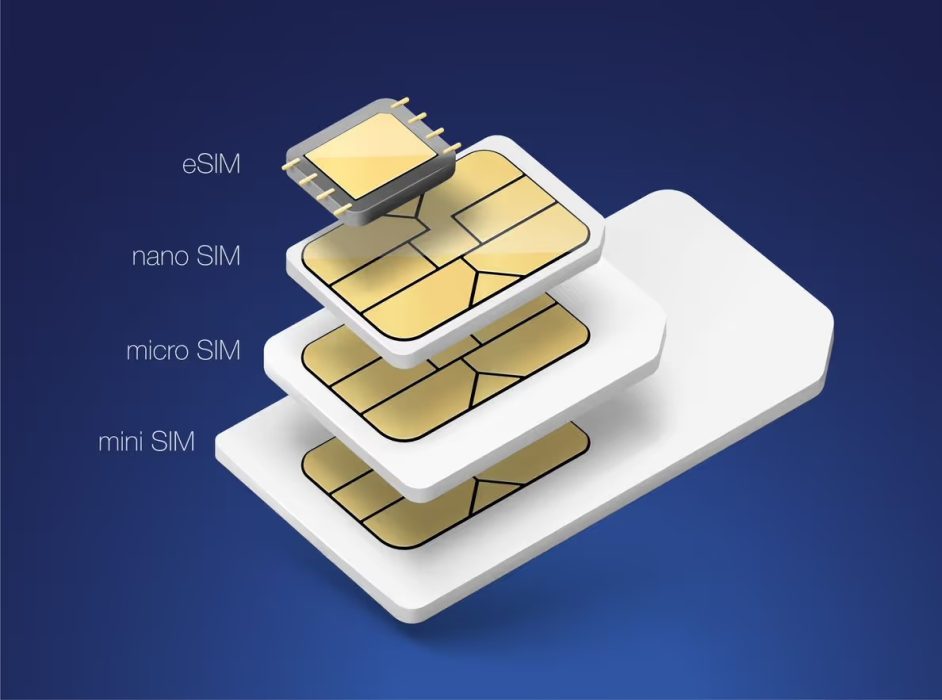
Handling physical SIM cards can feel inconvenient during travel. You need to remove, store, and replace cards when you move between regions. This process may lead to loss or damage.
An eSIM removes the need for physical handling. Everything stays within the device, which makes management simple and efficient. Remote workers can focus on their work without dealing with small hardware changes.
Work demands can change based on projects and schedules. Some days require heavy data usage, while others involve lighter tasks. A fixed plan may not suit these changing needs.
A Nomad eSIM allows users to adjust their plans based on usage. They can upgrade or modify data limits without delay. This flexibility ensures that connectivity supports their work at all times.
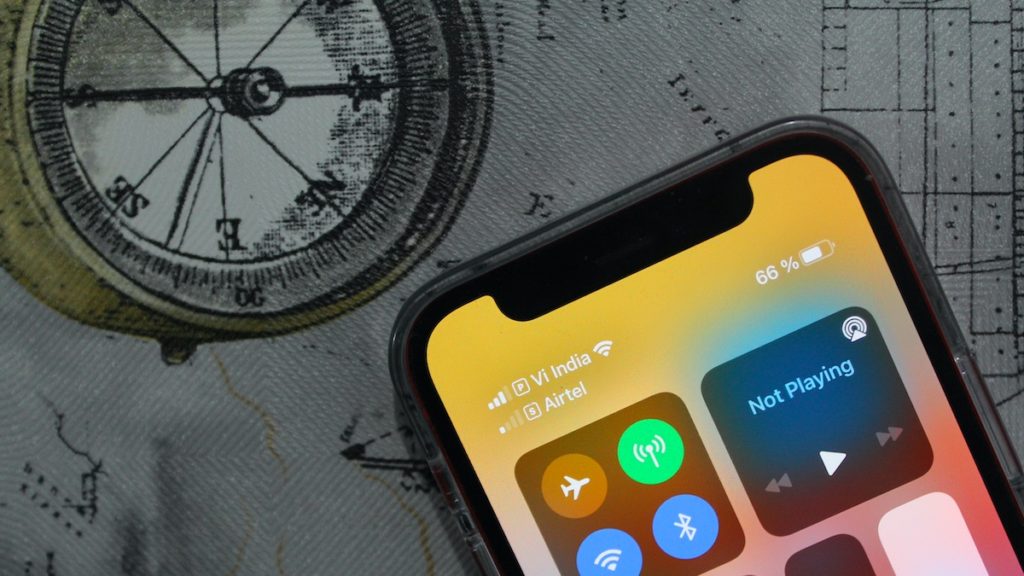
Remote workers may operate in different environments, from busy cities to quieter locations. Network strength can vary, which affects performance and speed. A weak connection can slow down work and cause delays.
An eSIM connects to partner networks that provide coverage in various regions. This helps maintain a stable connection in most locations. With better consistency, remote workers can complete tasks without interruption.
Professionals who rely on a Nomad eSIM notice how it simplifies their daily routine. They no longer need to search for SIM cards or adjust settings during travel. The connection starts quickly and stays active across different regions.
This convenience allows them to focus on work without distraction. Meetings, emails, and file sharing continue without delay. The overall experience feels smooth and reliable, even during frequent travel.
Remote work depends on stable and efficient connectivity. Traditional options may not always meet the demands of a mobile work routine. A flexible and reliable solution becomes essential for productivity.
An eSIM provides that solution by offering quick setup, strong data access, and easy management. It supports remote workers in different locations and helps them stay connected without effort. With the right approach, it becomes a valuable tool for modern work lifestyles.

Remote workers need a connection that stays available across different locations. Public Wi-Fi may not always provide stable performance, and it can create interruptions during important tasks. A dependable data source becomes essential in such situations.
An eSIM provides direct access to mobile networks without extra steps. This ensures that workers can stay connected even when Wi-Fi is not reliable. With consistent data access, daily tasks continue without disruption.
Time matters when work depends on a stable connection. Traditional SIM cards require manual setup, which can take longer than expected. Any delay in activation can affect schedules and deadlines.
An eSIM allows quick activation through a simple process. A QR code scan completes the setup within minutes, and the device connects to a supported network. This speed helps remote workers start their tasks without waiting.
Many remote professionals travel while they work. Moving between locations can create connectivity issues if each region requires a new SIM card. This process can interrupt workflow and add unnecessary effort.
An eSIM supports multiple regions within one plan. The device connects to local networks without manual changes, which keeps the connection active during travel. This seamless transition helps workers focus on their tasks instead of setting up.
Managing data usage plays an important role in remote work. Tasks such as video calls, file transfers, and cloud access can consume a large amount of data. Without proper control, usage can exceed limits quickly.
An eSIM allows users to track and adjust data usage directly on their device. This control helps remote workers plan their usage and avoid sudden interruptions. It also ensures that data remains available when needed.
Public Wi-Fi networks may not always provide a safe connection. Security risks can affect sensitive work data and create concerns for remote professionals. A secure connection becomes necessary for tasks that involve private information.
Mobile data through an eSIM offers a safer option compared to open networks. It reduces exposure to security risks and provides a more controlled environment. This adds confidence while handling work tasks on the move.
Handling physical SIM cards can feel inconvenient during travel. You need to remove, store, and replace cards when you move between regions. This process may lead to loss or damage.
An eSIM removes the need for physical handling. Everything stays within the device, which makes management simple and efficient. Remote workers can focus on their work without dealing with small hardware changes.
Work demands can change based on projects and schedules. Some days require heavy data usage, while others involve lighter tasks. A fixed plan may not suit these changing needs.
A Nomad eSIM allows users to adjust their plans based on usage. They can upgrade or modify data limits without delay. This flexibility ensures that connectivity supports their work at all times.
Remote workers may operate in different environments, from busy cities to quieter locations. Network strength can vary, which affects performance and speed. A weak connection can slow down work and cause delays.
An eSIM connects to partner networks that provide coverage in various regions. This helps maintain a stable connection in most locations. With better consistency, remote workers can complete tasks without interruption.
Professionals who rely on a Nomad eSIM notice how it simplifies their daily routine. They no longer need to search for SIM cards or adjust settings during travel. The connection starts quickly and stays active across different regions.
This convenience allows them to focus on work without distraction. Meetings, emails, and file sharing continue without delay. The overall experience feels smooth and reliable, even during frequent travel.
Remote work depends on stable and efficient connectivity. Traditional options may not always meet the demands of a mobile work routine. A flexible and reliable solution becomes essential for productivity.
An eSIM provides that solution by offering quick setup, strong data access, and easy management. It supports remote workers in different locations and helps them stay connected without effort. With the right approach, it becomes a valuable tool for modern work lifestyles.
Remote work has changed how people manage daily tasks, communication, and travel. A stable internet connection now stands at the center of productivity, especially for those who move between cities or countries. Any delay in connectivity can interrupt meetings, slow down tasks, and create avoidable stress during work hours.
A Nomad eSIM offers a practical solution that helps remote workers stay connected without a complex setup. It removes the need for physical SIM cards and allows quick access to mobile data across regions. This article explains why remote professionals rely on this technology and how it supports their work routine.
Remote workers need a connection that stays available across different locations. Public Wi-Fi may not always provide stable performance, and it can create interruptions during important tasks. A dependable data source becomes essential in such situations.
An eSIM provides direct access to mobile networks without extra steps. This ensures that workers can stay connected even when Wi-Fi is not reliable. With consistent data access, daily tasks continue without disruption.
Time matters when work depends on a stable connection. Traditional SIM cards require manual setup, which can take longer than expected. Any delay in activation can affect schedules and deadlines.
An eSIM allows quick activation through a simple process. A QR code scan completes the setup within minutes, and the device connects to a supported network. This speed helps remote workers start their tasks without waiting.
Many remote professionals travel while they work. Moving between locations can create connectivity issues if each region requires a new SIM card. This process can interrupt workflow and add unnecessary effort.
An eSIM supports multiple regions within one plan. The device connects to local networks without manual changes, which keeps the connection active during travel. This seamless transition helps workers focus on their tasks instead of setting up.
Managing data usage plays an important role in remote work. Tasks such as video calls, file transfers, and cloud access can consume a large amount of data. Without proper control, usage can exceed limits quickly.
An eSIM allows users to track and adjust data usage directly on their device. This control helps remote workers plan their usage and avoid sudden interruptions. It also ensures that data remains available when needed.
Public Wi-Fi networks may not always provide a safe connection. Security risks can affect sensitive work data and create concerns for remote professionals. A secure connection becomes necessary for tasks that involve private information.
Mobile data through an eSIM offers a safer option compared to open networks. It reduces exposure to security risks and provides a more controlled environment. This adds confidence while handling work tasks on the move.
Handling physical SIM cards can feel inconvenient during travel. You need to remove, store, and replace cards when you move between regions. This process may lead to loss or damage.
An eSIM removes the need for physical handling. Everything stays within the device, which makes management simple and efficient. Remote workers can focus on their work without dealing with small hardware changes.
Work demands can change based on projects and schedules. Some days require heavy data usage, while others involve lighter tasks. A fixed plan may not suit these changing needs.
A Nomad eSIM allows users to adjust their plans based on usage. They can upgrade or modify data limits without delay. This flexibility ensures that connectivity supports their work at all times.
Remote workers may operate in different environments, from busy cities to quieter locations. Network strength can vary, which affects performance and speed. A weak connection can slow down work and cause delays.
An eSIM connects to partner networks that provide coverage in various regions. This helps maintain a stable connection in most locations. With better consistency, remote workers can complete tasks without interruption.
Professionals who rely on a Nomad eSIM notice how it simplifies their daily routine. They no longer need to search for SIM cards or adjust settings during travel. The connection starts quickly and stays active across different regions.
This convenience allows them to focus on work without distraction. Meetings, emails, and file sharing continue without delay. The overall experience feels smooth and reliable, even during frequent travel.
Remote work depends on stable and efficient connectivity. Traditional options may not always meet the demands of a mobile work routine. A flexible and reliable solution becomes essential for productivity.
An eSIM provides that solution by offering quick setup, strong data access, and easy management. It supports remote workers in different locations and helps them stay connected without effort. With the right approach, it becomes a valuable tool for modern work lifestyles.
Remote work has changed how people manage daily tasks, communication, and travel. A stable internet…
Taylor Swift and Travis Kelce initially had their sights set on a marvelous coastal wedding,…
Katy Perry has announced that her set at the Werchter Boutique festival in Belgium has…