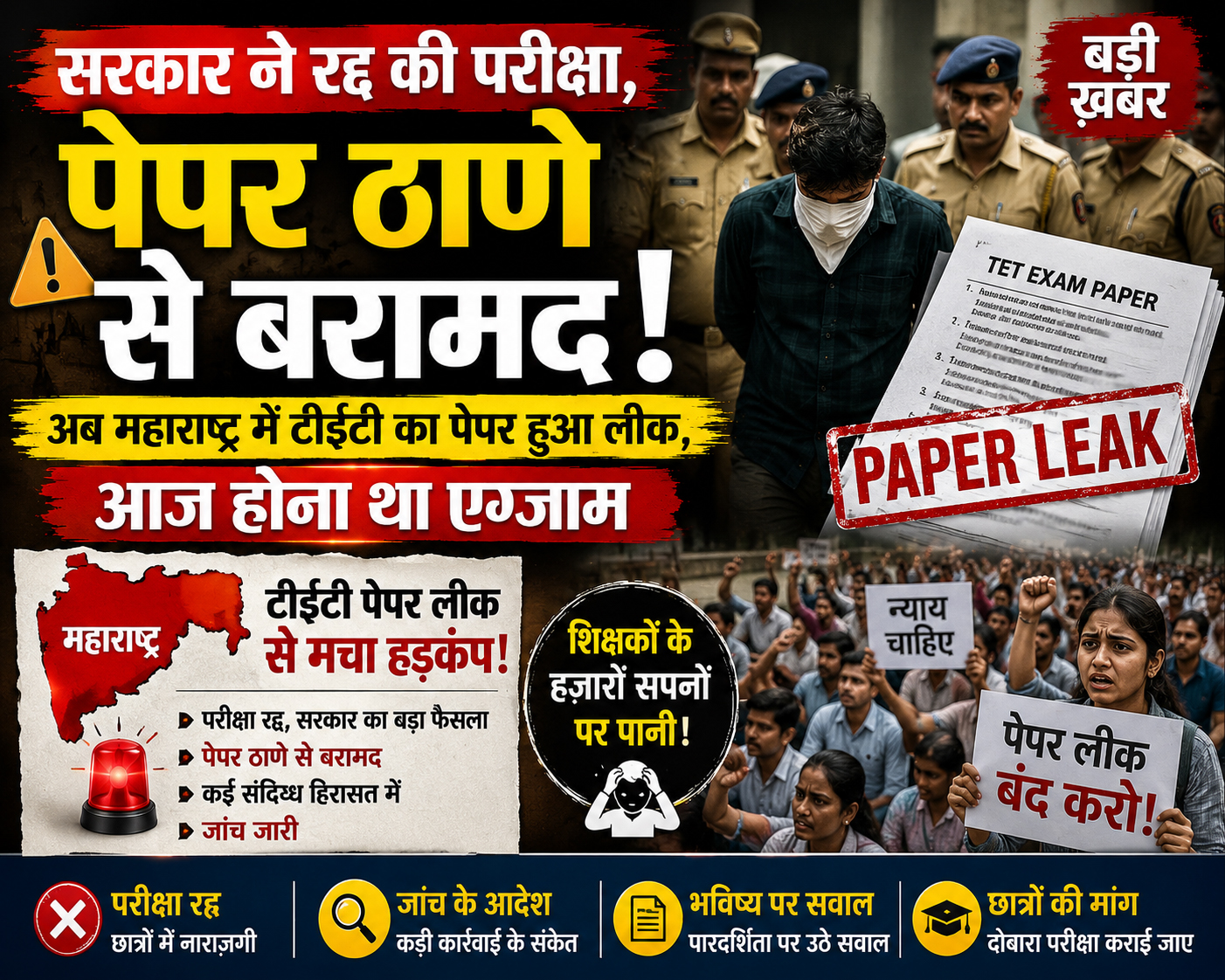
Maharashtra TET Paper Leak: सरकार ने रद्द की परीक्षा, पेपर ठाणे से बरामद; अब महाराष्ट्र में टीईटी का पेपर हुआ लीक, आज होना था एग्जाम – Vindhya Bhaskar
महाराष्ट्र में शिक्षक पात्रता परीक्षा (टीईटी) का पेपर करीब 24 घंटे पहले लीक हो गया।…
महाराष्ट्र में शिक्षक पात्रता परीक्षा (टीईटी) का पेपर करीब 24 घंटे पहले लीक हो गया।…
Iran has launched attacks on Bahrain and Kuwait after the United States struck five Iranian…

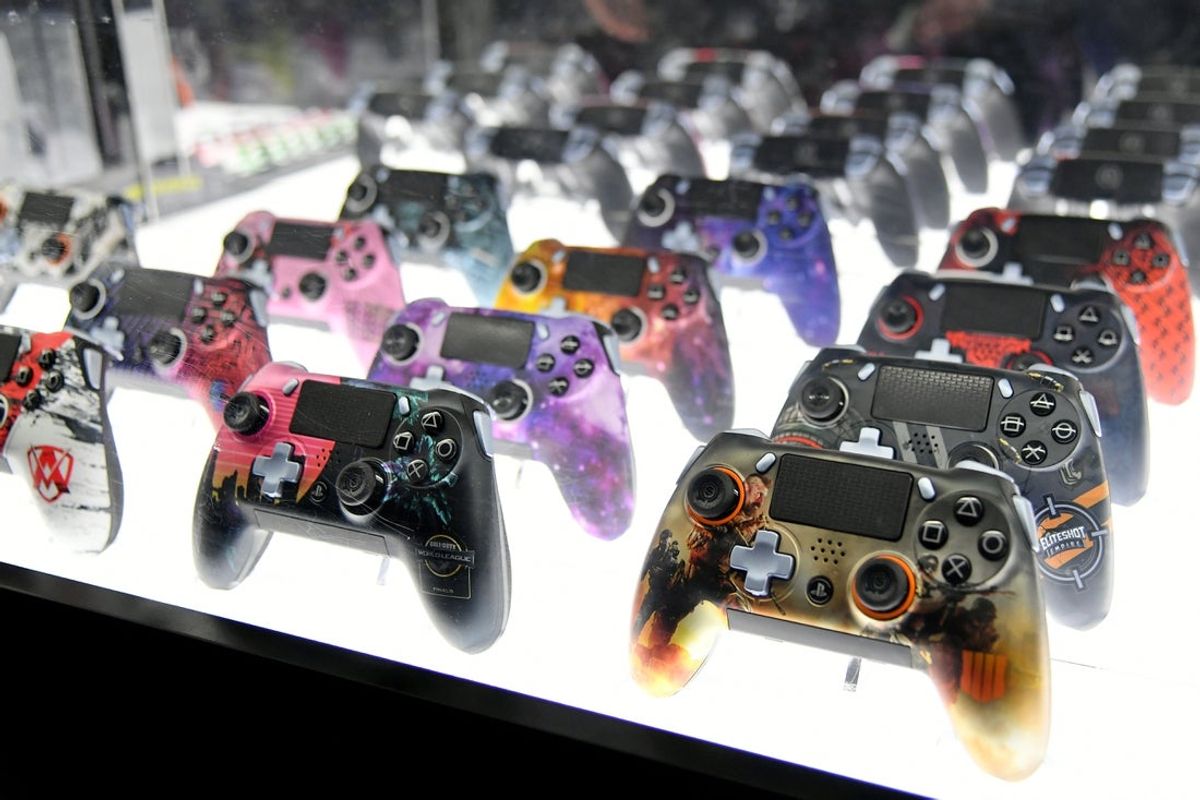 Jul 19, 2019; Miami Beach, FL, USA; A general view of custom PlayStation controllers sold by a vender during the Call of Duty League Finals e-sports event at Miami Beach Convention Center. Mandatory Credit: Jasen Vinlove-Imagn Images
 OpTic Texas charged into the upper-bracket final of the Call of Duty League Stage 4 Major, cruising to a 3-0 win over G2 Minnesota on Saturday in Nanterre, France.
OpTic move on to face Los Angeles Thieves, who eked out a 3-2 win over FaZe Vegas in the other upper-bracket semifinal.
Meanwhile, the host Paris Gentle Mates stayed alive with a pair of victories in the lower bracket. First, the Gentle Mates overtook the Miami Heretics 3-2. Then Paris ousted G2 Minnesota 3-1 in a lower-bracket quarterfinal match.
In the other lower-bracket quarterfinal, FaZe Vegas swept the Toronto KOI 3-0.
The 12 Call of Duty League teams played five qualifying matches apiece to determine seeding for the fourth major of the season, which is being held through Sunday with a $365,000 prize pool. The winning team earns $150,000 and 100 CDL points. All matches are best-of-five until the best-of-seven grand final.
On Saturday, Texas toppled Minnesota 250-186 on Scar Hardpoint, 6-2 on Gridlock Search and Destroy and 3-1 on Den Overload.
The United States’ Mason “Mercules” Ramsey produced 75 kills and a plus-11 kill-death differential. Cesar “Skyz” Bueno of the U.S. paced G2 with 64 kills and a minus-1 K-D differential.
The Thieves opened with a 250-202 win on Den Hardpoint and a 6-3 victory on Gridlock Search and Destroy, but FaZe equalized by taking Scar Overload 5-0 and Scar Hardpoint 250-141. On the decisive fifth map, Den Search and Destroy, Los Angeles prevailed 6-5.
France’s Paco “HyDra” Rusiewiez amassed 98 kills and a minus-7 K-D differential for the Thieves. The United States’ Jovan “04” Rodriguez totaled 119 kills and a plus-28 K-D differential for Vegas.
Miami jumped to a 2-1 edge on Paris by sandwiching a 250-167 victory on Gridlock Hardpoint and a 4-1 win on Gridlock Overload around a 6-2 loss on Fringe Search and Destroy. The Gentle Mates took the final two maps, 250-227 on Scar Hardpoint and 6-0 on Hacienda Search and Destroy.
Joseph “JoeDeceives” Romero of the U.S. carried Paris with 103 kills and a plus-22 K-D differential. David “RenKoR” Isern propelled the all-Spanish Heretics with 95 kills and a plus-17 K-D differential.
The Gentle Mates got off to a hot start in their second match of the day, taking Colossus Hardpoint 250-188 and Fringe Search and Destroy 6-4. Minnesota extended the contest by winning 4-3 on Den Overload, but Paris wrapped up the series by claiming Den Hardpoint 250-144.
JoeDeceives shined again, finishing with 106 kills and a plus-23 K-D differential. The United States’ Dylan “Envoy” Hannon wound up with 86 kills and a minus-21 K-D differential for G2.
Vegas blitzed the KOI 250-208 on Gridlock Hardpoint, 6-2 on Fringe Search and Destroy and 8-2 on Scar Overload behind the United States’ Zachary “Drazah” Jordan (68 kills and a plus-17 K-D differential). Jamie “Insight” Craven of Great Britain and Nicholas “Kips” Lyons of the U.S. each had 55 kills for Toronto.
The Sunday schedule
–Upper-bracket final: Los Angeles Thieves vs. OpTic Texas
–Lower-bracket semifinal: Paris Gentle Mates vs. FaZe Vegas
–Lower-bracket final: Los Angeles/Texas winner vs. Paris/Vegas winner
–Grand final: upper-bracket winner vs. lower-bracket winner
Call of Duty League Stage 4 Major prize pool (Money winnings, CDL points)
1. $150,000, 100 — TBD
2. $90,000, 75 — TBD
3. $50,000, 60 — TBD
4. $30,000, 45 — TBD
5-6. $15,000, 30 — G2 Minnesota, Toronto KOI
7-8. $7,500, 15 — Boston Breach, Miami Heretics
9-12. no money, no points — Carolina Royal Ravens, Cloud9 New York, Riyadh Falcons, Vancouver Surge
–Field Level Media
Jul 19, 2019; Miami Beach, FL, USA; A general view of custom PlayStation controllers sold by a vender during the Call of Duty League Finals e-sports event at Miami Beach Convention Center. Mandatory Credit: Jasen Vinlove-Imagn Images OpTic Texas charged into the upper-bracket final of the Call of Duty League Stage 4 Major, cruising to a 3-0 win over G2 Minnesota on Saturday in Nanterre, France.
OpTic move on to face Los Angeles Thieves, who eked out a 3-2 win over FaZe Vegas in the other upper-bracket semifinal.
Meanwhile, the host Paris Gentle Mates stayed alive with a pair of victories in the lower bracket. First, the Gentle Mates overtook the Miami Heretics 3-2. Then Paris ousted G2 Minnesota 3-1 in a lower-bracket quarterfinal match.
In the other lower-bracket quarterfinal, FaZe Vegas swept the Toronto KOI 3-0.
The 12 Call of Duty League teams played five qualifying matches apiece to determine seeding for the fourth major of the season, which is being held through Sunday with a $365,000 prize pool. The winning team earns $150,000 and 100 CDL points. All matches are best-of-five until the best-of-seven grand final.
On Saturday, Texas toppled Minnesota 250-186 on Scar Hardpoint, 6-2 on Gridlock Search and Destroy and 3-1 on Den Overload.
The United States’ Mason “Mercules” Ramsey produced 75 kills and a plus-11 kill-death differential. Cesar “Skyz” Bueno of the U.S. paced G2 with 64 kills and a minus-1 K-D differential.
The Thieves opened with a 250-202 win on Den Hardpoint and a 6-3 victory on Gridlock Search and Destroy, but FaZe equalized by taking Scar Overload 5-0 and Scar Hardpoint 250-141. On the decisive fifth map, Den Search and Destroy, Los Angeles prevailed 6-5.
France’s Paco “HyDra” Rusiewiez amassed 98 kills and a minus-7 K-D differential for the Thieves. The United States’ Jovan “04” Rodriguez totaled 119 kills and a plus-28 K-D differential for Vegas.
Miami jumped to a 2-1 edge on Paris by sandwiching a 250-167 victory on Gridlock Hardpoint and a 4-1 win on Gridlock Overload around a 6-2 loss on Fringe Search and Destroy. The Gentle Mates took the final two maps, 250-227 on Scar Hardpoint and 6-0 on Hacienda Search and Destroy.
Joseph “JoeDeceives” Romero of the U.S. carried Paris with 103 kills and a plus-22 K-D differential. David “RenKoR” Isern propelled the all-Spanish Heretics with 95 kills and a plus-17 K-D differential.
The Gentle Mates got off to a hot start in their second match of the day, taking Colossus Hardpoint 250-188 and Fringe Search and Destroy 6-4. Minnesota extended the contest by winning 4-3 on Den Overload, but Paris wrapped up the series by claiming Den Hardpoint 250-144.
JoeDeceives shined again, finishing with 106 kills and a plus-23 K-D differential. The United States’ Dylan “Envoy” Hannon wound up with 86 kills and a minus-21 K-D differential for G2.
Vegas blitzed the KOI 250-208 on Gridlock Hardpoint, 6-2 on Fringe Search and Destroy and 8-2 on Scar Overload behind the United States’ Zachary “Drazah” Jordan (68 kills and a plus-17 K-D differential). Jamie “Insight” Craven of Great Britain and Nicholas “Kips” Lyons of the U.S. each had 55 kills for Toronto.
The Sunday schedule
–Upper-bracket final: Los Angeles Thieves vs. OpTic Texas
–Lower-bracket semifinal: Paris Gentle Mates vs. FaZe Vegas
–Lower-bracket final: Los Angeles/Texas winner vs. Paris/Vegas winner
–Grand final: upper-bracket winner vs. lower-bracket winner
Call of Duty League Stage 4 Major prize pool (Money winnings, CDL points)
1. $150,000, 100 — TBD
2. $90,000, 75 — TBD
3. $50,000, 60 — TBD
4. $30,000, 45 — TBD
5-6. $15,000, 30 — G2 Minnesota, Toronto KOI
7-8. $7,500, 15 — Boston Breach, Miami Heretics
9-12. no money, no points — Carolina Royal Ravens, Cloud9 New York, Riyadh Falcons, Vancouver Surge
–Field Level Media
Jul 19, 2019; Miami Beach, FL, USA; A general view of custom PlayStation controllers sold…
इंदौर की लसूड़िया थाना पुलिस ने बिना वैधानिक अनुमति आयोजित किए जा रहे एक प्राइवेट…
I’ve seen lots of so-called “smart” bike locks over the years, but none so far could justify the added cost. A newcomer that got its start securing ATMs for banks is trying to change that. There’s nothing wholly unique about the TMD Chain Lock, but the combination of materials, performance, and insurance-friendly ART-2 certification makes it worth considering.
TMD’s first bicycle lock combines a Bluetooth proximity sensor and motion alarm with a slender core of hardened steel chain wrapped in a soft and lightweight sleeve of high performance Dyneema and Kevlar fibers. That makes this lock tough, yet flexible enough to conveniently wrap around your seat post when cycling. TMD also designed the keyless lock to be shareable with friends and family, and capable of withstanding shock, rain, dust, and extreme temperatures. That makes it highly suited to city bikes parked outside and ridden all year long.
I like the TMD Chain Lock I’ve been testing, but spending €249 (about $283) on something that typically costs far less is a big ask.


$280
The chasm separating ATM security from bike security isn’t as wide as it might seem. TMD developed a centralized, keyless system for banks to authorize access to its ATMs for service, replacing the physical master keys that created a massive security risk whenever they were lost or stolen. It’s this same keyless knowhow that TMD now brings to the Bluetooth bike lock.
There are many advantages to turning phones into digital keys, especially in bike-centric societies like the Netherlands, which TMD calls home. For example, I could ride to the train station and have an authorized friend pick the bike up later. And the keyless convenience quickly adds up for those of us that use our bikes to commute to work, pick up the kids from daycare and football, run errands, and shop for groceries. In my home city of Amsterdam, it’s not unusual to grab my keys more than a dozen times a day to lock and unlock my bike.
I tested the TMD Bike Lock in the 110cm (about 3.5 feet) length with an iPhone 15 Pro running the latest version of iOS. Generally — I’d say 19 out of every 20 attempts — the TMD Chain Lock immediately recognized my approach, allowing me to seamlessly unlock it with a push on the lock’s only button. When I did have to wait, it took no more than a second for the button to flash blue, indicating the lock had detected my nearby phone in a pocket or bag. Pretty good, but that convenience comes with some tradeoffs.


For example, my bike remained within range of my phone when parked outside a cafe, so anyone could have walked up and unlocked it. I had the same issue when cooking in my kitchen with the bike parked just outside the window, as I normally do. In both cases, I either had to move the bike or turn off my phone’s Bluetooth radio. And since my phone is now my bike key, if it’s stolen, my much more expensive e-bike is vulnerable as well.
TMD says its Chain Lock is “immune to conventional drilling and picking,” but all bike locks can be defeated by a determined thief. The Chain Lock has earned an ART-2 certification issued by an independent Dutch organization that tests and certifies bike locks on a scale from one to five. Most Dutch insurance companies require ART-2 at a minimum to validate policies on expensive e-bikes and cargo bikes. It’s akin to something like a Sold Secure Silver or Gold rating in the UK, a 2 Roues in France, and VdS approval in Germany. (The US and Canada do not have a single, centralized, independent testing body that dictates insurance requirements for bicycles.) Should your bike be stolen, you can produce a digital log file for the insurance company from within the TMD app as official proof that your bike was locked.
To deter theft, the lock also features an integrated motion alarm that can be armed and disarmed in the app or with a double press of the lock’s button. At 100dB it’s less shrill than I expected, but it does the job when it senses the lock being jostled. It shuts off automatically after about 10 seconds of inactivity.
TMD tells me that a future software update will let you disable these sounds.
The lock is rather noisy in day-to-day usage. Unlocking it is accompanied by a loud tone that hits 75dB when measured at a distance of one meter. I hate that it draws attention to me and my expensive e-bike. Just flash green and unlock — that’s more than enough. TMD tells me that a future software update will let you disable these sounds.
TMD claims the lock’s battery will last up to nine months on a single charge. However, my test unit has already dropped 16 percent after a week of testing, suggesting a lifespan closer to six or seven weeks. But that’s likely because I store my bikes inside my house when not in use, so the lock’s Bluetooth radio is constantly being lit up by my phone’s proximity.
To prevent water and dust ingress and leave more room for the battery and speaker, TMD says it opted for a shallow magnetic pin connector – not USB-C – to charge the Chain Lock. That’s a shame because plenty of phones have USB-C ports and offer even better IP68/69 protection against rain and debris. That means you’ll need to have the lock’s proprietary cable on you should you ignore the low-battery warnings and let it die. It can be quickly recovered, however: I saw a completely dead (and locked) Chain Lock spring back to life after just two or three minutes of charging off the USB-C port of an iPhone.
You can still unlock the TMD Chain Lock should your phone die. You just have to tap in your four digit “emergency code” on the lock’s button. Choosing a code like 1324 would require 1 push, then 3 pushes, then 2, and 4. The ring around the button changes colors to visually prompt you for each new number. The TMD app also lets you share the lock with friends and family, who can also come to your rescue with their own phones.
1/6
For added peace of mind, it’s always a good idea to double-lock your bike, so most urban cyclists combine a chain lock with a ring lock that’s permanently mounted to the frame and prevents the rear wheel from spinning. TMD has already announced an “anti angle grinder” U-Lock and GPS-equipped Ring Lock coming later this year. Having my phone unlock both of my bike’s locks simultaneously would really up the convenience factor and better justify TMD’s pricing.
Right now, paying €249 when equivalent analog bike locks costs a quarter of that would be foolish for most people. The ART-2 certified ABUS 8900, for example, in the same flexible 110cm length, costs around €60 (about $68). If you can afford the TMD Chain Lock and really hate keys, or need a keyless lock that can be shared digitally with others, then have at it. Otherwise, it won’t justify its exorbitant price.
All photography by Thomas Ricker / The Verge

I’ve seen lots of so-called “smart” bike locks over the years, but none so far could justify the added cost. A newcomer that got its start securing ATMs for banks is trying to change that. There’s nothing wholly unique about the TMD Chain Lock, but the combination of materials, performance, and insurance-friendly ART-2 certification makes it worth considering.
TMD’s first bicycle lock combines a Bluetooth proximity sensor and motion alarm with a slender core of hardened steel chain wrapped in a soft and lightweight sleeve of high performance Dyneema and Kevlar fibers. That makes this lock tough, yet flexible enough to conveniently wrap around your seat post when cycling. TMD also designed the keyless lock to be shareable with friends and family, and capable of withstanding shock, rain, dust, and extreme temperatures. That makes it highly suited to city bikes parked outside and ridden all year long.
I like the TMD Chain Lock I’ve been testing, but spending €249 (about $283) on something that typically costs far less is a big ask.
$280
The chasm separating ATM security from bike security isn’t as wide as it might seem. TMD developed a centralized, keyless system for banks to authorize access to its ATMs for service, replacing the physical master keys that created a massive security risk whenever they were lost or stolen. It’s this same keyless knowhow that TMD now brings to the Bluetooth bike lock.
There are many advantages to turning phones into digital keys, especially in bike-centric societies like the Netherlands, which TMD calls home. For example, I could ride to the train station and have an authorized friend pick the bike up later. And the keyless convenience quickly adds up for those of us that use our bikes to commute to work, pick up the kids from daycare and football, run errands, and shop for groceries. In my home city of Amsterdam, it’s not unusual to grab my keys more than a dozen times a day to lock and unlock my bike.
I tested the TMD Bike Lock in the 110cm (about 3.5 feet) length with an iPhone 15 Pro running the latest version of iOS. Generally — I’d say 19 out of every 20 attempts — the TMD Chain Lock immediately recognized my approach, allowing me to seamlessly unlock it with a push on the lock’s only button. When I did have to wait, it took no more than a second for the button to flash blue, indicating the lock had detected my nearby phone in a pocket or bag. Pretty good, but that convenience comes with some tradeoffs.
For example, my bike remained within range of my phone when parked outside a cafe, so anyone could have walked up and unlocked it. I had the same issue when cooking in my kitchen with the bike parked just outside the window, as I normally do. In both cases, I either had to move the bike or turn off my phone’s Bluetooth radio. And since my phone is now my bike key, if it’s stolen, my much more expensive e-bike is vulnerable as well.
TMD says its Chain Lock is “immune to conventional drilling and picking,” but all bike locks can be defeated by a determined thief. The Chain Lock has earned an ART-2 certification issued by an independent Dutch organization that tests and certifies bike locks on a scale from one to five. Most Dutch insurance companies require ART-2 at a minimum to validate policies on expensive e-bikes and cargo bikes. It’s akin to something like a Sold Secure Silver or Gold rating in the UK, a 2 Roues in France, and VdS approval in Germany. (The US and Canada do not have a single, centralized, independent testing body that dictates insurance requirements for bicycles.) Should your bike be stolen, you can produce a digital log file for the insurance company from within the TMD app as official proof that your bike was locked.
To deter theft, the lock also features an integrated motion alarm that can be armed and disarmed in the app or with a double press of the lock’s button. At 100dB it’s less shrill than I expected, but it does the job when it senses the lock being jostled. It shuts off automatically after about 10 seconds of inactivity.
TMD tells me that a future software update will let you disable these sounds.
The lock is rather noisy in day-to-day usage. Unlocking it is accompanied by a loud tone that hits 75dB when measured at a distance of one meter. I hate that it draws attention to me and my expensive e-bike. Just flash green and unlock — that’s more than enough. TMD tells me that a future software update will let you disable these sounds.
TMD claims the lock’s battery will last up to nine months on a single charge. However, my test unit has already dropped 16 percent after a week of testing, suggesting a lifespan closer to six or seven weeks. But that’s likely because I store my bikes inside my house when not in use, so the lock’s Bluetooth radio is constantly being lit up by my phone’s proximity.
To prevent water and dust ingress and leave more room for the battery and speaker, TMD says it opted for a shallow magnetic pin connector – not USB-C – to charge the Chain Lock. That’s a shame because plenty of phones have USB-C ports and offer even better IP68/69 protection against rain and debris. That means you’ll need to have the lock’s proprietary cable on you should you ignore the low-battery warnings and let it die. It can be quickly recovered, however: I saw a completely dead (and locked) Chain Lock spring back to life after just two or three minutes of charging off the USB-C port of an iPhone.
You can still unlock the TMD Chain Lock should your phone die. You just have to tap in your four digit “emergency code” on the lock’s button. Choosing a code like 1324 would require 1 push, then 3 pushes, then 2, and 4. The ring around the button changes colors to visually prompt you for each new number. The TMD app also lets you share the lock with friends and family, who can also come to your rescue with their own phones.
1/6
For added peace of mind, it’s always a good idea to double-lock your bike, so most urban cyclists combine a chain lock with a ring lock that’s permanently mounted to the frame and prevents the rear wheel from spinning. TMD has already announced an “anti angle grinder” U-Lock and GPS-equipped Ring Lock coming later this year. Having my phone unlock both of my bike’s locks simultaneously would really up the convenience factor and better justify TMD’s pricing.
Right now, paying €249 when equivalent analog bike locks costs a quarter of that would be foolish for most people. The ART-2 certified ABUS 8900, for example, in the same flexible 110cm length, costs around €60 (about $68). If you can afford the TMD Chain Lock and really hate keys, or need a keyless lock that can be shared digitally with others, then have at it. Otherwise, it won’t justify its exorbitant price.
All photography by Thomas Ricker / The Verge
I’ve seen lots of so-called “smart” bike locks over the years, but none so far could justify the added cost. A newcomer that got its start securing ATMs for banks is trying to change that. There’s nothing wholly unique about the TMD Chain Lock, but the combination of materials, performance, and insurance-friendly ART-2 certification makes it worth considering.
TMD’s first bicycle lock combines a Bluetooth proximity sensor and motion alarm with a slender core of hardened steel chain wrapped in a soft and lightweight sleeve of high performance Dyneema and Kevlar fibers. That makes this lock tough, yet flexible enough to conveniently wrap around your seat post when cycling. TMD also designed the keyless lock to be shareable with friends and family, and capable of withstanding shock, rain, dust, and extreme temperatures. That makes it highly suited to city bikes parked outside and ridden all year long.
I like the TMD Chain Lock I’ve been testing, but spending €249 (about $283) on something that typically costs far less is a big ask.
$280
The chasm separating ATM security from bike security isn’t as wide as it might seem. TMD developed a centralized, keyless system for banks to authorize access to its ATMs for service, replacing the physical master keys that created a massive security risk whenever they were lost or stolen. It’s this same keyless knowhow that TMD now brings to the Bluetooth bike lock.
There are many advantages to turning phones into digital keys, especially in bike-centric societies like the Netherlands, which TMD calls home. For example, I could ride to the train station and have an authorized friend pick the bike up later. And the keyless convenience quickly adds up for those of us that use our bikes to commute to work, pick up the kids from daycare and football, run errands, and shop for groceries. In my home city of Amsterdam, it’s not unusual to grab my keys more than a dozen times a day to lock and unlock my bike.
I tested the TMD Bike Lock in the 110cm (about 3.5 feet) length with an iPhone 15 Pro running the latest version of iOS. Generally — I’d say 19 out of every 20 attempts — the TMD Chain Lock immediately recognized my approach, allowing me to seamlessly unlock it with a push on the lock’s only button. When I did have to wait, it took no more than a second for the button to flash blue, indicating the lock had detected my nearby phone in a pocket or bag. Pretty good, but that convenience comes with some tradeoffs.


For example, my bike remained within range of my phone when parked outside a cafe, so anyone could have walked up and unlocked it. I had the same issue when cooking in my kitchen with the bike parked just outside the window, as I normally do. In both cases, I either had to move the bike or turn off my phone’s Bluetooth radio. And since my phone is now my bike key, if it’s stolen, my much more expensive e-bike is vulnerable as well.
TMD says its Chain Lock is “immune to conventional drilling and picking,” but all bike locks can be defeated by a determined thief. The Chain Lock has earned an ART-2 certification issued by an independent Dutch organization that tests and certifies bike locks on a scale from one to five. Most Dutch insurance companies require ART-2 at a minimum to validate policies on expensive e-bikes and cargo bikes. It’s akin to something like a Sold Secure Silver or Gold rating in the UK, a 2 Roues in France, and VdS approval in Germany. (The US and Canada do not have a single, centralized, independent testing body that dictates insurance requirements for bicycles.) Should your bike be stolen, you can produce a digital log file for the insurance company from within the TMD app as official proof that your bike was locked.
To deter theft, the lock also features an integrated motion alarm that can be armed and disarmed in the app or with a double press of the lock’s button. At 100dB it’s less shrill than I expected, but it does the job when it senses the lock being jostled. It shuts off automatically after about 10 seconds of inactivity.
TMD tells me that a future software update will let you disable these sounds.
The lock is rather noisy in day-to-day usage. Unlocking it is accompanied by a loud tone that hits 75dB when measured at a distance of one meter. I hate that it draws attention to me and my expensive e-bike. Just flash green and unlock — that’s more than enough. TMD tells me that a future software update will let you disable these sounds.
TMD claims the lock’s battery will last up to nine months on a single charge. However, my test unit has already dropped 16 percent after a week of testing, suggesting a lifespan closer to six or seven weeks. But that’s likely because I store my bikes inside my house when not in use, so the lock’s Bluetooth radio is constantly being lit up by my phone’s proximity.
To prevent water and dust ingress and leave more room for the battery and speaker, TMD says it opted for a shallow magnetic pin connector – not USB-C – to charge the Chain Lock. That’s a shame because plenty of phones have USB-C ports and offer even better IP68/69 protection against rain and debris. That means you’ll need to have the lock’s proprietary cable on you should you ignore the low-battery warnings and let it die. It can be quickly recovered, however: I saw a completely dead (and locked) Chain Lock spring back to life after just two or three minutes of charging off the USB-C port of an iPhone.
You can still unlock the TMD Chain Lock should your phone die. You just have to tap in your four digit “emergency code” on the lock’s button. Choosing a code like 1324 would require 1 push, then 3 pushes, then 2, and 4. The ring around the button changes colors to visually prompt you for each new number. The TMD app also lets you share the lock with friends and family, who can also come to your rescue with their own phones.
1/6
For added peace of mind, it’s always a good idea to double-lock your bike, so most urban cyclists combine a chain lock with a ring lock that’s permanently mounted to the frame and prevents the rear wheel from spinning. TMD has already announced an “anti angle grinder” U-Lock and GPS-equipped Ring Lock coming later this year. Having my phone unlock both of my bike’s locks simultaneously would really up the convenience factor and better justify TMD’s pricing.
Right now, paying €249 when equivalent analog bike locks costs a quarter of that would be foolish for most people. The ART-2 certified ABUS 8900, for example, in the same flexible 110cm length, costs around €60 (about $68). If you can afford the TMD Chain Lock and really hate keys, or need a keyless lock that can be shared digitally with others, then have at it. Otherwise, it won’t justify its exorbitant price.
All photography by Thomas Ricker / The Verge
I’ve seen lots of so-called “smart” bike locks over the years, but none so far…
It wasn’t just radical modifications such as square-toe Air Max 90s and laceless, slip-on Air…
For his elegant spring 2027 collection, Takuya Morikawa turned to flowers and Irving Penn photographs —…
A surprise new Dungeons and Dragons sourcebook expansion is arriving on July 28, and this…
{"_id":"6a40ca8bac2dea67cb0d2344","slug":"bhu-invites-applications-for-group-b-and-c-non-teaching-vacancies-check-eligibility-details-2026-06-28","type":"feature-story","status":"publish","title_hn":"BHU Non-Teaching Vacancy: बीएचयू भारत कला भवन में ग्रुप-बी, सी पदों पर निकली भर्ती; जानें…

Saturday at the 2026 FIFA World Cup will complete group play in Group J.
Argentina has already clinched Group J, and will advance to the Round of 32 where they will play tournament darlings Cabo Verde. While Jordan has already been eliminated, both Austria and Algeria are in contention for spots in the knockout round.
Here are the remaining scenarios in Group J ahead of the final day of matches in group play.
Here are the current standings in Group J, ahead of matches set for Saturday, June 27.
Team | W | D | L | GF | GA | GD | Points |
|---|---|---|---|---|---|---|---|
| Argentina | 2 | 0 | 0 | 5 | 0 | +5 | 6 |
| Austria | 1 | 0 | 1 | 3 | 3 | 0 | 3 |
| Algeria | 1 | 0 | 1 | 2 | 4 | -2 | 3 |
| Jordan | 0 | 0 | 2 | 2 | 5 | -3 | 0 |
Here are the times for Saturday’s final matches. All times listed are Eastern.
Argentina 2, Austria 0
Algeria 2, Jordan 1
Algeria vs. Austria, 10:00 p.m.
Jordan vs. Argentina, 10:00 p.m.
Here are the scenarios ahead of the final day of matches, set for June 27. These scenarios involve automatic qualification for the Round of 32 as one of the top two teams in the group. Teams can still advance as a third-place team, and for more on those standings we have you covered here. In addition, teams that are “eliminated” are guaranteed to finish fourth in their group.
Argentina has already won Group J, and they will play the second-place team from Group H in the Round of 32
Austria will clinch second in Group J, and a match against the winners of Group H, with a win or draw against Algeria.
Algeria will clinch second in Group J, and a match against the winners of Group H, with a win against Austria.
Jordan has already been eliminated from the knockout rounds.
Here is how tiebreakers work at the World Cup this year. If two or more teams in the same group are equal on points following the group stage, a three-step process will be followed to determine tiebreakers.
In the first step, the greatest number of points in the group matches between the tied teams will be applied. Then, the superior goal difference from the group matches between the tied teams will be applied, and finally, the greatest number of goals scored in all group matches between the tied teams will be applied.
If that cannot determine a tiebreaker, then the teams that are still equal will advance to step two. In this stage, the first step is the goal difference in all group matches, then the greatest number of goals in all group matches, and finally the highest team conduct score (relating to yellow and red cards) will be applied.
If that does not break the tie, then the teams still equal on points will be ranked according to the most recent FIFA World Rankings.
That first step, which reads “greatest number of points obtained in the group matches between the teams concerned” according to FIFA, effectively turns into a head-to-head tiebreaker in the case of ties between two teams.
The only real tiebreaker to consider comes to us courtesy of the match between Algeria and Austria. As noted above, Austria clinches the second spot with a win or a draw, and that is due to the goal differential tiebreaker. If that match remains tied, both Austria and Algeria would finish with four points. But when you apply the goal differential, Austria would finish with a 0 goal differential, while Algeria would finish with a -2.
That would clinch second place in Group J for Austria.
Saturday at the 2026 FIFA World Cup will complete group play in Group J.
Argentina has already clinched Group J, and will advance to the Round of 32 where they will play tournament darlings Cabo Verde. While Jordan has already been eliminated, both Austria and Algeria are in contention for spots in the knockout round.
Here are the remaining scenarios in Group J ahead of the final day of matches in group play.
Here are the current standings in Group J, ahead of matches set for Saturday, June 27.
Team | W | D | L | GF | GA | GD | Points |
|---|---|---|---|---|---|---|---|
| Argentina | 2 | 0 | 0 | 5 | 0 | +5 | 6 |
| Austria | 1 | 0 | 1 | 3 | 3 | 0 | 3 |
| Algeria | 1 | 0 | 1 | 2 | 4 | -2 | 3 |
| Jordan | 0 | 0 | 2 | 2 | 5 | -3 | 0 |
Here are the times for Saturday’s final matches. All times listed are Eastern.
Argentina 2, Austria 0
Algeria 2, Jordan 1
Algeria vs. Austria, 10:00 p.m.
Jordan vs. Argentina, 10:00 p.m.
Here are the scenarios ahead of the final day of matches, set for June 27. These scenarios involve automatic qualification for the Round of 32 as one of the top two teams in the group. Teams can still advance as a third-place team, and for more on those standings we have you covered here. In addition, teams that are “eliminated” are guaranteed to finish fourth in their group.
Argentina has already won Group J, and they will play the second-place team from Group H in the Round of 32
Austria will clinch second in Group J, and a match against the winners of Group H, with a win or draw against Algeria.
Algeria will clinch second in Group J, and a match against the winners of Group H, with a win against Austria.
Jordan has already been eliminated from the knockout rounds.
Here is how tiebreakers work at the World Cup this year. If two or more teams in the same group are equal on points following the group stage, a three-step process will be followed to determine tiebreakers.
In the first step, the greatest number of points in the group matches between the tied teams will be applied. Then, the superior goal difference from the group matches between the tied teams will be applied, and finally, the greatest number of goals scored in all group matches between the tied teams will be applied.
If that cannot determine a tiebreaker, then the teams that are still equal will advance to step two. In this stage, the first step is the goal difference in all group matches, then the greatest number of goals in all group matches, and finally the highest team conduct score (relating to yellow and red cards) will be applied.
If that does not break the tie, then the teams still equal on points will be ranked according to the most recent FIFA World Rankings.
That first step, which reads “greatest number of points obtained in the group matches between the teams concerned” according to FIFA, effectively turns into a head-to-head tiebreaker in the case of ties between two teams.
The only real tiebreaker to consider comes to us courtesy of the match between Algeria and Austria. As noted above, Austria clinches the second spot with a win or a draw, and that is due to the goal differential tiebreaker. If that match remains tied, both Austria and Algeria would finish with four points. But when you apply the goal differential, Austria would finish with a 0 goal differential, while Algeria would finish with a -2.
That would clinch second place in Group J for Austria.
Saturday at the 2026 FIFA World Cup will complete group play in Group J.Argentina has…


