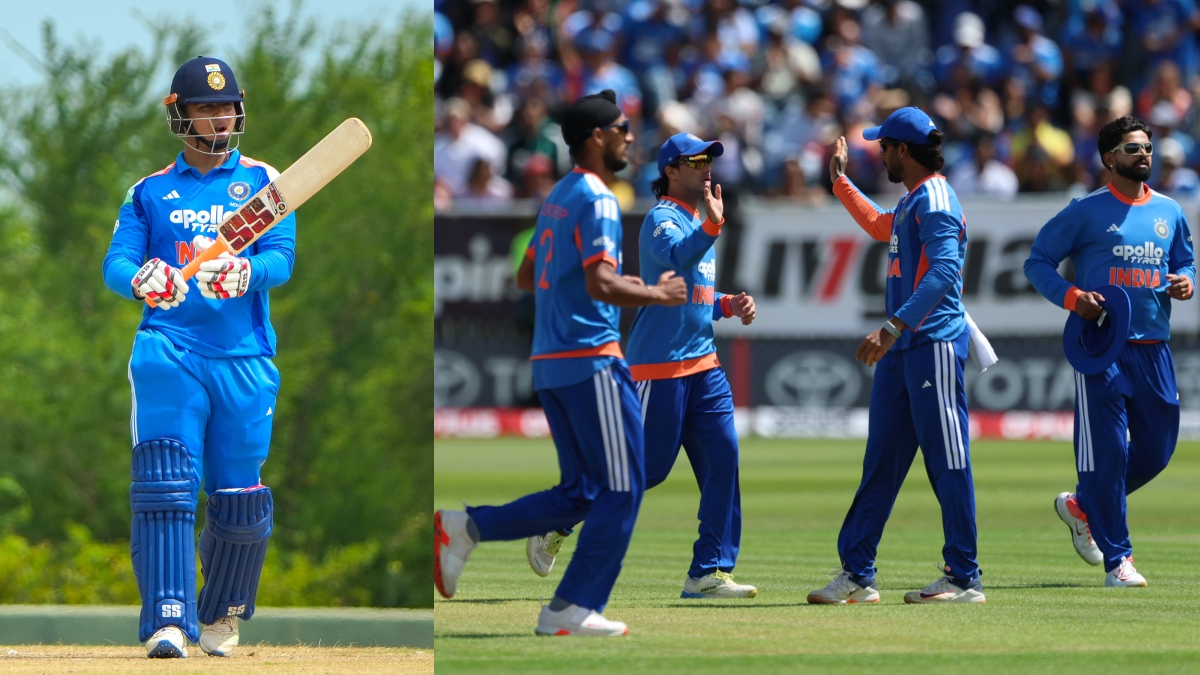
वैभव सूर्यवंशी को मिला मौका तो कौन होगा बाहर? इंग्लैंड के खिलाफ पहले T20I में ऐसी हो सकती है भारत की प्लेइंग XI
आयरलैंड के खिलाफ T20 सीरीज में करारी शिकस्त झेलने के बाद भारतीय टीम अब इंग्लैंड…
आयरलैंड के खिलाफ T20 सीरीज में करारी शिकस्त झेलने के बाद भारतीय टीम अब इंग्लैंड…
Az OpenAI bemutatta a…
Paramount Pictures and Blumhouse Atomic Monster have reportedly locked in their leading man for Paranormal…
निजी कंपनी की शैक्षणिक संस्था में 200 करोड़ रुपये के कथित घोटाले में की जांच…
"My best friend did. He didn't like how his wife changed after having kids. She…
अयोध्या राम मंदिर चढ़ावा चोरी मामले पर बागेश्वर धाम के पीठाधीश्वर पंडित धीरेंद्र कृष्ण शास्त्री…

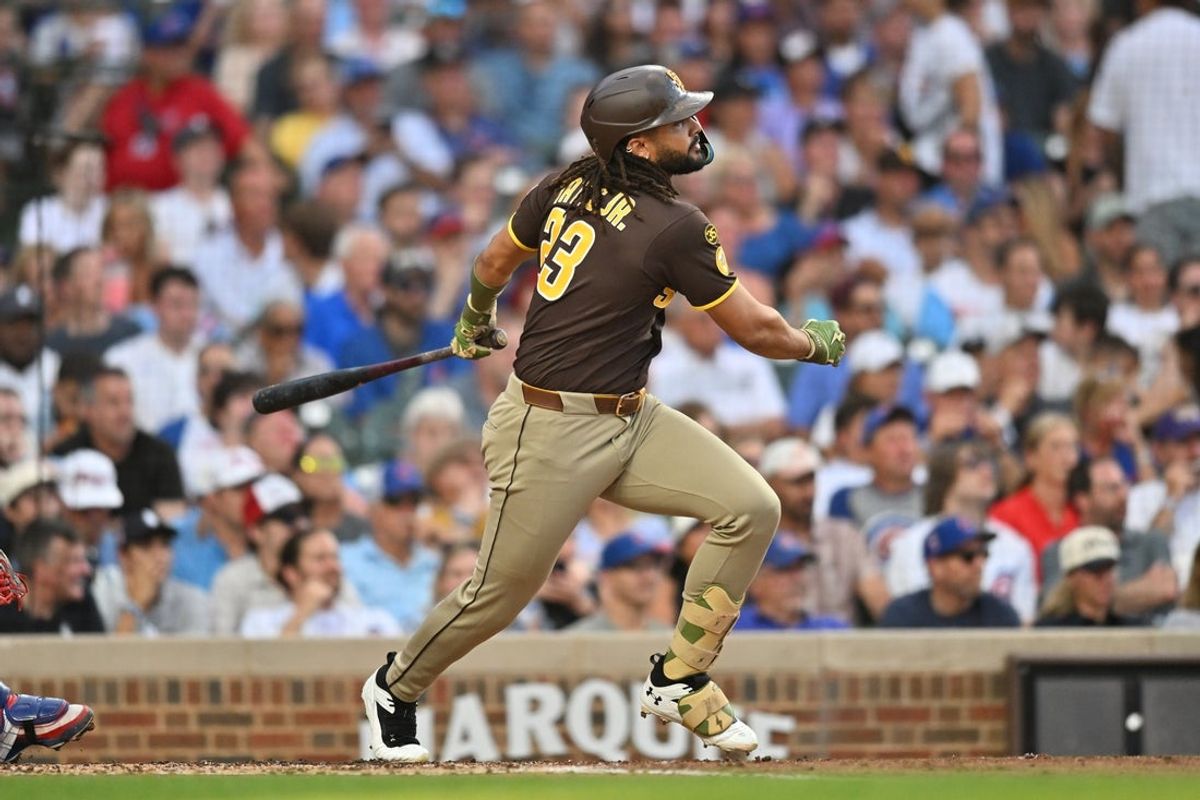 Jun 29, 2026; Chicago, Illinois, USA; San Diego Padres right fielder Fernando Tatis Jr. (23) reaches base on a fielder’s choice while at bat scoring one run against the Chicago Cubs during the third inning at Wrigley Field. Mandatory Credit: Patrick Gorski-Imagn Images
 Seiya Suzuki’s two-out RBI single in the bottom of the ninth inning Monday night lifted the Chicago Cubs to a 3-2 win over the visiting San Diego Padres.
Dansby Swanson started the winning rally with an infield single against Jason Adam (2-2). Pete Crow-Armstrong singled Swanson to second, and San Diego replaced Adam with Mason Miller.
Alex Bregman singled to fill the bases, but Michael Busch’s flyout to shallow left became a double play when Jase Bowen gunned down Swanson at the plate. However, Suzuki drove a slider to deep left and Bowen couldn’t hang on at the wall, allowing Crow-Armstrong to score the winning run.
Trent Thornton (3-2) worked around a one-out infield hit by Fernando Tatis Jr. in the ninth as Chicago prevailed for the seventh time in eight games. It was the third straight defeat for San Diego.
Neither starter was involved in the decision. San Diego’s Griffin Canning yielded two runs on five hits over 4 1/3 innings, walking two and striking out three. Chicago’s Shota Imanaga scattered nine hits in his 6 1/3 innings, allowing two runs with no walks and four strikeouts.
The Padres initiated the scoring in the top of the third when Tatis grounded into a fielder’s choice with men at second and third and one out. Freddy Fermin was retired at third, but Xander Bogaerts scored.
Bogaerts made it 2-0 in the fourth, rifling a double into the left field corner to score Miguel Andujar (3-for-4). It was Bogaerts’ second hit in as many innings after entering the game 0-for-10 against Imanaga.
The Cubs got on the board in the fourth via a two-out single from Michael Conforto that plated Suzuki, who had doubled to left with one out. The inning was extended when Canning plunked Nico Hoerner.
Chicago tied the score 2-2 in the fifth on a sacrifice fly by Suzuki that scored Dansby Swanson, who had hit a leadoff double.
Poor situational hitting kept the game even. The teams went a combined 5-for-24 with runners in scoring position and teamed to strand 20 runners.
–Field Level Media
Jun 29, 2026; Chicago, Illinois, USA; San Diego Padres right fielder Fernando Tatis Jr. (23) reaches base on a fielder’s choice while at bat scoring one run against the Chicago Cubs during the third inning at Wrigley Field. Mandatory Credit: Patrick Gorski-Imagn Images Seiya Suzuki’s two-out RBI single in the bottom of the ninth inning Monday night lifted the Chicago Cubs to a 3-2 win over the visiting San Diego Padres.
Dansby Swanson started the winning rally with an infield single against Jason Adam (2-2). Pete Crow-Armstrong singled Swanson to second, and San Diego replaced Adam with Mason Miller.
Alex Bregman singled to fill the bases, but Michael Busch’s flyout to shallow left became a double play when Jase Bowen gunned down Swanson at the plate. However, Suzuki drove a slider to deep left and Bowen couldn’t hang on at the wall, allowing Crow-Armstrong to score the winning run.
Trent Thornton (3-2) worked around a one-out infield hit by Fernando Tatis Jr. in the ninth as Chicago prevailed for the seventh time in eight games. It was the third straight defeat for San Diego.
Neither starter was involved in the decision. San Diego’s Griffin Canning yielded two runs on five hits over 4 1/3 innings, walking two and striking out three. Chicago’s Shota Imanaga scattered nine hits in his 6 1/3 innings, allowing two runs with no walks and four strikeouts.
The Padres initiated the scoring in the top of the third when Tatis grounded into a fielder’s choice with men at second and third and one out. Freddy Fermin was retired at third, but Xander Bogaerts scored.
Bogaerts made it 2-0 in the fourth, rifling a double into the left field corner to score Miguel Andujar (3-for-4). It was Bogaerts’ second hit in as many innings after entering the game 0-for-10 against Imanaga.
The Cubs got on the board in the fourth via a two-out single from Michael Conforto that plated Suzuki, who had doubled to left with one out. The inning was extended when Canning plunked Nico Hoerner.
Chicago tied the score 2-2 in the fifth on a sacrifice fly by Suzuki that scored Dansby Swanson, who had hit a leadoff double.
Poor situational hitting kept the game even. The teams went a combined 5-for-24 with runners in scoring position and teamed to strand 20 runners.
–Field Level Media
Jun 29, 2026; Chicago, Illinois, USA; San Diego Padres right fielder Fernando Tatis Jr. (23)…
जून महीने में देर से पहुंचे मानसून, कम बारिश, तेज धूप और उमस ने लोगों…

परिणीति चोपड़ा और राघव चड्ढा ने उज्जैन महाकाल में किए दर्शन, लिया आशीर्वाद; देखें वायरल…