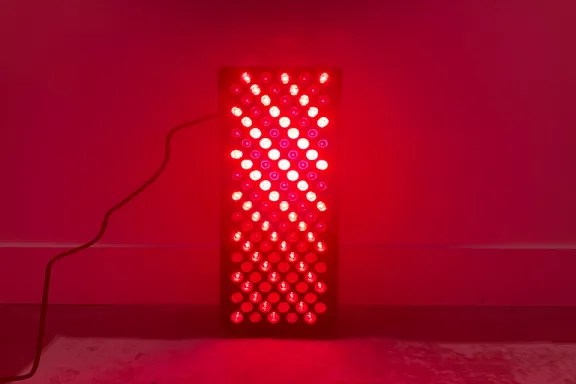
The glow used to come from serums. Now, increasingly, it comes from standing in front of a luminous panel that looks like it belongs backstage at fashion week. The rise of the red light panel for skin signals a new phase in beauty, one that seamlessly blends wellness, technology, and performance-driven skincare into a single daily ritual. Instead of adding another bottle to your shelf, you plug in a device, press a button, and let light do the work.
What makes this shift particularly compelling is that red light therapy did not originate in beauty aisles. Rather, it began in medical and sports recovery spaces, where it was used to support healing and reduce inflammation. As interest grew, the skincare industry gradually adapted the technology into masks and handheld wands. Now, full panels are taking center stage. They promise better skin, improved recovery, deeper sleep, and even support for hair growth. Naturally, the question becomes: how much of this represents genuine progress, and how much is simply clever marketing?
Let’s break it down clearly and practically.
What Exactly Is a Red Light Panel?
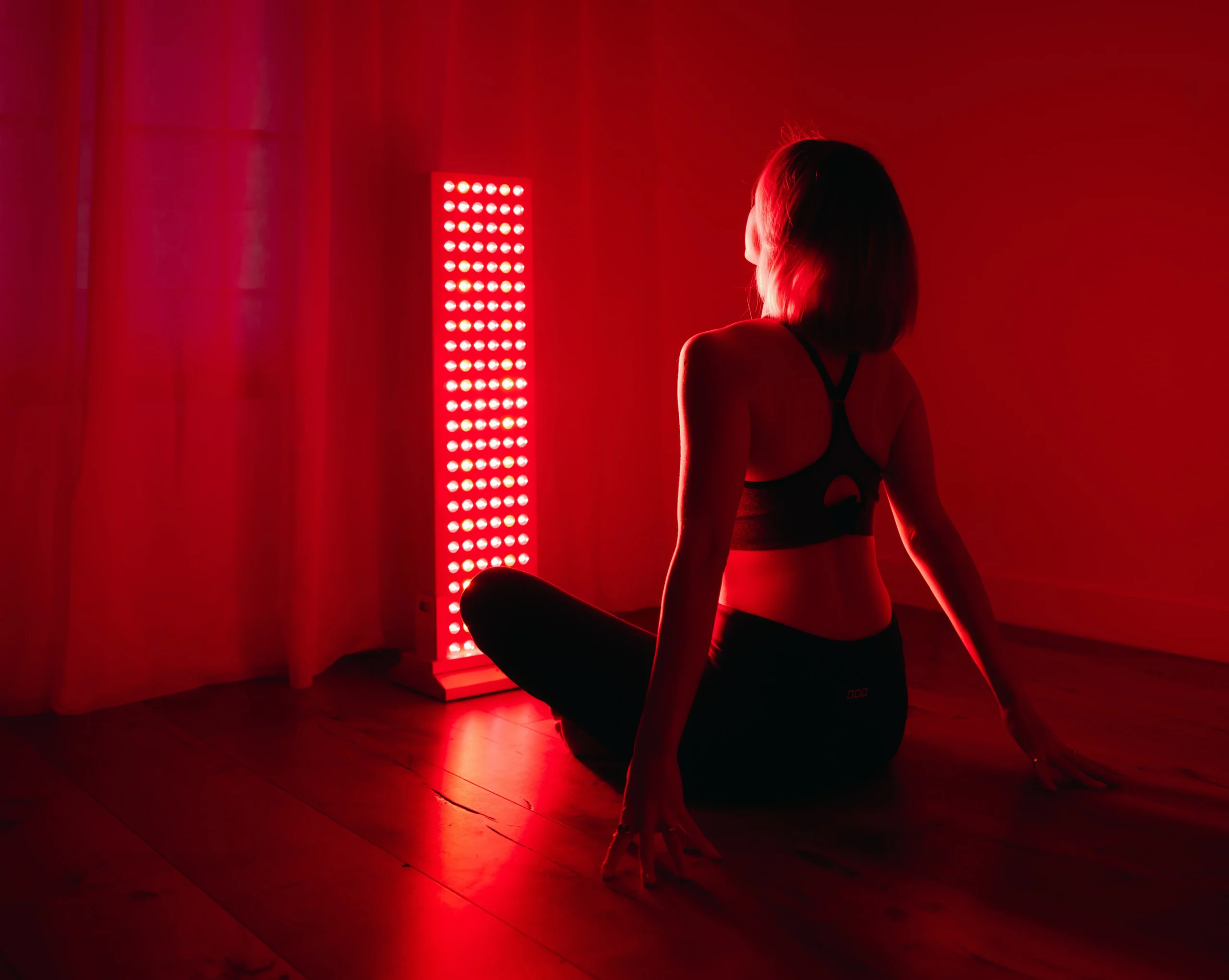
A red light panel is a standing or tabletop device fitted with LED bulbs that emit two primary wavelengths: approximately 660 nanometers (visible red light) and 850 nanometers (near-infrared light). Most at-home versions are compact, roughly 12 by 18 inches, and designed to sit neatly on a table or shelf. Meanwhile, full-body versions, which can reach up to five feet tall, offer head-to-toe coverage for those seeking broader benefits.
The appeal is straightforward. These wavelengths are believed to stimulate the mitochondria, the energy-producing components of our cells. When mitochondrial function improves, cells may repair themselves more efficiently. In practical terms, this can translate to smoother-looking skin, reduced inflammation, and improved elasticity over time.
Moreover, because the panel allows you to direct light toward specific areas, you can intentionally target your face, neck, chest, or even your back. That level of control makes the experience feel active rather than passive.
What Does Red Light Actually Do for Your Face?
Here is where clarity matters. Red light does not exfoliate. It does not bleach pigmentation. It does not freeze muscles. Instead, it works by supporting the skin’s natural repair processes.
With consistent use, a red light panel for skin may help:
- Improve collagen production
- Reduce mild inflammation
- Support healing after breakouts
- Improve overall skin tone
- Soften the appearance of fine lines
Importantly, the keyword here is support. Results develop gradually. Most brands recommend using the device several times per week for at least eight to twelve weeks before expecting visible change. In other words, this is not a one-session transformation. It is closer to going to the gym: consistency drives outcome.
Do Red Light Therapy Panels Really Work?
The short answer is yes, but with realistic expectations.
Clinical research suggests that red and near-infrared light can stimulate cellular activity and support collagen production. According to the American Academy of Dermatology Association, red light therapy appears safe in the short term and, unlike ultraviolet light, has not been linked to skin cancer.
However, not all devices are created equal. Power output, wavelength accuracy, and consistency significantly influence results. A $60 panel may not deliver the same performance as a $200-plus device with stronger LED output. That said, a higher price does not automatically guarantee superior results. Reviewing technical specifications, rather than relying solely on marketing language, is essential.
Additionally, if you see the term “FDA-cleared,” understand what it implies. FDA-cleared means the device is considered low risk for public use. It does not confirm proven effectiveness. Terms such as “FDA approved” or “FDA certified” do not meaningfully apply in this category.
So, is red light therapy hype or the future of skincare? The truth lies somewhere in between. It is grounded in science, but it is not magic.
When Should You Use a Red Light Panel?
Timing, while flexible, can enhance results.
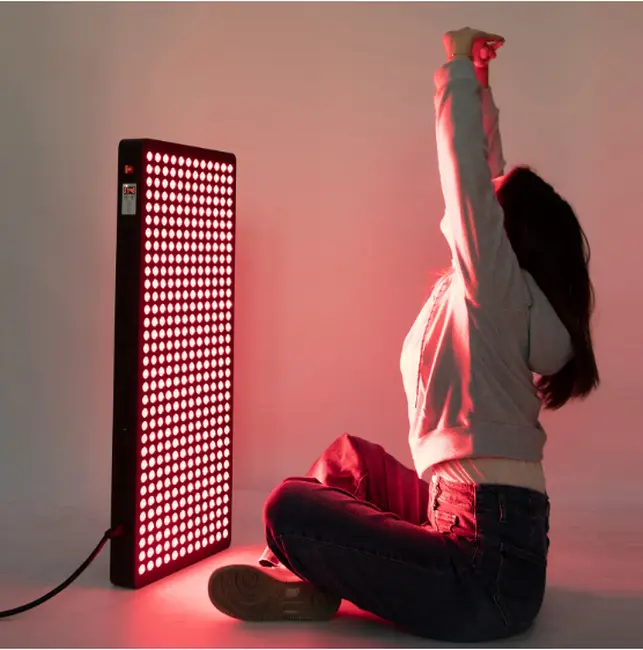
Most users incorporate their red light panel for skin treatments in the evening after cleansing. Skin should be clean and free of sunscreen or heavy makeup to allow optimal light penetration. Sessions typically last between 10 and 20 minutes, depending on the manufacturer’s guidelines.
That said, some individuals prefer morning sessions because they find the light energizing. Interestingly, near-infrared light has also been associated with improved sleep patterns when used consistently, potentially due to its impact on cellular energy and inflammation. The most important factor is routine. Choose a time you can maintain consistently.
What Type of Serum Should You Use With Red Light Therapy?
Pairing matters. Because red light works by supporting cellular function, you want ingredients that complement repair and hydration.
Strong companions include:
- Hyaluronic acid for hydration
- Peptides for collagen support
- Calming essences
- Gentle barrier-repair formulas
Conversely, avoid strong exfoliating acids immediately before treatment, as sensitized skin may react more easily. Retinol can remain in your routine; however, it is generally best applied after your light session or on alternating evenings.
The goal, in essence, is synergy, not overload.
Beyond Skin: The Expanding Red Light Trend
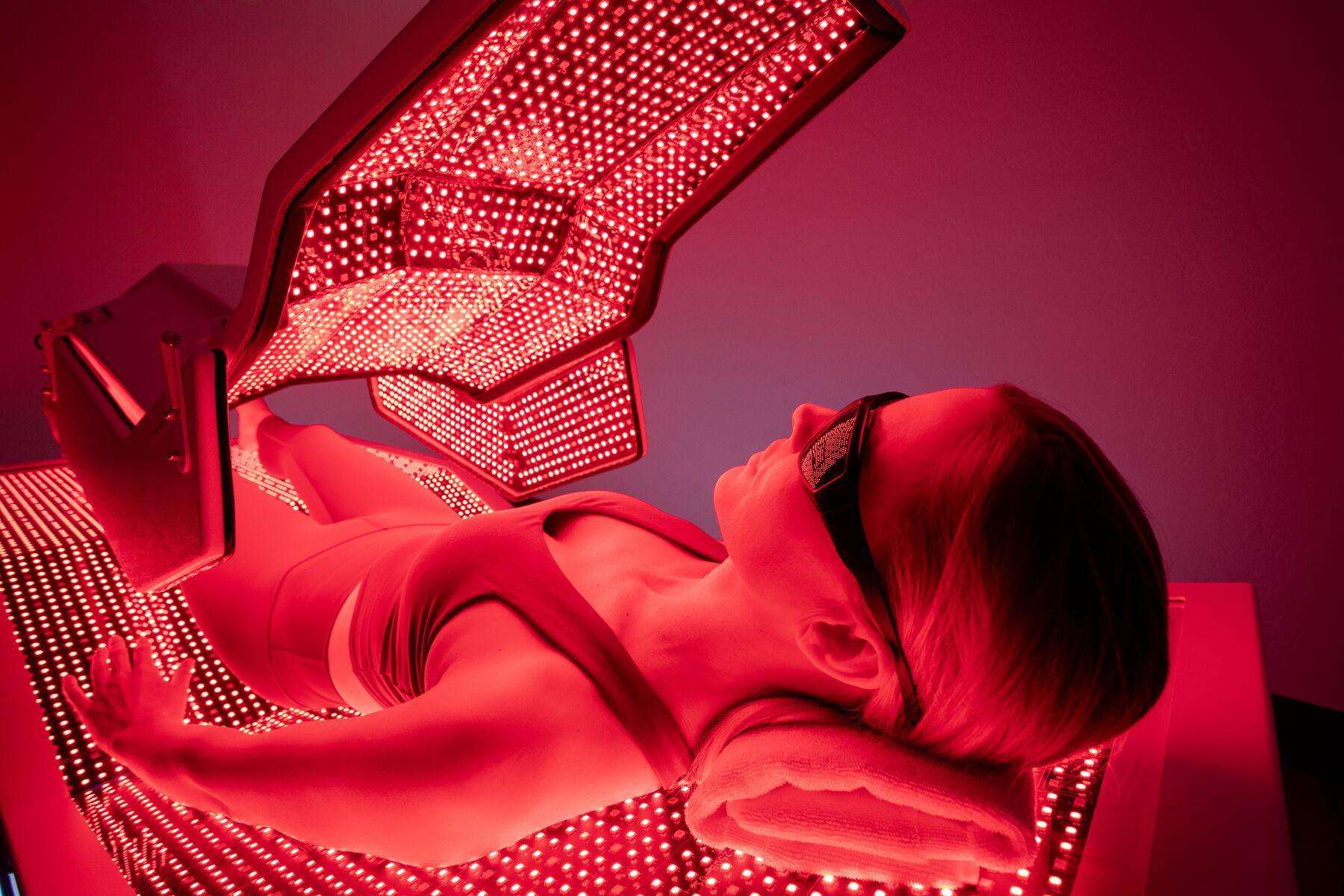
The market for red light therapy has expanded significantly since 2018, with growth accelerating as at-home wellness gained momentum. While early demand centered on wrinkle-fighting masks and wands, the technology has since diversified.
For example, red light helmets and caps now target hair growth by stimulating follicles and increasing blood flow, with users typically advised to expect visible changes within three to six months. Meanwhile, red light belts are marketed for lower back discomfort and, in some cases, midsection contouring. Eye-focused treatments are also under clinical study for retinal health, though these remain confined to professional environments.
This broader expansion underscores an important shift: interest in red light panels is as much about wellness as it is about beauty. Consumers increasingly seek tools that integrate seamlessly into daily life while offering layered benefits.
Smart Beauty, But Not DIY Dermatology
The rise of the red light panel for skin reflects a larger cultural pivot toward at-home technology. We want professional-level results without booking appointments. We want performance without clinical settings. That desire is understandable. However, accessibility should not replace guidance.
Although research suggests red light therapy is generally safe in the short term, at-home devices still require discernment. Individuals with rosacea, melasma, eczema, highly sensitive skin, or those using prescription-strength treatments should pause before introducing new light-based therapies.
If your skin flares easily, or if you are undergoing professional procedures, consulting a dermatologist or licensed aesthetician first is a prudent move. It ensures that the red light panel complements your routine rather than disrupts it.
Equally important, not every concern requires a device. Severe acne, deep pigmentation, or advanced photoaging often respond more effectively to professional interventions. Red light works best as a complement, not a substitute for expert care.
The technology is promising. It is rooted in research. Yet responsible use distinguishes long-term skin health from short-term enthusiasm. Technology should empower your routine, not complicate it.
Shop editor’s edit
The Final Take
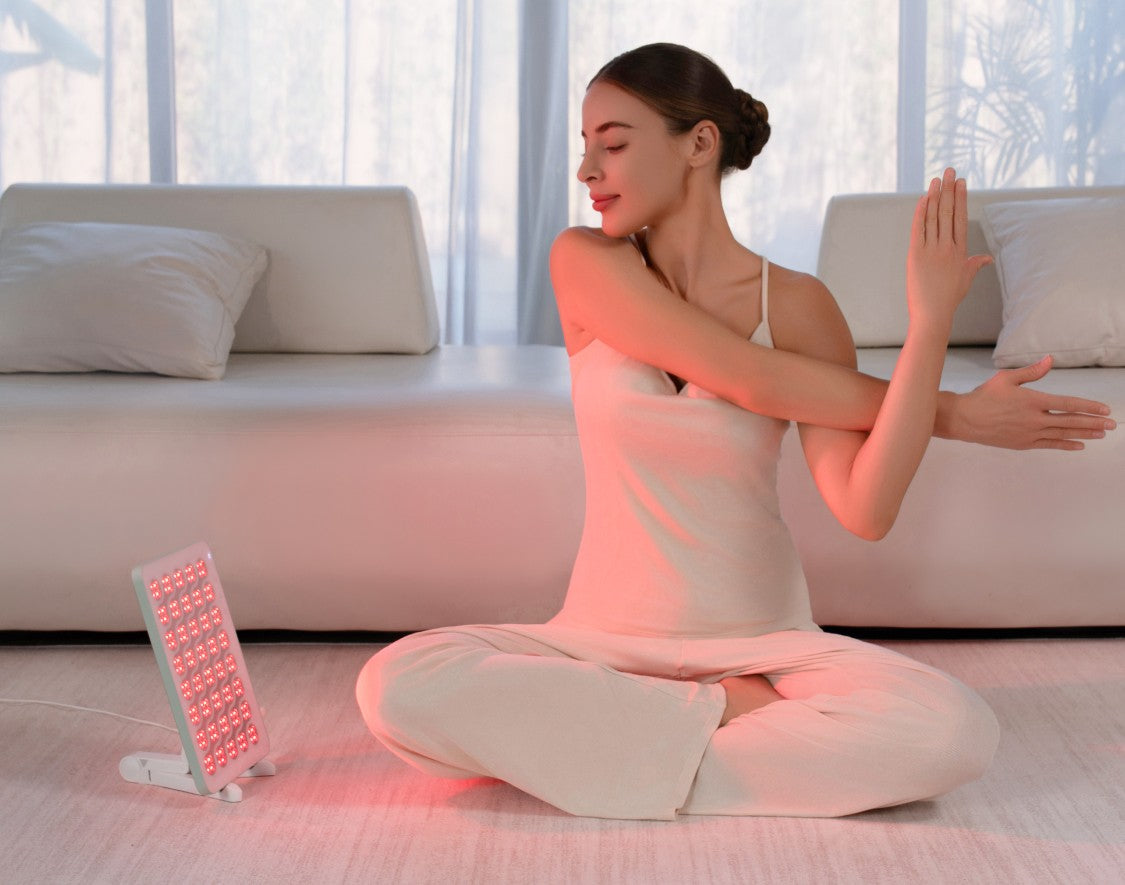
The red light panel for skin reflects a larger shift in how we approach beauty. Instead of chasing aggressive treatments, many people now prioritize repair, recovery, and long-term resilience. That mindset aligns well with red light therapy. Still, it requires patience. It requires consistency. And it requires realistic expectations.
If you are drawn to skincare that blends science and ritual, a red light panel can be a strong addition to your routine. It will not replace sunscreen, good cleansing, or well-formulated serums. However, when used strategically, it can elevate how your skin functions beneath the surface.
The future of skincare looks brighter, quite literally, but it rewards those who understand that light works best as part of a balanced routine rather than a shortcut.
Featured image: RedLiteX
—Read also
How To Choose The Best Red Light Therapy Device
Source link
#Red #Light #Therapy #Home #Buying #Panel #Skin


Post Comment