×
I would compare starting HYROX to playing my first season in Hockey India League: Moritz Fuertse  When he called time on his international career in 2017, Moritz Fuerste was one of the most accomplished field hockey players of all time. He’d been capped 268 times for Germany, scored 112 goals and won three Olympic medals, including gold at Beijing and London and a bronze at his final Games in Rio.And while many elite athletes struggle for meaning post-retirement, Fuerste had long been planning for life after professional sport. He’d go on to found HYROX, a fitness brand that organises mass-participation indoor competitions combining running and functional workouts in a standardised format.These days, HYROX is one of the fastest-growing global fitness brands. It closed 2025 with an estimated 150 million dollars in revenue and had over 600,000 athletes competing annually in competitions it organises in cities across the world. HYROX Bengaluru, which concluded last Sunday, drew over 8,200 participants across two days – a nearly fivefold jump from its first India edition in Mumbai last year, when it drew 1,650 participants.In an interview with        Sportstar, Fuertse, now 41, spoke on his journey from elite sport to founding one of the most successful fitness startups in the world today and how the lessons he learned while competing in the Hockey India League translated to the world of business.It’s not common in India for high level athletes to make the plunge into the business world. How did that come about for you?I’ve spent a lot of time in India, so I know how things work here in regard to hockey. I think it’s important to understand that in Germany, hockey is not a professional sport. Players don’t make a living from playing. You can’t provide for your family or even for the rest of your life. I knew I was going to have to leave the game at some point in time, and I was always preparing for that eventuality.I did my university degree by the time I was 30, and I knew I was going to leave international hockey after the Rio Olympics. I knew it was going to be a big shock if I switched suddenly from being a full-time athlete who wasn’t making any money to a full-time employee. I didn’t want to go down that road, so I’d already started working a little bit during my playing days, and after the Olympics, I decided I was going to start a company with my business partner. But that turnaround from being a professional player to a business owner was a tough step.While you were preparing for the next chapter, were you ever concerned that you were going to end up crunching numbers in a cubicle?That’s true. A corporate job would never have suited me. But I always believed I’d be able to find something that I enjoyed as much as I loved being a hockey player. I knew I had to find something that I would have the same energy and fire for that I had for being a hockey player.It was always going to take something special to replace the role that hockey had in my life.How did the idea for HYROX come about?When I was founding a company, I wanted to do something that allowed me to stay in the world of sport. But even within sport, I noticed a void. If you’re a tennis player, you play tennis. If you’re a runner, there are marathons or half marathons. And if you’re a rower, then there are rowing competitions. If you are a hockey player, of course, you play hockey.But if you’re a gym goer, there is literally no competition directly for that, and there was no competition or race for that. I felt that was crazy because most people in the world who are doing any kind of fitness activities are gym goers. There are hundreds of millions of these people. They go to a gym, and there is no way, no race or sport for these people to compete. That was a huge void that I thought could be filled. The Ultrahuman Hyrox Bengaluru race was held at the Bangalore International Exhibition Centre on April 11 and 12.
                                                            | Photo Credit: 
                                Instagram/hyroxindia
                            

                            The Ultrahuman Hyrox Bengaluru race was held at the Bangalore International Exhibition Centre on April 11 and 12.
                                                            | Photo Credit: 
                                Instagram/hyroxindia
                                                    Even at the time I started, I thought this could be as big as marathon running at some point in time, but it’s been absolutely crazy how well HYROX has done. We ended up outperforming our most optimistic business models by over 100 per cent. I thought we would eventually get to where we were, but I didn’t think it would happen as quickly as it did.In what ways did the skills you picked up in your playing career translate to running a business?In both of these worlds, what matters is putting together a team. I think one of my strengths as a player was that I was able to create successful teams. You have to understand leadership structures and hierarchies within the company. You have to work with feedback, negative feedback, and criticism. These are all things that we are very used to from the playing field, and especially the hockey field.Other things, I mean, obviously, as a player in professional sports, you have to be very organised, you have to be very structured, you have to be disciplined. You also have to be relentless, and you have to never give up because that’s just how it is. You fight till the last whistle, and until then, you just keep fighting.And I think as a business founder, that’s also very important because there are many ups and downs and many low points and many things where you question yourself, and you just can’t question yourself all the time. You just have to get into the working mode. And I think that’s something I learned a lot in hockey.But there has to be a difference between being part of a German team that was already a really strong team and starting something from nothing, like with HYROX.I think that’s true. I would actually compare starting HYROX with the time I came to India and competed in the HIL for Ranchi Rhinos. That’s a closer comparison. When I came to India the first year, we started putting a team together that in the end ended up winning the league. A couple of years later, I switched to the Kalinga Lancers, and we did the same thing again. In Europe, I played in a few leagues, and I ended up doing the same thing.File photo: Moritz Fuerste has represented Ranchi Rhinos and Kalinga Lancers in the Hockey India League.
                                                            | Photo Credit: 
                                Biswaranjan Rout
                            File photo: Moritz Fuerste has represented Ranchi Rhinos and Kalinga Lancers in the Hockey India League.
                                                            | Photo Credit: 
                                Biswaranjan Rout
                                                    I think that the ability to lead new teams was one of my strengths, and that was the main asset I brought into founding the company as well. I think I’m quite good at putting the right people together to achieve a common goal.You were actually one of the highest paid players in the HIL. What do you remember of your time there?My first year was very special. It was almost spiritual for me to come here and stay here for eight weeks and have the experience with all these young players. I played with Manpreet, Mandeep, and all these young Indian players in the first year. We didn’t have a single senior Indian player in that team. I got to both work with and shape these guys.The next years were a little bit more about business, focusing on doing the job and experiencing what I never experienced usually, which is these big crowds in stadiums and being very much in the focus. I got my 15 minutes of fame, which I enjoyed a lot.What did you mean when you described the first season of the HIL as ‘spiritual’?I’d actually been to India before, when I was playing the Champions Trophy in Chennai in 2005. At that time, we literally didn’t leave the hotel. In that first season of the HIL, we did things like going to the Golden Temple in Amritsar. We visited a few other temples and did a lot of cultural things. I went to Mandeep’s home, and he showed me around his family.There were a lot of life lessons I took from that experience. It helped me understand how people in different parts of the world live and handle their lives. There were many things that came together that year that made me a better person and also helped me become a better player.You’ve spoken of what lessons you carried over from hockey to business. What did you have to learn when running a business?It’s not different, but I think the most important thing in business, as in sport, is to find out very quickly what your personal strength is and what are the things you can drive. I knew in sports that you could wake me at 3 a.m., and I would know what to do with the ball. When I started HYROX, I knew the challenge was to also find my strength.What also mattered was really finding my place and getting that respect that I had initially as a hockey player that I earned over the course of my career. Getting that respect on that business level was also a challenge for me because if you want people to respect you, you need to give them a reason why they should respect you. That combination was quite a challenge at the beginning.ALSO READ | How Ironman and HYROX are redefining fitness culture in IndiaWhen you found a company, you are going to make a lot of mistakes. Of course, in hindsight, you think you could have done things differently, but that’s when you understand the importance of never giving up. You just need to be relentless, and you need to have a certain thick skin that doesn’t let you fall. And if you do, pick yourself up.Do you think there is any advantage to being a sportsperson when you’re running a business? Do you look for a sportsperson when you are hiring?I actually never look at a CV while hiring. I don’t look at grades. I’m not really interested in that. I care about who people are, and sport is a very important piece of that puzzle. If I understand that someone likes to do sports or has done sports, that’s a very valuable ingredient in whether I hire someone.HYROX is one of the fastest-growing sports brands in the world. How does that compare to winning three Olympic medals? Which gives you more satisfaction?I can’t compare the two. I gave 25 years of my life to hockey. My first life was being a hockey player, and I’m very grateful for that. I had an amazing decade with a team that I’d say would be one of the top five of all time.I had some great career highlights. I remember the quarterfinals of the Rio Olympics, where we were just seconds away from losing the quarterfinals to New Zealand and when I scored twice in the last 45 seconds to win the match. There was the semifinals against Australia in the London Olympics when we completely outplayed what I felt was another all-time great team. But every chapter has to end at some point in time. Moritz Fuerste has won three Olympic medals, gold at Beijing and London and a bronze at his final Games in Rio.
                                                            | Photo Credit: 
                                Getty Images
                            

                            Moritz Fuerste has won three Olympic medals, gold at Beijing and London and a bronze at his final Games in Rio.
                                                            | Photo Credit: 
                                Getty Images
                                                    What I’m doing now is a completely different kind of thing. We are all over the world, and we crossed half a million participants last season. HYROX is huge, but I don’t know if it’s ‘bigger’ than my hockey life.It’s not just that I have a soft spot for hockey. It will always be my first love. Also, my daughters play hockey, so hopefully they will do well as well.You have three Olympic medals. Do you show them off to investors or is that something you keep to yourself?My medals are with me at home, but they aren’t on display. People who visit me at home get a chance to get a glimpse of them, but they aren’t something I show off.While you retired from international hockey in 2017, you continued to play at the club level in Europe for a couple of more years while you were starting your business. How difficult was it to do both?It is a completely different ball game to play club hockey in Germany in comparison to playing international hockey. At the international level, I was doing one or two training sessions daily. And I was a pretty decent player even when I retired from international hockey at 33 or so. So the move to club hockey, where I was training maybe two or three times a week, wasn’t difficult at all. I could go to the office for the entire day and then just come to the training sessions at night.ALSO READ | IND vs ARG: India gets Savita boost ahead of Argentina tour but will miss Salima’s servicesI tried to keep myself fit to a certain extent, but I just basically played until I started to feel that it was time for me to step down because I knew that even though I was doing ok with training two or three times a week, it wasn’t helping any more. And I didn’t want to get to the level where I was going to be a problem for the team, so I quit early enough.Do you still play hockey from time to time?I actually founded a team with my former teammates from my hometown of Hamburg. Last year, we were playing in the 4th division of Germany. Our opponents are some 20 years younger than us but we still enjoy it. And we still beat them!Do you miss the bit about playing? Do you sometimes wish you could go into the field again?I have such amazing memories being a player and getting the chance to step on that pitch. I’m very grateful that I had the chance to experience that for the better part of my life. There are no regrets, there’s just happiness and joy when I remember the old times. But it’s a part of my life that’s over now, otherwise I’d be trying to do it again! It’s over, and that’s good. A new chapter is on now. Of course, when I watch games now, I have a lot of memories popping up in my head of me playing myself.I don’t watch many games live, but I watch them all on        YouTube, and I follow hockey a lot. I still think it’s a very beautiful sport that needs a lot of attention and should have much more attention. It’s already kind of big in India, but I want it to be big elsewhere in the world.Have you ever taken part in HYROX as well?I do. I think I’m physically about as fit as I was back in my playing days because I focus only on athleticism and because I’m very competitive. I always want to beat my personal record time in Hyrox. I train a lot, and my goal is to beat the hour – do something like 58 or 59.But mostly I’m a doubles athlete. It’s not because of my age or anything, but because it’s much more fun to share the workload and go through the tactics of being teamed up with someone. I just enjoy that very much.Published on Apr 14, 2026  #compare #starting #HYROX #playing #season #Hockey #India #League #Moritz #Fuertse

I would compare starting HYROX to playing my first season in Hockey India League: Moritz Fuertse

When he called time on his international career in 2017, Moritz Fuerste was one of the most accomplished field hockey players of all time. He’d been capped 268 times for Germany, scored 112 goals and won three Olympic medals, including gold at Beijing and London and a bronze at his final Games in Rio.

And while many elite athletes struggle for meaning post-retirement, Fuerste had long been planning for life after professional sport. He’d go on to found HYROX, a fitness brand that organises mass-participation indoor competitions combining running and functional workouts in a standardised format.

These days, HYROX is one of the fastest-growing global fitness brands. It closed 2025 with an estimated 150 million dollars in revenue and had over 600,000 athletes competing annually in competitions it organises in cities across the world. HYROX Bengaluru, which concluded last Sunday, drew over 8,200 participants across two days – a nearly fivefold jump from its first India edition in Mumbai last year, when it drew 1,650 participants.

In an interview with Sportstar, Fuertse, now 41, spoke on his journey from elite sport to founding one of the most successful fitness startups in the world today and how the lessons he learned while competing in the Hockey India League translated to the world of business.

It’s not common in India for high level athletes to make the plunge into the business world. How did that come about for you?

I’ve spent a lot of time in India, so I know how things work here in regard to hockey. I think it’s important to understand that in Germany, hockey is not a professional sport. Players don’t make a living from playing. You can’t provide for your family or even for the rest of your life. I knew I was going to have to leave the game at some point in time, and I was always preparing for that eventuality.

I did my university degree by the time I was 30, and I knew I was going to leave international hockey after the Rio Olympics. I knew it was going to be a big shock if I switched suddenly from being a full-time athlete who wasn’t making any money to a full-time employee. I didn’t want to go down that road, so I’d already started working a little bit during my playing days, and after the Olympics, I decided I was going to start a company with my business partner. But that turnaround from being a professional player to a business owner was a tough step.

While you were preparing for the next chapter, were you ever concerned that you were going to end up crunching numbers in a cubicle?

That’s true. A corporate job would never have suited me. But I always believed I’d be able to find something that I enjoyed as much as I loved being a hockey player. I knew I had to find something that I would have the same energy and fire for that I had for being a hockey player.

It was always going to take something special to replace the role that hockey had in my life.

How did the idea for HYROX come about?

When I was founding a company, I wanted to do something that allowed me to stay in the world of sport. But even within sport, I noticed a void. If you’re a tennis player, you play tennis. If you’re a runner, there are marathons or half marathons. And if you’re a rower, then there are rowing competitions. If you are a hockey player, of course, you play hockey.

But if you’re a gym goer, there is literally no competition directly for that, and there was no competition or race for that. I felt that was crazy because most people in the world who are doing any kind of fitness activities are gym goers. There are hundreds of millions of these people. They go to a gym, and there is no way, no race or sport for these people to compete. That was a huge void that I thought could be filled.
I would compare starting HYROX to playing my first season in Hockey India League: Moritz Fuertse  When he called time on his international career in 2017, Moritz Fuerste was one of the most accomplished field hockey players of all time. He’d been capped 268 times for Germany, scored 112 goals and won three Olympic medals, including gold at Beijing and London and a bronze at his final Games in Rio.And while many elite athletes struggle for meaning post-retirement, Fuerste had long been planning for life after professional sport. He’d go on to found HYROX, a fitness brand that organises mass-participation indoor competitions combining running and functional workouts in a standardised format.These days, HYROX is one of the fastest-growing global fitness brands. It closed 2025 with an estimated 150 million dollars in revenue and had over 600,000 athletes competing annually in competitions it organises in cities across the world. HYROX Bengaluru, which concluded last Sunday, drew over 8,200 participants across two days – a nearly fivefold jump from its first India edition in Mumbai last year, when it drew 1,650 participants.In an interview with        Sportstar, Fuertse, now 41, spoke on his journey from elite sport to founding one of the most successful fitness startups in the world today and how the lessons he learned while competing in the Hockey India League translated to the world of business.It’s not common in India for high level athletes to make the plunge into the business world. How did that come about for you?I’ve spent a lot of time in India, so I know how things work here in regard to hockey. I think it’s important to understand that in Germany, hockey is not a professional sport. Players don’t make a living from playing. You can’t provide for your family or even for the rest of your life. I knew I was going to have to leave the game at some point in time, and I was always preparing for that eventuality.I did my university degree by the time I was 30, and I knew I was going to leave international hockey after the Rio Olympics. I knew it was going to be a big shock if I switched suddenly from being a full-time athlete who wasn’t making any money to a full-time employee. I didn’t want to go down that road, so I’d already started working a little bit during my playing days, and after the Olympics, I decided I was going to start a company with my business partner. But that turnaround from being a professional player to a business owner was a tough step.While you were preparing for the next chapter, were you ever concerned that you were going to end up crunching numbers in a cubicle?That’s true. A corporate job would never have suited me. But I always believed I’d be able to find something that I enjoyed as much as I loved being a hockey player. I knew I had to find something that I would have the same energy and fire for that I had for being a hockey player.It was always going to take something special to replace the role that hockey had in my life.How did the idea for HYROX come about?When I was founding a company, I wanted to do something that allowed me to stay in the world of sport. But even within sport, I noticed a void. If you’re a tennis player, you play tennis. If you’re a runner, there are marathons or half marathons. And if you’re a rower, then there are rowing competitions. If you are a hockey player, of course, you play hockey.But if you’re a gym goer, there is literally no competition directly for that, and there was no competition or race for that. I felt that was crazy because most people in the world who are doing any kind of fitness activities are gym goers. There are hundreds of millions of these people. They go to a gym, and there is no way, no race or sport for these people to compete. That was a huge void that I thought could be filled. The Ultrahuman Hyrox Bengaluru race was held at the Bangalore International Exhibition Centre on April 11 and 12.
                                                            | Photo Credit: 
                                Instagram/hyroxindia
                            

                            The Ultrahuman Hyrox Bengaluru race was held at the Bangalore International Exhibition Centre on April 11 and 12.
                                                            | Photo Credit: 
                                Instagram/hyroxindia
                                                    Even at the time I started, I thought this could be as big as marathon running at some point in time, but it’s been absolutely crazy how well HYROX has done. We ended up outperforming our most optimistic business models by over 100 per cent. I thought we would eventually get to where we were, but I didn’t think it would happen as quickly as it did.In what ways did the skills you picked up in your playing career translate to running a business?In both of these worlds, what matters is putting together a team. I think one of my strengths as a player was that I was able to create successful teams. You have to understand leadership structures and hierarchies within the company. You have to work with feedback, negative feedback, and criticism. These are all things that we are very used to from the playing field, and especially the hockey field.Other things, I mean, obviously, as a player in professional sports, you have to be very organised, you have to be very structured, you have to be disciplined. You also have to be relentless, and you have to never give up because that’s just how it is. You fight till the last whistle, and until then, you just keep fighting.And I think as a business founder, that’s also very important because there are many ups and downs and many low points and many things where you question yourself, and you just can’t question yourself all the time. You just have to get into the working mode. And I think that’s something I learned a lot in hockey.But there has to be a difference between being part of a German team that was already a really strong team and starting something from nothing, like with HYROX.I think that’s true. I would actually compare starting HYROX with the time I came to India and competed in the HIL for Ranchi Rhinos. That’s a closer comparison. When I came to India the first year, we started putting a team together that in the end ended up winning the league. A couple of years later, I switched to the Kalinga Lancers, and we did the same thing again. In Europe, I played in a few leagues, and I ended up doing the same thing.File photo: Moritz Fuerste has represented Ranchi Rhinos and Kalinga Lancers in the Hockey India League.
                                                            | Photo Credit: 
                                Biswaranjan Rout
                            File photo: Moritz Fuerste has represented Ranchi Rhinos and Kalinga Lancers in the Hockey India League.
                                                            | Photo Credit: 
                                Biswaranjan Rout
                                                    I think that the ability to lead new teams was one of my strengths, and that was the main asset I brought into founding the company as well. I think I’m quite good at putting the right people together to achieve a common goal.You were actually one of the highest paid players in the HIL. What do you remember of your time there?My first year was very special. It was almost spiritual for me to come here and stay here for eight weeks and have the experience with all these young players. I played with Manpreet, Mandeep, and all these young Indian players in the first year. We didn’t have a single senior Indian player in that team. I got to both work with and shape these guys.The next years were a little bit more about business, focusing on doing the job and experiencing what I never experienced usually, which is these big crowds in stadiums and being very much in the focus. I got my 15 minutes of fame, which I enjoyed a lot.What did you mean when you described the first season of the HIL as ‘spiritual’?I’d actually been to India before, when I was playing the Champions Trophy in Chennai in 2005. At that time, we literally didn’t leave the hotel. In that first season of the HIL, we did things like going to the Golden Temple in Amritsar. We visited a few other temples and did a lot of cultural things. I went to Mandeep’s home, and he showed me around his family.There were a lot of life lessons I took from that experience. It helped me understand how people in different parts of the world live and handle their lives. There were many things that came together that year that made me a better person and also helped me become a better player.You’ve spoken of what lessons you carried over from hockey to business. What did you have to learn when running a business?It’s not different, but I think the most important thing in business, as in sport, is to find out very quickly what your personal strength is and what are the things you can drive. I knew in sports that you could wake me at 3 a.m., and I would know what to do with the ball. When I started HYROX, I knew the challenge was to also find my strength.What also mattered was really finding my place and getting that respect that I had initially as a hockey player that I earned over the course of my career. Getting that respect on that business level was also a challenge for me because if you want people to respect you, you need to give them a reason why they should respect you. That combination was quite a challenge at the beginning.ALSO READ | How Ironman and HYROX are redefining fitness culture in IndiaWhen you found a company, you are going to make a lot of mistakes. Of course, in hindsight, you think you could have done things differently, but that’s when you understand the importance of never giving up. You just need to be relentless, and you need to have a certain thick skin that doesn’t let you fall. And if you do, pick yourself up.Do you think there is any advantage to being a sportsperson when you’re running a business? Do you look for a sportsperson when you are hiring?I actually never look at a CV while hiring. I don’t look at grades. I’m not really interested in that. I care about who people are, and sport is a very important piece of that puzzle. If I understand that someone likes to do sports or has done sports, that’s a very valuable ingredient in whether I hire someone.HYROX is one of the fastest-growing sports brands in the world. How does that compare to winning three Olympic medals? Which gives you more satisfaction?I can’t compare the two. I gave 25 years of my life to hockey. My first life was being a hockey player, and I’m very grateful for that. I had an amazing decade with a team that I’d say would be one of the top five of all time.I had some great career highlights. I remember the quarterfinals of the Rio Olympics, where we were just seconds away from losing the quarterfinals to New Zealand and when I scored twice in the last 45 seconds to win the match. There was the semifinals against Australia in the London Olympics when we completely outplayed what I felt was another all-time great team. But every chapter has to end at some point in time. Moritz Fuerste has won three Olympic medals, gold at Beijing and London and a bronze at his final Games in Rio.
                                                            | Photo Credit: 
                                Getty Images
                            

                            Moritz Fuerste has won three Olympic medals, gold at Beijing and London and a bronze at his final Games in Rio.
                                                            | Photo Credit: 
                                Getty Images
                                                    What I’m doing now is a completely different kind of thing. We are all over the world, and we crossed half a million participants last season. HYROX is huge, but I don’t know if it’s ‘bigger’ than my hockey life.It’s not just that I have a soft spot for hockey. It will always be my first love. Also, my daughters play hockey, so hopefully they will do well as well.You have three Olympic medals. Do you show them off to investors or is that something you keep to yourself?My medals are with me at home, but they aren’t on display. People who visit me at home get a chance to get a glimpse of them, but they aren’t something I show off.While you retired from international hockey in 2017, you continued to play at the club level in Europe for a couple of more years while you were starting your business. How difficult was it to do both?It is a completely different ball game to play club hockey in Germany in comparison to playing international hockey. At the international level, I was doing one or two training sessions daily. And I was a pretty decent player even when I retired from international hockey at 33 or so. So the move to club hockey, where I was training maybe two or three times a week, wasn’t difficult at all. I could go to the office for the entire day and then just come to the training sessions at night.ALSO READ | IND vs ARG: India gets Savita boost ahead of Argentina tour but will miss Salima’s servicesI tried to keep myself fit to a certain extent, but I just basically played until I started to feel that it was time for me to step down because I knew that even though I was doing ok with training two or three times a week, it wasn’t helping any more. And I didn’t want to get to the level where I was going to be a problem for the team, so I quit early enough.Do you still play hockey from time to time?I actually founded a team with my former teammates from my hometown of Hamburg. Last year, we were playing in the 4th division of Germany. Our opponents are some 20 years younger than us but we still enjoy it. And we still beat them!Do you miss the bit about playing? Do you sometimes wish you could go into the field again?I have such amazing memories being a player and getting the chance to step on that pitch. I’m very grateful that I had the chance to experience that for the better part of my life. There are no regrets, there’s just happiness and joy when I remember the old times. But it’s a part of my life that’s over now, otherwise I’d be trying to do it again! It’s over, and that’s good. A new chapter is on now. Of course, when I watch games now, I have a lot of memories popping up in my head of me playing myself.I don’t watch many games live, but I watch them all on        YouTube, and I follow hockey a lot. I still think it’s a very beautiful sport that needs a lot of attention and should have much more attention. It’s already kind of big in India, but I want it to be big elsewhere in the world.Have you ever taken part in HYROX as well?I do. I think I’m physically about as fit as I was back in my playing days because I focus only on athleticism and because I’m very competitive. I always want to beat my personal record time in Hyrox. I train a lot, and my goal is to beat the hour – do something like 58 or 59.But mostly I’m a doubles athlete. It’s not because of my age or anything, but because it’s much more fun to share the workload and go through the tactics of being teamed up with someone. I just enjoy that very much.Published on Apr 14, 2026  #compare #starting #HYROX #playing #season #Hockey #India #League #Moritz #Fuertse

The Ultrahuman Hyrox Bengaluru race was held at the Bangalore International Exhibition Centre on April 11 and 12. | Photo Credit: Instagram/hyroxindia

lightbox-info

The Ultrahuman Hyrox Bengaluru race was held at the Bangalore International Exhibition Centre on April 11 and 12. | Photo Credit: Instagram/hyroxindia

Even at the time I started, I thought this could be as big as marathon running at some point in time, but it’s been absolutely crazy how well HYROX has done. We ended up outperforming our most optimistic business models by over 100 per cent. I thought we would eventually get to where we were, but I didn’t think it would happen as quickly as it did.

In what ways did the skills you picked up in your playing career translate to running a business?

In both of these worlds, what matters is putting together a team. I think one of my strengths as a player was that I was able to create successful teams. You have to understand leadership structures and hierarchies within the company. You have to work with feedback, negative feedback, and criticism. These are all things that we are very used to from the playing field, and especially the hockey field.

Other things, I mean, obviously, as a player in professional sports, you have to be very organised, you have to be very structured, you have to be disciplined. You also have to be relentless, and you have to never give up because that’s just how it is. You fight till the last whistle, and until then, you just keep fighting.

And I think as a business founder, that’s also very important because there are many ups and downs and many low points and many things where you question yourself, and you just can’t question yourself all the time. You just have to get into the working mode. And I think that’s something I learned a lot in hockey.

But there has to be a difference between being part of a German team that was already a really strong team and starting something from nothing, like with HYROX.

I think that’s true. I would actually compare starting HYROX with the time I came to India and competed in the HIL for Ranchi Rhinos. That’s a closer comparison. When I came to India the first year, we started putting a team together that in the end ended up winning the league. A couple of years later, I switched to the Kalinga Lancers, and we did the same thing again. In Europe, I played in a few leagues, and I ended up doing the same thing.

File photo: Moritz Fuerste has represented Ranchi Rhinos and Kalinga Lancers in the Hockey India League.

File photo: Moritz Fuerste has represented Ranchi Rhinos and Kalinga Lancers in the Hockey India League. | Photo Credit: Biswaranjan Rout

lightbox-info

File photo: Moritz Fuerste has represented Ranchi Rhinos and Kalinga Lancers in the Hockey India League. | Photo Credit: Biswaranjan Rout

I think that the ability to lead new teams was one of my strengths, and that was the main asset I brought into founding the company as well. I think I’m quite good at putting the right people together to achieve a common goal.

You were actually one of the highest paid players in the HIL. What do you remember of your time there?

My first year was very special. It was almost spiritual for me to come here and stay here for eight weeks and have the experience with all these young players. I played with Manpreet, Mandeep, and all these young Indian players in the first year. We didn’t have a single senior Indian player in that team. I got to both work with and shape these guys.

The next years were a little bit more about business, focusing on doing the job and experiencing what I never experienced usually, which is these big crowds in stadiums and being very much in the focus. I got my 15 minutes of fame, which I enjoyed a lot.

What did you mean when you described the first season of the HIL as ‘spiritual’?

I’d actually been to India before, when I was playing the Champions Trophy in Chennai in 2005. At that time, we literally didn’t leave the hotel. In that first season of the HIL, we did things like going to the Golden Temple in Amritsar. We visited a few other temples and did a lot of cultural things. I went to Mandeep’s home, and he showed me around his family.

There were a lot of life lessons I took from that experience. It helped me understand how people in different parts of the world live and handle their lives. There were many things that came together that year that made me a better person and also helped me become a better player.

You’ve spoken of what lessons you carried over from hockey to business. What did you have to learn when running a business?

It’s not different, but I think the most important thing in business, as in sport, is to find out very quickly what your personal strength is and what are the things you can drive. I knew in sports that you could wake me at 3 a.m., and I would know what to do with the ball. When I started HYROX, I knew the challenge was to also find my strength.

What also mattered was really finding my place and getting that respect that I had initially as a hockey player that I earned over the course of my career. Getting that respect on that business level was also a challenge for me because if you want people to respect you, you need to give them a reason why they should respect you. That combination was quite a challenge at the beginning.

ALSO READ | How Ironman and HYROX are redefining fitness culture in India

When you found a company, you are going to make a lot of mistakes. Of course, in hindsight, you think you could have done things differently, but that’s when you understand the importance of never giving up. You just need to be relentless, and you need to have a certain thick skin that doesn’t let you fall. And if you do, pick yourself up.

Do you think there is any advantage to being a sportsperson when you’re running a business? Do you look for a sportsperson when you are hiring?

I actually never look at a CV while hiring. I don’t look at grades. I’m not really interested in that. I care about who people are, and sport is a very important piece of that puzzle. If I understand that someone likes to do sports or has done sports, that’s a very valuable ingredient in whether I hire someone.

HYROX is one of the fastest-growing sports brands in the world. How does that compare to winning three Olympic medals? Which gives you more satisfaction?

I can’t compare the two. I gave 25 years of my life to hockey. My first life was being a hockey player, and I’m very grateful for that. I had an amazing decade with a team that I’d say would be one of the top five of all time.

I had some great career highlights. I remember the quarterfinals of the Rio Olympics, where we were just seconds away from losing the quarterfinals to New Zealand and when I scored twice in the last 45 seconds to win the match. There was the semifinals against Australia in the London Olympics when we completely outplayed what I felt was another all-time great team. But every chapter has to end at some point in time.

Moritz Fuerste has won three Olympic medals, gold at Beijing and London and a bronze at his final Games in Rio.

Moritz Fuerste has won three Olympic medals, gold at Beijing and London and a bronze at his final Games in Rio. | Photo Credit: Getty Images

lightbox-info

Moritz Fuerste has won three Olympic medals, gold at Beijing and London and a bronze at his final Games in Rio. | Photo Credit: Getty Images

What I’m doing now is a completely different kind of thing. We are all over the world, and we crossed half a million participants last season. HYROX is huge, but I don’t know if it’s ‘bigger’ than my hockey life.

It’s not just that I have a soft spot for hockey. It will always be my first love. Also, my daughters play hockey, so hopefully they will do well as well.

You have three Olympic medals. Do you show them off to investors or is that something you keep to yourself?

My medals are with me at home, but they aren’t on display. People who visit me at home get a chance to get a glimpse of them, but they aren’t something I show off.

While you retired from international hockey in 2017, you continued to play at the club level in Europe for a couple of more years while you were starting your business. How difficult was it to do both?

It is a completely different ball game to play club hockey in Germany in comparison to playing international hockey. At the international level, I was doing one or two training sessions daily. And I was a pretty decent player even when I retired from international hockey at 33 or so. So the move to club hockey, where I was training maybe two or three times a week, wasn’t difficult at all. I could go to the office for the entire day and then just come to the training sessions at night.

ALSO READ | IND vs ARG: India gets Savita boost ahead of Argentina tour but will miss Salima’s services

I tried to keep myself fit to a certain extent, but I just basically played until I started to feel that it was time for me to step down because I knew that even though I was doing ok with training two or three times a week, it wasn’t helping any more. And I didn’t want to get to the level where I was going to be a problem for the team, so I quit early enough.

Do you still play hockey from time to time?

I actually founded a team with my former teammates from my hometown of Hamburg. Last year, we were playing in the 4th division of Germany. Our opponents are some 20 years younger than us but we still enjoy it. And we still beat them!

Do you miss the bit about playing? Do you sometimes wish you could go into the field again?

I have such amazing memories being a player and getting the chance to step on that pitch. I’m very grateful that I had the chance to experience that for the better part of my life. There are no regrets, there’s just happiness and joy when I remember the old times. But it’s a part of my life that’s over now, otherwise I’d be trying to do it again! It’s over, and that’s good. A new chapter is on now. Of course, when I watch games now, I have a lot of memories popping up in my head of me playing myself.

I don’t watch many games live, but I watch them all on YouTube, and I follow hockey a lot. I still think it’s a very beautiful sport that needs a lot of attention and should have much more attention. It’s already kind of big in India, but I want it to be big elsewhere in the world.

Have you ever taken part in HYROX as well?

I do. I think I’m physically about as fit as I was back in my playing days because I focus only on athleticism and because I’m very competitive. I always want to beat my personal record time in Hyrox. I train a lot, and my goal is to beat the hour – do something like 58 or 59.

But mostly I’m a doubles athlete. It’s not because of my age or anything, but because it’s much more fun to share the workload and go through the tactics of being teamed up with someone. I just enjoy that very much.

Published on Apr 14, 2026

#compare #starting #HYROX #playing #season #Hockey #India #League #Moritz #Fuertse

When he called time on his international career in 2017, Moritz Fuerste was one of the most accomplished field hockey players of all time. He’d been capped 268 times for Germany, scored 112 goals and won three Olympic medals, including gold at Beijing and London and a bronze at his final Games in Rio.

And while many elite athletes struggle for meaning post-retirement, Fuerste had long been planning for life after professional sport. He’d go on to found HYROX, a fitness brand that organises mass-participation indoor competitions combining running and functional workouts in a standardised format.

These days, HYROX is one of the fastest-growing global fitness brands. It closed 2025 with an estimated 150 million dollars in revenue and had over 600,000 athletes competing annually in competitions it organises in cities across the world. HYROX Bengaluru, which concluded last Sunday, drew over 8,200 participants across two days – a nearly fivefold jump from its first India edition in Mumbai last year, when it drew 1,650 participants.

In an interview with Sportstar, Fuertse, now 41, spoke on his journey from elite sport to founding one of the most successful fitness startups in the world today and how the lessons he learned while competing in the Hockey India League translated to the world of business.

It’s not common in India for high level athletes to make the plunge into the business world. How did that come about for you?

I’ve spent a lot of time in India, so I know how things work here in regard to hockey. I think it’s important to understand that in Germany, hockey is not a professional sport. Players don’t make a living from playing. You can’t provide for your family or even for the rest of your life. I knew I was going to have to leave the game at some point in time, and I was always preparing for that eventuality.

I did my university degree by the time I was 30, and I knew I was going to leave international hockey after the Rio Olympics. I knew it was going to be a big shock if I switched suddenly from being a full-time athlete who wasn’t making any money to a full-time employee. I didn’t want to go down that road, so I’d already started working a little bit during my playing days, and after the Olympics, I decided I was going to start a company with my business partner. But that turnaround from being a professional player to a business owner was a tough step.

While you were preparing for the next chapter, were you ever concerned that you were going to end up crunching numbers in a cubicle?

That’s true. A corporate job would never have suited me. But I always believed I’d be able to find something that I enjoyed as much as I loved being a hockey player. I knew I had to find something that I would have the same energy and fire for that I had for being a hockey player.

It was always going to take something special to replace the role that hockey had in my life.

How did the idea for HYROX come about?

When I was founding a company, I wanted to do something that allowed me to stay in the world of sport. But even within sport, I noticed a void. If you’re a tennis player, you play tennis. If you’re a runner, there are marathons or half marathons. And if you’re a rower, then there are rowing competitions. If you are a hockey player, of course, you play hockey.

But if you’re a gym goer, there is literally no competition directly for that, and there was no competition or race for that. I felt that was crazy because most people in the world who are doing any kind of fitness activities are gym goers. There are hundreds of millions of these people. They go to a gym, and there is no way, no race or sport for these people to compete. That was a huge void that I thought could be filled.

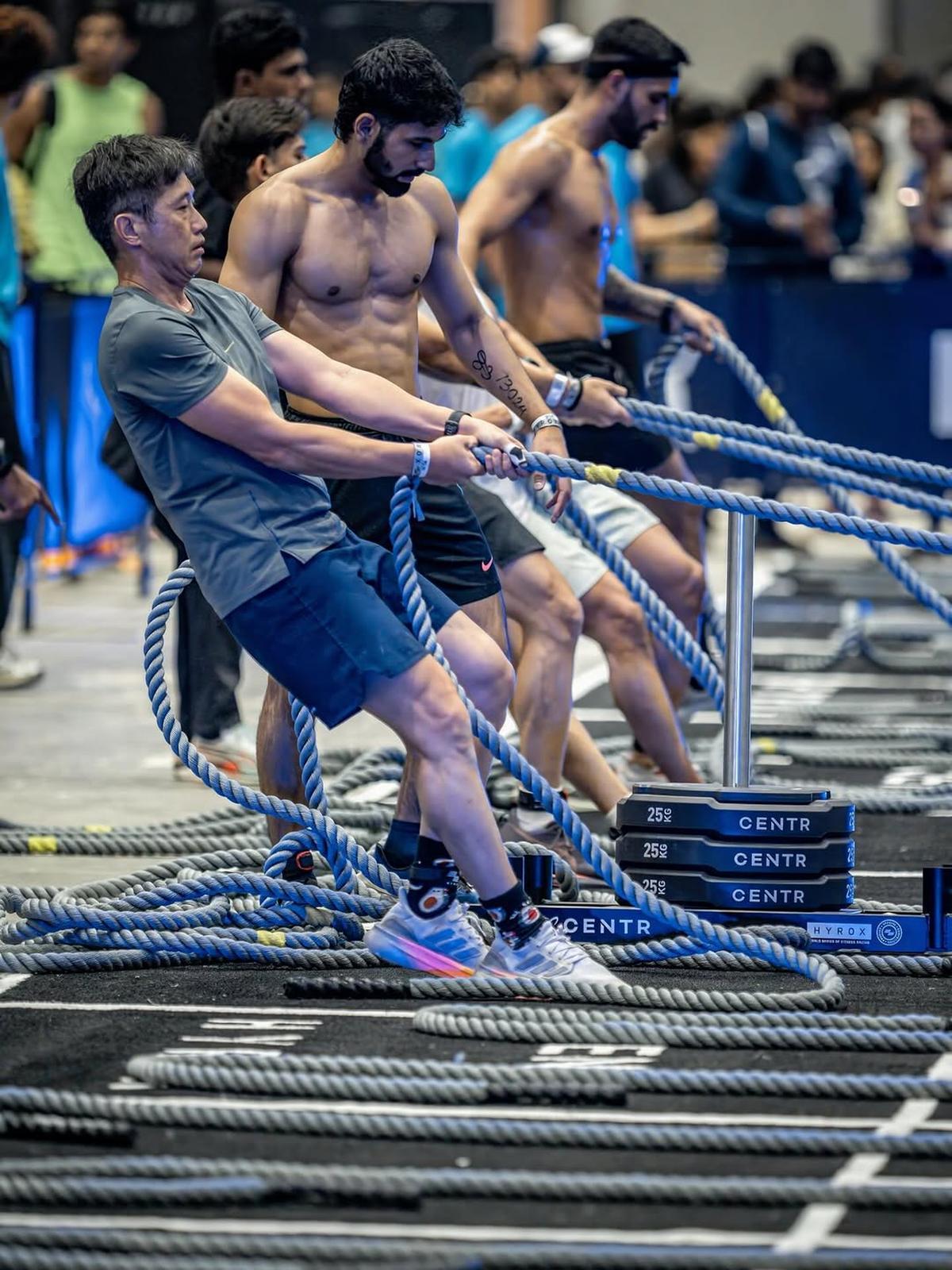
The Ultrahuman Hyrox Bengaluru race was held at the Bangalore International Exhibition Centre on April 11 and 12.
| Photo Credit:
Instagram/hyroxindia

lightbox-info

The Ultrahuman Hyrox Bengaluru race was held at the Bangalore International Exhibition Centre on April 11 and 12.
| Photo Credit:
Instagram/hyroxindia

Even at the time I started, I thought this could be as big as marathon running at some point in time, but it’s been absolutely crazy how well HYROX has done. We ended up outperforming our most optimistic business models by over 100 per cent. I thought we would eventually get to where we were, but I didn’t think it would happen as quickly as it did.

In what ways did the skills you picked up in your playing career translate to running a business?

In both of these worlds, what matters is putting together a team. I think one of my strengths as a player was that I was able to create successful teams. You have to understand leadership structures and hierarchies within the company. You have to work with feedback, negative feedback, and criticism. These are all things that we are very used to from the playing field, and especially the hockey field.

Other things, I mean, obviously, as a player in professional sports, you have to be very organised, you have to be very structured, you have to be disciplined. You also have to be relentless, and you have to never give up because that’s just how it is. You fight till the last whistle, and until then, you just keep fighting.

And I think as a business founder, that’s also very important because there are many ups and downs and many low points and many things where you question yourself, and you just can’t question yourself all the time. You just have to get into the working mode. And I think that’s something I learned a lot in hockey.

But there has to be a difference between being part of a German team that was already a really strong team and starting something from nothing, like with HYROX.

I think that’s true. I would actually compare starting HYROX with the time I came to India and competed in the HIL for Ranchi Rhinos. That’s a closer comparison. When I came to India the first year, we started putting a team together that in the end ended up winning the league. A couple of years later, I switched to the Kalinga Lancers, and we did the same thing again. In Europe, I played in a few leagues, and I ended up doing the same thing.
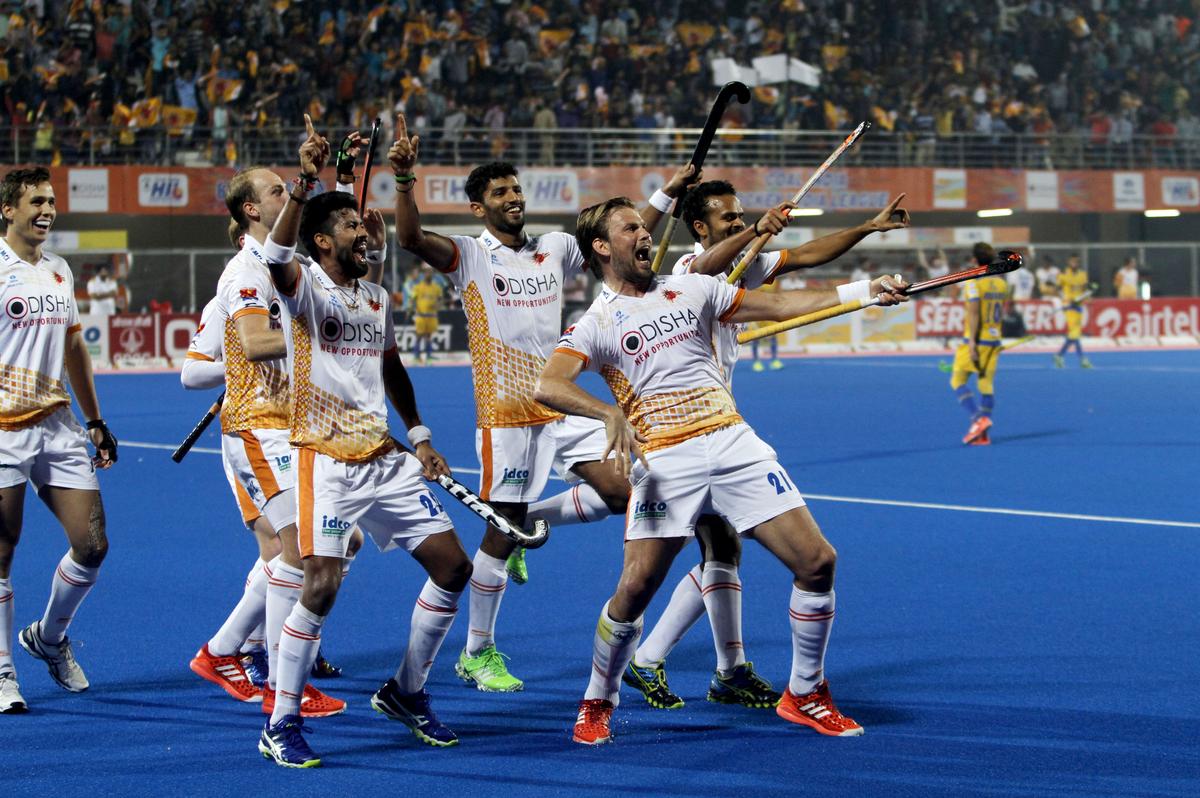
File photo: Moritz Fuerste has represented Ranchi Rhinos and Kalinga Lancers in the Hockey India League.

File photo: Moritz Fuerste has represented Ranchi Rhinos and Kalinga Lancers in the Hockey India League.
| Photo Credit:
Biswaranjan Rout

lightbox-info

File photo: Moritz Fuerste has represented Ranchi Rhinos and Kalinga Lancers in the Hockey India League.
| Photo Credit:
Biswaranjan Rout

I think that the ability to lead new teams was one of my strengths, and that was the main asset I brought into founding the company as well. I think I’m quite good at putting the right people together to achieve a common goal.

You were actually one of the highest paid players in the HIL. What do you remember of your time there?

My first year was very special. It was almost spiritual for me to come here and stay here for eight weeks and have the experience with all these young players. I played with Manpreet, Mandeep, and all these young Indian players in the first year. We didn’t have a single senior Indian player in that team. I got to both work with and shape these guys.

The next years were a little bit more about business, focusing on doing the job and experiencing what I never experienced usually, which is these big crowds in stadiums and being very much in the focus. I got my 15 minutes of fame, which I enjoyed a lot.

What did you mean when you described the first season of the HIL as ‘spiritual’?

I’d actually been to India before, when I was playing the Champions Trophy in Chennai in 2005. At that time, we literally didn’t leave the hotel. In that first season of the HIL, we did things like going to the Golden Temple in Amritsar. We visited a few other temples and did a lot of cultural things. I went to Mandeep’s home, and he showed me around his family.

There were a lot of life lessons I took from that experience. It helped me understand how people in different parts of the world live and handle their lives. There were many things that came together that year that made me a better person and also helped me become a better player.

You’ve spoken of what lessons you carried over from hockey to business. What did you have to learn when running a business?

It’s not different, but I think the most important thing in business, as in sport, is to find out very quickly what your personal strength is and what are the things you can drive. I knew in sports that you could wake me at 3 a.m., and I would know what to do with the ball. When I started HYROX, I knew the challenge was to also find my strength.

What also mattered was really finding my place and getting that respect that I had initially as a hockey player that I earned over the course of my career. Getting that respect on that business level was also a challenge for me because if you want people to respect you, you need to give them a reason why they should respect you. That combination was quite a challenge at the beginning.

ALSO READ | How Ironman and HYROX are redefining fitness culture in India

When you found a company, you are going to make a lot of mistakes. Of course, in hindsight, you think you could have done things differently, but that’s when you understand the importance of never giving up. You just need to be relentless, and you need to have a certain thick skin that doesn’t let you fall. And if you do, pick yourself up.

Do you think there is any advantage to being a sportsperson when you’re running a business? Do you look for a sportsperson when you are hiring?

I actually never look at a CV while hiring. I don’t look at grades. I’m not really interested in that. I care about who people are, and sport is a very important piece of that puzzle. If I understand that someone likes to do sports or has done sports, that’s a very valuable ingredient in whether I hire someone.

HYROX is one of the fastest-growing sports brands in the world. How does that compare to winning three Olympic medals? Which gives you more satisfaction?

I can’t compare the two. I gave 25 years of my life to hockey. My first life was being a hockey player, and I’m very grateful for that. I had an amazing decade with a team that I’d say would be one of the top five of all time.

I had some great career highlights. I remember the quarterfinals of the Rio Olympics, where we were just seconds away from losing the quarterfinals to New Zealand and when I scored twice in the last 45 seconds to win the match. There was the semifinals against Australia in the London Olympics when we completely outplayed what I felt was another all-time great team. But every chapter has to end at some point in time.
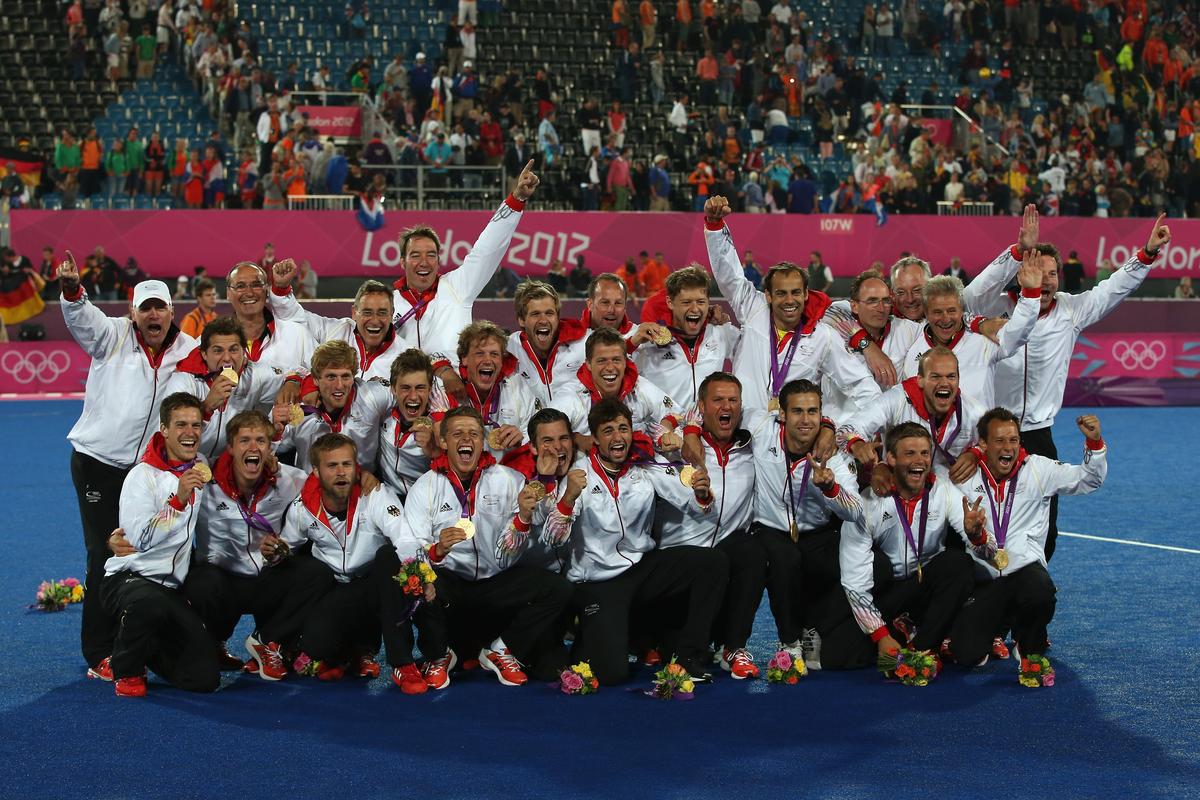
Moritz Fuerste has won three Olympic medals, gold at Beijing and London and a bronze at his final Games in Rio.

Moritz Fuerste has won three Olympic medals, gold at Beijing and London and a bronze at his final Games in Rio.
| Photo Credit:
Getty Images

lightbox-info

Moritz Fuerste has won three Olympic medals, gold at Beijing and London and a bronze at his final Games in Rio.
| Photo Credit:
Getty Images

What I’m doing now is a completely different kind of thing. We are all over the world, and we crossed half a million participants last season. HYROX is huge, but I don’t know if it’s ‘bigger’ than my hockey life.

It’s not just that I have a soft spot for hockey. It will always be my first love. Also, my daughters play hockey, so hopefully they will do well as well.

You have three Olympic medals. Do you show them off to investors or is that something you keep to yourself?

My medals are with me at home, but they aren’t on display. People who visit me at home get a chance to get a glimpse of them, but they aren’t something I show off.

While you retired from international hockey in 2017, you continued to play at the club level in Europe for a couple of more years while you were starting your business. How difficult was it to do both?

It is a completely different ball game to play club hockey in Germany in comparison to playing international hockey. At the international level, I was doing one or two training sessions daily. And I was a pretty decent player even when I retired from international hockey at 33 or so. So the move to club hockey, where I was training maybe two or three times a week, wasn’t difficult at all. I could go to the office for the entire day and then just come to the training sessions at night.

ALSO READ | IND vs ARG: India gets Savita boost ahead of Argentina tour but will miss Salima’s services

I tried to keep myself fit to a certain extent, but I just basically played until I started to feel that it was time for me to step down because I knew that even though I was doing ok with training two or three times a week, it wasn’t helping any more. And I didn’t want to get to the level where I was going to be a problem for the team, so I quit early enough.

Do you still play hockey from time to time?

I actually founded a team with my former teammates from my hometown of Hamburg. Last year, we were playing in the 4th division of Germany. Our opponents are some 20 years younger than us but we still enjoy it. And we still beat them!

Do you miss the bit about playing? Do you sometimes wish you could go into the field again?

I have such amazing memories being a player and getting the chance to step on that pitch. I’m very grateful that I had the chance to experience that for the better part of my life. There are no regrets, there’s just happiness and joy when I remember the old times. But it’s a part of my life that’s over now, otherwise I’d be trying to do it again! It’s over, and that’s good. A new chapter is on now. Of course, when I watch games now, I have a lot of memories popping up in my head of me playing myself.

I don’t watch many games live, but I watch them all on YouTube, and I follow hockey a lot. I still think it’s a very beautiful sport that needs a lot of attention and should have much more attention. It’s already kind of big in India, but I want it to be big elsewhere in the world.

Have you ever taken part in HYROX as well?

I do. I think I’m physically about as fit as I was back in my playing days because I focus only on athleticism and because I’m very competitive. I always want to beat my personal record time in Hyrox. I train a lot, and my goal is to beat the hour – do something like 58 or 59.

But mostly I’m a doubles athlete. It’s not because of my age or anything, but because it’s much more fun to share the workload and go through the tactics of being teamed up with someone. I just enjoy that very much.

Published on Apr 14, 2026
Source link
#compare #starting #HYROX #playing #season #Hockey #India #League #Moritz #Fuertse

Previous post

Deadspin | Playoff-bound Mammoth seek winning touch against Jets <div id=""><section id="0" class=" w-full"><div class="xl:container mx-0 !px-4 py-0 pb-4 !mx-0 !px-0"><img src="https://images.deadspin.com/tr:w-900/28662539.jpg" srcset="https://images.deadspin.com/tr:w-900/28662539.jpg" alt="NHL: Utah Mammoth at Vancouver Canucks" class="w-full" fetchpriority="high" loading="eager"/><span class="text-0.8 leading-tight">Apr 4, 2026; Vancouver, British Columbia, CAN; Utah Mammoth right wing Clayton Keller (9) celebrates his empty net goal with team mate, center Alexander Kerfoot (15) during the third period at Rogers Arena. Mandatory Credit: Simon Fearn-Imagn Images<!-- --> <!-- --> </span></div></section><section id="section-1"> <p>The Utah Mammoth will try to get back in the win column when they host the Winnipeg Jets on Tuesday night.</p> </section><section id="section-2"> <p>This is the third and final game between these Central Division rivals this season. The Mammoth won the two previous meetings, 3-2 in Winnipeg on Oct. 26 and 4-3 on Dec. 21 in Salt Lake City.</p> </section><section id="section-3"> <p>Utah (42-32-6, 90 points) sits in the first wild-card spot in the Western Conference playoff race. Leading scorer Clayton Keller (85 points, including a team-high 59 assists) and company are also looking to end a two-game losing skid. </p> </section><section id="section-4"> <p>After winning five straight games and punching their ticket to the postseason, the Mammoth fell 4-1 at home to the Carolina Hurricanes on Saturday. They then struggled their last time out to find the back of the net, falling 4-1 to the host Calgary Flames on Sunday.</p> </section><section id="section-5"> <p>“I didn’t like the way we approached our game in the sense that we had to be ready to grind, get inside, and to work extremely hard for every inch,” Mammoth coach Andre Tourigny said after the loss to the Flames. “I don’t think our emotion, our focus was at the right place, and it showed everywhere from everybody. I’m not blaming anybody. Coaches, players, we need to be better. We need to grind.”</p> </section><section id="section-6"> <p>Utah defenseman MacKenzie Weegar, who was traded by the Flames to the Mammoth on March 4, said he knows from experience how hard it is for opponents to play in the Flames’ home arena. </p> </section><br/><section id="section-7"> <p>“Both teams had a tough schedule coming into this one; whoever was the more prepared team in that first period had a really good chance to win this game,” Weegar said. “We didn’t come out prepared and connected and ready to compete.”</p> </section> <section id="section-8"> <p>Meanwhile, the Jets (35-33-12, 82 points) have had their three-year playoff run snapped after they were mathematically eliminated from the postseason race on Monday night. They also enter Tuesday’s game on a two-game skid, which started with a 7-1 home loss to the Philadelphia Flyers on Saturday.</p> </section><section id="section-9"> <p>“The message is, I think, no one wants to lose like that,” Jets defenseman Josh Morrissey said after the loss to Philadelphia. “It was embarrassing in our own arena. But at the same time, what are we going to do, sit around and cry about it? </p> </section><section id="section-10"> <p>“We have three games left and a huge back-to-back, a tough road trip,” he continued. “Turn the page, fly there tomorrow, and get yourself ready to go, and let’s bring it to the next game. The score hurts right now, embarrassing right now as we drive home, we have to turn the page and keep pushing like we have been.”</p> </section><section id="section-11"> <p>Now, the Jets visit the Mammoth on the tail end of a back-to-back that started with a 6-2 loss to the playoff-bound Vegas Golden Knights on Monday.</p> </section><section id="section-12"> <p>In that game, the Golden Knights held the Jets off the scoreboard completely until the final frame, when Mark Scheifele and Gabriel Vilardi found the back of the net. Connor Hellebuyck allowed six goals on 38 shots after he was pulled in his previous start for allowing five goals on 20 shots against the Flyers.</p> </section><section id="section-13"> <p>–Field Level Media</p> </section></div> #Deadspin #Playoffbound #Mammoth #seek #winning #touch #Jets

Next post

8 Defunct Chain Restaurants That Used to Be Everywhere

Deadspin | Blackhawks score 5 straight to beat Sharks in season finale  Apr 15, 2026; Chicago, Illinois, USA; Chicago Blackhawks center Ryan Greene (20) celebrates his goal against the San Jose Sharks during the third period at United Center. Mandatory Credit: David Banks-Imagn Images   Louis Crevier scored two third-period goals and Chicago scored five straight to rally for a 5-2 win against the visiting San Jose Sharks in the Blackhawks’ season finale on Wednesday night.  Sam Rinzel, Ryan Greene and Nick Lardis also scored, Connor Bedard had two assists and Spencer Knight made 15 saves for the Blackhawks (29-39-14, 72 points), who had lost four in a row and nine of 10 (1-8-1).  Mario Ferraro and Michael Misa scored, Kiefer Sherwood had two assists and Yaroslav Askarov made 19 saves and turned away a penalty shot for the Sharks (38-35-8, 84 points), who have lost four of five (1-3-1).  Crevier scored off a backhand cross-ice pass from Bedard to tie it 2-2 at 3:51 of the third.  Greene scored backdoor off a feed from Ethan Del Mastro to give the Blackhawks a 3-2 lead at 8:35.  Crevier scored again with a slap shot from just inside the blue line to make it 4-2 at 10:32.  Bedard got another assist with a backhand pass to Lardis for a one-timer that made it 5-2 at 14:44.   Knight appeared to make the initial save on a shot by Ferraro, but the rebound went off the skate of Del Mastro and across the goal line to give the Sharks a 1-0 lead at 8:09 of the first period.  After Askarov stopped Ilya Mikheyev on a penalty shot with 3:38 left in the first period, the Sharks thought they extended the lead to 2-0 on a goal by Tyler Toffoli early in the second period, but Chicago challenged for offsides and the goal was waived off following a video review.  The Sharks scored at 5:17 of the second when Misa tried to pass the puck to the front of the crease from the side of the net, but it went off the stick blade of Del Mastro, off his arm, and between the pads of Knight to make it 2-0.  Chicago started the comeback when Askarov gave up a bad goal with 30 seconds left in the second period.  Rinzel took a sharp-angle shot from just above the goal line and the puck slipped through his pads to cut it to 2-1.  The Sharks conclude their season on Thursday at the Winnipeg Jets.  –Field Level Media    #Deadspin #Blackhawks #score #straight #beat #Sharks #season #finaleApr 15, 2026; Chicago, Illinois, USA; Chicago Blackhawks center Ryan Greene (20) celebrates his goal against the San Jose Sharks during the third period at United Center. Mandatory Credit: David Banks-Imagn Images

Louis Crevier scored two third-period goals and Chicago scored five straight to rally for a 5-2 win against the visiting San Jose Sharks in the Blackhawks’ season finale on Wednesday night.

Sam Rinzel, Ryan Greene and Nick Lardis also scored, Connor Bedard had two assists and Spencer Knight made 15 saves for the Blackhawks (29-39-14, 72 points), who had lost four in a row and nine of 10 (1-8-1).

Mario Ferraro and Michael Misa scored, Kiefer Sherwood had two assists and Yaroslav Askarov made 19 saves and turned away a penalty shot for the Sharks (38-35-8, 84 points), who have lost four of five (1-3-1).

Crevier scored off a backhand cross-ice pass from Bedard to tie it 2-2 at 3:51 of the third.

Greene scored backdoor off a feed from Ethan Del Mastro to give the Blackhawks a 3-2 lead at 8:35.

Crevier scored again with a slap shot from just inside the blue line to make it 4-2 at 10:32.


Bedard got another assist with a backhand pass to Lardis for a one-timer that made it 5-2 at 14:44.

Knight appeared to make the initial save on a shot by Ferraro, but the rebound went off the skate of Del Mastro and across the goal line to give the Sharks a 1-0 lead at 8:09 of the first period.

After Askarov stopped Ilya Mikheyev on a penalty shot with 3:38 left in the first period, the Sharks thought they extended the lead to 2-0 on a goal by Tyler Toffoli early in the second period, but Chicago challenged for offsides and the goal was waived off following a video review.

The Sharks scored at 5:17 of the second when Misa tried to pass the puck to the front of the crease from the side of the net, but it went off the stick blade of Del Mastro, off his arm, and between the pads of Knight to make it 2-0.

Chicago started the comeback when Askarov gave up a bad goal with 30 seconds left in the second period.

Rinzel took a sharp-angle shot from just above the goal line and the puck slipped through his pads to cut it to 2-1.

The Sharks conclude their season on Thursday at the Winnipeg Jets.


–Field Level Media

#Deadspin #Blackhawks #score #straight #beat #Sharks #season #finale">Deadspin | Blackhawks score 5 straight to beat Sharks in season finale  Apr 15, 2026; Chicago, Illinois, USA; Chicago Blackhawks center Ryan Greene (20) celebrates his goal against the San Jose Sharks during the third period at United Center. Mandatory Credit: David Banks-Imagn Images   Louis Crevier scored two third-period goals and Chicago scored five straight to rally for a 5-2 win against the visiting San Jose Sharks in the Blackhawks’ season finale on Wednesday night.  Sam Rinzel, Ryan Greene and Nick Lardis also scored, Connor Bedard had two assists and Spencer Knight made 15 saves for the Blackhawks (29-39-14, 72 points), who had lost four in a row and nine of 10 (1-8-1).  Mario Ferraro and Michael Misa scored, Kiefer Sherwood had two assists and Yaroslav Askarov made 19 saves and turned away a penalty shot for the Sharks (38-35-8, 84 points), who have lost four of five (1-3-1).  Crevier scored off a backhand cross-ice pass from Bedard to tie it 2-2 at 3:51 of the third.  Greene scored backdoor off a feed from Ethan Del Mastro to give the Blackhawks a 3-2 lead at 8:35.  Crevier scored again with a slap shot from just inside the blue line to make it 4-2 at 10:32.  Bedard got another assist with a backhand pass to Lardis for a one-timer that made it 5-2 at 14:44.   Knight appeared to make the initial save on a shot by Ferraro, but the rebound went off the skate of Del Mastro and across the goal line to give the Sharks a 1-0 lead at 8:09 of the first period.  After Askarov stopped Ilya Mikheyev on a penalty shot with 3:38 left in the first period, the Sharks thought they extended the lead to 2-0 on a goal by Tyler Toffoli early in the second period, but Chicago challenged for offsides and the goal was waived off following a video review.  The Sharks scored at 5:17 of the second when Misa tried to pass the puck to the front of the crease from the side of the net, but it went off the stick blade of Del Mastro, off his arm, and between the pads of Knight to make it 2-0.  Chicago started the comeback when Askarov gave up a bad goal with 30 seconds left in the second period.  Rinzel took a sharp-angle shot from just above the goal line and the puck slipped through his pads to cut it to 2-1.  The Sharks conclude their season on Thursday at the Winnipeg Jets.  –Field Level Media    #Deadspin #Blackhawks #score #straight #beat #Sharks #season #finale

The strongest position group in the 2026 NFL Draft is at wide receiver. Even with that, there are legitimate question marks and concerns surrounding every wideout in the draft, especially the consensus top-ranking ones. It’s a deep class, albeit one that lacks a Ja’Marr Chase-like prospect at the top.

There is no one-size-fits-all receiver prospect. The candidates arrive in varying sizes with athletic profiles that may fit certain schemes around the league better than others. Consensus rankings aren’t present, with each general manager, head coach, and offensive coordinator possessing different evaluations on wideout prospects.

After thorough evaluation of 25-plus prospects at the position in this year’s draft, and conversations with scouts and league executives, we’ve compiled thoughts and tidbits on the 10 best receivers in the 2026 NFL Draft.

Carnell Tate, WR, Ohio State

Ohio State’s Carnell Tate is the safest and most reliable prospect at the position. Tate possesses adequate size throughout his 6’2, 192-pound frame, though play strength isn’t a particular skill of his. The former Buckeyes standout is a savvy route runner with elite hands. He’s a vertical field stretcher who can both create separation and thrive in contested catch situations. Top-end speed isn’t present, though his controversial 4.53 at the NFL Combine arrived with claims of a faster hand-timed result. He also won’t generate many yards-after-catch opportunities, but his high-level understanding of leverage and body control should make him an immediate asset.

Makai Lemon is a classic watch-the-tape prospect. On the surface, he lacks desired size and athleticism to develop into a No. 1 wideout. Similar negatives were said about Amon-Ra St. Brown and Jaxon Smith-Njigba. Lemon is cut from that cloth when it comes to route-running prowess and short-area quickness. The Los Alamitos, Calif. native smoothly accelerates past defensive backs with tempo speed and a variety of release packages. He’s a true route artist who should quickly endear himself to his starting quarterback.

Omar Cooper Jr., WR, Indiana

Arguably no wide receiver has climbed pre-draft boards in recent weeks like Indiana’s Omar Cooper Jr. Once seen as a potential second-round pick, there’s now significant smoke tying him to the New York Jets at No. 16 overall. Fernando Mendoza’s go-to target in 2025, Cooper led the National Championship-winning Hoosiers in receptions (69) and receiving yards (937) while scoring 13 touchdowns. Cooper is both athletic and tough, having run a 4.42 at the NFL Combine. A versatile inside-outside receiver, he fights through contact with physicality and breaks open-field tackles to create yards after catch.

Jordyn Tyson, WR, Arizona State

The biggest unknown at receiver in the NFL Draft, Arizona State’s Jordyn Tyson has WR1 upside on the tape. The issue? He missed approximately 34 percent of his college football career sidelined by varying injuries. Tyson is an athletic specimen who runs shrewd routes. He’s sudden and explosive with vertical speed and terrific body control. An April 17th workout designed to answer health-related questions could be critical to determining his draft spot. A slide to the second round isn’t out of the question.

Denzel Boston, WR, Washington

Washington wide receiver Denzel Boston is a big-bodied target who wins by dominating defensive backs on the boundary. The towering playmaker has above-the-rim ability with strong hands to complete catches in traffic. Boston has elite ball skills, but his capacity to create consistent separation is flying under the radar as a result of groupthink labeling him a contested-catch merchant. In reality, he’s a very fluid route runner for a receiver who clocked in at 6’4 and 212 pounds.

KC Concepcion, WR, Texas A&M

KC Concepcion is the most dynamic athlete at wide receiver in the 2026 NFL Draft. He’s an incredibly elusive and explosive playmaker who is slippery after the catch. His athletic profile puts cornerbacks in a jam. Short-area quickness and top-tier footwork are at the forefront of Concepcion’s skill set. Focus drops have been a previous issue. He also projects as an immediate field-flipper on special teams, having returned 26 punts at Texas A&M this past season for 456 yards and two touchdowns.

Chris Bell, WR, Louisville

Louisville wide receiver Chris Bell was garnering fringe first-round grades from scouts during the college football season before suffering a season-ending torn ACL injury in November. We’ll see how that injury ultimately impacts his draft stock. Bell is a physical and aggressive receiver who thrives at out-muscling his opponents both as a route runner and yards-after-catch threat. He ran a simple route tree at Louisville, but there’s A.J. Brown-like ability to house-call a slant.

Germie Bernard, WR, Alabama

Germie Bernard may be the savviest, smartest route runner in the NFL Draft. Bernard lacks the high-end athleticism on tape required to develop into a team’s No. 1 receiver, but there’s nothing wrong with being the reliable chain mover. The former Michigan State and Washington transfer possesses adequate acceleration and thrives by running routes with tempo while understanding leverage. He routinely snaps off his routes efficiently and always manages to exploit opportunities in zone coverage. His high football IQ will have his quarterback looking his way on third down.

Ted Hurst, WR, Georgia State

Georgia State wide receiver Ted Hurst has aced the pre-draft process as a small-school prospect who has answered scouting questions. He attended the Senior Bowl and competed at a high level. Hurst then flashed elite athleticism at the NFL Combine by running a 4.42 and leaping an 11-foot-3 broad jump at 6-foot-4 and 206 pounds. On tape, he displays an exciting vertical skill set, shaking coverage at the line of scrimmage to stretch opposing defenses.

Chris Brazzell II, WR, Tennessee

The University of Tennessee has produced its fair share of busts at wide receiver in recent memory. That has led to some helmet-scouting when it comes to Chris Brazzell II. That isn’t fair to a receiver who recorded 62 receptions for 1,017 yards and nine touchdowns while averaging an explosive 16.4 yards per catch in the SEC throughout 2025. Brazzell is an expert field-stretcher with take-the-top-off speed, highlighted by his 4.37 at the NFL Combine. He’s also a snappier route runner than given credit for.

#NFL #Drafts #prospects #class">NFL Draft’s 10 best WR prospects in 2026 class  The strongest position group in the 2026 NFL Draft is at wide receiver. Even with that, there are legitimate question marks and concerns surrounding every wideout in the draft, especially the consensus top-ranking ones. It’s a deep class, albeit one that lacks a Ja’Marr Chase-like prospect at the top.There is no one-size-fits-all receiver prospect. The candidates arrive in varying sizes with athletic profiles that may fit certain schemes around the league better than others. Consensus rankings aren’t present, with each general manager, head coach, and offensive coordinator possessing different evaluations on wideout prospects.After thorough evaluation of 25-plus prospects at the position in this year’s draft, and conversations with scouts and league executives, we’ve compiled thoughts and tidbits on the 10 best receivers in the 2026 NFL Draft.Carnell Tate, WR, Ohio StateOhio State’s Carnell Tate is the safest and most reliable prospect at the position. Tate possesses adequate size throughout his 6’2, 192-pound frame, though play strength isn’t a particular skill of his. The former Buckeyes standout is a savvy route runner with elite hands. He’s a vertical field stretcher who can both create separation and thrive in contested catch situations. Top-end speed isn’t present, though his controversial 4.53 at the NFL Combine arrived with claims of a faster hand-timed result. He also won’t generate many yards-after-catch opportunities, but his high-level understanding of leverage and body control should make him an immediate asset.Makai Lemon is a classic watch-the-tape prospect. On the surface, he lacks desired size and athleticism to develop into a No. 1 wideout. Similar negatives were said about Amon-Ra St. Brown and Jaxon Smith-Njigba. Lemon is cut from that cloth when it comes to route-running prowess and short-area quickness. The Los Alamitos, Calif. native smoothly accelerates past defensive backs with tempo speed and a variety of release packages. He’s a true route artist who should quickly endear himself to his starting quarterback.Omar Cooper Jr., WR, IndianaArguably no wide receiver has climbed pre-draft boards in recent weeks like Indiana’s Omar Cooper Jr. Once seen as a potential second-round pick, there’s now significant smoke tying him to the New York Jets at No. 16 overall. Fernando Mendoza’s go-to target in 2025, Cooper led the National Championship-winning Hoosiers in receptions (69) and receiving yards (937) while scoring 13 touchdowns. Cooper is both athletic and tough, having run a 4.42 at the NFL Combine. A versatile inside-outside receiver, he fights through contact with physicality and breaks open-field tackles to create yards after catch.Jordyn Tyson, WR, Arizona StateThe biggest unknown at receiver in the NFL Draft, Arizona State’s Jordyn Tyson has WR1 upside on the tape. The issue? He missed approximately 34 percent of his college football career sidelined by varying injuries. Tyson is an athletic specimen who runs shrewd routes. He’s sudden and explosive with vertical speed and terrific body control. An April 17th workout designed to answer health-related questions could be critical to determining his draft spot. A slide to the second round isn’t out of the question.Denzel Boston, WR, WashingtonWashington wide receiver Denzel Boston is a big-bodied target who wins by dominating defensive backs on the boundary. The towering playmaker has above-the-rim ability with strong hands to complete catches in traffic. Boston has elite ball skills, but his capacity to create consistent separation is flying under the radar as a result of groupthink labeling him a contested-catch merchant. In reality, he’s a very fluid route runner for a receiver who clocked in at 6’4 and 212 pounds.KC Concepcion, WR, Texas A&MKC Concepcion is the most dynamic athlete at wide receiver in the 2026 NFL Draft. He’s an incredibly elusive and explosive playmaker who is slippery after the catch. His athletic profile puts cornerbacks in a jam. Short-area quickness and top-tier footwork are at the forefront of Concepcion’s skill set. Focus drops have been a previous issue. He also projects as an immediate field-flipper on special teams, having returned 26 punts at Texas A&M this past season for 456 yards and two touchdowns.Chris Bell, WR, LouisvilleLouisville wide receiver Chris Bell was garnering fringe first-round grades from scouts during the college football season before suffering a season-ending torn ACL injury in November. We’ll see how that injury ultimately impacts his draft stock. Bell is a physical and aggressive receiver who thrives at out-muscling his opponents both as a route runner and yards-after-catch threat. He ran a simple route tree at Louisville, but there’s A.J. Brown-like ability to house-call a slant.Germie Bernard, WR, AlabamaGermie Bernard may be the savviest, smartest route runner in the NFL Draft. Bernard lacks the high-end athleticism on tape required to develop into a team’s No. 1 receiver, but there’s nothing wrong with being the reliable chain mover. The former Michigan State and Washington transfer possesses adequate acceleration and thrives by running routes with tempo while understanding leverage. He routinely snaps off his routes efficiently and always manages to exploit opportunities in zone coverage. His high football IQ will have his quarterback looking his way on third down.Ted Hurst, WR, Georgia StateGeorgia State wide receiver Ted Hurst has aced the pre-draft process as a small-school prospect who has answered scouting questions. He attended the Senior Bowl and competed at a high level. Hurst then flashed elite athleticism at the NFL Combine by running a 4.42 and leaping an 11-foot-3 broad jump at 6-foot-4 and 206 pounds. On tape, he displays an exciting vertical skill set, shaking coverage at the line of scrimmage to stretch opposing defenses.Chris Brazzell II, WR, TennesseeThe University of Tennessee has produced its fair share of busts at wide receiver in recent memory. That has led to some helmet-scouting when it comes to Chris Brazzell II. That isn’t fair to a receiver who recorded 62 receptions for 1,017 yards and nine touchdowns while averaging an explosive 16.4 yards per catch in the SEC throughout 2025. Brazzell is an expert field-stretcher with take-the-top-off speed, highlighted by his 4.37 at the NFL Combine. He’s also a snappier route runner than given credit for.  #NFL #Drafts #prospects #class

arrived with claims of a faster hand-timed result. He also won’t generate many yards-after-catch opportunities, but his high-level understanding of leverage and body control should make him an immediate asset.

Makai Lemon is a classic watch-the-tape prospect. On the surface, he lacks desired size and athleticism to develop into a No. 1 wideout. Similar negatives were said about Amon-Ra St. Brown and Jaxon Smith-Njigba. Lemon is cut from that cloth when it comes to route-running prowess and short-area quickness. The Los Alamitos, Calif. native smoothly accelerates past defensive backs with tempo speed and a variety of release packages. He’s a true route artist who should quickly endear himself to his starting quarterback.

Omar Cooper Jr., WR, Indiana

Arguably no wide receiver has climbed pre-draft boards in recent weeks like Indiana’s Omar Cooper Jr. Once seen as a potential second-round pick, there’s now significant smoke tying him to the New York Jets at No. 16 overall. Fernando Mendoza’s go-to target in 2025, Cooper led the National Championship-winning Hoosiers in receptions (69) and receiving yards (937) while scoring 13 touchdowns. Cooper is both athletic and tough, having run a 4.42 at the NFL Combine. A versatile inside-outside receiver, he fights through contact with physicality and breaks open-field tackles to create yards after catch.

Jordyn Tyson, WR, Arizona State

The biggest unknown at receiver in the NFL Draft, Arizona State’s Jordyn Tyson has WR1 upside on the tape. The issue? He missed approximately 34 percent of his college football career sidelined by varying injuries. Tyson is an athletic specimen who runs shrewd routes. He’s sudden and explosive with vertical speed and terrific body control. An April 17th workout designed to answer health-related questions could be critical to determining his draft spot. A slide to the second round isn’t out of the question.

Denzel Boston, WR, Washington

Washington wide receiver Denzel Boston is a big-bodied target who wins by dominating defensive backs on the boundary. The towering playmaker has above-the-rim ability with strong hands to complete catches in traffic. Boston has elite ball skills, but his capacity to create consistent separation is flying under the radar as a result of groupthink labeling him a contested-catch merchant. In reality, he’s a very fluid route runner for a receiver who clocked in at 6’4 and 212 pounds.

KC Concepcion, WR, Texas A&M

KC Concepcion is the most dynamic athlete at wide receiver in the 2026 NFL Draft. He’s an incredibly elusive and explosive playmaker who is slippery after the catch. His athletic profile puts cornerbacks in a jam. Short-area quickness and top-tier footwork are at the forefront of Concepcion’s skill set. Focus drops have been a previous issue. He also projects as an immediate field-flipper on special teams, having returned 26 punts at Texas A&M this past season for 456 yards and two touchdowns.

Chris Bell, WR, Louisville

Louisville wide receiver Chris Bell was garnering fringe first-round grades from scouts during the college football season before suffering a season-ending torn ACL injury in November. We’ll see how that injury ultimately impacts his draft stock. Bell is a physical and aggressive receiver who thrives at out-muscling his opponents both as a route runner and yards-after-catch threat. He ran a simple route tree at Louisville, but there’s A.J. Brown-like ability to house-call a slant.

Germie Bernard, WR, Alabama

Germie Bernard may be the savviest, smartest route runner in the NFL Draft. Bernard lacks the high-end athleticism on tape required to develop into a team’s No. 1 receiver, but there’s nothing wrong with being the reliable chain mover. The former Michigan State and Washington transfer possesses adequate acceleration and thrives by running routes with tempo while understanding leverage. He routinely snaps off his routes efficiently and always manages to exploit opportunities in zone coverage. His high football IQ will have his quarterback looking his way on third down.

Ted Hurst, WR, Georgia State

Georgia State wide receiver Ted Hurst has aced the pre-draft process as a small-school prospect who has answered scouting questions. He attended the Senior Bowl and competed at a high level. Hurst then flashed elite athleticism at the NFL Combine by running a 4.42 and leaping an 11-foot-3 broad jump at 6-foot-4 and 206 pounds. On tape, he displays an exciting vertical skill set, shaking coverage at the line of scrimmage to stretch opposing defenses.

Chris Brazzell II, WR, Tennessee

The University of Tennessee has produced its fair share of busts at wide receiver in recent memory. That has led to some helmet-scouting when it comes to Chris Brazzell II. That isn’t fair to a receiver who recorded 62 receptions for 1,017 yards and nine touchdowns while averaging an explosive 16.4 yards per catch in the SEC throughout 2025. Brazzell is an expert field-stretcher with take-the-top-off speed, highlighted by his 4.37 at the NFL Combine. He’s also a snappier route runner than given credit for.

#NFL #Drafts #prospects #class">NFL Draft’s 10 best WR prospects in 2026 class

The strongest position group in the 2026 NFL Draft is at wide receiver. Even with that, there are legitimate question marks and concerns surrounding every wideout in the draft, especially the consensus top-ranking ones. It’s a deep class, albeit one that lacks a Ja’Marr Chase-like prospect at the top.

There is no one-size-fits-all receiver prospect. The candidates arrive in varying sizes with athletic profiles that may fit certain schemes around the league better than others. Consensus rankings aren’t present, with each general manager, head coach, and offensive coordinator possessing different evaluations on wideout prospects.

After thorough evaluation of 25-plus prospects at the position in this year’s draft, and conversations with scouts and league executives, we’ve compiled thoughts and tidbits on the 10 best receivers in the 2026 NFL Draft.

Carnell Tate, WR, Ohio State

Ohio State’s Carnell Tate is the safest and most reliable prospect at the position. Tate possesses adequate size throughout his 6’2, 192-pound frame, though play strength isn’t a particular skill of his. The former Buckeyes standout is a savvy route runner with elite hands. He’s a vertical field stretcher who can both create separation and thrive in contested catch situations. Top-end speed isn’t present, though his controversial 4.53 at the NFL Combine arrived with claims of a faster hand-timed result. He also won’t generate many yards-after-catch opportunities, but his high-level understanding of leverage and body control should make him an immediate asset.

Makai Lemon is a classic watch-the-tape prospect. On the surface, he lacks desired size and athleticism to develop into a No. 1 wideout. Similar negatives were said about Amon-Ra St. Brown and Jaxon Smith-Njigba. Lemon is cut from that cloth when it comes to route-running prowess and short-area quickness. The Los Alamitos, Calif. native smoothly accelerates past defensive backs with tempo speed and a variety of release packages. He’s a true route artist who should quickly endear himself to his starting quarterback.

Omar Cooper Jr., WR, Indiana

Arguably no wide receiver has climbed pre-draft boards in recent weeks like Indiana’s Omar Cooper Jr. Once seen as a potential second-round pick, there’s now significant smoke tying him to the New York Jets at No. 16 overall. Fernando Mendoza’s go-to target in 2025, Cooper led the National Championship-winning Hoosiers in receptions (69) and receiving yards (937) while scoring 13 touchdowns. Cooper is both athletic and tough, having run a 4.42 at the NFL Combine. A versatile inside-outside receiver, he fights through contact with physicality and breaks open-field tackles to create yards after catch.

Jordyn Tyson, WR, Arizona State

The biggest unknown at receiver in the NFL Draft, Arizona State’s Jordyn Tyson has WR1 upside on the tape. The issue? He missed approximately 34 percent of his college football career sidelined by varying injuries. Tyson is an athletic specimen who runs shrewd routes. He’s sudden and explosive with vertical speed and terrific body control. An April 17th workout designed to answer health-related questions could be critical to determining his draft spot. A slide to the second round isn’t out of the question.

Denzel Boston, WR, Washington

Washington wide receiver Denzel Boston is a big-bodied target who wins by dominating defensive backs on the boundary. The towering playmaker has above-the-rim ability with strong hands to complete catches in traffic. Boston has elite ball skills, but his capacity to create consistent separation is flying under the radar as a result of groupthink labeling him a contested-catch merchant. In reality, he’s a very fluid route runner for a receiver who clocked in at 6’4 and 212 pounds.

KC Concepcion, WR, Texas A&M

KC Concepcion is the most dynamic athlete at wide receiver in the 2026 NFL Draft. He’s an incredibly elusive and explosive playmaker who is slippery after the catch. His athletic profile puts cornerbacks in a jam. Short-area quickness and top-tier footwork are at the forefront of Concepcion’s skill set. Focus drops have been a previous issue. He also projects as an immediate field-flipper on special teams, having returned 26 punts at Texas A&M this past season for 456 yards and two touchdowns.

Chris Bell, WR, Louisville

Louisville wide receiver Chris Bell was garnering fringe first-round grades from scouts during the college football season before suffering a season-ending torn ACL injury in November. We’ll see how that injury ultimately impacts his draft stock. Bell is a physical and aggressive receiver who thrives at out-muscling his opponents both as a route runner and yards-after-catch threat. He ran a simple route tree at Louisville, but there’s A.J. Brown-like ability to house-call a slant.

Germie Bernard, WR, Alabama

Germie Bernard may be the savviest, smartest route runner in the NFL Draft. Bernard lacks the high-end athleticism on tape required to develop into a team’s No. 1 receiver, but there’s nothing wrong with being the reliable chain mover. The former Michigan State and Washington transfer possesses adequate acceleration and thrives by running routes with tempo while understanding leverage. He routinely snaps off his routes efficiently and always manages to exploit opportunities in zone coverage. His high football IQ will have his quarterback looking his way on third down.

Ted Hurst, WR, Georgia State

Georgia State wide receiver Ted Hurst has aced the pre-draft process as a small-school prospect who has answered scouting questions. He attended the Senior Bowl and competed at a high level. Hurst then flashed elite athleticism at the NFL Combine by running a 4.42 and leaping an 11-foot-3 broad jump at 6-foot-4 and 206 pounds. On tape, he displays an exciting vertical skill set, shaking coverage at the line of scrimmage to stretch opposing defenses.

Chris Brazzell II, WR, Tennessee

The University of Tennessee has produced its fair share of busts at wide receiver in recent memory. That has led to some helmet-scouting when it comes to Chris Brazzell II. That isn’t fair to a receiver who recorded 62 receptions for 1,017 yards and nine touchdowns while averaging an explosive 16.4 yards per catch in the SEC throughout 2025. Brazzell is an expert field-stretcher with take-the-top-off speed, highlighted by his 4.37 at the NFL Combine. He’s also a snappier route runner than given credit for.

#NFL #Drafts #prospects #class

Post Comment