×
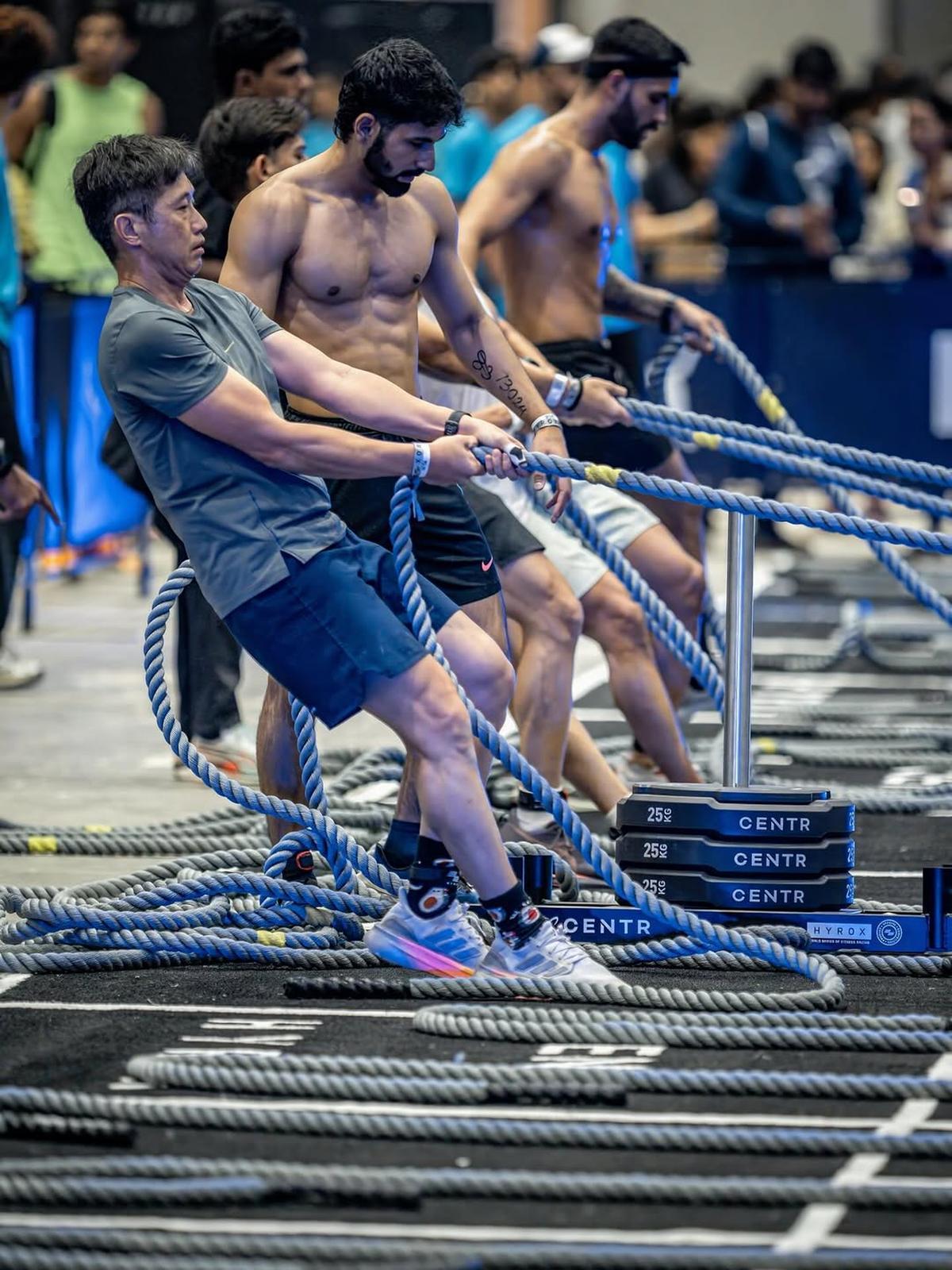
I would compare starting HYROX to playing my first season in Hockey India League: Moritz Fuertse  When he called time on his international career in 2017, Moritz Fuerste was one of the most accomplished field hockey players of all time. He’d been capped 268 times for Germany, scored 112 goals and won three Olympic medals, including gold at Beijing and London and a bronze at his final Games in Rio.And while many elite athletes struggle for meaning post-retirement, Fuerste had long been planning for life after professional sport. He’d go on to found HYROX, a fitness brand that organises mass-participation indoor competitions combining running and functional workouts in a standardised format.These days, HYROX is one of the fastest-growing global fitness brands. It closed 2025 with an estimated 150 million dollars in revenue and had over 600,000 athletes competing annually in competitions it organises in cities across the world. HYROX Bengaluru, which concluded last Sunday, drew over 8,200 participants across two days – a nearly fivefold jump from its first India edition in Mumbai last year, when it drew 1,650 participants.In an interview with        Sportstar, Fuertse, now 41, spoke on his journey from elite sport to founding one of the most successful fitness startups in the world today and how the lessons he learned while competing in the Hockey India League translated to the world of business.It’s not common in India for high level athletes to make the plunge into the business world. How did that come about for you?I’ve spent a lot of time in India, so I know how things work here in regard to hockey. I think it’s important to understand that in Germany, hockey is not a professional sport. Players don’t make a living from playing. You can’t provide for your family or even for the rest of your life. I knew I was going to have to leave the game at some point in time, and I was always preparing for that eventuality.I did my university degree by the time I was 30, and I knew I was going to leave international hockey after the Rio Olympics. I knew it was going to be a big shock if I switched suddenly from being a full-time athlete who wasn’t making any money to a full-time employee. I didn’t want to go down that road, so I’d already started working a little bit during my playing days, and after the Olympics, I decided I was going to start a company with my business partner. But that turnaround from being a professional player to a business owner was a tough step.While you were preparing for the next chapter, were you ever concerned that you were going to end up crunching numbers in a cubicle?That’s true. A corporate job would never have suited me. But I always believed I’d be able to find something that I enjoyed as much as I loved being a hockey player. I knew I had to find something that I would have the same energy and fire for that I had for being a hockey player.It was always going to take something special to replace the role that hockey had in my life.How did the idea for HYROX come about?When I was founding a company, I wanted to do something that allowed me to stay in the world of sport. But even within sport, I noticed a void. If you’re a tennis player, you play tennis. If you’re a runner, there are marathons or half marathons. And if you’re a rower, then there are rowing competitions. If you are a hockey player, of course, you play hockey.But if you’re a gym goer, there is literally no competition directly for that, and there was no competition or race for that. I felt that was crazy because most people in the world who are doing any kind of fitness activities are gym goers. There are hundreds of millions of these people. They go to a gym, and there is no way, no race or sport for these people to compete. That was a huge void that I thought could be filled. The Ultrahuman Hyrox Bengaluru race was held at the Bangalore International Exhibition Centre on April 11 and 12.
                                                            | Photo Credit: 
                                Instagram/hyroxindia
                            

                            The Ultrahuman Hyrox Bengaluru race was held at the Bangalore International Exhibition Centre on April 11 and 12.
                                                            | Photo Credit: 
                                Instagram/hyroxindia
                                                    Even at the time I started, I thought this could be as big as marathon running at some point in time, but it’s been absolutely crazy how well HYROX has done. We ended up outperforming our most optimistic business models by over 100 per cent. I thought we would eventually get to where we were, but I didn’t think it would happen as quickly as it did.In what ways did the skills you picked up in your playing career translate to running a business?In both of these worlds, what matters is putting together a team. I think one of my strengths as a player was that I was able to create successful teams. You have to understand leadership structures and hierarchies within the company. You have to work with feedback, negative feedback, and criticism. These are all things that we are very used to from the playing field, and especially the hockey field.Other things, I mean, obviously, as a player in professional sports, you have to be very organised, you have to be very structured, you have to be disciplined. You also have to be relentless, and you have to never give up because that’s just how it is. You fight till the last whistle, and until then, you just keep fighting.And I think as a business founder, that’s also very important because there are many ups and downs and many low points and many things where you question yourself, and you just can’t question yourself all the time. You just have to get into the working mode. And I think that’s something I learned a lot in hockey.But there has to be a difference between being part of a German team that was already a really strong team and starting something from nothing, like with HYROX.I think that’s true. I would actually compare starting HYROX with the time I came to India and competed in the HIL for Ranchi Rhinos. That’s a closer comparison. When I came to India the first year, we started putting a team together that in the end ended up winning the league. A couple of years later, I switched to the Kalinga Lancers, and we did the same thing again. In Europe, I played in a few leagues, and I ended up doing the same thing.File photo: Moritz Fuerste has represented Ranchi Rhinos and Kalinga Lancers in the Hockey India League.
                                                            | Photo Credit: 
                                Biswaranjan Rout
                            File photo: Moritz Fuerste has represented Ranchi Rhinos and Kalinga Lancers in the Hockey India League.
                                                            | Photo Credit: 
                                Biswaranjan Rout
                                                    I think that the ability to lead new teams was one of my strengths, and that was the main asset I brought into founding the company as well. I think I’m quite good at putting the right people together to achieve a common goal.You were actually one of the highest paid players in the HIL. What do you remember of your time there?My first year was very special. It was almost spiritual for me to come here and stay here for eight weeks and have the experience with all these young players. I played with Manpreet, Mandeep, and all these young Indian players in the first year. We didn’t have a single senior Indian player in that team. I got to both work with and shape these guys.The next years were a little bit more about business, focusing on doing the job and experiencing what I never experienced usually, which is these big crowds in stadiums and being very much in the focus. I got my 15 minutes of fame, which I enjoyed a lot.What did you mean when you described the first season of the HIL as ‘spiritual’?I’d actually been to India before, when I was playing the Champions Trophy in Chennai in 2005. At that time, we literally didn’t leave the hotel. In that first season of the HIL, we did things like going to the Golden Temple in Amritsar. We visited a few other temples and did a lot of cultural things. I went to Mandeep’s home, and he showed me around his family.There were a lot of life lessons I took from that experience. It helped me understand how people in different parts of the world live and handle their lives. There were many things that came together that year that made me a better person and also helped me become a better player.You’ve spoken of what lessons you carried over from hockey to business. What did you have to learn when running a business?It’s not different, but I think the most important thing in business, as in sport, is to find out very quickly what your personal strength is and what are the things you can drive. I knew in sports that you could wake me at 3 a.m., and I would know what to do with the ball. When I started HYROX, I knew the challenge was to also find my strength.What also mattered was really finding my place and getting that respect that I had initially as a hockey player that I earned over the course of my career. Getting that respect on that business level was also a challenge for me because if you want people to respect you, you need to give them a reason why they should respect you. That combination was quite a challenge at the beginning.ALSO READ | How Ironman and HYROX are redefining fitness culture in IndiaWhen you found a company, you are going to make a lot of mistakes. Of course, in hindsight, you think you could have done things differently, but that’s when you understand the importance of never giving up. You just need to be relentless, and you need to have a certain thick skin that doesn’t let you fall. And if you do, pick yourself up.Do you think there is any advantage to being a sportsperson when you’re running a business? Do you look for a sportsperson when you are hiring?I actually never look at a CV while hiring. I don’t look at grades. I’m not really interested in that. I care about who people are, and sport is a very important piece of that puzzle. If I understand that someone likes to do sports or has done sports, that’s a very valuable ingredient in whether I hire someone.HYROX is one of the fastest-growing sports brands in the world. How does that compare to winning three Olympic medals? Which gives you more satisfaction?I can’t compare the two. I gave 25 years of my life to hockey. My first life was being a hockey player, and I’m very grateful for that. I had an amazing decade with a team that I’d say would be one of the top five of all time.I had some great career highlights. I remember the quarterfinals of the Rio Olympics, where we were just seconds away from losing the quarterfinals to New Zealand and when I scored twice in the last 45 seconds to win the match. There was the semifinals against Australia in the London Olympics when we completely outplayed what I felt was another all-time great team. But every chapter has to end at some point in time. Moritz Fuerste has won three Olympic medals, gold at Beijing and London and a bronze at his final Games in Rio.
                                                            | Photo Credit: 
                                Getty Images
                            

                            Moritz Fuerste has won three Olympic medals, gold at Beijing and London and a bronze at his final Games in Rio.
                                                            | Photo Credit: 
                                Getty Images
                                                    What I’m doing now is a completely different kind of thing. We are all over the world, and we crossed half a million participants last season. HYROX is huge, but I don’t know if it’s ‘bigger’ than my hockey life.It’s not just that I have a soft spot for hockey. It will always be my first love. Also, my daughters play hockey, so hopefully they will do well as well.You have three Olympic medals. Do you show them off to investors or is that something you keep to yourself?My medals are with me at home, but they aren’t on display. People who visit me at home get a chance to get a glimpse of them, but they aren’t something I show off.While you retired from international hockey in 2017, you continued to play at the club level in Europe for a couple of more years while you were starting your business. How difficult was it to do both?It is a completely different ball game to play club hockey in Germany in comparison to playing international hockey. At the international level, I was doing one or two training sessions daily. And I was a pretty decent player even when I retired from international hockey at 33 or so. So the move to club hockey, where I was training maybe two or three times a week, wasn’t difficult at all. I could go to the office for the entire day and then just come to the training sessions at night.ALSO READ | IND vs ARG: India gets Savita boost ahead of Argentina tour but will miss Salima’s servicesI tried to keep myself fit to a certain extent, but I just basically played until I started to feel that it was time for me to step down because I knew that even though I was doing ok with training two or three times a week, it wasn’t helping any more. And I didn’t want to get to the level where I was going to be a problem for the team, so I quit early enough.Do you still play hockey from time to time?I actually founded a team with my former teammates from my hometown of Hamburg. Last year, we were playing in the 4th division of Germany. Our opponents are some 20 years younger than us but we still enjoy it. And we still beat them!Do you miss the bit about playing? Do you sometimes wish you could go into the field again?I have such amazing memories being a player and getting the chance to step on that pitch. I’m very grateful that I had the chance to experience that for the better part of my life. There are no regrets, there’s just happiness and joy when I remember the old times. But it’s a part of my life that’s over now, otherwise I’d be trying to do it again! It’s over, and that’s good. A new chapter is on now. Of course, when I watch games now, I have a lot of memories popping up in my head of me playing myself.I don’t watch many games live, but I watch them all on        YouTube, and I follow hockey a lot. I still think it’s a very beautiful sport that needs a lot of attention and should have much more attention. It’s already kind of big in India, but I want it to be big elsewhere in the world.Have you ever taken part in HYROX as well?I do. I think I’m physically about as fit as I was back in my playing days because I focus only on athleticism and because I’m very competitive. I always want to beat my personal record time in Hyrox. I train a lot, and my goal is to beat the hour – do something like 58 or 59.But mostly I’m a doubles athlete. It’s not because of my age or anything, but because it’s much more fun to share the workload and go through the tactics of being teamed up with someone. I just enjoy that very much.Published on Apr 14, 2026  #compare #starting #HYROX #playing #season #Hockey #India #League #Moritz #Fuertse

I would compare starting HYROX to playing my first season in Hockey India League: Moritz Fuertse

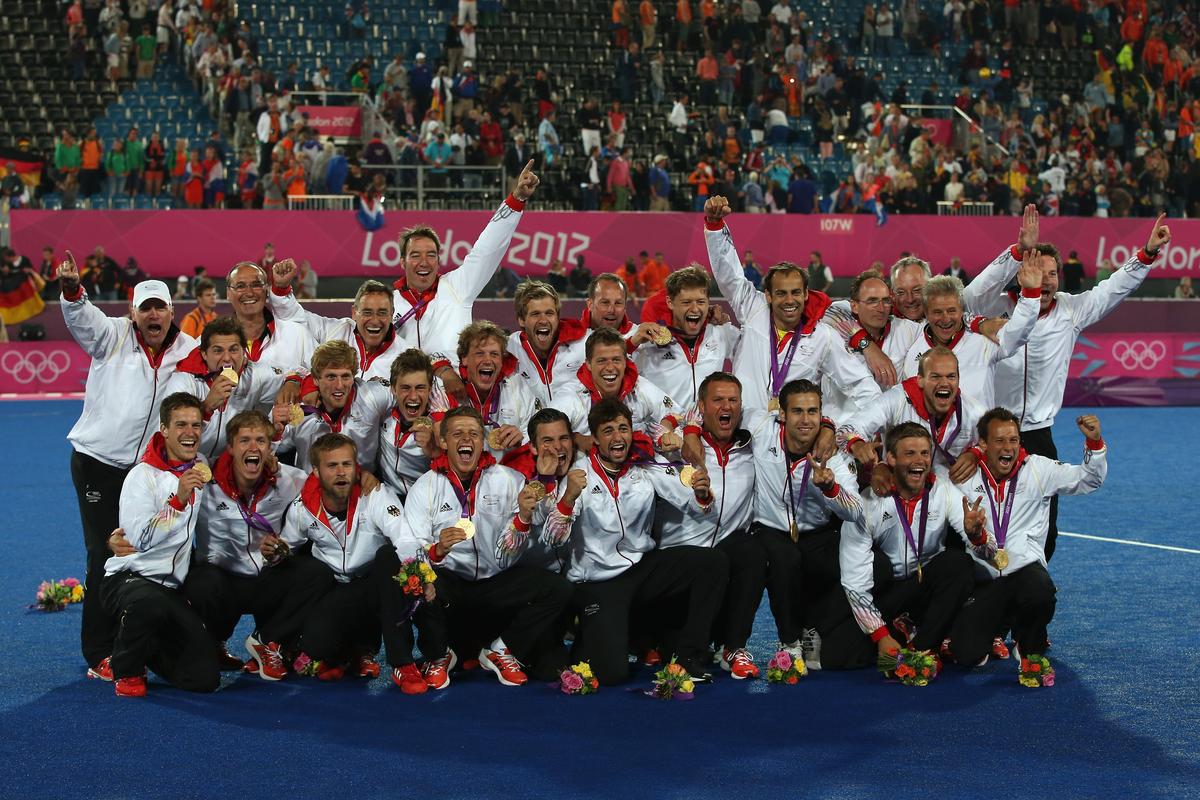
When he called time on his international career in 2017, Moritz Fuerste was one of the most accomplished field hockey players of all time. He’d been capped 268 times for Germany, scored 112 goals and won three Olympic medals, including gold at Beijing and London and a bronze at his final Games in Rio.

And while many elite athletes struggle for meaning post-retirement, Fuerste had long been planning for life after professional sport. He’d go on to found HYROX, a fitness brand that organises mass-participation indoor competitions combining running and functional workouts in a standardised format.

These days, HYROX is one of the fastest-growing global fitness brands. It closed 2025 with an estimated 150 million dollars in revenue and had over 600,000 athletes competing annually in competitions it organises in cities across the world. HYROX Bengaluru, which concluded last Sunday, drew over 8,200 participants across two days – a nearly fivefold jump from its first India edition in Mumbai last year, when it drew 1,650 participants.

In an interview with Sportstar, Fuertse, now 41, spoke on his journey from elite sport to founding one of the most successful fitness startups in the world today and how the lessons he learned while competing in the Hockey India League translated to the world of business.

It’s not common in India for high level athletes to make the plunge into the business world. How did that come about for you?

I’ve spent a lot of time in India, so I know how things work here in regard to hockey. I think it’s important to understand that in Germany, hockey is not a professional sport. Players don’t make a living from playing. You can’t provide for your family or even for the rest of your life. I knew I was going to have to leave the game at some point in time, and I was always preparing for that eventuality.

I did my university degree by the time I was 30, and I knew I was going to leave international hockey after the Rio Olympics. I knew it was going to be a big shock if I switched suddenly from being a full-time athlete who wasn’t making any money to a full-time employee. I didn’t want to go down that road, so I’d already started working a little bit during my playing days, and after the Olympics, I decided I was going to start a company with my business partner. But that turnaround from being a professional player to a business owner was a tough step.

While you were preparing for the next chapter, were you ever concerned that you were going to end up crunching numbers in a cubicle?

That’s true. A corporate job would never have suited me. But I always believed I’d be able to find something that I enjoyed as much as I loved being a hockey player. I knew I had to find something that I would have the same energy and fire for that I had for being a hockey player.

It was always going to take something special to replace the role that hockey had in my life.

How did the idea for HYROX come about?

When I was founding a company, I wanted to do something that allowed me to stay in the world of sport. But even within sport, I noticed a void. If you’re a tennis player, you play tennis. If you’re a runner, there are marathons or half marathons. And if you’re a rower, then there are rowing competitions. If you are a hockey player, of course, you play hockey.

But if you’re a gym goer, there is literally no competition directly for that, and there was no competition or race for that. I felt that was crazy because most people in the world who are doing any kind of fitness activities are gym goers. There are hundreds of millions of these people. They go to a gym, and there is no way, no race or sport for these people to compete. That was a huge void that I thought could be filled.
I would compare starting HYROX to playing my first season in Hockey India League: Moritz Fuertse  When he called time on his international career in 2017, Moritz Fuerste was one of the most accomplished field hockey players of all time. He’d been capped 268 times for Germany, scored 112 goals and won three Olympic medals, including gold at Beijing and London and a bronze at his final Games in Rio.And while many elite athletes struggle for meaning post-retirement, Fuerste had long been planning for life after professional sport. He’d go on to found HYROX, a fitness brand that organises mass-participation indoor competitions combining running and functional workouts in a standardised format.These days, HYROX is one of the fastest-growing global fitness brands. It closed 2025 with an estimated 150 million dollars in revenue and had over 600,000 athletes competing annually in competitions it organises in cities across the world. HYROX Bengaluru, which concluded last Sunday, drew over 8,200 participants across two days – a nearly fivefold jump from its first India edition in Mumbai last year, when it drew 1,650 participants.In an interview with        Sportstar, Fuertse, now 41, spoke on his journey from elite sport to founding one of the most successful fitness startups in the world today and how the lessons he learned while competing in the Hockey India League translated to the world of business.It’s not common in India for high level athletes to make the plunge into the business world. How did that come about for you?I’ve spent a lot of time in India, so I know how things work here in regard to hockey. I think it’s important to understand that in Germany, hockey is not a professional sport. Players don’t make a living from playing. You can’t provide for your family or even for the rest of your life. I knew I was going to have to leave the game at some point in time, and I was always preparing for that eventuality.I did my university degree by the time I was 30, and I knew I was going to leave international hockey after the Rio Olympics. I knew it was going to be a big shock if I switched suddenly from being a full-time athlete who wasn’t making any money to a full-time employee. I didn’t want to go down that road, so I’d already started working a little bit during my playing days, and after the Olympics, I decided I was going to start a company with my business partner. But that turnaround from being a professional player to a business owner was a tough step.While you were preparing for the next chapter, were you ever concerned that you were going to end up crunching numbers in a cubicle?That’s true. A corporate job would never have suited me. But I always believed I’d be able to find something that I enjoyed as much as I loved being a hockey player. I knew I had to find something that I would have the same energy and fire for that I had for being a hockey player.It was always going to take something special to replace the role that hockey had in my life.How did the idea for HYROX come about?When I was founding a company, I wanted to do something that allowed me to stay in the world of sport. But even within sport, I noticed a void. If you’re a tennis player, you play tennis. If you’re a runner, there are marathons or half marathons. And if you’re a rower, then there are rowing competitions. If you are a hockey player, of course, you play hockey.But if you’re a gym goer, there is literally no competition directly for that, and there was no competition or race for that. I felt that was crazy because most people in the world who are doing any kind of fitness activities are gym goers. There are hundreds of millions of these people. They go to a gym, and there is no way, no race or sport for these people to compete. That was a huge void that I thought could be filled. The Ultrahuman Hyrox Bengaluru race was held at the Bangalore International Exhibition Centre on April 11 and 12.
                                                            | Photo Credit: 
                                Instagram/hyroxindia
                            

                            The Ultrahuman Hyrox Bengaluru race was held at the Bangalore International Exhibition Centre on April 11 and 12.
                                                            | Photo Credit: 
                                Instagram/hyroxindia
                                                    Even at the time I started, I thought this could be as big as marathon running at some point in time, but it’s been absolutely crazy how well HYROX has done. We ended up outperforming our most optimistic business models by over 100 per cent. I thought we would eventually get to where we were, but I didn’t think it would happen as quickly as it did.In what ways did the skills you picked up in your playing career translate to running a business?In both of these worlds, what matters is putting together a team. I think one of my strengths as a player was that I was able to create successful teams. You have to understand leadership structures and hierarchies within the company. You have to work with feedback, negative feedback, and criticism. These are all things that we are very used to from the playing field, and especially the hockey field.Other things, I mean, obviously, as a player in professional sports, you have to be very organised, you have to be very structured, you have to be disciplined. You also have to be relentless, and you have to never give up because that’s just how it is. You fight till the last whistle, and until then, you just keep fighting.And I think as a business founder, that’s also very important because there are many ups and downs and many low points and many things where you question yourself, and you just can’t question yourself all the time. You just have to get into the working mode. And I think that’s something I learned a lot in hockey.But there has to be a difference between being part of a German team that was already a really strong team and starting something from nothing, like with HYROX.I think that’s true. I would actually compare starting HYROX with the time I came to India and competed in the HIL for Ranchi Rhinos. That’s a closer comparison. When I came to India the first year, we started putting a team together that in the end ended up winning the league. A couple of years later, I switched to the Kalinga Lancers, and we did the same thing again. In Europe, I played in a few leagues, and I ended up doing the same thing.File photo: Moritz Fuerste has represented Ranchi Rhinos and Kalinga Lancers in the Hockey India League.
                                                            | Photo Credit: 
                                Biswaranjan Rout
                            File photo: Moritz Fuerste has represented Ranchi Rhinos and Kalinga Lancers in the Hockey India League.
                                                            | Photo Credit: 
                                Biswaranjan Rout
                                                    I think that the ability to lead new teams was one of my strengths, and that was the main asset I brought into founding the company as well. I think I’m quite good at putting the right people together to achieve a common goal.You were actually one of the highest paid players in the HIL. What do you remember of your time there?My first year was very special. It was almost spiritual for me to come here and stay here for eight weeks and have the experience with all these young players. I played with Manpreet, Mandeep, and all these young Indian players in the first year. We didn’t have a single senior Indian player in that team. I got to both work with and shape these guys.The next years were a little bit more about business, focusing on doing the job and experiencing what I never experienced usually, which is these big crowds in stadiums and being very much in the focus. I got my 15 minutes of fame, which I enjoyed a lot.What did you mean when you described the first season of the HIL as ‘spiritual’?I’d actually been to India before, when I was playing the Champions Trophy in Chennai in 2005. At that time, we literally didn’t leave the hotel. In that first season of the HIL, we did things like going to the Golden Temple in Amritsar. We visited a few other temples and did a lot of cultural things. I went to Mandeep’s home, and he showed me around his family.There were a lot of life lessons I took from that experience. It helped me understand how people in different parts of the world live and handle their lives. There were many things that came together that year that made me a better person and also helped me become a better player.You’ve spoken of what lessons you carried over from hockey to business. What did you have to learn when running a business?It’s not different, but I think the most important thing in business, as in sport, is to find out very quickly what your personal strength is and what are the things you can drive. I knew in sports that you could wake me at 3 a.m., and I would know what to do with the ball. When I started HYROX, I knew the challenge was to also find my strength.What also mattered was really finding my place and getting that respect that I had initially as a hockey player that I earned over the course of my career. Getting that respect on that business level was also a challenge for me because if you want people to respect you, you need to give them a reason why they should respect you. That combination was quite a challenge at the beginning.ALSO READ | How Ironman and HYROX are redefining fitness culture in IndiaWhen you found a company, you are going to make a lot of mistakes. Of course, in hindsight, you think you could have done things differently, but that’s when you understand the importance of never giving up. You just need to be relentless, and you need to have a certain thick skin that doesn’t let you fall. And if you do, pick yourself up.Do you think there is any advantage to being a sportsperson when you’re running a business? Do you look for a sportsperson when you are hiring?I actually never look at a CV while hiring. I don’t look at grades. I’m not really interested in that. I care about who people are, and sport is a very important piece of that puzzle. If I understand that someone likes to do sports or has done sports, that’s a very valuable ingredient in whether I hire someone.HYROX is one of the fastest-growing sports brands in the world. How does that compare to winning three Olympic medals? Which gives you more satisfaction?I can’t compare the two. I gave 25 years of my life to hockey. My first life was being a hockey player, and I’m very grateful for that. I had an amazing decade with a team that I’d say would be one of the top five of all time.I had some great career highlights. I remember the quarterfinals of the Rio Olympics, where we were just seconds away from losing the quarterfinals to New Zealand and when I scored twice in the last 45 seconds to win the match. There was the semifinals against Australia in the London Olympics when we completely outplayed what I felt was another all-time great team. But every chapter has to end at some point in time. Moritz Fuerste has won three Olympic medals, gold at Beijing and London and a bronze at his final Games in Rio.
                                                            | Photo Credit: 
                                Getty Images
                            

                            Moritz Fuerste has won three Olympic medals, gold at Beijing and London and a bronze at his final Games in Rio.
                                                            | Photo Credit: 
                                Getty Images
                                                    What I’m doing now is a completely different kind of thing. We are all over the world, and we crossed half a million participants last season. HYROX is huge, but I don’t know if it’s ‘bigger’ than my hockey life.It’s not just that I have a soft spot for hockey. It will always be my first love. Also, my daughters play hockey, so hopefully they will do well as well.You have three Olympic medals. Do you show them off to investors or is that something you keep to yourself?My medals are with me at home, but they aren’t on display. People who visit me at home get a chance to get a glimpse of them, but they aren’t something I show off.While you retired from international hockey in 2017, you continued to play at the club level in Europe for a couple of more years while you were starting your business. How difficult was it to do both?It is a completely different ball game to play club hockey in Germany in comparison to playing international hockey. At the international level, I was doing one or two training sessions daily. And I was a pretty decent player even when I retired from international hockey at 33 or so. So the move to club hockey, where I was training maybe two or three times a week, wasn’t difficult at all. I could go to the office for the entire day and then just come to the training sessions at night.ALSO READ | IND vs ARG: India gets Savita boost ahead of Argentina tour but will miss Salima’s servicesI tried to keep myself fit to a certain extent, but I just basically played until I started to feel that it was time for me to step down because I knew that even though I was doing ok with training two or three times a week, it wasn’t helping any more. And I didn’t want to get to the level where I was going to be a problem for the team, so I quit early enough.Do you still play hockey from time to time?I actually founded a team with my former teammates from my hometown of Hamburg. Last year, we were playing in the 4th division of Germany. Our opponents are some 20 years younger than us but we still enjoy it. And we still beat them!Do you miss the bit about playing? Do you sometimes wish you could go into the field again?I have such amazing memories being a player and getting the chance to step on that pitch. I’m very grateful that I had the chance to experience that for the better part of my life. There are no regrets, there’s just happiness and joy when I remember the old times. But it’s a part of my life that’s over now, otherwise I’d be trying to do it again! It’s over, and that’s good. A new chapter is on now. Of course, when I watch games now, I have a lot of memories popping up in my head of me playing myself.I don’t watch many games live, but I watch them all on        YouTube, and I follow hockey a lot. I still think it’s a very beautiful sport that needs a lot of attention and should have much more attention. It’s already kind of big in India, but I want it to be big elsewhere in the world.Have you ever taken part in HYROX as well?I do. I think I’m physically about as fit as I was back in my playing days because I focus only on athleticism and because I’m very competitive. I always want to beat my personal record time in Hyrox. I train a lot, and my goal is to beat the hour – do something like 58 or 59.But mostly I’m a doubles athlete. It’s not because of my age or anything, but because it’s much more fun to share the workload and go through the tactics of being teamed up with someone. I just enjoy that very much.Published on Apr 14, 2026  #compare #starting #HYROX #playing #season #Hockey #India #League #Moritz #Fuertse

The Ultrahuman Hyrox Bengaluru race was held at the Bangalore International Exhibition Centre on April 11 and 12. | Photo Credit: Instagram/hyroxindia

lightbox-info

The Ultrahuman Hyrox Bengaluru race was held at the Bangalore International Exhibition Centre on April 11 and 12. | Photo Credit: Instagram/hyroxindia

Even at the time I started, I thought this could be as big as marathon running at some point in time, but it’s been absolutely crazy how well HYROX has done. We ended up outperforming our most optimistic business models by over 100 per cent. I thought we would eventually get to where we were, but I didn’t think it would happen as quickly as it did.

In what ways did the skills you picked up in your playing career translate to running a business?

In both of these worlds, what matters is putting together a team. I think one of my strengths as a player was that I was able to create successful teams. You have to understand leadership structures and hierarchies within the company. You have to work with feedback, negative feedback, and criticism. These are all things that we are very used to from the playing field, and especially the hockey field.

Other things, I mean, obviously, as a player in professional sports, you have to be very organised, you have to be very structured, you have to be disciplined. You also have to be relentless, and you have to never give up because that’s just how it is. You fight till the last whistle, and until then, you just keep fighting.

And I think as a business founder, that’s also very important because there are many ups and downs and many low points and many things where you question yourself, and you just can’t question yourself all the time. You just have to get into the working mode. And I think that’s something I learned a lot in hockey.

But there has to be a difference between being part of a German team that was already a really strong team and starting something from nothing, like with HYROX.

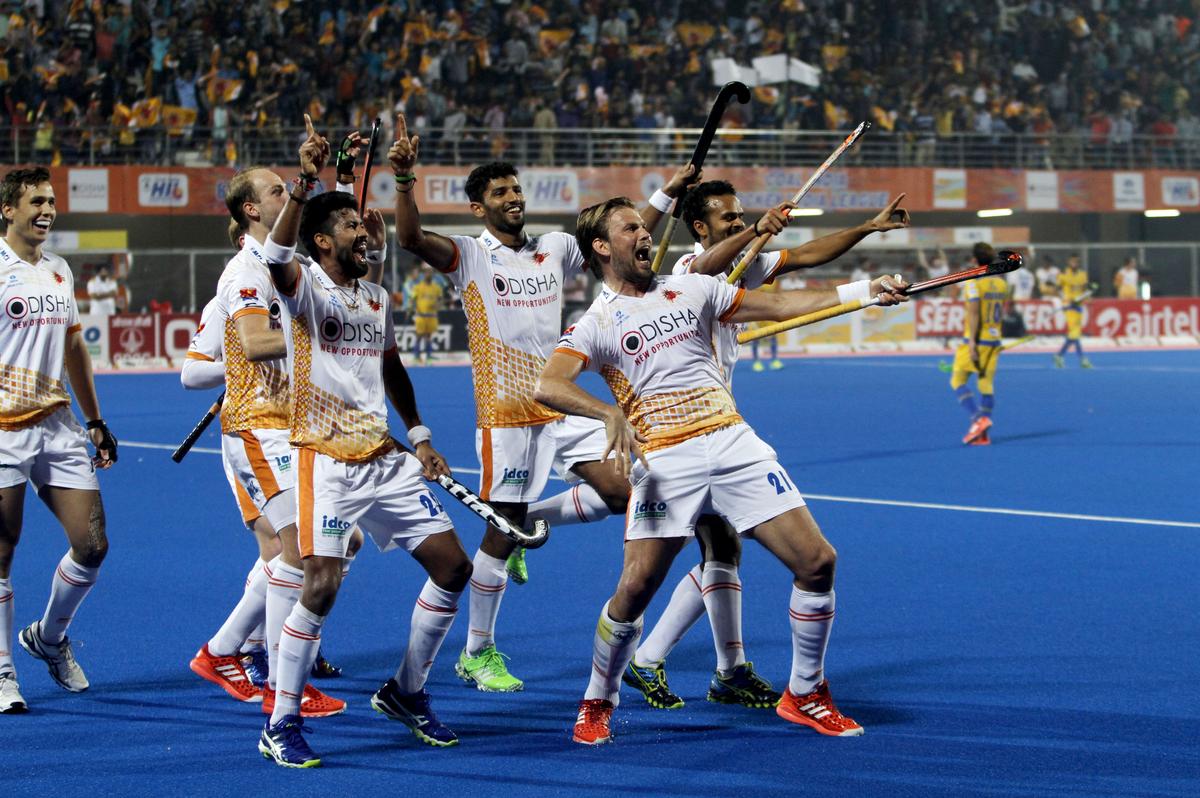
I think that’s true. I would actually compare starting HYROX with the time I came to India and competed in the HIL for Ranchi Rhinos. That’s a closer comparison. When I came to India the first year, we started putting a team together that in the end ended up winning the league. A couple of years later, I switched to the Kalinga Lancers, and we did the same thing again. In Europe, I played in a few leagues, and I ended up doing the same thing.

File photo: Moritz Fuerste has represented Ranchi Rhinos and Kalinga Lancers in the Hockey India League.

File photo: Moritz Fuerste has represented Ranchi Rhinos and Kalinga Lancers in the Hockey India League. | Photo Credit: Biswaranjan Rout

lightbox-info

File photo: Moritz Fuerste has represented Ranchi Rhinos and Kalinga Lancers in the Hockey India League. | Photo Credit: Biswaranjan Rout

I think that the ability to lead new teams was one of my strengths, and that was the main asset I brought into founding the company as well. I think I’m quite good at putting the right people together to achieve a common goal.

You were actually one of the highest paid players in the HIL. What do you remember of your time there?

My first year was very special. It was almost spiritual for me to come here and stay here for eight weeks and have the experience with all these young players. I played with Manpreet, Mandeep, and all these young Indian players in the first year. We didn’t have a single senior Indian player in that team. I got to both work with and shape these guys.

The next years were a little bit more about business, focusing on doing the job and experiencing what I never experienced usually, which is these big crowds in stadiums and being very much in the focus. I got my 15 minutes of fame, which I enjoyed a lot.

What did you mean when you described the first season of the HIL as ‘spiritual’?

I’d actually been to India before, when I was playing the Champions Trophy in Chennai in 2005. At that time, we literally didn’t leave the hotel. In that first season of the HIL, we did things like going to the Golden Temple in Amritsar. We visited a few other temples and did a lot of cultural things. I went to Mandeep’s home, and he showed me around his family.

There were a lot of life lessons I took from that experience. It helped me understand how people in different parts of the world live and handle their lives. There were many things that came together that year that made me a better person and also helped me become a better player.

You’ve spoken of what lessons you carried over from hockey to business. What did you have to learn when running a business?

It’s not different, but I think the most important thing in business, as in sport, is to find out very quickly what your personal strength is and what are the things you can drive. I knew in sports that you could wake me at 3 a.m., and I would know what to do with the ball. When I started HYROX, I knew the challenge was to also find my strength.

What also mattered was really finding my place and getting that respect that I had initially as a hockey player that I earned over the course of my career. Getting that respect on that business level was also a challenge for me because if you want people to respect you, you need to give them a reason why they should respect you. That combination was quite a challenge at the beginning.

ALSO READ | How Ironman and HYROX are redefining fitness culture in India

When you found a company, you are going to make a lot of mistakes. Of course, in hindsight, you think you could have done things differently, but that’s when you understand the importance of never giving up. You just need to be relentless, and you need to have a certain thick skin that doesn’t let you fall. And if you do, pick yourself up.

Do you think there is any advantage to being a sportsperson when you’re running a business? Do you look for a sportsperson when you are hiring?

I actually never look at a CV while hiring. I don’t look at grades. I’m not really interested in that. I care about who people are, and sport is a very important piece of that puzzle. If I understand that someone likes to do sports or has done sports, that’s a very valuable ingredient in whether I hire someone.

HYROX is one of the fastest-growing sports brands in the world. How does that compare to winning three Olympic medals? Which gives you more satisfaction?

I can’t compare the two. I gave 25 years of my life to hockey. My first life was being a hockey player, and I’m very grateful for that. I had an amazing decade with a team that I’d say would be one of the top five of all time.

I had some great career highlights. I remember the quarterfinals of the Rio Olympics, where we were just seconds away from losing the quarterfinals to New Zealand and when I scored twice in the last 45 seconds to win the match. There was the semifinals against Australia in the London Olympics when we completely outplayed what I felt was another all-time great team. But every chapter has to end at some point in time.

Moritz Fuerste has won three Olympic medals, gold at Beijing and London and a bronze at his final Games in Rio.

Moritz Fuerste has won three Olympic medals, gold at Beijing and London and a bronze at his final Games in Rio. | Photo Credit: Getty Images

lightbox-info

Moritz Fuerste has won three Olympic medals, gold at Beijing and London and a bronze at his final Games in Rio. | Photo Credit: Getty Images

What I’m doing now is a completely different kind of thing. We are all over the world, and we crossed half a million participants last season. HYROX is huge, but I don’t know if it’s ‘bigger’ than my hockey life.

It’s not just that I have a soft spot for hockey. It will always be my first love. Also, my daughters play hockey, so hopefully they will do well as well.

You have three Olympic medals. Do you show them off to investors or is that something you keep to yourself?

My medals are with me at home, but they aren’t on display. People who visit me at home get a chance to get a glimpse of them, but they aren’t something I show off.

While you retired from international hockey in 2017, you continued to play at the club level in Europe for a couple of more years while you were starting your business. How difficult was it to do both?

It is a completely different ball game to play club hockey in Germany in comparison to playing international hockey. At the international level, I was doing one or two training sessions daily. And I was a pretty decent player even when I retired from international hockey at 33 or so. So the move to club hockey, where I was training maybe two or three times a week, wasn’t difficult at all. I could go to the office for the entire day and then just come to the training sessions at night.

ALSO READ | IND vs ARG: India gets Savita boost ahead of Argentina tour but will miss Salima’s services

I tried to keep myself fit to a certain extent, but I just basically played until I started to feel that it was time for me to step down because I knew that even though I was doing ok with training two or three times a week, it wasn’t helping any more. And I didn’t want to get to the level where I was going to be a problem for the team, so I quit early enough.

Do you still play hockey from time to time?

I actually founded a team with my former teammates from my hometown of Hamburg. Last year, we were playing in the 4th division of Germany. Our opponents are some 20 years younger than us but we still enjoy it. And we still beat them!

Do you miss the bit about playing? Do you sometimes wish you could go into the field again?

I have such amazing memories being a player and getting the chance to step on that pitch. I’m very grateful that I had the chance to experience that for the better part of my life. There are no regrets, there’s just happiness and joy when I remember the old times. But it’s a part of my life that’s over now, otherwise I’d be trying to do it again! It’s over, and that’s good. A new chapter is on now. Of course, when I watch games now, I have a lot of memories popping up in my head of me playing myself.

I don’t watch many games live, but I watch them all on YouTube, and I follow hockey a lot. I still think it’s a very beautiful sport that needs a lot of attention and should have much more attention. It’s already kind of big in India, but I want it to be big elsewhere in the world.

Have you ever taken part in HYROX as well?

I do. I think I’m physically about as fit as I was back in my playing days because I focus only on athleticism and because I’m very competitive. I always want to beat my personal record time in Hyrox. I train a lot, and my goal is to beat the hour – do something like 58 or 59.

But mostly I’m a doubles athlete. It’s not because of my age or anything, but because it’s much more fun to share the workload and go through the tactics of being teamed up with someone. I just enjoy that very much.

Published on Apr 14, 2026

#compare #starting #HYROX #playing #season #Hockey #India #League #Moritz #Fuertse

When he called time on his international career in 2017, Moritz Fuerste was one of the most accomplished field hockey players of all time. He’d been capped 268 times for Germany, scored 112 goals and won three Olympic medals, including gold at Beijing and London and a bronze at his final Games in Rio.

And while many elite athletes struggle for meaning post-retirement, Fuerste had long been planning for life after professional sport. He’d go on to found HYROX, a fitness brand that organises mass-participation indoor competitions combining running and functional workouts in a standardised format.

These days, HYROX is one of the fastest-growing global fitness brands. It closed 2025 with an estimated 150 million dollars in revenue and had over 600,000 athletes competing annually in competitions it organises in cities across the world. HYROX Bengaluru, which concluded last Sunday, drew over 8,200 participants across two days – a nearly fivefold jump from its first India edition in Mumbai last year, when it drew 1,650 participants.

In an interview with Sportstar, Fuertse, now 41, spoke on his journey from elite sport to founding one of the most successful fitness startups in the world today and how the lessons he learned while competing in the Hockey India League translated to the world of business.

It’s not common in India for high level athletes to make the plunge into the business world. How did that come about for you?

I’ve spent a lot of time in India, so I know how things work here in regard to hockey. I think it’s important to understand that in Germany, hockey is not a professional sport. Players don’t make a living from playing. You can’t provide for your family or even for the rest of your life. I knew I was going to have to leave the game at some point in time, and I was always preparing for that eventuality.

I did my university degree by the time I was 30, and I knew I was going to leave international hockey after the Rio Olympics. I knew it was going to be a big shock if I switched suddenly from being a full-time athlete who wasn’t making any money to a full-time employee. I didn’t want to go down that road, so I’d already started working a little bit during my playing days, and after the Olympics, I decided I was going to start a company with my business partner. But that turnaround from being a professional player to a business owner was a tough step.

While you were preparing for the next chapter, were you ever concerned that you were going to end up crunching numbers in a cubicle?

That’s true. A corporate job would never have suited me. But I always believed I’d be able to find something that I enjoyed as much as I loved being a hockey player. I knew I had to find something that I would have the same energy and fire for that I had for being a hockey player.

It was always going to take something special to replace the role that hockey had in my life.

How did the idea for HYROX come about?

When I was founding a company, I wanted to do something that allowed me to stay in the world of sport. But even within sport, I noticed a void. If you’re a tennis player, you play tennis. If you’re a runner, there are marathons or half marathons. And if you’re a rower, then there are rowing competitions. If you are a hockey player, of course, you play hockey.

But if you’re a gym goer, there is literally no competition directly for that, and there was no competition or race for that. I felt that was crazy because most people in the world who are doing any kind of fitness activities are gym goers. There are hundreds of millions of these people. They go to a gym, and there is no way, no race or sport for these people to compete. That was a huge void that I thought could be filled.

The Ultrahuman Hyrox Bengaluru race was held at the Bangalore International Exhibition Centre on April 11 and 12.
| Photo Credit:
Instagram/hyroxindia

lightbox-info

The Ultrahuman Hyrox Bengaluru race was held at the Bangalore International Exhibition Centre on April 11 and 12.
| Photo Credit:
Instagram/hyroxindia

Even at the time I started, I thought this could be as big as marathon running at some point in time, but it’s been absolutely crazy how well HYROX has done. We ended up outperforming our most optimistic business models by over 100 per cent. I thought we would eventually get to where we were, but I didn’t think it would happen as quickly as it did.

In what ways did the skills you picked up in your playing career translate to running a business?

In both of these worlds, what matters is putting together a team. I think one of my strengths as a player was that I was able to create successful teams. You have to understand leadership structures and hierarchies within the company. You have to work with feedback, negative feedback, and criticism. These are all things that we are very used to from the playing field, and especially the hockey field.

Other things, I mean, obviously, as a player in professional sports, you have to be very organised, you have to be very structured, you have to be disciplined. You also have to be relentless, and you have to never give up because that’s just how it is. You fight till the last whistle, and until then, you just keep fighting.

And I think as a business founder, that’s also very important because there are many ups and downs and many low points and many things where you question yourself, and you just can’t question yourself all the time. You just have to get into the working mode. And I think that’s something I learned a lot in hockey.

But there has to be a difference between being part of a German team that was already a really strong team and starting something from nothing, like with HYROX.

I think that’s true. I would actually compare starting HYROX with the time I came to India and competed in the HIL for Ranchi Rhinos. That’s a closer comparison. When I came to India the first year, we started putting a team together that in the end ended up winning the league. A couple of years later, I switched to the Kalinga Lancers, and we did the same thing again. In Europe, I played in a few leagues, and I ended up doing the same thing.
File photo: Moritz Fuerste has represented Ranchi Rhinos and Kalinga Lancers in the Hockey India League.

File photo: Moritz Fuerste has represented Ranchi Rhinos and Kalinga Lancers in the Hockey India League.
| Photo Credit:
Biswaranjan Rout

lightbox-info

File photo: Moritz Fuerste has represented Ranchi Rhinos and Kalinga Lancers in the Hockey India League.
| Photo Credit:
Biswaranjan Rout

I think that the ability to lead new teams was one of my strengths, and that was the main asset I brought into founding the company as well. I think I’m quite good at putting the right people together to achieve a common goal.

You were actually one of the highest paid players in the HIL. What do you remember of your time there?

My first year was very special. It was almost spiritual for me to come here and stay here for eight weeks and have the experience with all these young players. I played with Manpreet, Mandeep, and all these young Indian players in the first year. We didn’t have a single senior Indian player in that team. I got to both work with and shape these guys.

The next years were a little bit more about business, focusing on doing the job and experiencing what I never experienced usually, which is these big crowds in stadiums and being very much in the focus. I got my 15 minutes of fame, which I enjoyed a lot.

What did you mean when you described the first season of the HIL as ‘spiritual’?

I’d actually been to India before, when I was playing the Champions Trophy in Chennai in 2005. At that time, we literally didn’t leave the hotel. In that first season of the HIL, we did things like going to the Golden Temple in Amritsar. We visited a few other temples and did a lot of cultural things. I went to Mandeep’s home, and he showed me around his family.

There were a lot of life lessons I took from that experience. It helped me understand how people in different parts of the world live and handle their lives. There were many things that came together that year that made me a better person and also helped me become a better player.

You’ve spoken of what lessons you carried over from hockey to business. What did you have to learn when running a business?

It’s not different, but I think the most important thing in business, as in sport, is to find out very quickly what your personal strength is and what are the things you can drive. I knew in sports that you could wake me at 3 a.m., and I would know what to do with the ball. When I started HYROX, I knew the challenge was to also find my strength.

What also mattered was really finding my place and getting that respect that I had initially as a hockey player that I earned over the course of my career. Getting that respect on that business level was also a challenge for me because if you want people to respect you, you need to give them a reason why they should respect you. That combination was quite a challenge at the beginning.

ALSO READ | How Ironman and HYROX are redefining fitness culture in India

When you found a company, you are going to make a lot of mistakes. Of course, in hindsight, you think you could have done things differently, but that’s when you understand the importance of never giving up. You just need to be relentless, and you need to have a certain thick skin that doesn’t let you fall. And if you do, pick yourself up.

Do you think there is any advantage to being a sportsperson when you’re running a business? Do you look for a sportsperson when you are hiring?

I actually never look at a CV while hiring. I don’t look at grades. I’m not really interested in that. I care about who people are, and sport is a very important piece of that puzzle. If I understand that someone likes to do sports or has done sports, that’s a very valuable ingredient in whether I hire someone.

HYROX is one of the fastest-growing sports brands in the world. How does that compare to winning three Olympic medals? Which gives you more satisfaction?

I can’t compare the two. I gave 25 years of my life to hockey. My first life was being a hockey player, and I’m very grateful for that. I had an amazing decade with a team that I’d say would be one of the top five of all time.

I had some great career highlights. I remember the quarterfinals of the Rio Olympics, where we were just seconds away from losing the quarterfinals to New Zealand and when I scored twice in the last 45 seconds to win the match. There was the semifinals against Australia in the London Olympics when we completely outplayed what I felt was another all-time great team. But every chapter has to end at some point in time.
Moritz Fuerste has won three Olympic medals, gold at Beijing and London and a bronze at his final Games in Rio.

Moritz Fuerste has won three Olympic medals, gold at Beijing and London and a bronze at his final Games in Rio.
| Photo Credit:
Getty Images

lightbox-info

Moritz Fuerste has won three Olympic medals, gold at Beijing and London and a bronze at his final Games in Rio.
| Photo Credit:
Getty Images

What I’m doing now is a completely different kind of thing. We are all over the world, and we crossed half a million participants last season. HYROX is huge, but I don’t know if it’s ‘bigger’ than my hockey life.

It’s not just that I have a soft spot for hockey. It will always be my first love. Also, my daughters play hockey, so hopefully they will do well as well.

You have three Olympic medals. Do you show them off to investors or is that something you keep to yourself?

My medals are with me at home, but they aren’t on display. People who visit me at home get a chance to get a glimpse of them, but they aren’t something I show off.

While you retired from international hockey in 2017, you continued to play at the club level in Europe for a couple of more years while you were starting your business. How difficult was it to do both?

It is a completely different ball game to play club hockey in Germany in comparison to playing international hockey. At the international level, I was doing one or two training sessions daily. And I was a pretty decent player even when I retired from international hockey at 33 or so. So the move to club hockey, where I was training maybe two or three times a week, wasn’t difficult at all. I could go to the office for the entire day and then just come to the training sessions at night.

ALSO READ | IND vs ARG: India gets Savita boost ahead of Argentina tour but will miss Salima’s services

I tried to keep myself fit to a certain extent, but I just basically played until I started to feel that it was time for me to step down because I knew that even though I was doing ok with training two or three times a week, it wasn’t helping any more. And I didn’t want to get to the level where I was going to be a problem for the team, so I quit early enough.

Do you still play hockey from time to time?

I actually founded a team with my former teammates from my hometown of Hamburg. Last year, we were playing in the 4th division of Germany. Our opponents are some 20 years younger than us but we still enjoy it. And we still beat them!

Do you miss the bit about playing? Do you sometimes wish you could go into the field again?

I have such amazing memories being a player and getting the chance to step on that pitch. I’m very grateful that I had the chance to experience that for the better part of my life. There are no regrets, there’s just happiness and joy when I remember the old times. But it’s a part of my life that’s over now, otherwise I’d be trying to do it again! It’s over, and that’s good. A new chapter is on now. Of course, when I watch games now, I have a lot of memories popping up in my head of me playing myself.

I don’t watch many games live, but I watch them all on YouTube, and I follow hockey a lot. I still think it’s a very beautiful sport that needs a lot of attention and should have much more attention. It’s already kind of big in India, but I want it to be big elsewhere in the world.

Have you ever taken part in HYROX as well?

I do. I think I’m physically about as fit as I was back in my playing days because I focus only on athleticism and because I’m very competitive. I always want to beat my personal record time in Hyrox. I train a lot, and my goal is to beat the hour – do something like 58 or 59.

But mostly I’m a doubles athlete. It’s not because of my age or anything, but because it’s much more fun to share the workload and go through the tactics of being teamed up with someone. I just enjoy that very much.

Published on Apr 14, 2026
Source link
#compare #starting #HYROX #playing #season #Hockey #India #League #Moritz #Fuertse

Previous post

Deadspin | Playoff-bound Mammoth seek winning touch against Jets <div id=""><section id="0" class=" w-full"><div class="xl:container mx-0 !px-4 py-0 pb-4 !mx-0 !px-0"><img src="https://images.deadspin.com/tr:w-900/28662539.jpg" srcset="https://images.deadspin.com/tr:w-900/28662539.jpg" alt="NHL: Utah Mammoth at Vancouver Canucks" class="w-full" fetchpriority="high" loading="eager"/><span class="text-0.8 leading-tight">Apr 4, 2026; Vancouver, British Columbia, CAN; Utah Mammoth right wing Clayton Keller (9) celebrates his empty net goal with team mate, center Alexander Kerfoot (15) during the third period at Rogers Arena. Mandatory Credit: Simon Fearn-Imagn Images<!-- --> <!-- --> </span></div></section><section id="section-1"> <p>The Utah Mammoth will try to get back in the win column when they host the Winnipeg Jets on Tuesday night.</p> </section><section id="section-2"> <p>This is the third and final game between these Central Division rivals this season. The Mammoth won the two previous meetings, 3-2 in Winnipeg on Oct. 26 and 4-3 on Dec. 21 in Salt Lake City.</p> </section><section id="section-3"> <p>Utah (42-32-6, 90 points) sits in the first wild-card spot in the Western Conference playoff race. Leading scorer Clayton Keller (85 points, including a team-high 59 assists) and company are also looking to end a two-game losing skid. </p> </section><section id="section-4"> <p>After winning five straight games and punching their ticket to the postseason, the Mammoth fell 4-1 at home to the Carolina Hurricanes on Saturday. They then struggled their last time out to find the back of the net, falling 4-1 to the host Calgary Flames on Sunday.</p> </section><section id="section-5"> <p>“I didn’t like the way we approached our game in the sense that we had to be ready to grind, get inside, and to work extremely hard for every inch,” Mammoth coach Andre Tourigny said after the loss to the Flames. “I don’t think our emotion, our focus was at the right place, and it showed everywhere from everybody. I’m not blaming anybody. Coaches, players, we need to be better. We need to grind.”</p> </section><section id="section-6"> <p>Utah defenseman MacKenzie Weegar, who was traded by the Flames to the Mammoth on March 4, said he knows from experience how hard it is for opponents to play in the Flames’ home arena. </p> </section><br/><section id="section-7"> <p>“Both teams had a tough schedule coming into this one; whoever was the more prepared team in that first period had a really good chance to win this game,” Weegar said. “We didn’t come out prepared and connected and ready to compete.”</p> </section> <section id="section-8"> <p>Meanwhile, the Jets (35-33-12, 82 points) have had their three-year playoff run snapped after they were mathematically eliminated from the postseason race on Monday night. They also enter Tuesday’s game on a two-game skid, which started with a 7-1 home loss to the Philadelphia Flyers on Saturday.</p> </section><section id="section-9"> <p>“The message is, I think, no one wants to lose like that,” Jets defenseman Josh Morrissey said after the loss to Philadelphia. “It was embarrassing in our own arena. But at the same time, what are we going to do, sit around and cry about it? </p> </section><section id="section-10"> <p>“We have three games left and a huge back-to-back, a tough road trip,” he continued. “Turn the page, fly there tomorrow, and get yourself ready to go, and let’s bring it to the next game. The score hurts right now, embarrassing right now as we drive home, we have to turn the page and keep pushing like we have been.”</p> </section><section id="section-11"> <p>Now, the Jets visit the Mammoth on the tail end of a back-to-back that started with a 6-2 loss to the playoff-bound Vegas Golden Knights on Monday.</p> </section><section id="section-12"> <p>In that game, the Golden Knights held the Jets off the scoreboard completely until the final frame, when Mark Scheifele and Gabriel Vilardi found the back of the net. Connor Hellebuyck allowed six goals on 38 shots after he was pulled in his previous start for allowing five goals on 20 shots against the Flyers.</p> </section><section id="section-13"> <p>–Field Level Media</p> </section></div> #Deadspin #Playoffbound #Mammoth #seek #winning #touch #Jets

Next post

8 Defunct Chain Restaurants That Used to Be Everywhere

Deadspin | Report: FIFA to ask Trump to pause ICE raids during World Cup  [US, Mexico & Canada customers only] Dec 5, 2025; Washington, District of Columbia, USA; United States of America President Donald Trump and FIFA President Gianni Infantino ahead of the FIFA World Cup 2026 Final Draw at John F. Kennedy Center for the Performing Arts. Mandatory Credit: Mandel Ngan-Reuters via Imagn Images   FIFA’s leadership discussed the possibility of its president, Gianni Infantino, asking United States President Donald Trump to pause ICE raids during this summer’s World Cup in North America, according to a report from The Athletic.  Infantino was receptive to the idea and was planning a “president-to-president” request to Trump for ICE’s role surrounding the World Cup to be reduced, per the report. It has not yet been reported if Infantino has formally made the request or how Trump and the U.S. administration would respond.  During Trump’s second term, ICE has raided multiple U.S. cities in an effort to deliver on the President’s message of mass deportation he campaigned on ahead of the 2024 election. In addition to deportations, these raids have led to conflicts with protestors, including the killings of Renee Good and Alex Pretti earlier this year in Minneapolis.  Acting ICE (U.S. Immigrations and Customs Enforcement) director Todd Lyons previously said agents would be involved in security at matches for this summer’s event, the largest World Cup in FIFA history with 48 teams.  Members of Congress have raised concerns about ICE’s presence surrounding the World Cup leading instead to immigration-enforcement raids. Los Angeles-based workers at SoFi Stadium — where the U.S. team will play two of its three group-stage games — threatened to strike last week over similar concerns.   According to the report, a number of FIFA member federations, particularly in Europe, have shared their concerns about the presence of ICE agents around the event.  FIFA originally believed that limiting ICE activity in the 11 American cities that will be hosting matches would suffice. However, with travel expanding well beyond those locations with teams setting up base camps across the country in cities that won’t be hosting matches, FIFA now desires a total suspension of all ICE raids during the entire World Cup, which is being held from June 11 through July 19.  Trump and Infantino have struck up a relationship which could pay off with the request being honored. FIFA has an office in New York’s Trump Tower and the organization gave the President the inaugural FIFA Peace Prize in December during the World Cup draw event.  –Field Level Media   #Deadspin #Report #FIFA #Trump #pause #ICE #raids #World #Cup[US, Mexico & Canada customers only] Dec 5, 2025; Washington, District of Columbia, USA; United States of America President Donald Trump and FIFA President Gianni Infantino ahead of the FIFA World Cup 2026 Final Draw at John F. Kennedy Center for the Performing Arts. Mandatory Credit: Mandel Ngan-Reuters via Imagn Images

FIFA’s leadership discussed the possibility of its president, Gianni Infantino, asking United States President Donald Trump to pause ICE raids during this summer’s World Cup in North America, according to a report from The Athletic.

Infantino was receptive to the idea and was planning a “president-to-president” request to Trump for ICE’s role surrounding the World Cup to be reduced, per the report. It has not yet been reported if Infantino has formally made the request or how Trump and the U.S. administration would respond.

During Trump’s second term, ICE has raided multiple U.S. cities in an effort to deliver on the President’s message of mass deportation he campaigned on ahead of the 2024 election. In addition to deportations, these raids have led to conflicts with protestors, including the killings of Renee Good and Alex Pretti earlier this year in Minneapolis.

Acting ICE (U.S. Immigrations and Customs Enforcement) director Todd Lyons previously said agents would be involved in security at matches for this summer’s event, the largest World Cup in FIFA history with 48 teams.


Members of Congress have raised concerns about ICE’s presence surrounding the World Cup leading instead to immigration-enforcement raids. Los Angeles-based workers at SoFi Stadium — where the U.S. team will play two of its three group-stage games — threatened to strike last week over similar concerns.

According to the report, a number of FIFA member federations, particularly in Europe, have shared their concerns about the presence of ICE agents around the event.

FIFA originally believed that limiting ICE activity in the 11 American cities that will be hosting matches would suffice. However, with travel expanding well beyond those locations with teams setting up base camps across the country in cities that won’t be hosting matches, FIFA now desires a total suspension of all ICE raids during the entire World Cup, which is being held from June 11 through July 19.

Trump and Infantino have struck up a relationship which could pay off with the request being honored. FIFA has an office in New York’s Trump Tower and the organization gave the President the inaugural FIFA Peace Prize in December during the World Cup draw event.

–Field Level Media

#Deadspin #Report #FIFA #Trump #pause #ICE #raids #World #Cup">Deadspin | Report: FIFA to ask Trump to pause ICE raids during World Cup  [US, Mexico & Canada customers only] Dec 5, 2025; Washington, District of Columbia, USA; United States of America President Donald Trump and FIFA President Gianni Infantino ahead of the FIFA World Cup 2026 Final Draw at John F. Kennedy Center for the Performing Arts. Mandatory Credit: Mandel Ngan-Reuters via Imagn Images   FIFA’s leadership discussed the possibility of its president, Gianni Infantino, asking United States President Donald Trump to pause ICE raids during this summer’s World Cup in North America, according to a report from The Athletic.  Infantino was receptive to the idea and was planning a “president-to-president” request to Trump for ICE’s role surrounding the World Cup to be reduced, per the report. It has not yet been reported if Infantino has formally made the request or how Trump and the U.S. administration would respond.  During Trump’s second term, ICE has raided multiple U.S. cities in an effort to deliver on the President’s message of mass deportation he campaigned on ahead of the 2024 election. In addition to deportations, these raids have led to conflicts with protestors, including the killings of Renee Good and Alex Pretti earlier this year in Minneapolis.  Acting ICE (U.S. Immigrations and Customs Enforcement) director Todd Lyons previously said agents would be involved in security at matches for this summer’s event, the largest World Cup in FIFA history with 48 teams.  Members of Congress have raised concerns about ICE’s presence surrounding the World Cup leading instead to immigration-enforcement raids. Los Angeles-based workers at SoFi Stadium — where the U.S. team will play two of its three group-stage games — threatened to strike last week over similar concerns.   According to the report, a number of FIFA member federations, particularly in Europe, have shared their concerns about the presence of ICE agents around the event.  FIFA originally believed that limiting ICE activity in the 11 American cities that will be hosting matches would suffice. However, with travel expanding well beyond those locations with teams setting up base camps across the country in cities that won’t be hosting matches, FIFA now desires a total suspension of all ICE raids during the entire World Cup, which is being held from June 11 through July 19.  Trump and Infantino have struck up a relationship which could pay off with the request being honored. FIFA has an office in New York’s Trump Tower and the organization gave the President the inaugural FIFA Peace Prize in December during the World Cup draw event.  –Field Level Media   #Deadspin #Report #FIFA #Trump #pause #ICE #raids #World #Cup

Mansoor Delane, CB, LSU

My ideal targets for the Bengals were Bailey, Bain, Downs, and Styles going into the mock draft. With all four of them off the board, my top two players remaining were Mansoor Delane and Jermod McCoy. With McCoy coming off the ACL injury, I decided to go with Mansoor Delane. The Bengals have DJ Turner and Dax Hill currently projected as the two starting outside corners. Both players are entering the final year of their contracts. This gives the Bengals flexibility at the position, and some potential leverage in contract negotiations, which they seem to value quite a bit. Even with that said, Delane is worthy of the selection here with what was already off the board.

#Cincy #Jungle #selects #Mansoor #Delane #Bengals #20th #annual #Nation #community #mock #draft">Cincy Jungle selects Mansoor Delane for Bengals in 20th annual SB Nation community mock draft  Mansoor Delane, CB, LSUMy ideal targets for the Bengals were Bailey, Bain, Downs, and Styles going into the mock draft. With all four of them off the board, my top two players remaining were Mansoor Delane and Jermod McCoy. With McCoy coming off the ACL injury, I decided to go with Mansoor Delane. The Bengals have DJ Turner and Dax Hill currently projected as the two starting outside corners. Both players are entering the final year of their contracts. This gives the Bengals flexibility at the position, and some potential leverage in contract negotiations, which they seem to value quite a bit. Even with that said, Delane is worthy of the selection here with what was already off the board.   #Cincy #Jungle #selects #Mansoor #Delane #Bengals #20th #annual #Nation #community #mock #draft

Post Comment