Deadspin | Ducks eye playoff positioning in regular-season finale vs. Predators
Apr 14, 2026; Saint Paul, Minnesota, USA; Anaheim Ducks center Mikael Granlund (64) shoots against the Minnesota Wild in the third period at Grand Casino Arena. Mandatory Credit: Matt Blewett-Imagn Images
Heading into the final day of the NHL regular season on Thursday, the Anaheim Ducks still can finish anywhere from second in the Pacific Division to the second Western Conference wild-card spot.
A lot of that depends on their result against the host Nashville Predators on Thursday evening, but also the final score in the Edmonton Oilers-Vancouver Canucks game and the Los Angeles Kings-Calgary Flames game.
The latter two contests are scheduled to start an hour after the Ducks-Predators matchup.
Edmonton (40-30-11, 91 points) sits second in the Pacific Division, one point ahead of the Ducks (42-33-6, 90 points) and Kings (35-26-20, 90 points), and the Oilers own the tiebreaker over both. All three teams have clinched playoff berths.
Edmonton had hoped to be playing for its first division title since 1986-87, but the Vegas Golden Knights clinched the Pacific with a 4-1 win against the visiting Seattle Kraken on Wednesday.
Anaheim supporters hope that spoils Edmonton’s motivation against Vancouver and opens the door for the Ducks to leapfrog the Oilers for second place in the Pacific and earn home-ice in their first-round playoff series with a win against Nashville.
Anaheim owns the tiebreaker over Los Angeles, leaving the Kings in the second wild-card spot entering Thursday.
If the Oilers and Kings win on Thursday and the Ducks lose in any fashion to the Predators, Anaheim would drop into the second wild card, where it would face a first-round series against the Colorado Avalanche, owners of the best record in the NHL.
The Ducks have done little to help their standing in the past nine games, going 1-6-2 to lose their grip on first place in the Pacific and potentially home-ice advantage in the first round.
“Regardless of where we end up, it’s playoff hockey,” Ducks forward Ryan Poehling said. “Anything can happen, and for us to just be on top of our game and just kind of take care of what we can I think is the biggest thing. So, we’ve got one more (game) to kind of go through a rehearsal and then real hockey starts.”
The Predators (38-33-10, 86 points) made a big splash in free agency two years ago when they signed forwards Steven Stamkos and Jonathan Marchessault and defenseman Brady Skjei to big contracts, but the trio has yet to lead them to the playoffs.
Nashville was eliminated from postseason contention on Monday when it lost 3-2 to the visiting San Jose Sharks.
“Came here with playoff aspirations, right?” Stamkos said. “So, we failed the last two years and that’s what’s so hard.”
The Predators need to hire a new general manager because Barry Trotz is retiring after the season. Stamkos has been around long enough to know that the new GM could take the team in a variety of directions.
“Someone could come here and say we want to complete tear down and rebuild and that’s the way it’s going to go,” Stamkos said. “We could have someone come in here and say, ‘Listen, you guys were close this year. We believe in the older guys and the core of this team and we want to help build that with bringing in even more younger guys and impact players.’ I think that’s the route we all hope for, but there are too many unknowns right now with regards to the future of the team.”
Apr 14, 2026; Saint Paul, Minnesota, USA; Anaheim Ducks center Mikael Granlund (64) shoots against the Minnesota Wild in the third period at Grand Casino Arena. Mandatory Credit: Matt Blewett-Imagn Images
Heading into the final day of the NHL regular season on Thursday, the Anaheim Ducks still can finish anywhere from second in the Pacific Division to the second Western Conference wild-card spot.
A lot of that depends on their result against the host Nashville Predators on Thursday evening, but also the final score in the Edmonton Oilers-Vancouver Canucks game and the Los Angeles Kings-Calgary Flames game.
The latter two contests are scheduled to start an hour after the Ducks-Predators matchup.
Edmonton (40-30-11, 91 points) sits second in the Pacific Division, one point ahead of the Ducks (42-33-6, 90 points) and Kings (35-26-20, 90 points), and the Oilers own the tiebreaker over both. All three teams have clinched playoff berths.
Edmonton had hoped to be playing for its first division title since 1986-87, but the Vegas Golden Knights clinched the Pacific with a 4-1 win against the visiting Seattle Kraken on Wednesday.
Anaheim supporters hope that spoils Edmonton’s motivation against Vancouver and opens the door for the Ducks to leapfrog the Oilers for second place in the Pacific and earn home-ice in their first-round playoff series with a win against Nashville.
Anaheim owns the tiebreaker over Los Angeles, leaving the Kings in the second wild-card spot entering Thursday.
If the Oilers and Kings win on Thursday and the Ducks lose in any fashion to the Predators, Anaheim would drop into the second wild card, where it would face a first-round series against the Colorado Avalanche, owners of the best record in the NHL.
The Ducks have done little to help their standing in the past nine games, going 1-6-2 to lose their grip on first place in the Pacific and potentially home-ice advantage in the first round.
“Regardless of where we end up, it’s playoff hockey,” Ducks forward Ryan Poehling said. “Anything can happen, and for us to just be on top of our game and just kind of take care of what we can I think is the biggest thing. So, we’ve got one more (game) to kind of go through a rehearsal and then real hockey starts.”
The Predators (38-33-10, 86 points) made a big splash in free agency two years ago when they signed forwards Steven Stamkos and Jonathan Marchessault and defenseman Brady Skjei to big contracts, but the trio has yet to lead them to the playoffs.
Nashville was eliminated from postseason contention on Monday when it lost 3-2 to the visiting San Jose Sharks.
“Came here with playoff aspirations, right?” Stamkos said. “So, we failed the last two years and that’s what’s so hard.”
The Predators need to hire a new general manager because Barry Trotz is retiring after the season. Stamkos has been around long enough to know that the new GM could take the team in a variety of directions.
“Someone could come here and say we want to complete tear down and rebuild and that’s the way it’s going to go,” Stamkos said. “We could have someone come in here and say, ‘Listen, you guys were close this year. We believe in the older guys and the core of this team and we want to help build that with bringing in even more younger guys and impact players.’ I think that’s the route we all hope for, but there are too many unknowns right now with regards to the future of the team.”
–Field Level Media
Source link
#Deadspin #Ducks #eye #playoff #positioning #regularseason #finale #Predators
“He waived it (off) immediately,” NHL executive vice president and director of officiating Stephen Walkom said. “He believed it was under the goalie and the Vegas player went after the puck and interfered with the goalie and his ability to freeze the puck and waived it off immediately.”
The call stood, the Hurricanes went on the power play, and Jordan Stall scored to give Carolina its first lead, 3-2.
“I’d challenge it 10 out of 10 times,” Tortorella said defiantly afterward.
Mark Stone got Tortorella off the hook briefly with a 6-on-5 goal with 1:21 remaining to force overtime. The Hurricanes then won it at the 3:56 mark on a Seth Jarvis one-timer to cap the dramatic comeback.
Carolina, which trailed 2-0 with just 9:40 remaining in the third-period when Logan Stankoven scored, became the first team since the Montreal Canadiens in 1944 that was trailing by multiple goals in the final 10 minutes of regulation to rally for a victory in a Stanley Cup Final.
Time will tell whether Carolina’s victory, fueled in part by Tortorella’s costly gamble to challenge the no-goal call, will be the turning point in the series. The Golden Knights acted as though they weren’t fazed by the loss on Friday afternoon before making the long flight back to Las Vegas for Game 3 on Saturday night.
“It is what it is,” center William Karlsson said. “We would have loved to win that game. We didn’t, but it’s in the past. There’s nothing we can change, so now we just look ahead.”
Perhaps even more devastating than the no-goal call was a Hurricanes’ shot that didn’t go into the net.
Nikoloaj Ehlers blasted an 87 mph slap shot midway through the first period that hit defenseman Brayden McNabb in the middle of his face. The 6-foot-4, 215-pound McNabb, the franchise leader in blocked shots (1,417) and hits (1,469) who is also a key member of the team’s penalty-kill unit, skated off immediately covering his face and went to the hospital for treatment.
Tortorella refused to give an update on McNabb’s condition on Friday but did say he was well enough to fly back with the team later that day. McNabb had three assists in the Golden Knights’ 5-4 victory in Game 1.
“I think he’s a vital part of this team,” Karlsson said. “Of course, it was tough not to have him for the remainder of the game.”
“He waived it (off) immediately,” NHL executive vice president and director of officiating Stephen Walkom said. “He believed it was under the goalie and the Vegas player went after the puck and interfered with the goalie and his ability to freeze the puck and waived it off immediately.”
The call stood, the Hurricanes went on the power play, and Jordan Stall scored to give Carolina its first lead, 3-2.
“I’d challenge it 10 out of 10 times,” Tortorella said defiantly afterward.
Mark Stone got Tortorella off the hook briefly with a 6-on-5 goal with 1:21 remaining to force overtime. The Hurricanes then won it at the 3:56 mark on a Seth Jarvis one-timer to cap the dramatic comeback.
Carolina, which trailed 2-0 with just 9:40 remaining in the third-period when Logan Stankoven scored, became the first team since the Montreal Canadiens in 1944 that was trailing by multiple goals in the final 10 minutes of regulation to rally for a victory in a Stanley Cup Final.
Time will tell whether Carolina’s victory, fueled in part by Tortorella’s costly gamble to challenge the no-goal call, will be the turning point in the series. The Golden Knights acted as though they weren’t fazed by the loss on Friday afternoon before making the long flight back to Las Vegas for Game 3 on Saturday night.
“It is what it is,” center William Karlsson said. “We would have loved to win that game. We didn’t, but it’s in the past. There’s nothing we can change, so now we just look ahead.”
Perhaps even more devastating than the no-goal call was a Hurricanes’ shot that didn’t go into the net.
Nikoloaj Ehlers blasted an 87 mph slap shot midway through the first period that hit defenseman Brayden McNabb in the middle of his face. The 6-foot-4, 215-pound McNabb, the franchise leader in blocked shots (1,417) and hits (1,469) who is also a key member of the team’s penalty-kill unit, skated off immediately covering his face and went to the hospital for treatment.
Tortorella refused to give an update on McNabb’s condition on Friday but did say he was well enough to fly back with the team later that day. McNabb had three assists in the Golden Knights’ 5-4 victory in Game 1.
“I think he’s a vital part of this team,” Karlsson said. “Of course, it was tough not to have him for the remainder of the game.”
#John #Tortorellas #Gamble #Backfires #Hurricanes #Stun #Golden #Knights #Game #Deadspin.com">John Tortorella’s Gamble Backfires as Hurricanes Stun Golden Knights in Game 2 | Deadspin.com
For the Vegas Golden Knights, the talk after Thursday night’s 4-3 overtime meltdown loss to the Carolina Hurricanes in Game 2 of the Stanley Cup Final centered around head coach John Tortorella’s questionable decision to challenge a goal by Ivan Barbashev that had been quickly waived off for goalie interference.
The score was tied, 2-2, with just five minutes remaining when Carolina goalie Frederik Andersen dove on top of a Barbashev wraparound try. The puck eventually dribbled in by the far post thanks in part to Barbashev’s poke-jam at Andersen’s glove inside the crease.
Referee Jean Hebert, watching the play unfold right behind the net, immediately signaled no goal on the play. Chances of the call being overturned by the Situation Room in Toronto were minuscule at best, but Tortorella, in true Las Vegas fashion, decided to roll the dice and go ahead with a challenge and a potentially costly delay of game penalty.
Simply put, Tortorella, who has rightly garnered his share of plaudits for his role in a 20-5-1 Golden Knights turnaround since replacing Bruce Cassidy as head coach on March 28, crapped out.
“He waived it (off) immediately,” NHL executive vice president and director of officiating Stephen Walkom said. “He believed it was under the goalie and the Vegas player went after the puck and interfered with the goalie and his ability to freeze the puck and waived it off immediately.”
The call stood, the Hurricanes went on the power play, and Jordan Stall scored to give Carolina its first lead, 3-2.
“I’d challenge it 10 out of 10 times,” Tortorella said defiantly afterward.
Mark Stone got Tortorella off the hook briefly with a 6-on-5 goal with 1:21 remaining to force overtime. The Hurricanes then won it at the 3:56 mark on a Seth Jarvis one-timer to cap the dramatic comeback.
Carolina, which trailed 2-0 with just 9:40 remaining in the third-period when Logan Stankoven scored, became the first team since the Montreal Canadiens in 1944 that was trailing by multiple goals in the final 10 minutes of regulation to rally for a victory in a Stanley Cup Final.
Time will tell whether Carolina’s victory, fueled in part by Tortorella’s costly gamble to challenge the no-goal call, will be the turning point in the series. The Golden Knights acted as though they weren’t fazed by the loss on Friday afternoon before making the long flight back to Las Vegas for Game 3 on Saturday night.
“It is what it is,” center William Karlsson said. “We would have loved to win that game. We didn’t, but it’s in the past. There’s nothing we can change, so now we just look ahead.”
Perhaps even more devastating than the no-goal call was a Hurricanes’ shot that didn’t go into the net.
Nikoloaj Ehlers blasted an 87 mph slap shot midway through the first period that hit defenseman Brayden McNabb in the middle of his face. The 6-foot-4, 215-pound McNabb, the franchise leader in blocked shots (1,417) and hits (1,469) who is also a key member of the team’s penalty-kill unit, skated off immediately covering his face and went to the hospital for treatment.
Tortorella refused to give an update on McNabb’s condition on Friday but did say he was well enough to fly back with the team later that day. McNabb had three assists in the Golden Knights’ 5-4 victory in Game 1.
“I think he’s a vital part of this team,” Karlsson said. “Of course, it was tough not to have him for the remainder of the game.”
Back to the diamond today with the first four Super Regional games.
Cal Poly vs. No. 16 West Virginia, 12:00 p.m., ESPN2 Southern California vs. No. 5 North Carolina, 3:00 p.m., ESPN2 Little Rock vs. Troy, 5:00 p.m., ESPNU Ole Miss vs. No. 4 Auburn, 6:00 p.m., ESPN2
The other eight teams join the fray tomorrow. Let’s have some fun.
Rec 1ReplyRead 94 replies
Note, all times listed are Eastern:
No. 16 West Virginia 12, Cal Poly 2 (West Virginia leads series 1-0) Southern California 9, No. 5 North Carolina 5 (USC leads series 1-0) Troy 12, Little Rock 2 (Troy leads series 1-0) Ole Miss 6, No. 4 Auburn 4 (Ole Miss leads series 1-0)
No. 3 Georgia 13, No. 14 Mississippi State 12 (Georgia leads series 1-0) No. 16 West Virginia 17, Cal Poly 1 (West Virginia wins series 2-0) No. 5 North Carolina 4, Southern California 0 (Series tied 1-1) Troy 7, Little Rock 2 (Troy wins series 2-0) Ole Miss 5, Auburn 3 (Ole Miss wins series 2-0) Oklahoma vs. No. 15 Kansas, 6:00 p.m., ESPN2 No. 11 Oregon vs. No. 6 Texas, 8:00 p.m., ESPN St. John’s vs. No. 7 Alabama, 9:00 p.m., ESPN2
No. 3 Georgia vs. No. 14 Mississippi State, 12:00 p.m., ESPN No. 7 Alabama vs. St. John’s, 3:00 p.m., TBD No. 15 Kansas vs. Oklahoma, 6:00 p.m., TBD No. 6 Texas vs. No. 11 Oregon, 9:00 p.m., ESPN Cal Poly vs. No. 16 West Virginia* Southern California vs. No. 5 North Carolina* Little Rock vs. Troy* Ole Miss vs. No. 4 Auburn*
No. 14 Mississippi State vs. No. 3 Georgia* St. John’s vs. No. 7 Alabama* Oklahoma vs. No. 15 Kansas* No. 11 Oregon vs. No. 6 Texas*
Morgantown Super Regional
No. 16 West Virginia 12, Cal Poly 2 (West Virginia leads series 1-0) No. 16 West Virginia 17, Cal Poly 1 (West Virginia wins series 2-0)
Chapel Hill Super Regional
Southern California 9, No. 5 North Carolina 5 (USC leads series 1-0) No. 5 North Carolina 4, Southern California 0 (Series tied 1-1) Southern California vs. No. 5 North Carolina: Sunday June 7
Troy Super Regional Troy 12, Little Rock 2 (Troy leads series 1-0) Troy 7, Little Rock 2 (Troy wins series 2-0)
Ole Miss 6, No. 4 Auburn 4 (Ole Miss leads series 1-0) Ole Miss 5, Auburn 3 (Ole Miss wins series 2-0)
No. 3 Georgia 13, No. 14 Mississippi State 12 (Georgia leads series 1-0) No. 3 Georgia vs. No. 14 Mississippi State: Sunday June 7, 12:00 p.m., ESPN No. 14 Mississippi State vs. No. 3 Georgia: Monday, June 8*
Oklahoma vs. No. 15 Kansas: Saturday June 6, 6:00 p.m., ESPN2 No. 15 Kansas vs. Oklahoma: Sunday June 7, 6:00 p.m., TBD Oklahoma vs. No. 15 Kansas: Monday June 8*
No. 11 Oregon vs. No. 6 Texas: Saturday June 6, 8:00 p.m., ESPN No. 6 Texas vs. No. 11 Oregon: Sunday June 7, 9:00 p.m., ESPN No. 11 Oregon vs. No. 6 Texas: Monday June 8*
Tuscaloosa Super Regional St. John’s vs. No. 7 Alabama: Saturday June 6, 9:00 p.m., ESPN2 No. 7 Alabama vs. St. John’s: Sunday June 7, 3:00 p.m., TBD St. John’s vs. No. 7 Alabama: Monday June 8*
What are the matchups for Super Regionals?
Here are the eight matchups for this weekend’s Super Regionals. Seeds, where indicated, reflect how the team was seeded overall heading into the regionals. Only the Top 16 teams were seeded ahead of regionals.
Morgantown Super Regional: No. 16 West Virginia vs. Cal Poly
Troy Super Regional: Troy vs. Little Rock
Chapel Hill Super Regional: No. 5 North Carolina vs. Southern California
Auburn Super Regional: No. 4 Auburn vs. Ole Miss
Athens Super Regional: No. 3 Georgia vs. No. 14 Mississippi State
Austin Super Regional: No. 6 Texas vs. No. 11 Oregon
Tuscaloosa Super Regional: No. 7 Alabama vs. St. John’s
Lawrence Super Regional: No. 15 Kansas vs. Oklahoma
What is the format for Super Regionals?
One of the things that makes the NCAA baseball tournament such a fun event each spring is the varied format.
Last weekend’s regionals were a double-elimination affair, with the Field of 64 broken up into 16, four-team mini-tournaments. Now, the remaining 16 teams are split into pairs of eight, with each pair playing a best-of-three series to determine the eight teams that will be heading to Omaha.
The host team will be the home team for Game 1 and Game 3, if necessary. The visiting team will have those honors in Game 2.
When the teams arrive in Omaha, the double-elimination format returns. The eight teams will be split into two four-team brackets, using a double-elimination format to determine the final two teams. Those teams will then play a best-of-three series to crown a champion.
Back to the diamond today with the first four Super Regional games.
Cal Poly vs. No. 16 West Virginia, 12:00 p.m., ESPN2 Southern California vs. No. 5 North Carolina, 3:00 p.m., ESPN2 Little Rock vs. Troy, 5:00 p.m., ESPNU Ole Miss vs. No. 4 Auburn, 6:00 p.m., ESPN2
The other eight teams join the fray tomorrow. Let’s have some fun.
Rec 1ReplyRead 94 replies
Note, all times listed are Eastern:
No. 16 West Virginia 12, Cal Poly 2 (West Virginia leads series 1-0) Southern California 9, No. 5 North Carolina 5 (USC leads series 1-0) Troy 12, Little Rock 2 (Troy leads series 1-0) Ole Miss 6, No. 4 Auburn 4 (Ole Miss leads series 1-0)
No. 3 Georgia 13, No. 14 Mississippi State 12 (Georgia leads series 1-0) No. 16 West Virginia 17, Cal Poly 1 (West Virginia wins series 2-0) No. 5 North Carolina 4, Southern California 0 (Series tied 1-1) Troy 7, Little Rock 2 (Troy wins series 2-0) Ole Miss 5, Auburn 3 (Ole Miss wins series 2-0) Oklahoma vs. No. 15 Kansas, 6:00 p.m., ESPN2 No. 11 Oregon vs. No. 6 Texas, 8:00 p.m., ESPN St. John’s vs. No. 7 Alabama, 9:00 p.m., ESPN2
No. 3 Georgia vs. No. 14 Mississippi State, 12:00 p.m., ESPN No. 7 Alabama vs. St. John’s, 3:00 p.m., TBD No. 15 Kansas vs. Oklahoma, 6:00 p.m., TBD No. 6 Texas vs. No. 11 Oregon, 9:00 p.m., ESPN Cal Poly vs. No. 16 West Virginia* Southern California vs. No. 5 North Carolina* Little Rock vs. Troy* Ole Miss vs. No. 4 Auburn*
No. 14 Mississippi State vs. No. 3 Georgia* St. John’s vs. No. 7 Alabama* Oklahoma vs. No. 15 Kansas* No. 11 Oregon vs. No. 6 Texas*
Morgantown Super Regional
No. 16 West Virginia 12, Cal Poly 2 (West Virginia leads series 1-0) No. 16 West Virginia 17, Cal Poly 1 (West Virginia wins series 2-0)
Chapel Hill Super Regional
Southern California 9, No. 5 North Carolina 5 (USC leads series 1-0) No. 5 North Carolina 4, Southern California 0 (Series tied 1-1) Southern California vs. No. 5 North Carolina: Sunday June 7
Troy Super Regional Troy 12, Little Rock 2 (Troy leads series 1-0) Troy 7, Little Rock 2 (Troy wins series 2-0)
Ole Miss 6, No. 4 Auburn 4 (Ole Miss leads series 1-0) Ole Miss 5, Auburn 3 (Ole Miss wins series 2-0)
No. 3 Georgia 13, No. 14 Mississippi State 12 (Georgia leads series 1-0) No. 3 Georgia vs. No. 14 Mississippi State: Sunday June 7, 12:00 p.m., ESPN No. 14 Mississippi State vs. No. 3 Georgia: Monday, June 8*
Oklahoma vs. No. 15 Kansas: Saturday June 6, 6:00 p.m., ESPN2 No. 15 Kansas vs. Oklahoma: Sunday June 7, 6:00 p.m., TBD Oklahoma vs. No. 15 Kansas: Monday June 8*
No. 11 Oregon vs. No. 6 Texas: Saturday June 6, 8:00 p.m., ESPN No. 6 Texas vs. No. 11 Oregon: Sunday June 7, 9:00 p.m., ESPN No. 11 Oregon vs. No. 6 Texas: Monday June 8*
Tuscaloosa Super Regional St. John’s vs. No. 7 Alabama: Saturday June 6, 9:00 p.m., ESPN2 No. 7 Alabama vs. St. John’s: Sunday June 7, 3:00 p.m., TBD St. John’s vs. No. 7 Alabama: Monday June 8*
What are the matchups for Super Regionals?
Here are the eight matchups for this weekend’s Super Regionals. Seeds, where indicated, reflect how the team was seeded overall heading into the regionals. Only the Top 16 teams were seeded ahead of regionals.
Morgantown Super Regional: No. 16 West Virginia vs. Cal Poly
Troy Super Regional: Troy vs. Little Rock
Chapel Hill Super Regional: No. 5 North Carolina vs. Southern California
Auburn Super Regional: No. 4 Auburn vs. Ole Miss
Athens Super Regional: No. 3 Georgia vs. No. 14 Mississippi State
Austin Super Regional: No. 6 Texas vs. No. 11 Oregon
Tuscaloosa Super Regional: No. 7 Alabama vs. St. John’s
Lawrence Super Regional: No. 15 Kansas vs. Oklahoma
What is the format for Super Regionals?
One of the things that makes the NCAA baseball tournament such a fun event each spring is the varied format.
Last weekend’s regionals were a double-elimination affair, with the Field of 64 broken up into 16, four-team mini-tournaments. Now, the remaining 16 teams are split into pairs of eight, with each pair playing a best-of-three series to determine the eight teams that will be heading to Omaha.
The host team will be the home team for Game 1 and Game 3, if necessary. The visiting team will have those honors in Game 2.
When the teams arrive in Omaha, the double-elimination format returns. The eight teams will be split into two four-team brackets, using a double-elimination format to determine the final two teams. Those teams will then play a best-of-three series to crown a champion.
#NCAA #baseball #tournament #Schedule #scores #Super #Regionals">NCAA baseball tournament 2026: Schedule, scores and more for Super Regionals
16 teams still have dreams of playing in Omaha later this month.
Super Regionals get underway in a few hours for the NCAA baseball tournament, with the field cut down last weekend from the initial group of 64 teams down to the remaining 16. This weekend will see those last 16 teams fighting for the eight spots in Omaha, as well as some MLB Draft hopefuls looking to put on yet another display for the pro scouts.
Here is everything you need to know for the Super Regionals. If you are looking for predictions, we have you covered here.
Schedule and scores for Super Regionals
Here is the schedule for the weekend, first simply by day, then by Super Regional.
Also, we are chatting about Super Regionals all weekend long here:
Back to the diamond today with the first four Super Regional games.
Cal Poly vs. No. 16 West Virginia, 12:00 p.m., ESPN2 Southern California vs. No. 5 North Carolina, 3:00 p.m., ESPN2 Little Rock vs. Troy, 5:00 p.m., ESPNU Ole Miss vs. No. 4 Auburn, 6:00 p.m., ESPN2
The other eight teams join the fray tomorrow. Let’s have some fun.
Rec 1ReplyRead 94 replies
Note, all times listed are Eastern:
No. 16 West Virginia 12, Cal Poly 2 (West Virginia leads series 1-0) Southern California 9, No. 5 North Carolina 5 (USC leads series 1-0) Troy 12, Little Rock 2 (Troy leads series 1-0) Ole Miss 6, No. 4 Auburn 4 (Ole Miss leads series 1-0)
No. 3 Georgia 13, No. 14 Mississippi State 12 (Georgia leads series 1-0) No. 16 West Virginia 17, Cal Poly 1 (West Virginia wins series 2-0) No. 5 North Carolina 4, Southern California 0 (Series tied 1-1) Troy 7, Little Rock 2 (Troy wins series 2-0) Ole Miss 5, Auburn 3 (Ole Miss wins series 2-0) Oklahoma vs. No. 15 Kansas, 6:00 p.m., ESPN2 No. 11 Oregon vs. No. 6 Texas, 8:00 p.m., ESPN St. John’s vs. No. 7 Alabama, 9:00 p.m., ESPN2
No. 3 Georgia vs. No. 14 Mississippi State, 12:00 p.m., ESPN No. 7 Alabama vs. St. John’s, 3:00 p.m., TBD No. 15 Kansas vs. Oklahoma, 6:00 p.m., TBD No. 6 Texas vs. No. 11 Oregon, 9:00 p.m., ESPN Cal Poly vs. No. 16 West Virginia* Southern California vs. No. 5 North Carolina* Little Rock vs. Troy* Ole Miss vs. No. 4 Auburn*
No. 14 Mississippi State vs. No. 3 Georgia* St. John’s vs. No. 7 Alabama* Oklahoma vs. No. 15 Kansas* No. 11 Oregon vs. No. 6 Texas*
Morgantown Super Regional
No. 16 West Virginia 12, Cal Poly 2 (West Virginia leads series 1-0) No. 16 West Virginia 17, Cal Poly 1 (West Virginia wins series 2-0)
Chapel Hill Super Regional
Southern California 9, No. 5 North Carolina 5 (USC leads series 1-0) No. 5 North Carolina 4, Southern California 0 (Series tied 1-1) Southern California vs. No. 5 North Carolina: Sunday June 7
Troy Super Regional Troy 12, Little Rock 2 (Troy leads series 1-0) Troy 7, Little Rock 2 (Troy wins series 2-0)
Ole Miss 6, No. 4 Auburn 4 (Ole Miss leads series 1-0) Ole Miss 5, Auburn 3 (Ole Miss wins series 2-0)
No. 3 Georgia 13, No. 14 Mississippi State 12 (Georgia leads series 1-0) No. 3 Georgia vs. No. 14 Mississippi State: Sunday June 7, 12:00 p.m., ESPN No. 14 Mississippi State vs. No. 3 Georgia: Monday, June 8*
Oklahoma vs. No. 15 Kansas: Saturday June 6, 6:00 p.m., ESPN2 No. 15 Kansas vs. Oklahoma: Sunday June 7, 6:00 p.m., TBD Oklahoma vs. No. 15 Kansas: Monday June 8*
No. 11 Oregon vs. No. 6 Texas: Saturday June 6, 8:00 p.m., ESPN No. 6 Texas vs. No. 11 Oregon: Sunday June 7, 9:00 p.m., ESPN No. 11 Oregon vs. No. 6 Texas: Monday June 8*
Tuscaloosa Super Regional St. John’s vs. No. 7 Alabama: Saturday June 6, 9:00 p.m., ESPN2 No. 7 Alabama vs. St. John’s: Sunday June 7, 3:00 p.m., TBD St. John’s vs. No. 7 Alabama: Monday June 8*
What are the matchups for Super Regionals?
Here are the eight matchups for this weekend’s Super Regionals. Seeds, where indicated, reflect how the team was seeded overall heading into the regionals. Only the Top 16 teams were seeded ahead of regionals.
Morgantown Super Regional: No. 16 West Virginia vs. Cal Poly
Troy Super Regional: Troy vs. Little Rock
Chapel Hill Super Regional: No. 5 North Carolina vs. Southern California
Auburn Super Regional: No. 4 Auburn vs. Ole Miss
Athens Super Regional: No. 3 Georgia vs. No. 14 Mississippi State
Austin Super Regional: No. 6 Texas vs. No. 11 Oregon
Tuscaloosa Super Regional: No. 7 Alabama vs. St. John’s
Lawrence Super Regional: No. 15 Kansas vs. Oklahoma
What is the format for Super Regionals?
One of the things that makes the NCAA baseball tournament such a fun event each spring is the varied format.
Last weekend’s regionals were a double-elimination affair, with the Field of 64 broken up into 16, four-team mini-tournaments. Now, the remaining 16 teams are split into pairs of eight, with each pair playing a best-of-three series to determine the eight teams that will be heading to Omaha.
The host team will be the home team for Game 1 and Game 3, if necessary. The visiting team will have those honors in Game 2.
When the teams arrive in Omaha, the double-elimination format returns. The eight teams will be split into two four-team brackets, using a double-elimination format to determine the final two teams. Those teams will then play a best-of-three series to crown a champion.
CLEVELAND, OHIO – JUNE 06: Bruno Guimarães of Brazil controls the ball during the international friendly match between Brazil and Egypt at Huntington Bank Field on June 06, 2026 in Cleveland, Ohio. Kirk Irwin/Getty Images/AFP (Photo by Kirk Irwin / GETTY IMAGES NORTH AMERICA / Getty Images via AFP)
| Photo Credit:
KIRK IRWIN
Welcome to Sportstar’s Live coverage of the FIFA World Cup 2026 pre-tournament friendly between five-time World Champion Brazil and Egypt in Ohio on Sunday
Tonight’s match will give Brazil’s head coach Carlo Ancelotti another chance to assess his squad before its Group C opener against Morocco on June 14. Brazil will be without Neymar, who is continuing his recovery from a calf injury, but the fixture offers Brazil a useful test against a compact and experienced Egypt side.
For Egypt, the match will be part of its preparation for a long-awaited return to the World Cup. Drawn in Group G with Belgium, Iran and New Zealand, Hossam Hassan’s side will be looking to sharpen its structure before beginning its campaign against Belgium.
Venue: Huntington Bank Field in Cleveland, Ohio. Kick-off: 03:30 AM (IST), 6:00 PM local time.
Alisson (GK), Wesley, Marquinhos, Ibanez, Douglas Santos, Casemiro, Bruno Guimaraes, Raphinha, Lucas Paqueta, Vinicius, Igor Thiago
45′ – BRA 1-1 EGY
Four minutes of added time.
44′ – BRA 1-1 EGY
Egypt is making life difficult for itself at the back. The defenders continue to allow Brazil’s forwards to close them down. This time.. Raphinha forces another corner for Brazil.
June 07, 2026 04:19
YELLOW CARD
42′ – BRA 1-1 EGY
Vini Jr goes down as he tries to get past Mohamed Hany, who stands his ground but is ultimately penalised. The Egyptian defender goes into the referee’s book.
June 07, 2026 04:17
CORNER
39′ – First corner of the match for Egypt
The corner is floated in, and it is cleared away but finds the foot of a Egyptian player but it is quickly blocked and goes out for a throw-in.
38′ – BRA 1-1 EGY
The corner is floated into the box and initially cleared, but it falls to an Egyptian player on the edge of the area. His attempt is quickly blocked, and the ball goes out for a throw-in.
36′ – BRA 1-1 EGY
Trezeguet, from the far side of the pitch, floats a cross in, and a Brazilian defender gets his head on it to clear the danger.
34′ – BRA 1-1 EGY
Guimaraes is brought down on the right-hand side; the assistant referee flags it. Raphinha to take the free-kick.
33′ – BRA 1-1 EGY
Guimaraes floats the corner in, and goalkeeper pushes it and it goes out for a throw in.
32′ – BRA 1-1 EGY
Paqueta plays a quick one-two with Raphinha, and the latter takes a good shot and wins the first corner for Brazil tonight
30′ – BRA 1-1 EGY
Danilo finds the ball on the right but loses it.
27′ – BRA 1-1 EGY
Vini Jr is at it again down the left. He glides past a couple of defenders and gets the ball out to Raphinha, but Shobeir is there once more, gathering comfortably and keeping Egypt level.
25′ – BRA 1-1 EGY
Vini Jr races onto Raphinha’s pass and finds himself one-on-one with Shobeir, but the Egyptian goalkeeper stands tall and makes an excellent save. A swift counter-attack from Brazil, and it nearly restores the lead.
22′ – BRA 1-1 EGY
The players head for a quick cooling break, and the coaches can have a quick word as well.
June 07, 2026 03:59
YELLOW CARD
21′ – BRA 1-1 EGY
First yellow of the match and it goes to Marquinhos.
19′ – BRA 1-1 EGY
Vini Jr runs forward with the ball, but the referee pulls play back for a foul. The Brazil supporters watching on are not happy with that decision.
19′ – BRA 1-1 EGY
What is going on with this Egyptian backline? It keeps inviting pressure. Every time the ball goes back to Shobeir, a Brazilian attacker is right on top of him, forcing hurried decisions in possession.
17′ – BRA 1-1 EGY
Wesley is replaced by Danilo, and Brazil is taking no chances here. With the World Cup just a week away, there is little reason to risk a player who may be carrying a knock.
16′ – BRA 1-1 EGY
Is there a injury concern already: Wesley is holding his groin, and the medics are out on pitch
15′ – BRA 1-1 EGY
Ambitious effort from full-back Wesley. He picks up the ball on the right and goes for goal from a tight angle, but the goalkeeper is equal to it and gathers comfortably.
13′ – BRA 1-1 EGY
Egypt are not used to conceding many goals, and after gifting Brazil the opener through an error of their own, they responded swiftly. Ziko’s equaliser has ensured there is a real contest on our hands.
Brazil makes a mistake, and Egypt equalise
A defensive lapse from Brazil now, and Marquinhos’ misplaced pass proves costly. Ziko reacts quickest, gets to the ball first and slots home the equaliser for Egypt.
Guimaraes scores the opener
A defensive lapse from Egypt, taking a touch too many at the back, and Brazil makes it pay. Guimaraes pounces on the mistake and puts the Selecao in front.
6′ – BRA 0-0 EGY
Hassan dribbles down the right flank but is checked in his tracks. The Egyptian appeals for a foul, but the referee is having none of it.
5′ – BRA 0-0 EGY
Raphinha through the middle, plays it to the right, and the ball is shifted to the left to Vini Jr, but the ball goes out of play.
3′ – BRA 0-0 EGY
Great press from midfield. Paqueta plays it to Igor Thiago, and Brazil makes something out of almost nothing.
Interesting
Can’t complain, given Argentina’s second kit has been all over social media. But Brazil’s dark blue second kit does bring its arch-rival to mind. A sign of things to come?
Action is underway
Brazil attacking from right to left.
First half coming up
Pennants exchanged, handshakes done. Trezeguet and Marquinhos lead their teams through the final formalities, and kick-off is up next in Cleveland.
Brazil’s last warm-up match was
Brazil beat Panama 6-2 at the Maracana on May 30, so this match gives Ancelotti one more chance to test his structure before the World Cup opener against Morocco.
Anthems of the two nations
Egypt’s anthem first followed by Brazil next.
The player are out on the field
A lot of yellow shirts if you look around, but the pocket of red is impossible to miss. Egyptians are just as passionate about their team as the Brazilians.
We are few minutes away from kick-off
The players are lining up in the tunnel, getting ready to come out. Anthems next.
As we gear up for the biggest spectacle in the world, catch all the build-ups, live blogs, and highlights on this Sportstar webpage below
2026 FIFA World Cup Live Updates
Follow Sportstar for the live updates of the FIFA World Cup 2026 With live scores, Fixtures, Results, History, Videos, Photos, Quizzes And Much More.
Pictures from players’ arrival earlier today
Though in substitution tonight..
Salah will lead Egypt at the World Cup and remains its main attacking reference. He is supported by Manchester City forward Omar Marmoush, with Hossam Hassan looking for Egypt’s first-ever World Cup win and first knockout-stage appearance.
Major omission and a teenage subplot
Nantes forward Mostafa Mohamed was left out, while Hamza Abdelkarim – the 18-year-old forward from Barcelona’s youth set-up, has been included and is in substitutes tonight.
Brazil is ditching its regular all-Yellow kit for something cooler tonight. Take a look:
Earlier today, in another friendly match, Portuguese forward Leao got into a heated exchange vs Chile and punched a player. Read about it below.
Portugal forward Leao under spotlight after punching incident in Chile friendly
Portugal forward Rafael Leao could face disciplinary scrutiny after being involved in an apparent punching incident during the ongoing international friendly against Chile at the Jamor Stadium in Lisbon.
Who will lead Brazil tonight?
Marquinhos wears the armband, with the PSG defender anchoring the back line as Ancelotti continues to test his World Cup structure.
Ancelotti’s Brazil still feels like work in progress
Brazil comes into the World Cup under Carlo Ancelotti after a shaky qualifying campaign. It finished fifth in the CONMEBOL table with 28 points from 18 matches, an 8-4-6 record, 24 goals scored and 17 conceded.
The fans are coming in, and the players will start warming up as we move towards kick-off soon
CLEVELAND, OHIO – JUNE 06: General view inside the stadium prior to the international friendly match between Brazil and Egypt at Huntington Bank Field on June 06, 2026 in Cleveland, Ohio. Kirk Irwin/Getty Images/AFP (Photo by Kirk Irwin / GETTY IMAGES NORTH AMERICA / Getty Images via AFP)
It’d be interesting to see how this front three operate tonight
Brazil’s front line has pace and directness tonight: Raphinha starts on the right, Vinicius Jr on the left, with Igor Thiago leading the line in Neymar’s absence.
Something to look forward to..
Egypt has Salah in reserve, but Omar Marmoush gives it pace and threat from the start. For Brazil, the bigger question remains how Ancelotti’s attack functions without Neymar.
Tonight’s match will be Egypt’s last friendly game before the World Cup
What happened to Salah?
Mohamed Salah starts on the bench for Egypt, which means Hassan is either managing minutes before the World Cup or testing his side’s attacking structure without its biggest name from kick-off.
Hossam’s full-circle story
Hossam Hassan scored the goal that sent Egypt to the 1990 World Cup. Now, at 59 he will be taking the country to the 2026 edition as coach.
Brazil and Egypt in upcoming World Cup
Brazil is in Group C with Morocco, Haiti and Scotland, and opens against Morocco on June 13. Egypt is in Group G with Belgium, New Zealand and Iran, and begins against Belgium on June 15.
A little history to look back before tonight’s match
Brazil is the only team to have played at every World Cup, has won the tournament five times, and leads all nations with 76 wins in 114 World Cup matches. Egypt has won the Africa Cup of Nations a record seven times but is still chasing its first World Cup win.
Neymar is not included today, but his fitness remains the loudest storyline around Brazil.
What happened to Neymar, why is the forward not part of Brazil’s friendly against Egypt?
Neymar will miss Brazil’s FIFA World Cup warm-up match against Egypt on Saturday as he continues his recovery from a calf injury.
It is match-day
Hello and welcome to Sportstar’s LIVE coverage of the FIFA World Cup 2026 pre-tournament friendly match between Brazil and Egypt, set to be played in Cleveland on Saturday evening.
CLEVELAND, OHIO – JUNE 06: Bruno Guimarães of Brazil controls the ball during the international friendly match between Brazil and Egypt at Huntington Bank Field on June 06, 2026 in Cleveland, Ohio. Kirk Irwin/Getty Images/AFP (Photo by Kirk Irwin / GETTY IMAGES NORTH AMERICA / Getty Images via AFP)
| Photo Credit:
KIRK IRWIN
Welcome to Sportstar’s Live coverage of the FIFA World Cup 2026 pre-tournament friendly between five-time World Champion Brazil and Egypt in Ohio on Sunday
Tonight’s match will give Brazil’s head coach Carlo Ancelotti another chance to assess his squad before its Group C opener against Morocco on June 14. Brazil will be without Neymar, who is continuing his recovery from a calf injury, but the fixture offers Brazil a useful test against a compact and experienced Egypt side.
For Egypt, the match will be part of its preparation for a long-awaited return to the World Cup. Drawn in Group G with Belgium, Iran and New Zealand, Hossam Hassan’s side will be looking to sharpen its structure before beginning its campaign against Belgium.
Venue: Huntington Bank Field in Cleveland, Ohio. Kick-off: 03:30 AM (IST), 6:00 PM local time.
Alisson (GK), Wesley, Marquinhos, Ibanez, Douglas Santos, Casemiro, Bruno Guimaraes, Raphinha, Lucas Paqueta, Vinicius, Igor Thiago
45′ – BRA 1-1 EGY
Four minutes of added time.
44′ – BRA 1-1 EGY
Egypt is making life difficult for itself at the back. The defenders continue to allow Brazil’s forwards to close them down. This time.. Raphinha forces another corner for Brazil.
June 07, 2026 04:19
YELLOW CARD
42′ – BRA 1-1 EGY
Vini Jr goes down as he tries to get past Mohamed Hany, who stands his ground but is ultimately penalised. The Egyptian defender goes into the referee’s book.
June 07, 2026 04:17
CORNER
39′ – First corner of the match for Egypt
The corner is floated in, and it is cleared away but finds the foot of a Egyptian player but it is quickly blocked and goes out for a throw-in.
38′ – BRA 1-1 EGY
The corner is floated into the box and initially cleared, but it falls to an Egyptian player on the edge of the area. His attempt is quickly blocked, and the ball goes out for a throw-in.
36′ – BRA 1-1 EGY
Trezeguet, from the far side of the pitch, floats a cross in, and a Brazilian defender gets his head on it to clear the danger.
34′ – BRA 1-1 EGY
Guimaraes is brought down on the right-hand side; the assistant referee flags it. Raphinha to take the free-kick.
33′ – BRA 1-1 EGY
Guimaraes floats the corner in, and goalkeeper pushes it and it goes out for a throw in.
32′ – BRA 1-1 EGY
Paqueta plays a quick one-two with Raphinha, and the latter takes a good shot and wins the first corner for Brazil tonight
30′ – BRA 1-1 EGY
Danilo finds the ball on the right but loses it.
27′ – BRA 1-1 EGY
Vini Jr is at it again down the left. He glides past a couple of defenders and gets the ball out to Raphinha, but Shobeir is there once more, gathering comfortably and keeping Egypt level.
25′ – BRA 1-1 EGY
Vini Jr races onto Raphinha’s pass and finds himself one-on-one with Shobeir, but the Egyptian goalkeeper stands tall and makes an excellent save. A swift counter-attack from Brazil, and it nearly restores the lead.
22′ – BRA 1-1 EGY
The players head for a quick cooling break, and the coaches can have a quick word as well.
June 07, 2026 03:59
YELLOW CARD
21′ – BRA 1-1 EGY
First yellow of the match and it goes to Marquinhos.
19′ – BRA 1-1 EGY
Vini Jr runs forward with the ball, but the referee pulls play back for a foul. The Brazil supporters watching on are not happy with that decision.
19′ – BRA 1-1 EGY
What is going on with this Egyptian backline? It keeps inviting pressure. Every time the ball goes back to Shobeir, a Brazilian attacker is right on top of him, forcing hurried decisions in possession.
17′ – BRA 1-1 EGY
Wesley is replaced by Danilo, and Brazil is taking no chances here. With the World Cup just a week away, there is little reason to risk a player who may be carrying a knock.
16′ – BRA 1-1 EGY
Is there a injury concern already: Wesley is holding his groin, and the medics are out on pitch
15′ – BRA 1-1 EGY
Ambitious effort from full-back Wesley. He picks up the ball on the right and goes for goal from a tight angle, but the goalkeeper is equal to it and gathers comfortably.
13′ – BRA 1-1 EGY
Egypt are not used to conceding many goals, and after gifting Brazil the opener through an error of their own, they responded swiftly. Ziko’s equaliser has ensured there is a real contest on our hands.
Brazil makes a mistake, and Egypt equalise
A defensive lapse from Brazil now, and Marquinhos’ misplaced pass proves costly. Ziko reacts quickest, gets to the ball first and slots home the equaliser for Egypt.
Guimaraes scores the opener
A defensive lapse from Egypt, taking a touch too many at the back, and Brazil makes it pay. Guimaraes pounces on the mistake and puts the Selecao in front.
6′ – BRA 0-0 EGY
Hassan dribbles down the right flank but is checked in his tracks. The Egyptian appeals for a foul, but the referee is having none of it.
5′ – BRA 0-0 EGY
Raphinha through the middle, plays it to the right, and the ball is shifted to the left to Vini Jr, but the ball goes out of play.
3′ – BRA 0-0 EGY
Great press from midfield. Paqueta plays it to Igor Thiago, and Brazil makes something out of almost nothing.
Interesting
Can’t complain, given Argentina’s second kit has been all over social media. But Brazil’s dark blue second kit does bring its arch-rival to mind. A sign of things to come?
Action is underway
Brazil attacking from right to left.
First half coming up
Pennants exchanged, handshakes done. Trezeguet and Marquinhos lead their teams through the final formalities, and kick-off is up next in Cleveland.
Brazil’s last warm-up match was
Brazil beat Panama 6-2 at the Maracana on May 30, so this match gives Ancelotti one more chance to test his structure before the World Cup opener against Morocco.
Anthems of the two nations
Egypt’s anthem first followed by Brazil next.
The player are out on the field
A lot of yellow shirts if you look around, but the pocket of red is impossible to miss. Egyptians are just as passionate about their team as the Brazilians.
We are few minutes away from kick-off
The players are lining up in the tunnel, getting ready to come out. Anthems next.
As we gear up for the biggest spectacle in the world, catch all the build-ups, live blogs, and highlights on this Sportstar webpage below
2026 FIFA World Cup Live Updates
Follow Sportstar for the live updates of the FIFA World Cup 2026 With live scores, Fixtures, Results, History, Videos, Photos, Quizzes And Much More.
Pictures from players’ arrival earlier today
Though in substitution tonight..
Salah will lead Egypt at the World Cup and remains its main attacking reference. He is supported by Manchester City forward Omar Marmoush, with Hossam Hassan looking for Egypt’s first-ever World Cup win and first knockout-stage appearance.
Major omission and a teenage subplot
Nantes forward Mostafa Mohamed was left out, while Hamza Abdelkarim – the 18-year-old forward from Barcelona’s youth set-up, has been included and is in substitutes tonight.
Brazil is ditching its regular all-Yellow kit for something cooler tonight. Take a look:
Earlier today, in another friendly match, Portuguese forward Leao got into a heated exchange vs Chile and punched a player. Read about it below.
Portugal forward Leao under spotlight after punching incident in Chile friendly
Portugal forward Rafael Leao could face disciplinary scrutiny after being involved in an apparent punching incident during the ongoing international friendly against Chile at the Jamor Stadium in Lisbon.
Who will lead Brazil tonight?
Marquinhos wears the armband, with the PSG defender anchoring the back line as Ancelotti continues to test his World Cup structure.
Ancelotti’s Brazil still feels like work in progress
Brazil comes into the World Cup under Carlo Ancelotti after a shaky qualifying campaign. It finished fifth in the CONMEBOL table with 28 points from 18 matches, an 8-4-6 record, 24 goals scored and 17 conceded.
The fans are coming in, and the players will start warming up as we move towards kick-off soon
CLEVELAND, OHIO – JUNE 06: General view inside the stadium prior to the international friendly match between Brazil and Egypt at Huntington Bank Field on June 06, 2026 in Cleveland, Ohio. Kirk Irwin/Getty Images/AFP (Photo by Kirk Irwin / GETTY IMAGES NORTH AMERICA / Getty Images via AFP)
It’d be interesting to see how this front three operate tonight
Brazil’s front line has pace and directness tonight: Raphinha starts on the right, Vinicius Jr on the left, with Igor Thiago leading the line in Neymar’s absence.
Something to look forward to..
Egypt has Salah in reserve, but Omar Marmoush gives it pace and threat from the start. For Brazil, the bigger question remains how Ancelotti’s attack functions without Neymar.
Tonight’s match will be Egypt’s last friendly game before the World Cup
What happened to Salah?
Mohamed Salah starts on the bench for Egypt, which means Hassan is either managing minutes before the World Cup or testing his side’s attacking structure without its biggest name from kick-off.
Hossam’s full-circle story
Hossam Hassan scored the goal that sent Egypt to the 1990 World Cup. Now, at 59 he will be taking the country to the 2026 edition as coach.
Brazil and Egypt in upcoming World Cup
Brazil is in Group C with Morocco, Haiti and Scotland, and opens against Morocco on June 13. Egypt is in Group G with Belgium, New Zealand and Iran, and begins against Belgium on June 15.
A little history to look back before tonight’s match
Brazil is the only team to have played at every World Cup, has won the tournament five times, and leads all nations with 76 wins in 114 World Cup matches. Egypt has won the Africa Cup of Nations a record seven times but is still chasing its first World Cup win.
Neymar is not included today, but his fitness remains the loudest storyline around Brazil.
What happened to Neymar, why is the forward not part of Brazil’s friendly against Egypt?
Neymar will miss Brazil’s FIFA World Cup warm-up match against Egypt on Saturday as he continues his recovery from a calf injury.
It is match-day
Hello and welcome to Sportstar’s LIVE coverage of the FIFA World Cup 2026 pre-tournament friendly match between Brazil and Egypt, set to be played in Cleveland on Saturday evening.
Published on Jun 07, 2026
#Brazil #Egypt #LIVE #FIFA #World #Cup #pretournament #friendly #BRA #EGY #Guimaraes #scores #Ziko #quickly #equalises">Brazil vs Egypt LIVE, FIFA World Cup pre-tournament friendly: BRA 1-1 EGY; Guimaraes scores but Ziko quickly equalises
CLEVELAND, OHIO – JUNE 06: Bruno Guimarães of Brazil controls the ball during the international friendly match between Brazil and Egypt at Huntington Bank Field on June 06, 2026 in Cleveland, Ohio. Kirk Irwin/Getty Images/AFP (Photo by Kirk Irwin / GETTY IMAGES NORTH AMERICA / Getty Images via AFP)
| Photo Credit:
KIRK IRWIN
CLEVELAND, OHIO – JUNE 06: Bruno Guimarães of Brazil controls the ball during the international friendly match between Brazil and Egypt at Huntington Bank Field on June 06, 2026 in Cleveland, Ohio. Kirk Irwin/Getty Images/AFP (Photo by Kirk Irwin / GETTY IMAGES NORTH AMERICA / Getty Images via AFP)
| Photo Credit:
KIRK IRWIN
Welcome to Sportstar’s Live coverage of the FIFA World Cup 2026 pre-tournament friendly between five-time World Champion Brazil and Egypt in Ohio on Sunday
Tonight’s match will give Brazil’s head coach Carlo Ancelotti another chance to assess his squad before its Group C opener against Morocco on June 14. Brazil will be without Neymar, who is continuing his recovery from a calf injury, but the fixture offers Brazil a useful test against a compact and experienced Egypt side.
For Egypt, the match will be part of its preparation for a long-awaited return to the World Cup. Drawn in Group G with Belgium, Iran and New Zealand, Hossam Hassan’s side will be looking to sharpen its structure before beginning its campaign against Belgium.
Venue: Huntington Bank Field in Cleveland, Ohio. Kick-off: 03:30 AM (IST), 6:00 PM local time.
Alisson (GK), Wesley, Marquinhos, Ibanez, Douglas Santos, Casemiro, Bruno Guimaraes, Raphinha, Lucas Paqueta, Vinicius, Igor Thiago
45′ – BRA 1-1 EGY
Four minutes of added time.
44′ – BRA 1-1 EGY
Egypt is making life difficult for itself at the back. The defenders continue to allow Brazil’s forwards to close them down. This time.. Raphinha forces another corner for Brazil.
June 07, 2026 04:19
YELLOW CARD
42′ – BRA 1-1 EGY
Vini Jr goes down as he tries to get past Mohamed Hany, who stands his ground but is ultimately penalised. The Egyptian defender goes into the referee’s book.
June 07, 2026 04:17
CORNER
39′ – First corner of the match for Egypt
The corner is floated in, and it is cleared away but finds the foot of a Egyptian player but it is quickly blocked and goes out for a throw-in.
38′ – BRA 1-1 EGY
The corner is floated into the box and initially cleared, but it falls to an Egyptian player on the edge of the area. His attempt is quickly blocked, and the ball goes out for a throw-in.
36′ – BRA 1-1 EGY
Trezeguet, from the far side of the pitch, floats a cross in, and a Brazilian defender gets his head on it to clear the danger.
34′ – BRA 1-1 EGY
Guimaraes is brought down on the right-hand side; the assistant referee flags it. Raphinha to take the free-kick.
33′ – BRA 1-1 EGY
Guimaraes floats the corner in, and goalkeeper pushes it and it goes out for a throw in.
32′ – BRA 1-1 EGY
Paqueta plays a quick one-two with Raphinha, and the latter takes a good shot and wins the first corner for Brazil tonight
30′ – BRA 1-1 EGY
Danilo finds the ball on the right but loses it.
27′ – BRA 1-1 EGY
Vini Jr is at it again down the left. He glides past a couple of defenders and gets the ball out to Raphinha, but Shobeir is there once more, gathering comfortably and keeping Egypt level.
25′ – BRA 1-1 EGY
Vini Jr races onto Raphinha’s pass and finds himself one-on-one with Shobeir, but the Egyptian goalkeeper stands tall and makes an excellent save. A swift counter-attack from Brazil, and it nearly restores the lead.
22′ – BRA 1-1 EGY
The players head for a quick cooling break, and the coaches can have a quick word as well.
June 07, 2026 03:59
YELLOW CARD
21′ – BRA 1-1 EGY
First yellow of the match and it goes to Marquinhos.
19′ – BRA 1-1 EGY
Vini Jr runs forward with the ball, but the referee pulls play back for a foul. The Brazil supporters watching on are not happy with that decision.
19′ – BRA 1-1 EGY
What is going on with this Egyptian backline? It keeps inviting pressure. Every time the ball goes back to Shobeir, a Brazilian attacker is right on top of him, forcing hurried decisions in possession.
17′ – BRA 1-1 EGY
Wesley is replaced by Danilo, and Brazil is taking no chances here. With the World Cup just a week away, there is little reason to risk a player who may be carrying a knock.
16′ – BRA 1-1 EGY
Is there a injury concern already: Wesley is holding his groin, and the medics are out on pitch
15′ – BRA 1-1 EGY
Ambitious effort from full-back Wesley. He picks up the ball on the right and goes for goal from a tight angle, but the goalkeeper is equal to it and gathers comfortably.
13′ – BRA 1-1 EGY
Egypt are not used to conceding many goals, and after gifting Brazil the opener through an error of their own, they responded swiftly. Ziko’s equaliser has ensured there is a real contest on our hands.
Brazil makes a mistake, and Egypt equalise
A defensive lapse from Brazil now, and Marquinhos’ misplaced pass proves costly. Ziko reacts quickest, gets to the ball first and slots home the equaliser for Egypt.
Guimaraes scores the opener
A defensive lapse from Egypt, taking a touch too many at the back, and Brazil makes it pay. Guimaraes pounces on the mistake and puts the Selecao in front.
6′ – BRA 0-0 EGY
Hassan dribbles down the right flank but is checked in his tracks. The Egyptian appeals for a foul, but the referee is having none of it.
5′ – BRA 0-0 EGY
Raphinha through the middle, plays it to the right, and the ball is shifted to the left to Vini Jr, but the ball goes out of play.
3′ – BRA 0-0 EGY
Great press from midfield. Paqueta plays it to Igor Thiago, and Brazil makes something out of almost nothing.
Interesting
Can’t complain, given Argentina’s second kit has been all over social media. But Brazil’s dark blue second kit does bring its arch-rival to mind. A sign of things to come?
Action is underway
Brazil attacking from right to left.
First half coming up
Pennants exchanged, handshakes done. Trezeguet and Marquinhos lead their teams through the final formalities, and kick-off is up next in Cleveland.
Brazil’s last warm-up match was
Brazil beat Panama 6-2 at the Maracana on May 30, so this match gives Ancelotti one more chance to test his structure before the World Cup opener against Morocco.
Anthems of the two nations
Egypt’s anthem first followed by Brazil next.
The player are out on the field
A lot of yellow shirts if you look around, but the pocket of red is impossible to miss. Egyptians are just as passionate about their team as the Brazilians.
We are few minutes away from kick-off
The players are lining up in the tunnel, getting ready to come out. Anthems next.
As we gear up for the biggest spectacle in the world, catch all the build-ups, live blogs, and highlights on this Sportstar webpage below
2026 FIFA World Cup Live Updates
Follow Sportstar for the live updates of the FIFA World Cup 2026 With live scores, Fixtures, Results, History, Videos, Photos, Quizzes And Much More.
Pictures from players’ arrival earlier today
Though in substitution tonight..
Salah will lead Egypt at the World Cup and remains its main attacking reference. He is supported by Manchester City forward Omar Marmoush, with Hossam Hassan looking for Egypt’s first-ever World Cup win and first knockout-stage appearance.
Major omission and a teenage subplot
Nantes forward Mostafa Mohamed was left out, while Hamza Abdelkarim – the 18-year-old forward from Barcelona’s youth set-up, has been included and is in substitutes tonight.
Brazil is ditching its regular all-Yellow kit for something cooler tonight. Take a look:
Earlier today, in another friendly match, Portuguese forward Leao got into a heated exchange vs Chile and punched a player. Read about it below.
Portugal forward Leao under spotlight after punching incident in Chile friendly
Portugal forward Rafael Leao could face disciplinary scrutiny after being involved in an apparent punching incident during the ongoing international friendly against Chile at the Jamor Stadium in Lisbon.
Who will lead Brazil tonight?
Marquinhos wears the armband, with the PSG defender anchoring the back line as Ancelotti continues to test his World Cup structure.
Ancelotti’s Brazil still feels like work in progress
Brazil comes into the World Cup under Carlo Ancelotti after a shaky qualifying campaign. It finished fifth in the CONMEBOL table with 28 points from 18 matches, an 8-4-6 record, 24 goals scored and 17 conceded.
The fans are coming in, and the players will start warming up as we move towards kick-off soon
CLEVELAND, OHIO – JUNE 06: General view inside the stadium prior to the international friendly match between Brazil and Egypt at Huntington Bank Field on June 06, 2026 in Cleveland, Ohio. Kirk Irwin/Getty Images/AFP (Photo by Kirk Irwin / GETTY IMAGES NORTH AMERICA / Getty Images via AFP)
It’d be interesting to see how this front three operate tonight
Brazil’s front line has pace and directness tonight: Raphinha starts on the right, Vinicius Jr on the left, with Igor Thiago leading the line in Neymar’s absence.
Something to look forward to..
Egypt has Salah in reserve, but Omar Marmoush gives it pace and threat from the start. For Brazil, the bigger question remains how Ancelotti’s attack functions without Neymar.
Tonight’s match will be Egypt’s last friendly game before the World Cup
What happened to Salah?
Mohamed Salah starts on the bench for Egypt, which means Hassan is either managing minutes before the World Cup or testing his side’s attacking structure without its biggest name from kick-off.
Hossam’s full-circle story
Hossam Hassan scored the goal that sent Egypt to the 1990 World Cup. Now, at 59 he will be taking the country to the 2026 edition as coach.
Brazil and Egypt in upcoming World Cup
Brazil is in Group C with Morocco, Haiti and Scotland, and opens against Morocco on June 13. Egypt is in Group G with Belgium, New Zealand and Iran, and begins against Belgium on June 15.
A little history to look back before tonight’s match
Brazil is the only team to have played at every World Cup, has won the tournament five times, and leads all nations with 76 wins in 114 World Cup matches. Egypt has won the Africa Cup of Nations a record seven times but is still chasing its first World Cup win.
Neymar is not included today, but his fitness remains the loudest storyline around Brazil.
What happened to Neymar, why is the forward not part of Brazil’s friendly against Egypt?
Neymar will miss Brazil’s FIFA World Cup warm-up match against Egypt on Saturday as he continues his recovery from a calf injury.
It is match-day
Hello and welcome to Sportstar’s LIVE coverage of the FIFA World Cup 2026 pre-tournament friendly match between Brazil and Egypt, set to be played in Cleveland on Saturday evening.

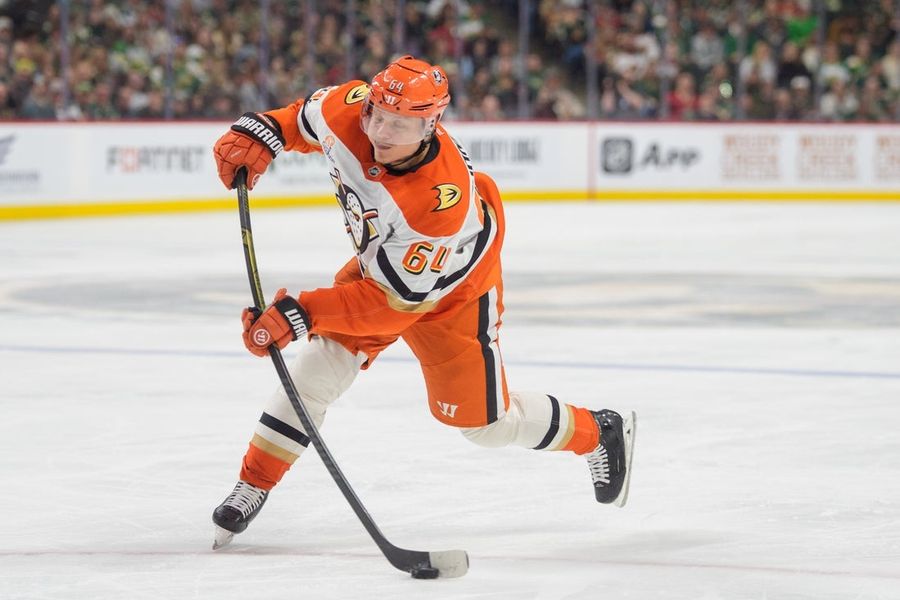 Apr 14, 2026; Saint Paul, Minnesota, USA; Anaheim Ducks center Mikael Granlund (64) shoots against the Minnesota Wild in the third period at Grand Casino Arena. Mandatory Credit: Matt Blewett-Imagn Images





Post Comment