
There’s a particular kind of chaos that the sneaker world specializes in. Every few years, a silhouette drops that makes the internet collectively tilt its head sideways and ask, “Wait, are they serious?” Sometimes those designs quietly disappear into the clearance bin. Other times, they end up on every pair of feet at your local coffee shop. Right now, sneaker mules are having their moment in that strange, uncertain middle ground, and the conversation around them is louder than ever.
This is not a fringe movement from some obscure independent label. This is Nike, Adidas, New Balance, Converse, Vans, Asics, and more all arriving at the same peculiar destination at roughly the same time. When that many heavyweight brands move in one direction simultaneously, it is worth paying attention, even if your first instinct is to log onto Reddit and type “hideous” in the comments section.
Where Did Sneaker Mules Come From?
The earliest signals surfaced in 2024, when Jordan Brand released the Air Jordan Mule Golf, a shoe built for the very specific ritual of walking between holes rather than actually competing on the course. It was niche by design, the kind of footwear that makes complete sense if you own multiple polo shirts and schedule brunch around tee times. Beyond that narrow audience, most people were not exactly lining up.
Reception was brutal and fairly predictable. Critics on social media compared the modification to painting eyebrows on the Mona Lisa. Taking the Air Jordan 1, one of the most architecturally important sneaker silhouettes ever produced, and removing the heel felt like vandalism to many longtime fans. Many pairs ended up sitting below retail on resale platforms, which, in sneaker culture, is about as damning an outcome as there is.
Why Every Major Brand Is Now All-In
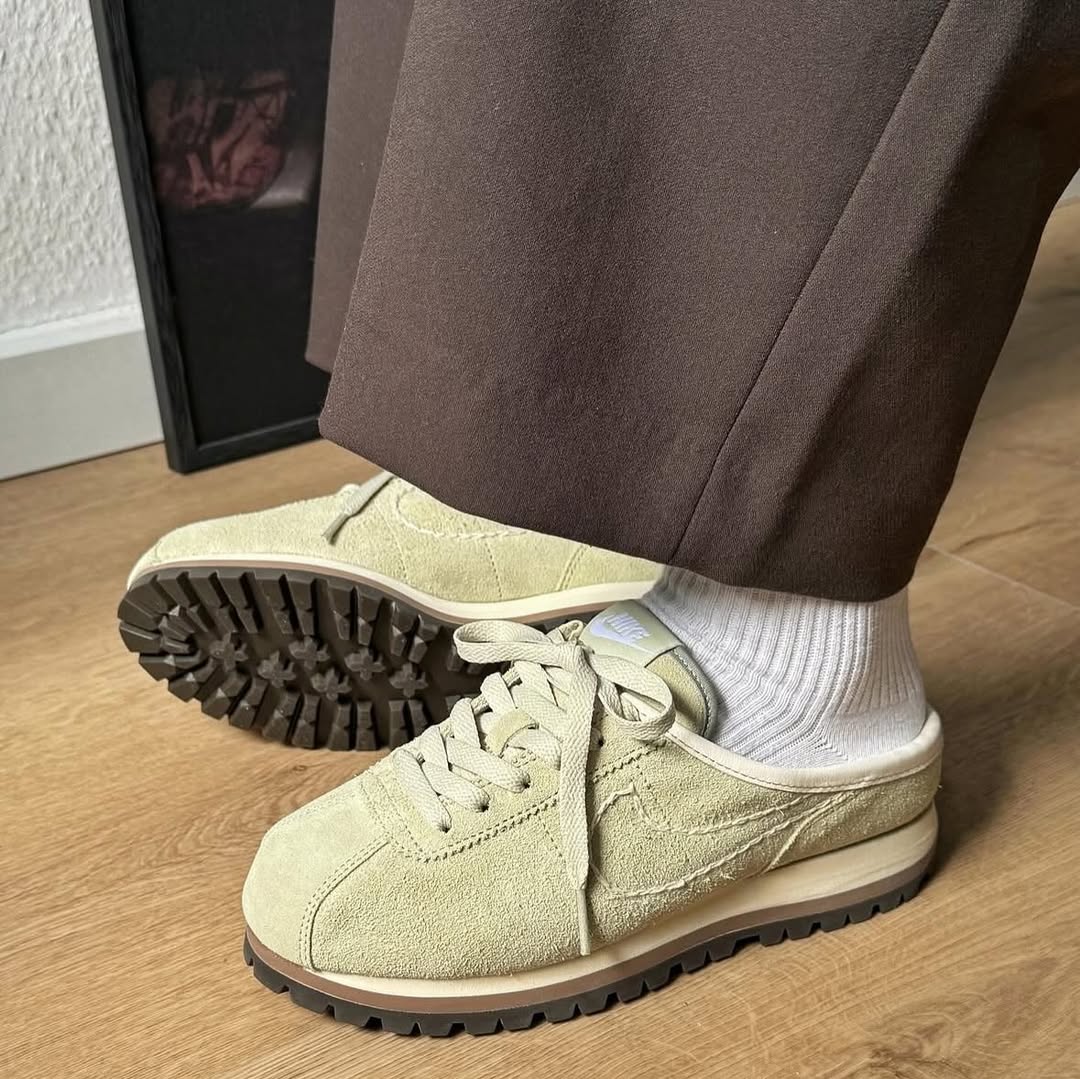
Then something shifted. Within a relatively short window, Adidas unveiled the Samba Mule. New Balance followed with the 9060 Mule. Vans released the Super Lowpro Mule, Converse dropped the One Star Mule, and Asics teased the Gel-1130 Mule. Suddenly, the concept was not a novelty; it was a pattern.
The functional argument for sneaker mules is actually more reasonable than it first appears. Trainers are already the default shoe for nearly every occasion. People wear them to the office, on flights, and to dinner reservations that probably once had a dress code.
A trainer you can slide into without bending down or fumbling with laces carries genuine appeal, particularly in summer, when low-effort dressing becomes a lifestyle philosophy. There is also something honest about their ease. You get the comfort and familiarity of a silhouette you already love, minus the commitment of fully putting a shoe on.
Shop editor’s picks
The Case Against Them, Though
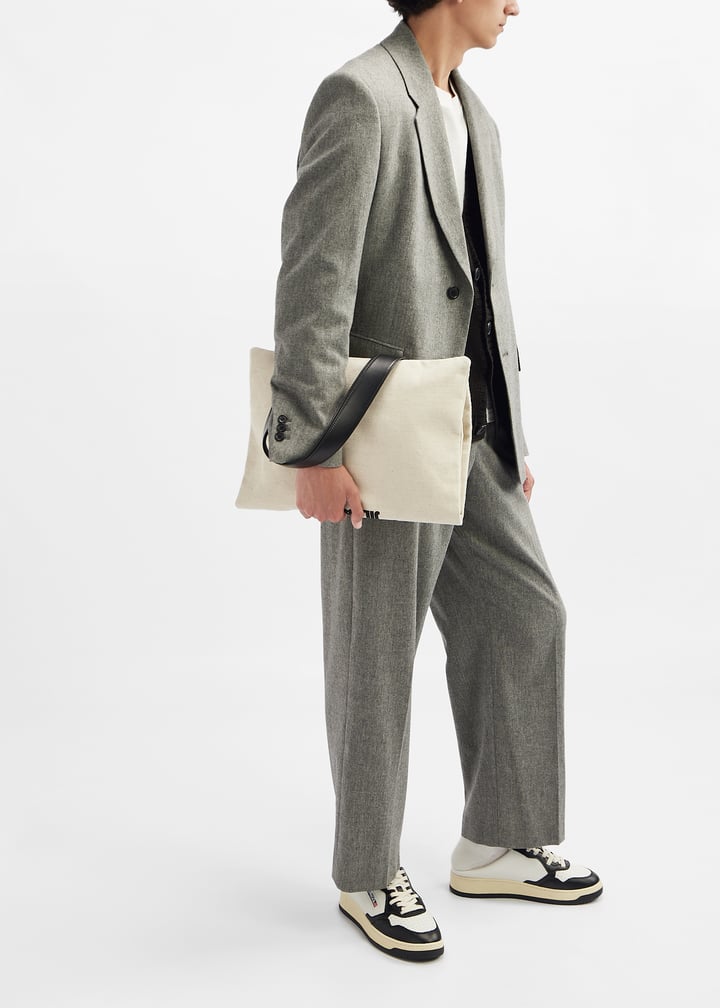
Here is where things get complicated. The comparison to the snoafer trend—hybrid sneaker-loafers like the New Balance 1906L or the Hoka Speed Loafer—only goes so far. Those shoes worked because they were genuinely redesigned. The 1906L borrowed DNA from the 1906R but became its own thing entirely. There was intentional design work happening beneath the surface. With sneaker mules, the process seems considerably more straightforward: take an existing model, remove the back, ship it.
That distinction matters aesthetically. Sneakers are not engineered to function as mules. The heel exists for a reason: structure, fit, and motion control. When it disappears from a slim, low-profile shoe like the Samba, the result remains mostly coherent. When it disappears from a chunky runner like the 9060 or the Gel-1130, the shoe can read as unfinished rather than reimagined. The proportions that made those silhouettes iconic in the first place depend, at least partially, on having a complete back half.
So, Are They Actually Coming Back?
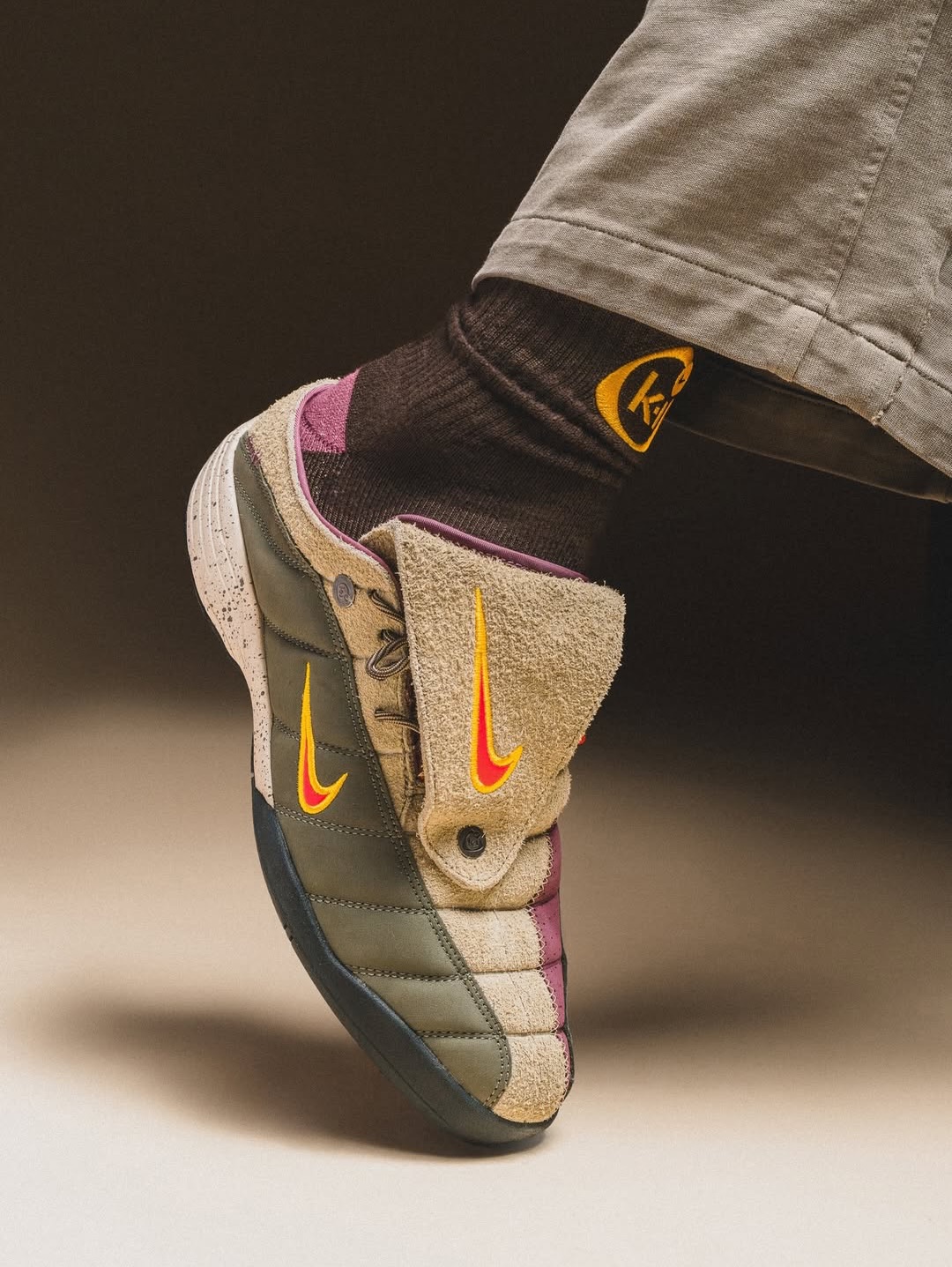
“Coming back” might be the wrong way to frame this, since sneaker mules never really arrived in the first place. A more accurate question is whether this time around they break through into mainstream adoption rather than quietly retiring to the discount section.
The honest answer is probably somewhere in between. Not every version of this trend is working. Some of these collaborations probably should not exist, and the market will tell brands exactly that. But the underlying appeal, a familiar silhouette that is easier to wear, more ventilated in warm weather, and conspicuously low-effort, aligns closely with where casual dressing is headed more broadly.
Sneaker culture has spent years being extremely serious about itself. Raffles, bots, resale margins, heated arguments about toe-box width, the whole ecosystem became exhausting. Sneaker mules are the opposite of all that. They are inherently unserious, and that alone might be their greatest asset. A lot of people laughed at approach shoes and dad sneakers before both eventually became dominant aesthetics.
By next summer, sliding into a pair might feel far less strange than it does right now. That is usually how these things go.
Featured image: Nike
—Read Also

Source link
#Sneaker #Mules #Dividing #Internet #Big #Trend


Post Comment