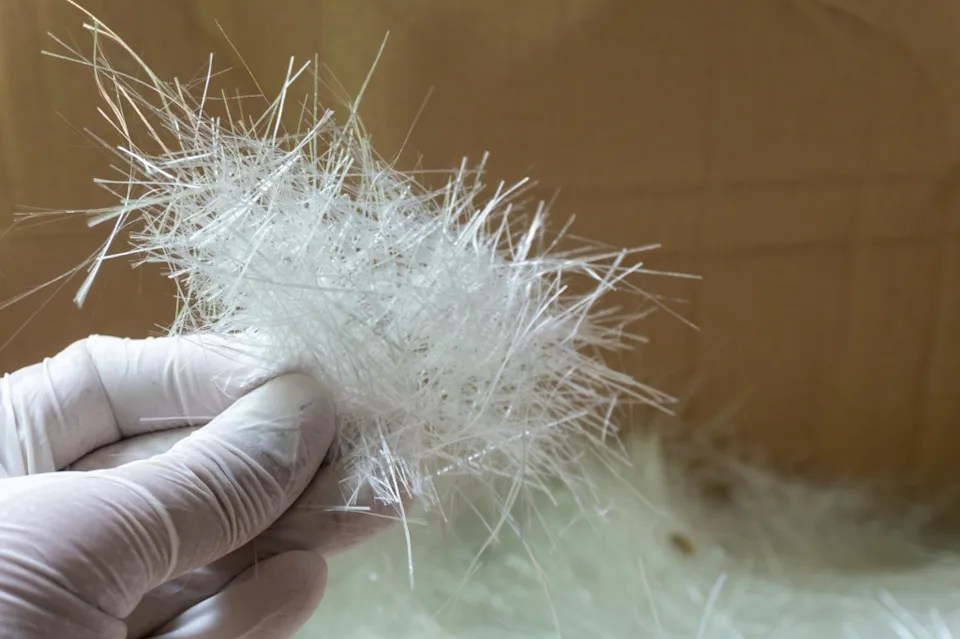
A routine home repair, attic inspection, insulation project, or even a damaged mattress can leave your skin covered in tiny fiberglass fibers, triggering an uncomfortable combination of itching, stinging, and irritation that seems impossible to ignore. If you’re wondering how to get fiberglass out of skin safely, the good news is that most cases can be managed at home with the right approach. This guide covers effective removal methods, common mistakes to avoid, and the signs that may indicate a need for medical attention.
One of the biggest challenges with fiberglass is that the fibers are often too small to see. Unlike a splinter, which is usually visible, fiberglass breaks into microscopic strands that can become lodged in the skin’s outer layer, causing lingering discomfort long after the initial exposure. Proper removal is essential to minimize irritation, prevent further skin reactions, and help the affected area recover more comfortably.
Common Household Items That May Contain Fiberglass
Many people are surprised to learn how common fiberglass is in everyday environments. It is frequently used in insulation, roofing materials, ductwork, pipes, boats, automotive components, and certain mattresses because of its durability, fire-resistant properties, and affordability.
In recent years, fiberglass-containing mattresses have received particular attention after damaged or improperly handled covers released microscopic fibers into homes. Many mattress manufacturers use fiberglass as a fire barrier beneath the outer cover. When the mattress remains intact and used according to the manufacturer’s instructions, the material generally stays contained.
Issues can occur when removable covers are taken off or become damaged, allowing fibers to spread throughout the room. Checking care instructions before removing a mattress cover is one of the simplest ways to prevent accidental exposure.
Home renovation projects, attic inspections, insulation repairs, and even moving damaged household items can also expose people to fiberglass without warning. Because the fibers are often invisible to the naked eye, exposure may not become obvious until itching, irritation, or a prickling sensation develops on the skin.
What Happens When Fiberglass Gets Into Your Skin?
Fiberglass is made from extremely fine strands of glass that can become lodged in the skin’s outer layer upon contact. Unlike a typical splinter, these fibers are often too small to see, yet they can trigger intense itching, redness, tiny bumps, and a persistent prickling sensation.
Many people mistake the irritation for an allergic reaction, but the discomfort is usually mechanical rather than chemical. The fibers physically irritate the skin rather than triggering a true allergic response. This explains why symptoms often improve once the fibers are removed.

If fiberglass comes into contact with your skin, resist the urge to scratch or rub the affected area. Friction can push fibers deeper into the skin and spread them to nearby areas.
Start by moving away from the source of exposure and carefully removing any contaminated clothing. Place the clothing directly into the wash and avoid shaking it, as this can release additional fibers into the air.
Next, rinse the affected area under cool or lukewarm running water. Many experts recommend avoiding hot water immediately after exposure, as heat may increase irritation and make removal more difficult.
Knowing how to get fiberglass out of skin quickly can help reduce itching and prevent fibers from remaining trapped longer than necessary.
How to Remove Fiberglass Safely
Many people assume there is a special cream, ointment, or household remedy capable of pulling fiberglass from the skin. In reality, no proven product exists for this purpose.
After rinsing the area, wash gently with mild soap and water. Avoid aggressive scrubbing, even if the itching feels intense.
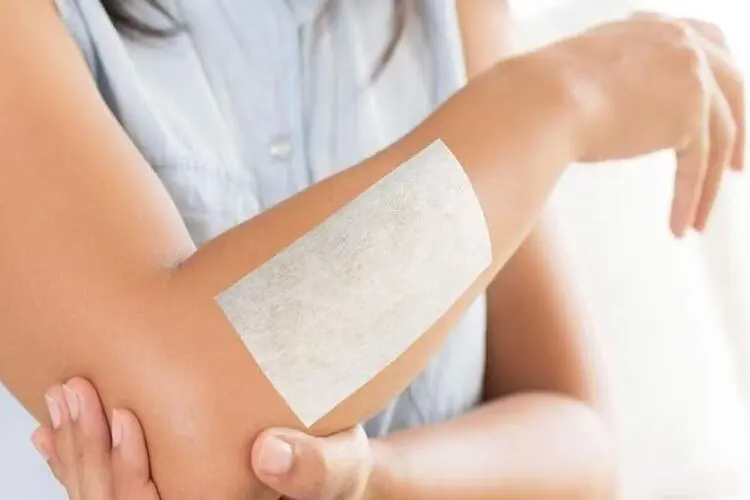
One commonly recommended technique involves applying a piece of adhesive tape to the affected area and carefully lifting it away. This may help remove fibers close to the skin’s surface. Depending on the level of exposure, the process may need to be repeated several times.
Once finished, wash the area again and apply a gentle moisturizer to help calm irritation.
No removal method is perfect. Small fibers may remain embedded temporarily, which is why mild itching can continue for a short time even after thorough cleansing.
Does Cold Water Remove Fiberglass?
Cold water does not dissolve fiberglass, but it can help rinse away loose particles before they become further embedded in the skin. It may also provide temporary relief from itching and irritation. The water’s primary role is to wash away fibers that have not yet become trapped in the skin.
Does Apple Cider Vinegar Remove Fiberglass?
Apple cider vinegar is frequently mentioned online as a fiberglass remedy, but there is little evidence supporting its effectiveness.
Fiberglass consists of glass fibers, and vinegar cannot break them down in a way that removes them from the skin. While some individuals report temporary relief, others may experience additional irritation, particularly if the skin is already inflamed.
This is why most recommendations on how to get fiberglass out of skin focus on physical removal techniques rather than unverified home remedies. Gentle cleansing remains the safer and more reliable option.
Will Fiberglass Come Out on Its Own?
In some cases, yes. The skin naturally sheds dead cells and regenerates over time. During this process, tiny fiberglass particles located near the surface may gradually work their way out.
However, waiting should not be the primary response after exposure. Prompt cleansing and removal efforts offer the best chance of reducing irritation and limiting discomfort.
How Long Does Fiberglass Stay in the Skin?

The answer depends on the extent of exposure and how deeply the fibers become embedded.
Mild cases often improve within several hours or a few days as the skin sheds its outer layers. Small fibers may be expelled naturally during this process. More persistent fragments can remain longer and may require medical evaluation if symptoms do not improve.
How Long Does Fiberglass Stay in the Lungs?
This question understandably concerns many people after significant exposure.
When fiberglass fibers are inhaled, the body’s natural defense mechanisms work to remove many particles over time. The exact timeline varies depending on the level of exposure, fiber size, and overall respiratory health.
A healthcare professional should always evaluate persistent coughing, breathing difficulties, chest discomfort, or heavy exposure.
Final Thoughts
Fiberglass exposure can be uncomfortable, but most minor cases improve with prompt care and gentle cleansing. While symptoms such as itching and irritation often resolve as the skin heals, persistent redness, swelling, increasing pain, or signs of infection should not be ignored.
If you’re wondering how to get fiberglass out of skin safely, focus on proven removal methods and avoid harsh scrubbing or unverified home remedies. Seek medical attention if symptoms worsen, fail to improve, involve the eyes, or are accompanied by breathing difficulties.
Featured image: Style Rave Studio/AI-generated
.
—Read also
Source link
#Remove #Fiberglass #Skin #Making #Worse


Post Comment